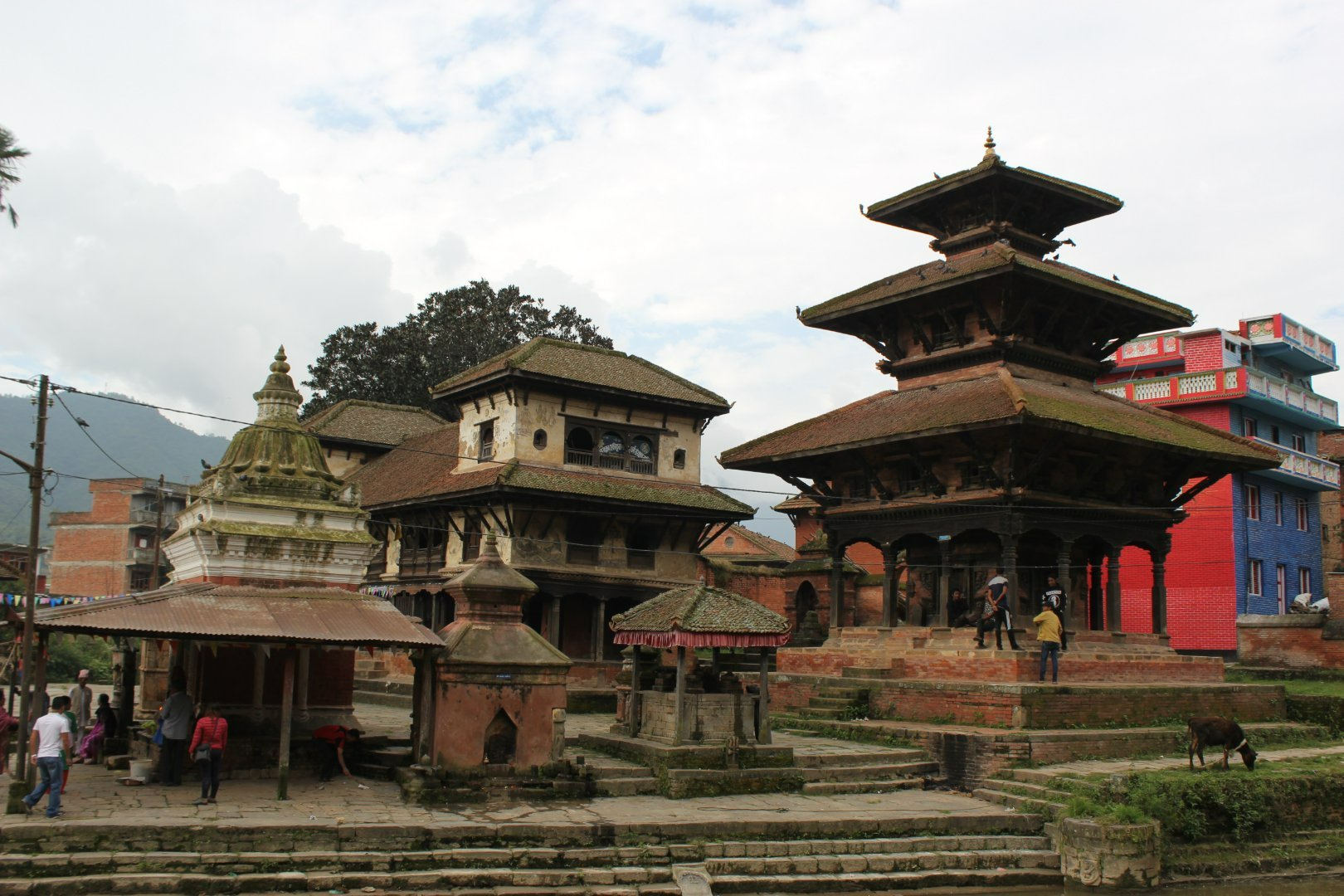
धुलिखेल काठमाडौं उपत्यकाको पूर्वी छेउमा १,५५० मिटरको उचाइमा अवस्थित छ, जहाँबाट मौसम सफा भएको बिहानीमा लाङटाङदेखि गौरीशंकरसम्म फैलिएको हिमाली शृङ्खलाको मनोरम दृश्य देखिन्छ। यस गाइडमा धुलिखेलमा के गर्ने, कहाँ बस्ने, नमोबुद्ध पदयात्रा, र काठमाडौंबाट त्यहाँ कसरी पुग्ने भन्नेबारे जानकारी समेटिएको छ।
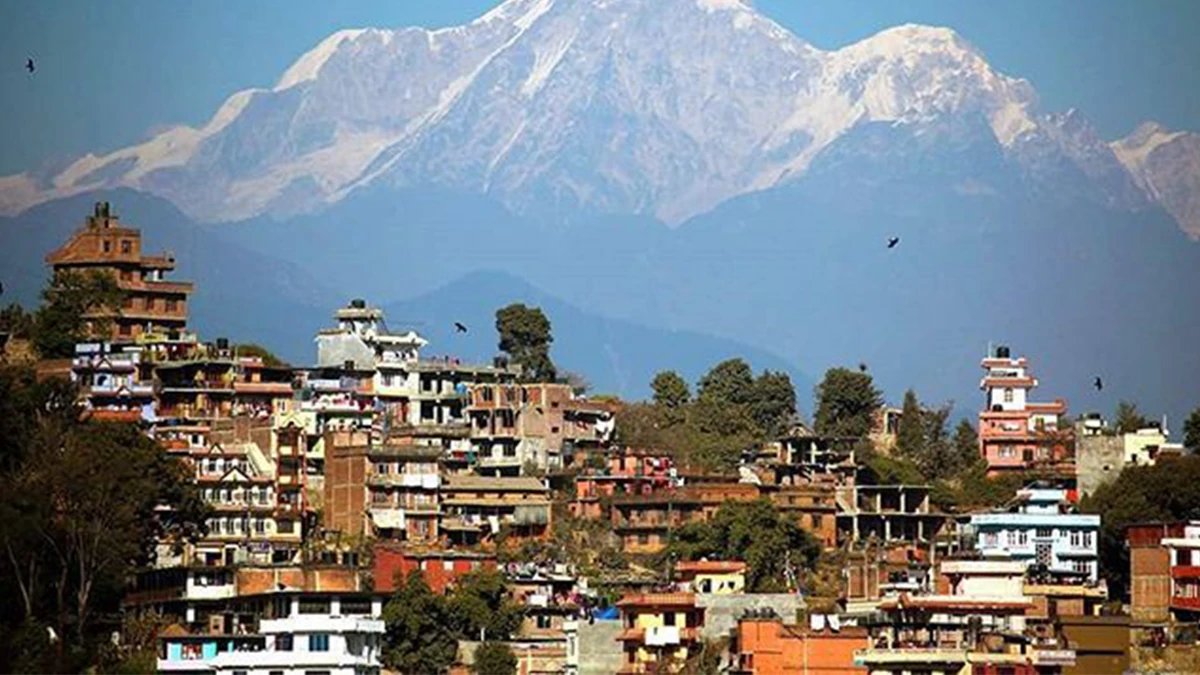
काठमाडौंको पूर्वमा अरनिको राजमार्गमा ३० किलोमिटरको दूरीमा रहेको धुलिखेल, काठमाडौं उपत्यकाको पूर्वी छेउमा १,५५० मिटरको उचाइमा अवस्थित छ। यो भक्तपुरभन्दा शान्त र नगरकोटभन्दा नजिक छ, तर यहाँ ती दुवै ठाउँको तुलनामा कम पर्यटक आउँछन्। यहाँको पुरानो बजारमा ढुङ्गा बिछ्याइएका गल्लीहरू, नेवारी चोकहरू र मल्लकालदेखि नै रहिआएका मन्दिरहरू छन्। मौसम सफा भएको बिहान काली मन्दिरको डाँडाबाट लाङटाङ, गौरीशंकर, दोर्जे लाक्पा र भाग्यले साथ दिएमा सुदूर पूर्वमा सगरमाथाको आकृतिसमेत देख्न सकिन्छ।
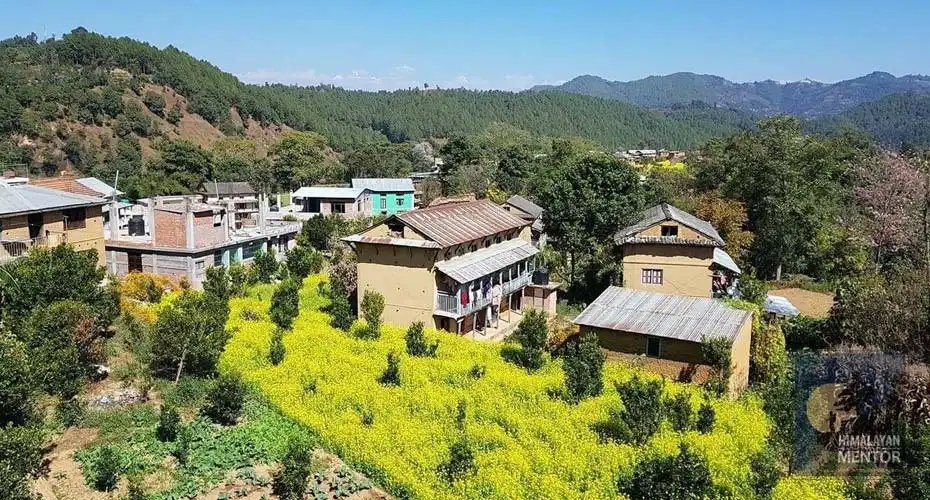
काठमाडौं उपत्यका वरिपरिको यात्राको लागि धुलिखेल एक प्राकृतिक पूर्वी विन्दु हो। यदि तपाईंले उत्तरमा नगरकोट र दक्षिणमा चित्लाङ वा दलचोकी घुमिसक्नुभएको छ भने, धुलिखेलले त्यो यात्रालाई पूर्णता दिन्छ। यो काठमाडौं नजिकैको सबैभन्दा राम्रो आधा-दिन वा पूरा-दिनको पदयात्रा, नमोबुद्ध ट्रेकको सुरूवात बिन्दु पनि हो।
संक्षेपमा
धुलिखेल काठमाडौंबाट ३० कि.मि. टाढा (गाडीमा १.५ देखि २ घण्टा) र १,५५० मिटरको उचाइमा छ।
काली मन्दिरको भ्युप्वाइन्टबाट सूर्योदयको समयमा हिमालयको मनोरम दृश्य देखिन्छ, मौसम सफा भएमा सगरमाथा पनि देख्न सकिन्छ।
धुलिखेलबाट नमोबुद्ध पदयात्रा यहाँको मुख्य गतिविधि हो, नेवार र तामाङ गाउँहरू हुँदै एकतर्फी ३ देखि ४ घण्टा लाग्छ।
धुलिखेलको पुरानो बजार क्षेत्रमा मल्लकालीन नेवारी वास्तुकला, जीवन्त मन्दिरहरू र चोकहरू संरक्षित छन्।
हिमालको दृश्य हेर्न मनसुनको समयमा नगई, अक्टोबरदेखि अप्रिलसम्म घुम्न उत्तम हुन्छ।
खानासहित होमस्टेको मूल्य प्रति रात NPR 1,500 बाट सुरु हुन्छ।
धुलिखेल: एक संक्षिप्त जानकारी
धुलिखेल: शहर र यसको इतिहास
काठमाडौं र तिब्बत बीचको पुरानो व्यापारिक मार्गमा धुलिखेल एक महत्त्वपूर्ण व्यापारिक केन्द्र थियो, मल्ल वंशको शासनकालमा, जुन १२ औं देखि १८ औं शताब्दीसम्म चल्यो। ... बन्नुअघि नुन, मसला, कपडा र धातुहरू यही बाटो भएर जान्थ्यो। अरनिको राजमार्ग बनेर बाटो पूर्ण रूपमा परिवर्तन हुनुअघि। शहरको बहुसांस्कृतिक चरित्र यही इतिहासबाट आएको हो: नेवार, ब्राह्मण, क्षेत्री र तामाङ समुदायहरू शताब्दीयौंदेखि यहाँ मिलेर बस्दै आएका छन्।
पुरानो बजार क्षेत्र पैदल हिँडेर घुम्न लायक ठाउँ हो। भक्तपुरमा जस्तो पर्यटनका लागि भवनहरू पुनर्निर्माण गरिएको छैन, धुलिखेलका पुराना गल्लीहरूमा अझै पनि मानिसहरूको बसोबास छ। हप्ताको कुनै दिन बिहान तपाईं हिँड्दै गर्दा चार सय वर्ष पुरानो, कलात्मक काठको बार्दलीबाट लुगा सुकाइरहेकी महिलालाई देख्न सक्नुहुन्छ। यहाँको जीवनशैली पर्यटकहरूलाई देखाउनको लागि होइन। यो त यहाँको सामान्य दैनिकी हो।
धुलिखेल, नगरकोट, भक्तपुर, पनौती र नमोबुद्धसँगै काठमाडौं उपत्यकाको सांस्कृतिक पदयात्रा सर्किटभित्र पर्दछ। नेपाल पर्यटन बोर्ड ...ले धुलिखेललाई काठमाडौं उपत्यका सर्किटको एक प्रमुख सम्पदा शहरको रूपमा सूचीकृत गरेको छ। काठमाडौंबाट गाउँसम्मको यात्रा समय गाइड ...मा उपत्यकाको बहु-दिवसीय यात्राको योजना बनाउनको लागि राजधानीबाट यी प्रत्येक ठाउँमा पुग्न लाग्ने वास्तविक समय उल्लेख गरिएको छ।
धुलिखेलमा घुम्ने ठाउँहरू
काली मन्दिर भ्युप्वाइन्ट
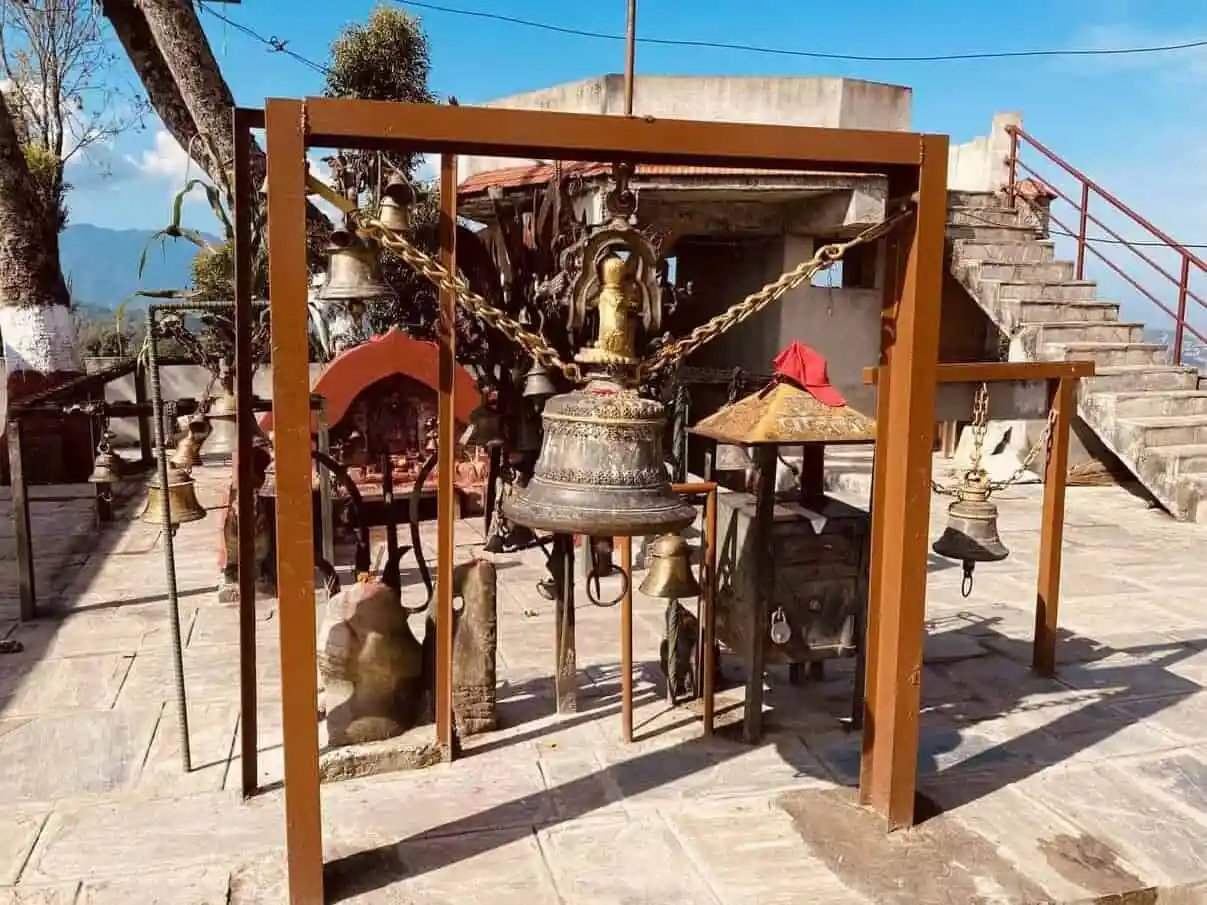
धुलिखेलमा सूर्योदय हेर्ने मुख्य ठाउँ। शहरको केन्द्रबाट ३० मिनेट उकालो हिँडेपछि देवस्थान डाँडामा पुगिन्छ, जहाँ... काली मन्दिर टुप्पोमा अवस्थित छ। यहाँबाट पूर्वी हिमालयको सम्पूर्ण श्रृंखला देखिन्छ: लाङटाङ, गौरीशंकर, दोर्जे लाक्पा, जुगल हिमाल, र अक्टोबर-नोभेम्बरको सफा बिहानीमा सगरमाथाको टाढाको आकृति पनि देखिन्छ। जाडोमा बिहान ५:३० बजे र गर्मीमा ५ बजे नै शहरबाट निस्कनुहोस्। अन्तिमको ठाडो भागमा ढुङ्गाको सिँढी बिछ्याइएको छ। डाँडामा हावा लाग्ने हुनाले एक तह न्यानो कपडा बोक्नुहोला।
पुरानो धुलिखेल बजार
पुरानो बजारको गल्ली शहरको बीचबाट जान्छ र फुर्सदिलो बिहान बिताउनका लागि यो उत्तम ठाउँ हो। सडकको दुवैतिर कुँदिएका काठका झ्याल र बाहिर निस्किएका बार्दली भएका तीन-तले इँटका भवनहरू छन्। हरिसिद्धि मन्दिर र अन्य साना मन्दिरहरू गल्लीहरूमा छरिएका छन्। यो शहर अझै पनि मुख्यतया आवासीय हो, जसको अर्थ तपाईं हिँड्ने चोकहरू मानिसहरूका घर हुन्, संग्रहालयका पुनर्निर्माण होइनन्। बिस्तारै हिँड्नुहोस्, काठका कलाकृतिहरू हेर्नुहोस्, र केही मन परेमा रोकिनुहोस्।
नमोबुद्ध पदयात्रा
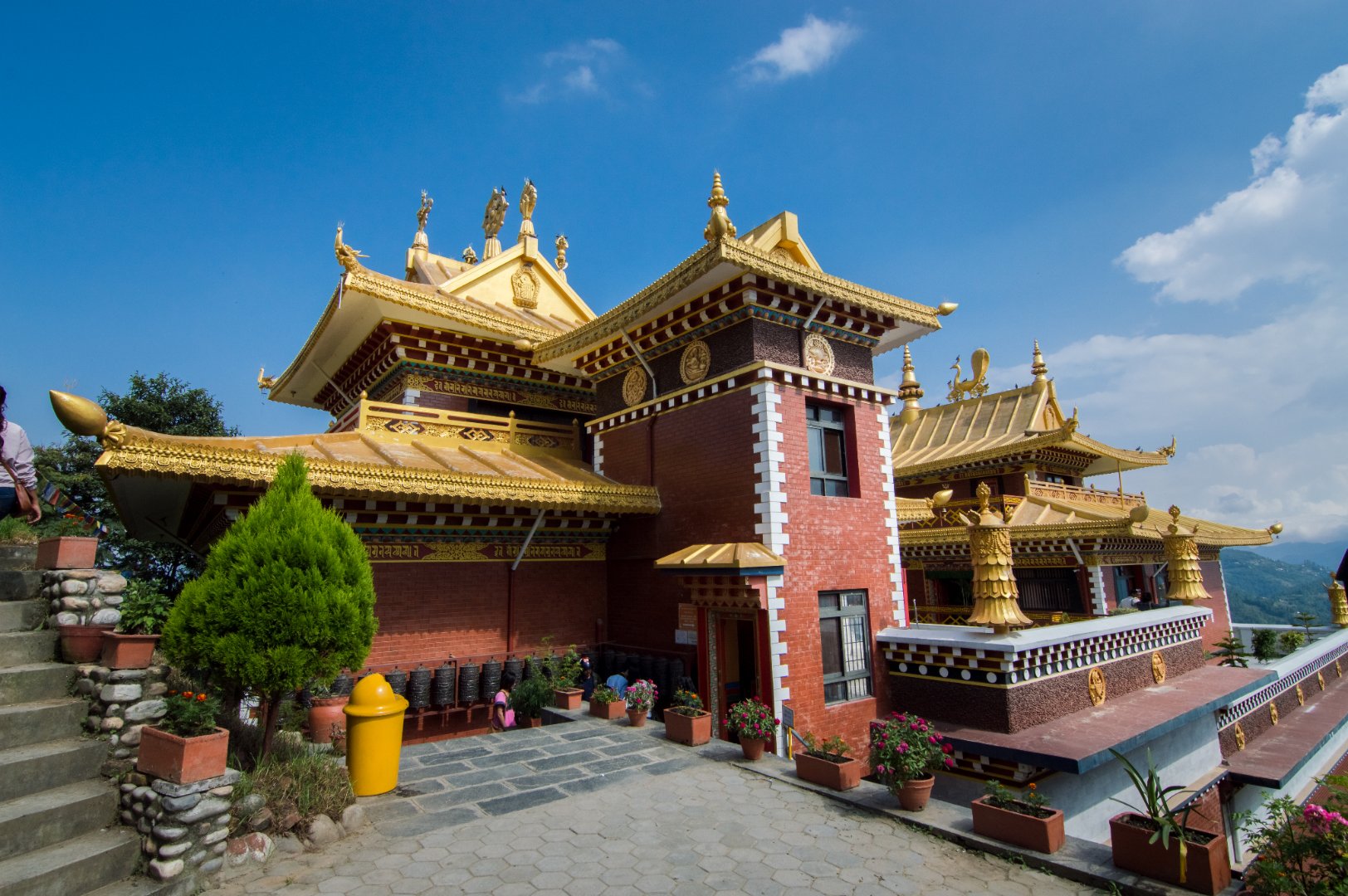
धुलिखेलबाट गरिने यो एक मुख्य गतिविधि हो। पदमार्ग शहरबाट पूर्वतिर जङ्गल, गरा-खेत र साना तामाङ गाउँहरू हुँदै उकालो लाग्नुअघि नमोबुद्ध गुम्बा १,७५० मिटरको उचाइमा रहेको नमोबुद्ध पुगिन्छ। नमोबुद्ध नेपालको सबैभन्दा पवित्र बौद्ध तीर्थस्थलहरूमध्ये एक हो। बौद्ध किंवदन्ती अनुसार, एक राजकुमारले भोकले मर्न लागेकी सुत्केरी बघिनी र उसका डमरुहरूलाई आफ्नै शरीर दान दिएको ठाउँमा यो गुम्बा बनेको हो। उकालो चढेर गुम्बामा पुग्दा, भवनहरू देखिनुअघि नै धूपिको मीठो बास्ना आउँछ। मुख्य स्तुपबाट सबैतिर लुङ्ताहरू टाँगिएका छन्। धुलिखेलबाट हिँडेर जाँदा एकतर्फी ३ देखि ४ घण्टा लाग्छ। गाइड आवश्यक पर्दैन। बाटोमा चिन्हहरू छन् र बाटोमा पर्ने गाउँहरूमा सोध्दै जान सकिन्छ। त्यही बाटो फर्कन सकिन्छ वा नमोबुद्धबाट धुलिखेलसम्म रु १,५०० देखि २,००० मा जिप रिजर्भ गर्न सकिन्छ।
पनौतीको एक दिने यात्रा
धुलिखेलबाट १० किलोमिटर दक्षिणमा गाडी बाटोमा पर्ने, पनौती पनौती काठमाडौं उपत्यकाको सबैभन्दा राम्रोसँग संरक्षित नेवारी शहरहरूमध्ये एक हो। यो शहर रोशीखोला र पुण्यमती नदीको संगममा अवस्थित छ र यहाँ १५ औं शताब्दीका मन्दिरहरू भएको दरबार क्षेत्र छ। पनौती सामुदायिक होमस्टे नेपालको सबैभन्दा पुरानो महिला-नेतृत्वको सामुदायिक होमस्टे सञ्जालहरूमध्ये एक हो, यदि तपाईं धुलिखेल नफर्की त्यहीँ बस्न चाहनुहुन्छ भने।
बलथली
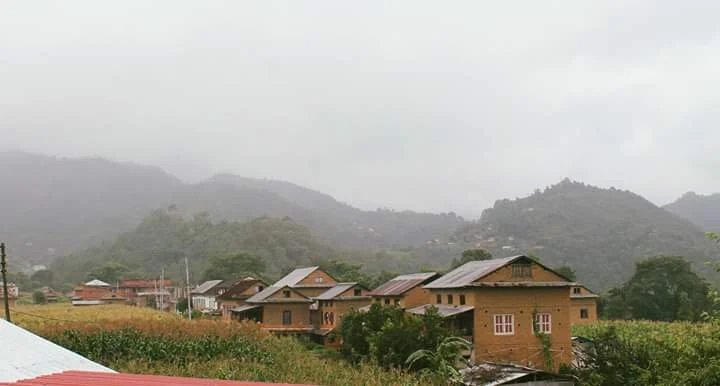
धुलिखेलबाट २० किलोमिटर दक्षिणमा, बलथली १,७३० मिटरको उचाइमा गरा-खेत र पहाडका राम्रा दृश्यहरू देखिने एक शान्त उपत्यकामा अवस्थित छ। यदि तपाईं धुलिखेलभन्दा पनि ग्रामीण र कम भीडभाड भएको ठाउँ खोज्दै हुनुहुन्छ भने यो सही गन्तव्य हो। बलथलीको विभूति होमस्टे Nepal Homestays मा प्रमाणित होमस्टे हो र यदि तपाईं काभ्रेमा केही दिनको यात्रा गर्दै हुनुहुन्छ भने यो एक स्वाभाविक रोजाइ हुन सक्छ।
धुलिखेलको होमस्टेमा के अपेक्षा गर्ने
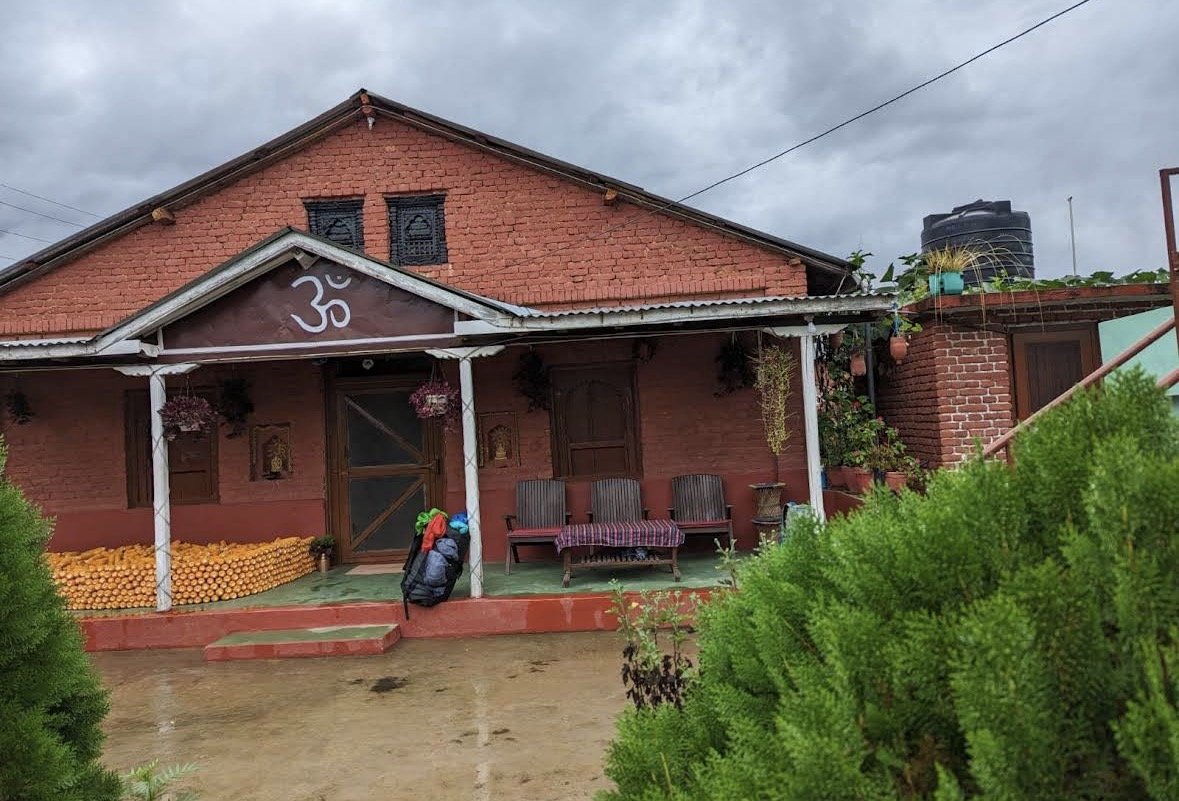
धुलिखेलका होमस्टेहरू पुरानो बजार वा वरपरका डाँडाहरूमा रहेका पारिवारिक घरहरू हुन्। अधिकांश होमस्टेहरू नेवार पुर्खौंदेखि यही शहरमा बस्दै आएका परिवारहरूले चलाएका छन्। कोठाहरू साधारण, काठका फर्निचर र बाक्ला सिरक-डसना भएका हुन्छन्। बुकिङ गर्दा पूर्वतिर फर्केको कोठा माग्नुहोस्। त्यो झ्यालबाट बिहान डाँडाहरूमा पर्ने उज्यालो नै तपाईं यहाँ आउनुको मुख्य कारण हो।
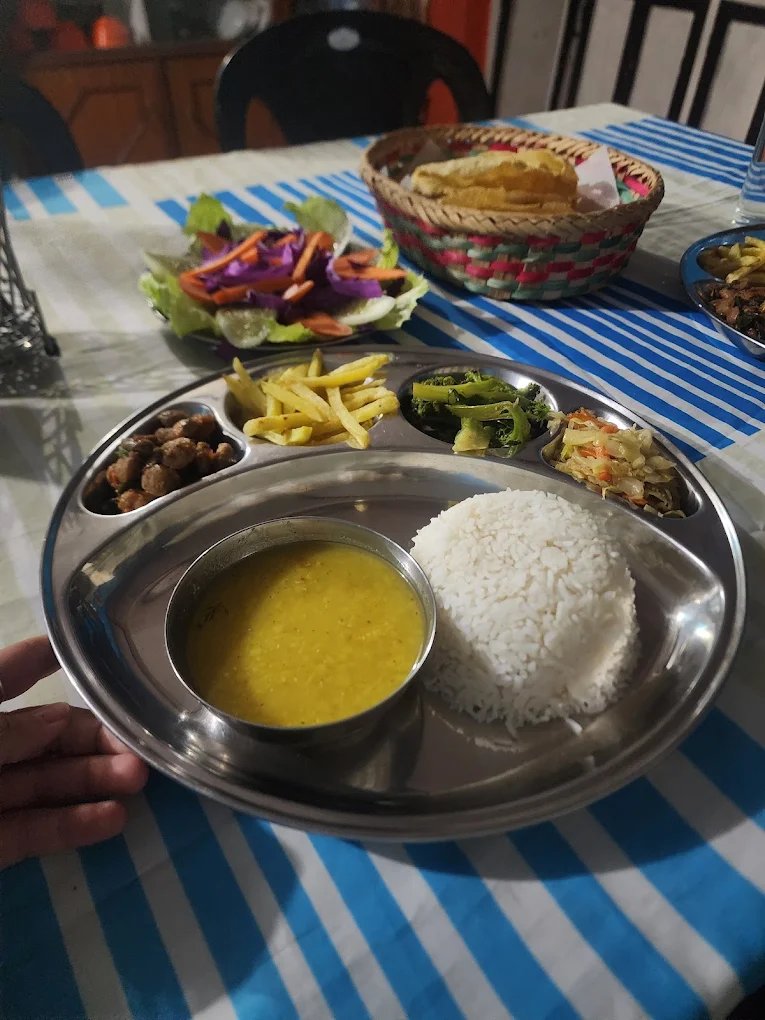
खानामा नेवारी स्वाद मिसिएको पहाडी परिकारहरू पाइन्छन्। दाल-भात, तरकारी र करेसाबारीमा जे फलेको छ, त्यही खान पाइन्छ। धेरैजसो बिहानमा भात, अण्डा र चिया हुन्छ। पुरानो बजार क्षेत्रका केही होमस्टेहरूले परम्परागत नेवारी परिकारहरू पनि बनाइदिन्छन्, जस्तै योमरी (चाकु र तिल भरेर बाफमा पकाइने चामलको पिठोको परिकार), यदि तपाईंले पहिल्यै भन्नुभयो र सही मौसममा पुग्नुभयो भने।
यहाँ होटलको तुलनामा होमस्टेको व्यावहारिक फाइदा सामान्य छ। तपाईंको गृहधनी गत महिना मात्र नमोबुद्धको बाटो हिँडेका हुन सक्छन्। उनीहरूलाई थाहा हुन्छ, कहाँ चिप्लो छ र कुन ठाउँमा बाटोको चिन्ह हराउँछ। होटलको स्वागत कक्षमा यो जानकारी हुँदैन।
धुलिखेलमा उपलब्ध होमस्टेका विकल्पहरू हेर्नुहोस् नेपाल होमस्टे र आउनुअघि कोठाको प्रकार, खानाको व्यवस्था, र सूर्योदय हेर्न जाने प्रबन्धबारे गृहधनीसँग सीधै कुरा गरेर निश्चित गर्नुहोस्। सप्ताहान्तमा काठमाडौंबाट धेरै आन्तरिक पर्यटकहरू आउँछन्, त्यसैले यदि तपाईं शान्त वातावरण चाहनुहुन्छ भने आइतबारदेखि बिहीबारसम्मको योजना बनाउनुहोस्।
धुलिखेल रहेको बृहत् काठमाडौं उपत्यका होमस्टे सर्किटको सन्दर्भमा, काठमाडौं नजिकका गाउँले होमस्टे गाइड र नगरकोट होमस्टे गाइड ले उत्तरी र पश्चिमी सर्किट स्टपहरू समेट्छन्। चित्लाङ होमस्टे गाइड र दलचोकी गाइड ले दक्षिणी भेगलाई समेट्छन्।
काठमाडौंबाट धुलिखेल कसरी पुग्ने
बसबाट: काठमाडौंको रत्नपार्कबाट नियमित रूपमा बस तथा माइक्रोबसहरू चल्छन्। ट्राफिकअनुसार यात्रामा डेढदेखि दुई घण्टा लाग्छ। भाडा रु ५० देखि ८० सम्म पर्छ। धुलिखेल बसपार्कमा ओर्लिनुहोस्। यो सबैभन्दा सस्तो विकल्प हो र दिनभरि साँझसम्म बसहरू चल्छन्।
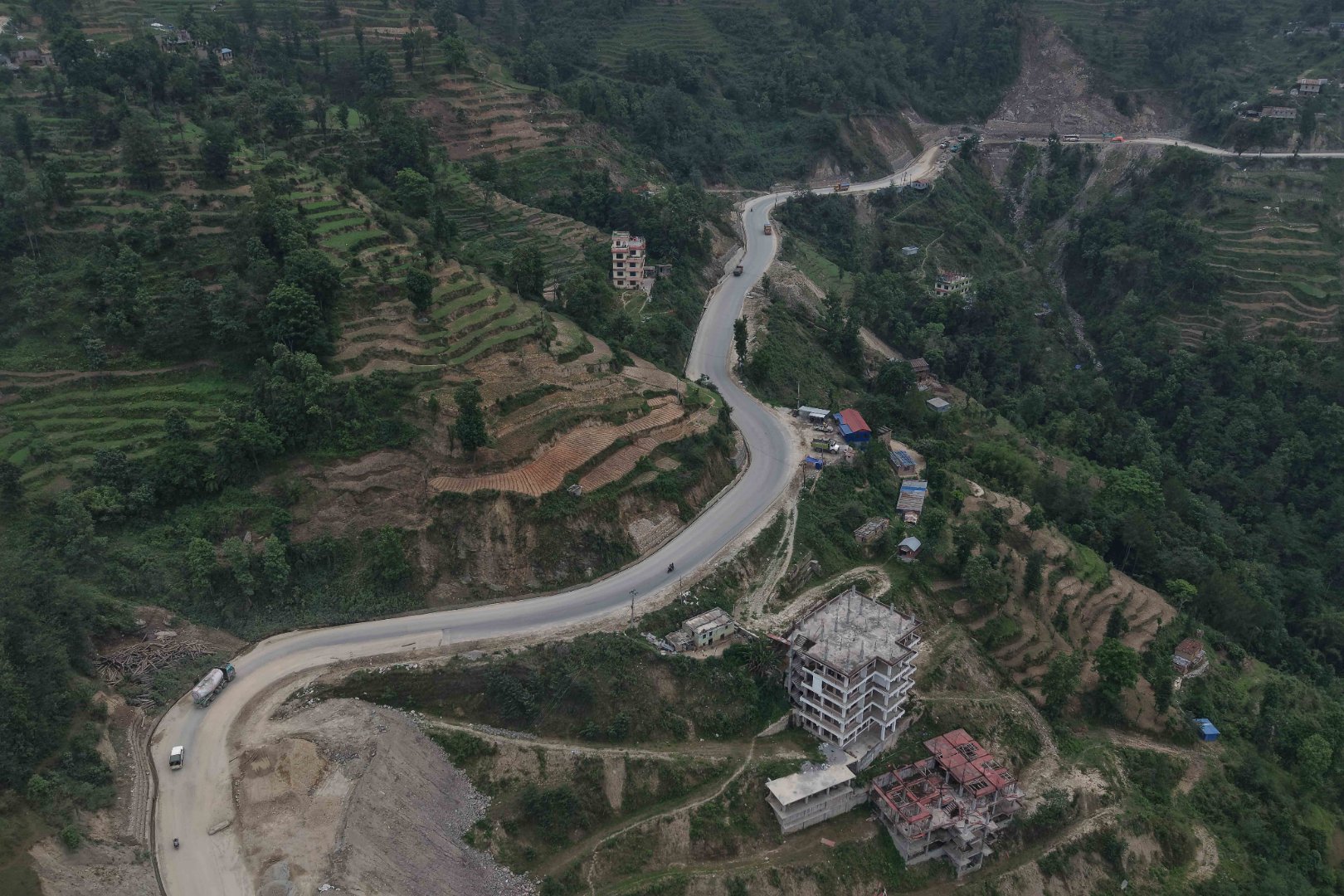
प्राइभेट ट्याक्सीबाट: मोलतोलअनुसार ठमेलबाट रु १,५०० देखि २,५०० सम्म लाग्छ। भक्तपुर र बनेपा हुँदै अरनिको राजमार्गबाट करिब डेढ घण्टा लाग्छ। तपाईं बस्ने होमस्टेले पहिले नै फर्किनका लागि ट्याक्सीको व्यवस्था गरिदिन सक्छ।
भक्तपुर हुँदै: बाटोमा रोकिनु एउटा लोकप्रिय विकल्प हो भक्तपुर केही घण्टाका लागि। भक्तपुर धुलिखेलबाट १८ कि.मि. टाढा छ र त्यही राजमार्गमा पर्छ। बिहानको समय त्यहाँ बिताएर दिउँसोतिर धुलिखेल पुग्नुभयो भने सूर्यास्तअघि पुरानो बजार घुम्न पर्याप्त उज्यालो हुन्छ।
साइकलबाट: साहसिक यात्रीहरू काठमाडौंबाट भक्तपुर र बनेपा हुँदै साइकलमा जान्छन्। कुल दूरी करिब ३५ कि.मि. छ र अन्तिम खण्डमा एउटा मुख्य उकालो छ। बाटो सहजै पार गर्न सकिन्छ तर अरनिको राजमार्गमा बसहरूसँगै यात्रा गर्नुपर्छ। यसका लागि ३ देखि ४ घण्टा छुट्याउनुहोस्।
मूल्यहरू
धुलिखेल घुम्ने उत्तम समय
अक्टोबरदेखि डिसेम्बरसम्म सबैभन्दा उत्तम समय हो। मनसुन सकिएको हुन्छ, आर्द्रता छिट्टै घट्छ, र काली मन्दिरको डाँडाबाट धेरैजसो बिहान हिमालको सफा दृश्य देखिन्छ। अक्टोबर र नोभेम्बरमा सप्ताहन्तमा काठमाडौंबाट आउने आन्तरिक पर्यटकहरूको सबैभन्दा बढी भीड हुन्छ।
जनवरीदेखि मार्चसम्म चिसो भए पनि मौसम सफा हुन्छ। जनवरीमा धुलिखेलमा रातको तापक्रम २ देखि ५ डिग्री सेल्सियससम्म झर्छ। हिमालको दृश्य राम्रो देखिन्छ र नमोबुद्ध जाने बाटो सुख्खा र शान्त हुन्छ। मार्चमा दिनहरू न्यानो हुँदै जान्छन् र बाल्थलीतर्फ जाने बाटोमा लालीगुराँस फुल्न थाल्छ।
अप्रिलदेखि मेसम्म न्यानो हुन्छ र उपत्यकामा तुवाँलो लाग्नुअघि बिहानपख राम्रोसँग देखिन्छ। पुरानो बजार घुम्न र नमोबुद्ध पदयात्रा गर्न दुवै सहज हुन्छ। मे महिनादेखि मनसुन नजिकिँदै जाँदा गर्मी बढ्न थाल्छ।
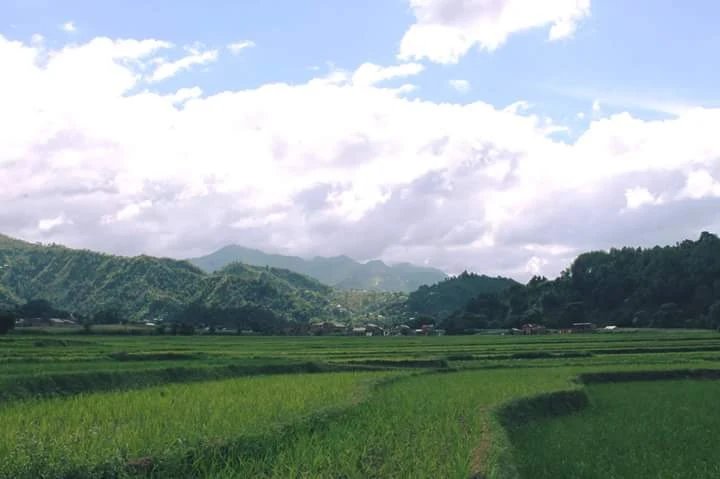
जुनदेखि सेप्टेम्बरसम्म मनसुनको समय हो। धेरैजसो दिन बादलले गर्दा हिमालको दृश्य देखिँदैन। नमोबुद्ध जाने बाटो ठाउँ-ठाउँमा हिलाम्य र चिप्लो हुन्छ। शहर हरियालीले भरिएको हुन्छ र वरपरका खेतहरू हराभरा देखिन्छन्, तर यो सूर्योदय हेर्नका लागि उपयुक्त समय होइन।
अन्त्यमा
धुलिखेलले तपाईंबाट धेरै कुरा माग्दैन। एक रातको सट्टा दुई रात, र काली मन्दिरबाट सूर्योदय हेर्नका लागि बिहान सबेरैको अलार्म। बस्, यति नै हो। यो त्यस्तो कुरा हो जुन तपाईंलाई सगरमाथा आधार शिविर जस्तै भव्य भएर होइन, बरु तपाईं एउटा शान्त डाँडामा उभिएर, तल उपत्यका अँध्यारै छँदा, हिमालय श्रृंखलालाई सुन्तला रंगमा बदलिएको हेरिरहनुभएको थियो र तपाईंको वरिपरि सायद अरू चार जना मात्र थिए, त्यसकारणले याद रहन्छ।
नेपालको यही रूप हो जुन धेरैजसो यात्रा तालिकामा समावेश हुँदैन। धुलिखेल र वरपरको काभ्रे जिल्लाका होमस्टे विकल्पहरू हेर्नुहोस् नेपाल होमस्टे र सिधै गृहधनी परिवारसँग बुकिङ गर्नुहोस्।
बारम्बार सोधिने प्रश्नहरू
धुलिखेल केका लागि प्रसिद्ध छ?
धुलिखेल काली मन्दिरबाट देखिने हिमाली सूर्योदयको दृश्य, मल्लकालीन समयदेखि संरक्षित पुरानो नेवारी बजार, र नमोबुद्ध पदयात्राको सुरूवात बिन्दुका लागि प्रख्यात छ। यो काठमाडौं नजिकैको यस्तो पहाडी शहर हो जहाँबाट हिमालको वास्तविक दृश्य देखिन्छ र जहाँ ऐतिहासिक वास्तुकला अझै पनि सुरक्षित छ।
धुलिखेल काठमाडौंबाट कति टाढा छ?
धुलिखेल काठमाडौंबाट ३० किलोमिटर टाढा छ, र भक्तपुर र बनेपा हुँदै अरनिको राजमार्गबाट बस वा प्राइभेट ट्याक्सीमा करिब डेढदेखि दुई घण्टा लाग्छ।
धुलिखेलबाट नमोबुद्धको पदयात्रा कत्तिको गाह्रो छ?
यो पदयात्रालाई सजिलोदेखि मध्यम स्तरको मानिन्छ। एकतर्फी ३ देखि ४ घण्टा लाग्ने यो बाटो जंगल र गरा-कान्ला भएका खेतहरू हुँदै जान्छ। यसका लागि कुनै प्राविधिक सीप वा पहिले ट्रेकिङ गरेको अनुभव आवश्यक पर्दैन। यो बाटो गाउँहरू हुँदै जान्छ जहाँ तपाईंले बाटो सोध्न सक्नुहुन्छ। गाइड लैजानु अनिवार्य छैन।
धुलिखेलबाट कुन-कुन हिमाल देखिन्छन्?
मौसम सफा भएको दिन काली मन्दिरबाट लाङटाङ, गौरीशंकर, दोर्जे लाक्पा, जुगल हिमाल, मनास्लु देख्न सकिन्छ, र अक्टोबर र नोभेम्बरको सबैभन्दा सफा बिहानीमा, पूर्वी क्षितिजमा सगरमाथाको टाढाको आकृति पनि देखिन्छ।
धुलिखेल घुम्ने उत्तम समय कुन हो?
अक्टोबरदेखि अप्रिलसम्म। अक्टोबरदेखि डिसेम्बरसम्म हिमालको दृश्य सबैभन्दा सफा देखिन्छ र मौसम पनि एकदमै रमाइलो हुन्छ। वरपरका पदमार्गहरूमा लालीगुराँस फुलेको हेर्नका लागि मार्च महिना उपयुक्त हुन्छ। जुनदेखि सेप्टेम्बरसम्म मनसुनको बादलले प्रायः बिहान हिमालको दृश्य छेक्ने हुनाले यो समयमा नजानु नै बेस हुन्छ।
काठमाडौंबाट एक दिनको यात्रामा धुलिखेल जानु कत्तिको उपयुक्त होला?
हो, तर दुई रात बस्नु अझ राम्रो हुन्छ। एक दिने यात्रामा तपाईं पुरानो बजार घुम्न र सूर्यास्तको दृश्य हेर्न सक्नुहुन्छ। तर एक रात बसेमा बिहान काली मन्दिरबाट सूर्योदय हेर्न पाइन्छ र भोलिपल्ट काठमाडौं फर्कनुअघि नमोबुद्ध पदयात्राको लागि पनि समय हुन्छ।
नगरकोटको तुलनामा धुलिखेल कस्तो छ?
दुवै काठमाडौंको पूर्वमा पर्ने पहाडी सहर हुन्, जहाँबाट हिमाल र सूर्योदयको सुन्दर दृश्य देखिन्छ। नगरकोट २,१७५ मिटरको उचाइमा छ र यहाँबाट हिमालको अलि बढी मनमोहक दृश्य देखिन्छ। धुलिखेलमा भने पुरानो नेवारी बजार जस्ताको तस्तै रहेकाले यसको सांस्कृतिक महत्त्व बढी छ, र यो नमोबुद्ध पदयात्राका लागि पनि उपयुक्त ठाउँमा पर्छ। यी दुई ठाउँको सडक दूरी २३ कि.मि. छ र दुई-तीन दिनको यात्रामा दुवै ठाउँ सँगै घुम्न सकिन्छ।
Company Admin
नेपालका सुन्दर होमस्टेहरूबारे सच्चा कथा र अनुभव साझा गर्ने यात्रा लेखक।