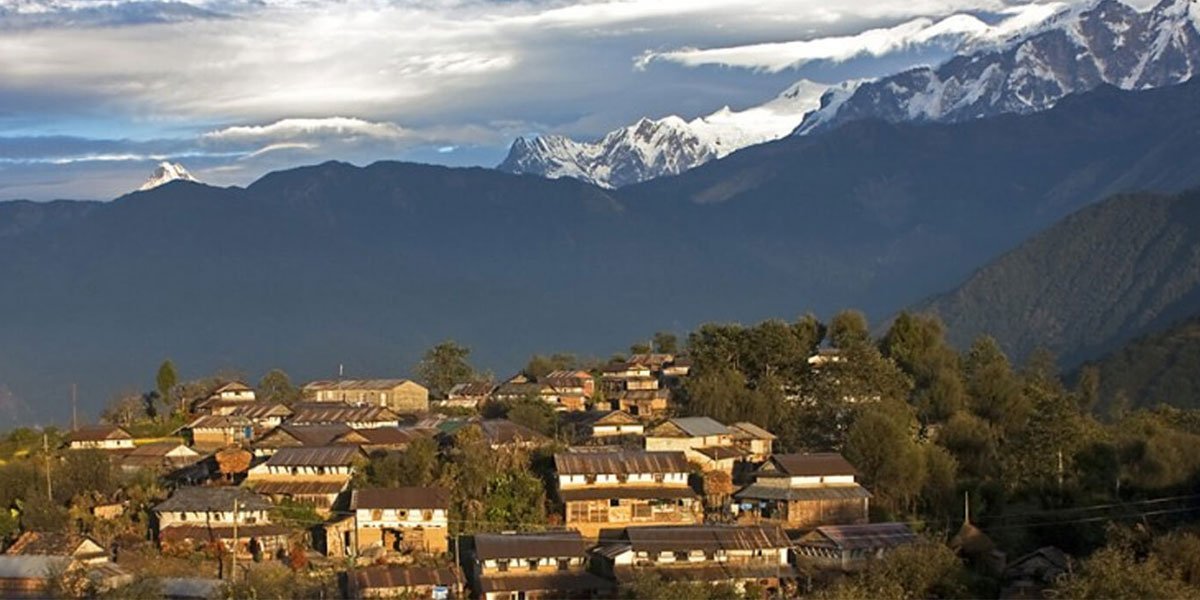
Homestays in Nepal offer true local living. This 2026 guide covers costs, expectations, best regions, and why verified homestays are ideal for first-time visitors.
Homestays in Nepal are one of the most direct ways for first-time visitors to experience real Nepali hospitality beyond the hotel circuit. Unlike standardized accommodations, homestays place travelers inside living communities, often villages or older cultural neighborhoods where the host family shares local food, routines, and heritage firsthand. Nepal Tourism Board highlights homestays as a bridge to authentic culture and diverse landscapes across the country.
In 2026, homestays are also a strong fit for travelers who care about low-impact, community-benefiting tourism. Community homestay models in Nepal have grown rapidly and are widely seen as a way to spread tourism income more fairly into rural areas and women-led households.
What a homestay in Nepal actually is
A Nepal homestay is a registered family home that hosts travelers in spare rooms, typically providing meals and cultural interaction. Many operate under national homestay directives and local municipality rules to maintain basic standards of hygiene, safety, and guest registration.
Core idea: you’re not just renting a bed, you're joining a host household for a short time.
Types of homestays: private vs community
Community homestays are especially common in Nepal and supported by multiple stakeholders, including NTB and local bodies.
What makes homestays in Nepal special in 2026?
Homestays in Nepal aren’t a “budget alternative.” They are a cultural accommodation system built around hospitality, local livelihoods, and heritage continuity. Nepal’s tourism agencies promote homestays to distribute tourism benefits beyond Kathmandu, Pokhara, Chitwan, while giving travelers authentic village or heritage-town immersion.
In 2026, three things make homestays especially valuable for first-timers:
Authenticity without added complexity: You get real daily life, food, language exposure, and cultural practices without needing trekking logistics.
Community impact is visible: Many homestays are women-managed or community-networked, meaning your stay directly supports household income, youth opportunities, and cultural preservation.
A growing verified ecosystem: community homestay has expanded from a single homestay in 2012 to hundreds of host families across dozens of communities, improving consistency for new travelers.
What to expect as a first-time guest
Most first-time visitors worry about comfort and boundaries. Here’s the realistic picture:
Accommodation & rooms
Clean private rooms are standard; bathrooms may be attached or shared depending on location.
Village homestays can be simpler (warm bedding, basic furniture, bucket or solar showers), while urban ones can feel close to guesthouses.
Clean private rooms are standard; bathrooms may be attached or shared depending on location.
Village homestays can be simpler (warm bedding, basic furniture, bucket or solar showers), while urban ones can feel close to guesthouses.
Meals
Usually breakfast + dinner included, often cooked with local ingredients.
Expect dal-bhat, seasonal vegetables, local pickles, and regional specialties.
Usually breakfast + dinner included, often cooked with local ingredients.
Expect dal-bhat, seasonal vegetables, local pickles, and regional specialties.
Daily life & culture
Hosts may invite guests to participate in farming, cooking, weaving, or festivals.
Participation is optional; polite curiosity is always appreciated.
Hosts may invite guests to participate in farming, cooking, weaving, or festivals.
Participation is optional; polite curiosity is always appreciated.
Costs & what’s included
Average price range (2026)
Homestays in Nepal are still among the most affordable cultural stays in South Asia. Typical prices range roughly USD $10–$30 per person per night, depending on location and services.
What your rate usually covers
Room stay
Two meals (breakfast and dinner)
Cultural hosting / basic village activities
Local hospitality and guidance
Room stay
Two meals (breakfast and dinner)
Cultural hosting / basic village activities
Local hospitality and guidance
Price comparison table
Where to go: best regions for first-timers
Nepal has homestays almost everywhere, but first-time visitors benefit from places that are easy to access and well-organized.
Quick picks for 2026 beginners
Kathmandu Valley edges & heritage towns (short travel, rich culture)
Mid-hill villages near Pokhara (scenic, beginner-friendly)
Terai community regions (Tharu and wildlife circuits)
Kathmandu Valley edges & heritage towns (short travel, rich culture)
Mid-hill villages near Pokhara (scenic, beginner-friendly)
Terai community regions (Tharu and wildlife circuits)
If you’re visiting Nepal for the first time and want the most genuine way to start your journey, homestays are the answer. Visit Nepal Homestays for the top picks verified homestays.
Accessibility snapshot
This is the accessibility snapshot where the approx travel time are noted of the top itineraries destination
Nepal Homestays lists many homestay clusters across Nepal including Panauti, Nuwakot, Palpa, Bardiya, Shree Antu, Nagarkot, etc.
Homestay rules & standards (what Nepal’s directive requires)
Nepal operates homestays under a national Homestay Operating Directive. This directive outlines who can run homestays, basic standards, and how registration works at local levels.
Key standards first-timers benefit from (simplified):
Registration & local monitoring: Nepal homestays are registered through municipality / ward structures.
Guest record system: operators must record guest identity and stay details.
Minimum hygiene & service norms: clean bedding, safe water practice, basic sanitation, respectful hosting.
Community homestay governance: community models are encouraged with shared rules, cultural programming, and rotation systems for fair income.
Why this matters for 2026 beginners: You’re not stepping into an unregulated unknown verified homestays that have a governance framework and accountability line.
Responsible guest etiquette
Homestays thrive on mutual respect. We recommend:
Dress modestly in villages/heritage zones.
Ask before photographing people or rituals.
Avoid wasting food portions.
Keep evenings quiet (many rural homes sleep early).
Buy local add-ons (handicrafts, guided walks) when offered.
Safety, comfort & practical checklist
Safety basics
Registered homestays are expected to keep guest logs and follow local standards.
Still, first-timers should:
Share your itinerary with someone
Carry basic meds (cold, stomach, allergy)
Use filtered/boiled water in remote areas
Respect fire/heat sources in winter villages
Packing list for homestays
Light sleeping layer (villages can be cold at night)
Headlamp (power cuts happen)
Small gifts from your country/city (optional but meaningful)
Soap/sanitizer
Power bank
Light sleeping layer (villages can be cold at night)
Headlamp (power cuts happen)
Small gifts from your country/city (optional but meaningful)
Soap/sanitizer
Power bank
Explore the best homestay in Kathmandu that fits in your itineraries.
Conclusion
Homestays in Nepal remain one of the most meaningful ways for first-time travelers to experience the country as it truly is through its families, villages, food, and daily rhythm. Unlike hotels, homestays connect visitors to living culture and community life while keeping travel affordable and socially impactful. With clear national standards, growing community networks, and reliable platforms like Nepal Homestays ensuring verified stays, 2026 is an ideal year to choose homestays with confidence.
Whether you're exploring the Kathmandu Valley, Pokhara’s hill communities, or Terai cultural belts, homestays provide the authenticity, warmth, and responsible travel footprint that modern travelers seek.
FAQs
1) Are homestays in Nepal safe for first-time travelers?
Yes, especially when booked through verified platforms or recognized community circuits. Registered homestays follow basic operating standards and guest logging.
2) How much do homestays in Nepal cost in 2026?
Most fall around $10–$30 per person per night, with meals commonly included. Urban areas can be slightly higher.
3) Will I get a private room and bathroom?
Private rooms are typical. Bathrooms depending on the homestay/urban homes often have attached baths, while village homes may have shared or semi-private facilities.
4) Can vegetarians or vegans stay in Nepal homestays?
Absolutely. Many Nepali meals are naturally vegetarian. Inform hosts early about dietary needs so they can plan.
5) Do I need Nepali language to stay in a homestay?
Not required. Basic English is common in established homestays, and warm non-verbal hospitality fills gaps quickly.
6) What’s the difference between community and private homestays?
Community homestays are organized by a village or network with shared standards and activities; private homestays are individual family homes. Community models are dominant in Nepal and often more immersive.
7) Are homestays good for kids or older travelers?
Yes, if you choose accessible, beginner-friendly areas and confirm mobility/comfort needs in advance.
8) When is the best season for homestays in Nepal?
Spring (March–May) and autumn (Sept–Nov) have the clearest weather and easiest road access. Winter homestays are lovely in lower hills and Terai if you pack warm layers.
Business
Travel writer sharing authentic stories and experiences from Nepal's beautiful homestays.