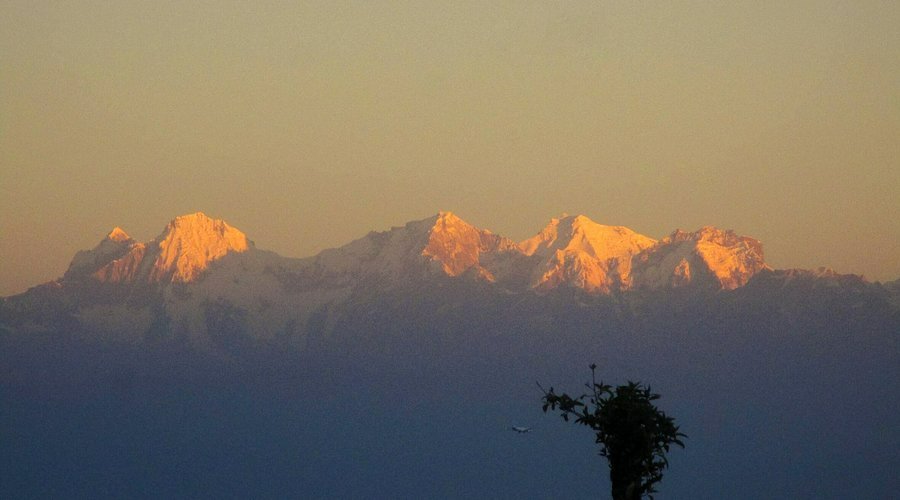
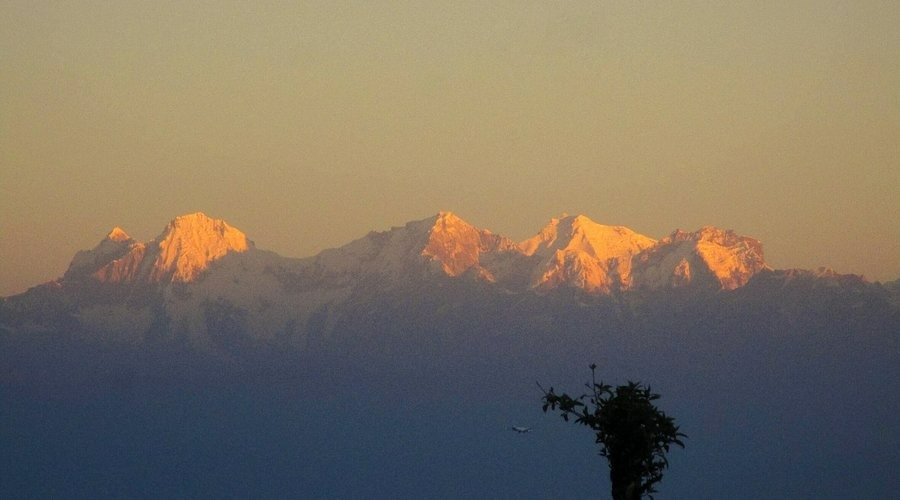
धेरैजसो आगन्तुकहरू गाडीमा दल्चोकी पुग्छन्, दृश्य हेर्छन् र दिउँसोसम्ममा फर्किहाल्छन्। त्यो दृश्य पनि राम्रै छ। तर बिहान ५:४७ बजे, जब लाङटाङमा पहिलो घामको किरण पर्छ र तल उपत्यका अँध्यारोमै हुन्छ, त्यो अनुभव नै बेग्लै हुन्छ। यस्तो दृश्य हेर्नको लागि त त्यहाँ रातै बिताउनुपर्छ। कसरी? यहाँ जान्नुहोस्।
दलचोकी घुम्न जाने धेरैजसो मानिसहरू गाडीमा जान्छन्, दृश्य हेर्छन्, खाना खान्छन् र दिउँसो ३ बजेसम्ममा काठमाडौं फर्किन्छन्। दिउँसोको दृश्य राम्रो हुन्छ। तर बिहान ५:४७ बजे, जब लाङटाङमा पहिलो घामको किरण पर्छ र तल काठमाडौं उपत्यका अँध्यारोमै हुन्छ, त्यो बेलाको दृश्य भने अर्कै हुन्छ, र यो दृश्य हेर्नको लागि तपाईं त्यहाँ रात बस्नैपर्छ।
यो गाइडमा तपाईंलाई चाहिने सबै कुराहरू समेटिएका छन्: दलचोकीमा होमस्टे कसरी बुक गर्ने, सूर्योदय वास्तवमा कस्तो देखिन्छ, ठमेलबाट त्यहाँ कसरी पुग्ने, नगरकोटसँग यसको तुलना, र यसलाई चम्पादेवी कीर्तिपुर पदमार्गसँग कसरी जोड्ने।
सूर्योदयको लागि नगरकोटभन्दा दलचोकी राम्रो हो त?
काठमाडौंमा घुम्ने धेरैजसो यात्रीहरूले गर्ने तुलना नै यही हो, त्यसैले यसको जवाफ प्रायः सोधिने प्रश्नहरू (FAQ) मा लुकाउनुको सट्टा सुरुमै दिनु उचित हुन्छ।
दलचोकी अग्लो, सस्तो र शान्त छ। तर यसको बदलामा, सडकको पहुँच अलि गाह्रो छ; अन्तिम खण्डको लागि जीप वा फोर-ह्वील गाडी (4WD) चाहिन्छ र सुविधाहरू पनि कम छन्। यदि तपाईं नगरकोटको रिसोर्ट-जस्तो वातावरणभन्दा पर, पारिवारिक होमस्टेबाट हिमालको वास्तविक सूर्योदयको अनुभव लिन चाहनुहुन्छ भने दलचोकी एक बलियो विकल्प हो। नगरकोटमा के-कस्ता सुविधाहरू छन् भन्ने जानकारीको लागि, लोन्ली प्लानेटको नगरकोट गाइड ले रिसोर्ट-तर्फको पूर्ण चित्र राम्रोसँग प्रस्तुत गर्दछ।
दलचोकी के हो?
दलचोकी ललितपुर जिल्लाको कोन्ज्योसोम गाउँपालिकामा पर्ने एउटा गाउँ हो, जुन चम्पादेवी र फूलचोकी पर्ने दक्षिणी डाँडाकै शृङ्खलामा अवस्थित छ। यो डाँडाको तल्लो भाग लगभग १,२०० मिटरदेखि सबैभन्दा अग्लो बिन्दु २,५४५ मिटरसम्म फैलिएको छ। दलचोकीका छ वटा होमस्टेहरू नेपाल पर्यटन बोर्ड मा दर्ता भएको स्थानीय स्रोत र नेपाल ट्राभलरले जनाएका छन्। यो लेख तयार पार्दासम्म, दलचोकी होमस्टे को मात्र अनलाइन बुकिङ पेज पुष्टि भएको छ। अन्य होमस्टेहरू प्रत्यक्ष सम्पर्क वा चिनापर्चीको आधारमा सञ्चालन हुन्छन्।
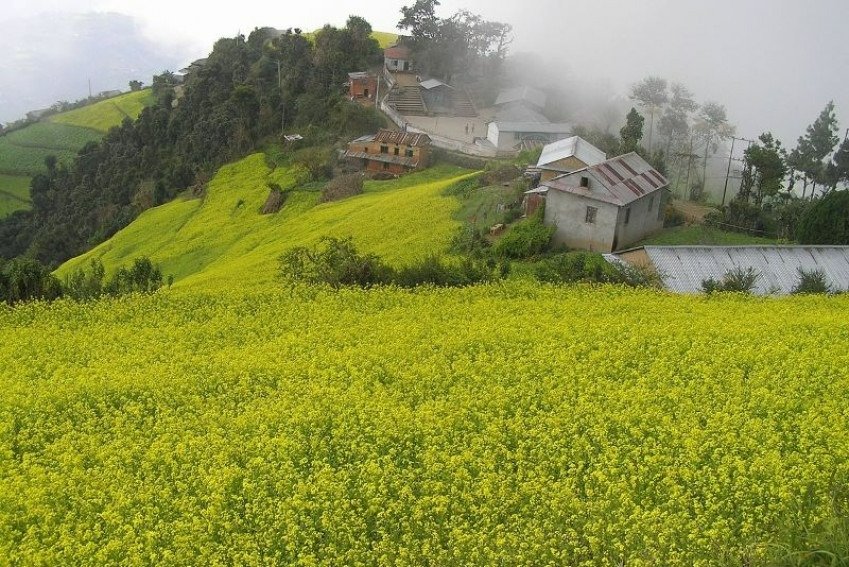
यहाँ बसोबास गर्ने समुदायहरूमा मुख्यतया तामाङ, बाहुन, क्षेत्री, मगर र नगरकोटी पर्दछन्। नगरकोटी समुदायको आफ्नै छुट्टै लवज छ। स्थानीय परिकारहरू फार्महरूबाट आउँछन् जुन डाँडामा र त्यसको तल रहेका छन्। अर्गानिक तरकारी, लोकल कुखुरा, र नजिकै फलेको चामलको दाल-भात होमस्टेका सामान्य परिकार हुन्। दलचोकी बृहत्तर ललितपुर जिल्ला भित्र पर्दछ, जहाँ सबैभन्दा विविध प्रकारका काठमाडौं उपत्यकाका होमस्टेहरूपाइन्छन्, जुन एकभन्दा बढी ठाउँमा बस्ने योजना बनाउँदै हुनुहुन्छ भने उपयोगी जानकारी हुन सक्छ।
सूर्योदय: तपाईं वास्तवमा के देख्नुहुन्छ
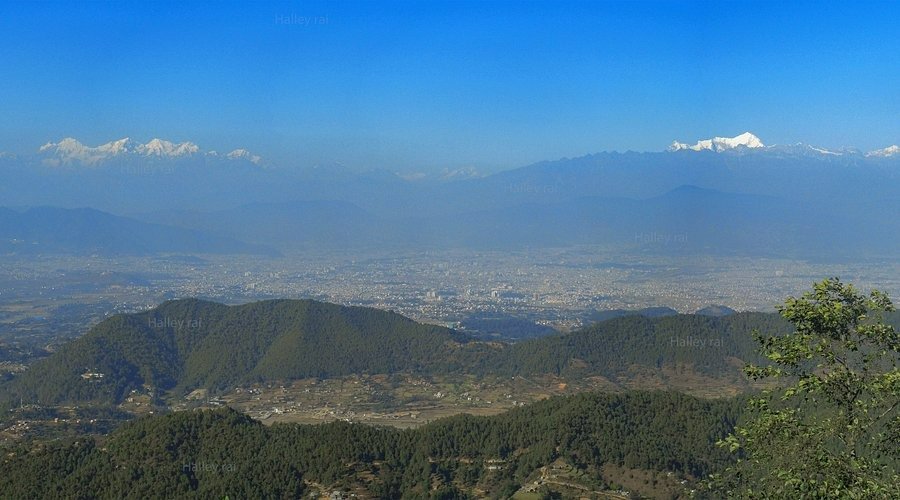
दलचोकीको उत्तर-तर्फ फर्किएको डाँडा र मुख्य हिमालय शृङ्खलाको बीचमा कुनै अवरोध छैन। अक्टोबरदेखि मार्चसम्म, मौसम सफा भएको बिहानमा, डाँडाको अग्लो ठाउँबाट देखिने दृश्यमा निम्न कुराहरू समावेश हुन्छन्:
लाङटाङ लिरुङ (७,२२७ मि), उत्तरतर्फको सबैभन्दा प्रख्यात र सजिलै चिनिने शिखर
गणेश हिमाल शृङ्खला, उत्तर-पश्चिममा, समूहको रूपमा देखिने धेरै शिखरहरू
गौरीशंकर (७,१३४ मि), मौसम सफा हुँदा उत्तर-पूर्वमा
सगरमाथा (८,८४९ मि), एकदमै सफा बिहानमा उत्तर-पूर्वमा तल्लो डाँडाहरूभन्दा माथि मुस्किलले देखिने
काठमाडौं उपत्यका सिधै तल फैलिएको हुन्छ, हिमालका चुचुराहरूमा उज्यालो परिसक्दा पनि उपत्यका अँध्यारै हुन्छ। यहाँको दलचोकी होमस्टे आकाशको रङ्ग बदलिँदै गर्दा त्यहाँका हरेक हिमालका चुचुराहरू देखाइदिनुहुन्छ। आफ्नै छेउमा उभिएर हरेक हिमालको नाम बताइदिने कोही हुँदा, तपाईंले हेरिरहेको दृश्यको अनुभव नै बेग्लै हुन्छ। यदि दलचोकीले तपाईंलाई लामो पदयात्रामा रुचि जगाउँछ भने, ट्रेकिङ र होमस्टे गाइड Nepal Homestays मा रहेको गाइडले काठमाडौंबाट सुरु हुने उत्कृष्ट सांस्कृतिक ट्रेकिङ रुटहरूबारे जानकारी दिन्छ।
यहाँ आउने पाहुनाहरूले प्रायः एउटै अनुभव सुनाउँछन्: चिसो हावा, खैरोबाट गुलाबी र त्यसपछि सुनौलो रङ्गमा बदलिँदै गरेका हिमालका चुचुराहरू, अनि होमस्टेमा बिहानको खाजा खाएर फर्किँदा तल उज्यालो भइसकेको उपत्यका। त्यहाँ पुग्ने अप्ठ्यारो बाटो पनि यो अनुभवपछि कुनै समस्या जस्तो लाग्दैन।
पदयात्रा गाइड: हिँडेर जाने कि गाडीमा जाने?
विकल्प १: सुनाकोठी वा टिकाभैरबबाट पूरा पदयात्रा (४–५ घण्टा) यो पदमार्ग दक्षिणी ललितपुरबाट सुरु हुन्छ, जुन पाटनबाट करिब १२–१४ कि.मि. टाढा छ। यो पदयात्रामा लालीगुराँस र ओकको जङ्गल हुँदै करिब ७०० मिटर उकालो चढ्नुपर्छ। यो फूलचोकीभन्दा कम भिरालो छ, र सप्ताहन्तमा चम्पादेवी पदमार्गभन्दा कम भीडभाड हुन्छ। कुनै अनुमति चाहिँदैन। मध्यम कठिनाइ, कुनै प्राविधिक भू-भाग छैन। दलचोकी कोन्ज्योसोम गाउँपालिका ललितपुरमा पर्छ, जहाँ ट्रेकिङ अनुमति वा प्रवेश शुल्क लाग्दैन। यदि तपाईं भोलिपल्ट बिहानको सूर्योदय हेर्नका लागि पदयात्रा गर्दै हुनुहुन्छ भने, दिउँसो अबेरसम्म गाउँ पुग्ने लक्ष्य राख्नुहोस्।
विकल्प २: गाडीमा गएर डाँडामा हिँड्ने (पैदल १–२ घण्टा) उपत्यकाबाट जाने ग्राभेल बाटोमा 4WD वा राम्रो क्षमता भएको जीप चल्न सक्छ। बाटो साँच्चै नै केही ठाउँहरूमा अप्ठ्यारो छ, यो कार जाने बाटो होइन। होमस्टे र सूर्योदयका लागि आउने अधिकांश आगन्तुकहरू यही विकल्प रोज्छन्। गाउँमा पुगेपछि, डाँडैडाँडाको हिँडाइ १–२ घण्टाको हुन्छ, जहाँबाट उत्तरमा खुला हिमालय र दक्षिणमा तराईतर्फ फैलिएका गरा-कान्ला देखिन्छन्।
दलचोकी होमस्टे कसरी बुक गर्ने?
दलचोकी होमस्टे Nepal Homestays मा सूचीकृत यो होमस्टे २,५४५ मिटरको उचाइमा रहेको एउटा सामुदायिक सम्पत्ति हो। डिलक्स कोठाहरू प्रति रात रु. १,८०० बाट सुरु हुन्छन्, जसमा वाईफाई, पार्किङ र गिजरको सुविधा छ। अर्गानिक खेतीका परिकारहरू उपलब्ध छन् र अनुरोधमा जङ्गल पदयात्राको लागि गाइडको व्यवस्था पनि गर्न सकिन्छ।
अक्टोबरदेखि नोभेम्बर र फेब्रुअरीदेखि अप्रिलसम्म सप्ताहन्तमा कम्तिमा दुई दिन अगाडि बुक गर्नुहोस्। नगद बोक्नुहोस्, गाउँका होमस्टेहरूमा कार्डबाट भुक्तानी हुँदैन। अनुरोधमा साँझमा क्याम्प फायर र बार्बिक्युको व्यवस्था गर्न सकिन्छ; स्थानीय कुखुराको लागि पहिले नै अर्डर गर्नुहोस्।
Nepal Homestays मा दलचोकीका होमस्टेहरू खोज्नुहोस् र बुक गर्नुहोस् सिधै गृहधनी परिवारसँग। यदि बजेट तपाईंको लागि महत्त्वपूर्ण छ भने, नेपाल होमस्टे बजेट यात्रा गाइड मा विभिन्न क्षेत्रहरूमा लाग्ने खर्चको उपयोगी विवरण दिइएको छ।
ठमेलबाट कसरी पुग्ने?
दलचोकी मध्य काठमाडौंकोठमेलबाट लगभग ३० कि.मि., वा ललितपुरको लगनखेलबाट २३ कि.मि. टाढा छ।
ठमेलबाट जीप रिजर्भ गरेर (सिफारिस गरिएको): यो सबैभन्दा व्यावहारिक विकल्प हो। ठमेलबाट दलचोकीसम्म निजी जीपको भाडा मोलतोल र मौसमअनुसार लगभग रु. ३,०००–४,५०० पर्छ। गाडीमा १.५–२ घण्टा लाग्छ। अन्तिम ८–१० कि.मि. बाटो ग्राभेल र अप्ठ्यारो छ, त्यसैले तपाईंको चालकलाई ललितपुर मात्र नभई विशेष गरी दलचोकी जाने बाटो थाहा छ भनी पक्का गर्नुहोस्। साधारण सेडान कारमा यो बाटो जाने प्रयास नगर्नुहोस्।
लगनखेल हुँदै माइक्रोबस र त्यसपछि पदयात्रा: काठमाडौंबाट लगनखेल बसपार्कसम्म माइक्रोबस चल्छन् (भाडा रु. २५-४०)। लगनखेलबाट, माइक्रोबसहरू दक्षिण टिकाभैरब क्षेत्रतर्फ जान्छन्। गाडीबाट ओर्लिएपछि, दलचोकीको पदमार्गमा हिँडेर ४-५ घण्टा लाग्छ। पहिले गाउँको नजिकसम्म चल्ने सिधा बस सन् २०१२–१३ मा बाटो स्तरोन्नति भएपछि अन्यत्र मोडिएको थियो; योजना बनाउनुअघि लगनखेलमा हालको अवस्थाबारे सोधपुछ गर्नुहोस्।
मोटरसाइकल वा माउन्टेन बाइक: दलचोकी जाने बाटो काठमाडौंको एक प्रसिद्ध मोटरसाइकल र एमटीबी रुट हो। राम्रो उकालो, उत्कृष्ट ओरालो। यसका लागि ठमेलबाट भाडामा बाइक लिन सकिन्छ।
दलचोकी र चम्पादेवी कीर्तिपुर पदमार्ग
चम्पादेवीको पदयात्रा यो पदयात्रा फर्पिङ वा कीर्तिपुरबाट सुरु भई सल्ला र लालीगुराँसको जङ्गल हुँदै २,२७८ मिटरको उचाइमा रहेको शिखरको मन्दिरसम्म पुग्छ। यो काठमाडौं उपत्यकाको सबैभन्दा लोकप्रिय एक दिने पदयात्रा (डे हाइक) मध्ये एक हो, विशेषगरी शनिबार यहाँ निकै भीड हुन्छ।
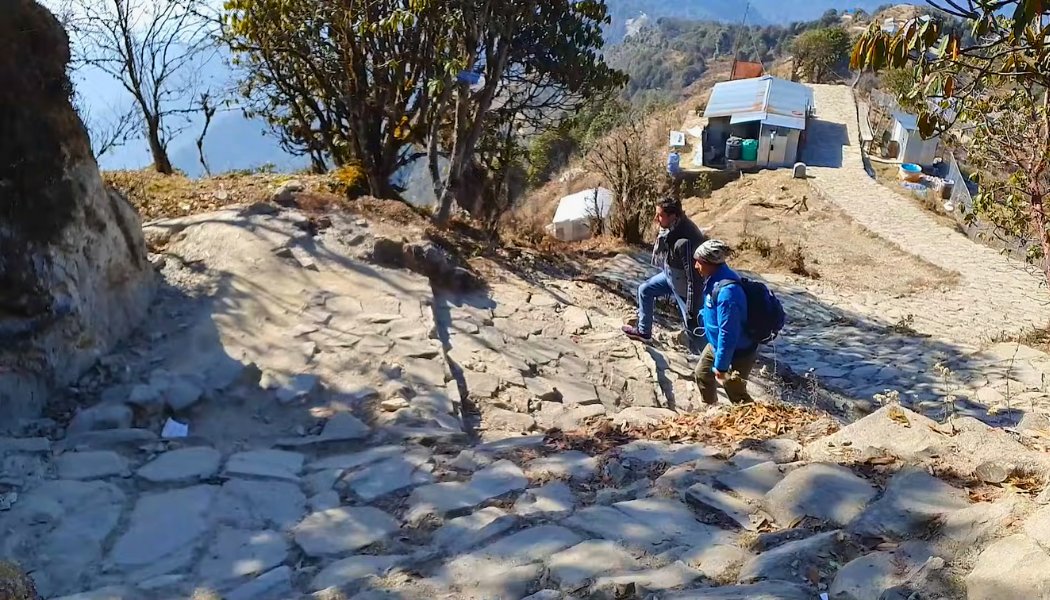
दल्चोकी र चम्पादेवी एउटै दक्षिणी डाँडामा पर्छन्। यो यात्रा दुई दिनमा गर्ने सबैभन्दा प्रचलित तरिका हो: पहिलो दिन सूर्योदय हेर्न दल्चोकीमा बास बस्ने, अनि दोस्रो दिन ओरालो झरेर गाडीमा उपत्यकाको फेरो मार्दै चम्पादेवी-कीर्तिपुर पदमार्ग सुरु गर्ने र साँझमा काठमाडौं फर्कने। चम्पादेवी होमस्टे यदि तपाईं दोस्रो रात पनि बस्न चाहनुहुन्छ भने यो संयोजनका लागि चित्लाङ वरपरका विकल्पहरू उपयुक्त छन्। हेर्नुहोस् चित्लाङ होमस्टे गाउँ गाइड दक्षिणी उपत्यकाको पूरा फन्कोको लागि, वा खोज्नुहोस् नेपालभरिका सामुदायिक होमस्टे सर्किटहरू यदि तपाईं आफ्नो यात्रा अझ लम्ब्याउन चाहनुहुन्छ भने।
दल्चोकीमा के गर्ने
डाँडाबाट सूर्योदय
बिहान ६ बजेभन्दा अगाडि होमस्टेबाट १० मिनेट हिँडेर डाँडामा पुग्नुहोस्। पश्चिमदेखि पूर्वसम्म फैलिएको हिमालको लर्कन देखिन्छ, जसमा ठीक उत्तरमा लाङटाङ र त्यसको पश्चिममा गणेश हिमाल प्रस्ट देखिन्छन्। मौसम सफा भएको बिहान उत्तर-पूर्वमा सगरमाथाको पिरामिड आकारको चुचुरो पनि झल्याकझुलुक देखिन्छ। हिमालका चुचुराहरूमा घामको पहिलो किरण पर्दा तलको काठमाडौं उपत्यका अँध्यारै हुन्छ। यहाँ आउनुको मुख्य कारण यही हो। दल्चोकीका अरू सबै कुरा गौण हुन्।
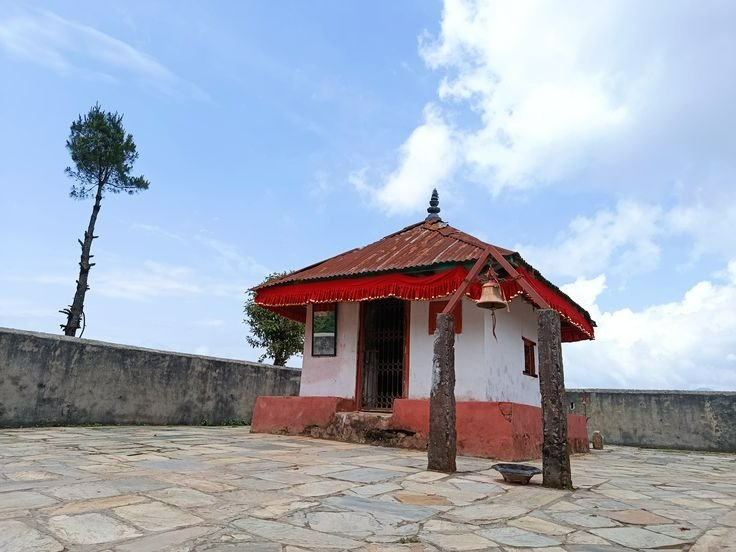
दल्चोकी मनकामना मन्दिर
गाउँ नजिकैको डाँडामा एउटा स्थानीय मनकामना मन्दिर छ। यो गोरखाको प्रसिद्ध मन्दिर नभई एक सामुदायिक मन्दिर हो। शान्त र मौलिक यो मन्दिरमा पुगेपछि १५ मिनेट बिताउनु उचित हुन्छ।
साँझमा क्याम्प फायर र बार्बिक्यु
यो डाँडा पश्चिम फर्किएको हुनाले सूर्यास्तको अन्तिम प्रकाश राम्रो देखिन्छ। दल्चोकीका धेरैजसो होमस्टेले साँझमा क्याम्प फायर र बार्बिक्युको व्यवस्था गर्छन्। स्थानीय कुखुरा (kukhura) खानका लागि परिवारलाई तयारी गर्ने समय दिन अगाडि नै अर्डर गर्नुहोस्।
सूर्योदय हेर्न भ्रमण गर्ने उत्तम समय
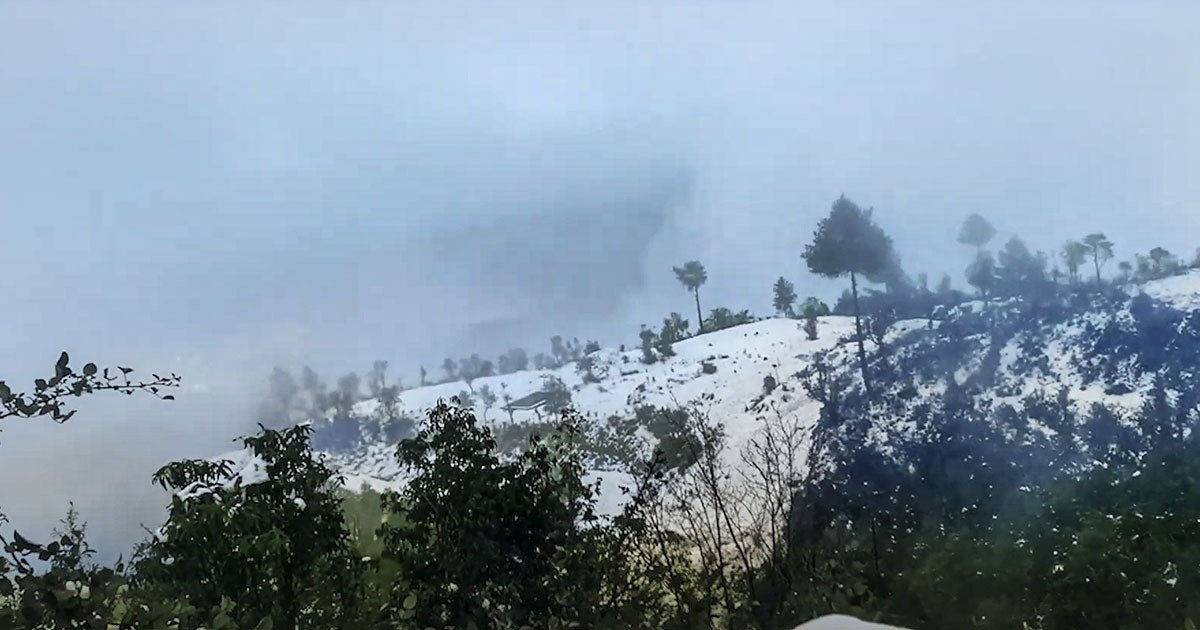
सबैभन्दा सफा बिहानीका लागि अक्टोबर र नोभेम्बर महिना उत्तम हुन्छ। जनवरीमा डाँडामा हिउँ पर्न सक्छ; यदि मौसम पूर्वानुमानले आकाश सफा रहने देखाएमा, सेताम्मे डाँडामाथि सूर्योदयको बेला देखिने हिमालको दृश्य हेर्नकै लागि समय मिलाएर जानु उचित हुन्छ। जाँच गर्नुहोस् Windy.com जानुअघि डाँडाको ४८-घण्टे मौसम पूर्वानुमानको लागि। नेपाल पर्यटन बोर्ड ले पनि मौसमी यात्रा सल्लाहहरू प्रकाशित गर्छ जुन तपाईँको भ्रमणअघि हेर्नु राम्रो हुन्छ।
व्यावहारिक सुझावहरू
सप्ताहन्तमा दुई दिन अगाडि नै बुक गर्नुहोस्। अक्टोबरदेखि नोभेम्बर र फेब्रुअरीदेखि अप्रिलसम्म शनिबारको रात चाँडै भरिन्छ।
चिसोबाट बच्ने लुगा लगाउनुहोस्। २,५४५ मिटरको उचाइमा रहेको डाँडामा अक्टोबरमा पनि सूर्योदयको बेला चिसो हुन्छ। ज्याकेट, टोपी, पन्जा लैजानुहोस्।
हेडल्याम्प बोक्नुहोस्। भ्युपोइन्टसम्म पुग्न अँध्यारोमा १०–१5 मिनेट हिँड्नुपर्छ।
नगद बोक्नुहोस्। यहाँ कार्डबाट भुक्तानी हुँदैन। ठमेलबाट जिप रिजर्भ गर्न लगभग रु ३,०००–४,५०० र होमस्टेका लागि प्रति व्यक्ति रु १,८००–२,५०० लाग्छ।
मा बस्ने अधिकांश मानिसहरू Nepal homestay डाल्चोकीमा एउटै किसिमको बिहानीको वर्णन गर्छन्: चिसो हावा, उज्यालो हुनुअघि चिया, अँध्यारोबाट सुनौलो बन्दै गरेका हिमालका चुचुराहरू, र भित्र बसेर बिहानको खाजा। उनीहरू बिहान अबेर काठमाडौं फर्कन्छन्। धेरैजसोले दुई रातको लागि बुक गर्नुपर्थ्यो भन्छन्। यदि तपाईं उपत्यकामा थप समय बिताउने योजनामा हुनुहुन्छ भने, नेपालको संस्कृति र चाडपर्व होमस्टे गाइड मा रहेको सामग्री स्थानीय कार्यक्रमहरूको वरिपरि आफ्नो भ्रमणको समय मिलाउनको लागि एक राम्रो सुरूवात हुन सक्छ। नेपालका होमस्टेहरू खोज्नुहोस् उपत्यकामा अरू के-के अनुभव गर्न सकिन्छ भनेर थाहा पाउन।
बारम्बार सोधिने प्रश्नहरू
डाल्चोकी के हो र यो कहाँ पर्छ?
डाल्चोकी ललितपुर जिल्लामा, काठमाडौं उपत्यकाको दक्षिणी छेउमा रहेको एउटा गाउँ हो। यो ठमेलबाट लगभग ३० कि.मि. र पाटनबाट २३ कि.मि. टाढा छ। यो १,२०० देखि २,५४५ मिटरको उचाइमा अवस्थित छ। यहाँ नेपाल पर्यटन बोर्डमा दर्ता भएका छवटा होमस्टेहरू छन्।
डाल्चोकीको सूर्योदय पदयात्रा गाह्रो छ?
सुनकोठी वा टिकाभैरबबाट सुरु हुने पूरा पदमार्ग ७०० मिटर उकालो चढ्नुपर्ने, मध्यम खालको ४–५ घण्टाको यात्रा हो। यसका लागि कुनै अनुमति वा प्राविधिक सीप चाहिँदैन। धेरैजसो आगन्तुकहरू गाडीमा गाउँसम्म पुगेर त्यहाँबाट डाँडामा हिँड्छन्, जुन सामान्यतया समथर र हल्का उकालो-ओरालो भएको १-२ घण्टाको हिँडाइ हो।
डाल्चोकी होमस्टेमा एक रातको कति खर्च लाग्छ?
साधारण कोठाहरूको प्रति व्यक्ति प्रति रात रु १,२०० बाट सुरु हुन्छ। बाथरुम र गिजरसहितको डिलक्स कोठाको मूल्य रु १,८००–२,५०० सम्म पर्छ, जसमा प्रायः खाना पनि समावेश हुन्छ। ठमेलबाट जिप रिजर्भ गर्दा लगभग रु ३,०००–४,५०० लाग्छ। Nepal Homestays मा बुक गर्नुहोस् सिधै गृहधनी परिवारसँग आरक्षण गर्नका लागि।
डाल्चोकीबाट कुन-कुन हिमाल देखिन्छ?
लाङटाङ, गणेश हिमाल, गौरीशंकर, र मौसम एकदमै सफा भएको बिहान उत्तर-पूर्वमा सगरमाथा पनि देखिन्छ। उत्तरतर्फ फर्किएको यो डाँडाबाट कुनै बाधाविना मध्य हिमालय श्रृंखलाको फराकिलो दृश्य देख्न सकिन्छ।
चम्पादेवी कीर्तिपुर पदयात्रा के हो र यसको डाल्चोकीसँग के सम्बन्ध छ?
चम्पादेवी, डाल्चोकीकै दक्षिणी डाँडामा पर्ने २,२७८ मिटरको उचाइमा रहेको शिखर मन्दिरसम्मको एक लोकप्रिय एकदिने पदयात्रा हो, जुन फर्पिङ वा कीर्तिपुरबाट सुरु हुन्छ। धेरै यात्रीहरूले यी दुवैलाई दुई दिनमा मिलाएर यात्रा गर्छन्: पहिलो दिन डाल्चोकीमा बसेर सूर्योदय हेर्ने र दोस्रो दिन चम्पादेवी कीर्तिपुर पदमार्गमा जाने।
डाल्चोकीमा कतिवटा होमस्टेहरू छन्?
स्थानीय स्रोतहरूका अनुसार, डाल्चोकीमा लगभग छवटा होमस्टेहरू सञ्चालनमा छन् जुन नेपाल पर्यटन बोर्डमा दर्ता भएका छन्। डाल्चोकी होमस्टे Nepal Homestays मा सूचीकृत, अनलाइन बुकिङ पृष्ठ भएको एक मात्र होमस्टे हो। यो २,५४५ मिटरको उचाइमा छ, जहाँबाट ३६०-डिग्री हिमाली दृश्य देखिन्छ र रु १,८००/रात बाट अर्गानिक खानाको सुविधा छ। अन्य होमस्टेहरूलाई सिधै +977-9801800301 मा सम्पर्क गर्न सकिन्छ।
सूर्योदय हेर्नका लागि डाल्चोकी भ्रमण गर्ने सबैभन्दा राम्रो समय कुन हो?
सबैभन्दा सफा आकाशका लागि अक्टोबरदेखि मार्चसम्मको समय उत्तम हुन्छ। अक्टोबर र नोभेम्बर सबैभन्दा भरपर्दो महिना हुन्। जनवरी र फेब्रुअरीमा डाँडामा हिउँ पर्न सक्छ; त्यसैले गाडीमा जानुअघि बाटोको अवस्था र मौसम पूर्वानुमान जाँच गर्नुहोस्।
सूर्योदय हेर्नका लागि नगरकोटभन्दा डाल्चोकी राम्रो हो?
डाल्चोकी नगरकोटभन्दा ३७० मिटर अग्लो (२,५४५ मि. विरुद्ध २,१७५ मि.) छ, यहाँ खर्च कम लाग्छ र भीडभाड पनि निकै कम हुन्छ। यसको बदलामा, बाटो अलि अप्ठ्यारो र सुविधाहरू कम छन्। वास्तविक पारिवारिक होमस्टेको अनुभव र टुर ग्रुपको हल्लाबिना सूर्योदय हेर्नका लागि डाल्चोकी एक उत्कृष्ट विकल्प हो।
Company Admin
नेपालका सुन्दर होमस्टेहरूबारे सच्चा कथा र अनुभव साझा गर्ने यात्रा लेखक।