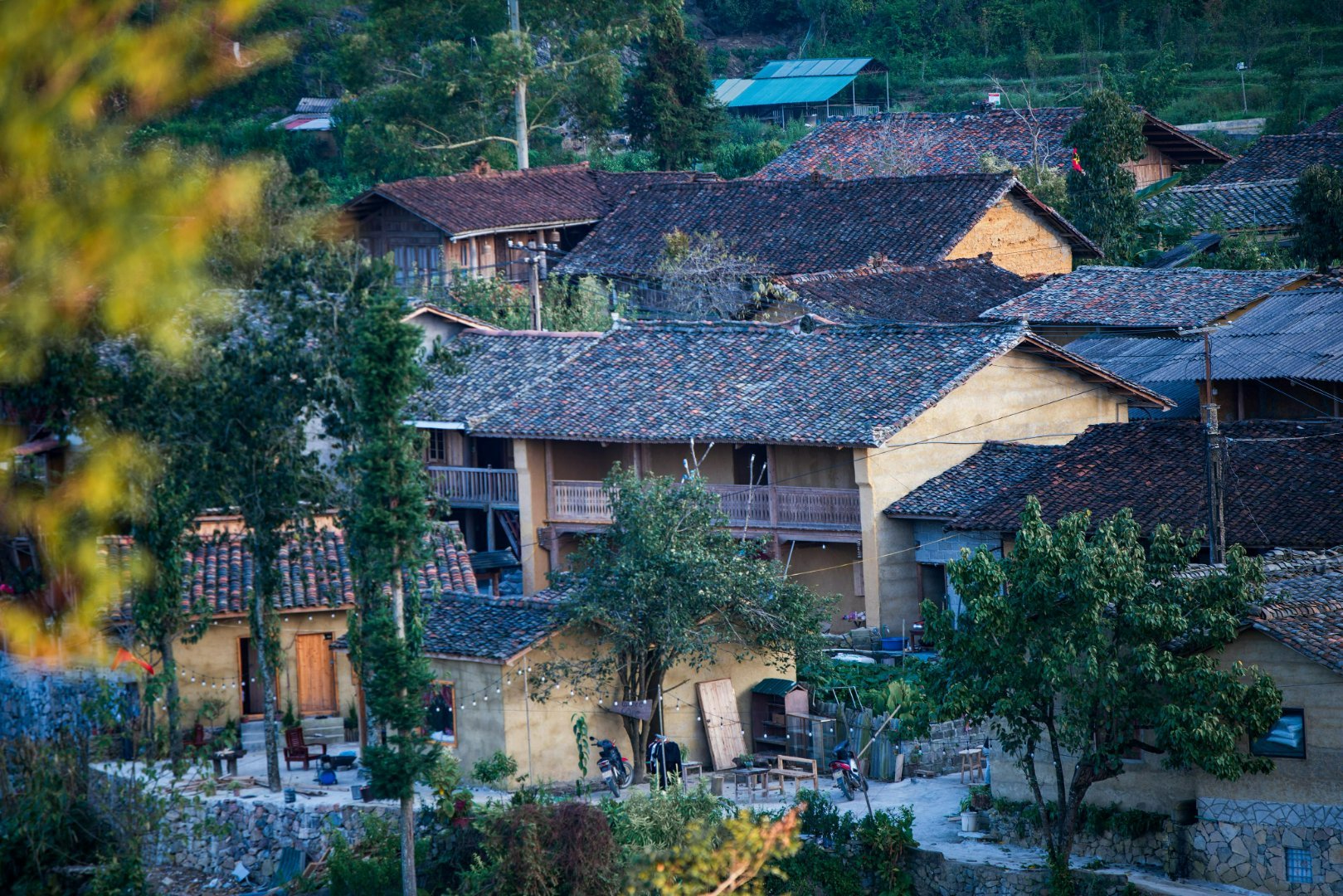
Homestays in Nepal offer more than a bed. This guide explains six community homestay circuits, how they work, what they cost, and which route fits your time, budget, and travel style in 2026.
What Are Homestays in Nepal and Why Should You Care?
Homestays in Nepal are places where you stay with local families in their homes instead of hotels. Think of it like having a sleepover at a friend's house, but in a beautiful mountain village! The best homestays in Nepal are organized into "circuits" - these are like treasure maps that connect several villages together, creating an amazing adventure.
According to the Nepal Tourism Board, these homestay circuits have changed how people travel in Nepal. Instead of just one family making money from tourists, entire villages share the benefits. This means kids can go to better schools, villages get clean water, and traditional customs don't disappear.
When you stay in homestays in Nepal, you're not just a tourist taking photos. You become part of village life. You eat meals with families, help with daily chores (if you want to!), learn local dances, and make real friends. It's way cooler than staying in a hotel where nobody knows your name.
What Makes Community Homestay Circuits Special?
The Problem These Circuits Solve
Imagine your school has a bake sale, but only one table gets all the customers while the other tables get nothing. That's not fair, right? Traditional tourism in Nepal had the same problem. Popular villages like Ghandruk got 35,000 visitors every year, while beautiful villages just two hours away got almost zero visitors.
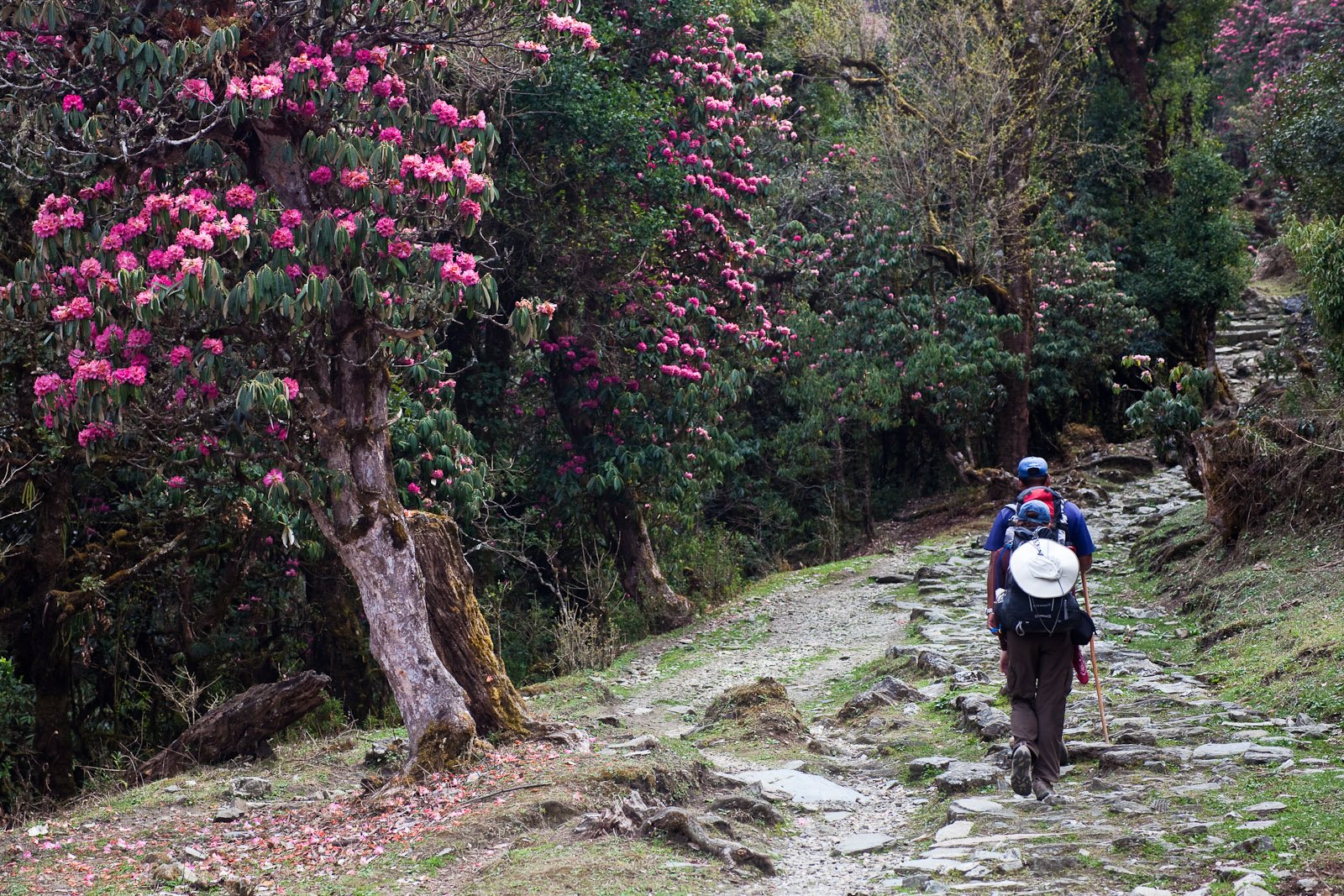
Community homestay circuits fix this unfair situation. The Department of National Parks and Wildlife Conservation helps organize these circuits so tourists visit multiple villages, not just one. Everyone gets their turn to welcome guests and earn money.
Here's how homestay circuits work differently:
Between three and eight villages connect together so tourists visit all of them, not just the famous ones.
Every village maintains the same good quality because they inspect each other's homes and help each other improve.
One office manages all bookings to make sure guests get distributed fairly among all the villages.
Money gets shared with everyone including villages that are harder to reach or visit.
Cultural programs rotate between communities so each village gets to showcase what makes them unique.
All families receive training on how to welcome guests, keep things clean, and handle emergencies.
How Money Gets Distributed Fairly
When you pay to stay at homestays in Nepal's community circuits, your money doesn't just go to one family. It gets divided up to help the whole region. Here's exactly where your money goes:
This system is way better than booking through websites like Airbnb, where the website takes 15-25% and only one family benefits. With community circuits, your money helps build entire regions, not just pay one family.
Quality Standards You Can Count On
Not all homestays are created equal. Some are awesome, some are just okay, and some might have problems. That's why community circuits have rules that everyone must follow. If a homestay doesn't meet the standards, they can lose their membership - which creates good peer pressure to keep quality high.
Every verified homestay in Nepal's community circuits guarantees these basics:
You get your own sleeping area that's separate from where the family sleeps, giving you privacy.
Clean bathrooms are required whether they're modern flush toilets or traditional pit toilets.
Safe drinking water is always available either boiled or filtered to keep you healthy.
Comfortable bedding is provided including mattresses, warm blankets, and pillows.
First aid kits are kept ready and at least one family member knows basic emergency care.
Families complete training programs learning hospitality skills, hygiene practices, and cultural sensitivity.
Communication with outside help exists through mobile phones where coverage allows or designated village contacts.
Comparing All 6 Homestay Circuits in Nepal: Quick Overview
Before we explore each circuit in detail, this table helps you quickly compare them all. Think of it like choosing between different adventure games - each one offers something different!
Circuit #1: Gurung Cultural Loop - Perfect for First-Timers
Why This Circuit Is Best for Beginners
The Gurung Cultural Loop is like the "easy mode" option for homestays in Nepal, but don't let that fool you - it's still incredible! Located near Pokhara (Nepal's second-biggest city), this circuit connects six villages where Gurung people live. The Gurung are famous for being brave soldiers in the British army, which means many speak English really well.
Starting just three hours from Pokhara, this circuit takes you through villages at heights between 850 meters and 1,740 meters. To understand how high that is, think of it like climbing to the top of five Empire State Buildings stacked on top of each other. It's high enough to see amazing mountain views but not so high that you'll get sick from thin air.
What makes the Gurung homestays exceptional for beginners:
The last ATM exists in Lwang Ghalel which is the starting village, so you can get cash before heading into the circuit.
Your phone will work in five of the six villages so you can text your family back home and post photos on Instagram.
Many local guides speak English well because of the British military connection, making it easy to communicate.
A medical clinic operates in Ghalegaun village with a trained paramedic available 24 hours a day for emergencies.
Helicopters can reach all villages in case someone gets really sick and needs to go to a hospital quickly.
You can make the trip shorter or longer based on weather, how tired you feel, or your schedule.
What You'll See and Do
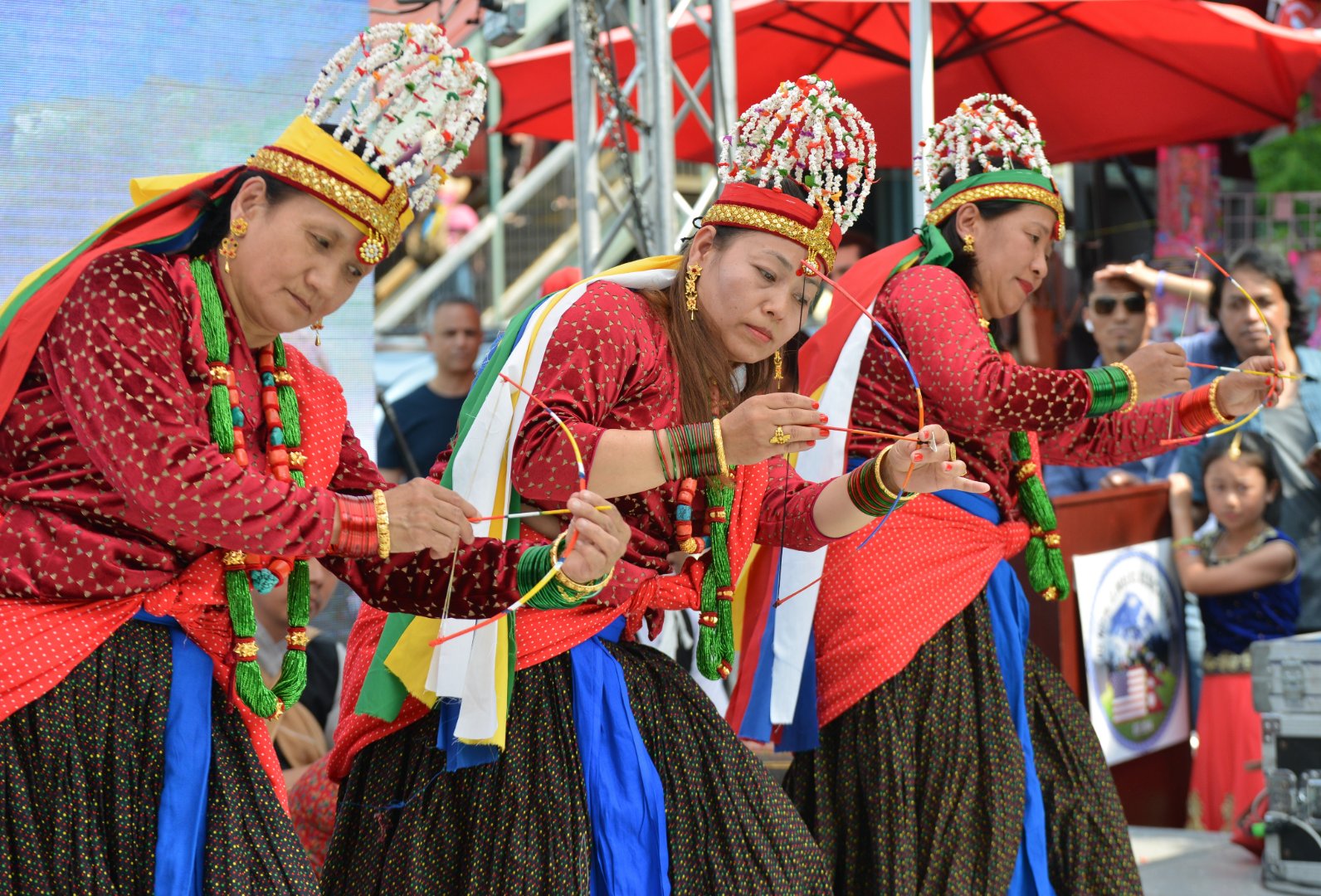
The Gurung people practice a mix of Tibetan Buddhism and older animist beliefs (nature worship). Daily activities at homestays include watching traditional Ghatu dances that show ancient courtship rituals, visiting Buddhist monasteries to learn meditation, and in the right season (April-May and October-November), observing traditional honey hunting where brave villagers collect honey from dangerous cliff-side bee nests.
The circuit delivers breathtaking mountain views despite not being super high. According to the Annapurna Conservation Area Project, morning views from Ghalegaun village show a 180-degree sweep of the Himalayas including Manaslu (8,163m - the 8th highest mountain in the world!), Lamjung Himal, Annapurna II, and the distinctive fish-tail peak called Machhapuchhre. You get these incredible views without climbing to exhausting heights.
What Does This Circuit Cost?
Circuit #2: Tharu Borderlands - Best for Families and Easy Adventures
Nepal's Only Lowland Circuit
The Tharu Borderlands Route is completely different from mountain circuits. It's located in the flat Terai plains near India, at elevations barely above sea level (150-185 meters). This is the ONLY homestay circuit in Nepal that doesn't involve mountain hiking, making it perfect for families with young kids, older travelers, or anyone who can't do steep mountain climbs.
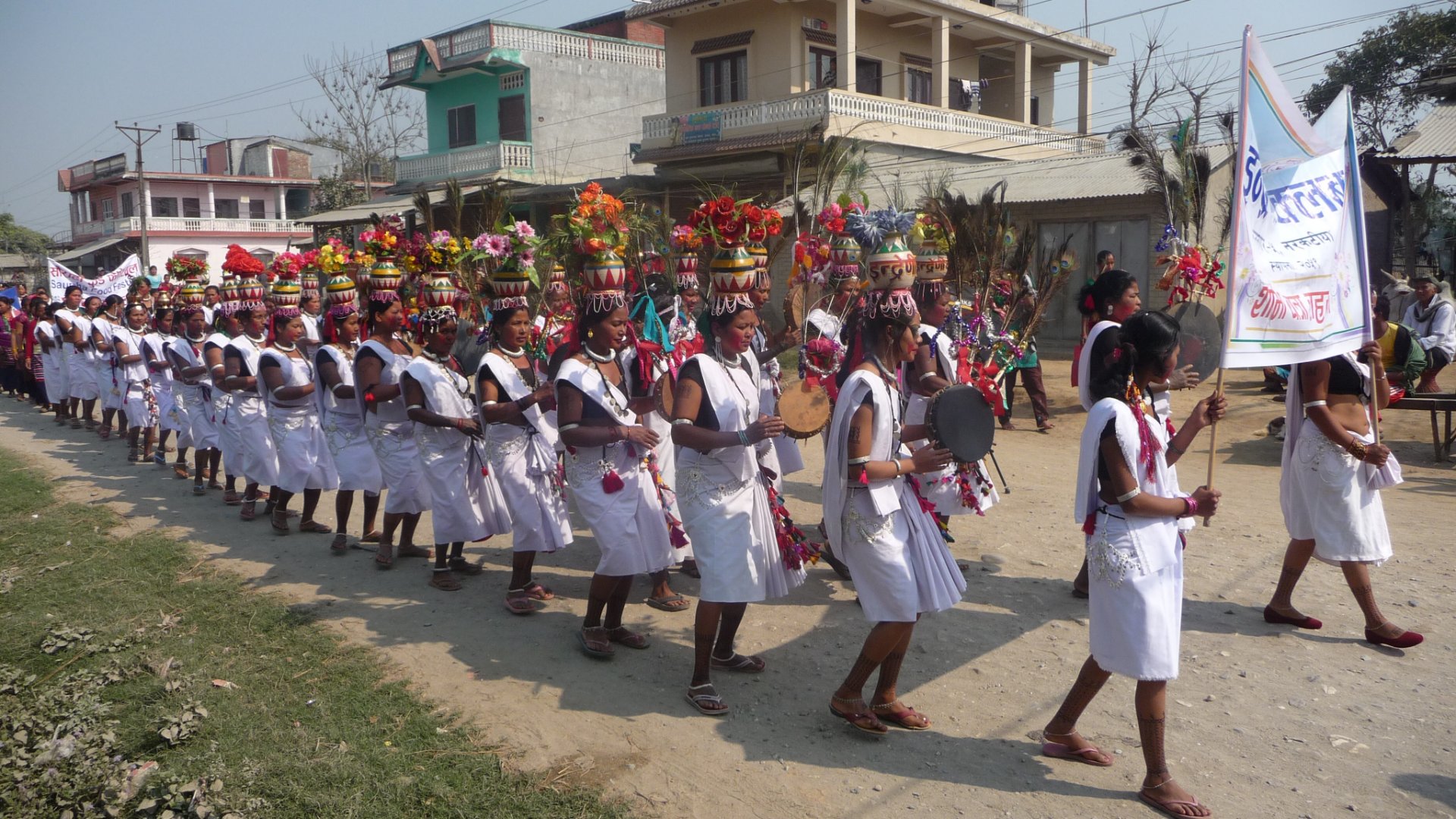
The circuit connects six villages across completely flat terrain. You walk only 2-3 hours per day on easy paths. Every village has road access, so if someone gets tired, you can always catch a ride in a vehicle - something impossible in remote mountain circuits.
The Tharu people have lived in these plains for over 2,000 years. They developed a natural resistance to malaria (a disease spread by mosquitoes) that used to make these lowlands dangerous. Their traditional homes are built with mud and thatch roofs, completely different from mountain stone houses. Learning about Chitwan National Park which borders this circuit gives you context about the region's incredible wildlife.
Wildlife Adventures Without Expensive Safari Lodges
The circuit borders Chitwan National Park, Nepal's first national park and a UNESCO World Heritage Site.
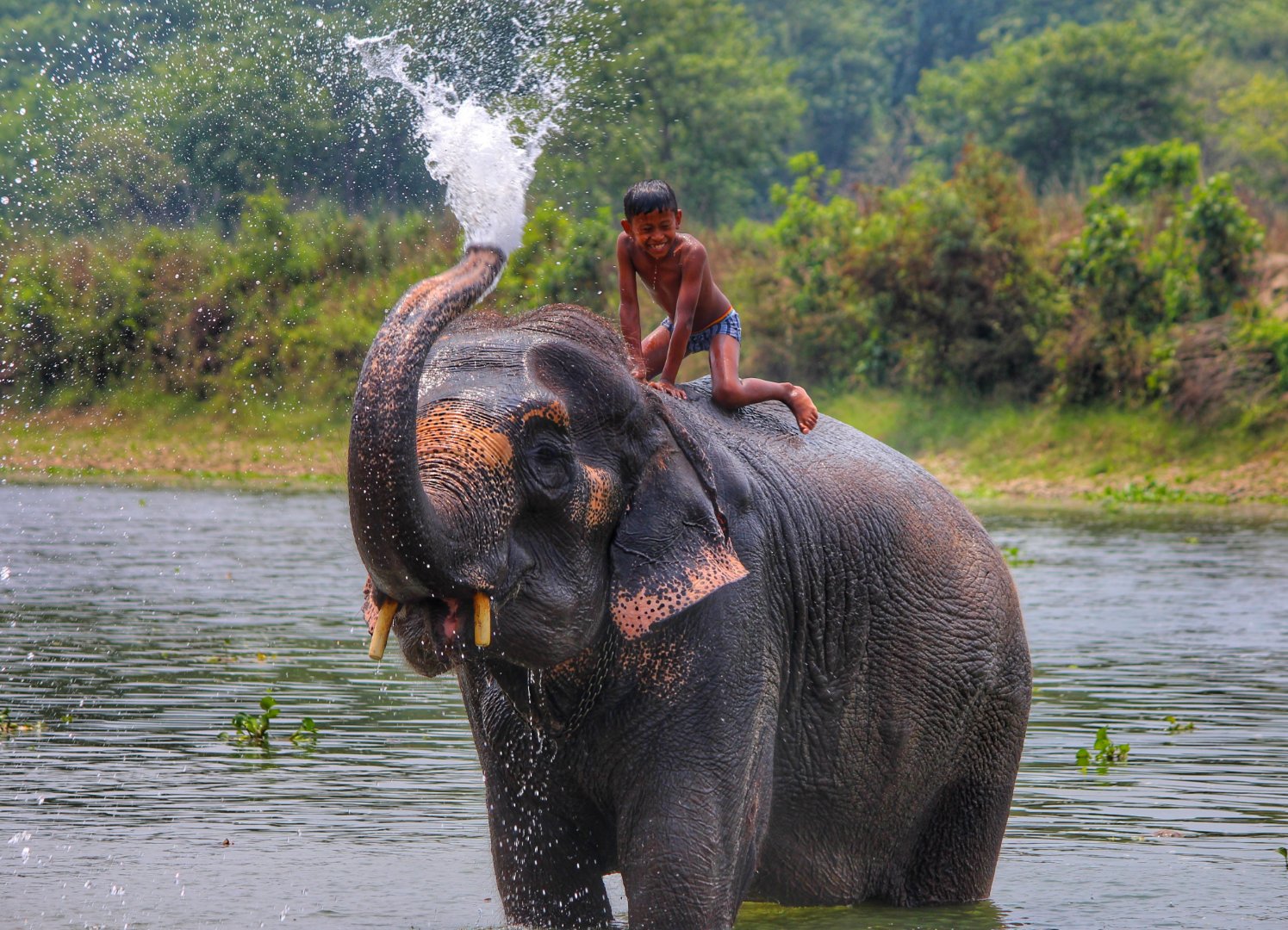
Expensive safari lodges in Chitwan charge $200-400 per night. But when you stay in Tharu homestays at just $19 per night, you can still do all the same activities: jungle walks with expert Tharu guides who know the forest intimately, canoe trips on the Rapti River looking for crocodiles and water buffalo, visiting the elephant breeding center, and bird watching (over 500 species recorded!).
Why families and older travelers love this circuit:
Zero altitude problems because you're basically at sea level like being at the beach.
Daily walks are super short, just 2-3 hours, and you can make them even shorter if kids get tired.
Vehicles can reach you anywhere if someone needs a ride instead of walking.
Roads reach all villages year-round so you're never stuck even if the weather gets bad.
Warmer climate is more comfortable averaging 20-30°C compared to cold mountain nights of 5-15°C.
Family packages save money with special rates for two adults and two children at just $60 per night total.
Circuit #3: Magar Heritage Trail - Best for Budget Travelers
Amazing Culture at the Lowest Prices
The Magar Heritage Trail connects eight villages at heights between 650 meters and 1,450 meters. The Magar people are Nepal's largest indigenous ethnic group - there are more Magar people than any other indigenous group in Nepal. This 5-7 day circuit showcases their cultural traditions at the most affordable prices among all established circuits.
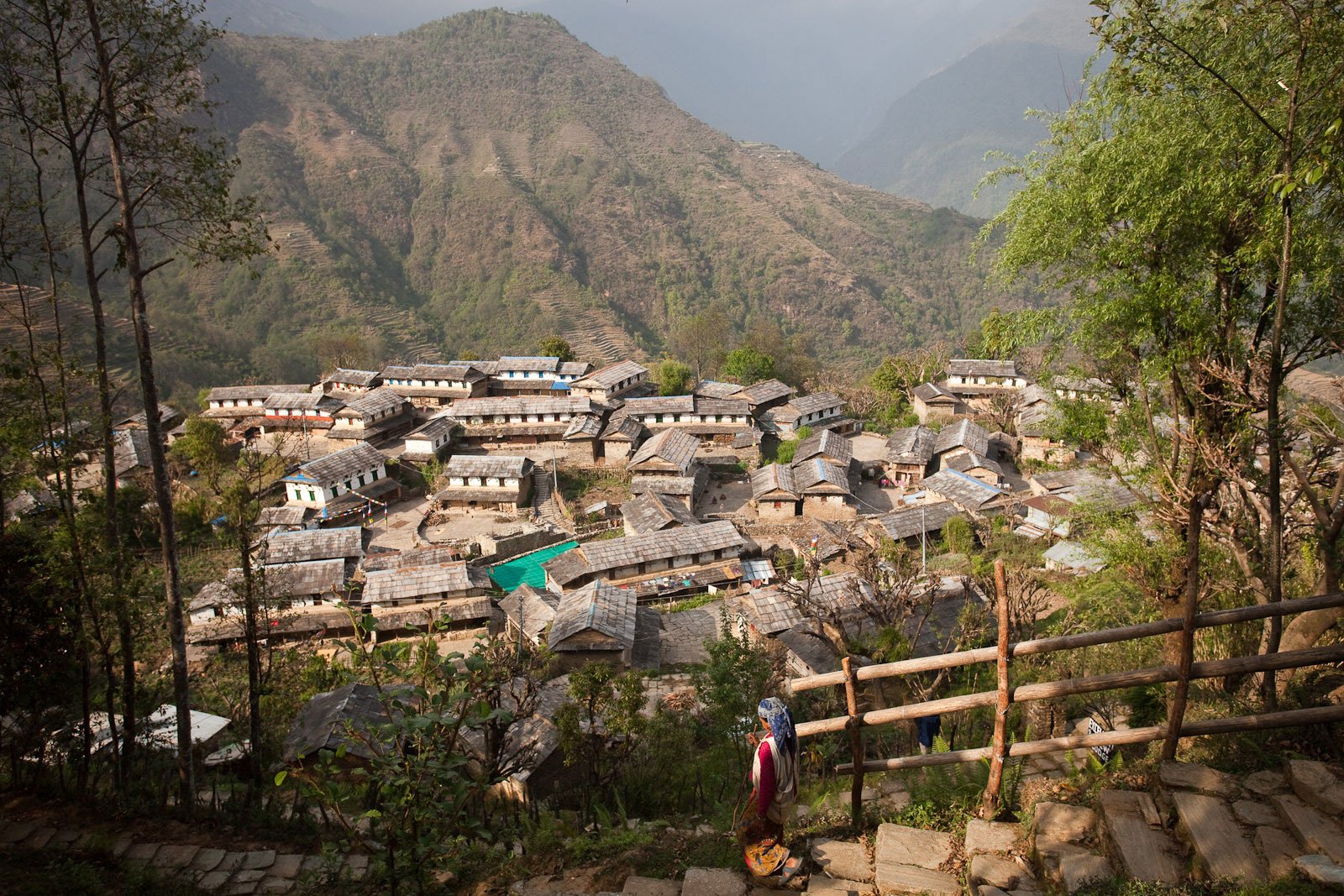
The circuit proves how community homestays should work. Villages that receive fewer visitors get support from a shared development fund, eliminating the unfair "first village gets everything" problem that plagues unorganized tourism.
What makes this circuit valuable for budget travelers:
Basic homestay packages start at only $17 per night including your sleeping room and three filling meals every day.
You don't need to hire a guide which saves $20-25 per day since trails are marked and villages are friendly.
Permit costs are lower compared to protected areas like Annapurna or Langtang which charge more.
Complete circuit costs under $400 even if you hire optional guides and porters to carry your backpack.
Fewer tourists visit so prices stay reasonable and you get more personal attention from host families.
Learning Magar Culture
Evening programs in villages include traditional dances like Kaura, Sorathi, and Maruni performed to Panche Baja music (five traditional instruments played together).

Taklung village built a cultural center displaying traditional Magar clothing, weapons, and household items. Elders lead discussions about Magar military history - Magar people famously served as fearless soldiers throughout Nepal's history.
The 8-Village Route Explained:
Circuit #4: Newari Heritage Walk - Best When You Have Limited Time
Cultural Immersion Without Leaving Kathmandu Valley
The Newari Heritage Walk offers authentic homestay experiences while staying close to Kathmandu (Nepal's capital city). This 3-5 day circuit is perfect for travelers who don't have much time or those who need to adjust to Nepal's altitude before attempting higher treks. It showcases sophisticated Newari urban culture in medieval hilltop towns surrounding the capital.
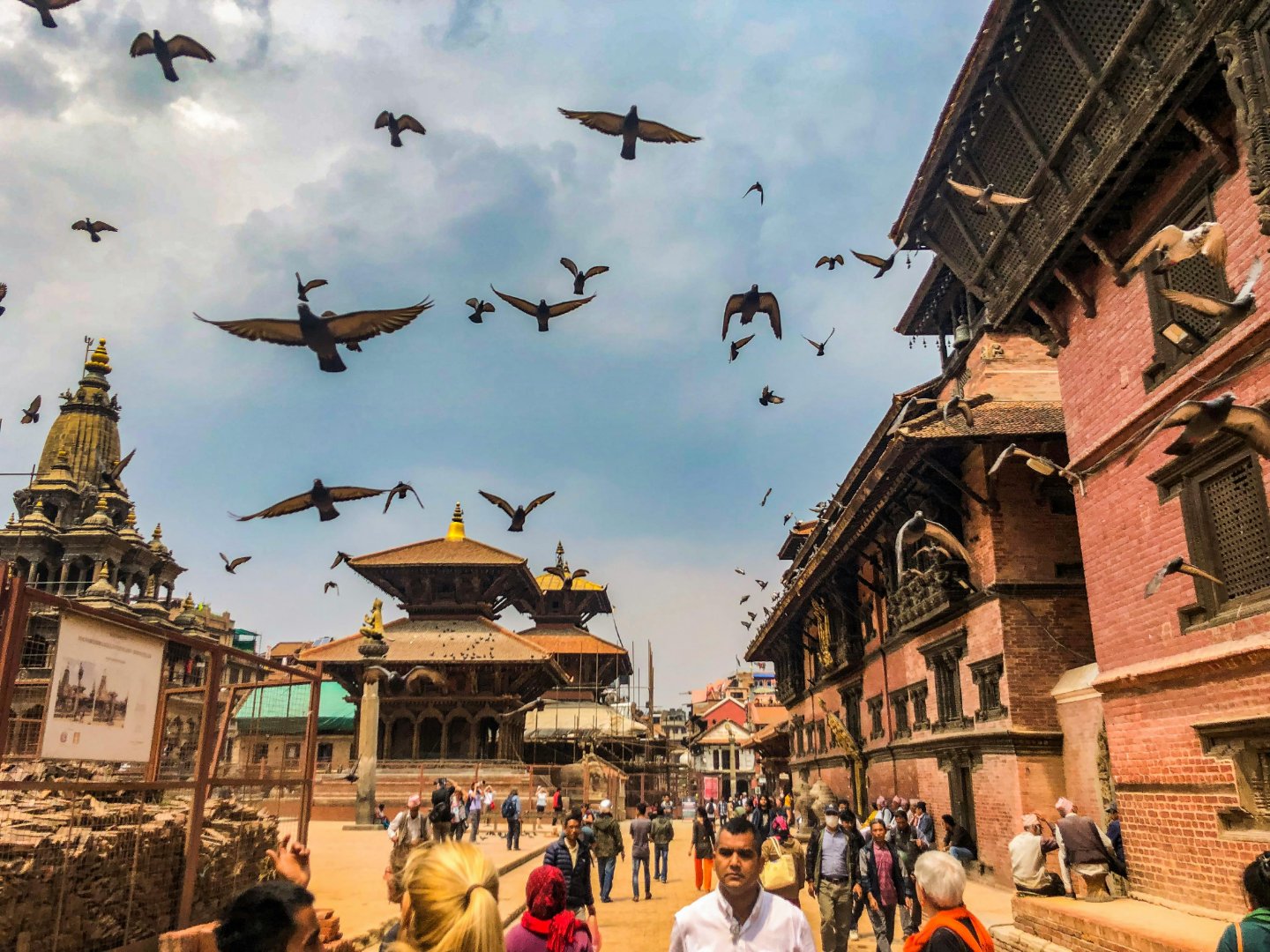
Unlike other circuits featuring rural ethnic groups, the Newari circuit reveals indigenous urban traditions developed over centuries. Newari people are native to Kathmandu Valley and historically controlled Nepal's art, architecture, commerce, and urban cultural development - they were like the master craftspeople, traders, and artists of ancient Nepal.
Why this circuit works perfectly for short visits:
Duration adjusts from 2-5 days so you can fit it into whatever time you have available.
Easy exits exist everywhere since every village has roads connecting back to Kathmandu.
Emergency return takes under 2 hours from any point if something goes wrong.
Altitude stays comfortable with maximum height of only 2,195 meters at Nagarkot viewpoint.
Works all year round though October-March offers the clearest mountain views.
Perfect for acclimatization before heading to really high-altitude regions like Everest Base Camp.
Newari Food: Nepal's Most Delicious Cuisine
Newari cuisine is considered Nepal's most complex and delicious food tradition, featuring over 200 different dishes with fancy preparation methods. Regular Nepali food consists mostly of dal-bhat (lentils and rice), but Newari food includes countless unique dishes you won't find anywhere else.
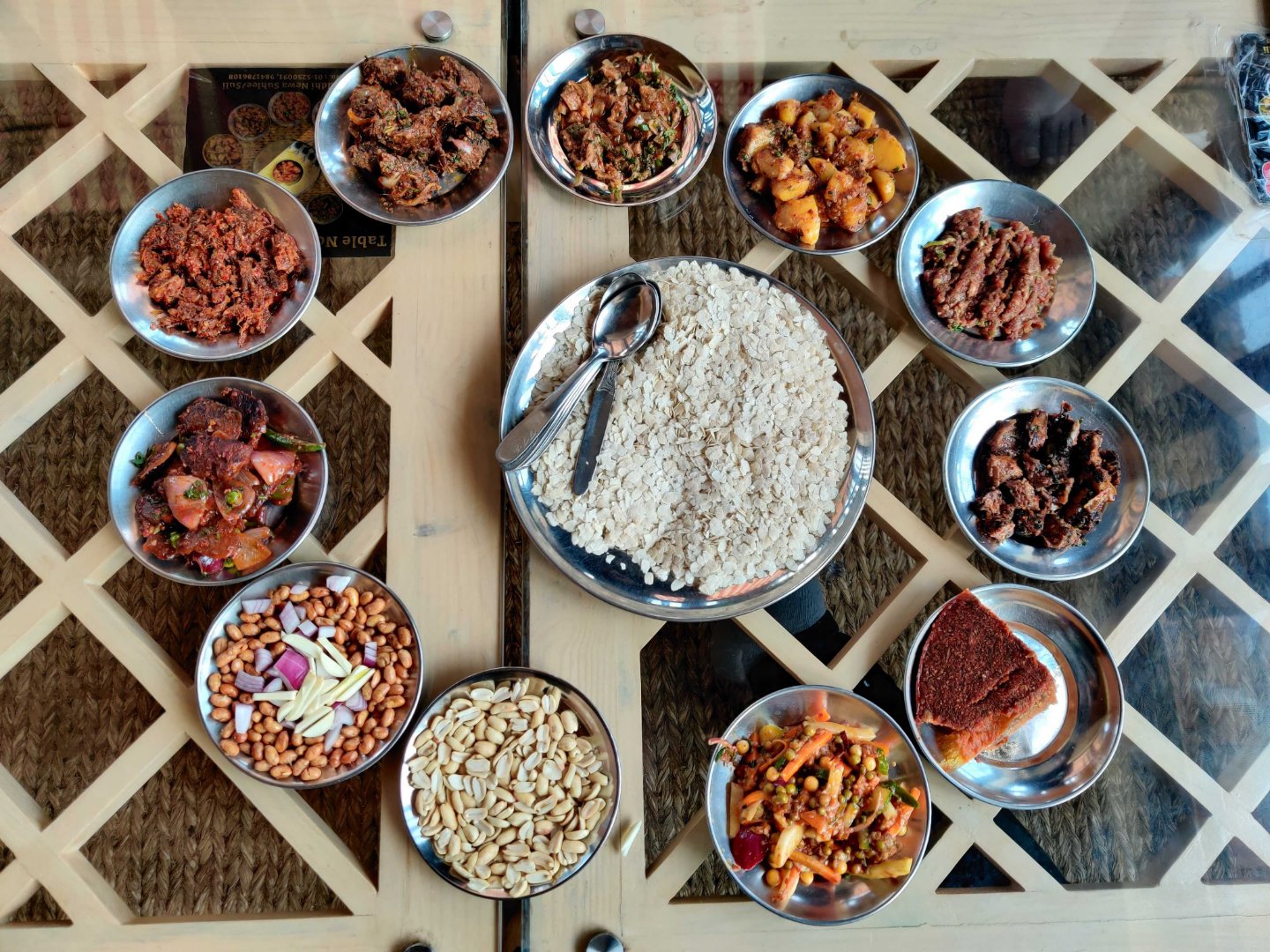
Circuit homestays emphasize food culture through optional cooking classes ($12-15) where you learn to make bara (crunchy lentil pancakes), yomari (sweet rice dumplings), chatamari (called "Newari pizza" because it looks similar), and traditional feast preparations.
Morning sunrise views from Nagarkot reveal the entire eastern Himalayan chain. On perfectly clear days, you can even see Mount Everest (8,849m - the world's tallest mountain!) from Nagarkot, plus the Langtang range, Ganesh Himal, and Manaslu. You get these spectacular views without expensive resort pricing.
Circuit #5: Tamang Heritage Trail - Best for Tibetan Buddhist Culture
Real Tibetan Culture Meets Mountain Trekking
The Tamang Heritage Trail combines cultural learning with serious mountain trekking. It follows ancient Tamang trade routes between Nepal and Tibet. This circuit requires good fitness but rewards you with authentic Tibetan Buddhist culture and stunning views of the Langtang National Park mountains.
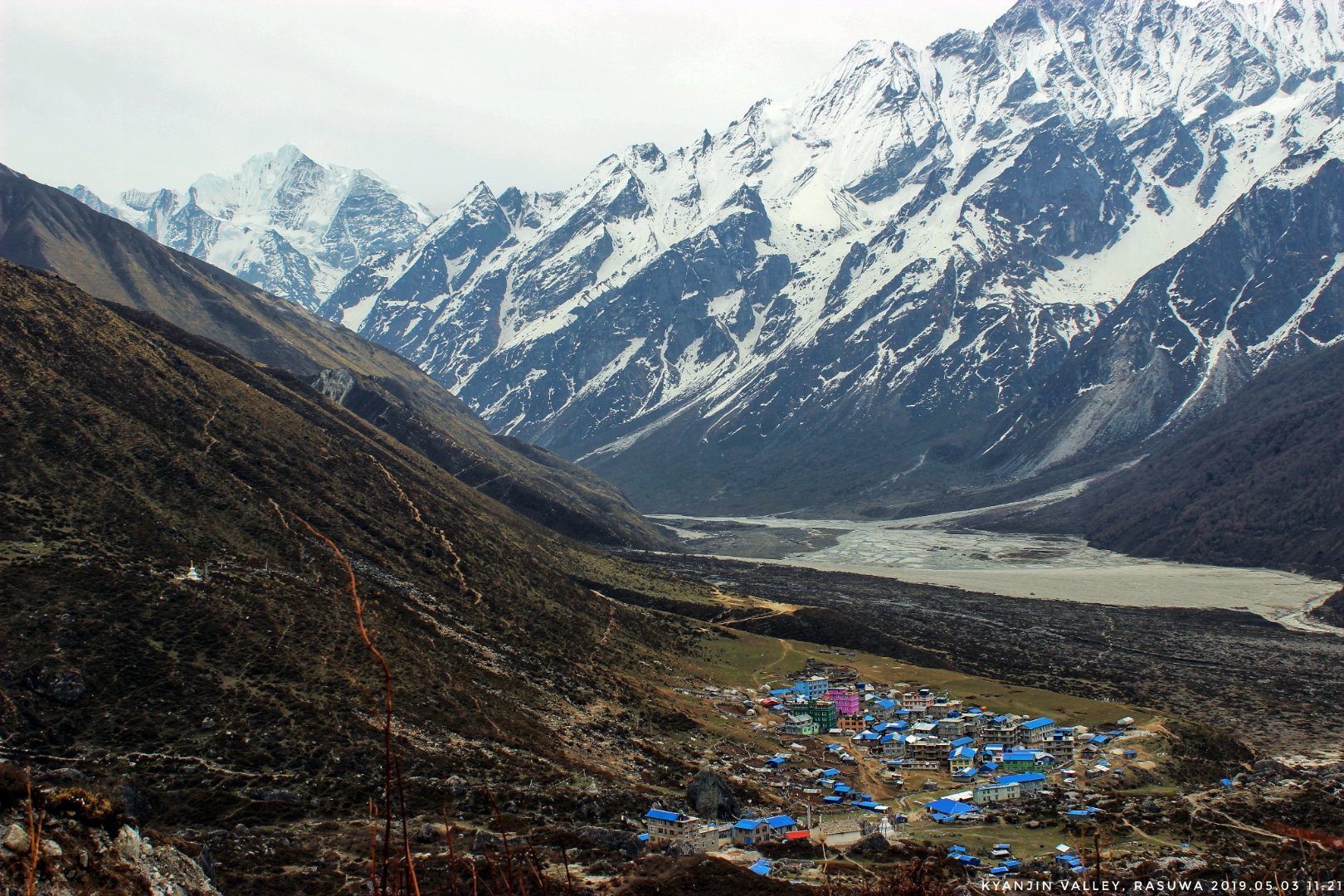
Starting from Syabrubesi village (a bumpy 7-hour drive from Kathmandu), the circuit connects five villages at heights from 1,503 meters to 2,607 meters across 5-7 days of trekking. The terrible 2015 earthquake destroyed much of this region, but tourism money helped villages rebuild faster than government aid alone could have achieved.
According to the Nepal Tourism Board, visitor numbers now exceed pre-earthquake levels by 15%, proving how homestay tourism builds community strength. Villages prioritized homestay rebuilding because tourism income enabled complete recovery, not just fixing houses.
Experiencing Tibetan Buddhism
Tamang communities practice Tibetan Buddhism, maintaining active monasteries, prayer wheels, stone walls carved with prayers (called mani walls), and daily rituals. Briddim village's community monastery allows visitors to join morning and evening prayers - rare access usually reserved only for Buddhist pilgrims.
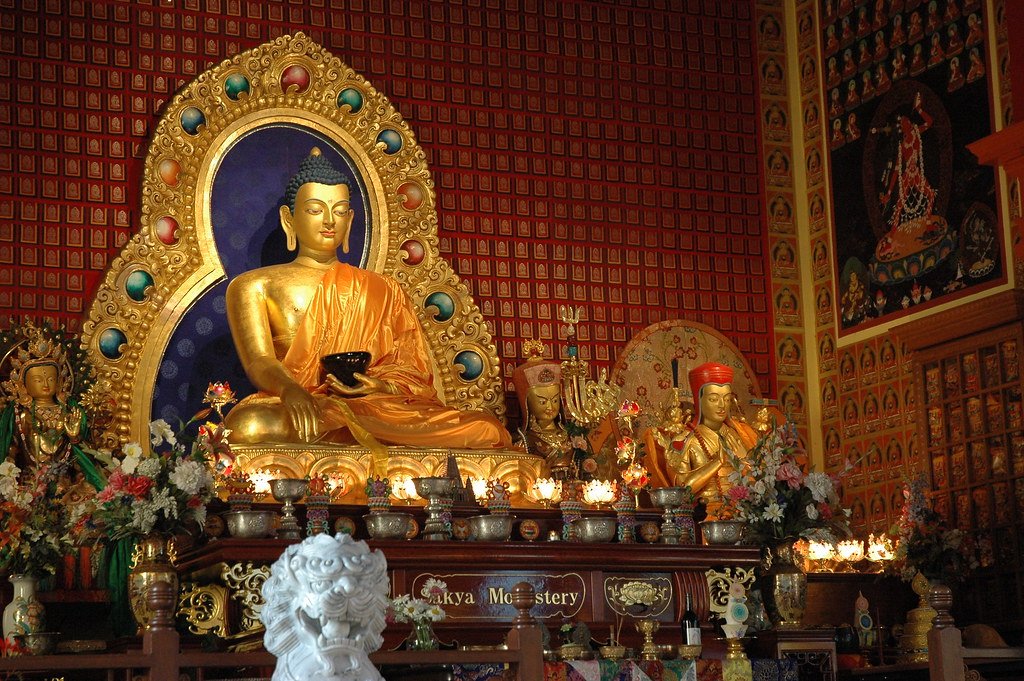
Cultural experiences include offering butter lamps (candles made from butter), hanging colorful prayer flags, learning Tibetan language basics, and watching shamanic healing traditions that mix Buddhism with older nature worship beliefs. This circuit provides Nepal's easiest way to experience Tibetan Buddhist culture without actually traveling to Tibet.
Important Things to Know:
You can't trek alone because Langtang National Park regulations since 2017 require all trekkers to hire registered guides.
TIMS permit costs $15 and Langtang National Park entry requires another $23.
Guides are mandatory no matter how much trekking experience you have, at about $27 per day.
Total circuit cost averages $365 per person for six days including all permits and required guide.
Circuit #6: Upper Mustang - Nepal's Most Preserved Culture (Advanced Only)
Expensive, Remote, and Absolutely Mind-Blowing
The Upper Mustang circuit is Nepal's most remote and culturally preserved homestay network. It offers access to Tibetan Buddhist kingdoms that were completely closed to outsiders until 1992 - that's more recently than your parents were born! This 12-14 day circuit requires lots of time and money but delivers cultural preservation you can't find anywhere else.
Special permits cost $500 for 10 days plus $50 for each extra day. These high permit fees limit visitor numbers to protect Mustang's fragile culture and environment. Combined with mandatory guide requirements, homestay fees, and expensive transport to remote locations, Upper Mustang becomes Nepal's priciest circuit at approximately $1,700 minimum per person.
But wow, is it worth it for those who can afford it! Upper Mustang maintains Tibetan Buddhist culture with authenticity unmatched anywhere in Nepal. Why? This region escaped the Chinese Cultural Revolution (1966-1976) that destroyed thousands of monasteries and cultural sites across the border in Tibet.
What Makes Upper Mustang Worth the Cost
Lo Manthang, the ancient walled capital sitting at 3,840 meters (higher than most airplanes fly!), functions as a living museum. Residents maintain traditional lifestyles in medieval surroundings - imagine living in a castle from 500 years ago! The former king's palace is still occupied by the royal family who participate in tourism activities, even though Nepal abolished the monarchy in 2008.
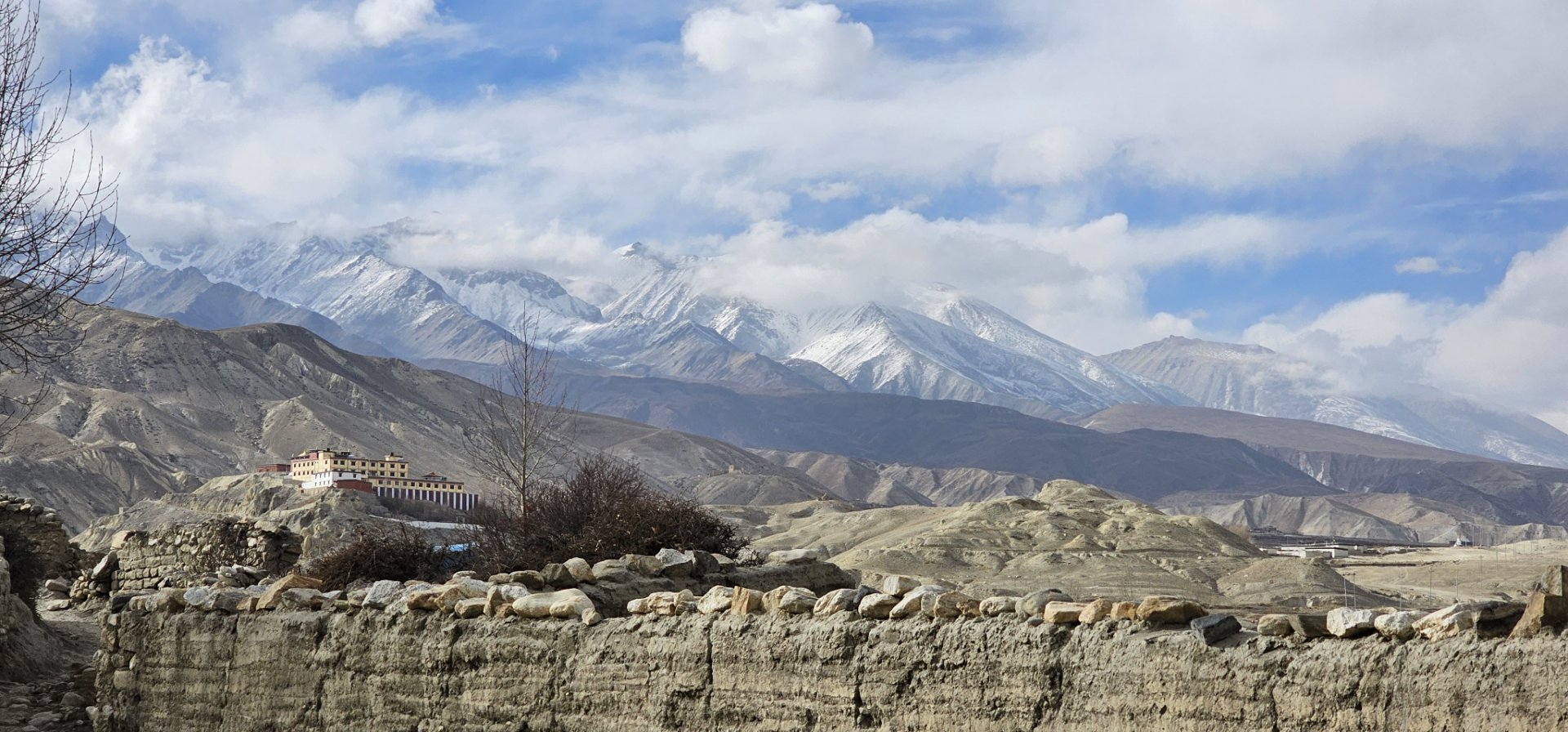
Cultural highlights include medieval monasteries with intact paintings from the 12th-15th centuries (older than America!), traditional polyandry (when one woman marries multiple brothers - rare elsewhere), the three-day Tiji Buddhist festival in May, ancient cave dwellings carved into cliffs, and traditional Tibetan medicine practices using herbs and spiritual healing.
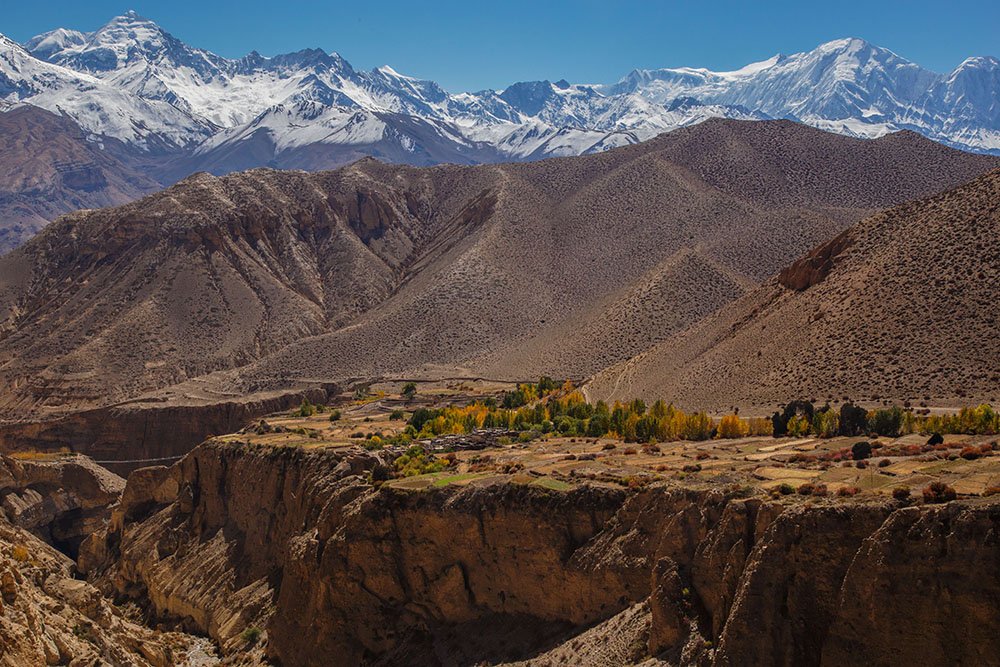
The landscape looks like Mars or a desert planet from Star Wars. Dramatic red and orange cliffs, traditional whitewashed villages against barren mountains, wind-carved canyons, and the world's deepest gorge at Kali Gandaki River create scenery completely different from typical "green Nepal" with forests and terraced farms.
Who Should Go (and Who Shouldn't):
Choosing the Right Homestay Circuit for You
Matching Your Interests to the Perfect Circuit
Different homestay circuits in Nepal serve different interests, abilities, and travel styles. Understanding which circuit matches what you want ensures you pick the experience that will be most fun and rewarding for YOU specifically.
If it's your first time in Nepal, choose the Gurung Cultural Loop or Newari Heritage Walk. These have good infrastructure, English-speaking hosts, and straightforward logistics that reduce anxiety.
If you're traveling with family and kids, the Tharu Borderlands Route is perfect. It offers flat terrain, short daily walks, year-round access, and wildlife activities that keep younger travelers excited.
If you want serious trekking plus culture, the Tamang Heritage Trail or Upper Mustang (with enough time and money) combine authentic culture with challenging mountain environments.
If you're watching your budget closely, the Magar Heritage Trail or Tharu Borderlands deliver genuine experiences at the lowest costs with no mandatory guide requirements.
If you love trying new foods, the Newari Heritage Walk showcases Nepal's most sophisticated cuisine with cooking class availability and incredibly diverse traditional dishes.
How Long and How Much Does Each Circuit Cost?
Understanding realistic time needs and total costs helps you plan effectively:
Time Needed:
Complete Costs (per person):
Costs include homestays, meals, guides (when required), permits, and transport but DON'T include flights to Nepal, Kathmandu hotels, or personal shopping:
Tharu Borderlands: $120-250 (most people spend around $150)
Newari Heritage Walk: $115-350 (most people spend around $180)
Magar Heritage Trail: $250-500 (most people spend around $320)
Gurung Cultural Loop: $265-550 (most people spend around $350)
Tamang Heritage Trail: $365-700 (most people spend around $450)
Upper Mustang: $1,400-2,800 (most people spend around $1,700)
How to Book and Prepare for Your Homestay Adventure
When Should You Book?
Peak season (October-November, March-April) requires booking 3-4 weeks ahead because homestays fill up completely and guides get booked. Prices are highest.
Shoulder season (September, February, May) allows booking just 2 weeks ahead with good availability, better guide-to-guest ratios, and moderate pricing.
Off-season (June-August, December-January) permits last-minute booking one week ahead with possible discounts, though weather can be challenging (monsoon rain or winter snow).
What to Pack
For ALL homestay circuits in Nepal, pack these essentials:
Sleeping bag liner is really important because while beds are provided, cleanliness standards vary between villages.
Headlamp with extra batteries becomes essential since electricity doesn't work reliably even in electrified villages.
Water purification tablets or filters keep you healthy because you can't drink tap water without treatment.
Basic first aid kit should include medicine for altitude sickness, diarrhea, pain, bandages, and antibacterial ointment.
Bring toilet paper from Kathmandu because it's rarely provided at homestay bathrooms.
Hand sanitizer and wet wipes maintain hygiene when washing facilities are limited or water is scarce.
Small gifts for host families like tea, coffee, or sweets show appreciation (not expensive items which create awkwardness).
Mountain circuits (Tamang, Upper Mustang) additionally require warm sleeping bags rated to -10°C, down jackets for evening temperatures that drop below freezing, trekking poles for steep terrain, and serious sun protection because high-altitude sun is incredibly intense.
Will Your Phone Work?
Mobile coverage varies dramatically:
Best connectivity: Newari Heritage Walk has full mobile coverage throughout the circuit - your phone works everywhere.
Good connectivity: Gurung Cultural Loop has coverage in 5 of 6 villages with reliable service.
Limited connectivity: Magar Heritage Trail and Tharu Borderlands offer coverage in only 3-4 villages with dead zones between.
Minimal/no connectivity: Tamang Heritage Trail has coverage only at start/end point, and Upper Mustang loses all coverage after the first village.
For circuits with limited connectivity, warn family and friends about communication gaps before you leave. Consider renting satellite phones for Upper Mustang ($6/day in Kathmandu) if staying connected is really important.
Staying Safe and Healthy
Altitude Sickness: What You Need to Know
Altitude sickness is when thin air at high elevations makes you feel sick. Symptoms include headache, dizziness, nausea, and extreme tiredness. It can be deadly if ignored!
Serious altitude risk: Upper Mustang at 3,000+ meters requires careful acclimatization and going up slowly.
Moderate altitude risk: Tamang Heritage Trail at 2,000-2,600 meters needs symptom monitoring but is usually manageable.
Minimal altitude risk: Gurung Loop stays under 2,000 meters and is generally safe.
No altitude risk: Magar, Tharu, and Newari circuits stay low enough that altitude sickness isn't a concern.
Learn more about trekking safety in Nepal from official sources which provides comprehensive health and safety information.
Emergency Help
All established homestay circuits maintain emergency plans, though response times vary:
Travel insurance with evacuation coverage is recommended for Tamang Trail and absolutely mandatory for Upper Mustang where helicopter rescue costs can exceed $5,000.
Being a Responsible Traveler
When staying in homestays in Nepal, follow these practices to protect communities:
Show cultural respect:
Always ask permission before taking photos of people
Dress modestly with covered shoulders and knees
Remove shoes before entering homes and temples
Learn basic greetings in the local language
Protect the environment:
Carry out all trash (plastic, wrappers, etc.)
Use refillable water bottles instead of buying plastic
Use water sparingly (it's scarce in mountains)
Stay on marked trails to prevent erosion
Support local economies fairly:
Pay agreed prices without excessive bargaining
Buy crafts directly from makers, not middlemen
Tip guides and porters fairly (10-15% of cost)
Support community projects when possible
Why Community Homestays Matter More Than Regular Hotels
How They Help Entire Regions Develop
Individual homestays help single families. But community circuits help entire regions through organized wealth distribution and village cooperation. Real impacts from established circuits include school enrollment increasing 25-40% in circuit villages compared to just 8-12% elsewhere, healthcare improvements funded by tourism money, trail infrastructure helping both locals and visitors, farm market expansion creating demand for local products, and youth staying home instead of leaving for cities.
The Magar circuit demonstrates this clearly. Since starting in 2016, eight villages experienced a 34% increase in students completing school, $32,000 invested in infrastructure, 47 young adults employed in tourism versus only 3 before, and a 28% reduction in working-age people leaving the villages.
Quality Control That Actually Works
Random homestays vary wildly in quality without oversight. But circuits enforce standards through shared reputation concerns. Annual inspections, guest feedback systems, training for underperforming hosts, threats of removal for violations, and peer pressure from other members create quality incentives individual operators never face.
One bad experience at any village hurts the ENTIRE circuit's reputation. This motivates communities to police themselves and maintain standards across all members through self-checking that external government regulation could never achieve.
Your Adventure Awaits!
Homestays in Nepal have evolved from simple places to sleep into sophisticated community networks delivering authentic cultural experiences while supporting regional development. The six established circuits we've explored demonstrate working models that combine fair governance, transparent finances, quality standards, and cultural preservation alongside economic benefits.
For travelers seeking experiences beyond temple visits and mountain photos, these homestay circuits provide organized pathways into real Nepali life. Whether you choose the beginner-friendly Gurung Cultural Loop, the budget-friendly Magar Heritage Trail, the family-suitable Tharu Borderlands, the convenient Newari Heritage Walk, the culturally rich Tamang Heritage Trail, or the transformative Upper Mustang circuit, you'll participate in genuine development simply through where you choose to sleep.
The transformation happening through community homestays in Nepal matters beyond tourism. Villages keep young people who would otherwise leave for cities or foreign countries. Traditional practices continue because tourism money makes them economically sustainable. Village cooperation builds community strength that benefits everyone far beyond the tourism season.
This is sustainable tourism working exactly right - communities controlling their own development, visitors gaining authentic experiences, and economic benefits distributed fairly across entire regions instead of concentrated with a few rich people.
All six circuits are operating now and welcoming visitors. Ready to pick your perfect homestay adventure in Nepal?
Questions You Might Have
What exactly makes a homestay circuit different from regular homestays in Nepal?
A homestay circuit connects multiple villages through organized routes with central management, quality standards, and coordinated booking systems. Regular homestays operate alone without connections. Circuits distribute tourism benefits across entire regions rather than just one village, enforce quality through group accountability, and provide structured cultural experiences with transparent money-sharing that funds development across all member villages. Think of it like the difference between playing on an organized sports team versus just playing pickup games alone.
Can I visit just one village, or must I complete the full route?
Most circuits let you do partial trips, though complete routes give you the full intended experience and better value. You can stay in just one or two villages by contacting the coordinator when booking. However, full circuits offer deeper cultural understanding, better prices, and support the village cooperation model more effectively. Minimum bookings usually require 2-3 nights to make coordination worth the effort.
How hard are homestay circuits compared to regular mountain trekking?
Circuit difficulty varies a LOT. Tharu Borderlands and Newari Heritage Walk are easy with flat or gentle terrain suitable for anyone including grandparents and kids. Gurung Loop and Magar Trail need moderate fitness for 3-5 hour daily walks on hills. Tamang Heritage Trail demands good fitness and dealing with thin air at altitude. Upper Mustang requires excellent fitness, altitude experience, and serious preparation. Unlike technical trekking focused on reaching peaks, circuits focus on culture where walking just gets you between villages.
Do I need to hire a guide for homestays in Nepal?
Guide requirements vary. Upper Mustang legally requires guides. Tamang Heritage Trail strongly recommends them for safety. Gurung, Magar, and Tharu circuits don't require guides but many travelers hire them anyway for cultural explanation and navigation. Newari Heritage Walk rarely needs guides because of easy access and common English. Guide costs range from $15-27 per day for lowland circuits to $38-53 per day for mountain circuits. Guides significantly improve understanding even where not required - it's like the difference between watching a movie with and without someone explaining the plot!
What's included in homestay prices, and what costs extra?
Standard packages include sleeping room, three meals daily, and basic cultural programs like evening dances or cultural talks. Typically NOT included: alcoholic drinks, snacks between meals, hot showers ($2-3 where available), laundry service, and charging electronics ($0.75-1.50 per charge in villages without electricity). Guides, permits, transportation to starting points, and special activities.
Company Admin
Travel writer sharing authentic stories and experiences from Nepal's beautiful homestays.