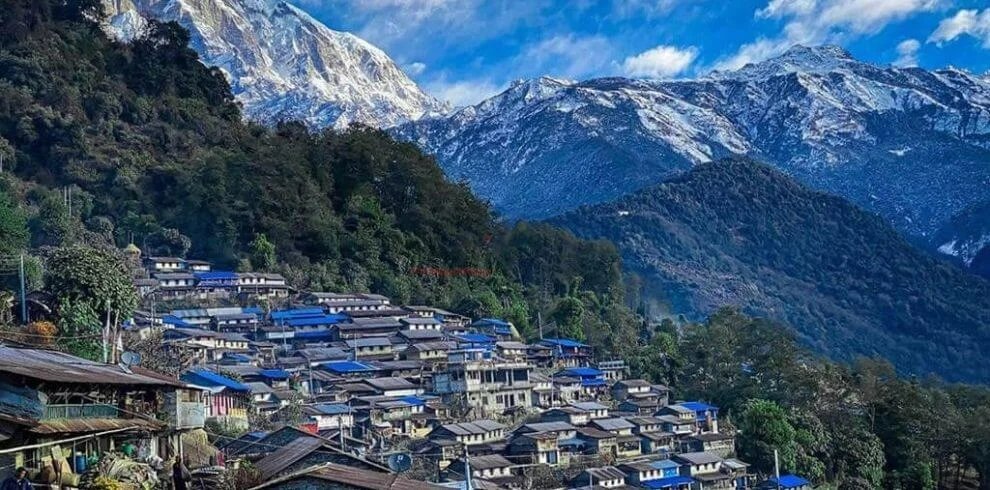
Sikles is Nepal's quietest Gurung village near Pokhara. Annapurna views from your courtyard, home-cooked dal bhat, and the Kapuche Lake Trek on your doorstep. This guide covers what to expect, what it costs, and how to get there from Pokhara.
Most people in Pokhara have heard of Ghandruk. Far fewer have heard of Sikles, which is exactly why it is worth going. Same Gurung culture, same Annapurna views, a fraction of the tourists. The village sits at 1,980 metres in the Kaski district, 42 kilometres northeast of Pokhara, in the shadow of Annapurna II and Lamjung Himal. You can see both peaks clearly from inside the homestay courtyard on a good morning without walking anywhere.
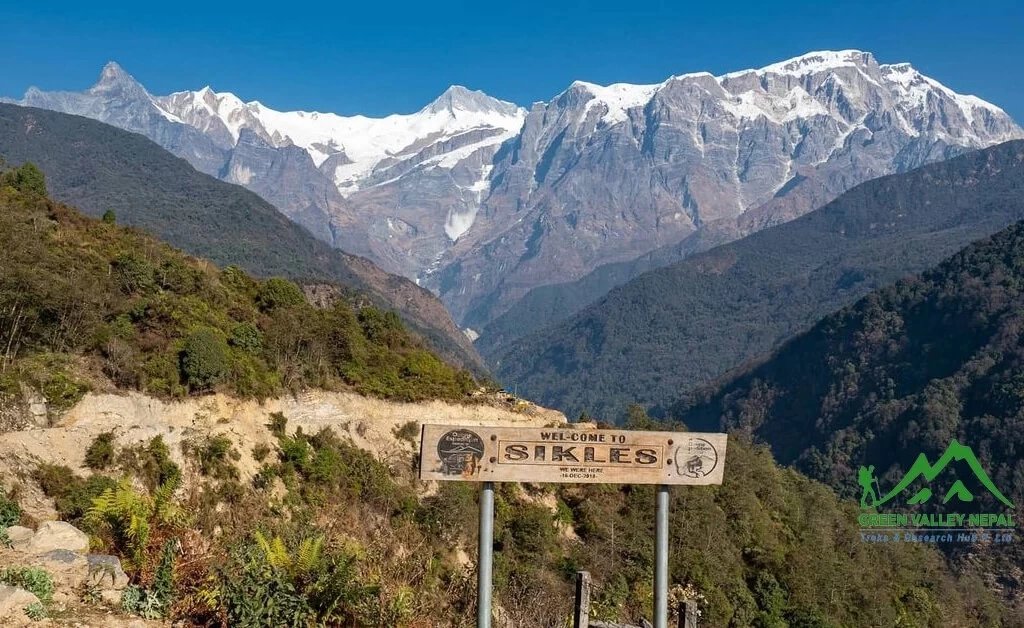
Sikles is also the starting point for the Kapuche Lake Trek, which takes you to one of the lowest altitude glacial lakes in the Himalayas at 2,546 metres. That combination of easy village access plus optional trekking is what makes it a practical 2 to 4 day trip from Pokhara for almost any type of traveller.
TL;DR
Sikles is a Gurung village 42 km northeast of Pokhara with direct Annapurna range views
Homestays start from NPR 2,000 per person per night with meals included
The ACAP permit (NPR 3,000 for foreign visitors) is required and must be bought in Pokhara before you go
Best for travellers based in Pokhara who want a 2 to 3 day side trip with mountain views and village life
The Kapuche Lake Trek extends a village stay into a 3 to 4 day moderate trek
Best time is October to November and March to April
Quick Overview: Sikles Homestay
What Is Sikles?
Sikles is the second largest Gurung village in Nepal after Ghandruk. It has been a model eco-tourism village under the Annapurna Conservation Area Project (ACAP) for over two decades, which means the community has had longer than most to figure out how to host guests without turning itself into a performance. The broader Gurung cultural loop around Pokhara is covered in the best community homestay circuits in Nepal, which puts Sikles in context alongside five other circuits.
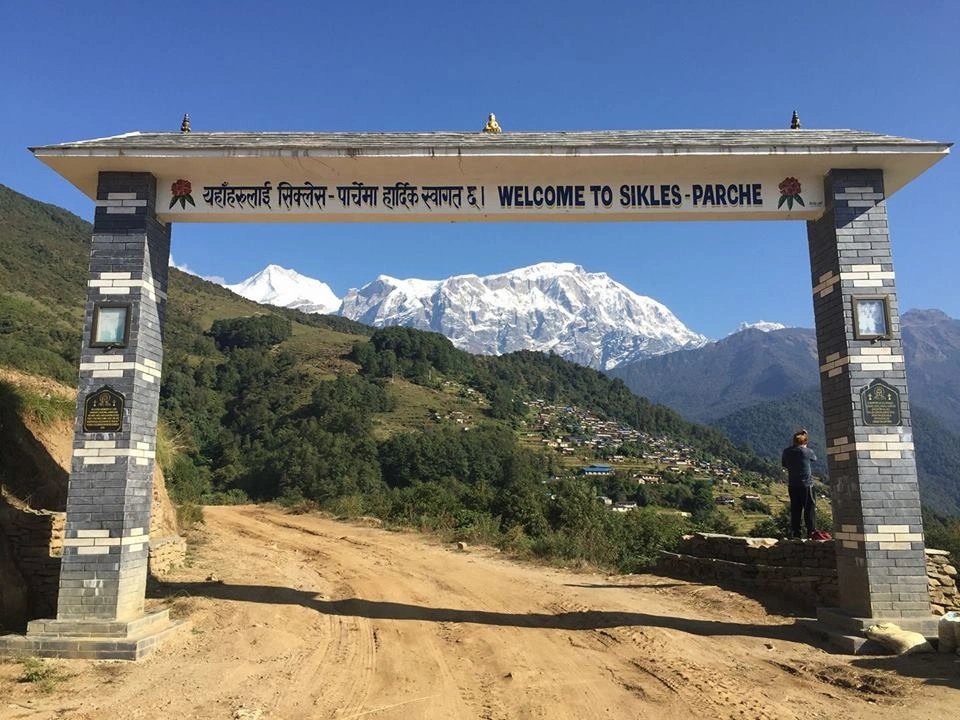
The village name has two versions. One says early visitors found nobody here was ever sick, so they called it Sick-less. The other says it comes from the Gurung words Sik (bee) and Les (hive), the big beehive. Both are plausible for a village this self-sufficient.
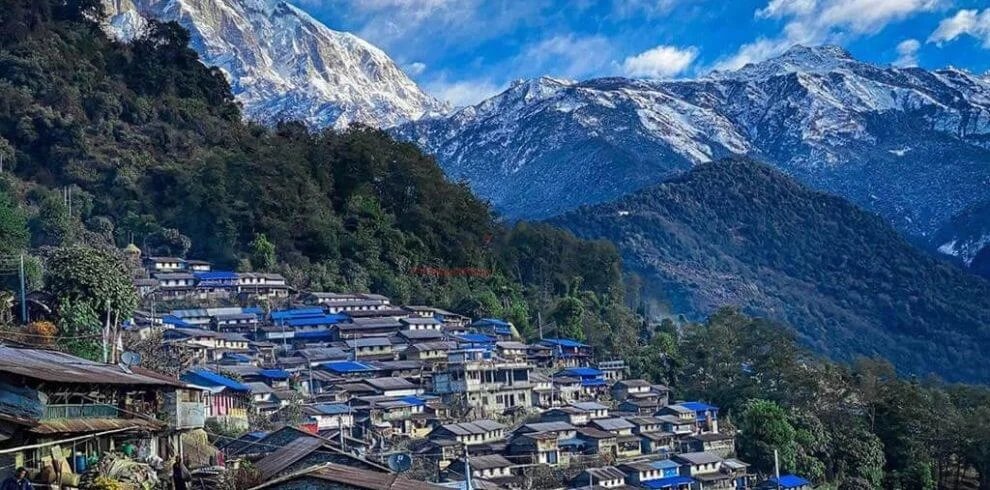
The houses are traditional stone and mud construction with small windows and low doorways. Stone-paved lanes connect the upper and lower parts of the village. On clear mornings you can see Annapurna II, Lamjung Himal, and Machhapuchhre from the lanes themselves. You do not need to walk to a viewpoint to get to the mountains. They are just there when you step outside.
Sikles vs Ghandruk: Which One Is Worth Your Time?
Both are large Gurung villages near Pokhara with homestays, mountain views, and community tourism infrastructure. Here is an honest comparison:
If you want the full Gurung experience without other tourists in the frame, Sikles. If you want easy access and the Annapurna Base Camp trail, Ghandruk. The two villages are also linked in our Ghandruk destination guide if you want to compare specific properties. If you are looking for other quiet Gurung villages close to Pokhara, Kaskikot is another off-the-radar option. For a deeper cultural experience with more time, Bhujung in Lamjung district is Nepal's largest Gurung village and a natural next step after Sikles.
What to Expect: Accommodation
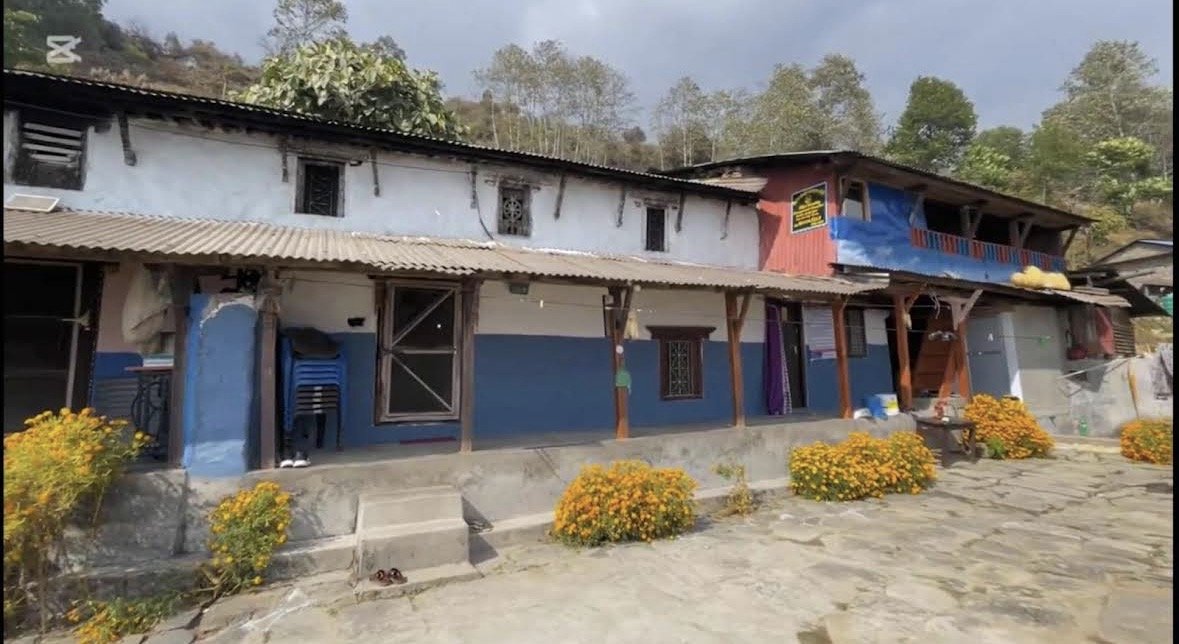
Sikles homestays are traditional stone-and-timber Gurung houses with small rooms built around a central courtyard. Floors are polished stone or wood. Rooms have basic furniture, thick blankets for cold nights, and usually a window that faces toward the mountains if you ask for it.
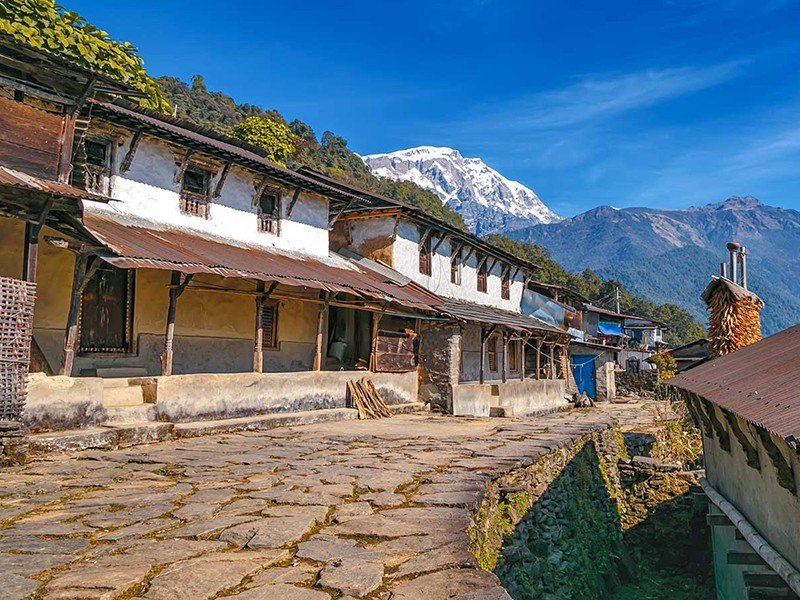
Facilities are basic. Hot water comes from a solar-heated geyser in most homestays. WiFi is available in some but not all properties. Power cuts happen occasionally in the evenings. You share the courtyard with the family, hear them moving around in the morning, and eat at the same time they do. That proximity is what makes it different from a guesthouse. The Nepal homestay packing list covers everything you need for a hill village stay in the Annapurna region, including what to skip.
The Sikles Harikala Homestay is one of the verified listings on Nepal Homestays, run by a local Gurung family in the village. For a comparison of Sikles alongside Bhujung and Taulung with prices and booking contacts for all three, the Sikles, Bhujung and Taulung village homestay guide covers each one in detail.
What to Expect: Food and Culture
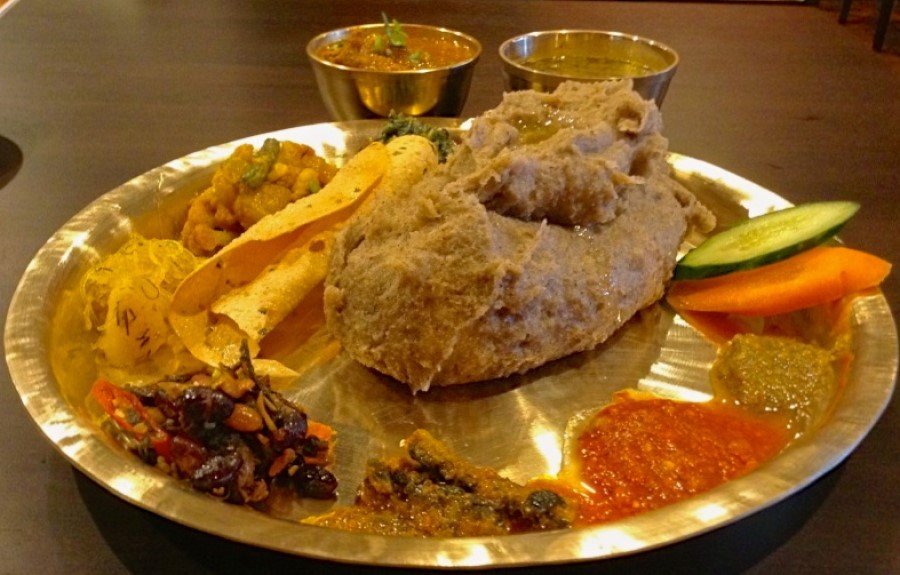
Meals at a Sikles homestay are cooked by the host family, not from a menu. Breakfast is typically eggs, roti, and tea. Dinner is dal bhat with vegetable curry and whatever greens are growing in the kitchen garden that week. The rice is a local variety, slightly sticky, and noticeably different from what you get in Kathmandu restaurants.
In the evenings, most homestays can arrange a Gurung cultural programme: traditional dance, Dohori singing, and tongba, a warm fermented millet drink served in a bamboo cylinder with a metal straw. The drink is refilled with hot water as you go and gets stronger the longer you sit with it. It is a reasonable way to spend an hour in the courtyard when the mountains have gone dark.
The village eco-museum is small but covers the Gurung migration history, traditional dress, agricultural tools, and what ACAP has meant for the village economy over the past two decades. Worth 45 minutes before your Rising Danda walk in the morning.
Things to Do in Sikles
Rising Danda Viewpoint
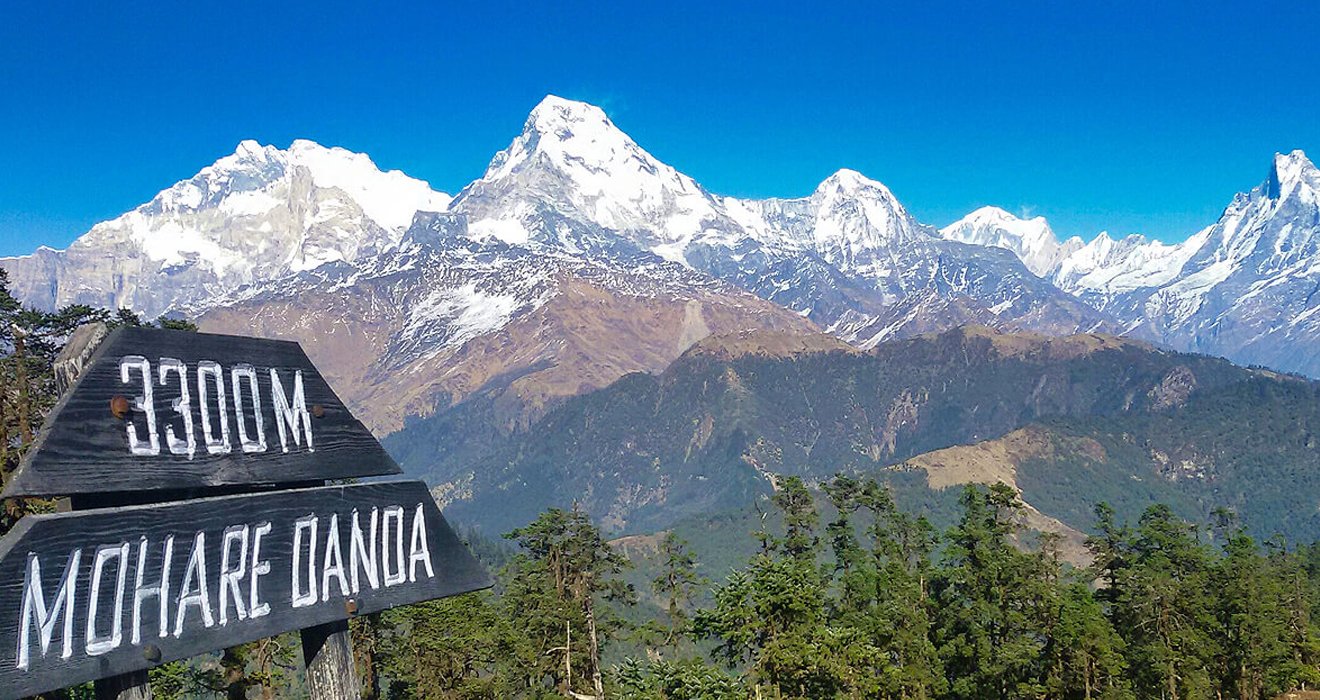
A 45-minute walk above the village to a ridgeline with a full panorama of the Annapurna range. The best time is early morning before cloud builds up from the valley. You do not need a guide for this walk. The trail is well-worn and leaves from the upper part of the village.
Gurung Cooking Class
Most host families will show you how to make dal bhat, roti, and dhido if you ask. It is not a paid activity with a schedule. You sit in the kitchen while they cook, ask questions, and take over one part of the process when they let you. The grinding stone for spices and the clay stove are the two things most visitors photograph before they even think to taste the food.
Eco-Museum Visit
The Sikles Eco-Museum documents Gurung history, traditional dress, agricultural tools, and the ACAP conservation model. Worth an hour before or after your Rising Danda walk.
Village Walk
The stone-paved lanes of Sikles are themselves the activity. Walk the upper lanes in the morning when families are starting their day, fields are being tended, and children are heading to school. The lower lanes have older houses with original mud and stone construction. A full circuit of the village takes about 90 minutes at a slow pace.
Kapuche Lake Trek
The main trek option from Sikles, covered in full in the next section.
Kapuche Lake Trek: Day by Day
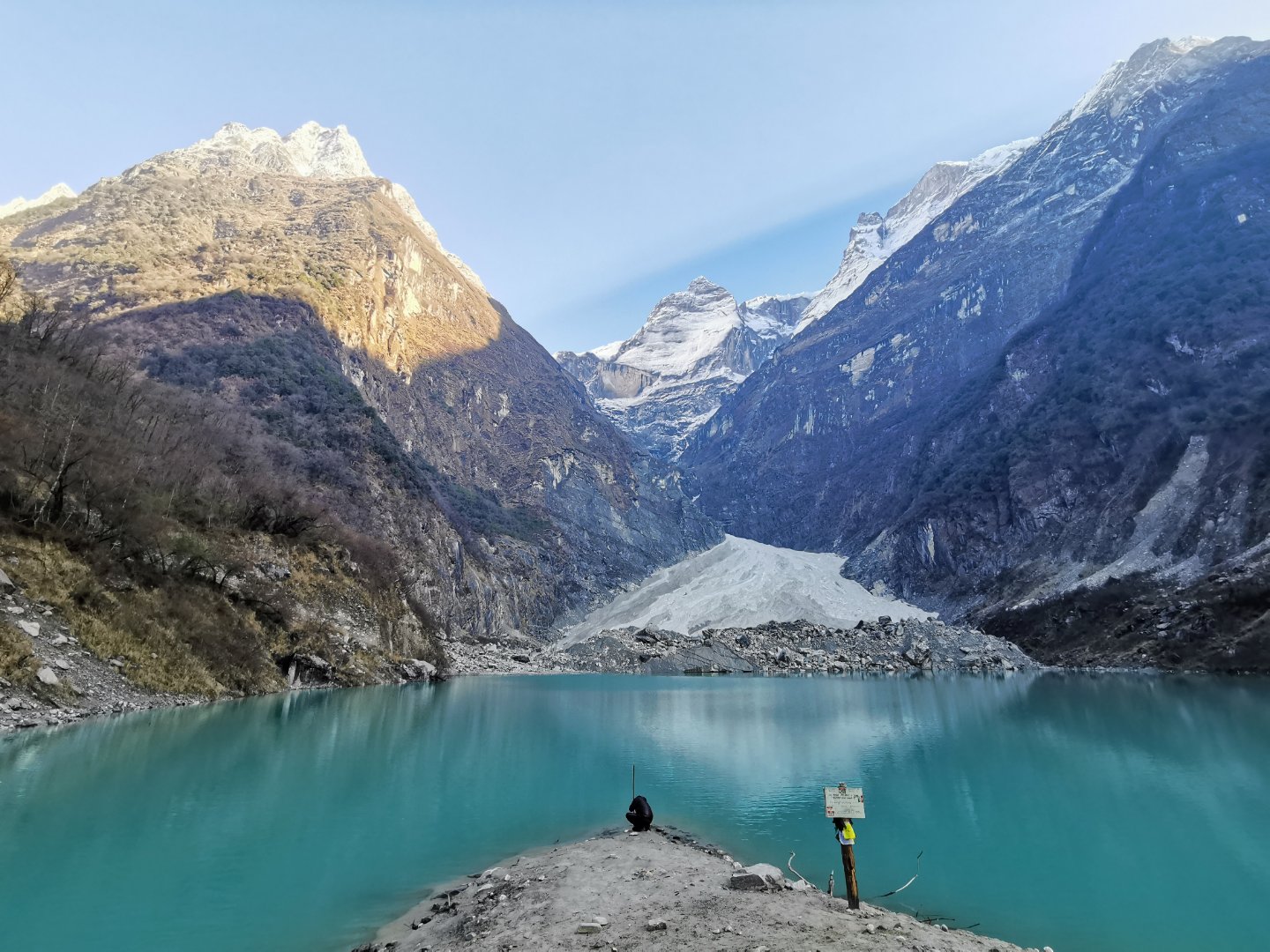
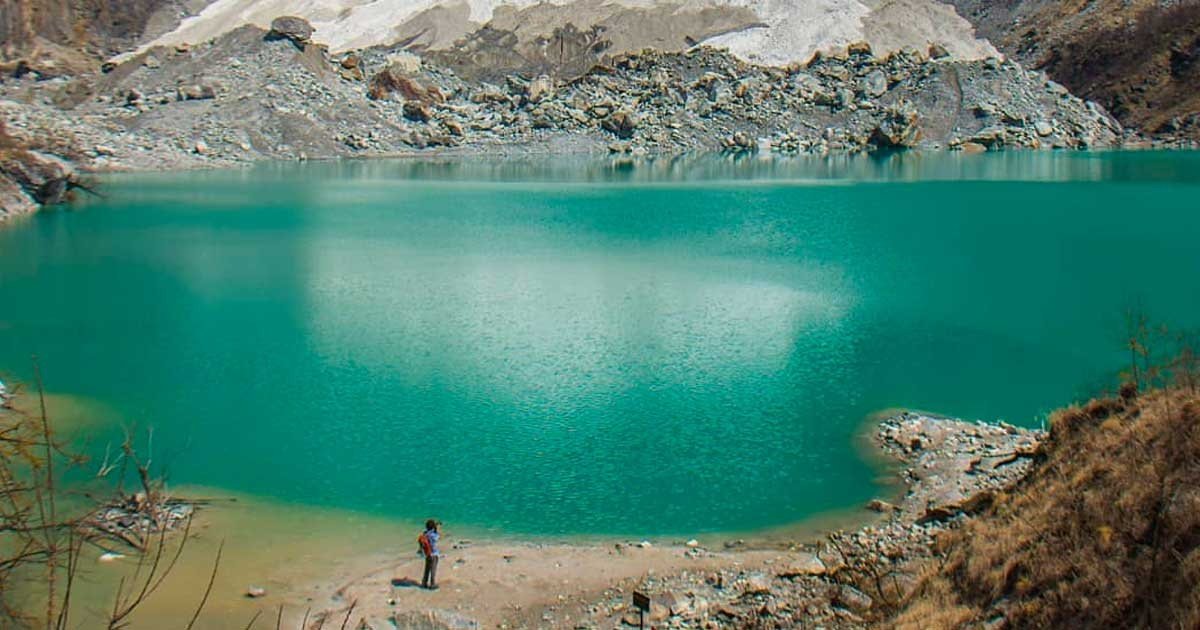
Kapuche Lake at 2,546 metres is one of the lowest altitude glacial lakes in the Himalayas. The trek from Sikles takes 3 to 4 days at a relaxed pace, passes through the village of Hugu Gaun, and requires no technical skill or prior trekking experience. Daily walking time is 4 to 6 hours.
Day 1: Pokhara to Sikles
Drive from Pokhara to Sikles by jeep, 4 to 5 hours. Arrive in the village, check in to your homestay, and spend the afternoon walking the village lanes and visiting the eco-museum. Overnight in Sikles at 1,980 metres.
Day 2: Sikles to Hugu Gaun
Trek from Sikles toward Hugu Gaun through rhododendron forest and terraced farmland. The trail climbs steadily through dense vegetation with occasional open sections giving views back toward Pokhara and the valley below. Hugu Gaun is a smaller settlement at roughly 2,000 metres. Overnight in a local teahouse or basic homestay. Walking time: 4 to 5 hours.
Day 3: Hugu Gaun to Kapuche Lake and back
Start early. The trail climbs from Hugu Gaun through alpine meadow toward the lake. Kapuche Lake sits in a bowl below the permanent snowline, fed by glacier melt from Lamjung Himal. The water is clear and cold. The surrounding terrain is open enough that you can see the full wall of the Annapurna range from the lakeside. Return to Hugu Gaun or push back to Sikles for the night. Walking time to the lake: 3 to 4 hours each way.
Day 4: Sikles to Pokhara
Trek or drive back from Sikles to Pokhara depending on your preference and time. Most people take the jeep back. The drive gives you a different perspective of the valley than the approach route.
The ACAP Permit: What It Is and How to Get It
The Annapurna Conservation Area permit is a government requirement for all visitors to the Annapurna region, which includes Sikles. You cannot get it in the village. You must buy it in Pokhara before you go. The same permit applies if you are staying at any other village within the conservation area, including Lwang Ghalel, which is another community homestay inside the ACAP zone near Pokhara.
Where to get it: ACAP office on Lakeside, Pokhara. Open Sunday to Friday, 9 AM to 5 PM.
Cost:
Foreign visitors: NPR 3,000 per person
SAARC nationals: NPR 1,000 per person
Nepali citizens: NPR 100 per person
What you need: Passport and one passport-size photo. The permit is issued on the spot.
If you are doing the Kapuche Lake Trek and hiring a guide, a TIMS (Trekkers' Information Management System) card is also required at NPR 2,000 per person. Your guide or the Nepal Tourism Board office in Pokhara can handle this.
Sikles Homestay Prices
Prices vary slightly between homestay families. Confirm directly when booking. Peak season is October to November and March to April. Book at least 2 weeks in advance during these periods.
How to Get to Sikles from Pokhara
Step 1: Get to Pokhara By bus from Kathmandu: 6 to 7 hours, NPR 700 to 1,000. By plane: 30 minutes, from NPR 7,000. If you are spending time in Pokhara before or after Sikles, it is worth planning a day around Phewa Lake or Sarangkot. If you need a place to stay in Pokhara, Bishnu Homestay is a family-run option on the Sarangkot side of Lakeside. For travel time comparisons from other parts of Nepal, the Kathmandu to village travel times guide has region-by-region breakdowns.
Step 2: Get the ACAP permit in Pokhara. Go to the ACAP office on Lakeside before leaving. This is not optional. Budget 30 minutes and bring your passport and a photo.
Step 3: Pokhara to Sikles Local bus from Amar Singh Chowk (Pokhara's main bus park) toward Kahu Khola. Buses run every hour until about 1 PM. From Kahu Khola, take a shared jeep to Sikles. Total journey: 4 to 5 hours.
Private jeep from Pokhara: NPR 6,000 to NPR 10,000 one way. Worth it for groups of three or more, faster and more flexible.
Best Time to Visit Sikles
October to November is the best window. The monsoon has ended, skies are clear, and mountain views are sharp. Rhododendrons are not flowering yet but the forest is green and the trails are dry. This is peak season so book homestays at least two weeks in advance. The Nepal Tourism Board's seasonal travel calendar gives official guidance on conditions across all regions.
March to April is the second best. Rhododendron trees along the trail to Hugu Gaun turn red and pink from late February onward, and by mid-March the forest between Sikles and the lake is in full bloom. Views can be slightly hazier than autumn due to dust and haze building in the valleys, but the trail itself is at its most vivid.
December to February is cold but quiet. The village gets light snow in January and February. Some travelers enjoy this specifically. Homestays are available but confirm in advance as some families close for winter.
June to September is monsoon season. Trails to Kapuche Lake are wet, leeches are on the path, and mountain views are blocked by cloud most days. Not recommended for the trek. The village itself is fine and green.
Frequently Asked Questions
What is a Sikles homestay?
A Sikles homestay is accommodation with a local Gurung family in Sikles village, Kaski district. Guests stay in traditional stone-and-timber houses, eat home-cooked meals, and can join cultural programmes and walks organized by the family or village cooperative.
How far is Sikles from Pokhara?
Sikles is 42 kilometres northeast of Pokhara. By jeep the journey takes 4 to 5 hours depending on road conditions.
Do I need a permit to visit Sikles?
Yes. The ACAP permit is required for all visitors and costs NPR 3,000 for foreign nationals. It must be bought at the ACAP office in Pokhara before you travel to Sikles.
How difficult is the Kapuche Lake Trek?
The trek is rated easy to moderate. The highest point is Kapuche Lake at 2,546 metres, well below the altitude where sickness becomes a concern. Daily walking time is 4 to 6 hours. No prior trekking experience is required.
What is the best time to visit Sikles?
October to November and March to April. October to November gives the clearest mountain views. March to April adds rhododendron blooms along the Kapuche trail.
How is Sikles different from Ghandruk?
Both are Gurung villages near Pokhara with mountain views and homestays, but Sikles receives far fewer tourists. The village feels more intact and less developed. Ghandruk is easier to reach and connects to the Annapurna Base Camp trail. Sikles connects to the Kapuche Lake Trek.
How much does a Sikles homestay cost?
Room with breakfast and dinner starts from NPR 2,000 per person per night. The ACAP permit is an additional NPR 3,000 per person paid separately in Pokhara.
Can I visit Sikles without a guide?
For the village itself, yes. For the Kapuche Lake Trek, a guide is strongly recommended. Trails above Hugu Gaun are less marked and conditions change with weather.
Company Admin
नेपालका सुन्दर होमस्टेहरूबारे सच्चा कथा र अनुभव साझा गर्ने यात्रा लेखक।