Explore Pokhara's top 10 attractions from Himalayan viewpoints to serene lakes. Your complete guide to Nepal's adventure capital with tips & itineraries.
Pokhara Valley holds Nepal's most spectacular natural beauty. This guide covers the top 10 places to visit in Pokhara, from sunrise viewpoints at Sarangkot and the World Peace Pagoda to adventure hubs for paragliding, serene lakes perfect for boating, mysterious caves, and museums documenting Himalayan mountaineering history.
These are not just photo stops. They are places where the Himalayas touch the sky, where morning mist lifts off Phewa Lake, and where travelers can connect with Pokhara's adventure culture and mountain communities through authentic experiences beyond standard tourist circuits.
Quick Reference: Top 10 Pokhara Attractions
Essential Tips for Visiting Pokhara
Dress Code and Temple Etiquette:
Cover your shoulders and knees at religious sites, and remember to remove your shoes before entering temples. Be respectful of local worship practices, especially when visiting the pagodas.
Money and Payment:
Carry small bills in 100 and 500 rupee denominations since most attractions only accept cash. You'll find reliable ATMs in the Lakeside area if you need to withdraw more money.
Best Photography Times:
Head to Sarangkot between 5:00 and 6:30 AM for stunning sunrise views of the Annapurna range. The Peace Pagoda looks best during golden hour from 4:00 to 6:00 PM, but avoid visiting during monsoon season (June-August) when haze obscures the mountains.
Health and Safety:
Stick to bottled or filtered water and bring warm layers for chilly early morning viewpoints. Watch your step on the steep, uneven paths at caves and hillside sites, though you'll appreciate the air quality being much better than Kathmandu.
Let's Dive In:
1. Sarangkot
Sarangkot sits 1,592 meters above sea level, 5 kilometers from Lakeside Pokhara. This hilltop viewpoint delivers Nepal's most accessible Himalayan sunrise, with the Annapurna range, Dhaulagiri, and Machhapuchhre (Fishtail Mountain) turning golden as dawn breaks.
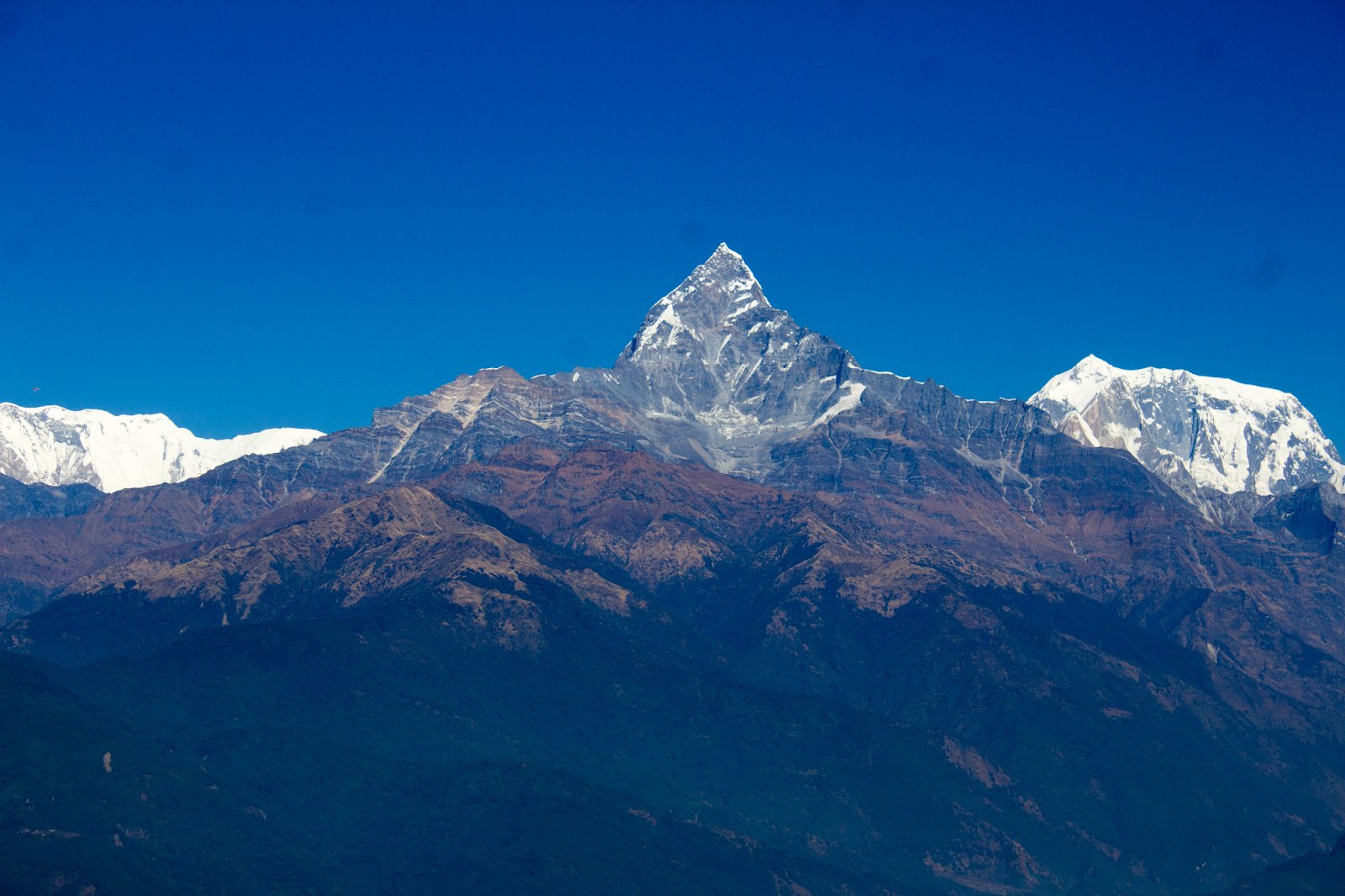
The 360-degree panorama stretches from Dhaulagiri (8,167m) in the west to Manaslu (8,163m) in the east. Below, Phewa Lake reflects the mountains while Pokhara Valley gradually wakes. On exceptionally clear mornings, you can count eight peaks over 7,000 meters.
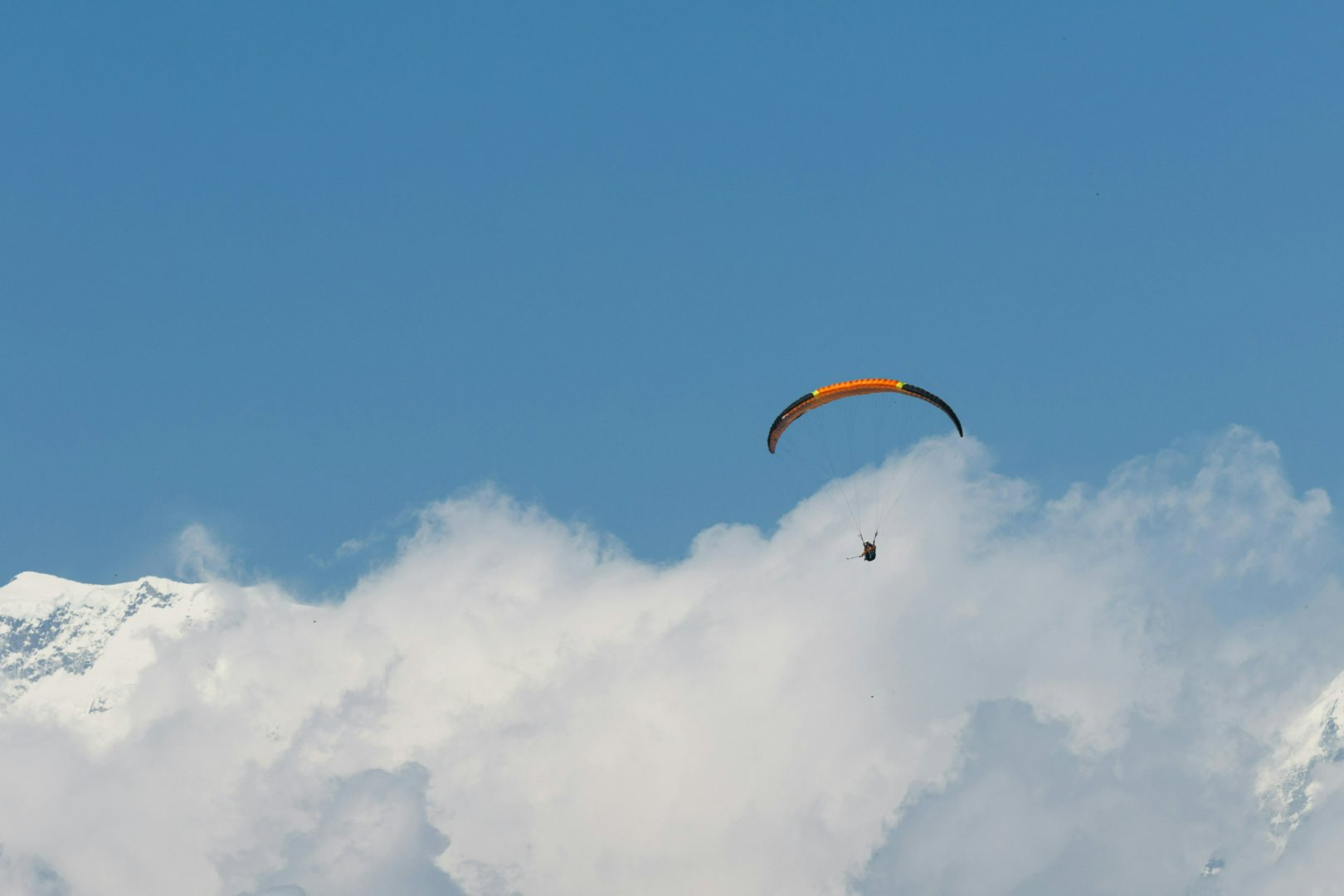
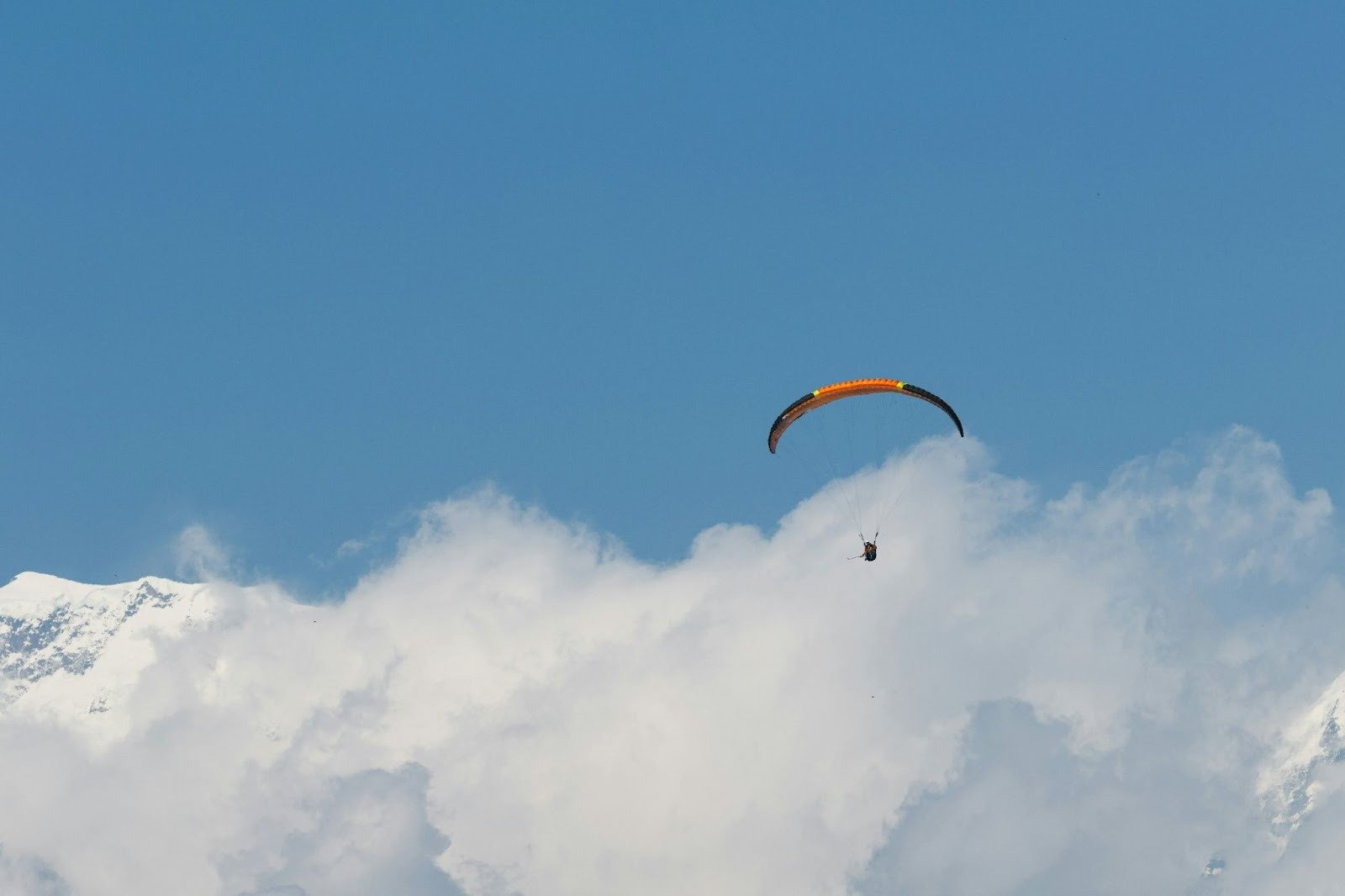
Sarangkot doubles as Pokhara's paragliding launch site. Watch colorful canopies lift off the hillside throughout the morning, soaring above the valley with a mountain backdrop.
What to Know:
Entrance to viewpoint tower: 60 rupees
Taxi from Lakeside: 800-2,000 rupees (negotiate beforehand)
Leave Lakeside by 4:30 AM for sunrise
Drive takes 30-45 minutes, followed by short walk to tower
Best months: October, November, March, April
Bring warm layers even in summer
2. Phewa Lake
Phewa Lake defines Pokhara. This freshwater lake stretches 4.4 kilometers long and 1.5 kilometers wide, creating the mirror that reflects the Annapurna range on calm mornings. The eastern shore holds Lakeside, Pokhara's tourist hub, while the western and southern shores remain relatively untouched.
The Tal Barahi Temple sits on a small island near the lake's center, accessible only by boat. This two-tiered pagoda dedicated to the goddess Barahi sees devotees crossing the water daily, especially on Saturdays.
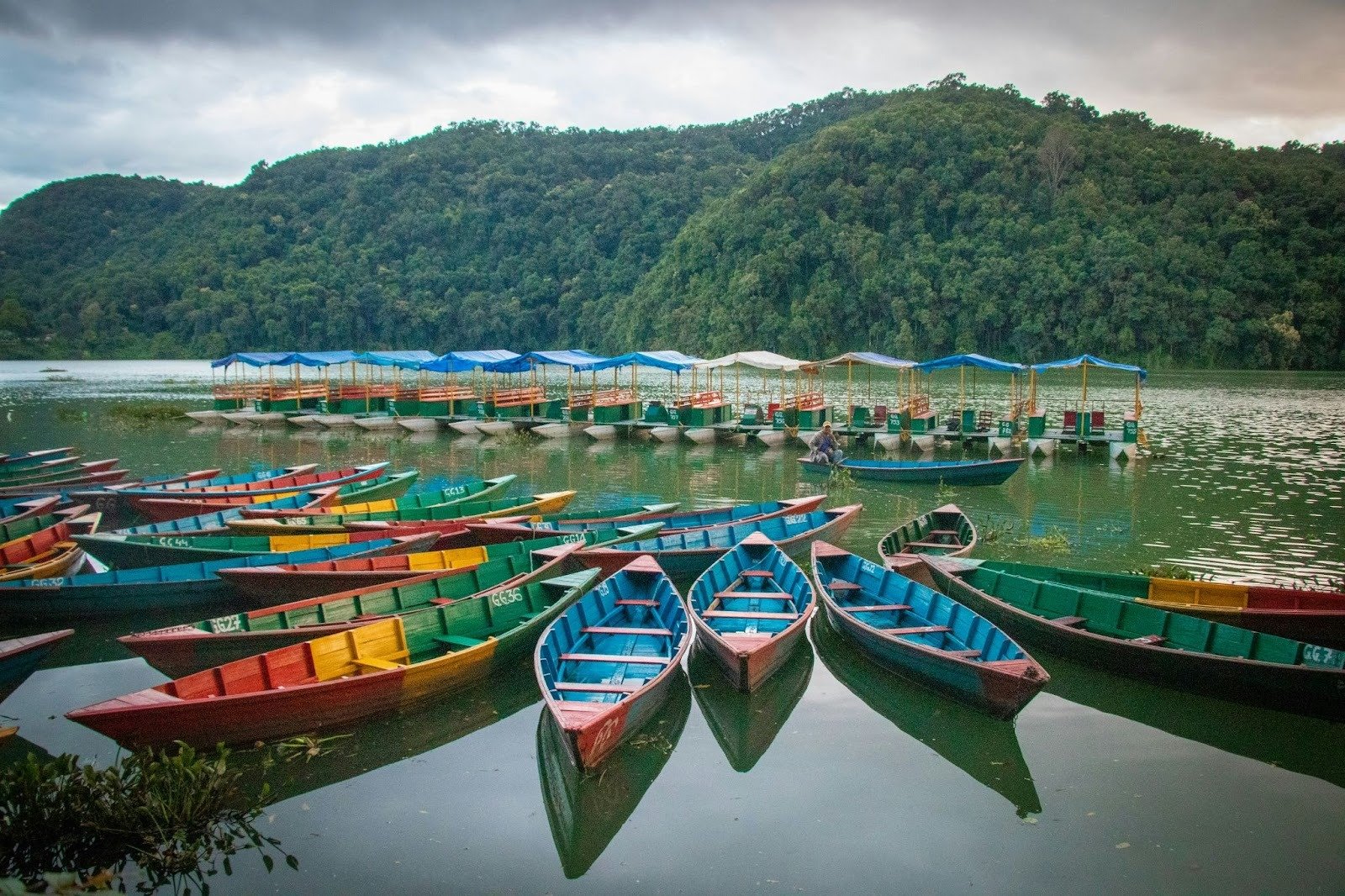
Boating options include paddling yourself, hiring a boatman, or taking the short trip to Tal Barahi Temple. Early morning brings glass-smooth water perfect for photography. Late afternoon sees young couples and families taking sunset cruises.
What to Know:
Boat rental: 500 rupees/hour with boatman, 450 rupees/hour self-paddle
Life jackets: 10 rupees rental (recommended)
Temple boat trip: 100 rupees per person
Best time: Early morning (6-8 AM) or late afternoon (4-6 PM)
Rowboats and colorful paddleboats available
For travelers seeking to understand life along Pokhara's lake communities, staying at homestays like Golden Birds Homestays or Peace Guest House offers morning lake routines, fishing practices, and connections with families whose lives revolve around the water.
3. World Peace Pagoda (Shanti Stupa)
The World Peace Pagoda sits atop a hill on the southern shore of Phewa Lake, built by Japanese Buddhist monks in 1973. The brilliant white dome with golden Buddha statues on all four sides creates a striking contrast against green hillsides.
The pagoda offers dual rewards: spiritual atmosphere and spectacular views. From the platform, Phewa Lake spreads below with the Annapurna range rising behind. The effect at sunset, when golden light hits the white stupa and mountains simultaneously, explains why photographers time visits for late afternoon.
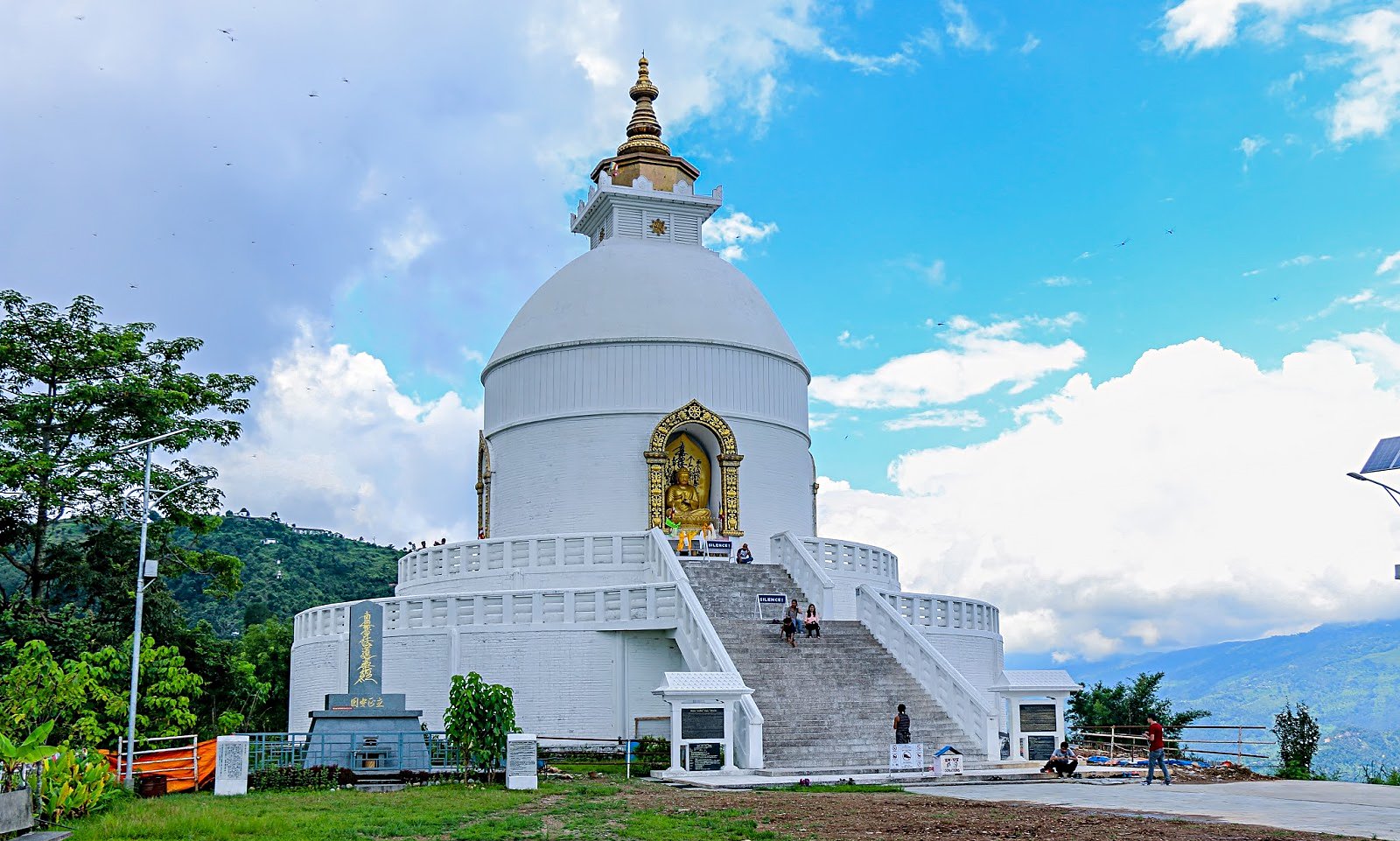
Access requires either a 45-minute uphill hike from Lakeside (via boat across Phewa Lake then trail) or a taxi to the hilltop. The boat-and-hike combination provides the most scenic approach.
What to Know:
No entrance fee
Boat across lake: 100-150 rupees one way
Taxi from Lakeside: 1,000-1,500 rupees round trip
Hike from lakeside boat landing: 45 minutes uphill
Dress modestly
Best visited 3-6 PM for sunset light
4. Davis Falls (Patale Chhango)
Davis Falls demonstrates nature's power in compact form. The Pardi Khola stream drops approximately 500 feet into an underground tunnel, creating a thundering waterfall that disappears into a limestone cave system. The water flow connects directly to Gupteshwor Cave next door.
Named after a Swiss tourist who tragically fell into the waterfall in 1961, the site draws visitors year-round but shows its true force during and after monsoon (June-September) when water volume increases dramatically.
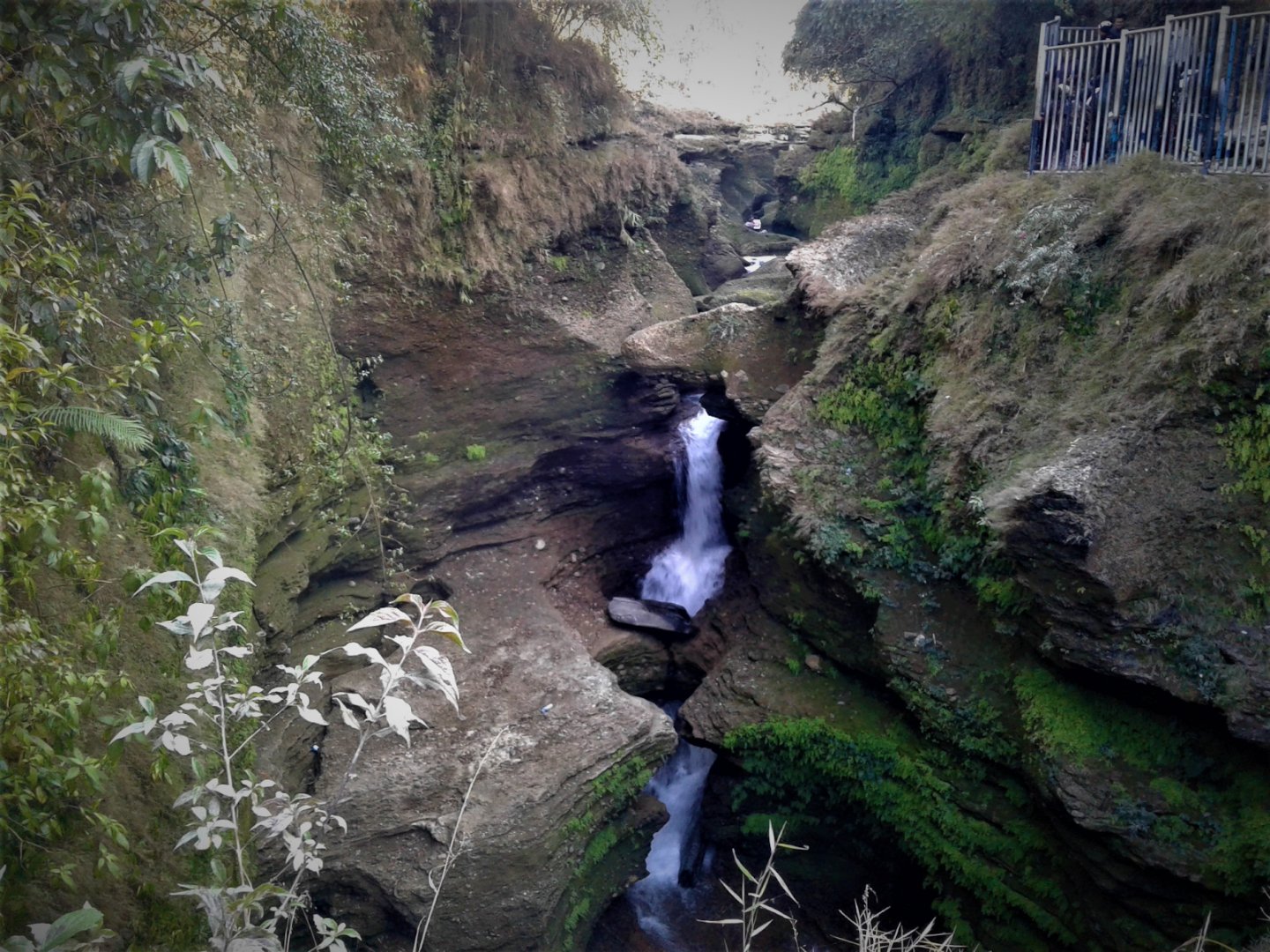
A garden surrounds the viewing platform. The falls themselves sit in a concrete-walled enclosure for safety, which reduces the natural aesthetic but prevents accidents.
What to Know:
Entrance: 100 rupees for foreigners
Open daily 6 AM to 6 PM
Monsoon season (June-September) offers highest water flow
Combine with Gupteshwor Cave visit (right next door)
Photography difficult due to mist and limited angles
10-minute drive from Lakeside
5. Gupteshwor Mahadev Cave
Gupteshwor Cave sits directly across from Davis Falls, with an entrance that leads to a sacred cave containing a Shiva lingam. The cave system stretches about 3 kilometers, though only a portion is open to visitors.
The main attraction lies at the cave's deepest accessible point: an underground viewing platform where Davis Falls crashes through limestone overhead. Water thunders past in darkness, creating a mystical atmosphere enhanced by Hindu shrines and dim lighting.
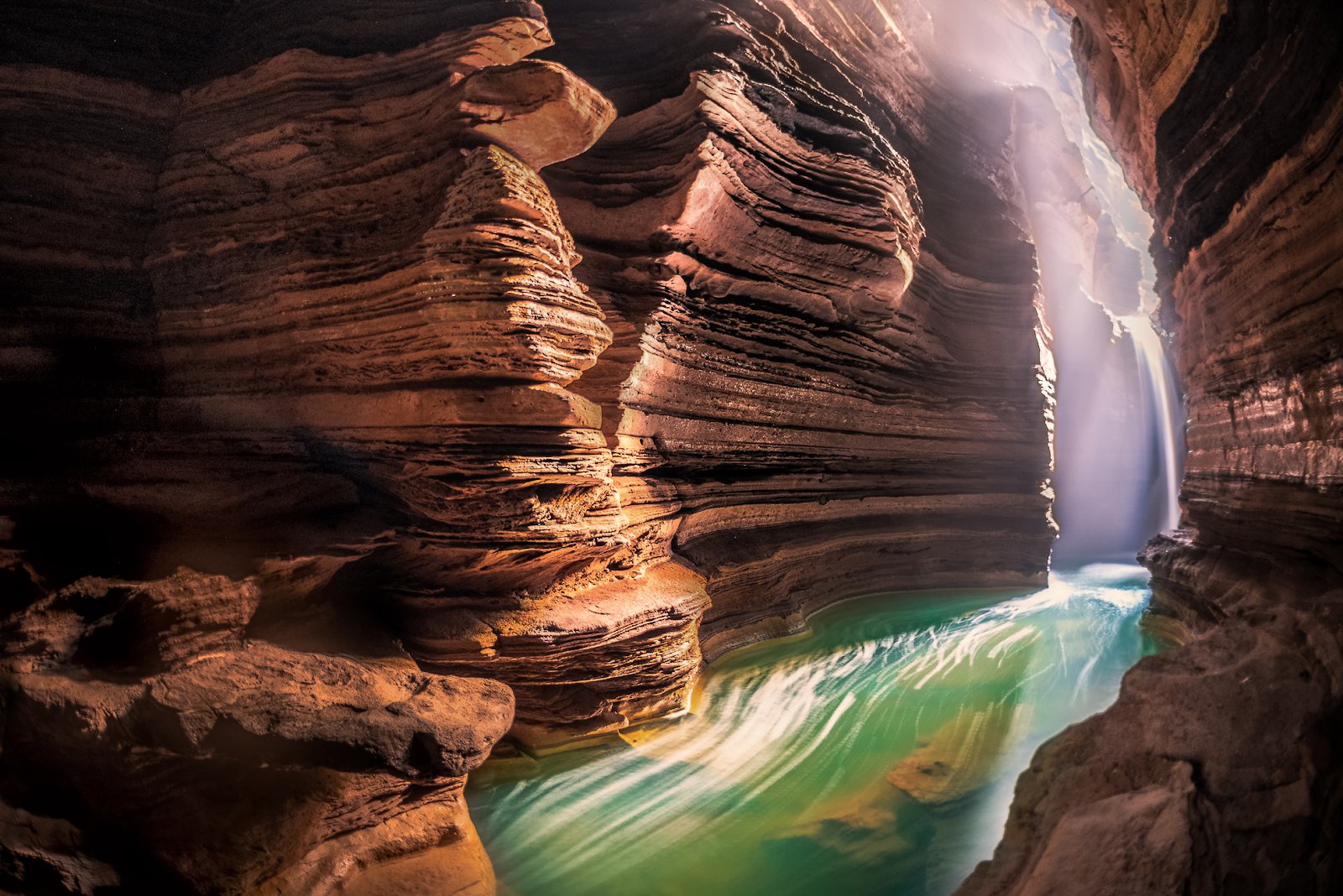
The cave requires navigating steep, narrow stairs and low passages. Moisture makes surfaces slippery. The experience feels genuinely adventurous rather than tourist-polished.
What to Know:
Entrance: 100 rupees for foreigners, 50 rupees for SAARC
Camera fee: 20 rupees additional
Bring flashlight for better viewing
Wear shoes with good grip
Not suitable for those with mobility issues
Visit after Davis Falls to understand the water flow connection
6. International Mountain Museum
The International Mountain Museum documents Himalayan mountaineering through three distinct galleries: Mountain People, Mountain Geography, and Mountain Activities. Founded by the Nepal Mountaineering Association in 2004, it preserves climbing history, cultural heritage, and the stories of people who call mountains home.
The Mountain Activities Gallery holds equipment from historic expeditions: Maurice Herzog's Annapurna climb (1950), Tenzing Norgay's Everest gear, and artifacts from first ascents of Nepal's 8,000-meter peaks. You can study the evolution of climbing equipment from early hemp ropes to modern technical gear.
Outside, a 9.5-meter climbing wall modeled after Mount Manaslu lets visitors test their skills. The garden contains traditional homes representing different mountain communities.
What to Know:
Entrance: 750 rupees for foreigners, 350 rupees for SAARC
Open daily 8:30 AM to 5 PM
Located 5 km from Lakeside (15 minutes by taxi)
Plan minimum 2 hours to appreciate exhibits
On-site restaurant and souvenir shop
Clear mountain views from museum grounds on clear days
English descriptions throughout
7. Lakeside (Baidam)
Lakeside functions as Pokhara's tourist nerve center, stretching along Phewa Lake's eastern shore. This pedestrian-friendly strip holds restaurants serving everything from dal bhat to pizza, outdoor gear shops where trekkers buy and rent equipment, massage parlors, bookstores, and tour agencies arranging everything from paragliding to Annapurna treks.
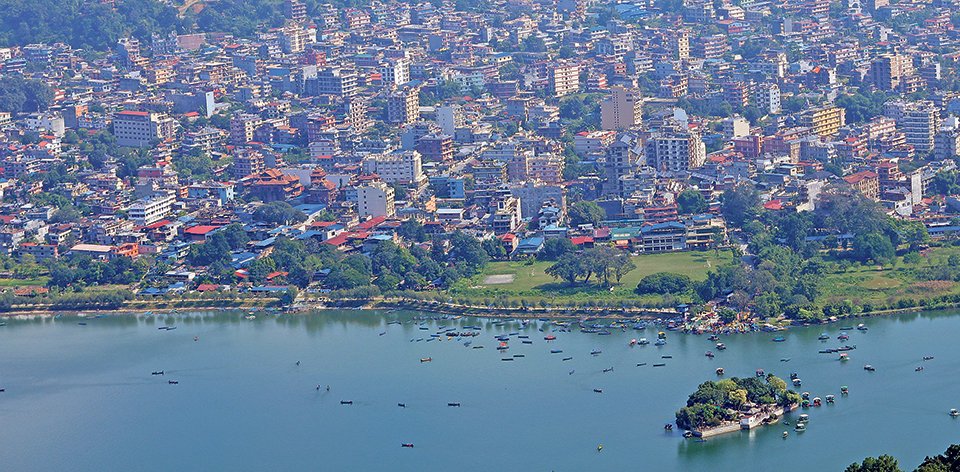
The atmosphere shifts throughout the day. Mornings see trekkers organizing permits and gear. Afternoons bring paragliders landing on the lakefront after morning flights. Evenings transform Lakeside into a social space with live music venues, rooftop bars, and restaurants where travelers swap stories.
Unlike Thamel in Kathmandu, Lakeside maintains a more relaxed pace. The lake provides natural beauty that prevents the area from feeling entirely commercial.
What to Know:
No entrance fee for the area
Bargain in shops but prices are generally reasonable
Many restaurants offer free WiFi
ATMs available but withdraw early to avoid machines running dry
Evening strolls along the lakefront are Pokhara's signature experience
Boat rentals, bicycle rentals, and tour bookings all readily available
8. Begnas Lake
Begnas Lake sits 15 kilometers east of Pokhara, offering an alternative to Phewa Lake's busier atmosphere. This freshwater lake attracts fewer tourists, creating space for quiet contemplation, fishing, and unhurried boat rides.
Local villages surround the lake. Fishermen work their nets in the early morning. Women wash clothes at stone platforms along the shore. The pace reflects traditional lakeside life largely unchanged by tourism.
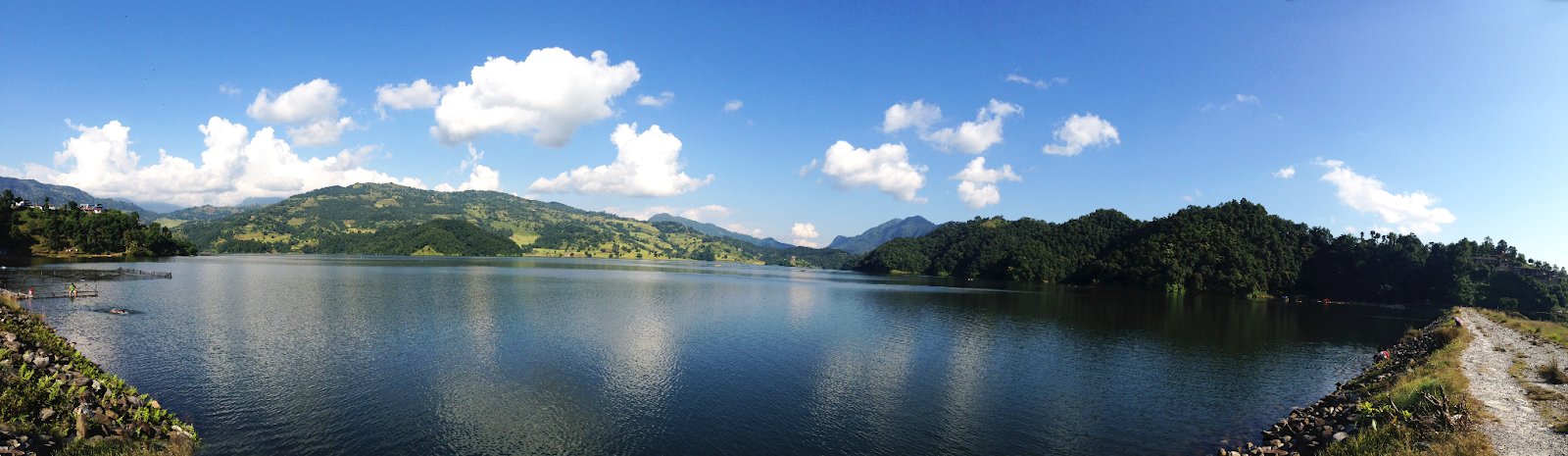
Begnas pairs well with nearby Rupa Lake (connected by a short trail) for travelers wanting a full day away from Lakeside's commercial energy.
What to Know:
No entrance fee
30-45 minutes from Lakeside by taxi (500-700 rupees)
Boat rental available (similar prices to Phewa Lake)
Several basic restaurants serve local fish
Bring binoculars for bird watching
Best as a half-day trip combined with Rupa Lake
Rent a bicycle in Lakeside for the scenic ride
Travelers looking to experience lakeside village life beyond tourist areas can stay at homestays near Begnas Lake, where fishing communities welcome guests into daily routines of net mending, boat maintenance, and traditional cooking.
9. Mahendra Cave
Mahendra Cave demonstrates the limestone cave systems common in Pokhara Valley. Named after King Mahendra Bir Bikram Shah Dev, this cave stretches several hundred meters with chambers featuring stalactites, stalagmites, and the bats that give the nearby Bat Cave (Chamero Gufa) its name.
The cave requires walking bent over in places. Colored lights illuminate formations, creating an artificial but effective atmosphere. A Shiva shrine sits in one chamber where locals come to worship.
Mahendra Cave typically gets combined with Bat Cave, located a short walk away. The Bat Cave lives up to its name with thousands of bats coating walls and ceiling.
What to Know:
Entrance: 100 rupees for Mahendra Cave
Bat Cave entrance: Separate 100 rupee fee
Located in Batulechaur, about 7 km north of Lakeside
Bring flashlight for areas beyond electric lights
Bats are harmless if you don't disturb them
Not recommended for claustrophobic visitors
Can be combined with Seti River Gorge visit
10. Pumdikot Shiva Statue
The Pumdikot Shiva Statue rises 108 feet (33 meters) on a hilltop east of Pokhara, visible from across the valley. Completed in recent years, this towering representation of Lord Shiva has quickly become a pilgrimage site and viewpoint.
The statue itself impresses through sheer scale. The real draw comes from the hilltop location offering 360-degree views: Pokhara Valley spreads west, the Annapurna range rises north, and terraced farmland extends in all directions.
The site includes a small temple at Shiva's base and a viewing platform. Visiting near sunrise or sunset provides the best light for photography and cooler temperatures for the exposed hilltop.
What to Know:
No entrance fee
30 minutes from Lakeside by taxi (1,000-1,500 rupees)
Cable car now operates from valley floor (check current prices)
Best during clear weather (October-April)
Bring sun protection for exposed hilltop
Can be combined with International Mountain Museum visit
Local restaurants near the statue
For travelers interested in Hindu pilgrimage traditions and temple culture, staying at homestays in communities around Pumdikot allows participation in local worship practices and understanding of Shiva devotion in Nepali life.
Sample Itineraries
3-Day Pokhara Itinerary:
Day 1: Sarangkot sunrise (morning), Lakeside exploration (afternoon), Phewa Lake boating and Tal Barahi Temple (evening)
Day 2: World Peace Pagoda (morning hike), Lakeside lunch, Davis Falls and Gupteshwor Cave (afternoon)
Day 3: International Mountain Museum (morning), Lakeside shopping and relaxation (afternoon)
5-Day Pokhara Itinerary:
Day 1: Arrive, explore Lakeside, sunset boat ride on Phewa Lake
Day 2: Sarangkot sunrise, rest, World Peace Pagoda sunset hike
Day 3: Davis Falls, Gupteshwor Cave, Mahendra Cave and Bat Cave
Day 4: International Mountain Museum, Pumdikot Shiva Statue
Day 5: Begnas Lake day trip or paragliding adventure
7-Day Adventure & Culture:
Day 1-2: Lakeside acclimatization, Phewa Lake, cultural orientation
Day 3: Sarangkot sunrise, paragliding experience
Day 4: World Peace Pagoda hike, Davis Falls, caves
Day 5: Begnas Lake with homestay experience in lakeside village
Day 6: International Mountain Museum, Pumdikot viewpoint
Day 7: Free day for shopping, massage, or short trek to nearby villages
Transportation Tips
Getting Around Pokhara:
Taxis: 300-500 rupees for most in-city trips, always negotiate first
Rideshare apps: Pathao operates in Pokhara
Motorcycle rental: 1,000-1,500 rupees per day (international license required)
Bicycle rental: 300-500 rupees per day, perfect for Lakeside area
Walking: Lakeside area is pedestrian-friendly
Local buses: 20-30 rupees but routes confusing for tourists
Day Trip Transportation:
Sarangkot: 800-2,000 rupees by taxi (negotiate return pickup time)
Begnas Lake: 500-700 rupees by taxi, 30-45 minutes
Caves and Falls: 500-800 rupees for half-day taxi (covers multiple sites)
Hiring driver for full day: 4,000-5,000 rupees (negotiable)
When to Visit Each Site
Best Season by Activity:
October-November:
Best for: Sarangkot sunrise, all mountain viewpoints, paragliding
Weather: Clear skies (95% visibility), comfortable (15-25°C)
Festivals: Dashain, Tihar celebrations
December-February:
Best for: Mountain views, lakes, museums
Weather: Cold mornings (5-15°C), clear days
Note: Warmest part of day is 11 AM-3 PM
March-May:
Best for: Hiking to Peace Pagoda, lake activities
Weather: Warm (20-30°C), occasional afternoon clouds
Blooming rhododendrons in surrounding hills
June-September (Monsoon):
Best for: Davis Falls (maximum water flow), cave exploration
Avoid: Mountain viewpoints (clouds obscure views)
Prepare for: Afternoon rain, leeches on forest trails
Experience Pokhara Like a True Local
While visiting these incredible sites will give you a glimpse into Pokhara's natural beauty and adventure culture, staying at a homestay transforms your visit into genuine cultural immersion. Wake to mountain reflections on Phewa Lake, learn to cook authentic Nepali dal bhat, hear stories of life in Nepal's adventure capital, and understand the communities that make Pokhara more than just a tourist destination.
NepalHomestays connects you with carefully curated homestays across Pokhara Valley, where warm Nepali hospitality meets authentic cultural exchange. Book your homestay today and discover the best of Pokhara beyond the guidebooks.
Frequently Asked Questions
How many days are needed to visit these 10 places in Pokhara?
A minimum of 4-5 days allows comfortable visits to all ten places. Sarangkot requires an early morning. Phewa Lake, World Peace Pagoda, and Lakeside can fill one day. Caves and Davis Falls work well together. The International Mountain Museum, Pumdikot, and Begnas Lake each benefit from dedicated time. Seven days provides better pacing and allows repeat visits to favorite spots.
What is the best time of year to visit Pokhara?
October and November offer the best weather with crystal-clear skies and excellent mountain views. March and April are also superb, though slightly warmer. December through February brings cold mornings but pristine visibility. Avoid June through August when monsoon clouds obscure mountain views, unless you specifically want to see Davis Falls at maximum flow.
Is paragliding in Pokhara safe?
Yes, Pokhara's paragliding operations maintain high safety standards with certified pilots, quality equipment, and weather monitoring. Flights typically happen in morning hours (8 AM-12 PM) when conditions are stable. Thousands of tourists paraglide in Pokhara annually without incident. Standard flights cost 8,000-12,000 rupees and last 30-45 minutes.
Can I see Mount Everest from Pokhara?
No, Mount Everest is not visible from Pokhara. You can see the Annapurna range (including Annapurna I at 8,091m), Dhaulagiri (8,167m), Manaslu (8,163m), and Machhapuchhre (6,993m). These peaks provide spectacular views even if Everest remains out of sight to the east.
Should visitors stay in hotels or homestays in Pokhara?
This depends on priorities. Hotels in Lakeside offer convenience and tourist services, working well for short visits (2-3 days) focused on major attractions. Homestays in neighborhoods like Pame, Sedi, or areas around Begnas Lake provide cultural immersion, home-cooked meals, and insights into Pokhara life beyond tourism. They suit travelers staying longer (5+ days) who want understanding beyond tourist sites. Many travelers combine both, starting in Lakeside then moving to homestays for deeper local experience.
What adventure activities are available in Pokhara?
Pokhara is Nepal's adventure capital. Activities include paragliding (8,000-12,000 rupees), ultralight flights (8,000-15,000 rupees), zip-lining (3,000-4,000 rupees), bungee jumping at nearby Kushma (10,000-12,000 rupees), mountain biking, white-water rafting on the Seti River, and multi-day treks to Annapurna Base Camp, Poon Hill, or Mardi Himal. Most activities can be booked through Lakeside agencies.
Company Admin
Travel writer sharing authentic stories and experiences from Nepal's beautiful homestays.