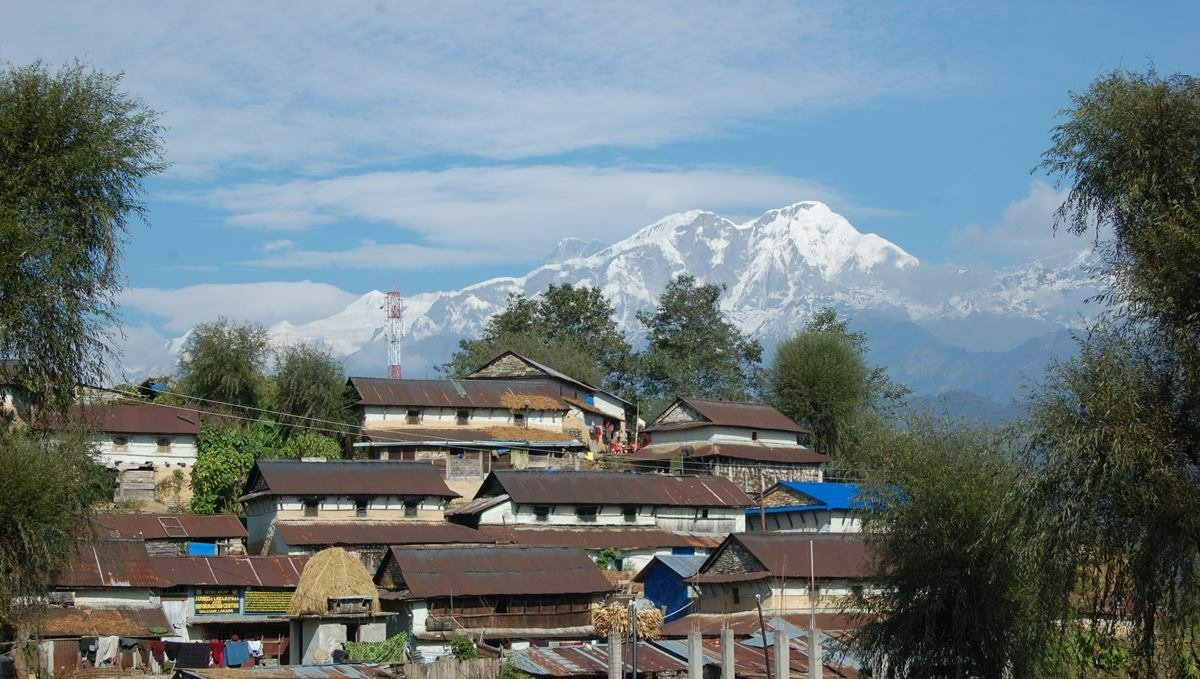
Want a real Nepal experience beyond Thamel? Sikles, Bhujung, and Taulung are Gurung homestay villages within reach of Kathmandu, starting from NPR 1,500/night with meals and home-cooked food included.
You have a few nights in Nepal and you want to spend them somewhere real, not in a Thamel hotel room watching tourists walk past the window.
Three villages within reach of Kathmandu can give you that. Sikles, Bhujung, and Taulung are all registered homestay villages where local Gurung families host guests in their own homes, cook real Nepali food, and share their daily life with you.
This guide compares all three. By the end, you will know exactly which one fits your time, your budget, and what you want from the trip.
What this guide covers:
What makes each village different from the others
Starting prices, contact numbers, and direct booking links
Step-by-step directions for getting there
A comparison table so you can decide quickly
Answers to the questions most travellers ask before booking
Quick Summary
Taulung is 30 to 45 minutes from central Kathmandu. It starts from NPR 1,500 per person per night with meals. Best for families, short stays, or anyone who wants a village feel close to the city.
Bhujung is the largest Gurung village in Nepal. It starts from NPR 1,800 per person per night with meals. Takes 7 to 9 hours from Kathmandu. Best for people who want deep cultural experience.
Sikles is near Pokhara and starts from NPR 2,000 per person per night with meals (ACAP permit also required). Takes about 7 hours from Kathmandu via Pokhara. Best for mountain views and easy walks.
Why a Village Homestay Beats a Hotel for Most Travellers
Kathmandu hotels are fine. But they give you the same thing you can find in any city, a bed, a shower, and a restaurant downstairs.
Village homestays give you something harder to find. You sleep in the home of a family who has lived in that village for generations. You eat food they grew themselves. When the day ends, you sit together. That is the part of Nepal that most tourists miss.
The meals alone are worth it. Dinner and breakfast are cooked by your host family every day, dal bhat, vegetable curry, rice, whatever is in season, and eaten together at the same table. There is no menu and no waiting staff. It is just food, made for you, in someone's kitchen.
The rooms are simple. That is not a warning, it is part of the deal. You are sleeping in a house where a family lives, not a lodge that was designed to look like one. The difference is noticeable from the first night.
On top of that, these stays cost less than most Kathmandu guesthouses, NPR 1,500 to 2,000 per night with two meals included, and every rupee goes directly to the family hosting you, not to a booking platform or hotel group.
Taulung Homestay, The Closest Village to Kathmandu
What Taulung Is
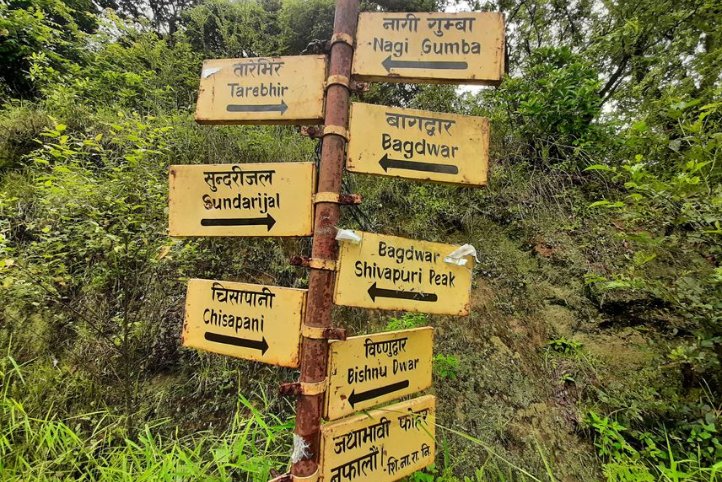
Taulung is a small village in the Budhanilkantha area, right on the northern edge of Kathmandu Valley. It is 30 to 45 minutes by taxi from central Kathmandu, which makes it the most practical choice for travellers who have one or two nights, are with family, or want to add a village stay to an otherwise city-based trip.
The village sits at the edge of Shivapuri Nagarjun National Park, a protected forest that starts right behind the homestays. The views across Kathmandu Valley on a clear morning are one of the better free sights in the region.
One of the homestays in Taulung was built using leftover materials including plastic bottles, beer bottles, cow dung, and straw. It was the first zero-waste mud house in the area. The host is Sabina, and the place is called Abode Nepal.
What a Stay at Taulung Looks Like
The pace at Taulung is slower than the other two villages. There is no big cultural circuit and no multi-day trek. It is a genuine quiet village on the forest edge.
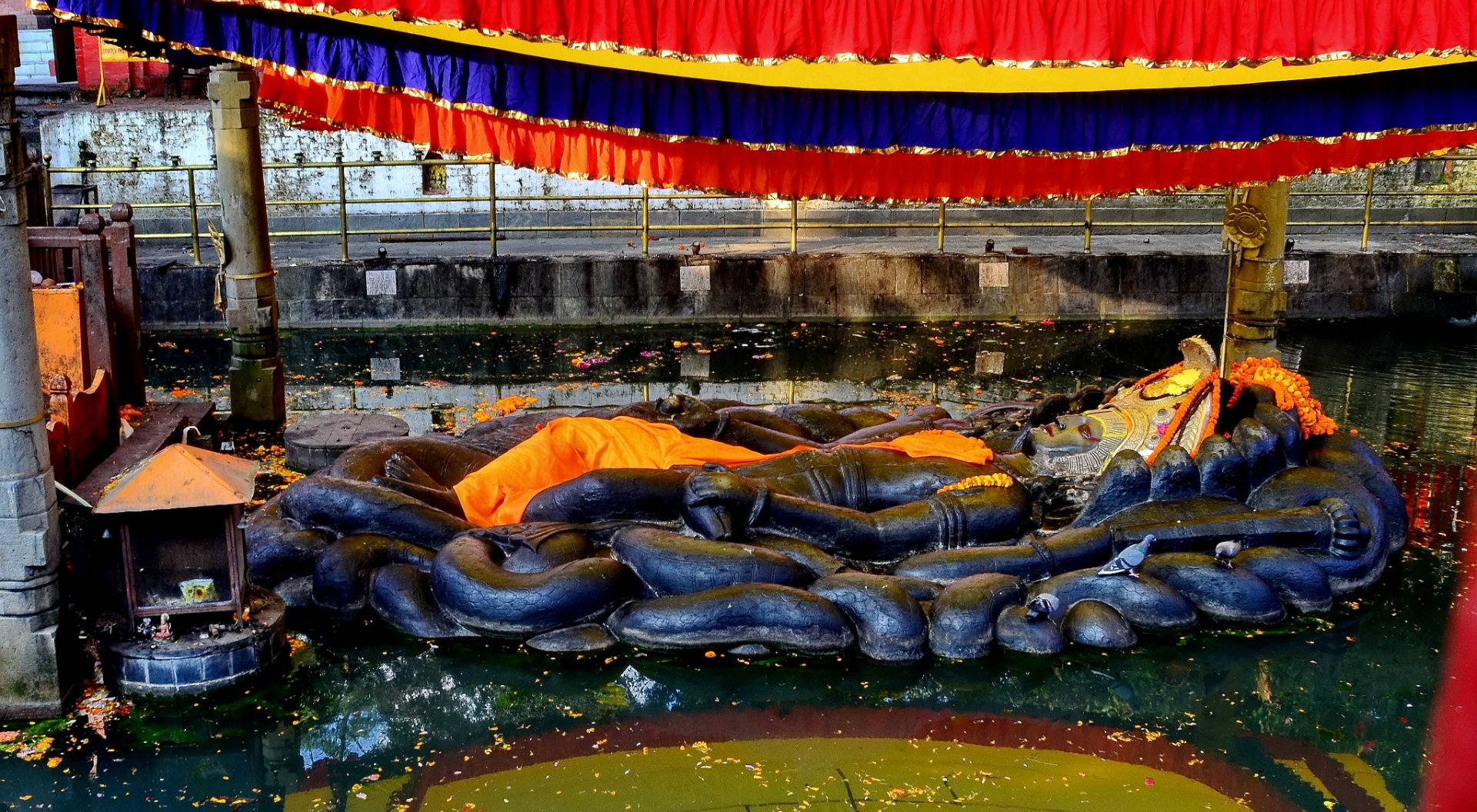
A typical day looks like this. You wake up to birdsong from the national park and eat breakfast with the family. After that you can take a morning walk into Shivapuri forest on well-marked trails. In the afternoon you drive 10 minutes to the Budhanilkantha Temple, which has a 5-metre stone statue of Lord Vishnu lying on a bed of serpent coils in a pond, one of the most impressive religious sites near Kathmandu. In the evening the family cooks dinner and you eat together before an early night.
Taulung works well for a specific kind of traveller. If you are based in Kathmandu and have one free night, this is your most practical option. It also suits families with young children, because the village is close enough that nothing feels risky or far from the city. And if you are doing a longer Nepal trip, an opening night in Taulung is a gentle way to arrive before the more demanding parts of your journey begin.
Taulung Homestay Prices
Taulung homestays include WiFi, parking, and a geyser for hot water. Those are facilities you do not always find in more remote villages at this price.
How to Book Taulung
Book directly through Nepal Homestays, listing ID 1117: Taulung Homestay, Budhanilkantha
Getting to Taulung
From central Kathmandu or Thamel, take a taxi to Budhanilkantha. This costs NPR 500 to 700 and takes about 30 minutes. From Budhanilkantha, Taulung is a 10-minute local ride or a 20-minute walk. Most people are surprised by how close it actually is, it does not feel like a village escape until you are standing in it, and then it really does.
Bhujung Village Homestay, The Largest Gurung Village in Nepal
What Bhujung Is
Bhujung is in Lamjung district, about 140 kilometres northwest of Kathmandu. It sits at 1,696 metres above sea level and has more than 450 stone-and-mud houses. Historians believe the village is over 700 years old. It is the largest Gurung village in Nepal.
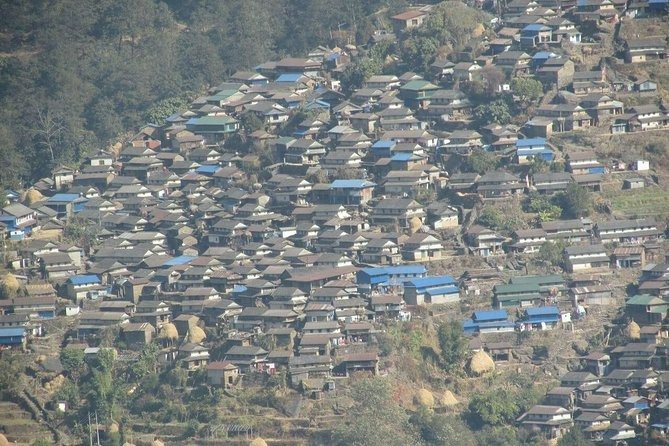
The name Bhujung comes from the Gurung language and means a place known for trade. Long ago, people came here to sell deer. Today the same energy goes into welcoming guests.
What makes Bhujung practical to visit is that it is well organised for tourists. Every homestay has its name and number on the front of the house, so you know exactly where you are staying. The village runs on micro-hydro electricity from the nearby Midim Khola river. A walking trail connects Bhujung to Ghale Gaun village 7.7 kilometres away, so most travellers combine both in a 3 to 4 day loop.
What a Stay at Bhujung Looks Like
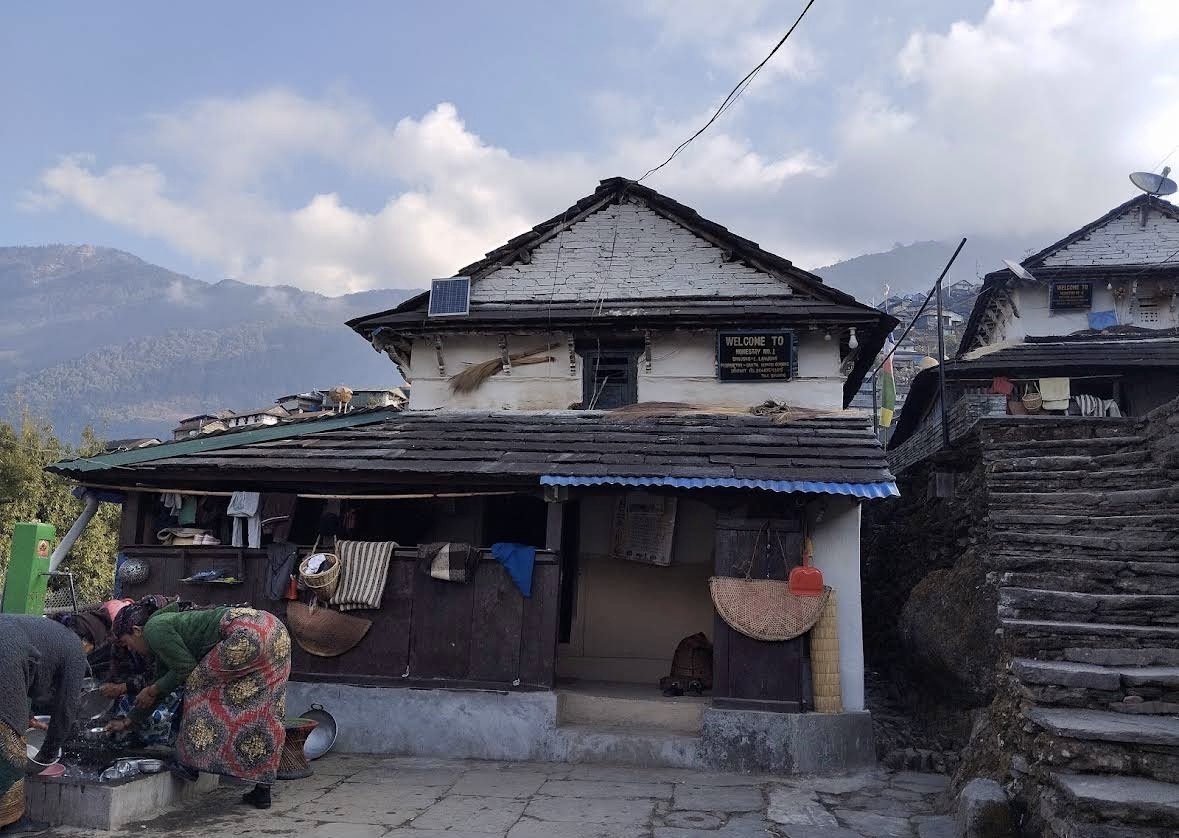
You stay with a Gurung family in a traditional stone house. The room is clean and simply furnished. Meals are fresh dal bhat, vegetable curry, local rice, and whatever is growing in the garden that week. In the evenings you eat together and then the family gathers around, conversations happen slowly, in a mix of Nepali and hand gestures.
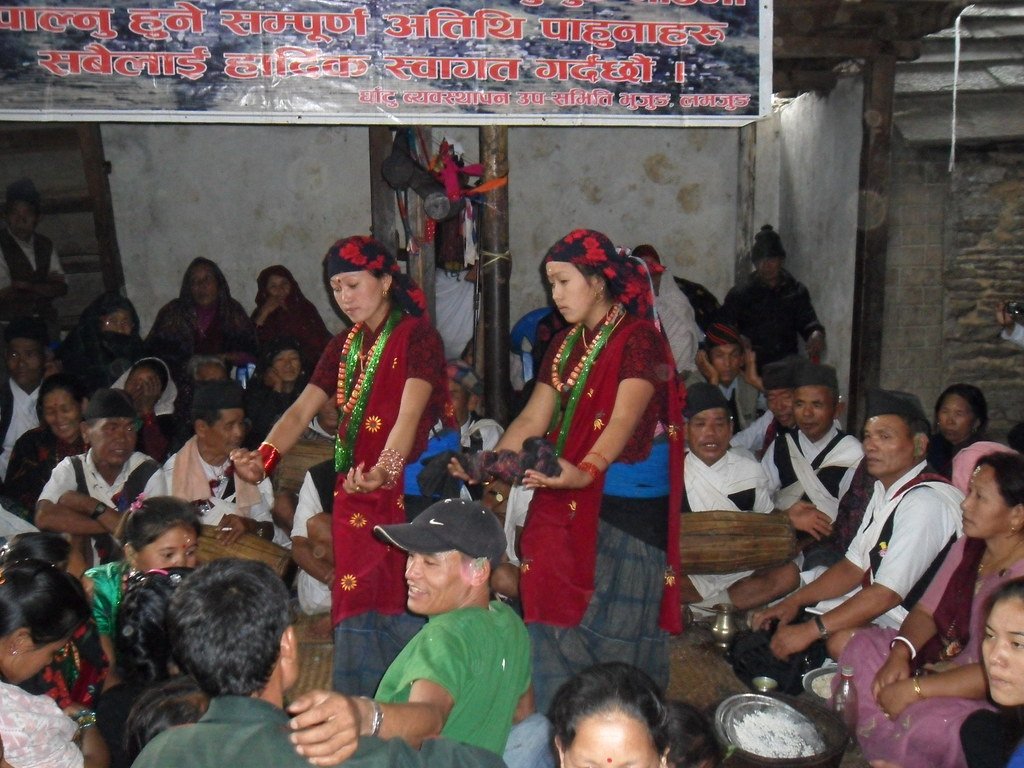
If you want, you can pay extra for a cultural programme. The village can arrange Chutka Naach (a Gurung dance), Dohori singing, and Rodhi music in the evening.
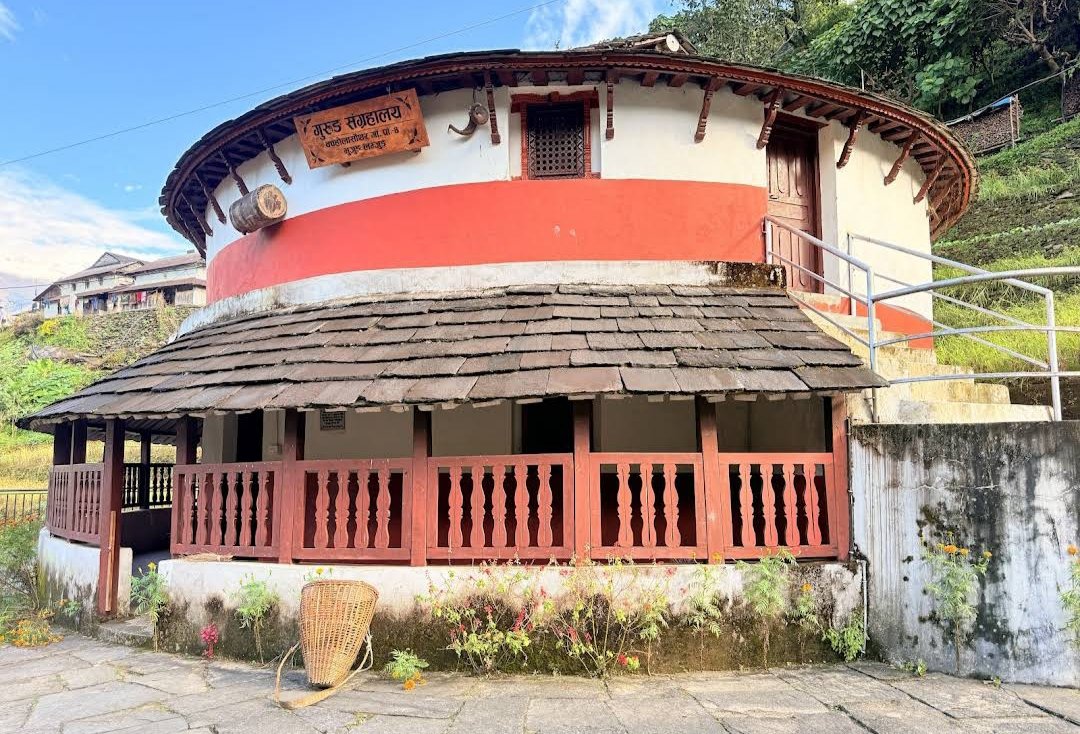
During the day you can walk to the Ajomo Santaneswor Mahadev Temple, hike to the Namuna Mountain Pass for views of Mount Lamjung, Pokhara, and the Taanting valley, or simply walk through the terraced fields below the village.
Bhujung is not the easiest village to reach, and that is part of the point. People who make the journey tend to stay longer, slow down more, and leave with a much clearer sense of what rural Gurung life actually looks like. If you have three or four days and you want to combine Bhujung with Ghale Gaun as a loop, that trip is one of the better things you can do in the Annapurna foothills without hiring a porter or buying trekking gear.
Bhujung Homestay Prices
Confirm the price directly with your homestay host when you book. Prices can vary slightly between homestay families in the village.
How to Book Bhujung
Book directly through Nepal Homestays, listing ID 208: Bhujung Village Homestay, Lamjung
Getting to Bhujung
Bhujung takes a full day from Kathmandu. Leave early.
By public bus:
Take a bus from Kathmandu Bus Park to Besisahar, Lamjung. Cost: NPR 500 to 800. Journey: 5 to 6 hours.
From Besisahar, take a local jeep to Bhujung. Journey: 2 to 3 hours.
Total from Kathmandu: 7 to 9 hours.
Via Pokhara:
Travel to Pokhara by bus (6 to 7 hours, NPR 700 to 1,000) or plane (30 minutes, from NPR 7,000).
From Pokhara, take a jeep via Besisahar to Bhujung. Journey: 4 to 5 hours.
Most travellers going to Bhujung combine it with Ghale Gaun. The two villages are 7.7 kilometres apart and on the same route. A 3 to 4 day trip gives you enough time for both.
Sikles Homestay, Mountain Views and Easy Walks in the Annapurna Foothills
What Sikles Is
Sikles is in Kaski district, about 42 kilometres northeast of Pokhara. It sits at 1,980 metres and is Nepal's second-largest Gurung village. It has been a model eco-tourism village under the Annapurna Conservation Area Project (ACAP) for over two decades.
The village name has two possible origins. One story says early visitors found nobody in the village ever seemed sick, so they called it Sick-less. The other says the Gurung words Sik (bee) and Les (hive) give it the name, the big beehive. Both stories fit: it is a healthy, busy, close community.
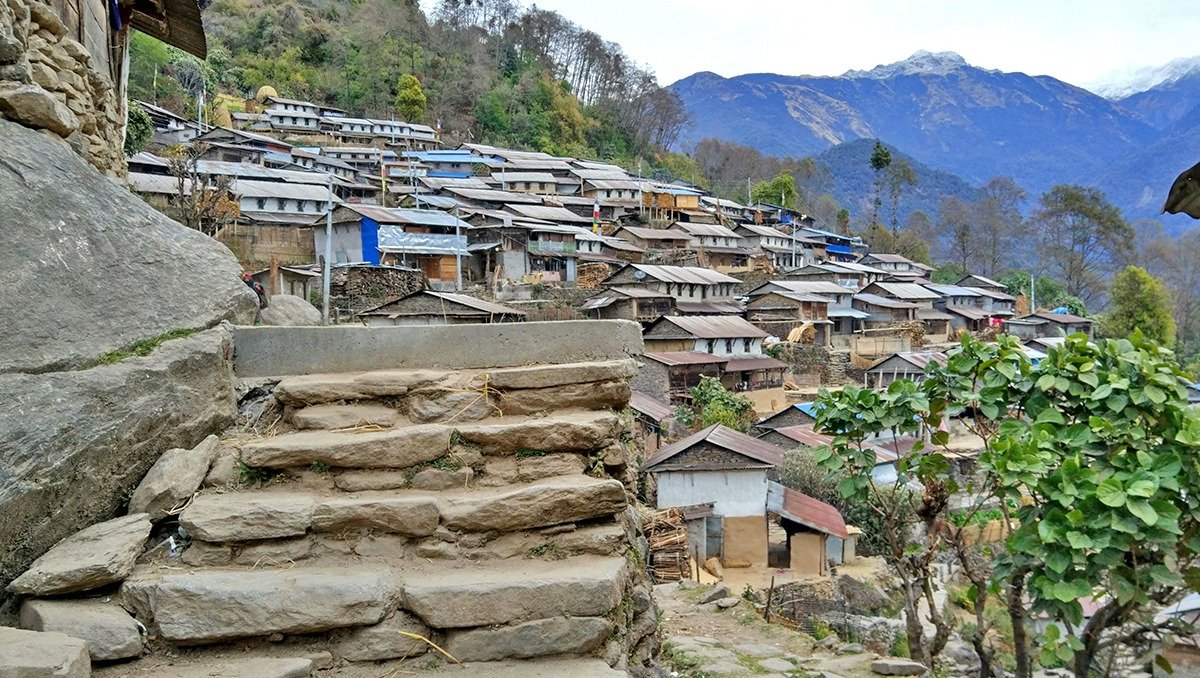
What you will not find in most travel blogs about Sikles: British Prince Charles visited this region in the early 1980s, which is part of why it has had an international reputation for community trekking for decades. The village has been doing this a long time.
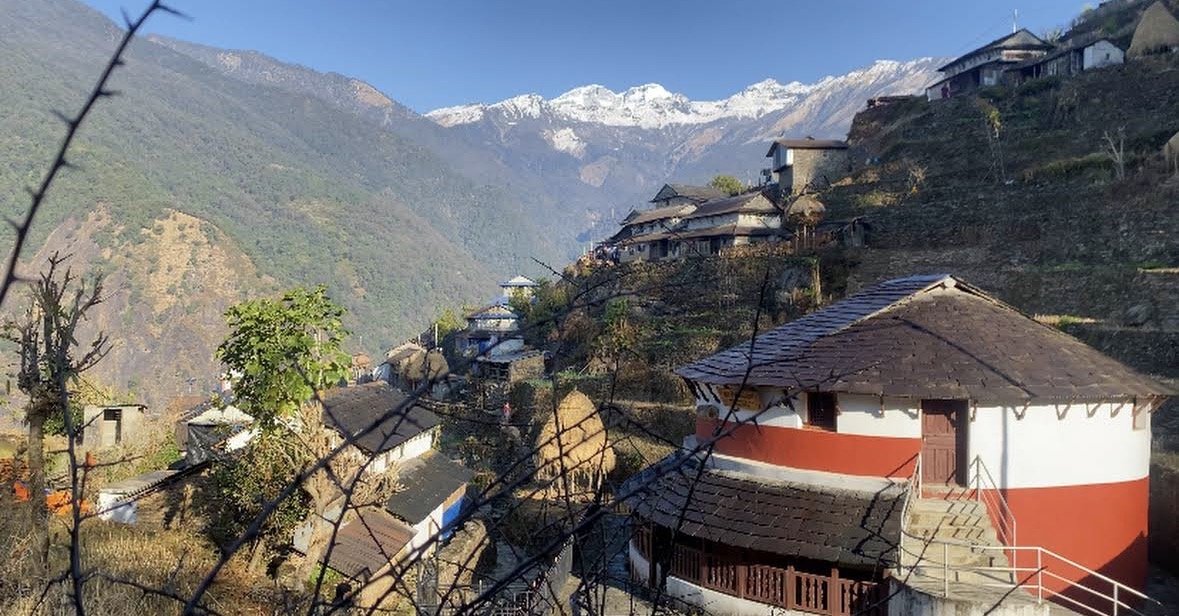
On clear days you can see Annapurna II, Lamjung Himal, and Machhapuchhre (the fishtail mountain) from inside the homestay courtyard. You do not need to hike anywhere to get those views. The viewpoint at Rising Danda above the village gives a full panorama of the Annapurna range.
What a Stay at Sikles Looks Like
Sikles homestays are traditional stone-and-wood Gurung houses with small rooms and a central courtyard. You stay with a family, eat what they eat, and join whatever is happening that evening.
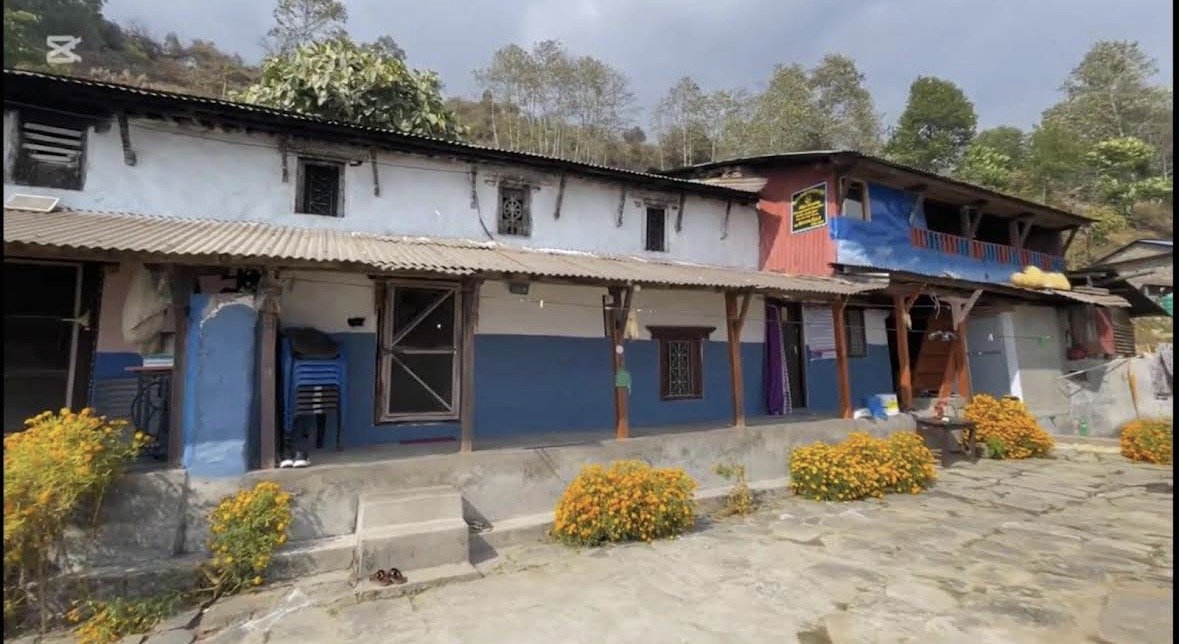
A typical day in Sikles looks like this. You wake up to mountain views and eat breakfast in the courtyard. During the day you can walk through the stone-paved lanes of the village, visit the local eco-museum to learn about Gurung history, or hike up to Rising Danda for the full Annapurna panorama. In the afternoon the host family can arrange a Gurung cooking class where you learn to make dal bhat and roti from scratch. In the evening you can drink tongba, a warm fermented millet drink that is a traditional Gurung evening ritual, while the family tells stories.
Sikles is also the starting point for longer treks. The Kapuche Lake Trek takes you to one of the world's lowest glacial lakes in 3 to 4 days. This is optional, you can stay in Sikles for one or two nights without doing any trekking at all.
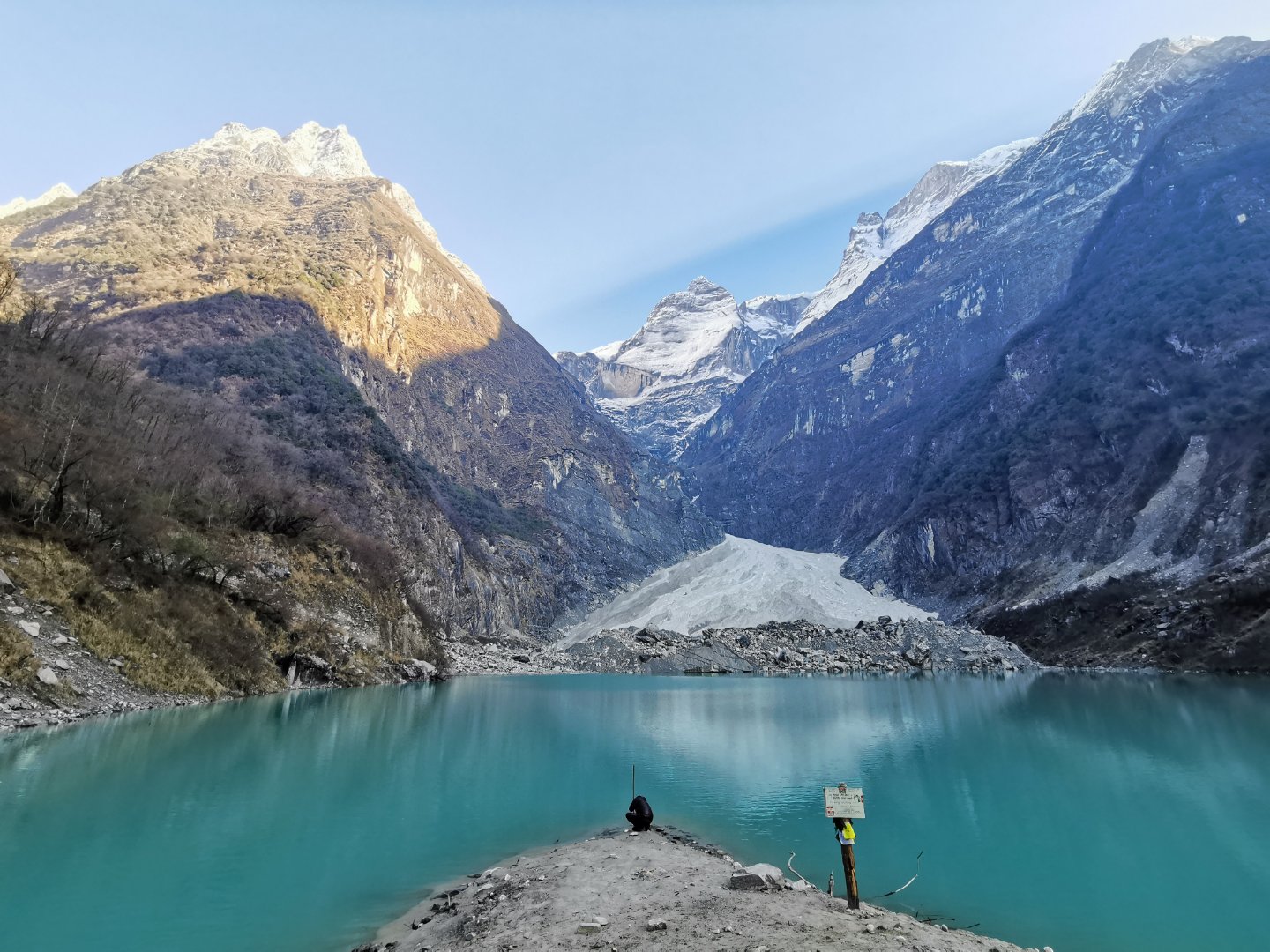
What Sikles offers that the other two villages do not is the view without the climb. You do not need to trek to 3,000 metres to see the Annapurna range clearly. You just need to be in Sikles on a clear morning. That is why it appeals to people who are curious about the mountains but not necessarily ready to commit to a multi-day trek, the view is already there, and the decision about whether to go further into the hills is yours to make once you arrive.
Sikles Homestay Prices
The ACAP permit is not optional, it is a government requirement for all visitors to the Annapurna Conservation Area. Get it at the ACAP office in Pokhara (Lakeside) before you travel to Sikles.
How to Book Sikles
Browse Sikles homestay listings on Nepal Homestays and find the Sikles homestay contact number through the booking platform. Book in advance during October to November and March to April. These are peak seasons and homestay spaces in Sikles fill up.
Getting to Sikles
Sikles is best reached from Pokhara. Go to Pokhara first, then travel onward.
Step 1: Get to Pokhara
By bus from Kathmandu: 6 to 7 hours, NPR 700 to 1,000
By plane from Kathmandu: 30 minutes, from NPR 7,000
Step 2: Pokhara to Sikles
Take a local bus from Amar Singh Chowk (Pokhara's main bus park) toward Kahu Khola. Buses run every hour until about 1 PM.
From Kahu Khola, take a jeep to Sikles. This takes 1 to 2 more hours.
Total from Pokhara: 4 to 5 hours.
Private jeep from Pokhara: NPR 6,000 to 10,000 one way. Faster and more comfortable for groups.
Comparison: Which Village Is Right for You?
What to Pack
Packing for any of these villages is straightforward. You do not need trekking gear for Taulung or Bhujung. For Sikles, a pair of walking shoes or sneakers is enough for village walks.
Bring these things to every village homestay:
Warm layers for the evening, because hill villages get cold after sunset even in summer, and you will want a fleece or light jacket
Cash in small notes (NPR 100 and 500), because there are no ATMs in Bhujung or Sikles, so withdraw what you need in Kathmandu or Pokhara before you go
A reusable water bottle, because homestays provide filtered or boiled water and you will not need to buy plastic bottles
Modest clothing that covers your shoulders and knees, especially for temple visits and cultural programmes in the evening
A torch or headlamp, because power cuts happen occasionally at night in remote villages
NPR 300 to 500 for tips, because a small daily tip for your host family is a kind and appreciated gesture
For a complete packing list for every season, read the Nepal Homestays packing guide.
When to Visit
October to November
October to November is the best time for all three villages. The monsoon rains have ended, the skies are clear, and mountain views in Bhujung and Sikles are sharp. Book homestays in advance because this is peak season and spaces fill fast.
March to April
March to April is the second best. Rhododendron trees bloom red and pink all along the trails near Sikles. The weather is warm and comfortable for walking.
December to February
December to February is quiet. Taulung is comfortable all year. Bhujung and Sikles are cold in winter, but the villages are peaceful and uncrowded. Sikles gets light snow in January and February, which some visitors enjoy.
June to September
June to September is the monsoon season and is not ideal for Bhujung or Sikles. Trails are wet and there can be leeches. Views are often blocked by clouds. Taulung works fine during monsoon because it is close to the city and the walks stay manageable.
Frequently Asked Questions
Is a village homestay near Kathmandu safe for solo travellers?
All three villages have been running registered homestays for years and solo travellers, including solo women, visit regularly without problems. The host families are used to international guests and tend to take their hosting seriously. One practical thing worth doing: when you book, mention that you are travelling alone. Most hosts will make sure someone is at the entrance to meet you when you arrive, especially if you are coming in after dark.
Do I need trekking experience to stay at Bhujung or Sikles?
None at all. You get to both villages by vehicle, not on foot, and the walks around the village itself are easy and short. The only time trekking experience becomes relevant is if you decide to extend your stay into longer routes, the Kapuche Lake Trek from Sikles, for example, or the full Ghale Gaun loop from Bhujung. Those are optional. Most people who stay at these villages do not do them.
Are meals included in the homestay price?
At most village homestays near Kathmandu, dinner and breakfast are included in the nightly rate. The meals are cooked by the host family, not from a set menu, but from whatever they are eating that day. When you book, ask explicitly whether meals are included, because a small number of homestays in Sikles charge separately for food.
How much cash should I bring?
For two nights with meals, tips, and one or two small activities, budget around NPR 6,000 to 10,000 per person. Add NPR 3,000 if you are going to Sikles, because the ACAP permit is required and has to be paid in Pokhara before you go. The important thing: Bhujung and Sikles have no ATMs. Withdraw everything in Kathmandu or Pokhara before you leave, and carry small notes.
Can I visit Taulung as a day trip from Kathmandu?
You can, but a day trip to Taulung mostly means arriving, walking around for a few hours, and leaving before it gets interesting. The village slows down in the evening, that is when you eat with the family, sit in the garden, and actually feel like you are somewhere different. If you have even one night to spare, stay over. The morning view of Kathmandu Valley from Taulung is one of those small things that ends up staying with you.
Which village is best for families with children?
Taulung is the practical answer. It is 30 to 45 minutes from Kathmandu, has hot water and WiFi, and the Shivapuri forest walks nearby are easy and well-marked. The Budhanilkantha Temple, a 5-metre stone Vishnu lying in a pond, tends to make an impression on children. Bhujung is also genuinely family-friendly, but the full-day journey each way rules it out for families with very young children or tight schedules.
What is the difference between Bhujung and Sikles?
They are both large Gurung villages and both offer a traditional homestay experience, but they are in different places and feel different. Bhujung is deeper in Lamjung district, takes longer to reach, and is the bigger cultural destination, especially if you combine it with Ghale Gaun. Sikles is closer to Pokhara, easier to get to, and the main draw is the mountain view you get right from the village without going anywhere. If you have four days, Bhujung. If you have two days based in Pokhara, Sikles.
Company Admin
नेपालका सुन्दर होमस्टेहरूबारे सच्चा कथा र अनुभव साझा गर्ने यात्रा लेखक।