Introduction
If there’s one thing I learned while traveling through Nepal, it’s this: adventure feels different when you start and end your day in someone’s home.
Every morning felt like a fresh beginning waking up to mountain air, sipping tea served by my host mother, and heading out for the day with local guides who treated me like a friend, not a customer. And every evening ended with stories around a warm kitchen fire, long after the adrenaline wore off. Every activity whether it’s soaring above Pokhara or tracking rhinos in Chitwan comes wrapped in local stories, traditions, and real human connection.
For budget-conscious adventurers, homestays in Nepal provide a priceless advantage: comfort and culture at half the price of tourist hotels.Experiencing it firsthand was something I wasn’t prepared for in the best way.
This is the story of how adventure and hospitality came together on my trip.
Pokhara: Paragliding With a View and a Village to Call Home
Pokhara is already famous for paragliding, but staying in a (Goldenbirds Homestay) takes the whole experience to another level. My host family lived just a short walk from the take-off point, so instead of rushing from a hotel or waiting for tourist vans, I casually followed my guide. A local who had grown up watching gliders float over his village.

The actual flight was unreal. Thermals rose from the terraced farms below, the Annapurnas glowed in the distance, and I could even spot my homestay house as a tiny speck in the hills. My host father later laughed and said he always tries to catch paragliders waving back at him.
Many of these homestays partner with certified pilots, so meals, transfers, and timing were arranged effortlessly. It felt like the opposite of a commercial tour, just simple, relaxed, and incredibly personal.
Travelers interested in eco-friendly adventures would love how these villages are building low-impact tourism. I had read something similar in an article titled Eco Treks and Community Homestays: The Future of Travel in Nepal, and seeing it in practice felt reassuring.
Chitwan: Jungle Safaris Where the Wild Feels Close
Chitwan brought a totally different kind of adventure.
I stayed in Wildflow Jungle Yoga, safari and homestay with a Tharu family in a quiet village near the national park. It felt like stepping into a world where people and nature still move in harmony.
Safaris here are simple:
early morning canoe rides
walking tours led by community guides
slow bike rides along buffer zones
evenings with cultural dances under the stars

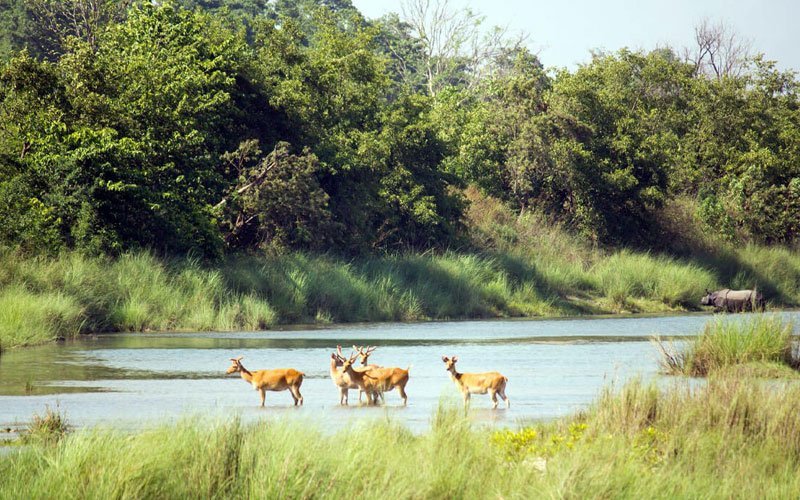
Alt text: One-horned Rhino spotted in Chitwan Jungle Safari.
One morning, we spotted a one-horned rhino just across the river. My guide whispered, “Stay still,” in the calmest voice I’ve ever heard. That moment felt both thrilling and peaceful; a balance Chitwan seems to hold naturally. These homestay-based safaris are far more sustainable than the loud jeep tours I saw elsewhere. They’re also more affordable. Resorts charged amounts that made my jaw drop, while my homestay included meals, a guide, and local experiences at one-third the cost.
Being here during festival season felt like a bonus, something I had only read about in festivals of Nepal you can experience during a homestay. Seeing it firsthand brought an entirely new layer of culture to the trip.
Chitwan National Park is even listed in the Unesco heritage list.
Rafting on Trishuli: Whitewater and Riverside Calm
Rafting the Trishuli River was unlike anything I’d done before.
The rapids were exciting, but what made the experience memorable was staying in a riverside homestay afterward.
My guide told me he had once worked as a river porter before becoming a certified rafting instructor, a journey that many people in this area share. Hearing these stories while sitting on the sandy riverbank made me appreciate how adventure tourism has opened new doors for local communities.
Between rapids we stopped for riverside picnics, skipped stones, and learned about how the river sustains nearby villages. By evening, the river calmed into a mirror-like stillness, and the only sounds were crickets and distant voices from nearby houses. Staying with a riverside homestay means you support sustainable tourism that shares profits with nearby communities proof that adventure can flow responsibly.
Nuwakot: Trails That Few Tourists Walk and Heritage
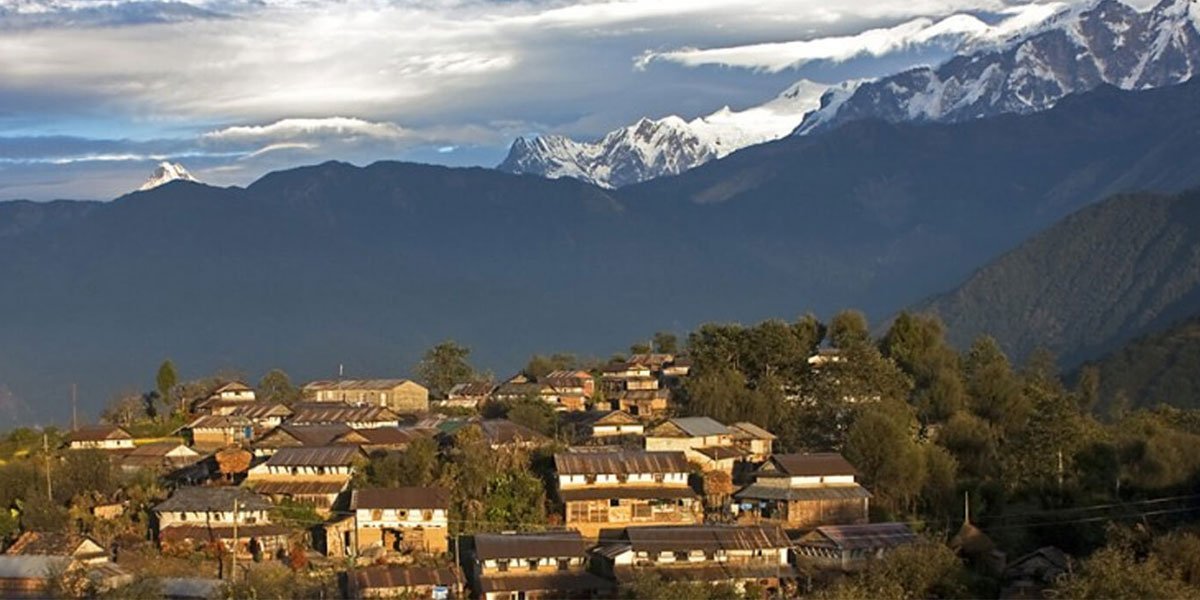
If you want quiet trails and heritage mixed with adventure, Nuwakot is perfect. My stay here was slower, greener, and filled with small surprises: old forts, hidden waterfalls, forest shrines, and villages untouched by mainstream tourism.
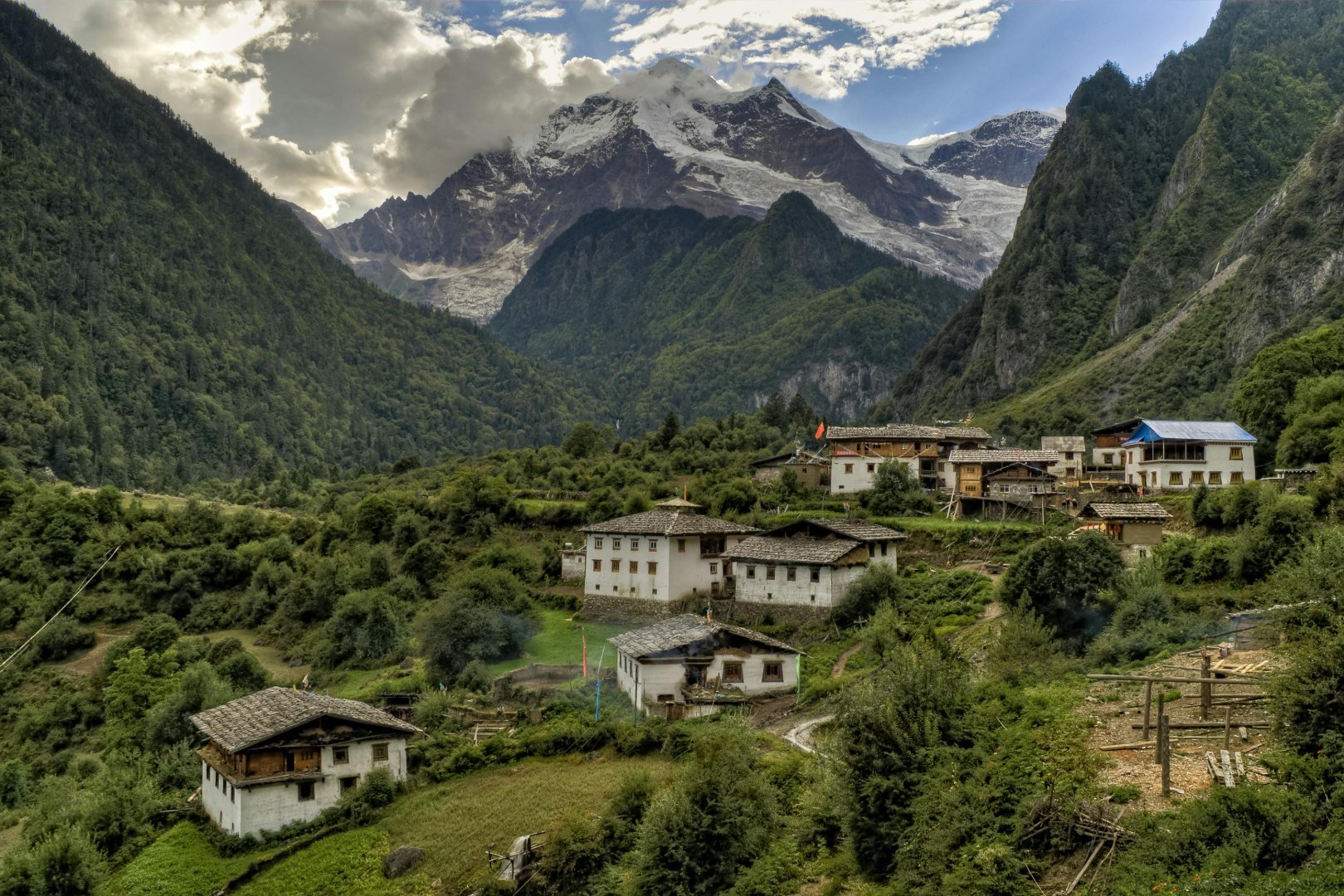
Homestays here are traditional stone houses with beautiful courtyards and organic gardens. The hosts shared stories about the history of their village, and hiking with them gave me a sense of connection I’d never felt on commercial treks.

Alt text: Hilltop villages Homestays in Nuwakot
It reminded me of something I read before the trip: how community tourism helps preserve culture and I saw that truth unfold in real time.
Safety and Sustainability: What I Noticed
I felt safe throughout the trip, mainly because of course locals know their terrain intimately.Even if you’re a solo-female traveler I suggest you stay in homestays in Nepal because adventure in Nepal is thrilling, but never reckless.
Here’s what stood out:
All adventure partners were certified and trained. Homestay partnerships with trained operators ensure internationally approved safety gear and first aid.
Safety briefings were clear and reassuring. And yes, always confirm proper registration before rafting or paragliding.
Equipment (helmets, lifejackets, harnesses) was in good condition
Food and water at homestays were clean and fresh
Group sizes were intentionally kept small
Health Precautions: Fresh meals, clean water, and local first-aid access keep guests secure in rural conditions.
These small precautions allow the country’s adventure tourism to grow sustainably balancing thrill with responsibility.
The Human Side of Adventure
Every homestay tells a story of transformation. River guides who once farmed now lead expeditions. Youth from hill villages run community trekking cooperatives. Families that once hosted pilgrims now welcome paragliders and wildlife photographers.
Adventure, in this sense, becomes circular: visitors bring curiosity and courage; hosts return it with stories, safety, and shared laughter.
The intimacy of a family-run stay also adds perspective: travelers realize that real adventure lies not just in reaching new heights or conquering rapids, but in understanding the lives that make these landscapes possible.
For a deeper cultural layer, explore How Homestays in Nepal Support Cultural Exchange and Understanding.
My Experience with adventure homestays in Nepal
What I really felt while staying in Pokhara for paragliding, jungle safaris in Chitwan and rafting in the Trisuli riverside.
I found that adventure homestays in Nepal are the perfect blend of adrenaline and local warmth.
Staying with host families made paragliding, rafting, and safaris feel more personal and meaningful.
Local guides know every trail, river, and cliff, making the experience safe and authentic.
Host families include you in their daily life and you get to experience the different perspective of life while staying in homestay.
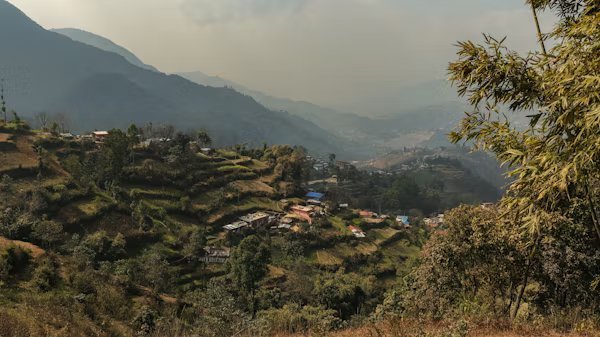
Alt text: Dhampus Village Homestays situated in the Himalayas mountains in Pokhara, Nepal.

This is the kind of adventure travel where excitement meets connection and real Nepali culture.And this is the kind of experience that makes you want to re-visit in the homestays of Nepal.
Conclusion
Adventure in Nepal has two sides.
The dramatic side→ the cliffs, rapids, forests, and skies.
And the quiet side → the warm kitchens, shared meals, slow evenings, and friendly guides who treat you like their own.
Staying in homestays brought those two sides together.I chased adrenaline during the day and found comfort at night.
“By staying in homestays, you don’t just chase adrenaline; you share it.”
From gliding over Pokhara’s blue lakes to drifting down the Trishuli or tracing animal tracks in Chitwan, these experiences weave excitement with empathy.
If you want your trip to feel real, not just exciting, but human then adventure homestays in Nepal are the way to go. I left with more stories, more friendships, and a deeper appreciation for this country than I ever expected.
FAQs
1. Are adventure homestays safe for first-time travelers?
If you want your trip to feel real, not just exciting, but human, then adventure homestays in Nepal are the way to go. I left with more stories, more friendships, and a deeper appreciation for this country than I ever expected.
2. What are the best months for adventure travel in Nepal?
The ideal time for adventure travel is from October to April, when the skies are crisp, the air is clear, and the river levels are stable. Paragliding over Pokhara feels smoother, rafting becomes safer, and jungle safaris in Chitwan offer better wildlife sightings because the grass is shorter after monsoon. While you can visit year-round, this autumn-to-spring window offers the most reliable conditions for outdoor activities.
3. Do adventure homestays include meals?
Yes, almost all homestays include home-cooked meals, and this is often a highlight of the stay. Breakfast might be simple tea and bread or eggs from the family’s own chickens, while lunch and dinner usually feature dal bhat, vegetables from the garden, and fresh pickles. Hosts are incredibly attentive, and they make sure you’re well fed before any activity. The meals are balanced, warm, and perfect for long days outdoors.
4. Can I book activities directly with my host?
Absolutely. Most homestay hosts make all the arrangements for paragliding, rafting, canoeing, jungle safaris, or hiking. They know which guides are experienced, trustworthy, and properly trained. This saves you from negotiating with agencies or worrying about safety standards. I found it much easier to let my host handle everything. It kept the trip stress-free and ensured the income stayed within the local community.
5. Is there internet in adventure homestay areas?
Most adventure homestays offer basic WiFi, but the speed can vary depending on the location. Popular areas like Pokhara and Sauraha usually have decent connectivity, while riverside or jungle-edge villages may have slower service. Many travelers actually enjoy the slower internet because it naturally becomes a digital detox evenings shift to conversations, stargazing, or sharing stories with your hosts instead of scrolling on your phone.
Business
Travel writer sharing authentic stories and experiences from Nepal's beautiful homestays.