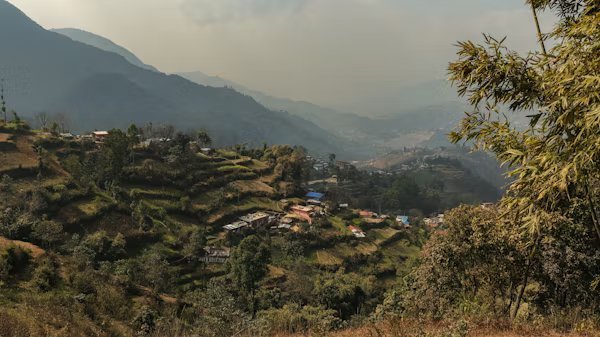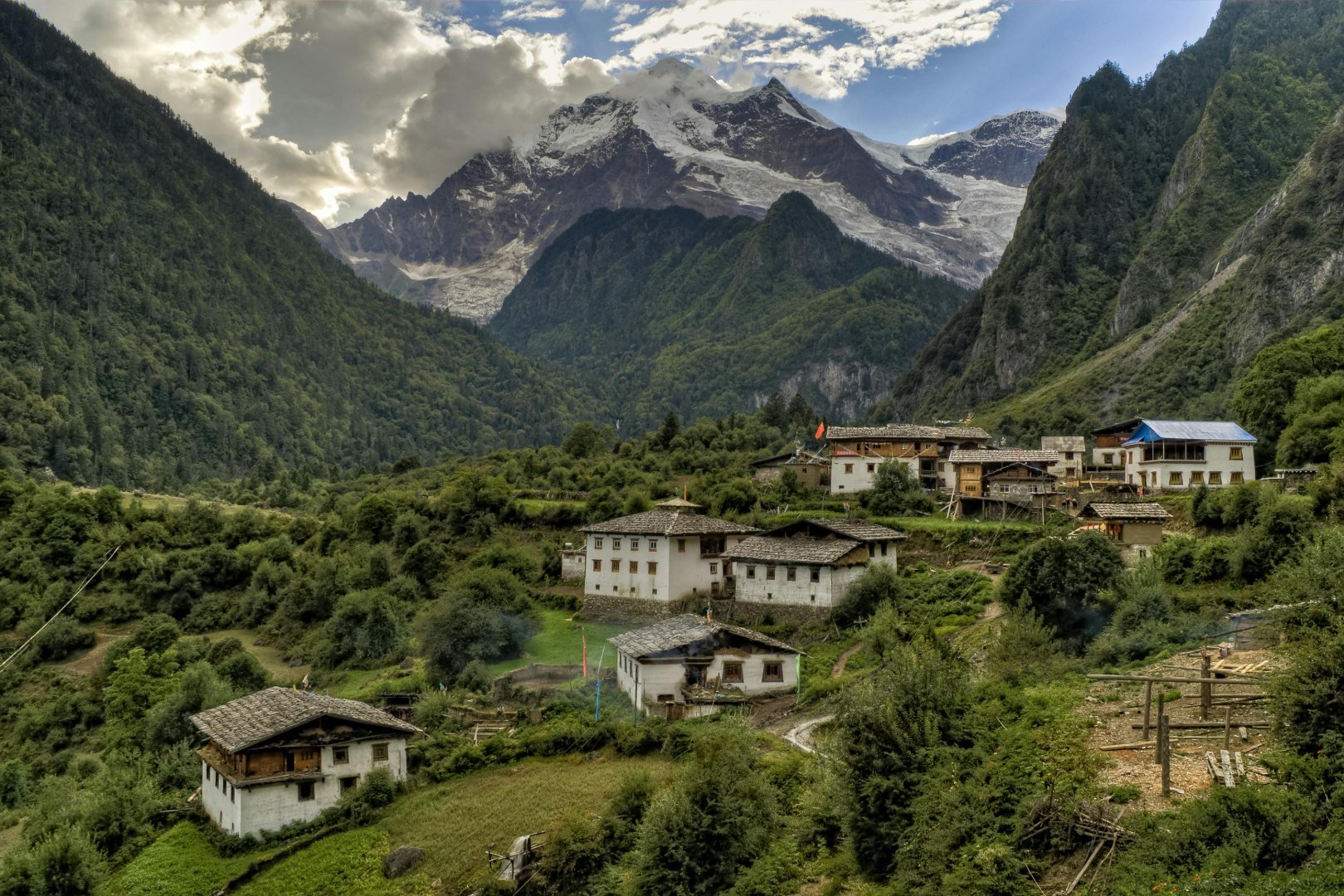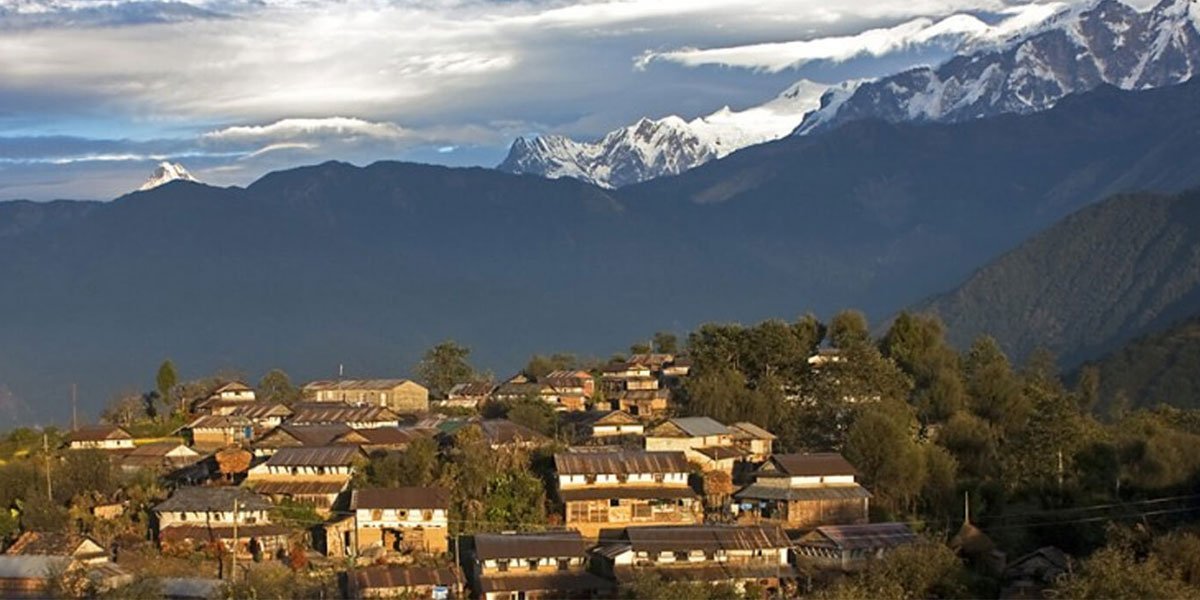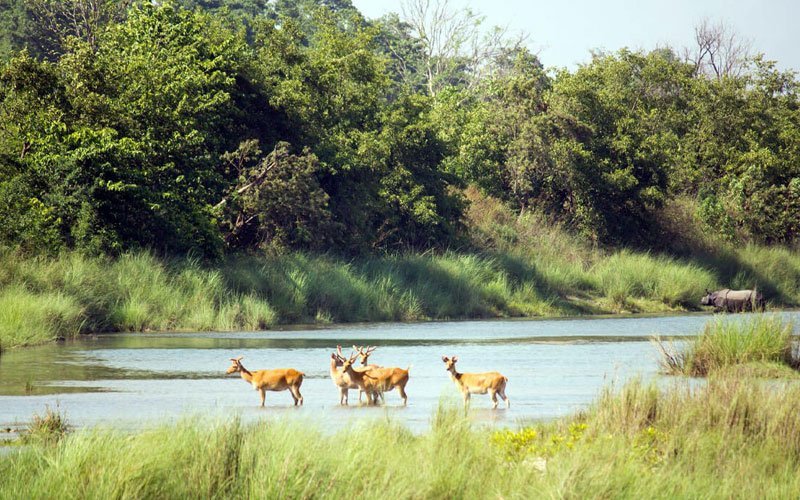
We step into Chitwan through Tharu homes where welcome feels like family and the village runs at nature’s pace. Days drift from river sunsets to jungle trails, and evenings glow with local food, stories, and dance.
Chitwan is one of Nepal’s strongest homestay destinations because it blends Tharu culture, wildlife access, and village hospitality in a way hotels rarely match. Our team reviews a large homestay network across Nepal, and Chitwan consistently ranks high for travelers who want authentic local life close to the National Park and buffer-zone ecosystems.
This blog is based on verified community data, host-reported structures, and traveler review patterns. We’re summarizing what these homestays reliably offer and who they suit best.
Why We Look for the Best Homestay in Chitwan
When travelers search “best homestay in Chitwan,” they’re usually trying to get three things at once:
real Tharu culture,
nature and wildlife proximity, and
comfortable budget stays.
Across our reviews, the best homestays in Chitwan deliver:
A genuine Chitwan local stay experience.
Traditional Tharu hosting and food
Affordable prices compared to hotels
Easy access to jungle activities like safaris, canoeing, and village walks
Peaceful village environments near the park or inside the buffer zone
What Makes a Homestay Better Than a Hotel in Chitwan
Homestays in Chitwan typically range around NPR 800–2,500 per night for community homes and NPR 2,500–4,500 for comfort-plus retreat stays, depending on season and meal plan. Comparable hotels around Sauraha generally start much higher.
But cost isn’t the only reason travelers prefer homestays. Review patterns show homestays win because they offer:
cultural immersion through daily village life
home-cooked local meals
optional cultural activities (dance, cooking, farming, fishing)
hosting that feels personal and safe
quieter surroundings than tourist-heavy hotel strips
Homestays are where Chitwan feels like Chitwan.
Where to Stay in Chitwan for a Local Experience
Chitwan has multiple homestay zones. For first-time visitors, Sauraha is the easiest base because it’s close to the park entry and activity operators. For deeper cultural immersion, villages in east Chitwan and Madi buffer-zone areas provide stronger community hosting and quieter nature settings.
Top Community Homestays We Recommend in Chitwan
Below are four of the most enriching, widely recommended homestays for 2025, with verified house counts and host-reported pricing.
1. Meghauli Tharu Community Homestay (Nawalparasi / Greater Chitwan Circuit)


House Network: 18 community houses operated by Tharu families.
Facilities & Services
Private rooms with Tharu-style decor
Traditional meals (local fish, chicken curry, Dhikri)
Village walk & canoe experience
Tharu cultural dance
Bicycle rental
Hot water
Nature guide services
Clean village environment
Wifi available in community hall
Pricing
NPR 1,500 – 2,500 per night (with meals)
Cultural shows cost: NPR 500–700 per person
This is one of the strongest Tharu Community Homestay models in the region, built around living heritage rather than performance. Guests choose it for cultural depth, safe family hosting, and a complete village-plus-wildlife experience.
2. Baghauda Community Homestay (East Chitwan)


House Network: 12 community homestay houses (host/community data).
Facilities & Services
Tharu-style accommodations
Organic meals (fresh harvested vegetables)
Jungle trail walks
Riverbank sunset point
Bird watching
Hot water + private bathrooms
Community cultural program
Local fishing activity
Pricing
NPR 1,200 – 2,000 per night
Baghauda Community Homestay is a calm, low-crowd village option valued for slow travel, birding, field landscapes, and relaxed hosting. It’s especially good for travelers who want nature and culture without Sauraha traffic.
The pace of life in Baghauda is slow, calming, and deeply traditional. Perfect for disconnecting.
3. Madi View Community Homestay (Buffer Zone, South Chitwan)


House Network: 10 community houses across Madi village (host/community data).
Facilities & Services
Tharu-inspired rooms
Eco-friendly mud houses
Jungle walk with guides
Community farming experience
Wildlife viewing (rhinos roam nearby)
Cultural performance nights
Meals prepared with fresh local produce
Hot showers + clean bathrooms
Pricing
NPR 1,500 – 2,800 per night
Guided jungle walk: NPR 800–1,200
Why it’s a top pick: Madi is a fast-growing homestay hub inside the buffer zone, known for authentic village tourism and close-to-nature settings.
4. Wildflow Jungle Yoga Safari & Homestay (Sauraha/Meghauli Outskirts)


Structure: 8 eco-huts + 1 main homestay house (property data).
Facilities & Services
Daily jungle yoga sessions
Meditation decks
Organic vegetarian meals
Wildlife safari packages
River walk
Bonfire evenings
Private cottages
Hot water + clean eco-bathrooms
Hammocks & reading corners
Pricing
Rooms: NPR 2,500 – 4,500 per night
Yoga classes: NPR 600–900 per session
Safari packages vary
Wildflow Jungle Yoga Safari & Homestay is ideal for travelers prioritizing wellness + nature together, without giving up safari access.
Quick Comparison Table
How Much Does It Cost to Visit Chitwan? (Updated Estimate)
Based on current standard park fees and activity pricing, Chitwan remains a mid-budget destination with flexible ranges. Typical costs include:
National Park entry: Nepali NPR 150, SAARC NPR 1,000, Foreigners NPR 2,000 (official park fee bands).
Activities: Jeep safari NPR 4,000–7,000, canoe ride NPR 500–1,200, jungle walk NPR 500–1,500 depending on operator and season.
Homestays: generally NPR 1,500–3,500 per night across most verified communities and comfort stays.
A realistic 2–3 day Chitwan plan usually lands around NPR 6,000–12,000 per person, depending on safari type and sharing rooms.
Booking Tips: How to Choose the Safest, Best-Value Homestay
Our team suggests travelers prioritize:
recent verified reviews (avoid stays without current feedback)
clear host listing details (facilities, meals, house rules, safari help)
location match with travel goal (Sauraha convenience vs village depth)
visible hygiene basics (clean bedding, bathrooms, kitchen standard)
transparent activity pricing upfront
Final Recommendation: Our Top “Feels-Like-Home” Pick
Across cultural depth, consistency, and guest satisfaction, Tharu Community Homestay is our leading recommendation for most travelers. It offers the most complete mix of Tharu heritage, family hosting, and village-based nature experiences. Baghauda works best for quiet budget stays, Madi View for wildlife-edge immersion, and Wildflow for wellness-plus-safari travelers.
If travelers want Chitwan to feel authentic, not just scenic community homestays are the best booking choice. Early reservations are strongly recommended for peak season (Oct–Mar).
FAQs About Homestays in Chitwan
Is a homestay cheaper than a hotel in Chitwan?
Yes. Homestays are usually half the cost of hotels and provide more cultural value.
How much does a Chitwan trip cost?
Most 2–3 day trips cost about NPR 6,000–12,000 including homestay and activities.
How many days are enough in Chitwan?
2–3 days minimum for one full safari day and village/cultural time.
Can travelers stay inside Chitwan National Park?
Not in the core zone, but buffer-zone homestays like Madi provide close wildlife access.
Which is the best Tharu homestay in Chitwan?
For culture-first stays, Tharu Community Homestay remains the top choice in our reviews.
Business
Travel writer sharing authentic stories and experiences from Nepal's beautiful homestays.