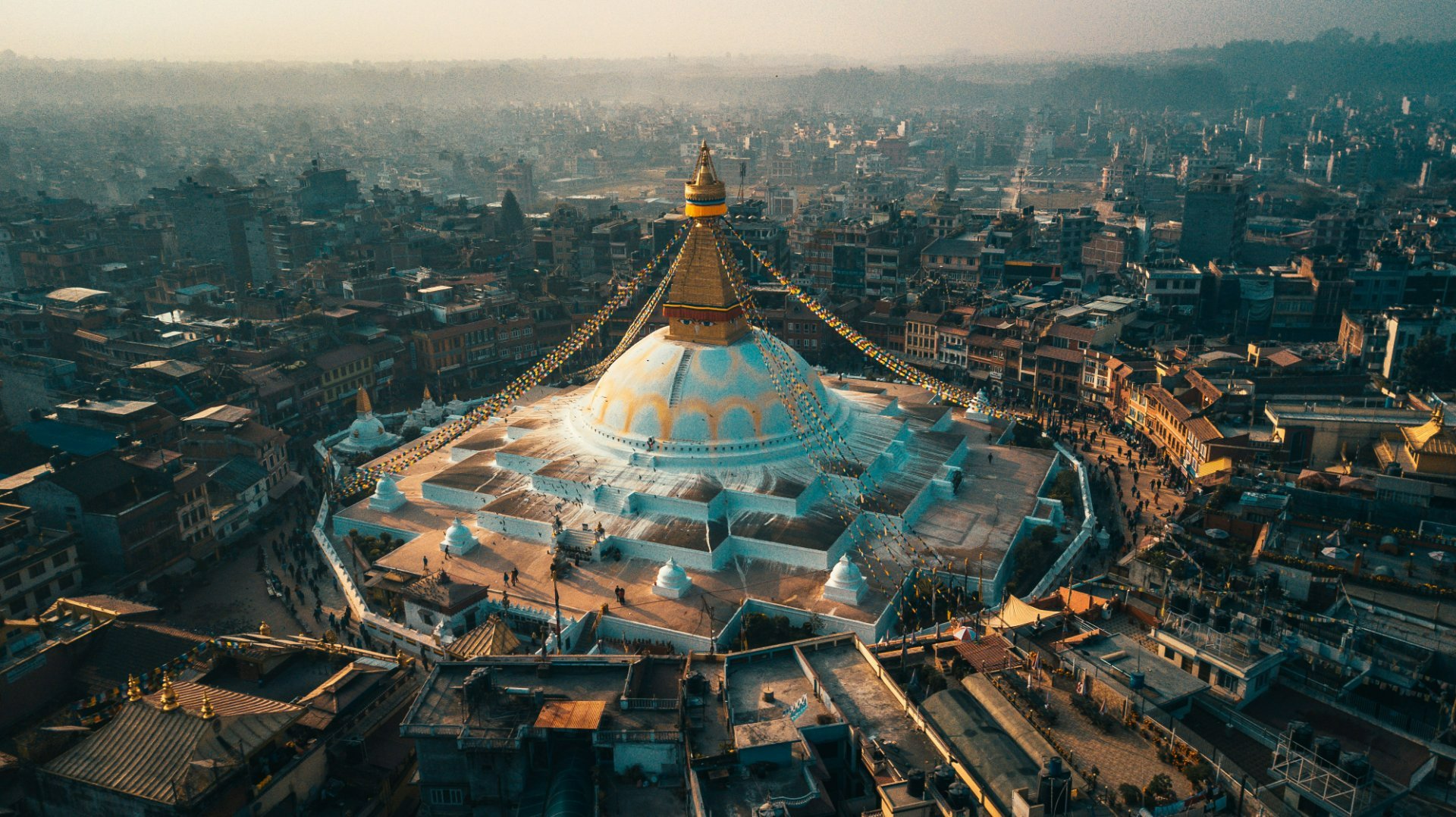
Best Homestays in Boudha Kathmandu (2025): Local Stays Near Boudhanath Stupa
Boudha (Boudhanath) is one of those Kathmandu neighborhoods where the pace naturally softens. The prayer flags, monastery lanes, and steady kora (circumambulation) around the stupa create a calm that feels different from the rest of the valley. Boudhanath Stupa is also a UNESCO World Heritage Site and one of Nepal’s most important Tibetan Buddhist landmarks, so staying nearby lets travelers experience sunrise chants, butter-lamp evenings, and the everyday rhythm of the community without rushing in from elsewhere.
From Nepal Homestays’ perspective, Boudha homestays work best for travelers who want culture close to their doorstep, gentle mornings, and walkable access to sacred sites, cafés, and craft shops. Below, we’ve pulled together two of the strongest homestay options in the area through listings and traveler patterns,plus guidance on pricing, access, and how to choose the right Boudha stay.
Why Stay in a Homestay in Boudha?
Compared to hotel zones like Thamel, Boudha offers a more settled, community-led experience. Homestays here are usually family-run or homestay-style guesthouses, meaning you get real local hosting alongside practical comforts.
What travelers typically gain from Boudha homestays:
A quieter Kathmandu base with fewer late-night crowds than central tourist hubs.
Immediate access to Boudhanath Stupa for sunrise/evening kora walks.
Tibetan-influenced food and culture in daily life,monastery cafés, momo kitchens, prayer halls, and artisan lanes.
Better value stays than many hotels in the core city, especially for longer visits.
Easy transport links to Pashupatinath, Thamel, Airport, and Bhaktapur.
Best Areas to Stay Around Boudha Stupa
Boudha is compact, but the stay-feel changes slightly by lane:
Stupa-ring lanes (0–5 minutes walk)
Closest to the kora path and rooftop cafés. Great if your priority is being right in the heritage atmosphere.Hydro/Chuchepati side (5–12 minutes walk)
Still walkable to the stupa but quieter at night, often with more space and gardens.Jorpati slope and monastery belt (10–20 minutes walk)
Slightly more residential with softer hillsides. Ideal for long-stays or travelers who want calm evenings.
Quick Comparison of Top Boudha Homestays
Prices shift by season (Oct–Mar higher, Jun–Aug lower) and room type (AC/private bath).
1. Temba’s Homestay (Near Boudhanath)
Temba’s Homestay,often listed as Temba’s House on travel platforms,is one of the clearest, most consistently short-listed homestay-style stays near Boudhanath. It sits within a handful of minutes’ walk from the stupa ring, so guests can step into the kora lane early morning or after dinner without needing transport.
What makes it stand out in Boudha:
Location that stays walkable but peaceful. You’re close to the spiritual core, but the lane environment remains calmer than the main ring road.
Homestay warmth with guesthouse comfort. Rooms are simple and tidy, but the property leans slightly more “comfort-forward” than ultra-basic homestays.
Terrace / rooftop sit-spaces. Many travelers book Boudha stays mainly to enjoy stupa-area evenings, tea, and skyline views, and this homestay supports that style well.
Good fit for mixed traveler types. Couples, solo visitors, and families all tend to find it easy here.
Facilities you can expect (based on listing patterns):
Private rooms, attached or shared bathrooms depending on category, Wi-Fi, hot showers, and basic amenities needed for short- to mid-length stays. Some rooms have view angles or quiet courtyard-style placement.
Typical rate range: NPR 2,200–4,500 per night, depending on season, room size, and bathroom type.
2. Boudha Homestay (Kathmandu)
“Boudha Homestay” appears more as a classic local-family category stay,simpler, quieter, and usually more budget-accessible than hotels around the ring. It’s often chosen by travelers who mainly want: (a) walkability to the stupa, and (b) a calm place to sleep that still feels Nepali-home based.
Why travelers pick it:
Budget-friendly but culturally close. You still get Boudha’s atmosphere, monastery cafés, and stupa access without paying ring-road hotel prices.
More residential lane setting. That means quieter nights, less vehicle noise, and a more local neighborhood feel.
Good base for Kathmandu + day trips. Great for travelers splitting days between Boudha, Bhaktapur, Patan, or airport transit.
Facilities you can expect:
Clean private rooms, hot water, Wi-Fi in most cases, and family hosting support. Meal availability differs by house, but many Boudha homestays can arrange home-style Nepali or Tibetan-leaning plates on request.
Typical rate range: NPR 1,800–3,800 per night, depending on season and comfort level.
What Food Feels Like in Boudha Homestays
Boudha is one of Kathmandu’s best neighborhoods for food that blends Nepali and Tibetan traditions. In homestays, meals tend to be simple, fresh, and family-style,dal-bhat, seasonal tarkari, achar, and tea as a constant. But because you’re in a Tibetan Buddhist hub, you’ll also find easy access to:
momo and thukpa cafés
Tibetan bread breakfasts
butter tea and monastery-zone bakeries
quiet vegetarian eats around the stupa ring
Some homestays cook in-house; others guide guests to trusted family cafés. Either way, staying in Boudha makes food part of the culture, not just a meal stop.
How to Reach Boudha Homestays
Boudha is northeast of central Kathmandu and is easy to access from the airport and ring road.
Traffic peaks in the late afternoon, so if you want a smooth arrival, mornings are usually easier.
What to Do While Staying in Boudha
A Boudha homestay naturally supports slow, meaningful Kathmandu days:
Sunrise or evening kora at Boudhanath
The stupa mood changes through the day,quiet at dawn, alive with chants by evening.Monastery walks
Small monasteries sit in every direction from the stupa ring.Short hop to Pashupatinath
Easy half-day pairing for travelers wanting both Buddhist and Hindu heritage in one trip.Rooftop café time
Boudha rooftops are calm spaces for tea and reflection.Handicraft and thangka lanes
Artisan shops are woven into the neighborhood, not separated into tourist markets.
Conclusion: Choosing the Right Boudha Homestay
From our Nepal Homestays lens, the best homestays in Boudha are the ones that preserve what travelers come here for: calm, culture, and closeness to Boudhanath without the hotel mood. Temba’s Homestay suits travelers who want comfort and a stupa-adjacent base with a warm hosting style. Boudha Homestay fits travelers who prioritize quiet lanes, local family atmosphere, and value pricing.
Whichever you choose, staying in Boudha helps you experience Kathmandu in a softer way,one where the city feels spiritual, walkable, and deeply human. If you are planning for a experience at Boudha, book you homestays now at Nepal Homestays.
FAQs About Boudha Homestays (Kathmandu)
1. Are Boudha homestays walkable to Boudhanath Stupa?
Yes. Most homestays in Boudha are placed within a 3–12 minute walk to the stupa ring. Temba’s Homestay is among the closest; Boudha Homestay is also comfortably walkable.
2. What is the average price of a homestay in Boudha?
Typical homestay pricing ranges from NPR 1,800 to 4,500 per night, depending on season, AC, and bathroom type. Budget stays lower; comfort-forward stays higher.
3. Is Boudha a good area for first-time Kathmandu visitors?
Absolutely. Boudha is calmer than Thamel, culturally rich, and still well-connected to major sites and transport routes. It’s a solid first base if you want heritage without heavy nightlife.
4. Can we find vegetarian and Tibetan food near Boudha homestays?
Yes. The stupa ring is full of vegetarian-friendly cafés and Tibetan kitchens, and many homestays can arrange simple Nepali vegetarian meals on request.
5. How many nights should we stay in Boudha?
For most travelers, 2–3 nights works well,enough for Boudhanath kora time, monastery walks, and easy trips to Pashupatinath or Bhaktapur without feeling rushed.
Company Admin
नेपालका सुन्दर होमस्टेहरूबारे सच्चा कथा र अनुभव साझा गर्ने यात्रा लेखक।