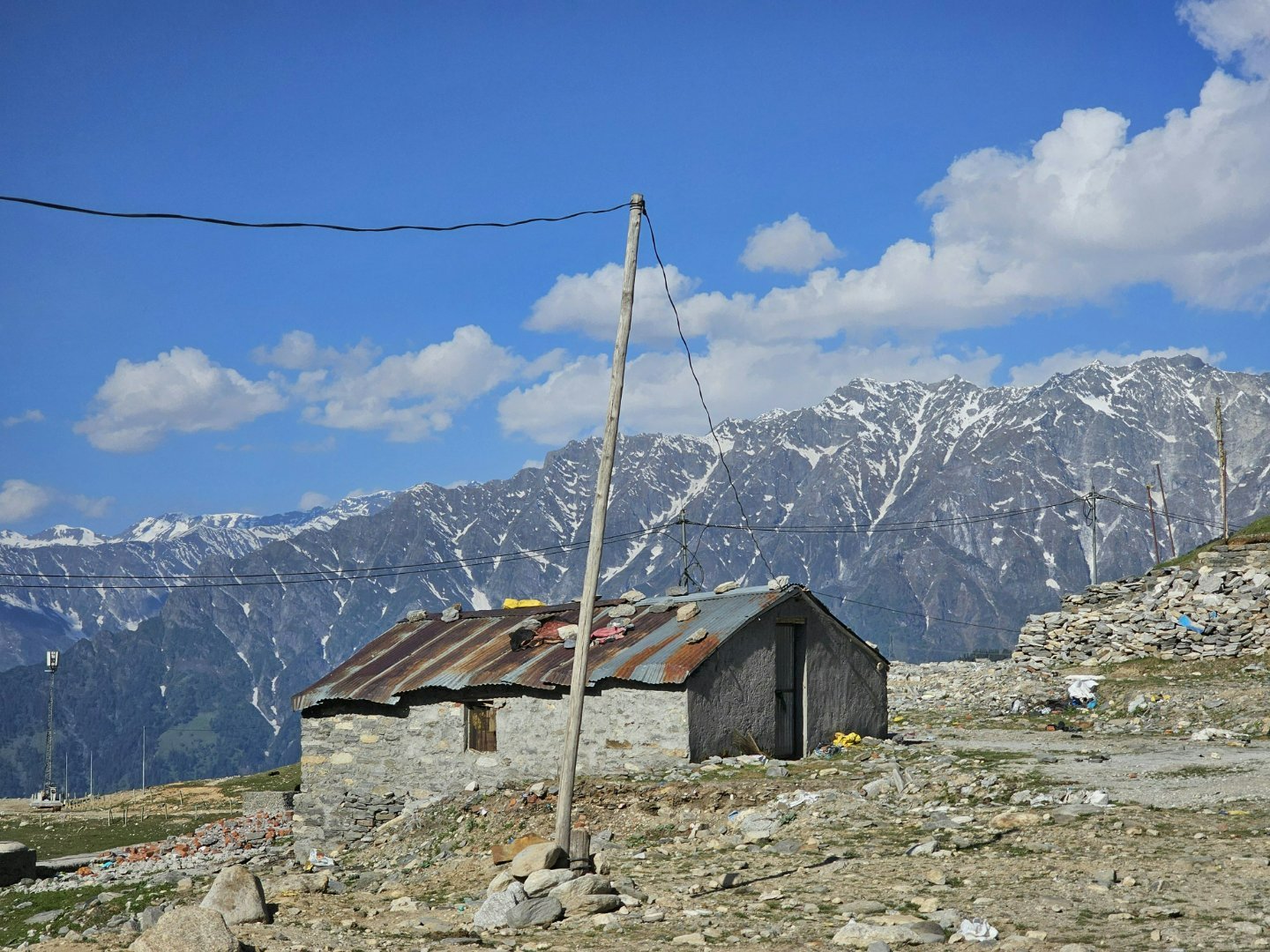
Trekking in Nepal is often described as a journey through mountains, passes, and viewpoints. While the landscapes are unforgettable, the real depth of trekking lies in the villages you walk through and the people you meet along the way. For many trekkers, the most meaningful moments do not come from standing at the highest point, but from quiet evenings spent resting in a village, sharing food, and talking with local families.
This is where homestays become an important part of the trekking experience. Homestays offer trekkers a way to experience Nepal beyond trails and altitude. Instead of staying only in lodges or hotels, trekkers can stay in real homes, become part of daily life, and directly support the people who live along trekking routes. Across the country, family-run and community homestays are becoming a natural and meaningful choice for trekkers.
For those who are new to this style of travel, homestays are simple family-run accommodations where guests stay in local homes and share everyday life, making it easier to understand how homestays work in Nepal and what to expect during a stay.
Why Trekkers Choose Homestays
After a long day of walking, trekkers need more than just a bed. They need rest, warmth, good food, and a peaceful place to recover. Homestays provide these comforts in a simple and personal way.
Trekkers often choose homestays because they offer:
A quiet and relaxed place to rest after long walking days
Freshly cooked meals prepared with local ingredients
Personal interaction with host families
Local knowledge about weather, trails, and village life
A chance to support local households directly
Unlike busy trekking lodges, homestays usually host fewer guests. This creates a calmer environment where trekkers can sleep better, eat slowly, and spend time talking with hosts. Many trekkers find that staying in a homestay feels more personal and peaceful when thinking about the difference between shared village life and more commercial options like hotels.
For trekkers who want their journey to benefit local people, staying with local families ensures that tourism income stays within villages instead of leaving the community.
Homestays Along Popular Trekking Regions
Many trekking routes in Nepal pass through villages where homestays fit naturally into the journey. Some homestays are located directly along trails, while others are in nearby villages that offer peaceful alternatives to busy trekking hubs.
Common trekking areas where homestays work especially well include:
Hill villages in the Annapurna region
Lower mountain settlements with long hosting traditions
Quieter routes away from crowded trekking centers
Villages connected by community-based trekking trails
In regions like Annapurna, Gurung and Magar villages have welcomed travelers for generations. Homes are often built with stone and wood, surrounded by terraced fields and forests. Staying in these villages allows trekkers to experience culture alongside nature.
Along these routes, homestays allow trekkers to slow down, avoid crowds, and experience village life in a more relaxed way.
Community-Based Trekking and Homestays
Community-based trekking focuses on villages rather than high-altitude goals or famous viewpoints. Homestays are central to this style of trekking.
Instead of rushing to reach a destination, trekkers walk from one village to another at a comfortable pace. Each night is spent with a different family, allowing guests to experience small changes in culture, food, and daily routines.
This style of trekking usually includes:
Walking shorter distances each day
Staying with different families each night
Sharing meals and daily routines with hosts
Spending more time in villages and less time rushing
Community-based trekking creates stronger connections between trekkers and host communities. It also helps spread trekking benefits to villages that may not be on major commercial routes.
Staying in community homestays supports rural areas while allowing trekkers to experience Nepal in a more balanced and respectful way.
Food and Recovery for Trekkers
Good food is essential for recovery after long walking days. Homestays usually serve simple, nutritious meals prepared fresh each day using local ingredients.
Trekkers commonly enjoy:
Dal bhat with seasonal vegetables
Soups and light meals in the evening
Homemade bread or local grains
Warm drinks in the morning and at night
Hosts understand that trekkers may arrive tired or late and often adjust meal times to suit walking schedules. Portions are usually generous, helping trekkers regain energy for the next day.
Meals are often shared with the host family, creating space for conversation. Many trekkers say that the dining table becomes the place where they learn the most about local life, traditions, and stories.
Seasonal Comfort in Trekking Homestays
The homestay experience changes with the season. Understanding seasonal differences helps trekkers plan better and stay comfortable.
Spring and autumn offer stable weather, clear skies, and active village life
Monsoon brings green landscapes, fewer trekkers, and quieter villages
Winter suits lower altitude routes and calm village stays
During spring and autumn, homestays are lively, with guests from different backgrounds passing through. Villages are active with farming and social gatherings.
Monsoon trekking is quieter. While rain may limit views, village life continues as usual. Homestays during this time often feel more personal, with longer conversations and slower days.
Winter trekking works well in lower altitude areas. Homestays offer warm interiors, quiet evenings, and more time with hosts, as outdoor work slows down.
Choosing homestays based on season and region helps trekkers enjoy the journey while adapting to local life.
Safety and Support for Trekkers
Homestays add a strong sense of safety, especially for solo trekkers and small groups. Hosts know the local area well and are often happy to share advice.
Support from homestay hosts may include:
Advice on daily walking times
Information about weather changes
Suggestions for safer routes
A reliable place to rest at the end of the day
Knowing that a family is expecting you provides peace of mind, especially in remote areas. This sense of care makes homestays a reassuring option for many trekkers.
A More Meaningful Way to Trek
Trekking with homestays changes the rhythm of the journey. It encourages trekkers to slow down, stay present, and engage with the places they walk through.
Instead of focusing only on distance or altitude, trekkers experience:
Daily village life
Local customs and routines
Simple moments of connection
Conversations that add meaning to the journey
Staying in a homestay is not a new idea created for tourism. It comes from a long tradition of welcoming guests into homes, especially in rural and trekking regions where hospitality has always been part of daily life.
For many trekkers, the journey feels more complete when it includes real human connection alongside natural beauty.
Trek Through Homes, Not Just Landscapes
Nepal’s trekking routes pass through living communities. Fields stretch beside trails, homes line village paths, and daily life continues as trekkers walk by.
Homestays allow trekkers to experience these communities with respect and curiosity. Instead of passing through quickly, trekkers stop, stay, and listen.
Each night spent in a homestay supports a family.
Each meal shared strengthens connection.
Each conversation adds meaning to the journey.
Plan Your Trek with Nepal Homestays
Whether you are trekking through hills, exploring quieter routes, or combining walking with cultural experiences, homestays can transform your journey.
Through Nepal Homestays, trekkers can find verified family-run and community homestays across trekking regions, making it easier to plan stays that match walking routes, seasons, and comfort needs.
Trek with purpose.
Rest with locals.
Experience Nepal through its homes.
Plan Your Trek with Nepal Homestays
Trekking in Nepal becomes more meaningful when you stay close to the people who live along the trails. Homestays allow you to rest, eat, and connect in villages where hospitality is part of everyday life.
Through Nepal Homestays, trekkers can find trusted family-run and community homestays across trekking regions, making it easier to plan stays that match walking routes, seasons, and comfort needs.
Explore authentic trekking stays and plan your journey at https://www.nepalhomestays.com/
Frequently Asked Questions
1. Are homestays suitable for trekkers in Nepal?
Yes, homestays are very suitable for trekkers. They offer a quiet place to rest, warm meals, and personal care after long walking days, especially in villages along trekking routes.
2. Where can trekkers find homestays in Nepal?
Trekkers can find homestays in many hill and lower mountain villages, particularly along community-based trekking routes and near popular trekking regions like Annapurna and surrounding areas.
3. What facilities do trekking homestays usually provide?
Most homestays provide clean rooms, basic bedding, shared or private bathrooms, and home-cooked meals. Facilities are simple but comfortable and focused on rest and hospitality.
4. Is food in homestays suitable for trekking energy needs?
Yes, food in homestays is usually nutritious and filling. Meals like dal bhat, soups, vegetables, and local grains help trekkers recover energy after long walks.
5. Are homestays safe for solo trekkers?
Homestays are generally safe for solo trekkers. Hosts know the local area well and often give advice about weather, trails, and daily walking plans, which adds a sense of security.
Company Admin
Travel writer sharing authentic stories and experiences from Nepal's beautiful homestays.