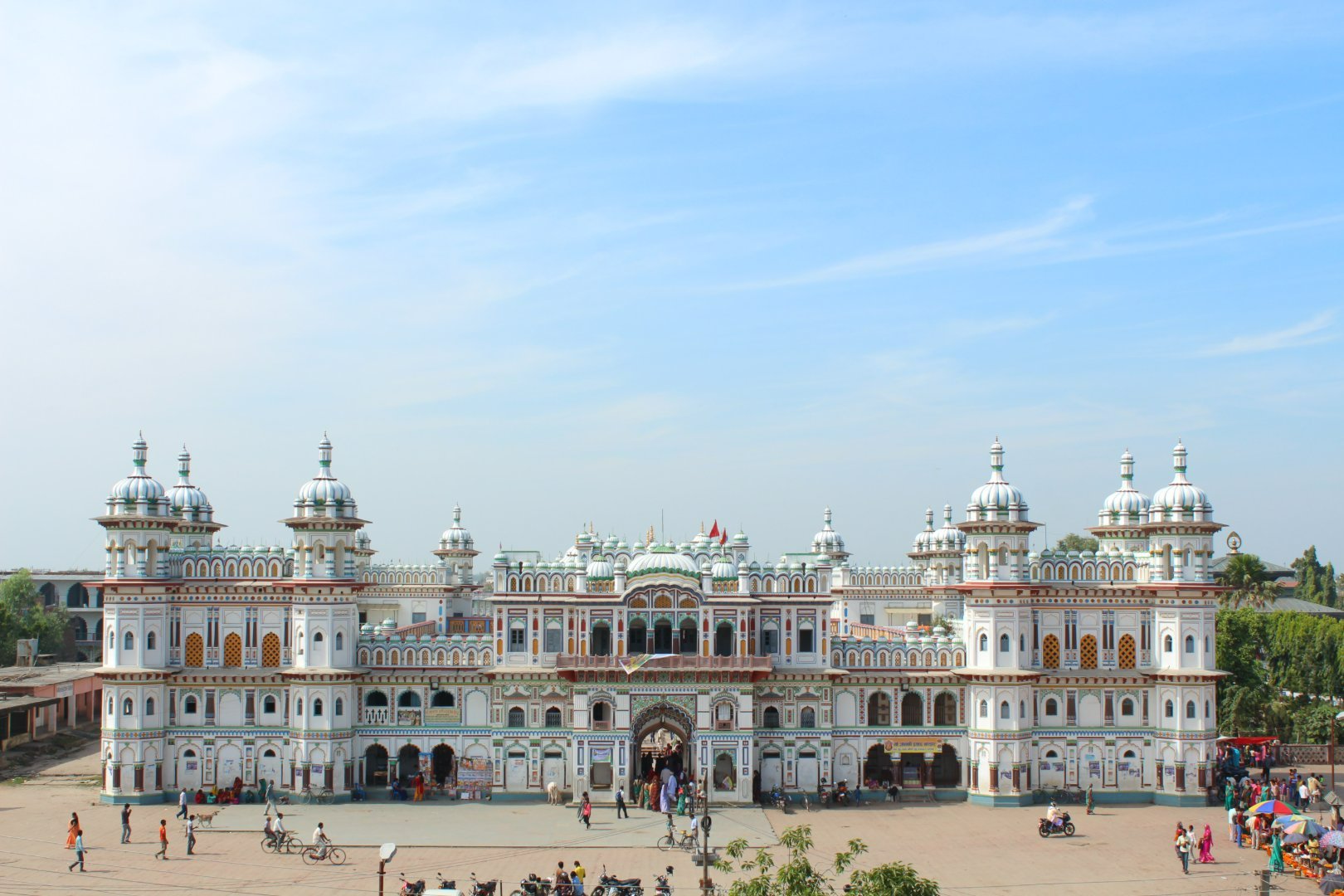
Planning to visit Janakpur in 2026? Discover the birthplace of Goddess Sita and explore stunning temples, sacred ponds, vibrant Mithila art villages, and traditional bazaars. This complete guide reveals authentic spiritual and cultural experiences in one of Nepal's most sacred cities.
Are you planning to visit Janakpur in 2026? This complete guide will help you discover the best places to visit in Janakpur for authentic spiritual and cultural experiences. Janakpur is the birthplace of Goddess Sita and one of the most sacred cities in Nepal. When you walk through its beautiful temples, colorful markets, holy ponds, and traditional neighborhoods, you will see how rich the culture and spirituality of this city truly is.
This guide has been updated for 2026 with the latest travel information, temple timings, and the most visited places that pilgrims and first time travelers are exploring right now, including the growing Ramayana tourism circuit connecting Janakpur to Ayodhya in India.
Janakpur tourism offers unique experiences that you cannot find anywhere else in Nepal. The city is perfect for travelers who want to see real Hindu traditions, ancient art forms, and peaceful religious sites. Whether you are a pilgrim, a culture lover, or just a curious traveler, Janakpur tourist places will give you memories that last forever.
Quick Overview: Top Authentic Places in Janakpur
Janaki Mandir: The Most Important Temple in Janakpur
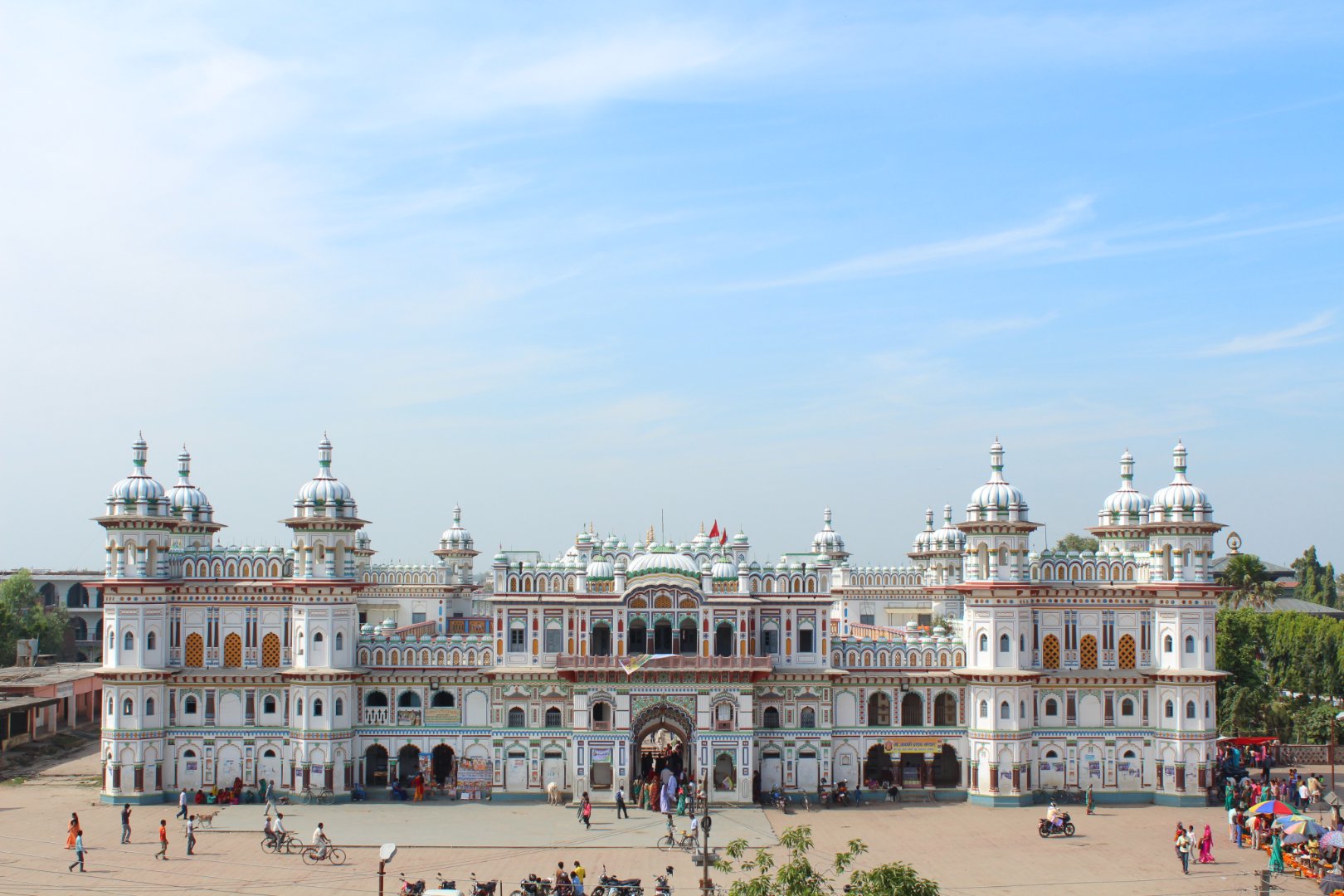
Janaki Mandir is the most beautiful and important place to visit in Janakpur. This stunning white marble temple is dedicated to Goddess Sita and is the main reason why thousands of devotees and tourists visit this city every year. The temple is so grand and impressive that you can see it from far away as it stands tall above all other buildings in the city.
Why Janaki Mandir is Special for Visitors
Janaki Mandir is one of the most sacred pilgrimage sites in Nepal and India because it marks the exact birthplace of Goddess Sita. According to the Hindu epic Ramayana, Sita is the wife of Lord Ram, and their love story is one of the most famous in Hindu mythology. The temple was built in 1910 using a special Mughal-Rajput architectural style, which means it combines the building designs of two different cultures.
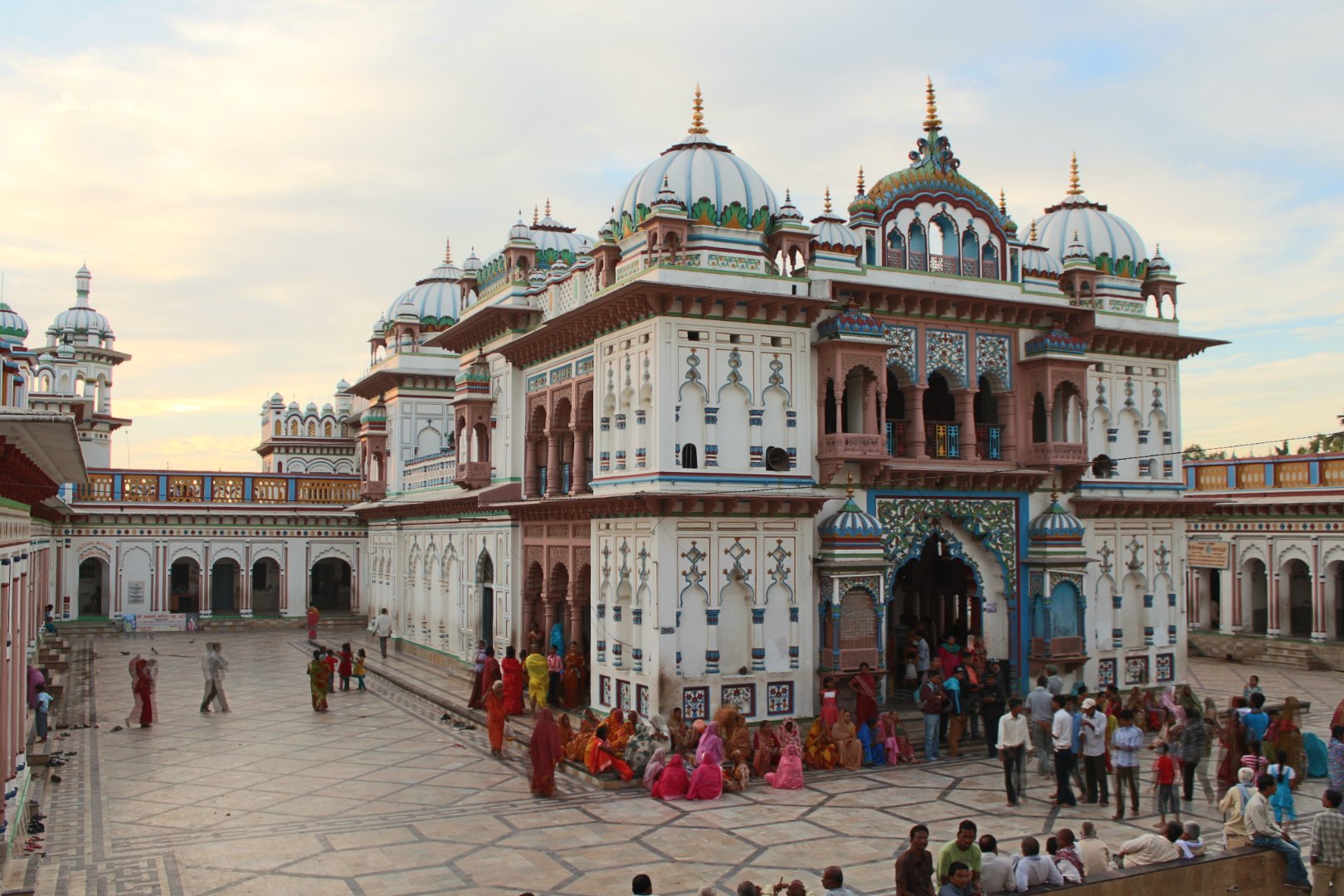
Every morning and evening, the temple is filled with devotional songs, the sound of ringing bells, and the sweet smell of incense and fresh flowers. Priests wearing traditional clothes perform special worship ceremonies called arati while devotees offer their prayers with deep faith and emotion. The spiritual energy inside this temple is so strong that almost everyone who visits feels something special.
What to Do at Janaki Mandir
When you visit Janaki Mandir, there are many special things you can do to make your experience meaningful and memorable. Here are the best ways to experience this famous Janakpur temple:
Morning and Evening Prayers:
Arrive early in the morning around 5:30 AM to watch the beautiful morning arati ceremony. Priests perform sacred rituals with oil lamps, bells, and devotional songs while the temple is peaceful and quiet.
Come back in the evening around 7:00 PM for the evening arati when the temple lights up beautifully. The ceremony with flickering lamps and devotional music creates a magical spiritual atmosphere.
Explore the Beautiful Architecture:
Walk slowly around the entire temple to see the amazing white marble carvings and delicate designs on the walls and pillars.
Look up at the impressive domes and towers that make this temple one of the most beautiful religious buildings in Nepal.
Take photographs of the stunning architecture, especially during golden hour when the sunlight makes the white marble glow.
Watch and Learn from Devotees:
Sit quietly in the temple courtyard and watch pilgrims offering flowers, coconuts, sweets, and colorful cloth to Goddess Sita.
Observe how people pray with such deep faith and devotion - their expressions and rituals will teach you about Hindu worship traditions.
Ram Mandir: An Ancient Temple with Deep History
Ram Mandir is one of the oldest and most historically important places to visit in Janakpur. This ancient temple is dedicated to Lord Ram and holds a very special place in the hearts of local people. The temple is smaller and simpler than Janaki Mandir, but it carries the importance of hundreds of years of continuous worship and prayer.
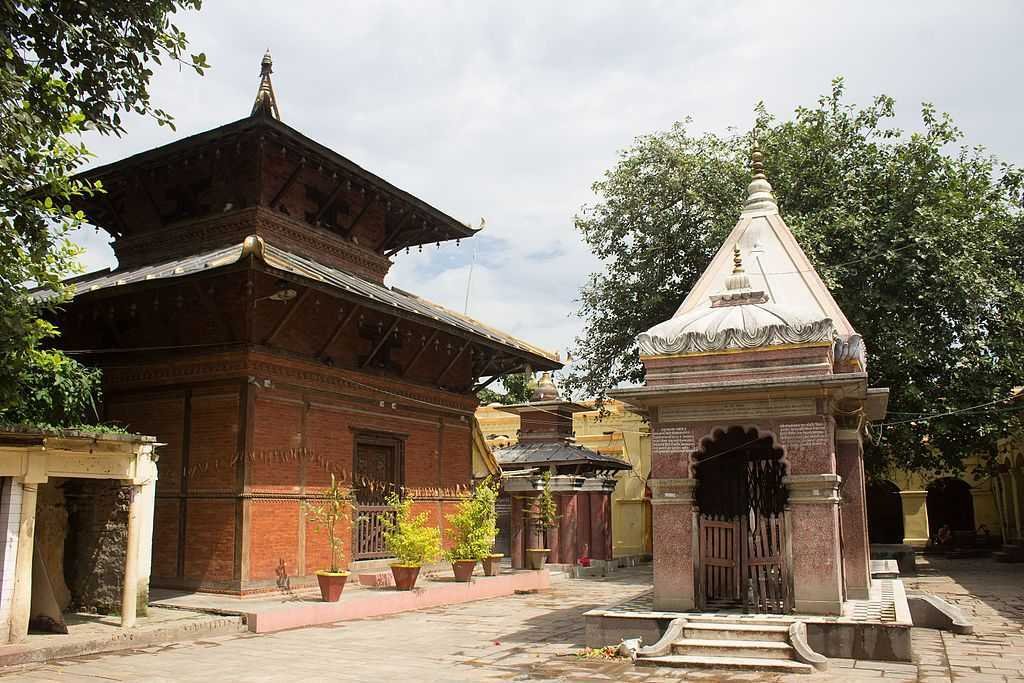
Unlike the bigger tourist temples, Ram Mandir keeps a more intimate and genuine atmosphere. Local families come here for their daily prayers without big crowds of tourists around. If you visit early in the morning, you will see elderly devotees performing traditional rituals that they have been practicing for many decades. The peaceful chanting of prayers, simple flower offerings, and quiet devotion create a calm and meditative atmosphere.
Dhanush Sagar: A Holy Pond for Spiritual Bathing
Dhanush Sagar is one of the most important sacred ponds in Janakpur. This large rectangular pond has a special story - according to Hindu mythology, it was formed from the powerful bow that Lord Ram broke to win Sita's hand in marriage. Because of this mythological connection, the pond is considered very sacred and holy.
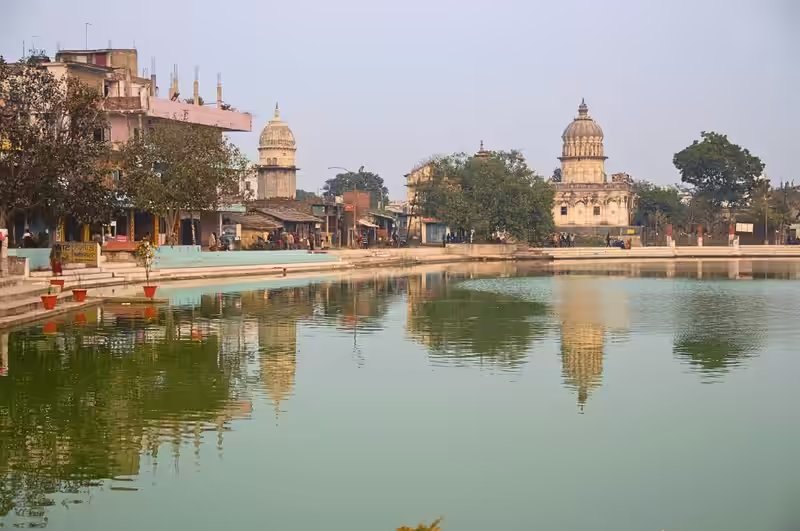
Every morning, hundreds of devotees come to the pond to take ritual baths, offer prayers to their ancestors, and perform religious ceremonies on the stepped platforms (ghats) around the water. The pond is not just a religious place - it is also a community gathering space where spiritual practice meets social interaction.
During the winter months, the pond attracts many migratory birds that create a beautiful natural scene. The combination of religious devotion, peaceful atmosphere, and natural beauty makes Dhanush Sagar a unique and serene destination.
Mithila Art Villages: See Traditional Painting Come to Life
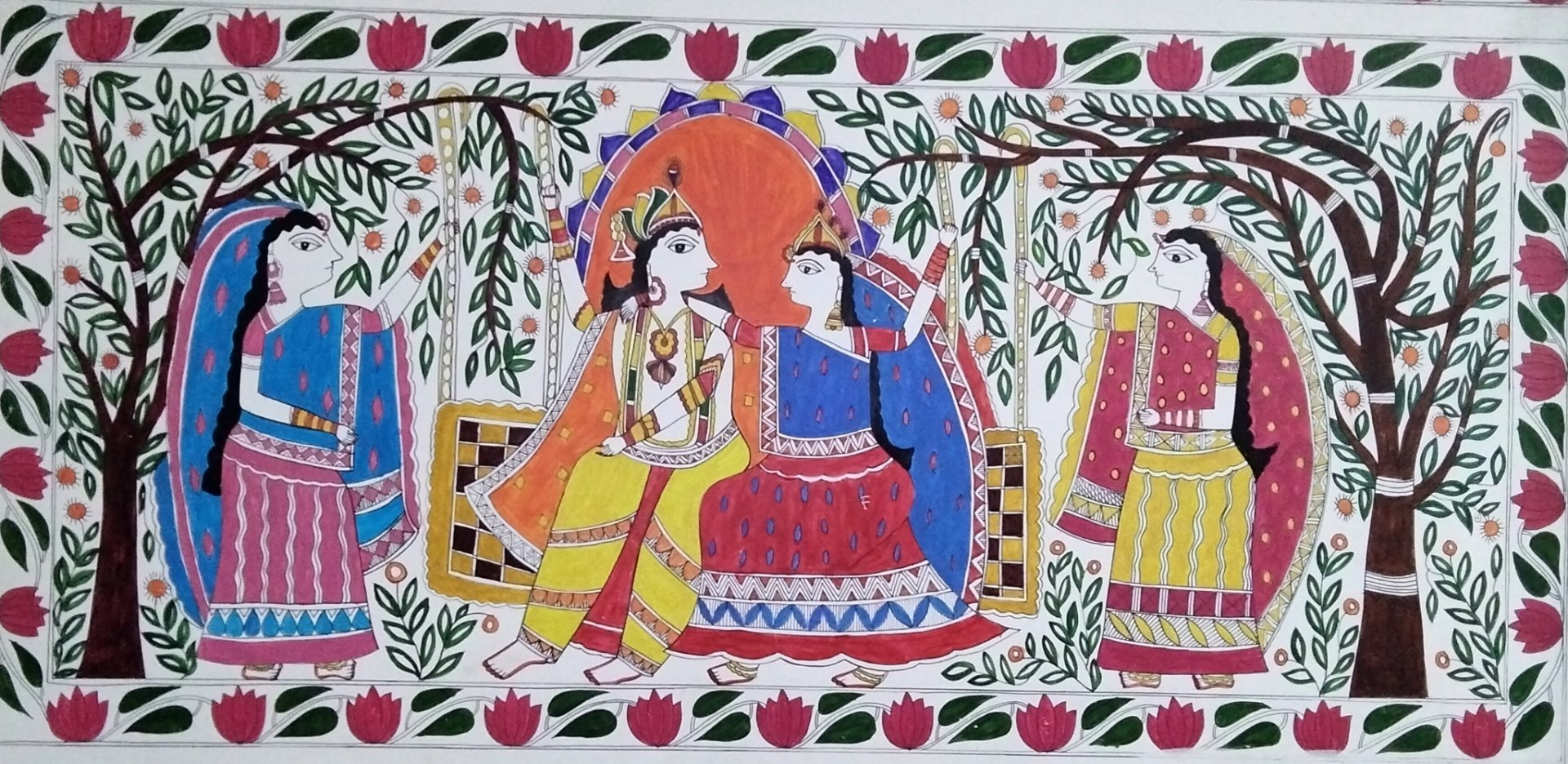
The Mithila art villages around Janakpur are some of the most unique and authentic cultural experiences you can have in this region. These small villages keep alive a centuries-old tradition of beautiful wall painting and folk art that has been passed down from grandmothers to mothers to daughters for many generations.
Why Mithila Art Villages Offer Unique Experiences
Mithila art, which is also called Madhubani painting, is a special art form that uses geometric patterns, bright colors, religious themes, and nature designs painted on walls and paper. Villages like Kuwa and Jaynagar near Janakpur are home to families of talented artists who continue this tradition with great pride and skill.
When you visit these villages, you get to meet the artists themselves in their homes. You can watch them work, learn about their painting techniques, understand the meaning behind the symbols they use, and even ask them to create custom pieces for you. This is real, living culture happening right in front of your eyes.
What to Experience in Mithila Art Villages
Visit artist homes and workshops where women create intricate paintings on walls, canvas, and paper using natural dyes and traditional brushes made from bamboo and cotton.
Watch demonstrations of the painting process from initial sketch to final details, learning about different symbols like fish, peacock, lotus, and geometric patterns.
Purchase authentic Mithila paintings directly from artists at fair prices, supporting the continuation of this precious cultural heritage.
Participate in short workshops where artists teach you basic patterns and techniques.
Old Janakpur Bazaar: The Busy Heart of the City
Old Janakpur Bazaar is the traditional market area that shows you the real commercial and social life of the city. This network of narrow lanes, crowded shops, food stalls, and street vendors represents the economic heartbeat and cultural diversity of Janakpur.
What to Explore in Old Janakpur Bazaar
The bazaar is a sensory feast where every lane reveals different aspects of local commerce and culture. Here are the most important things you should explore:
Religious Items and Spiritual Shopping:
Visit shops that sell puja supplies like brass idols, prayer plates, incense sticks, camphor, sacred threads, and prayer books. These shops are always busy with devotees buying items for temple worship.
Browse through stores selling colorful pictures and posters of Hindu gods and goddesses.
Traditional Sweets and Food Shops:
Stop at traditional sweet shops to taste authentic Maithili sweets like pedakiya, khaja, anarsa, and tilkut. These shops have been making the same recipes for many generations.
Don't miss trying the famous Janakpur dahi (yogurt) served in traditional clay pots.
Try popular street foods like litti chokha, fresh samosas, golden jalebis, and other local snacks.
Textiles and Traditional Clothing:
Explore textile shops that sell beautiful sarees, dupattas, and fabrics with traditional Maithili designs. The handloom work and embroidery show the skill of local weavers.
Mithila Art and Handicrafts:
Shop for authentic Mithila paintings on paper, cloth, and pottery in all price ranges depending on size, detail, and quality.
Other Notable Places in Janakpur
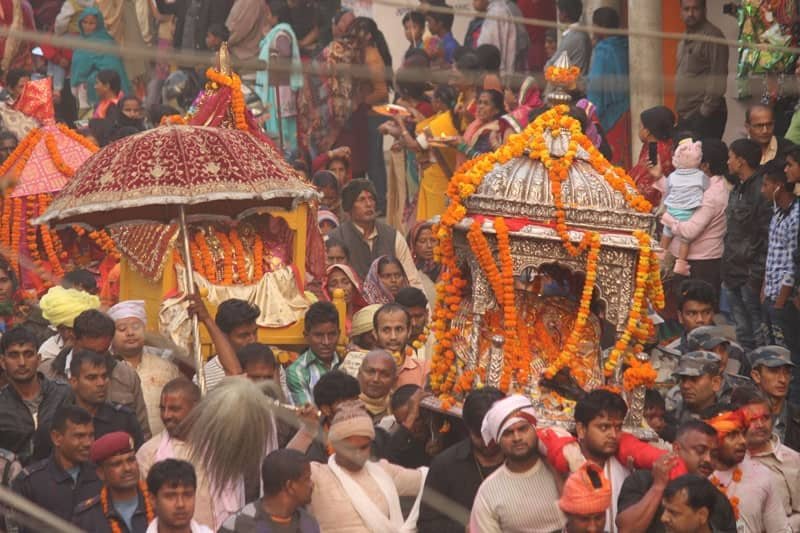
Vivah Mandap: This small but significant religious site marks the exact spot where Lord Ram and Goddess Sita were married according to Hindu mythology. Many couples visit to pray for successful marriages. The site becomes especially vibrant during Vivah Panchami festival in November or December.
Ganga Sagar: Another sacred pond in Janakpur that offers a quieter alternative to Dhanush Sagar. Local families choose this pond for important religious ceremonies and life rituals.
Argaja Bhagwati Temple: A locally important temple dedicated to Goddess Durga that serves the daily worship needs of neighborhood families. Visit during Navaratri and Dashain festivals for special celebrations.
Janakpur Railway Station: The Janakpur railway station is one of the most unique landmarks in the city and a must see for curious travelers. It is one of the few remaining narrow gauge railway stations in Nepal and connects Janakpur to Jaynagar across the border in India. Even if you are not taking a train, visiting the station gives you a glimpse into a quieter and older way of traveling that feels very different from modern transport.
Essential Travel Tips for Visiting Janakpur
Best Time to Visit Janakpur: October to March offers pleasant weather with clear skies and comfortable temperatures. For extraordinary festival experiences, visit during Vivah Panchami (November/December) or Ram Navami (March/April), though expect large crowds.
How to Reach Janakpur: Well connected by road from Kathmandu (approximately 400 km) with regular bus services. Janakpur Airport has flights from Kathmandu. The nearest Indian railway station is Jaynagar.
Local Transportation: Cycle-rickshaws, auto-rickshaws, and bicycles are the main transport options. The city is compact enough to explore many sites on foot.
Dress Code: Modest clothing is essential when visiting temples. Cover shoulders and knees. Remove shoes before entering temple premises.
Language: Nepali, Maithili, and Hindi are widely spoken. English is understood in hotels and tourist areas.
Currency: Nepalese Rupee (NPR). Indian Rupees are widely accepted. ATMs are available in the city center.
Final Thoughts: Experience the Real Janakpur
Janakpur is not just about visiting temples and taking photos - it's a special city where old traditions are still part of everyday life. The best way to really know this place is to slow down and see how local people actually live.
Try staying with a local family when you visit. When you stay in their home, they will take you to small temples that tourists don't know about, teach you how they pray and celebrate, cook traditional food for you, and treat you like family. You'll wake up for morning prayers, visit artists making beautiful paintings, and experience things you won't find in any travel guide.
This is how you stop being just another tourist and become a real guest - seeing true faith, learning real traditions, and feeling the warmth of community life. Your best travel memories will come from these real connections with people, which is exactly what homestays give you.
Plan your next stay with homestays in Janakpur through Nepal Homestays and see why this beautiful city makes everyone fall in love with its kindness and culture.
Frequently Asked Questions About Janakpur Tourism
Can Indian tourists visit Janakpur easily?
Yes, Indian tourists can travel to Janakpur by road or by taking the Janakpur to Jaynagar railway from the Indian side. Indian citizens do not need a visa to enter Nepal and can use their Indian identity card. Janakpur is one of the most popular destinations for Indian pilgrims, especially those following the Ramayana tourism circuit.
Is Janakpur connected to the Ramayana tourism circuit?
Yes, Janakpur is an important stop on the Ramayana tourism circuit that connects sacred sites across Nepal and India. As the birthplace of Goddess Sita and the site of her marriage to Lord Ram, the city draws pilgrims who also visit Ayodhya, Varanasi, and Chitrakoot as part of their spiritual journey.
What is Janakpur famous for?
Janakpur is famous as the birthplace of Goddess Sita and the sacred site where Lord Ram and Sita were married according to Hindu mythology. It is one of the most important Hindu pilgrimage sites in Nepal and attracts thousands of devotees every year.
Is Janakpur safe for tourists?
Yes, Janakpur is generally very safe for tourists and pilgrims. The city is used to welcoming visitors from all over Nepal and India. Exercise normal safety precautions and dress modestly when visiting religious sites.
How many days are enough for Janakpur?
Two to three days are ideal to explore the main Janakpur tourist places comfortably. This gives you enough time to visit major temples, sacred ponds, Mithila art villages, and the old bazaar.
What should I buy in Janakpur?
The best things to buy include authentic Mithila paintings, religious items like idols and prayer accessories, traditional Maithili sweets, handloom textiles and sarees, and religious books.
When is the best time to visit Janakpur?
The best time to visit Janakpur is from October to March when the weather is pleasant. For the most extraordinary experience, visit during Vivah Panchami festival (November/December) or Ram Navami festival (March/April).
Can non-Hindus visit the temples in Janakpur?
Yes, most temples warmly welcome respectful visitors of all faiths and religions. Dress modestly, remove your shoes before entering, and observe worship quietly without disrupting devotees.
Company Admin
Travel writer sharing authentic stories and experiences from Nepal's beautiful homestays.