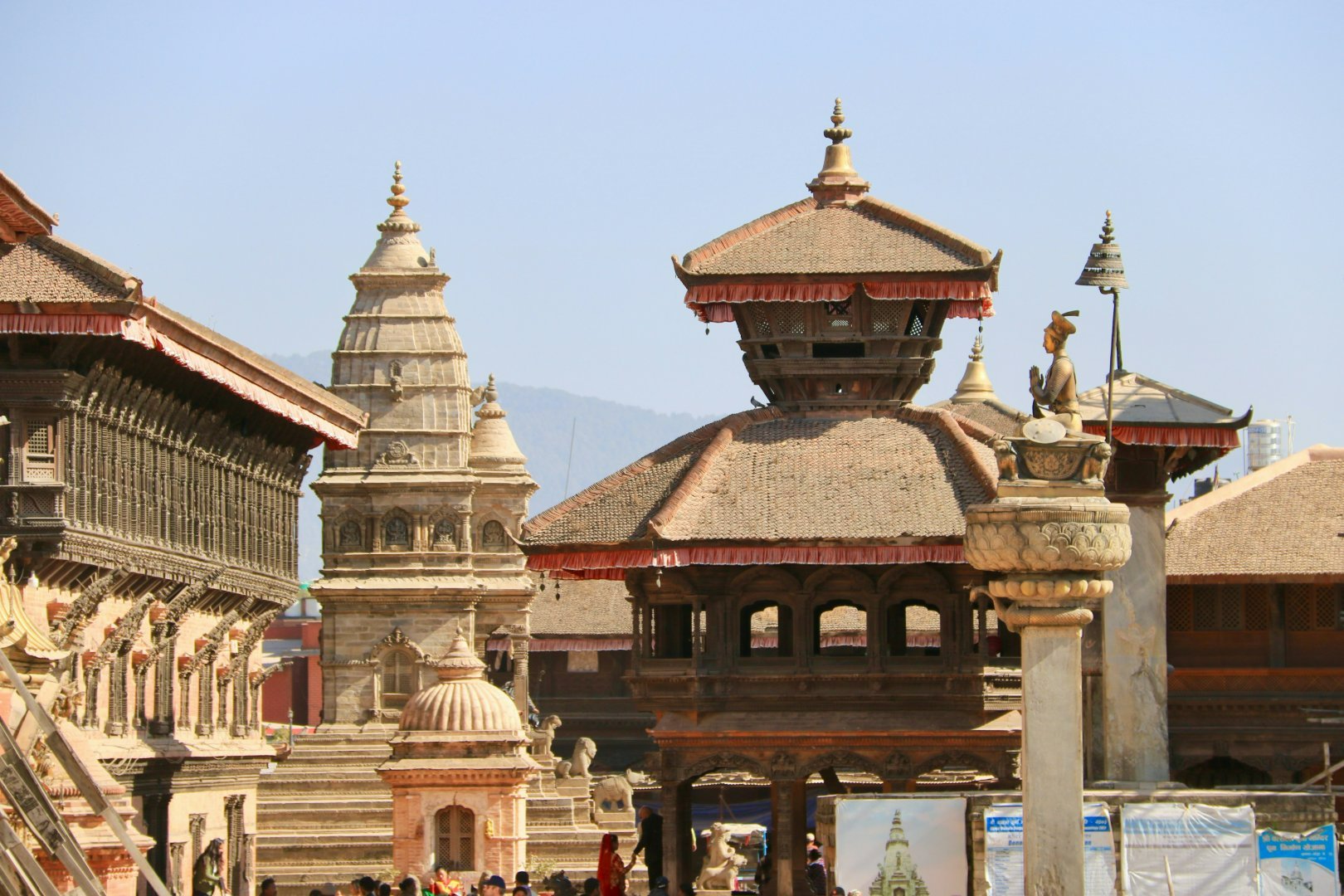
Bhaktapur feels like a living museum of red-brick lanes, carved temples, and quiet courtyards. This guide covers the best things to do, Durbar Square highlights, Juju Dhau, entry fees, when to go, and how to visit from Kathmandu.
Introduction
Imagine walking through streets paved with old red bricks, surrounded by hand-carved wooden temples that are hundreds of years old. No honking cars. No shopping malls. Just a city that has stayed almost the same for centuries.
That city is Bhaktapur, and it is one of the most beautiful places you will ever visit in Nepal.
Whether you are a first-time visitor to Nepal or a traveler who has already seen Kathmandu and wants something deeper, Bhaktapur will leave you amazed. This Bhaktapur travel guide covers everything you need to plan a great visit, including top places to see, what to eat, how to get there, and practical tips to make the most of your time.
Here is what you will find in this guide:
The top places to visit and things to do in Bhaktapur
The best time to visit and how to get there from Kathmandu
Entry fees, food, and travel tips you need to know
Key Takeaways
Bhaktapur is a UNESCO World Heritage Site located just 12 km east of Kathmandu.
The city was founded in the 12th century and was once the capital of the Malla Kingdom.
The entry fee for foreign visitors is 1,800 NPR (about $15 USD), which is valid for one week.
The best time to visit Bhaktapur is during spring (March to May) or autumn (September to November).
Top highlights include Bhaktapur Durbar Square, Nyatapola Temple, Pottery Square, and the Peacock Window.
You should try Juju Dhau, also called King Curd, which is Bhaktapur's most famous local food.
What Is Bhaktapur and Why Should You Visit?
Bhaktapur, also known as Bhadgaon or "City of Devotees," sits at an altitude of 1,401 meters on the eastern edge of the Kathmandu Valley. It is one of three ancient royal cities in the valley, along with Kathmandu and Patan, and many travelers agree it is the best-preserved of all three.
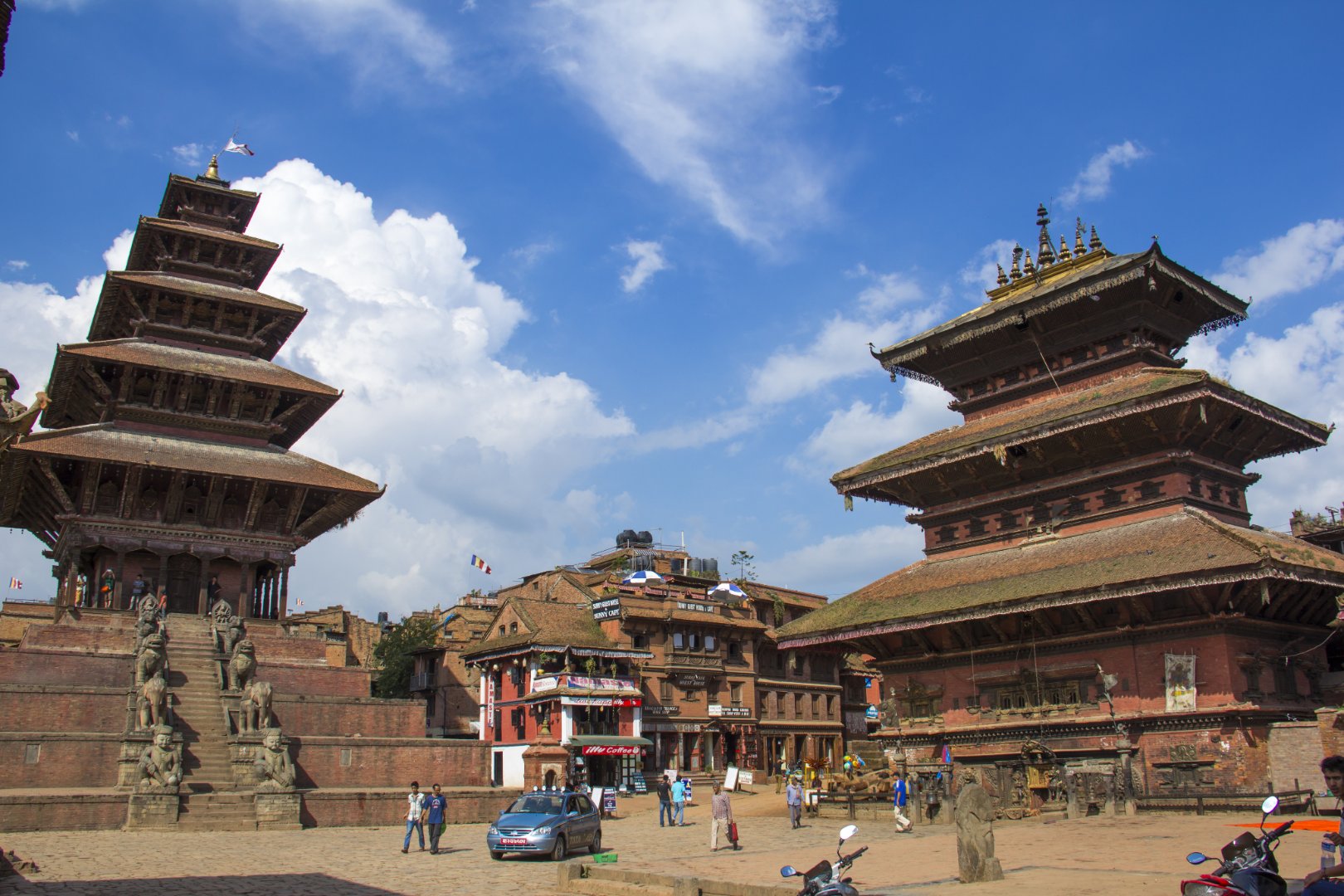
The city covers an area of 6.4 sq km and has managed to keep its traditional feel with brick-paved roads, red brick houses, and a way of life that goes back to medieval times. Walking through Bhaktapur feels less like a tourist trip and more like stepping into a real, living museum.
Bhaktapur has more temples per square meter than Patan or Kathmandu and is far enough out of the city to keep the crowds away. It is also home to the Newari community, whose art, food, and festivals are a big part of what makes this city so special.
If you are wondering whether Bhaktapur is worth visiting on your Nepal trip, the short answer is yes. It is one of those rare places that lives up to the hype.
A Quick Look at Bhaktapur's History
Understanding a little bit of history makes your visit to Bhaktapur much more interesting. The city was founded in the 12th century by King Anand Dev Malla and served as the capital of the Greater Malla Kingdom in the Kathmandu Valley until the 15th century.
As a UNESCO World Heritage Site and the capital of Nepal until the second half of the 15th century, Bhaktapur gives a glimpse of what a royal Nepalese city looked like 800 years ago. Many of the temples and palaces you see today were built by Malla kings, who were big supporters of art and architecture.
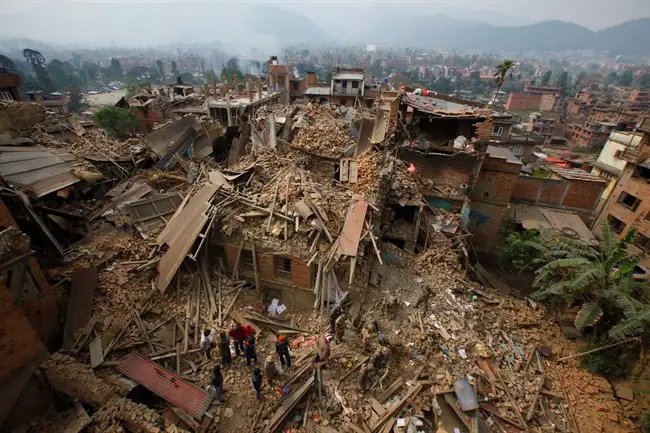
The 2015 earthquake caused damage to some structures, but the city has worked hard to rebuild. Most temples have been repaired, and the community continues to protect and restore its heritage with great care.
Top Places to Visit in Bhaktapur
Bhaktapur has several major areas to explore, each with its own character and highlights. Here is a breakdown of the best places to visit on your trip.
1. Bhaktapur Durbar Square
Bhaktapur Durbar Square is the heart of the city and the first place most visitors head to. This UNESCO World Heritage Site is surrounded by temples, palaces, and open courtyards built between the 13th and 18th centuries, making it one of the most impressive historical squares in all of Asia.
The Golden Gate is considered a masterpiece of metalwork. It was completed in 1754 and serves as the entrance to the Taleju Temple Complex, decorated with beautiful golden figures.
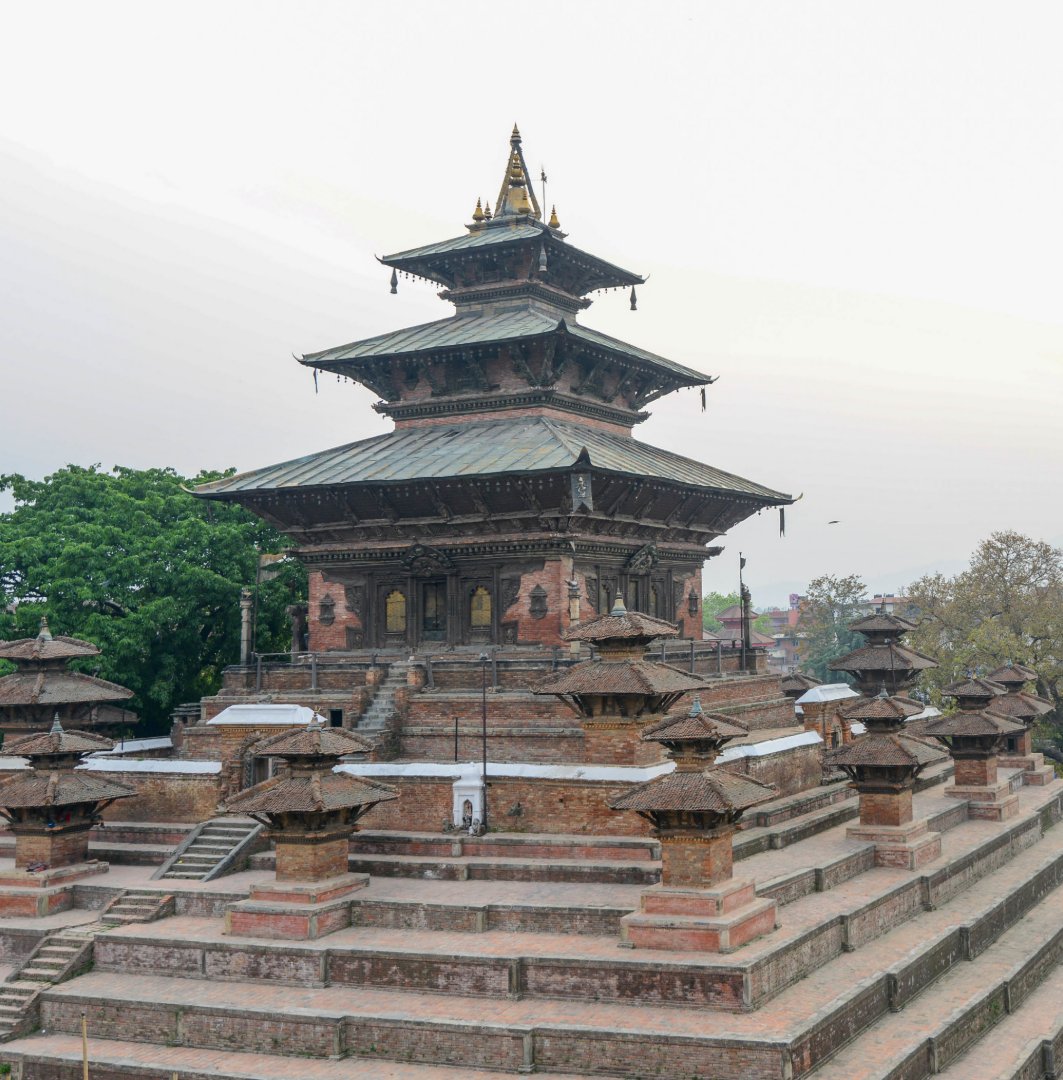
The 55 Windows Palace is a stunning royal palace built by King Jitamitra Malla, with 55 intricately carved wooden windows, one said to represent each of the king's wives.
The Batsala Temple is a stone temple built in the Shikhara style, full of detailed carvings. It also has a large bronze bell called the Bell of Barking Dogs, which was rung to announce the start and end of a daily curfew.
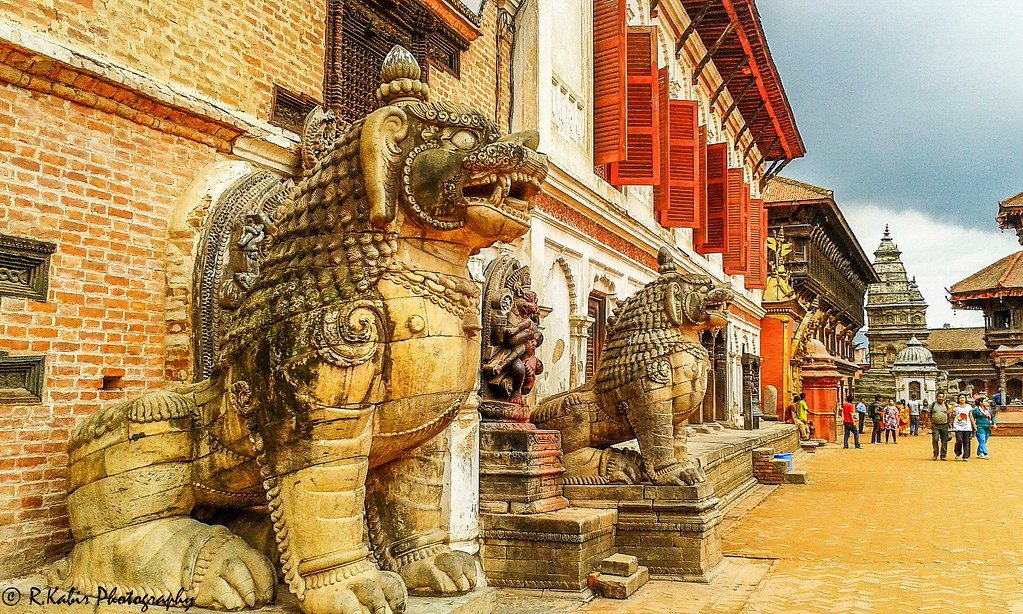
The Lion Gate is a 17th-century entrance with two giant lion statues on either side, built to protect the ancient city.
2. Taumadhi Square
Taumadhi Square is located just a short walk from Durbar Square and is home to the most famous temple in all of Bhaktapur. This square has a more peaceful feel and is a great spot to sit and soak everything in.
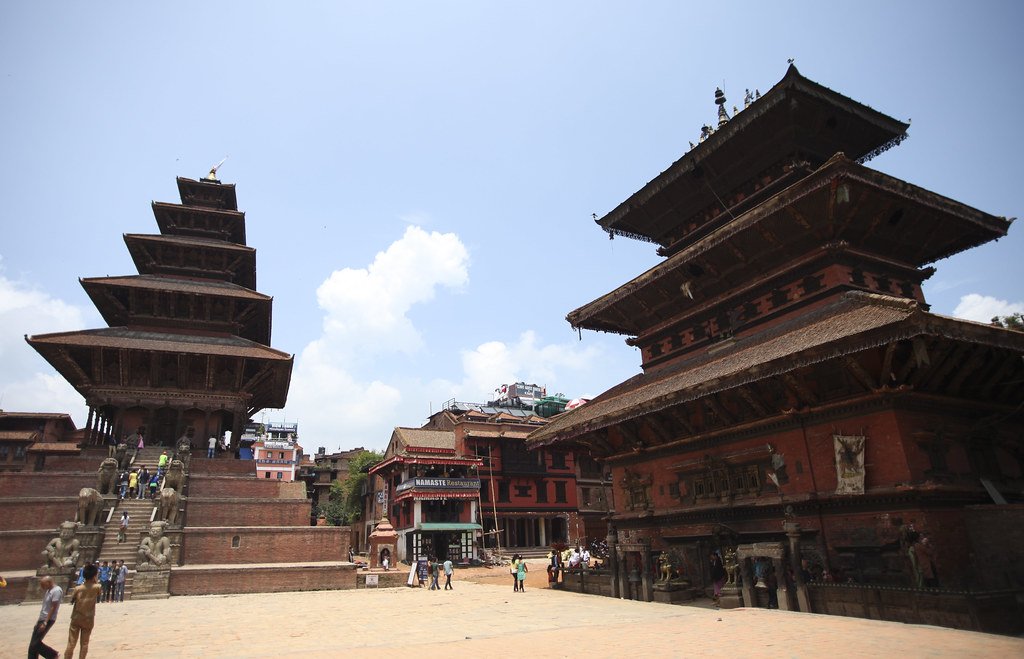
The Nyatapola Temple is the tallest temple in Nepal, built in 1702 and standing five stories high. The temple's intricate woodwork and craftsmanship are truly impressive, and the statues of guardians lining the stairs add to its majestic presence. Each level of guardians is believed to be ten times more powerful than the one below it.
The square also has small tea shops and rooftop restaurants with great views of the temple, making it a perfect lunch spot.
3. Pottery Square
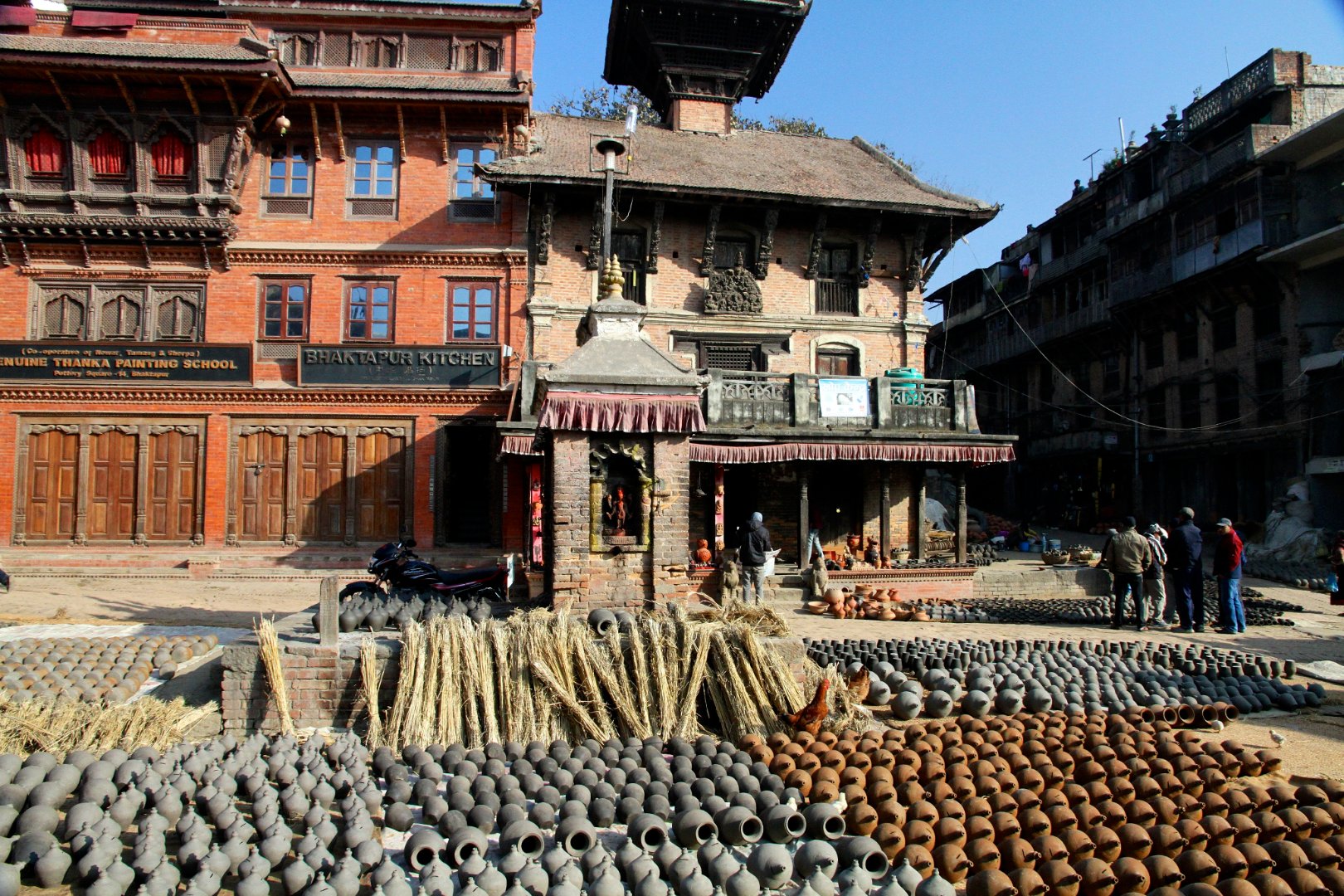
Pottery Square, also called Tol Square, is one of the most unique places you will visit in Bhaktapur. Local potters with their drying pots and open kilns fill the square, while artisans weave cloth and carve timber in roadside homes.
You can watch potters shape clay pots by hand using traditional wooden wheels, a skill passed down through generations.
You can even try your hand at making pottery yourself, which many visitors find to be a memorable experience.
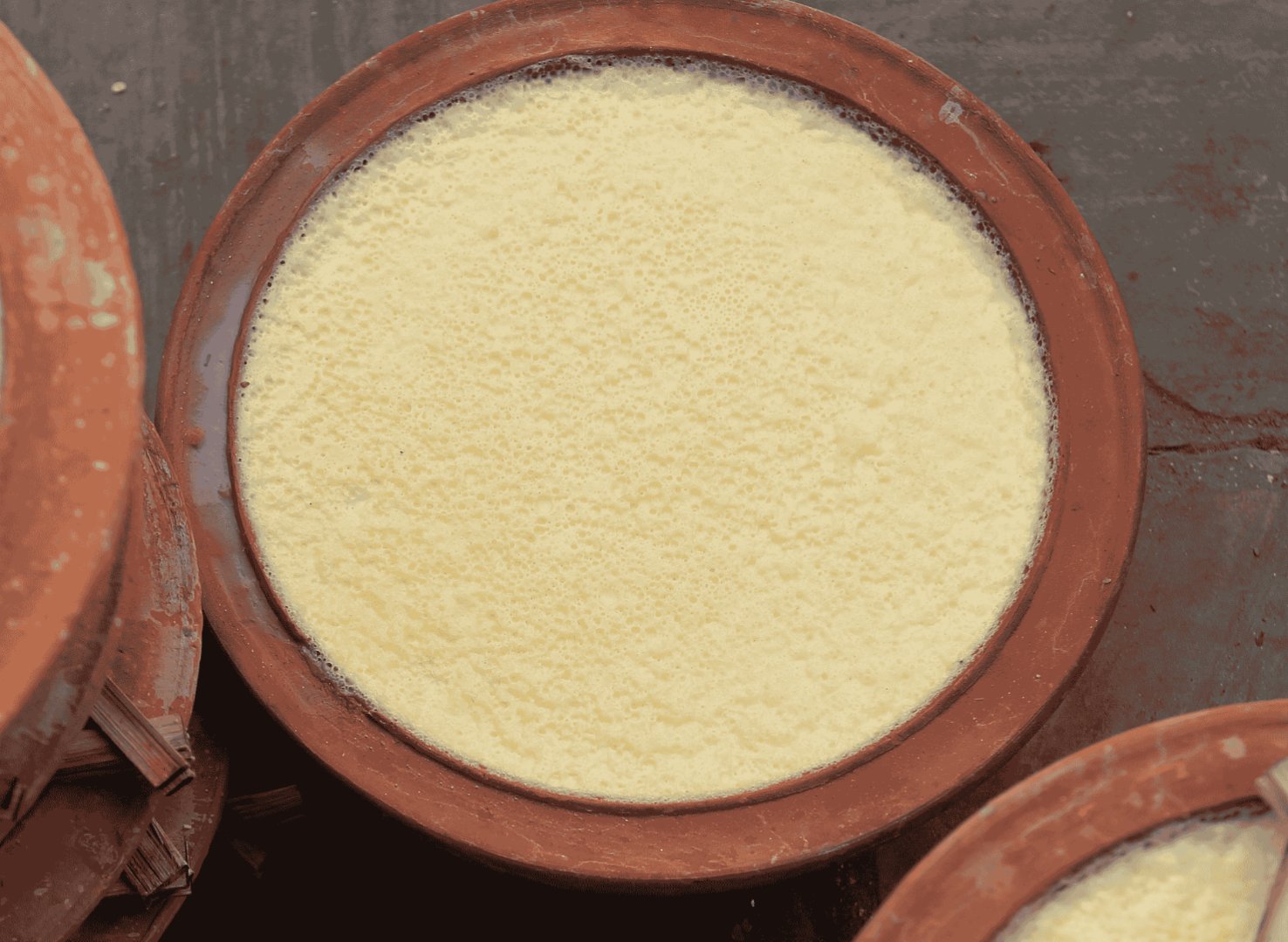
The pots made here are used to serve Juju Dhau, the famous local curd, giving them an important cultural connection.
4. Dattatreya Square
Dattatreya Square is the oldest royal square in Bhaktapur and sits a bit further from the main tourist crowds, which makes it feel more authentic. It is named after the Dattatreya Temple, which is dedicated to three Hindu gods at once.
The Peacock Window is located near this square and is considered a national treasure. It is a beautifully carved wooden window with a peacock in the center, often called the "Mona Lisa of Nepal" because of how detailed and expressive it is.
The area also has the Woodcarving Museum and the Brass and Bronze Museum, both of which are worth a short visit.
5. Changu Narayan Temple
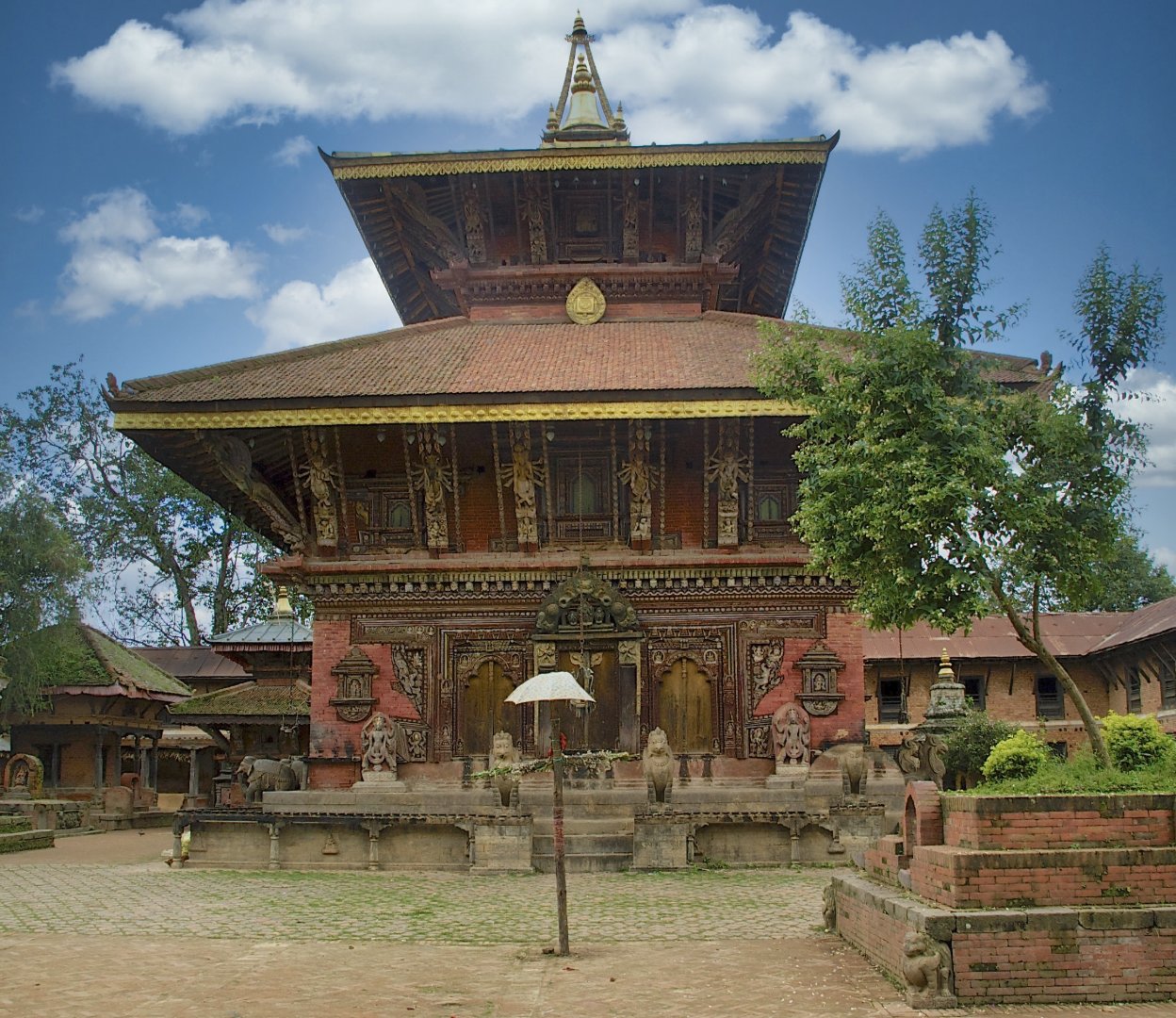
Located on a hilltop about 12 km north of Bhaktapur, Changu Narayan is the oldest temple in the Kathmandu Valley and another UNESCO World Heritage Site. Dedicated to the Hindu god Vishnu, it is one of the oldest examples of pagoda architecture in the valley, dating from the Licchavi period and decorated with excellent wood and stone carvings.
Getting there involves a short hike, but the views of the valley and the temple itself make the effort worthwhile.
The temple grounds also have one of the oldest stone inscriptions in Nepal, dated 464 AD.
Best Things to Do in Bhaktapur
Beyond visiting the main squares and temples, there are some other experiences you should not miss during your visit to Bhaktapur.
Bhaktapur offers a mix of sightseeing, food, and cultural experiences that go beyond just temple hopping. Here are the best activities to add to your day.
Watch the sunrise from a rooftop. Staying overnight in Bhaktapur lets you catch the golden light hitting the ancient rooftops before the day-trippers arrive, and it is a truly special sight.
Try traditional Newari food. Bhaktapur has a strong food culture tied to the Newari community, and you should not leave without eating a proper local meal.
Wander the side streets. Some of the best things to see in Bhaktapur are not on any map. Wandering Bhaktapur's side streets helps you discover hidden artisan shops and cafes that offer a real glimpse into its living heritage.
Visit a local festival. If your trip lines up with a festival like Bisket Jatra (Newari New Year) or Indra Jatra, you will experience Bhaktapur at its most vibrant.
Explore the water ponds (Pokhari). Water stores are a photographer's dream on still days, offering wonderful reflections. The largest, Siddha Pokhari, is 10 minutes west of the city boundary.
What to Eat in Bhaktapur
Bhaktapur has its own food scene that is different from what you find in Kathmandu. The Newari food tradition here is rich and full of flavor, and trying local dishes is one of the best parts of any visit.
The food in Bhaktapur uses ingredients and cooking methods passed down for centuries, and several dishes are unique to this city. Here are the must-try foods:
Juju Dhau (King Curd) is the most famous food in Bhaktapur. Made from buffalo milk poured into locally made clay pots, it is thick, creamy, and slightly sweet. Spices like cloves, cardamom, and cashew nuts are also added. You will find it in almost every local shop.
Bara is a savory lentil pancake that is crispy on the outside and soft inside, often eaten as a snack or breakfast.
Yomari is a sweet steamed dumpling made from rice flour and filled with molasses or sesame seeds, traditionally made during the Yomari Punhi festival but available in many restaurants year-round.
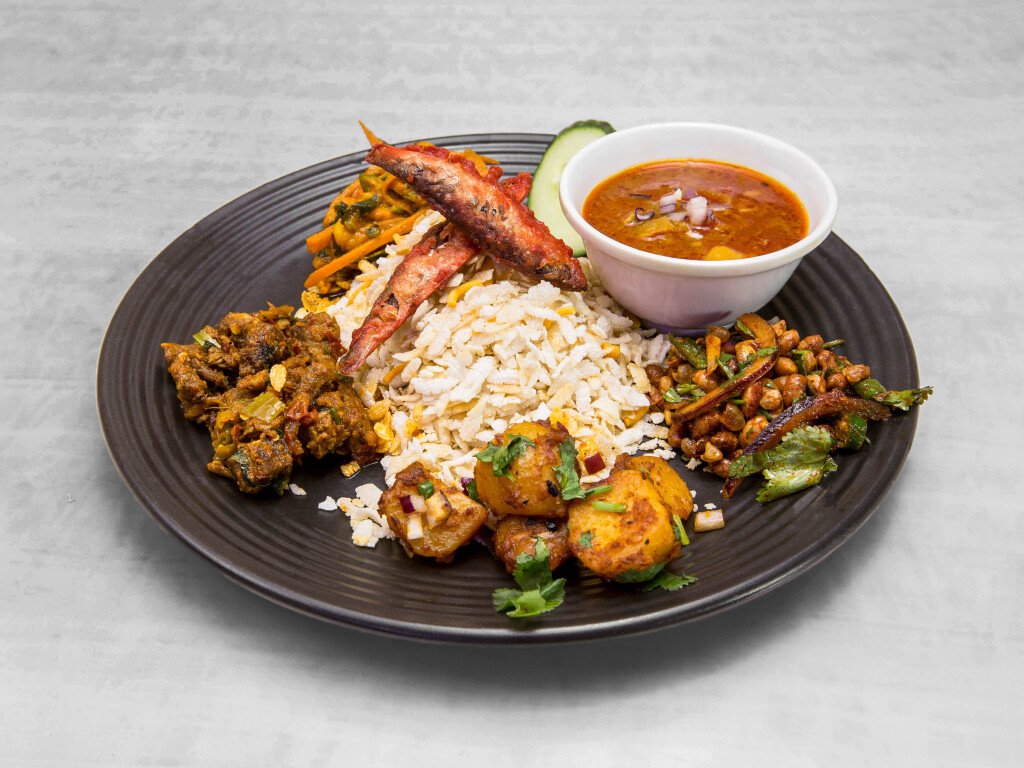
Newari Khaja Set is a traditional meal platter that includes beaten rice (chiura), spiced meat, boiled eggs, vegetables, and a glass of local wine or yogurt.
Best Time to Visit Bhaktapur
Bhaktapur can be visited all year, but the experience changes a lot depending on the season. Choosing the right time to visit will make your trip more enjoyable.
The best time to visit Bhaktapur is during spring (March to May) and autumn (September to November), as these seasons offer moderate weather conditions for comfortable walking, photography, and exploring historical sites.
Here is a simple breakdown by season:
Autumn is often considered the best season because the air is clear after the monsoon rains, the temperature is comfortable, and major festivals like Dashain and Tihar happen during this time.
How to Get to Bhaktapur from Kathmandu
Getting to Bhaktapur from Kathmandu is easy and affordable, and there are several options depending on your budget and comfort level.
Bhaktapur lies 12 km to the east of Kathmandu on the Arniko Highway. Most travelers can reach it in about 30 to 45 minutes, depending on traffic.
By local bus: You can take a bus from Ratna Park Bus Station in Kathmandu to Bhaktapur for around 25 to 30 NPR. It is the cheapest option but can be crowded.
By taxi: A private taxi from Kathmandu to Bhaktapur costs around 800 to 1,500 NPR one-way, depending on your negotiation skills. This is the most comfortable and direct option.
By tourist bus: Several companies offer day trips to Bhaktapur with a guide, which is a good option if you want a more organized visit.
By microbus: Faster than local buses and more affordable than taxis, microbuses run regularly from Kalanki and Ratna Park for around 30 to 50 NPR.
Bhaktapur Entry Fee and Practical Tips
Before you visit, there are a few important things to know so you do not get any surprises on the day.
The entry fee for foreigners to visit the heritage areas of Bhaktapur is 1,800 NPR (about $15 USD). Visitors from SAARC countries, including India and Bangladesh, pay NPR 500. The ticket is valid for one week, and you can ask the counter to add a note to your permit if you plan to stay multiple days.
Here are a few more practical tips for visiting Bhaktapur:
Wear comfortable shoes because most of the streets are cobblestone and uneven.
Carry some cash because many small shops and restaurants do not accept cards.
Respect local customs by dressing modestly when entering temples. Cover your shoulders and knees.
Arrive early to avoid the midday crowds and enjoy the best photography light in the morning hours.
Stay overnight if you can because the city feels completely different at night and in the early morning without the day-trippers.
Hire a local guide if you want to understand the history and stories behind what you are seeing. A good guide can turn a good visit into a great one.
Where to Stay in Bhaktapur
Staying overnight in Bhaktapur is one of the best decisions you can make as a traveler. It lets you experience the city at a much slower and more personal pace.
There are homestays for different budgets scattered throughout Bhaktapur, many of them located in traditional Newari buildings. Here are a few types of places to look for:
Budget homestays near Durbar Square and Taumadhi Square offer clean rooms with WiFi for around $10 to $20 per night.
Mid-range hotels in the Pottery Square area offer more comfort and sometimes have rooftop restaurants with views of the temples.
Traditional Newari-style stays are available in old brick buildings that give you a true feeling of what it is like to live in this ancient city.
Booking in advance during peak season (October and November) is recommended as rooms fill up quickly.
Final Thoughts: Why Bhaktapur Should Be on Your Nepal Trip
If you only have time to visit one additional city during your Nepal trip beyond Kathmandu, make it Bhaktapur. This city is not just a collection of old buildings. It is a living, breathing community that has kept its culture, its traditions, and its spirit alive for over 800 years.
Bhaktapur remains refreshingly free of traffic and pollution, and the narrow streets that wind past red-brick houses and hidden courtyards are dotted with local shrines, obscure temples, and significant statues.
From the towering Nyatapola Temple to the smell of fresh Juju Dhau being prepared in clay pots, every part of Bhaktapur tells a story. Use this Bhaktapur travel guide to plan your visit, and you will leave with memories that last a lifetime.
FAQ: Your Bhaktapur Travel Questions Answered
Is Bhaktapur worth visiting?
Yes, Bhaktapur is absolutely worth visiting. It is one of the best-preserved ancient cities in all of South Asia and offers a cultural experience that is unlike anywhere else in Nepal. Most travelers say it was one of the highlights of their entire Nepal trip.
How many days do you need in Bhaktapur?
One full day is enough to see the main highlights of Bhaktapur. However, spending two days allows you to explore at a relaxed pace, visit nearby Changu Narayan Temple, and experience the city in the morning before the crowds arrive.
Can you do a day trip to Bhaktapur from Kathmandu?
Yes, a day trip from Kathmandu to Bhaktapur is very easy since the city is only 12 km away. However, staying at least one night gives you a much richer experience.
What is Bhaktapur famous for?
Bhaktapur is famous for its well-preserved medieval architecture, Durbar Square, the Nyatapola Temple, traditional Newari pottery, and a unique local food called Juju Dhau (King Curd). It is also known for its woodcarving and metalwork traditions.
Is Bhaktapur safe for tourists?
Yes, Bhaktapur is considered a very safe city for tourists. The locals are welcoming, and the city is smaller and less chaotic than Kathmandu. As with any travel destination, it is wise to keep an eye on your belongings in crowded areas.
What is the best time of day to visit Bhaktapur?
Early morning is the best time to visit Bhaktapur. The light is beautiful, the crowds are small, and you can watch locals going about their daily routines before the tourist groups arrive.
Company Admin
Travel writer sharing authentic stories and experiences from Nepal's beautiful homestays.