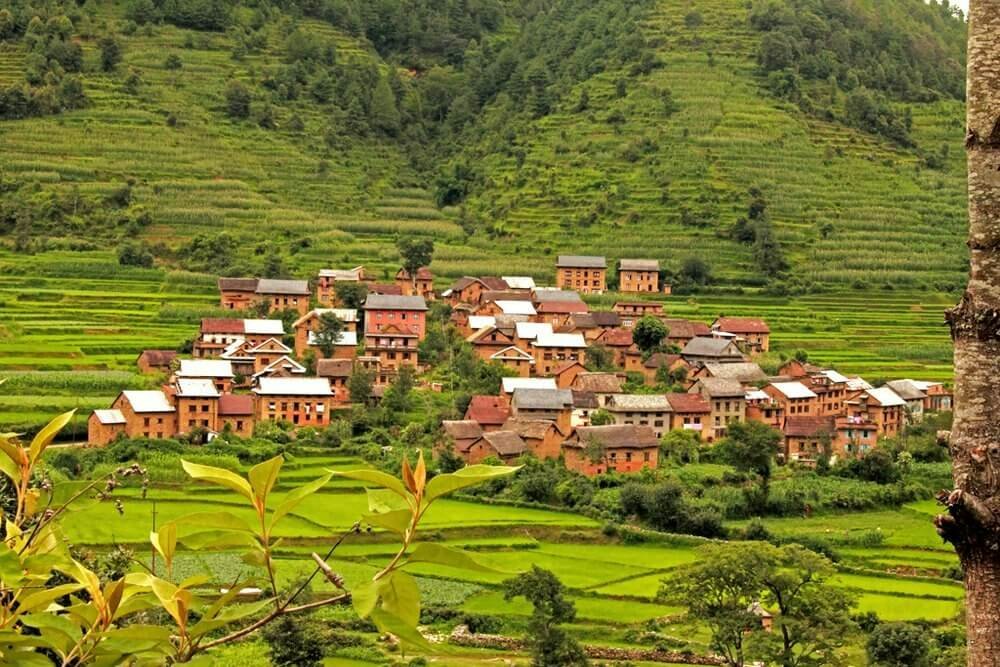
Just 27 km from Thamel. Ancient Newari culture. Nepal's only goat cheese farm. And homestays starting from NPR 800 a night.
Most travellers in Nepal chase the Himalayas. They book Pokhara, Chitwan, Everest Base Camp. But tucked into the southern hills of the Kathmandu Valley, a small Newari village has been quietly offering one of the most genuine homestays in Nepal experiences, for a fraction of the cost, effort, and time.
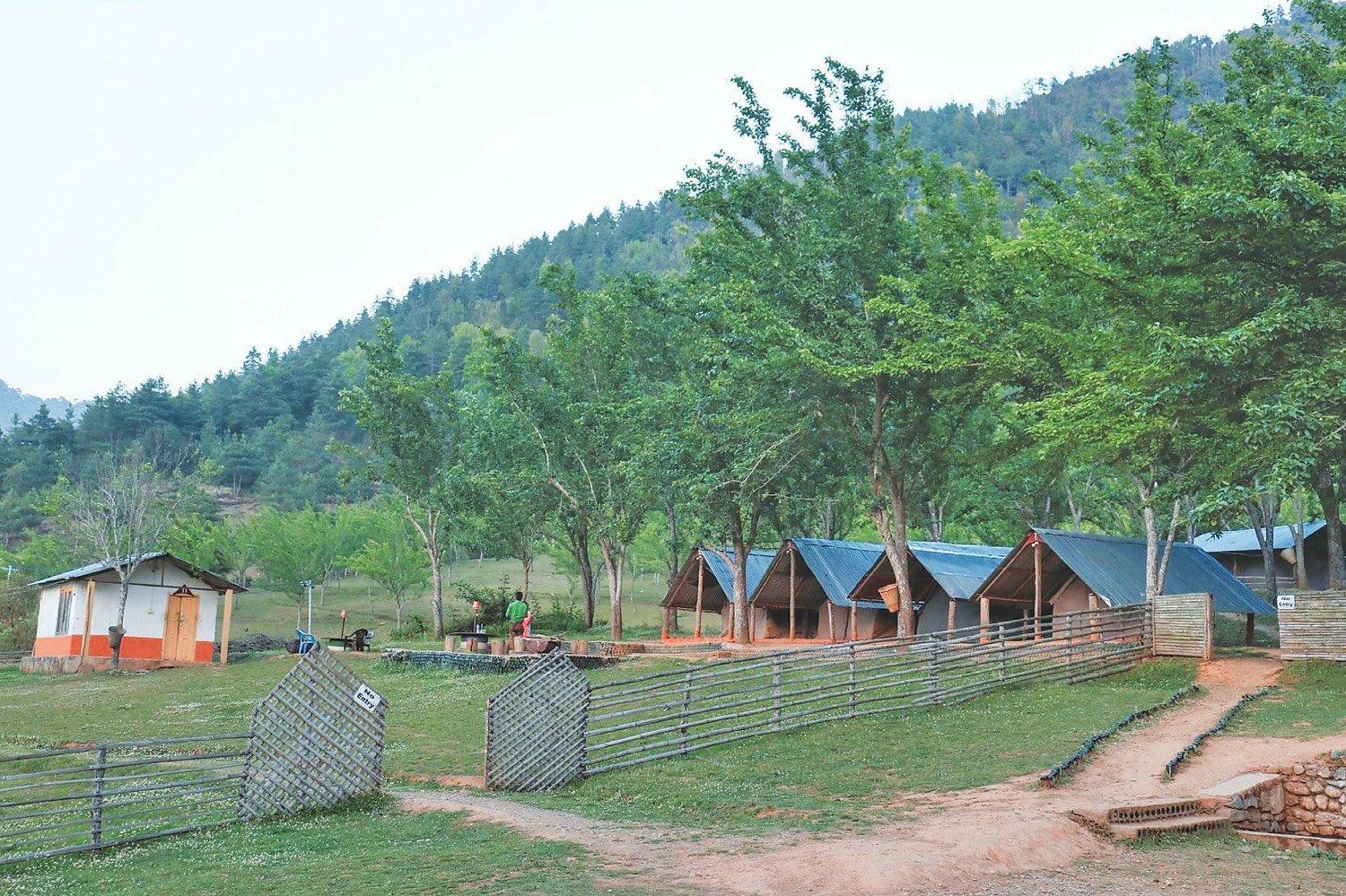
Chitlang Homestay Village sits at around 1,400 metres in Makawanpur district, barely two hours from the capital. You won't find polished tourist infrastructure here. What you will find is a centuries-old trading village, a family making goat cheese using French techniques, terraced farms still worked by hand, and host families who cook dal bhat from vegetables grown right outside the window.
This guide covers everything you need to plan your stay: what makes Chitlang worth the trip, which homestay to book, what it costs, how to get there, and what not to miss.
What Is Chitlang, and Why Does It Matter?
Chitlang is no ordinary Nepali village. It sits along what was once the main trading route connecting Tibet to India, a path walked for centuries by merchants, diplomats, and royalty. Inscriptions dating back to the Licchavi era have been found here, and one records that King Amshuvarma granted land to shepherds in this area. Some historians trace the descendants of those shepherds to the Gopali people still living in Chitlang today.
Predominantly a Newar community (the indigenous people of the Kathmandu Valley), the village is also home to Tamang, Brahmin, and Khas families. If you want to understand more about Nepal's living Newari culture and festivals, that context makes Chitlang considerably richer. The Newari name for the village is Chilim. Together, these communities farm terraced fields, raise goats, grow pears, and have built something rare in Nepal: a goat cheese industry that supplies five-star hotels in Kathmandu.
The Rolls Royce Trail: A Story Worth Walking
One piece of Chitlang's history almost no travel guide tells properly.
In the early 1900s, automobiles in Nepal were reserved exclusively for royalty and foreign dignitaries. The road from the Kathmandu Valley to the plains did not exist, so when a VIP needed to travel, their car was carried, not driven. Sixty porters would lift the vehicle onto bamboo poles and haul it over the hills, chanting "hoste-hainse" to keep rhythm on the climb.
In 1940, those same porters carried a 1939 Daimler-Benz gifted to King Tribhuvan by Adolf Hitler. That car now sits in the Narayanhity Palace Museum in Kathmandu. But the trail those porters walked still runs directly through Chitlang.
Today it is an unmarked but walkable path, and locals can point you to the section that passes through the village. The trail descends from Chandragiri toward the southern valley, roughly following the route taken by the Chandragiri Cable Car. If you are arriving on foot from Chandragiri, you are walking the same path that once carried a Daimler-Benz on bamboo poles. That is not a detail most hiking guides bother to mention.
The Goat Cheese Farm: What No Other Village Near Kathmandu Has
Ashok Singh Thakuri left Chitlang as a young man and spent years in France learning cheesemaking. He came back and did something nobody else in Nepal had done: he built the country's first goat cheese farm open to the public. He later travelled to Belgium to learn winemaking and now produces plum wine and ground apple wine alongside his cheese. Chitlang's goat cheese exports to some of Kathmandu's best restaurants.
When travellers who have stayed at the Goat Cheese Homestay describe their visit, it's usually the farm tour that stays with them longest. Watching the process, tasting something made from goats grazing a few metres away, sitting with the Thakuri family in the late afternoon, that is the kind of experience most Kathmandu day trips cannot give you. For context on the range of homestays in the Kathmandu Valley, Chitlang consistently sits at the top of that list.
Tip: The cheese sells out. Buy it on your first day, not your last morning.
What to Do in Chitlang
Hiking to Champadevi Hill
One of the most popular day hikes from Chitlang leads to Champadevi, a sacred hilltop at 2,278 metres. The trail climbs through dense rhododendron forest and opens to views of the Kathmandu Valley and the Himalayan range on a clear day. A small temple dedicated to the goddess Champadevi sits at the summit. Allow 3–4 hours return from the village.
Chandragiri Cable Car and the Walk Down
Many visitors arrive in Chitlang by taking the Chandragiri Cable Car to the top (2,550 metres) and hiking down through the forest for about 2 hours. The descent is gentle, and on a clear morning you have the Himalayas ahead of you the whole way down. This is the recommended approach for first-timers, both for the views and because you are literally walking the old Rolls Royce Trail into the village.
Kulekhani Dam and Markhu Boating
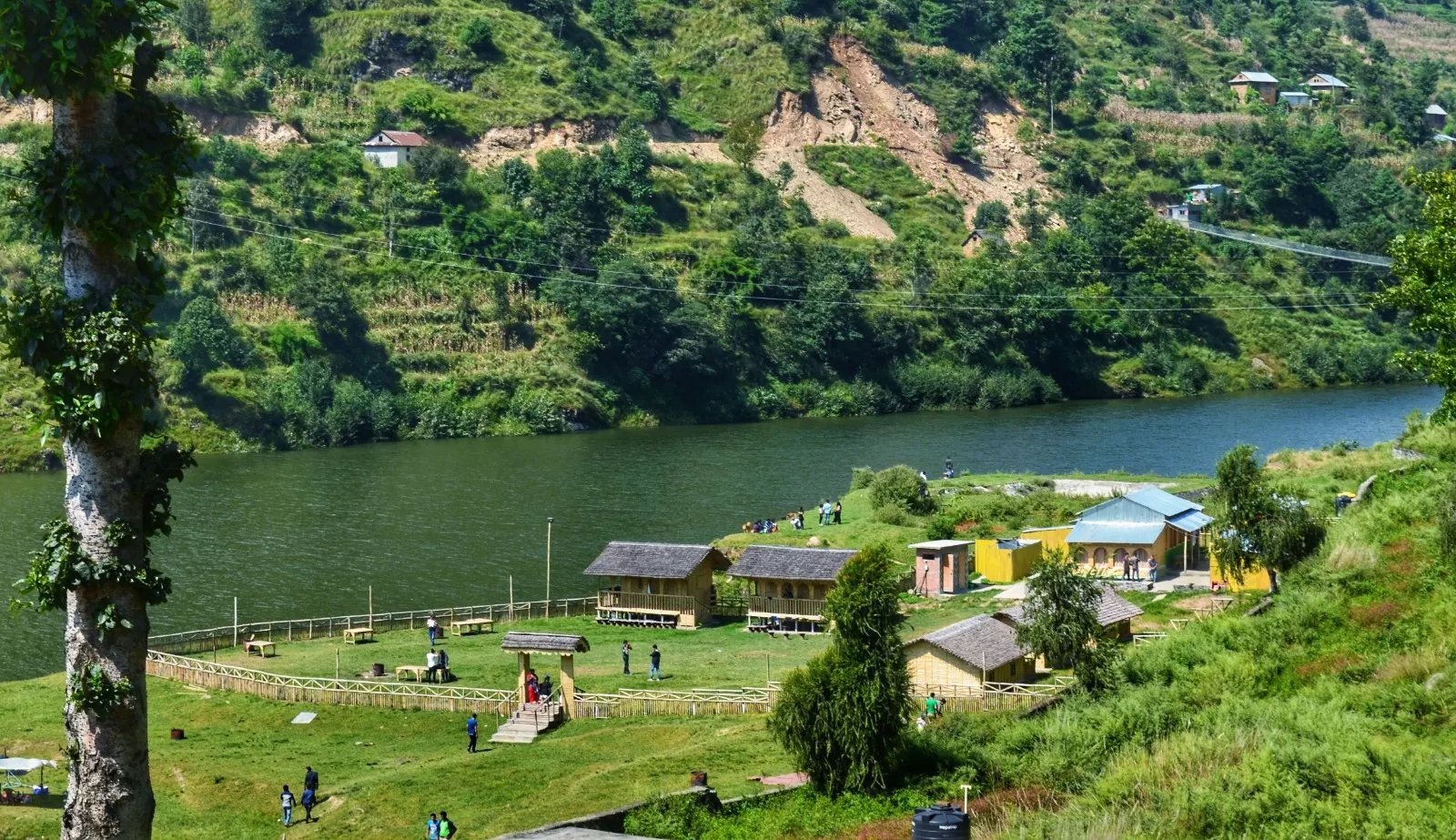
About 1.5 hours' walk from Chitlang, the Kulekhani Dam holds back Indra Sarovar lake, and the village of Markhu sits on its northern shore. Boat rides are available, and the local fish farms mean fresh fish on the menu at lunch. Most travellers do this on their second morning before driving back to Kathmandu. If you only have one night, skip the boating, but if you have two nights it is the natural way to close the trip.
Explore the Village
Chitlang's own lanes carry more history per metre than most places in Nepal. The Ashoka Chaitya is a stone monument believed to have been placed during Emperor Ashoka's passage through the region from Tibet. The Swachchhanda Vairav Temple and the ancient Satdhara water spouts are both worth finding. The old Chitlang Durbar has traditional Newari woodwork that has survived surprisingly intact.
Ropai Festival (June–July)
Ropai is the rice-planting festival, and Chitlang's version is the real thing. Neighbouring farming families come together to plant each other's fields, the work turning into a celebration with songs, mud games, and a great deal of local spirit, both the figurative and the fermented kind. Travellers who have been lucky enough to arrive during Ropai consistently say it is the most honest cultural experience they found anywhere in Nepal. The Nepal Tourism Board recognises village homestays like Chitlang as a core part of the country's cultural tourism offer. The timing is the monsoon window, June to July, which means wet trails and heavy skies, but the terraces are at their most vivid green.
Birdwatching
Over 100 species of birds have been recorded in Chitlang, with some counts reaching 160. The forest edges around the village at dawn are worth an hour of quiet walking even if you are not a dedicated birder.
Chitlang Homestay Price: What to Budget
Here is a clear breakdown of what a Chitlang homestay costs per person per night:
Important: Always confirm whether meals are included when booking. Most Chitlang homestays provide full board (breakfast, lunch, dinner) which makes the per-night cost strong compared to anything in Kathmandu. Panchdhara Homestay, for example, offers a deluxe room from NPR 1,700 with wifi and parking included.
Ready to book? Browse Chitlang homestays on Nepal Homestays and book directly with host families, with no booking markup added on top.
Which Homestay Should You Choose in Chitlang?
For the truest Nepal homestay experience, waking up in a local family's home, eating meals cooked on a wood fire, learning a little Newari from the kids before breakfast, the community homestays are the right choice. That is exactly what Nepal Homestays lists and lets you book directly.
Staying Near Champadevi: Homestays for Trekkers
The Champadevi area deserves its own mention because it attracts a different kind of traveller: people who want a cultural stay but also want a proper day hike with Himalayan views.
Champadevi hill (2,278 metres) rises directly above Chitlang, and the hiking trail connecting the village to the summit passes through rhododendron and oak forest for most of its length. The views from the top take in both the full arc of the Kathmandu Valley and, on a clear day, the Langtang and Ganesh Himal ranges to the north.
Homestays near the Champadevi trailhead are well-suited to this. You arrive in the afternoon, settle in with the host family, and start the hike early the next morning when the skies are clearest. Several families in this area specifically cater to hikers, providing packed lunches and early breakfast before the climb.
This corner of the Chitlang area is also less visited than the village centre, which means quieter trails, smaller guest numbers, and a more personal stay with the host family. The Champadevi Hillside Resort near Dakshinkali (about 9 km from Balkhu) is the upscale option for those who want the access without the community homestay setup.
If the Champadevi hike is your main reason for coming, filter by location when you search homestays in Nepal and look for listings in the Chitlang-Champadevi corridor specifically.
How to Get to Chitlang from Kathmandu
Chitlang is approximately 27 km southwest of Kathmandu, in Makawanpur district.
Option 1: Via Thankot (by road) The most direct route leaves Kathmandu through Thankot (one of the valley's main checkpoints) and takes around 1.5–2 hours by private vehicle. The road gets rough and steep as you climb toward the village. A jeep or 4WD handles it better than a sedan, and a local driver who knows the route makes a real difference.
Option 2: Chandragiri Cable Car and hike down (recommended) Take the Chandragiri Cable Car to the hilltop station, then hike 2 hours downhill through forest to the village. This is the most enjoyable approach: gentle descent, Himalayan views, and you arrive already feeling like the city is behind you. Start by 10am to reach the village with afternoon light to spare.
Option 3: Via Pharping and Kulekhani Approaching from the south via Pharping adds time but lets you pass the Vajrayogini Temple, Padmasambhava's meditation cave, Taudaha Lake, and the Kulekhani Dam on the way in. A good option if you want to make a full day of the journey rather than treating it as a transfer. See our guide to trekking and homestays in Nepal if you are planning a longer cultural route through the valley.
Public transport: Buses run from the Balkhu bus park in Kathmandu to Chitlang. Slower, but workable for solo budget travellers comfortable with one change along the route.
Best Time to Visit Chitlang
Chitlang can be visited year-round, which is one of its advantages over higher-altitude destinations.
For Himalayan views from Champadevi, October and November are the most reliable. For the Ropai festival and the full monsoon-green landscape, June and July are worth the wet weather. Spring brings the rhododendrons (laliguras) that give the Chitlang Laligurash Homestay its name. If you are planning a Nepal trip around the same season and want to compare other options, the best Nepal homestay community circuits guide covers routes across the country by season.
What to Eat in Chitlang
Almost everything served in a Chitlang homestay is grown or raised within a few kilometres:
Dal bhat: made from freshly harvested local rice and whatever vegetables are in season that week, cooked on a wood fire the way the family eats it every day
Goat cheese: fresh, aged, and in various preparations at the Thakuri farm; do not leave without tasting it
Plum wine and ground apple wine: produced by the Thakuri family from locally grown fruit
Local pears: Chitlang's orchards produce excellent pears in season; ask your host if they have any
Fresh fish: available at Markhu village near the Kulekhani lake
Organic vegetables: most homestays grow their own produce and it shows at the table
Ask your host family what is in season when you arrive. That question will get you better food than any menu.
Practical Tips Before You Go
Book ahead for weekends. Chitlang has become popular with Kathmandu residents looking for a quick escape, and the better homestays fill up fast, especially Saturday nights.
Carry cash. Most village homestays do not accept cards or digital payments. Bring enough NPR to cover your stay, meals, and anything you buy at the farm.
Pack a light layer. Evenings in Chitlang are cooler than Kathmandu even in summer. A fleece or jacket is worth the bag space.
Plan the cable car early. If you are arriving via Chandragiri, the cable car gets busy on weekends. Go on a weekday or arrive at the station before 9am.
Two nights beats one. The Kulekhani boating excursion on day two is the part most one-night visitors say they wished they had stayed for.
Why a Chitlang Homestay Beats a Resort
There are resort-style options in and around Chitlang, and they are perfectly fine places to stay. But if the point of the trip is to actually understand how people live here, a resort will not give you that.
In a Chitlang homestay, you eat what the family eats. You wake up to farming sounds, not a hotel alarm. Your host might walk you to the goat pen before breakfast, show you how to make dhido, or explain why the trail outside their door once carried a German car on bamboo poles. Their children will almost certainly want to try their English on you. Gurjudhara Homestay is one of the well-reviewed options on Nepal Homestays that delivers exactly this kind of stay, with stunning views and home-cooked meals from NPR 1,800 a night.
That is the homestay in Nepal that travellers come back talking about. Chitlang, close enough to Kathmandu to go on a weekend, is one of the most reliable places in the country to find it.
Browse Chitlang homestays and book directly with host families on Nepal Homestays.
Frequently Asked Questions
How far is Chitlang from Kathmandu?
Chitlang is approximately 27 km from central Kathmandu, about 1.5–2 hours by private vehicle via the Thankot route. The Chandragiri Cable Car followed by a 2-hour downhill hike is the most scenic alternative.
How much does a Chitlang homestay cost per night?
Budget community homestays start from around NPR 800–1,500 per person per night. Mid-range homestays with attached bathrooms, hot water, and meals typically run NPR 2,500–3,500. Resort-style packages range from NPR 3,000–4,500 per person. Most prices include all meals.
What is the Chitlang Laliguras Homestay?
Chitlang Laliguras Resort is a homestay-resort in the hills near Chitlang, about 25 km from Kathmandu. Surrounded by forest with panoramic mountain views, it is a popular option for groups and couples who want a nature retreat with some resort comfort alongside the village experience.
What homestays are near Champadevi?
Several host families in the Chitlang-Champadevi corridor cater specifically to hikers doing the Champadevi summit trail. They are quieter than the village centre homestays, offer early breakfast before the climb, and provide a more personal stay. The Champadevi Hillside Resort near Dakshinkali is the upscale option in the same area.
Is Chitlang suitable for a one-night or two-night stay?
One night is enough to experience village life, the goat cheese farm, and a morning walk. Two nights is better: it lets you add the Kulekhani Dam and Markhu boating excursion on day two, which most visitors say is the highlight of the longer trip.
What is included in a typical Chitlang homestay package?
Most packages include accommodation and all meals (breakfast, lunch, dinner). Some include a guided village tour or farm visit. Transport from Kathmandu is usually separate. Always confirm inclusions before booking.
Can I visit Chitlang as a day trip from Kathmandu?
Yes, but most people who do it wish they had stayed overnight. The village makes most sense at dawn and dusk, when the farming is active, the light is good, and the campfire is running. A day trip gets you the scenery; an overnight stay gets you the experience.
What is the best Nepal homestay near Kathmandu?
Chitlang Homestay Village is among the most recommended Nepal homestay experiences within reach of Kathmandu, combining easy access, genuine Newari culture, the goat cheese farm, and host families who make the trip worth the two-hour drive. Browse our full guide to the 10 best homestays in the Kathmandu Valley to compare options.
Company Admin
Travel writer sharing authentic stories and experiences from Nepal's beautiful homestays.