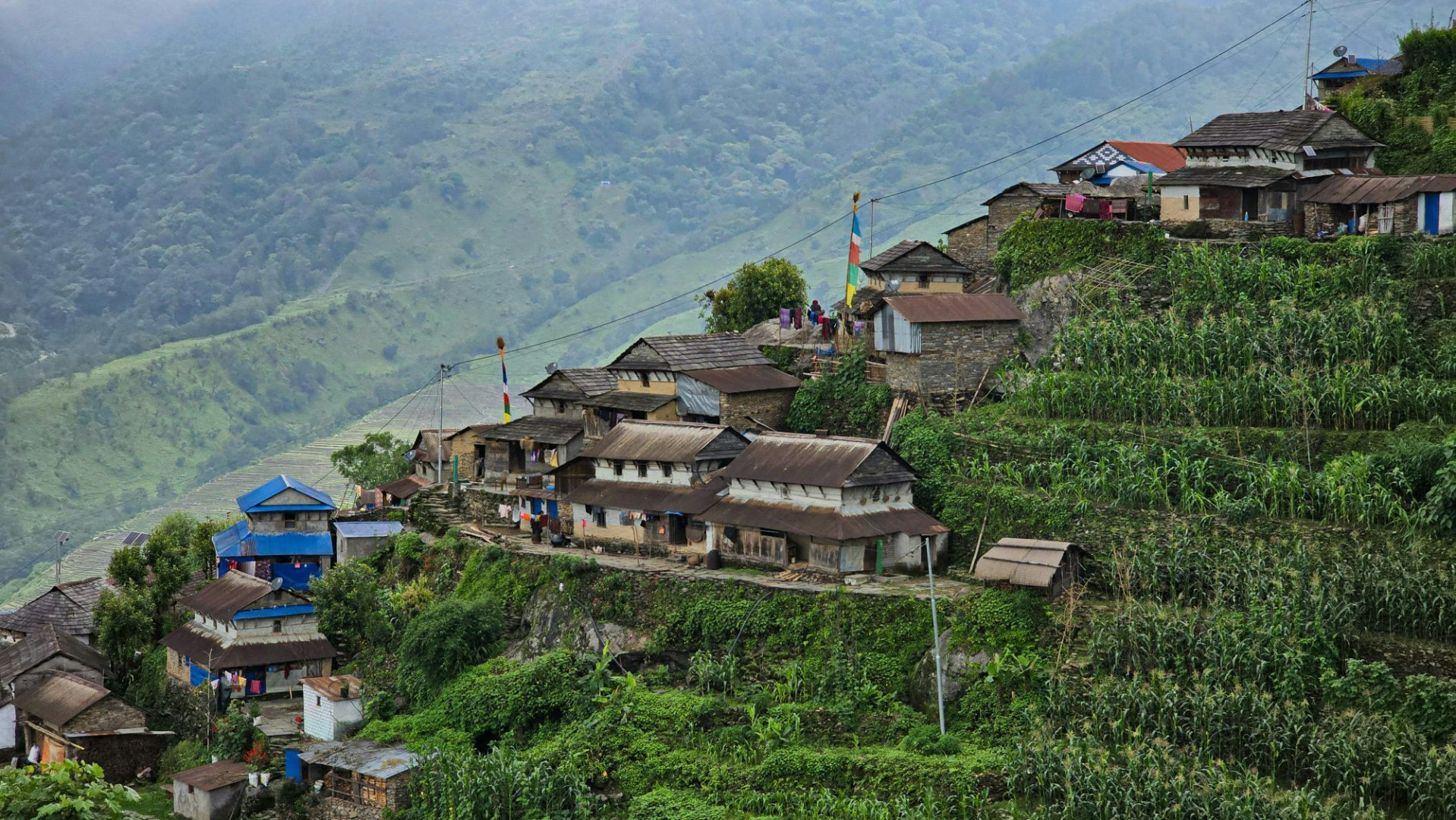
Nepal is home to many indigenous communities, each with its own language, traditions, food, and way of life. Among them, Gurung, Magar, and Tamang communities are well known for their strong culture and warm hospitality. Staying in a homestay within these communities allows travelers to experience Nepal in a deeper and more respectful way.
Indigenous cultural homestays are not created only for tourism. They grow from everyday life. Families open their homes, share meals, and include guests in daily routines. This creates a real connection, not just a place to sleep.
Through Nepal Homestays, travelers can stay in Gurung, Magar, and Tamang villages and experience living cultures that have been passed down through generations.
What Are Indigenous Cultural Homestays?
Indigenous cultural homestays are family-run homes located in villages where traditional ways of life are still strong. Guests stay with local families and experience daily life as it naturally happens.
In these homestays, visitors:
Eat the same food as the host family
Follow village routines
Learn customs through observation and conversation
Experience culture as part of daily life, not as a show
These stays are based on a long tradition of welcoming guests into homes, especially in rural Nepal, where hospitality has always been part of community life.
Gurung Cultural Homestays
Gurung communities are mainly found in the hill regions of central Nepal, especially around the Annapurna area. Gurung villages are known for their clean surroundings, stone houses, and strong sense of community.
What families experience in Gurung homestays
Warm and organized hospitality
Traditional Gurung food and farming life
Cultural dances and songs during special occasions
Peaceful village walks and mountain views
Gurung homes often follow a structured daily routine. Guests usually wake up early, enjoy tea, and spend time observing or joining simple village activities. Evenings are calm, often spent talking or sharing stories.
Gurung homestays are suitable for families, older travelers, and anyone who enjoys quiet surroundings and cultural depth.
Magar Cultural Homestays
Magar communities live across many hill regions of Nepal. Magar villages are often lively, welcoming, and deeply connected to farming and land.
What makes Magar homestays special
Friendly and informal atmosphere
Strong farming traditions
Simple, filling home-cooked meals
Community gatherings and shared work
Magar homestays allow guests to see how village life works through cooperation. Families often help each other with farming, festivals, and celebrations. Visitors are treated as part of this shared life.
For travelers interested in understanding rural Nepal beyond tourist routes, Magar homestays offer honest and grounded experiences.
Tamang Cultural Homestays
Tamang communities are mostly found in the hills surrounding the Kathmandu Valley and along mountain routes. Tamang culture is closely linked to Buddhism, music, and mountain traditions.
Experiences in Tamang homestays
Buddhist traditions and daily rituals
Prayer flags, monasteries, and chanting
Simple meals based on local grains and vegetables
Calm village life close to nature
Staying in a Tamang homestay often feels peaceful and reflective. Guests learn about spirituality through everyday practices rather than formal explanations.
Tamang homestays are ideal for travelers who enjoy cultural learning, quiet villages, and meaningful conversations.
Food as a Part of Culture
Food is an important part of indigenous homestays. Meals are prepared using local ingredients and traditional methods. There are no fixed menus, only what the family eats that day.
Common features of meals include:
Rice, lentils, and seasonal vegetables
Fermented and preserved foods
Simple spices and fresh flavors
Shared meals eaten together
Eating together creates space for conversation and learning. Many guests say food helps them understand culture better than sightseeing. This daily sharing builds cultural exchange through everyday family life, not staged experiences.
Why Indigenous Homestays Matter
Indigenous homestays help protect culture in a natural way. When visitors show interest in language, food, and traditions, communities feel proud and motivated to continue them.
Homestays also:
Support local families directly
Create income without changing lifestyles
Encourage younger generations to value their culture
Reduce pressure from large tourism developments
Instead of changing villages to suit tourists, homestays allow tourism to fit into village life.
Best Time to Stay in Indigenous Homestays
Indigenous homestays welcome guests year-round, but seasons affect daily life.
Spring and autumn are ideal due to pleasant weather and active village life
Monsoon offers green landscapes and fewer visitors
Winter is calm and quiet in lower altitude villages
Each season offers a different experience, from festivals to farming activities.
Who Should Choose Indigenous Cultural Homestays?
These homestays are suitable for:
Families traveling with children
Travelers interested in culture and learning
People who prefer calm, meaningful stays
Visitors who respect local customs
They may not suit travelers looking for luxury or nightlife, but they are perfect for those who value connection and simplicity.
Travel with Respect
Staying in indigenous communities requires respect and openness. Guests are encouraged to:
Dress modestly
Follow house rules
Ask before taking photos
Be patient and curious
This respectful approach makes the experience positive for both guests and hosts.
A Living Culture, Shared Through Homes
Gurung, Magar, and Tamang homestays are not museums. They are living in homes where culture continues through daily life.
Staying in these homes allows travelers to learn slowly, listen carefully, and connect deeply. Each stay supports a family and helps keep traditions alive.
Plan Your Cultural Stay with Nepal Homestays
If you want to experience Nepal beyond cities and hotels, indigenous cultural homestays offer a meaningful path. Staying with Gurung, Magar, or Tamang families allows you to understand Nepal through its people, stories, and daily life.
Through Nepal Homestays, travelers can find trusted indigenous and community homestays across Nepal, making it easier to plan respectful and authentic cultural experiences.
Travel gently.
Stay with families.
Experience Nepal through its living cultures.
Frequently Asked Questions
1. What is an indigenous cultural homestay in Nepal?
It is a family-run home where guests stay with indigenous communities and experience daily life, food, and traditions as they naturally happen.
2. Are Gurung, Magar, and Tamang homestays suitable for families?
Yes, these homestays are generally family-friendly and safe, with hosts who are welcoming to children and elders.
3. Do guests need special knowledge to stay in indigenous homestays?
No special knowledge is needed. Respect, openness, and willingness to learn are enough.
4. What kind of food is served in indigenous homestays?
Food is simple, home-cooked, and based on local ingredients. Hosts often adjust spice levels for guests.
5. How do indigenous homestays help local communities?
They support families directly, preserve culture, and encourage sustainable tourism without changing traditional lifestyles.
Company Admin
Travel writer sharing authentic stories and experiences from Nepal's beautiful homestays.