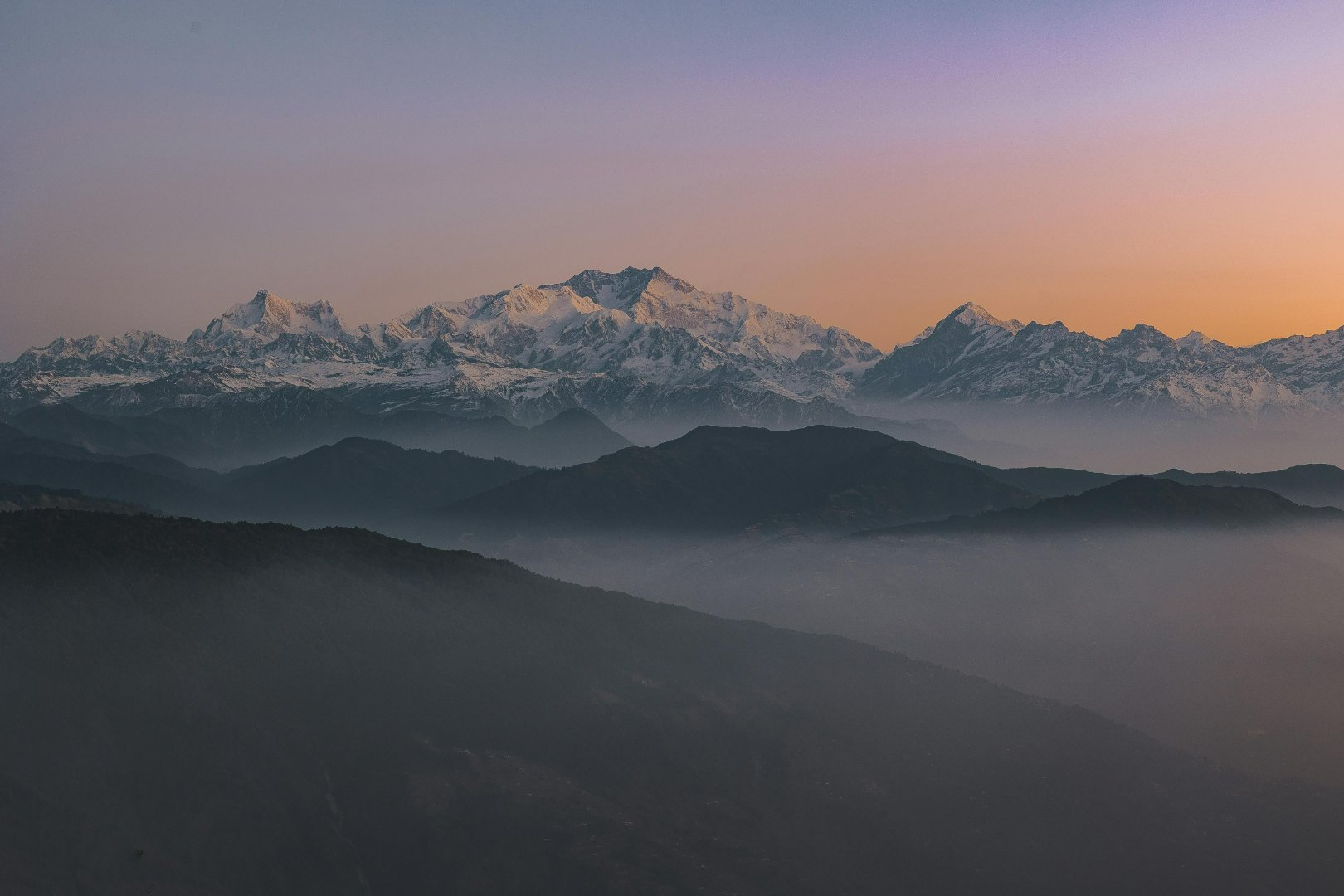
Planning a Nagarkot sunrise? This guide covers exact sunrise times for every month, honest clear-sky odds, and the three viewpoints worth knowing — plus what to do if clouds roll in and whether a day trip or overnight stay gives you better odds of seeing the Himalayas at dawn.
The Nagarkot sunrise is one of those things Nepal travelers either love or feel cheated by. The difference almost always comes down to one thing: the weather that morning.
This guide gives you the actual sunrise times by month, the honest clear-sky odds, and what to do if you wake up to a wall of clouds.
Here is what you will find below:
Exact sunrise times by month and which months give you the best odds of clear sky
The three viewpoints and which one is worth the walk
What to do if it is cloudy, and whether to stay overnight or drive up at 4am
What Time Is Sunrise in Nagarkot?
Plan to be at your viewpoint at least 30 minutes before these times. The sky starts changing color 20 to 25 minutes before the sun clears the horizon, and that pre-dawn light on the snowfields is often better than the sunrise itself.
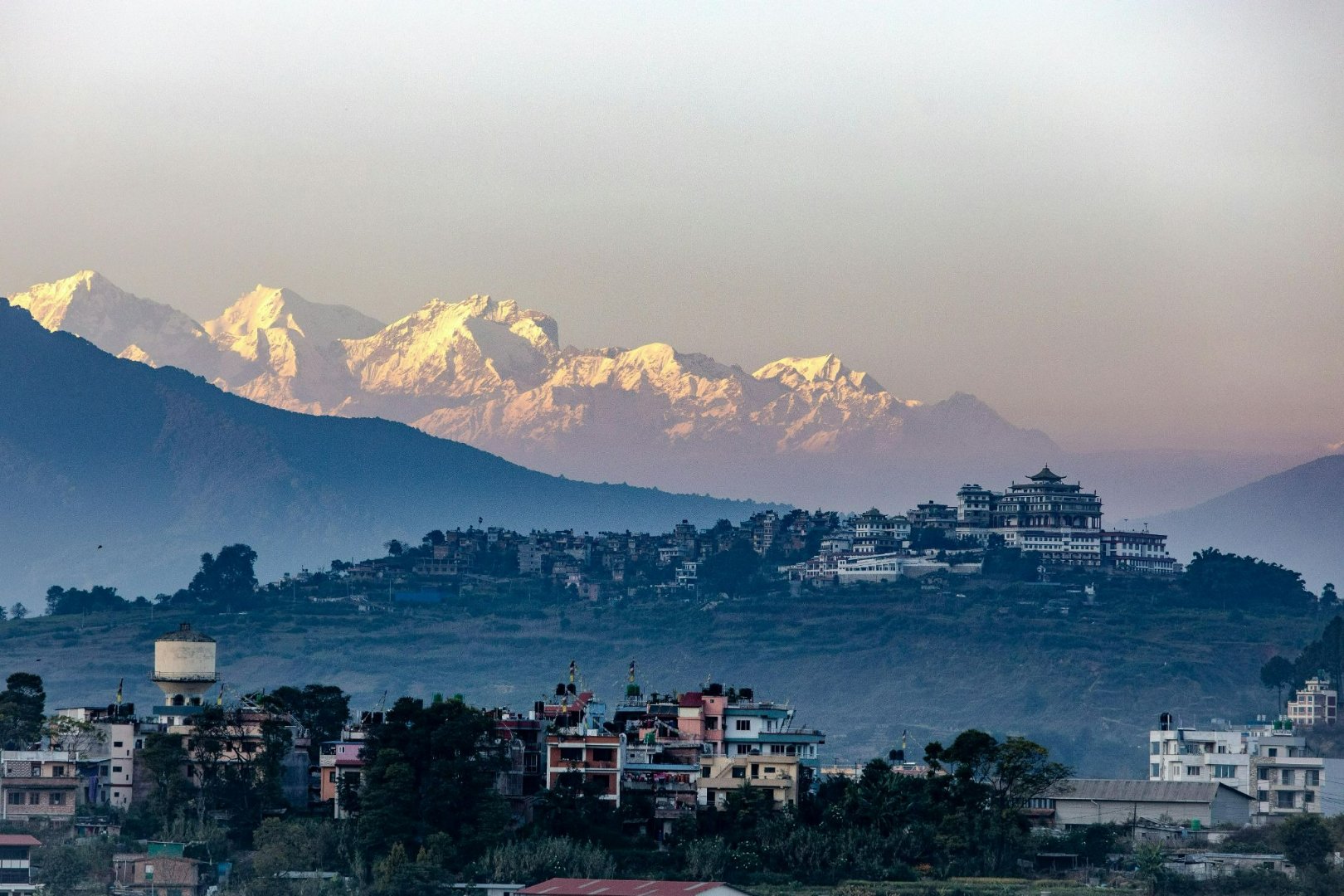
According to historical data from timeanddate.com, the sun rises at:
What Are the Odds of a Clear Morning?
This is the question no tour operator wants to answer. Nagarkot sits on the eastern edge of the Kathmandu Valley and catches clouds from both sides of the ridge. A clear afternoon in Kathmandu does not guarantee a clear dawn at 2,175 meters.
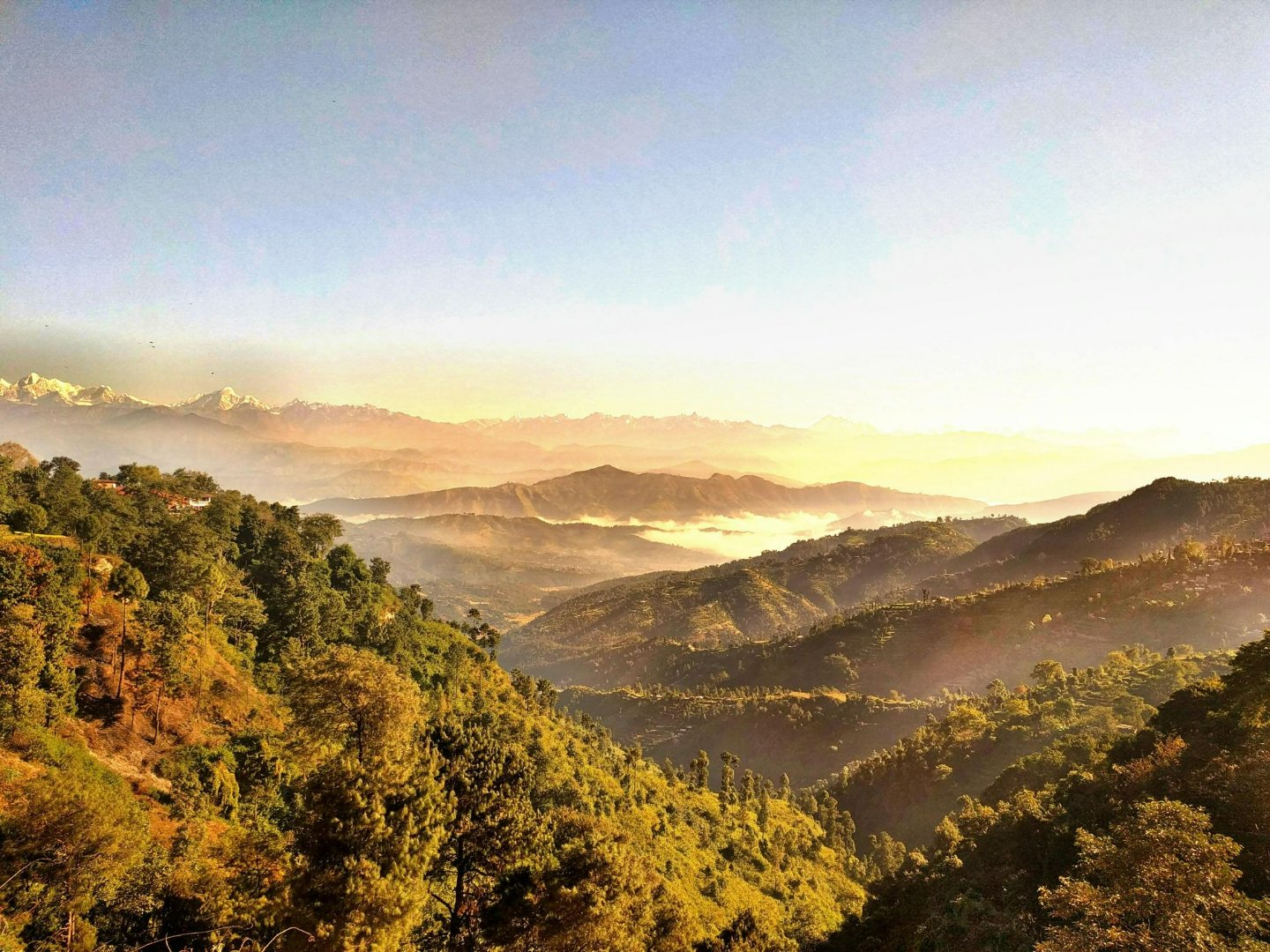
Based on historical weather data, here are the average clear or mostly clear hours per day by month:
October to February is the window to aim for. December and November are the clearest months. July is the worst month of the year for this specific goal.
The Three Viewpoints: Which One to Pick
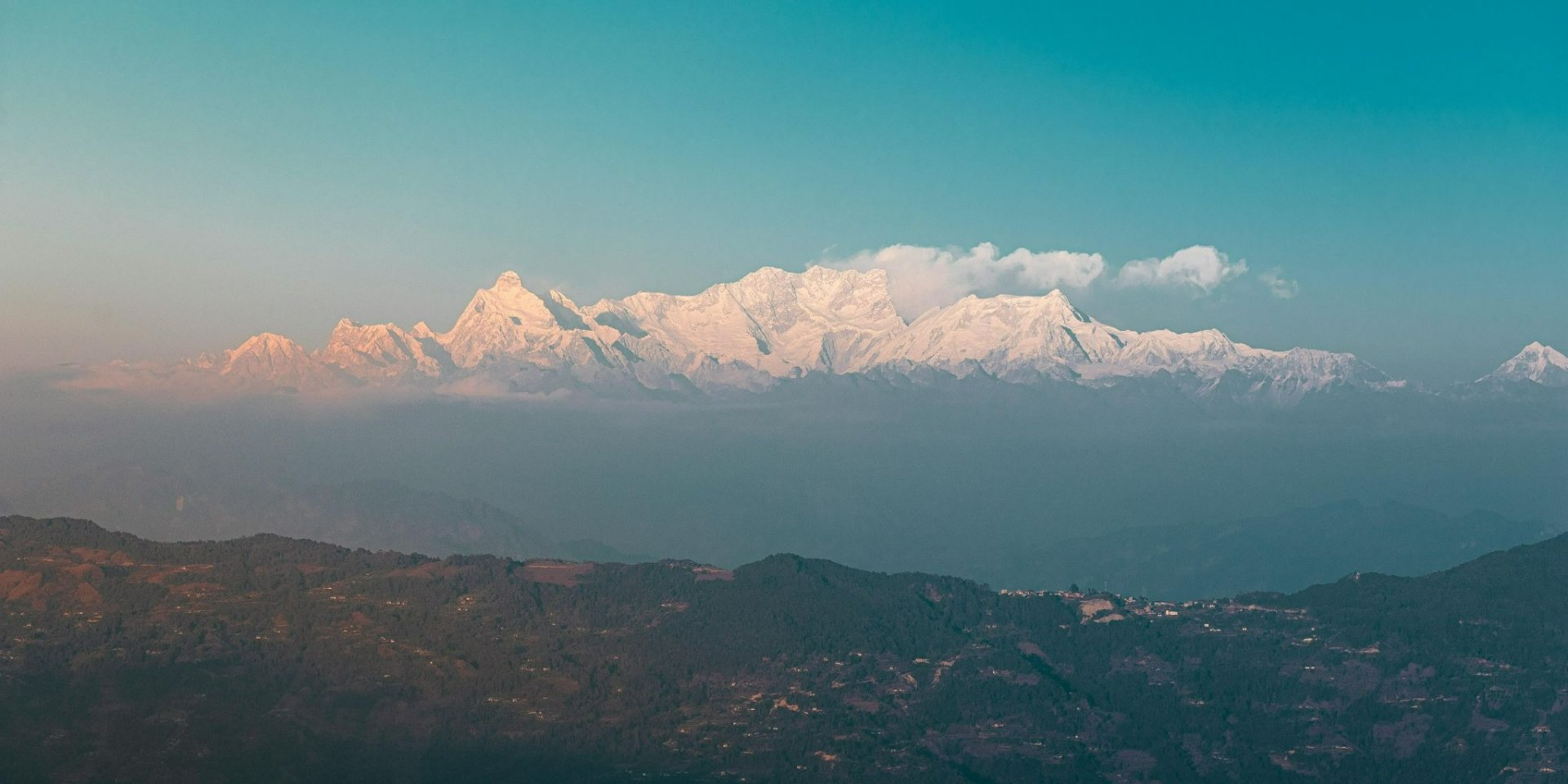
Most blogs send you to the Nagarkot View Tower without explaining the trade-offs. There are three places worth knowing, and the right one depends on how early you arrive and how far you want to walk.
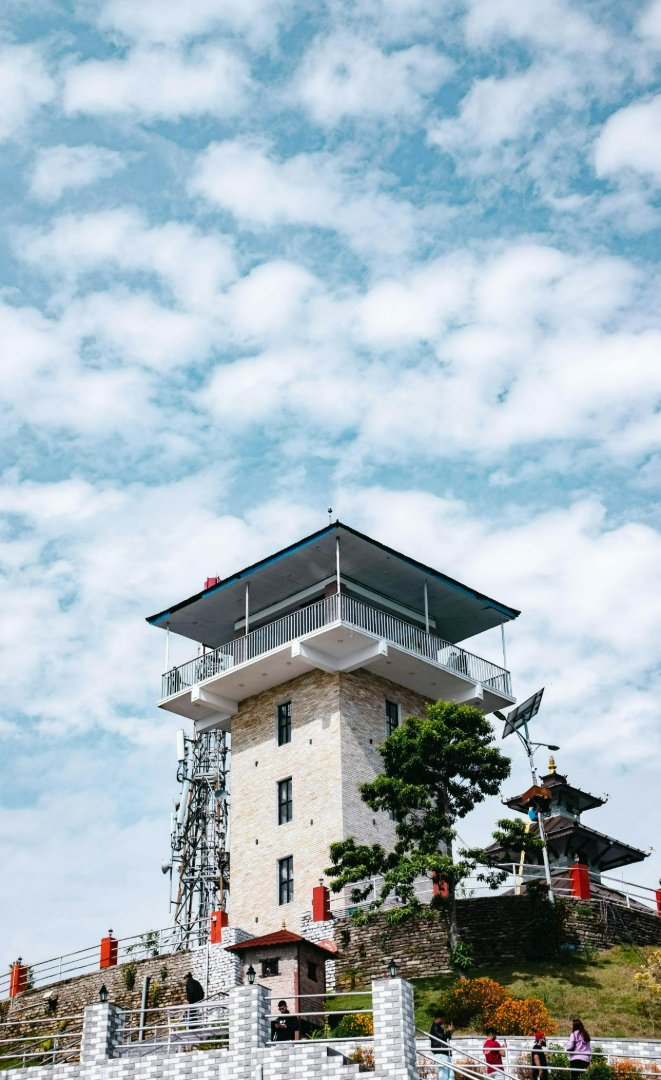
Nagarkot View Tower (2,175m)
The most popular spot, 4 kilometers south of the main village. From most hotels it is about an hour's walk through forest, or a 20-minute drive. Entry costs NPR 300 for foreign visitors. The 360-degree view on a clear morning is exceptional, with eight Himalayan ranges visible including a distant view of Everest to the northeast. The downside is crowds during October and November peak season, when tour groups from Kathmandu fill the platform between 5 and 6am. Arrive by 5am if you want space.
Ridge Viewpoints Along the Nagarkot Panoramic Trail
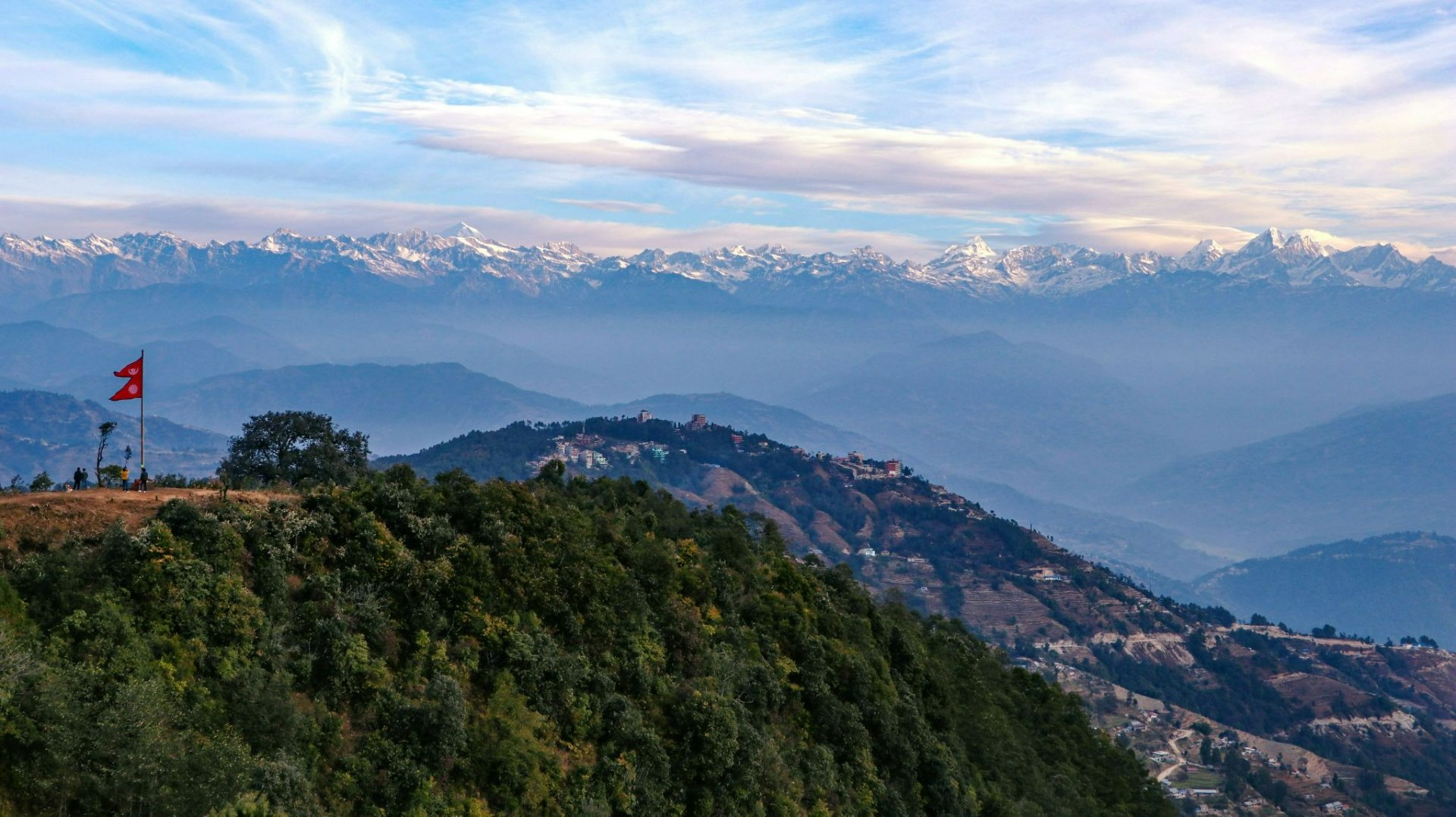
These spots are quieter than the tower and free to access. They sit at similar elevation and run along the ridge south of the main village, about 30 to 45 minutes on foot from the village center. These are the better option for photographers who want to set up a tripod without people moving around them, and for anyone who finds the tower too crowded.
Nagarkot Bus Park Area (2,150m)
This works if you arrive by vehicle and cannot walk far. Several open resting spots near the bus stop have a clear northern and western view at nearly identical elevation to the tower. The panorama is slightly less wide but adequate for most visitors, and it costs nothing.
Day Trip or Stay Overnight?
To reach Nagarkot for a 6:00am winter sunrise, you need to leave Kathmandu by 4:00am. A private car costs NPR 4,000 to 6,000 for the round trip. Shared tours run NPR 1,500 to 2,500 per person.
The problem with the day trip is you have one shot. If the sky is cloudy, you drive two hours in the dark for a grey view with no second chance.
Staying overnight removes the 4am problem entirely. You sleep on the ridge, wake up 20 minutes before sunrise, and walk to your viewpoint. If the first morning is cloudy, you have the second morning. Local homestays near Nagarkot run around USD 25 to 50 per night with meals included, and most hosts will wake you up at the right time without being asked.
If you want to stay the night and book directly with a local family, find verified homestays at nepalhomestays
What to Do If It Is Cloudy
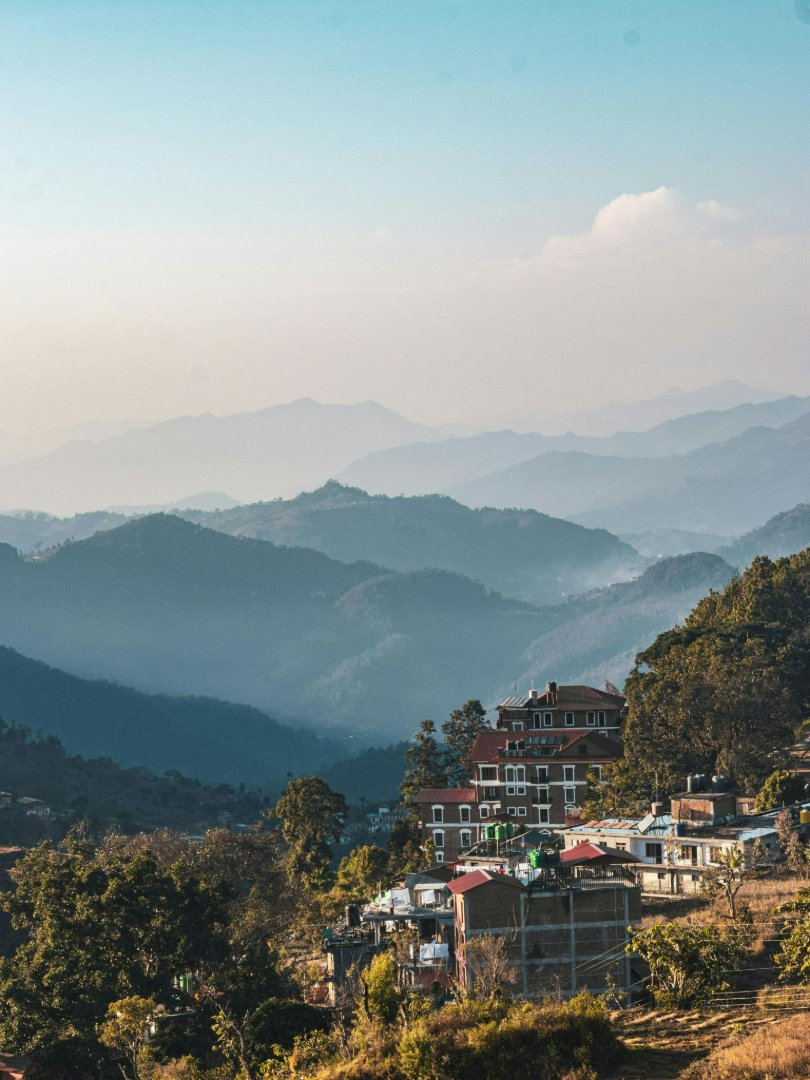
This happens to a real number of visitors even in peak season. Here are three things that actually help rather than just waiting it out.
Wait 30 Minutes Before Leaving
Clouds at Nagarkot often break between 6:00am and 7:00am as the temperature rises. What looks like a completely fogged-out morning sometimes clears partially, revealing one or two peaks through gaps in the cloud. Most visitors who leave early miss this window entirely.
Move Along the Ridge
Cloud does not always sit uniformly across the hill. Walking 500 meters east or west along the ridge sometimes opens a gap that reveals the Langtang range even when the main tower viewpoint is completely fogged in. It is worth trying before you give up and head back to your accommodation.
Do the Changunarayan Hike Regardless
The trail from Nagarkot to Changunarayan Temple descends through forest and farming villages and is worth doing with or without mountain views. A cloudy sunrise does not ruin the day if you have a 3 to 4 hour hike ahead of you through the countryside.
Before You Go: What to Pack
Mornings at 2,175 meters are cold year-round. December and January temperatures at the tower can sit near freezing. Most visitors underestimate how cold it gets standing still before dawn.
Bring a warm jacket and gloves for October to March visits, a phone torch for the walk to the viewpoint in the dark, and cash for the NPR 300 tower entry fee. Local tea stalls open after sunrise, not before, so carry water and a small snack if you are walking to the tower.
FAQ: Nagarkot Sunrise
Can I see Mount Everest from Nagarkot?
On a very clear morning, yes. Everest is visible to the northeast, but it appears as one distant peak among many on the horizon. The Langtang range to the north is much closer and typically more dramatic from Nagarkot. If seeing Everest clearly is your main goal, a mountain flight or a trek to a higher viewpoint is more reliable.
Is the Nagarkot sunrise worth it if it might be cloudy?
In October to February, clear mornings outnumber cloudy ones, so a day trip is a reasonable gamble. If you have two days and any flexibility, staying overnight and having a second morning chance is almost always worth the extra night.
Do I need a guide for the sunrise?
No. The viewpoints are clearly marked, no permit is required beyond the tower fee, and the trails are easy to follow in the dark with a phone light. If you are staying overnight in Nagarkot, you can walk to the viewpoint on your own.
What is the best month to visit for sunrise?
December and November offer the clearest morning skies based on historical data, with close to 20 clear hours per day on average. October is also excellent and overlaps with Nepal's festival season. January and February are cold but consistently clear. Avoid June to August.
Company Admin
Travel writer sharing authentic stories and experiences from Nepal's beautiful homestays.