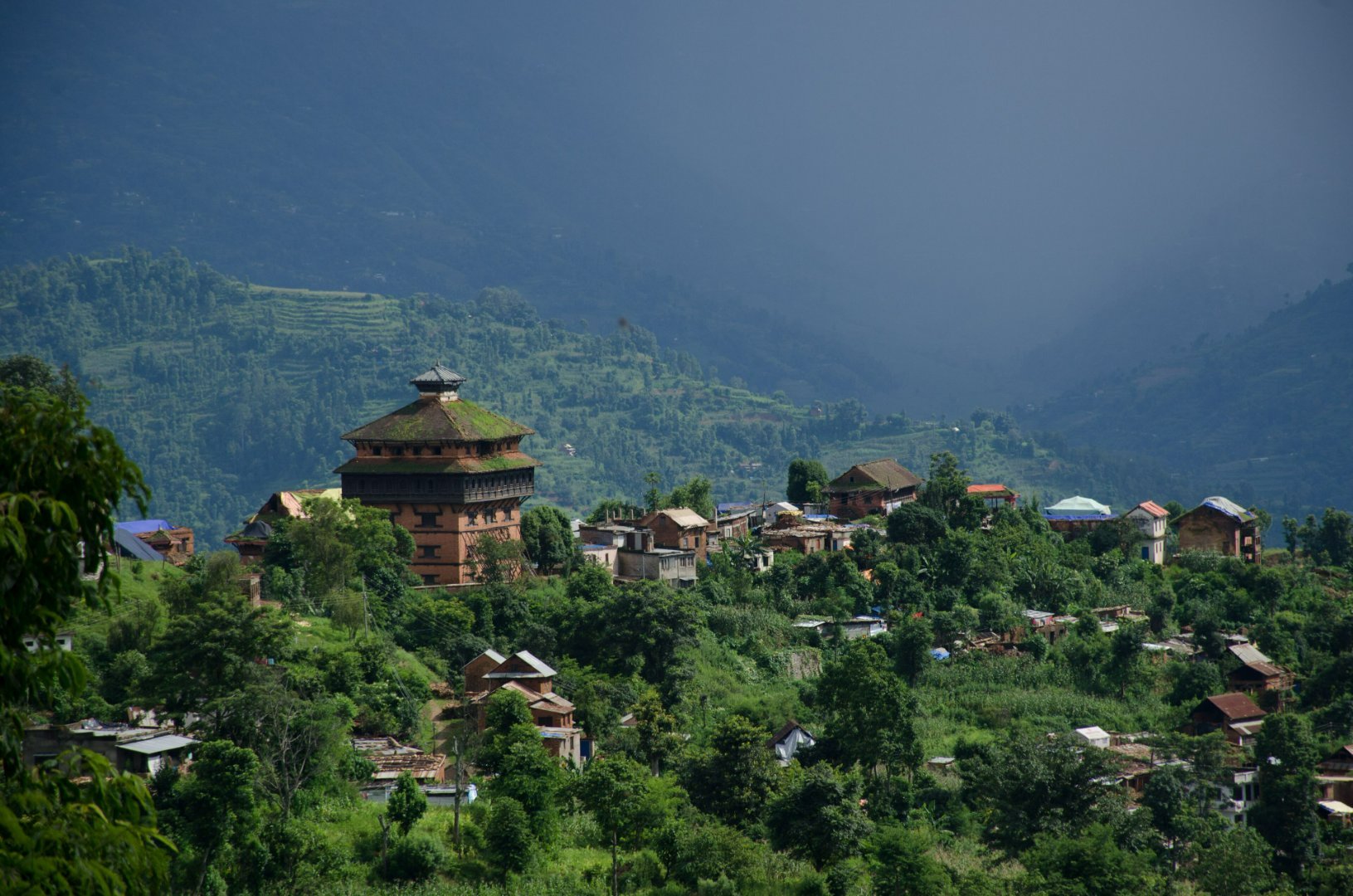
Nuwakot sits on a ridge above the Trishuli River 75 km from Kathmandu with a seven-storey fortress where Nepal's unification was planned in 1762. This guide covers what to see, two verified homestay listings, how to get there, and the best time to visit.
Nuwakot means nine forts. The name comes from the nine fortifications that once guarded the ridge above the Trishuli River, 75 kilometres northwest of Kathmandu. The most important of them is the seven-storey palace that King Prithvi Narayan Shah built in 1762 after capturing the hill from the Malla rulers. He used it as his base for the next phase of his campaign: cutting off Tibet's trade route to the Kathmandu Valley and starving the three Malla kingdoms into submission. Nuwakot is where modern Nepal was planned.
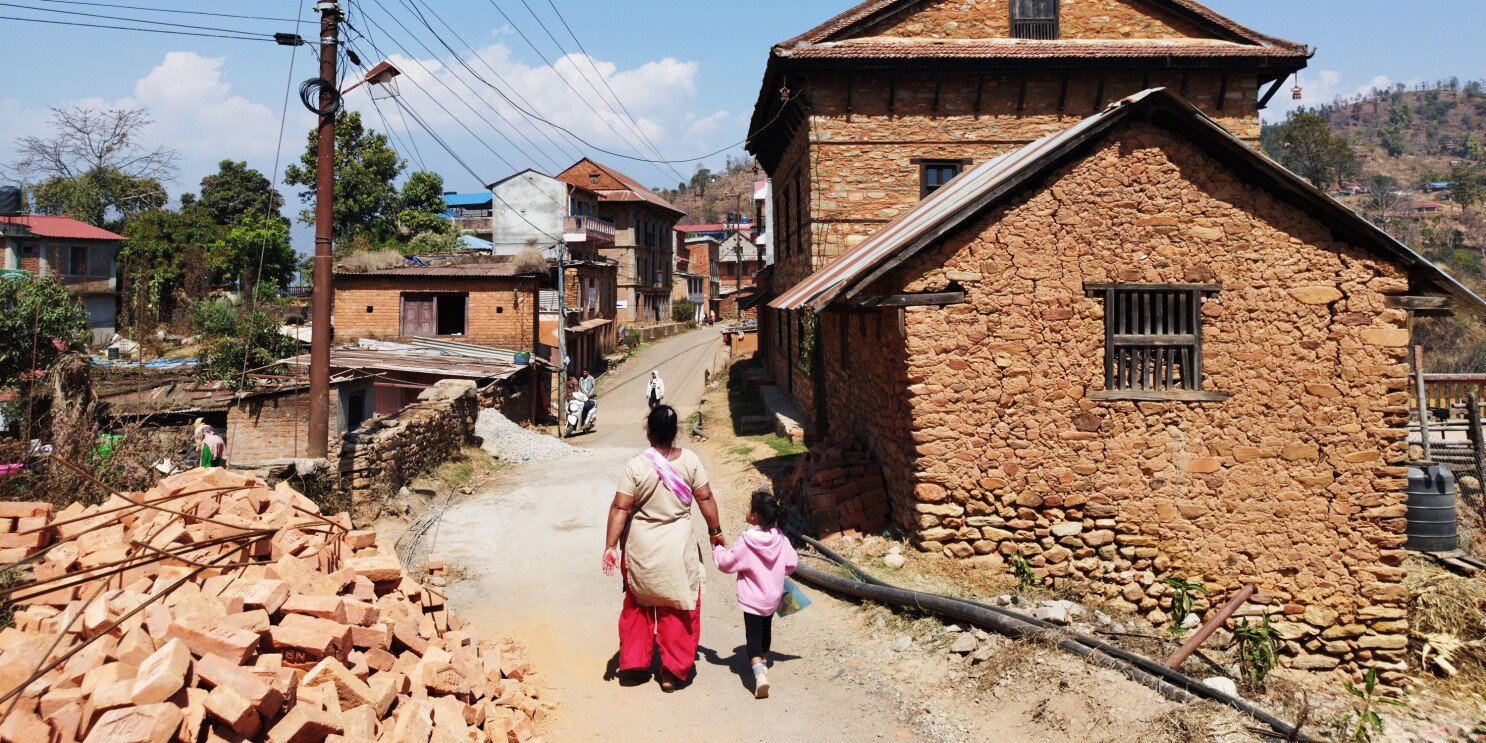
Most travelers who come to Nepal never come here. The road is slow, there is no dramatic trekking route, and the fortress is not on any circuit. That gap between historical significance and tourist traffic is what makes it worth visiting.
TL;DR
Nuwakot is 75 km northwest of Kathmandu, 3 to 4 hours by road via Trishuli Bazar
The seven-storey Nuwakot Durbar, built in 1762 by Prithvi Narayan Shah, is the main attraction and is currently under reconstruction
Two verified listings on Nepal Homestays: Hotel Square (NPR 2,900) and Hotel Nuwakot Garden House (NPR 2,800)
Suryachaur viewpoint at 1,970m gives panoramic Langtang, Ganesh Himal, and Manaslu views
Sindure Jatra is Nuwakot's unique festival, celebrated at the Durbar Square
Best time is October to April
Quick Overview: Nuwakot
Nuwakot: Why It Matters
Nuwakot is where Nepal's unification started. The Malla dynasty had controlled the Kathmandu Valley for five centuries when Prithvi Narayan Shah, a king from the small principality of Gorkha, captured Nuwakot in 1744 on his second attempt after failing in 1743. The ridge gave him control of the Trishuli trading route from Tibet. He spent the next 25 years using Nuwakot as his administrative and military base, cutting off the valley's trade supply until the three Malla kingdoms collapsed. The Nepal Tourism Board identifies Nuwakot as one of Nepal's key heritage sites for its role in the country's founding history.
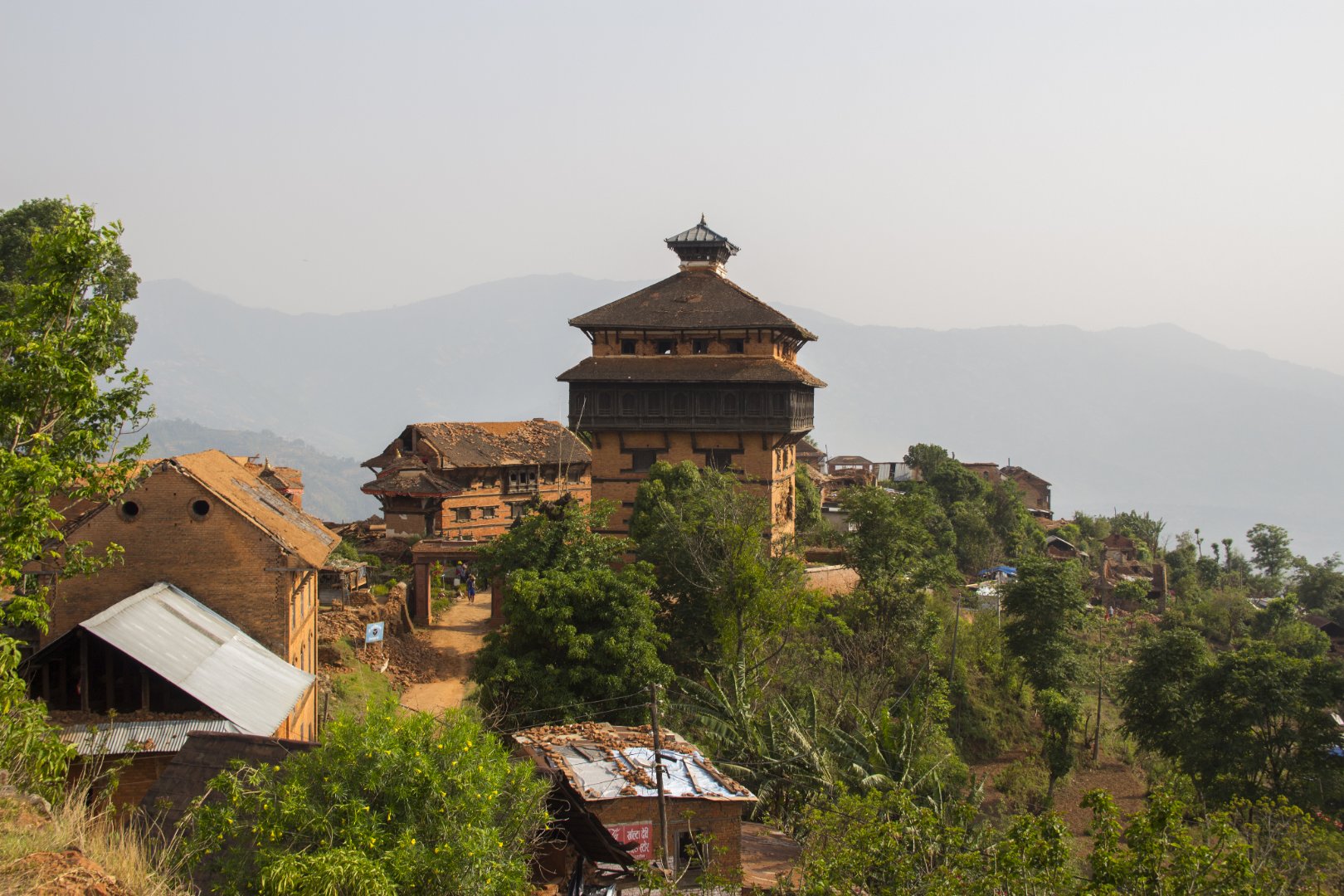
The word Nuwakot itself encodes this history. Nawa means nine, kot means fort. The nine fortifications on the surrounding ridges were both the Malla defence system and then Prithvi Narayan Shah's captured arsenal. Walking around the old town, you are moving through the physical geography of how one man's military campaign became a country.
The fortress was badly damaged in the 2015 earthquake. Reconstruction of the seven-storey Saat Tale Durbar began in August 2025 with Chinese technical support, focused on restoring original Newari architectural details. The reconstruction makes a visit in 2026 an unusual experience: you can see the palace in the process of being rebuilt, which is its own kind of historical document.
Places to Visit in Nuwakot
Nuwakot Durbar
The seven-storey Saat Tale Durbar sits on a ridge overlooking the Trishuli and Tadi river valleys. The palace was built in Newari architectural style by craftsmen from Lalitpur, which is why the carvings and window details look similar to what you find in Patan Durbar Square, just rebuilt on a hilltop above a river. In front of the palace is a garden, then the old Garad Ghar barracks and prison, and the Ranga Mahal dance hall, all in various states of ruin. The Nepal Army still maintains a presence at the site, which has been the case since Prithvi Narayan Shah's garrison days.
The Taleju Temple on the adjacent hillock was built around 1564 and predates the palace. This is the original Taleju shrine from which the Nuwakot branch of the Kumari tradition derives. The Bhairavi Temple nearby has heavy sindoor markings on the carved doorframe from centuries of daily devotional smearing. It is a working temple, not a museum piece.
Suryachaur Viewpoint
At 1,970 metres on the border of Kathmandu and Nuwakot districts, about 26 kilometres northwest of the town center. The viewpoint looks north toward the Langtang range, Ganesh Himal, Manaslu, and Dorje Lakpa. The meadow at the top is large enough to walk around. On clear October and November mornings the mountain line appears above the ridge before the sun does. A jeep from Nuwakot takes about 45 minutes. The Nagarkot homestay guide covers a similar viewpoint experience east of Kathmandu if you want to compare Himalayan sunrise options in the same circuit.
Dupcheshwor Mahadev
Thirty-five kilometres northeast of Bidur, believed to date from the Licchavi era. One of the most sacred Shiva temples in Nuwakot district, sitting beside the Likhu River. The temple compound has several smaller shrines and a bathing ghat. Pilgrims from across Nuwakot and Rasuwa districts visit during Shivaratri. Worth combining with a day drive through the Nuwakot countryside if you have a second day.
Trishuli River and Rafting
The Trishuli River runs through the valley below Nuwakot town and is one of the most accessible rafting rivers from Kathmandu. Short sections near Trishuli Bazar are suitable for half-day trips. Longer Trishuli rafting routes extend further north and can be combined with the Nuwakot stay as a two-day activity itinerary.
Where to Stay in Nuwakot
Two verified listings on Nepal Homestays cover Nuwakot town.
Hotel Square Nuwakot is positioned for travelers who want to stay inside the historic architecture. The property has old-world Newari-influenced design with modern amenities. Deluxe rooms at NPR 2,900 per night with WiFi, parking, and geyser. The building itself is part of what you came to see. Contact: 9851234900.
Hotel Nuwakot Garden House and Restaurant sits beside a quiet lake on the edge of town, the right option for travelers who want views and garden space alongside the historical sites. Deluxe rooms at NPR 2,800 per night with WiFi, parking, and geyser. Contact: 984-9988855.
Both properties are close to the Durbar and can arrange transport to Suryachaur and other sites in the district. For travelers doing a Kathmandu Valley circuit that includes Dhulikhel, Nagarkot, or Kakani, the Kathmandu to village travel times guide has realistic journey times for planning the sequence.
What to Eat in Nuwakot
Food in Nuwakot town is straightforward: dal bhat, momos, noodle soup, and Nepali thali at local tea shops and restaurants around the Durbar area and Bidur market. The Garden House property has its own restaurant.
Two things worth specifically looking for in the district:
Sindure and festival food: During Sindure Jatra, food vendors set up around the Durbar Square and the offerings include local sweets, beaten rice, and seasonal fruits that are part of the ritual distribution. If your timing coincides, the food around the festival is the most specific to Nuwakot.
Coffee from local plantations: The Nuwakot hills around Trishuli Bazar have coffee plantations that have been growing in recent years. Some guesthouses and the market in Bidur sell locally processed Nuwakot coffee. It is a small but genuine local product worth trying.
The Nepali homestay food by region guide covers how hill district food in the Bagmati Province compares to other regions across Nepal.
How to Get to Nuwakot
From Kathmandu by road: The main route is Kathmandu to Trishuli Bazar via Naubise, then north to Nuwakot. Total distance around 75 km, 3 to 4 hours depending on road conditions and stops. Public buses from Gongabu Bus Park in Kathmandu run regularly to Trishuli Bazar and some continue to Bidur. A private taxi from Kathmandu costs NPR 4,500 to NPR 6,000.
From Kathmandu via Kakani: An alternative route goes north through Kakani and then descends into the Nuwakot valley. Slightly longer but more scenic, passing through the Kakani ridge with Himalayan views on the way down. Good option if you are combining Nuwakot with a Kakani stop.
Day trip vs overnight: Nuwakot is technically a day trip from Kathmandu but two nights gives you time for the Durbar, a full morning at Suryachaur, and a half-day for Dupcheshwor or Trishuli rafting without rushing. If you are doing one night, arrive by early afternoon and go to the Durbar before the light drops.
Best Time to Visit Nuwakot
October to December is the clearest window. The Langtang range from Suryachaur is sharpest in October and November after the monsoon clears. The Durbar is accessible and dry. Sindure Jatra falls in autumn during the Dashain period, which is the best time to see the cultural calendar of the town at its fullest.
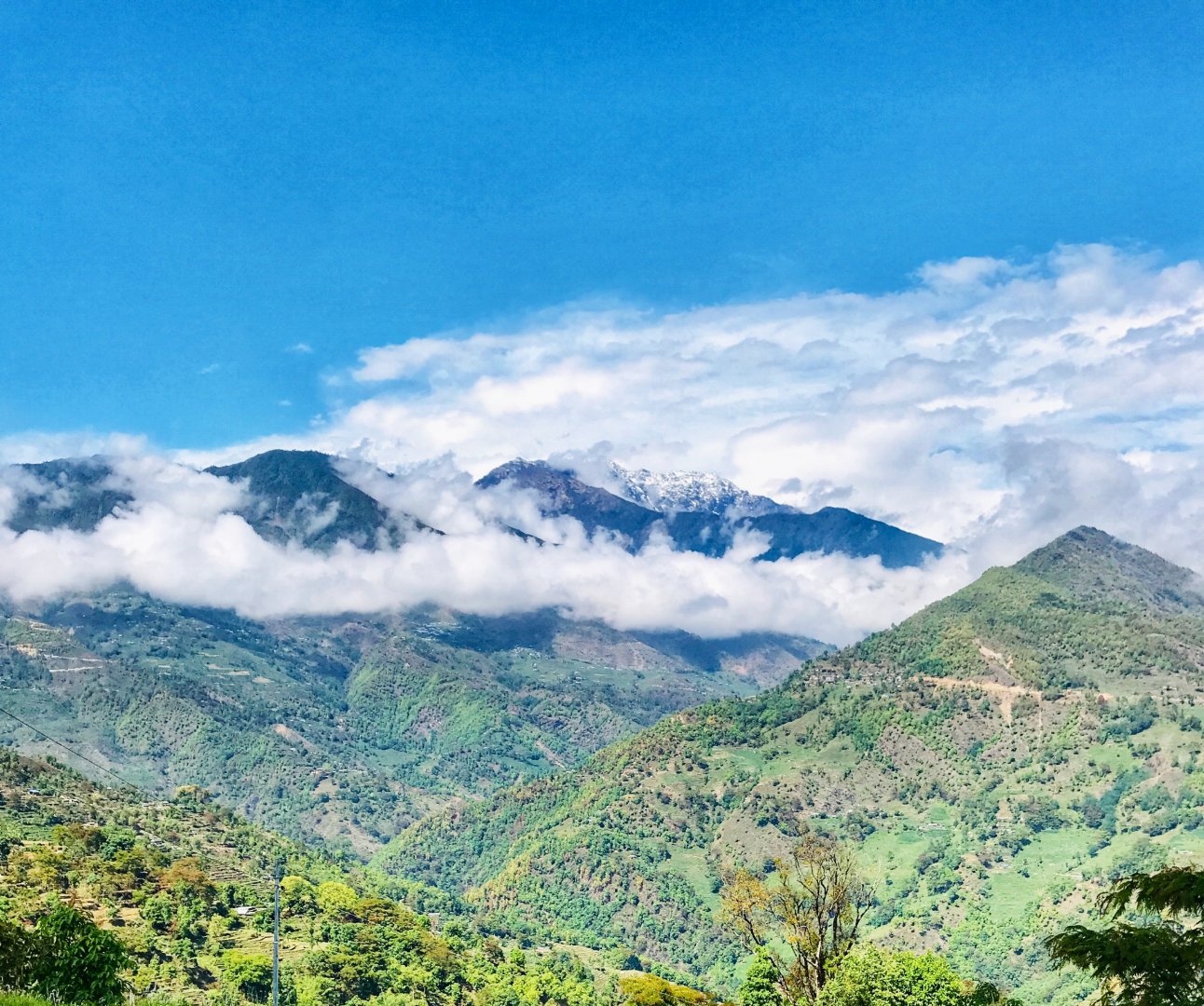
January to March is cold but quiet. January nights in Nuwakot drop to around 5 degrees Celsius. The mountain views remain strong. February and March bring warmer days and the approach to Suryachaur through the forest is at its most pleasant.
April to May is warm with slightly hazier mountain views. Good for the cultural sites and the riverside sections near Trishuli Bazar.
June to September is monsoon. The road from Kathmandu to Nuwakot can be affected by landslides in heavy rain. The valley is intensely green but Suryachaur views are blocked most mornings. Possible but not recommended as a first visit.
Final Thought
Nuwakot is 75 kilometres from Kathmandu and almost nobody goes there. The palace that shaped modern Nepal is being rebuilt right now and will not look the way it does in 2026 ever again. The nine forts that gave the place its name are mostly ruins and forest. The Trishuli runs below and the Langtang range sits above. It is a short drive from a city of six million people into something that feels much further away than that.
Book the Hotel Square Nuwakot or Hotel Nuwakot Garden House directly on Nepal Homestays.
Frequently Asked Questions
What is Nuwakot famous for?
Nuwakot is famous for the Saat Tale Durbar, a seven-storey fortress-palace built by Prithvi Narayan Shah in 1762 as the base for Nepal's unification campaign. The name Nuwakot means nine forts, referring to the nine fortifications that once guarded the ridge above the Trishuli River. The town is also known for Sindure Jatra, a unique festival celebrated at the Durbar Square.
How far is Nuwakot from Kathmandu?
Nuwakot is 75 km from Kathmandu, around 3 to 4 hours by road via Trishuli Bazar. Public buses run from Gongabu Bus Park. A private taxi costs NPR 4,500 to NPR 6,000 one way.
Is the Nuwakot Durbar open to visitors?
Yes. The Durbar area and surrounding temples are open. The seven-storey palace itself began reconstruction in August 2025 and is currently being rebuilt. You can visit the site and see the reconstruction in progress alongside the surrounding temples and gardens.
What is Suryachaur in Nuwakot?
Suryachaur is a viewpoint at 1,970 metres on the Kathmandu-Nuwakot district border, around 26 km northwest of Nuwakot town. The meadow gives panoramic views of the Langtang range, Ganesh Himal, Manaslu, and Dorje Lakpa. A jeep from Nuwakot takes about 45 minutes.
What is the best time to visit Nuwakot?
October to April. October and November give the clearest mountain views from Suryachaur and the best weather for the Durbar. Sindure Jatra during the Dashain period in autumn is the most culturally active time. Avoid June to September when monsoon rains can affect the road.
What is Sindure Jatra?
Sindure Jatra is a festival unique to Nuwakot, celebrated at the Durbar Square during the Dashain period. It involves ritual sindoor offerings, community gatherings, and cultural performances at the historic palace compound.
Company Admin
Travel writer sharing authentic stories and experiences from Nepal's beautiful homestays.