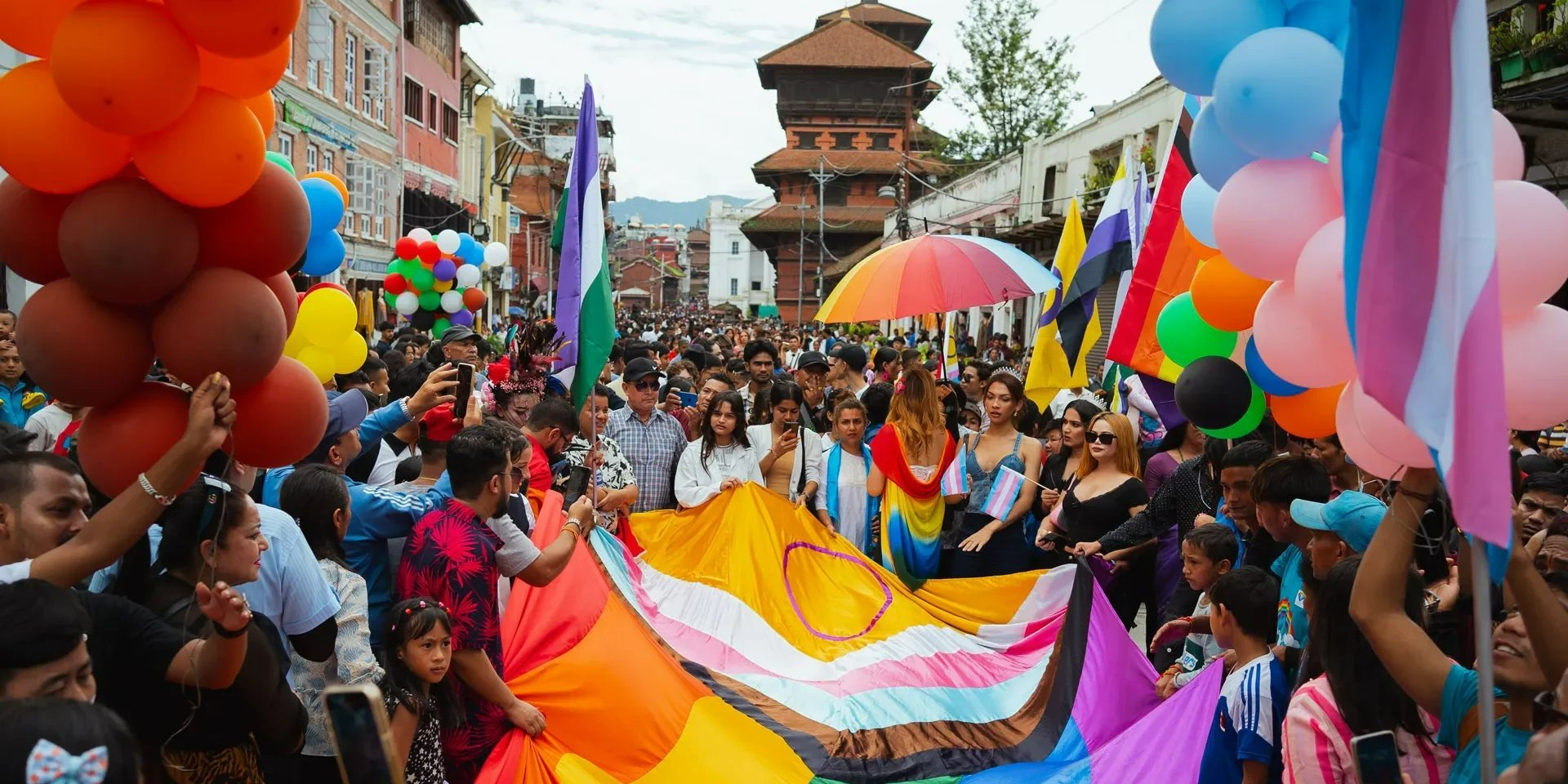
Nepal’s Pride celebrations didn’t begin with rainbow flags. From the centuries-old Gai Jatra festival to Kathmandu and Pokhara Pride parades, LGBTQ+ visibility in Nepal is rooted in local culture, activism, and long-standing traditions of gender expression.
Nepal has two Pride celebrations, one unofficial and one official. Understanding both shows how LGBTIQA+ visibility in Nepal isn't just copied from Western countries. Instead, it builds on Nepal's own traditions that have celebrated gender diversity for centuries.
Gai Jatra: Nepal's Unofficial Pride
Every August or September (the exact date changes based on the lunar calendar), the streets of Kathmandu and Bhaktapur fill with special processions. Families who lost a loved one in the past year lead cows or children dressed as cows through the streets. What starts as a sad memorial becomes a huge celebration with funny performances, people dressing in costumes, and social jokes.
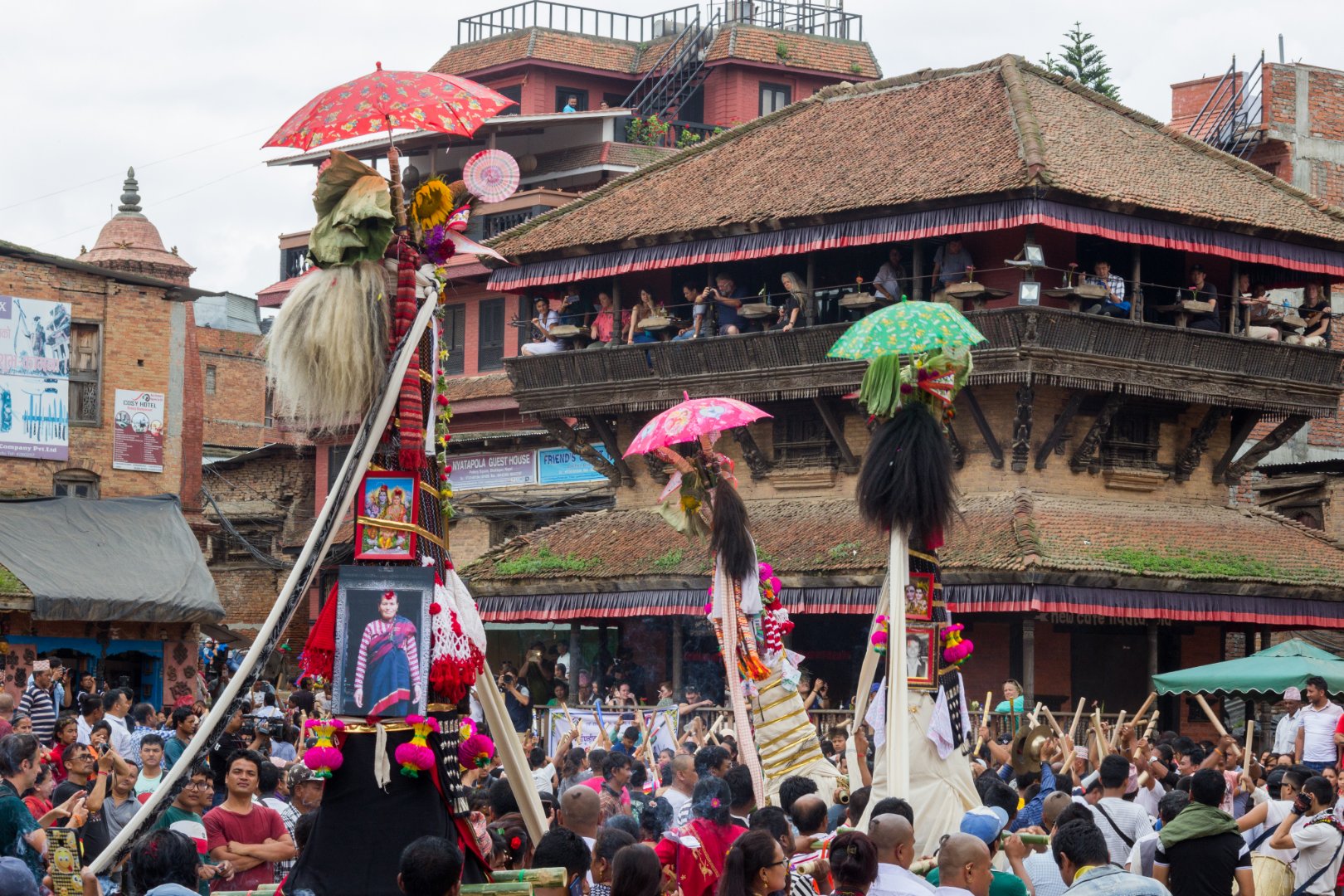
This is Gai Jatra, the "Cow Festival." It has been a space where people can express different gender identities for longer than Pride celebrations have existed anywhere in the world.
Origins
The festival started in the 1600s. King Pratap Malla was very sad after his son died. He wanted to help his wife feel better by showing her that every family experiences loss. He organized a parade of all families who had lost someone that year. To make people feel less sad, he encouraged comedy, jokes, and celebration. The idea was that laughter could help heal grief.
The festival grew over time to include activities that wouldn't normally be allowed. Men dress as women, people make fun of politicians and social rules, and regular behavior gets flipped upside down. For one day each year, what's usually forbidden becomes okay.
LGBTIQA+ Significance
Gai Jatra's tradition of dressing in different gender clothes and playing different gender roles created a safe space for LGBTIQA+ people to express themselves. This happened long before the term "LGBTIQA+" even existed. Both LGBTIQA+ people and everyone else could participate openly. Their presence became normal within the festival.
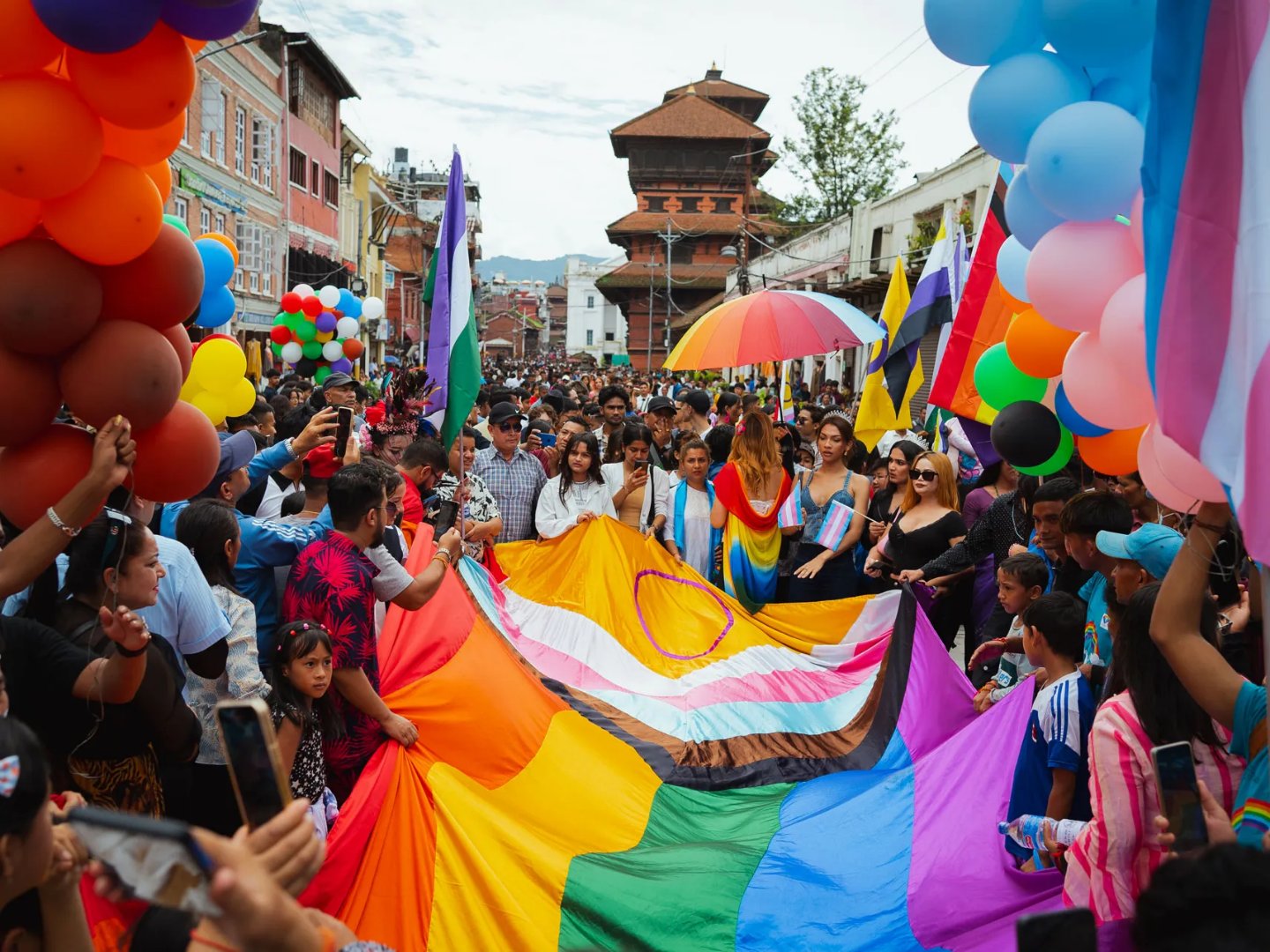
LGBTIQA+ activists in Nepal have embraced Gai Jatra as a way to be visible. The Blue Diamond Society and other organizations march in Gai Jatra processions. They connect their visibility to Nepal's own traditions rather than ideas brought from Western countries. The message is clear: we're not new here. We've always had a place in Nepali culture.
Experiencing Gai Jatra
If you want to attend Gai Jatra, you need to understand when it happens, where to go, and what you'll see during this unique celebration.
When: August or September, on Gai Jatra day (the exact date changes each year based on the moon calendar, check the date before planning your trip)
Where: Kathmandu's old city areas (Basantapur, Thamel, Asan, Indra Chowk) and Bhaktapur. Bhaktapur's celebration follows tradition more closely. Kathmandu's celebration is bigger with more variety.
What you'll see:
Gai Jatra mixes traditional ceremonies honoring the dead with modern social commentary. Here's what you can expect to see:
You'll see families leading decorated cows through the streets, or children dressed in detailed cow costumes to represent family members who have died.
Long processions move through the narrow old city streets, creating a continuous celebration.
You'll see both traditional gender expression and modern expressions of gender identity blending together.
Funny performances make jokes about politicians, celebrities, and current issues happening in Nepal.
Comedy groups and street theater performers put on shows all along the parade routes.
The LGBTIQA+ community marches openly, often in organized groups carrying banners and signs about LGBTIQA+ rights.
How to participate:
Being respectful makes the experience better for everyone. Whether you're watching or joining the processions, these tips help ensure a good experience:
Watch the processions respectfully, remembering that this is both a memorial for the dead and a celebration.
Taking photos is usually okay, but you should ask people before taking close-up pictures of them.
You can join the crowds following the processions through the streets and become part of the moving celebration.
Go to evening cultural programs that often have performances, talks, and community gatherings.
Visit Bhaktapur if you want a more traditional experience of the festival in a smaller setting.
What it means: You're seeing a tradition where expressing different gender identities has always had an accepted place. It's not about tolerating people who are different, it's about including diversity as a normal part of the culture and celebration.
Nepal Pride Parade
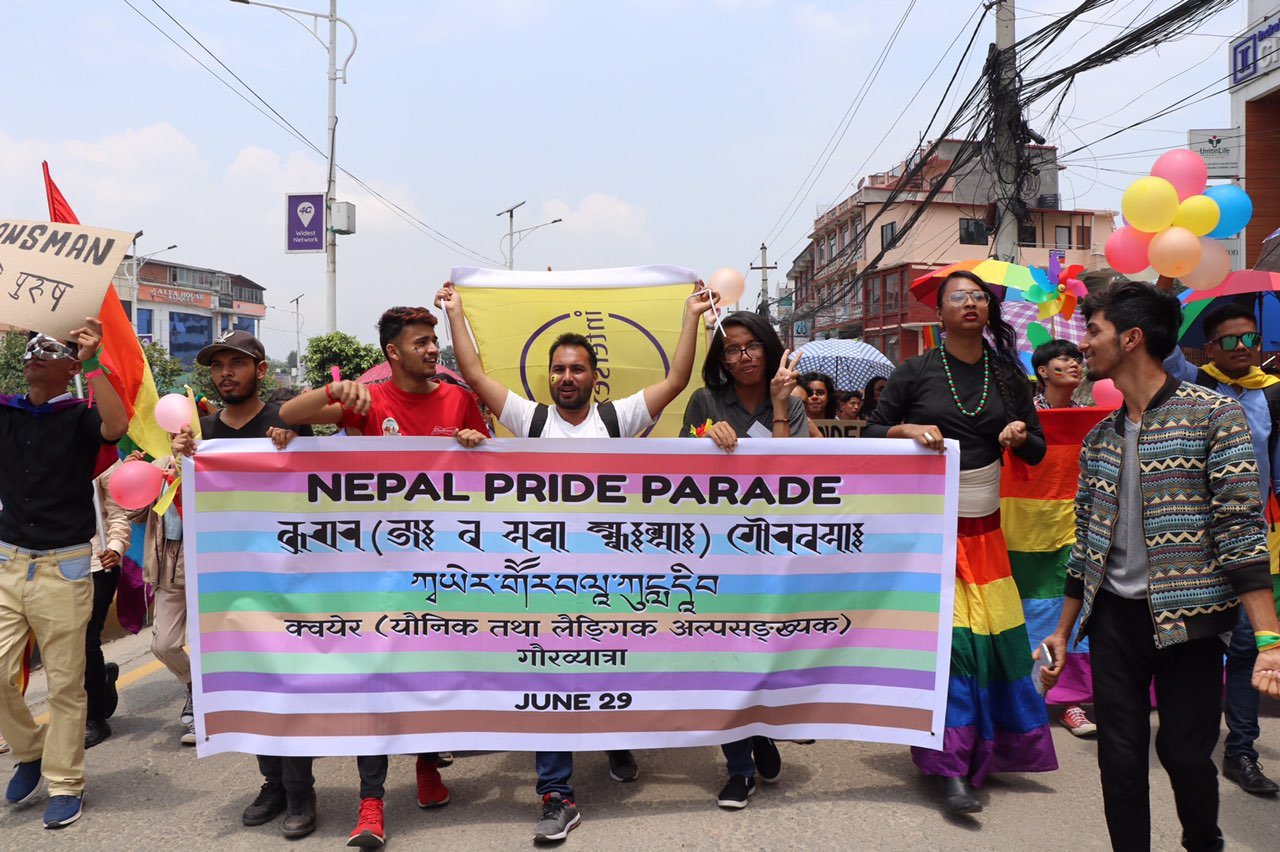
The Nepal Pride parade is organized mainly by Queer Youth Group. It usually happens on the second Saturday of June, which matches up with Pride month celebrations around the world. It looks more like Western Pride events, marches, rallies, speeches, rainbow flags, but it has its own Nepali character.
History
Nepal's first official "LGBT Rally" happened during Gai Jatra in 2002. This made it one of the earliest Pride events in Asia. The newly formed Blue Diamond Society organized it. It was a small gathering that got attention from both supporters and police. The early marches faced harassment and uncertainty.
The Gai Jatra rallies were important, but many young activists wanted a celebration separate from a religious festival. They wanted something that matched with Pride month in June, like in other countries. The first official Nepal Pride Parade happened on June 29, 2019. The Queer Youth Group (QYG) led it. They focused on including many different types of LGBTIQA+ people and communities. This parade made the second Saturday of June the official "Pride Day" in Nepal.

In 2007, Nepal's Supreme Court made an important ruling about LGBTIQA+ rights. This changed what Pride meant. Marching wasn't just about being visible anymore, it was about using rights that the constitution now protected. After 2007, Pride celebrations got bigger, more confident, and more celebratory.
What Nepal Pride Looks Like
Scale: Several thousand people participate in recent years. That's not huge compared to Pride in big Western cities, but it's significant for this region. The march brings together LGBTIQA+ Nepalis from all over the country, allies, international supporters, and curious observers.
Tone: Celebratory but also political. Speakers talk about ongoing discrimination, laws that need to change, and what the community needs. It's not just a party, it's activism combined with celebration.
Participation: Open to everyone. International visitors are welcome and visible. Your presence shows global support. Many Nepali participants appreciate seeing international support.
Route: Usually through central Kathmandu, ending at a rally point with speeches and performances. The exact route changes each year.
Experiencing Nepal Pride
Knowing when, where, and how to participate in Nepal Pride helps you plan a meaningful visit that supports the local LGBTIQA+ community.
When: Second Saturday of June. Check the Nepal Pride Parade Instagram page for updates, or Blue Diamond Society's announcements for Gai Jatra march details.
Where: Kathmandu. The march moves through central areas. The rally location changes each year.
How to participate:
Anyone can participate in Nepal Pride, and it requires very little preparation. Here's how international visitors can get involved:
You can join the march without signing up ahead of time or filling out any forms.
Bring plenty of water and sun protection because June is very hot (it's right before monsoon season).
Be respectful about taking photos since some people marching haven't told their families or bosses that they're LGBTIQA+.
Go to events and parties after the march to continue the celebration and meet more community members.
Contact Blue Diamond Society or Queer Youth Group before your trip to learn about ways you can volunteer and help.
What it means: Joining Nepal Pride connects you to a movement that has made amazing progress. Nepal now has legal recognition, constitutional protection, and marriage equality for LGBTIQA+ people. But the community continues working toward full acceptance in society.
Pokhara Pride
Pokhara is Nepal's second-largest city, and it has started its own Pride celebration. It's smaller and newer than Kathmandu's Pride. Pokhara Pride shows that LGBTIQA+ communities outside the capital are growing more confident.
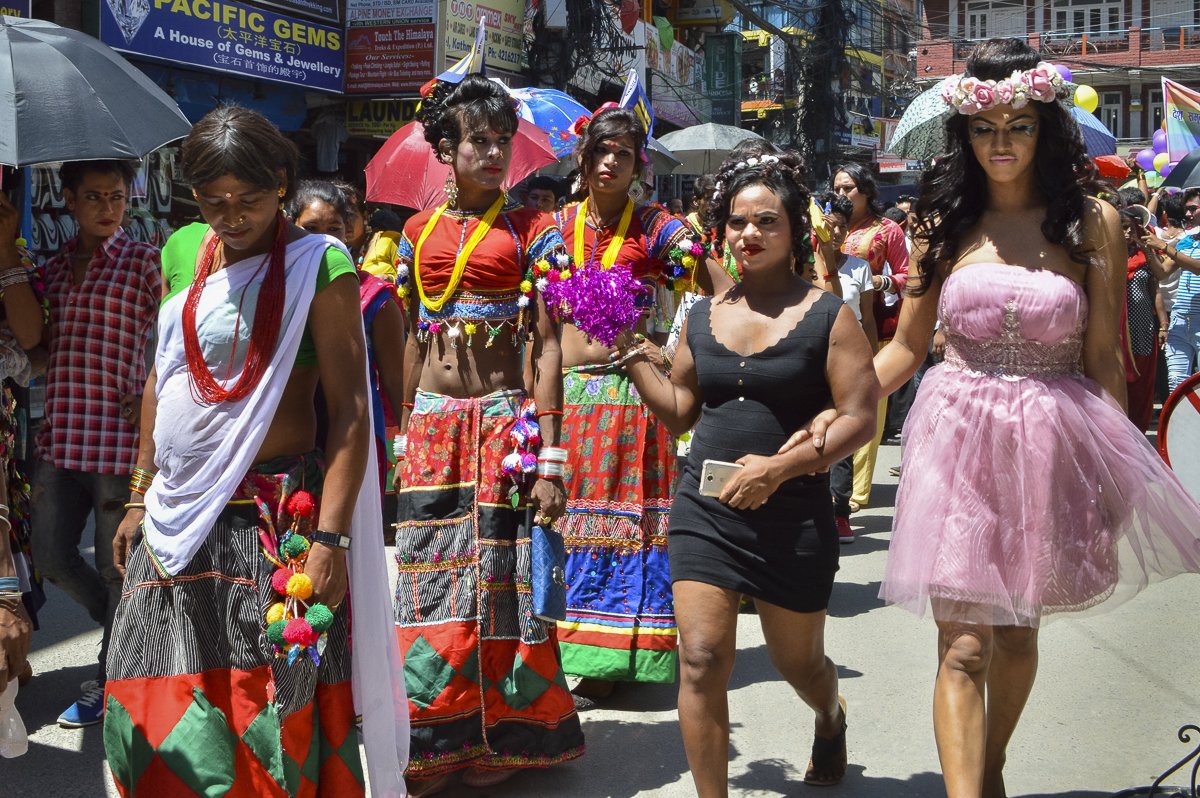
Character: More intimate and less formal than Kathmandu's Pride. Pokhara's lakeside tourist area creates a relaxed setting. Events mix march activities with social gatherings.
When: The timing changes, sometimes it happens at the same time as Kathmandu Pride, sometimes separately. Check with local organizations when planning your trip.
Why attend: If you're in Pokhara during Pride, you'll experience a smaller community celebrating together. The smaller size lets you have more personal conversations than at Kathmandu's larger event.
Pride Across Nepal
Nepal is making progress by creating Pride rallies and parades in all seven provinces during June. These are organized by the Blue Diamond Society and local LGBTIQA+ organizations in each district.
Organizations to Connect With
These organizations welcome visitors and provide different ways for international travelers to support Nepal's LGBTIQA+ community.
Blue Diamond Society (BDS)
Nepal's largest and oldest LGBTIQA+ organization provides many different support services and works to change laws and policies.
BDS runs drop-in centers where community members can get resources and support.
The organization provides health services designed specifically for LGBTIQA+ health needs.
Legal support services help community members deal with discrimination and understand their rights.
BDS leads Pride organizing efforts and works with the government at national and local levels.
How visitors can help: International visitors can donate money, volunteer their time, and attend public events.
Mitini Nepal
This organization focuses specifically on lesbian, bisexual, and queer women in Nepal.
The name comes from "mitini," a traditional Nepali concept about close friendships between women.
Mitini Nepal provides a dedicated space where women can gather safely and build connections.
The organization offers support services for the unique challenges that queer women face.
Their work focuses on making lesbian and bisexual women more visible and fighting for their rights in Nepal.
Pink Tiffany
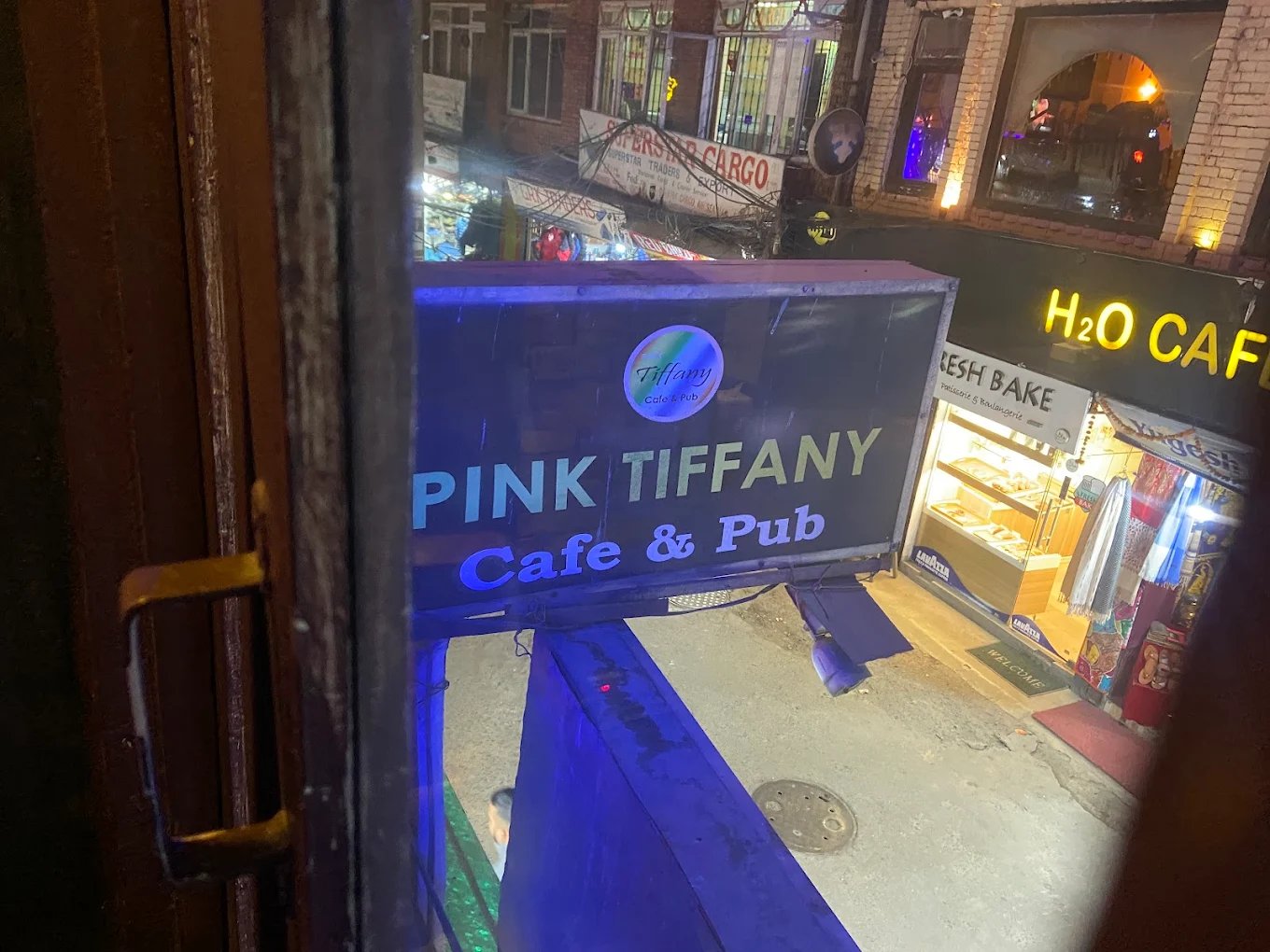
A transgender women-led business that serves as both a social spot and support center.
Pink Tiffany runs as a bar and restaurant that provides jobs for transgender women.
The venue offers support services designed specifically for the transgender community.
Their work focuses on transgender rights and making transgender people more visible in Nepal.
The space serves as a gathering place for transgender women and their allies.
Campaign for Change (CFC Nepal)
This organization specifically works for intersex individuals in Nepal.
CFC Nepal focuses on changing laws to protect intersex rights and bodily autonomy (the right to make decisions about your own body).
The organization works in politics to change policies that discriminate against intersex people.
They work to teach Nepali society about intersex issues and experiences.
Queer Youth Group (QYG Nepal)
A youth-focused organization working with people of all different sexual orientations, gender identities, and gender expressions.
QYG Nepal focuses on changing laws that affect young LGBTIQA+ people in Nepal.
The organization does both political work and organizes social events.
Youth leadership development is a central part of what they do.
QYG leads the annual Nepal Pride Parade held each June.
LGBTIQA+ Venues and Spaces
Kathmandu has a small but visible LGBTIQA+ social scene that continues to grow.
Bars and clubs
Several venues in Thamel and nearby areas are known as LGBTIQA+-friendly or owned by LGBTIQA+ people. The scene is smaller than in Bangkok or Western cities, but it exists and provides important community space. Ask locals for current recommendations because venues change and new places open regularly.
Cafes
Some cafes in Kathmandu serve as informal meeting places where LGBTIQA+ individuals and allies gather casually. Blue Diamond Society members can tell you which spots are popular right now and direct you to the Queer Hub.
Events
Beyond Pride celebrations, different events happen throughout the year including movie screenings, discussion groups, and parties. Check out the Nepal Pride Parade page for Pride events, queer film festivals organized by Loom Nepal, and community discussions hosted by different organizations including BDS and Mitini Nepal working with government partners.
Online
Facebook groups and other online spaces help connect Nepal's LGBTIQA+ community through groups like "Gay Nepal," "LGBT Rights," and other queer community groups. These online spaces can help you find events and connect with people before you arrive in Nepal.
Planning Your Visit
Smart planning helps you get the most out of your Pride experience in Nepal, whether you're attending Gai Jatra or the June Pride celebrations.
For Gai Jatra:
Gai Jatra requires planning ahead because it's popular and the date changes every year.
Find out the exact date well ahead of time because the moon calendar varies each year.
Book a hotel or guesthouse in Kathmandu or Bhaktapur several weeks early since this is a popular festival for both locals and tourists.
Plan for large crowds and very hot weather during August/September.
Set aside several hours in your schedule to fully experience the processions as they move through different neighborhoods.
Consider staying in Bhaktapur if you want a more traditional festival experience in a smaller town.
Check the specific date and LGBTIQA+ march details through Blue Diamond Society announcements.
For Pride:
June Pride celebrations need less planning ahead than Gai Jatra, but connecting with local organizations early helps a lot.
Book a Kathmandu hotel or guesthouse at least a few weeks before June since it's peak travel season.
Contact BDS or QYG before your trip to learn about all the events happening that week.
Go to gatherings before the march and events after the march to connect more deeply with the community beyond just the parade.
Think about staying a few extra days to meet community members and go to related events.
Follow the Nepal Pride Parade Instagram page to confirm the exact location, timing, and any route changes.
Combining Both:
Longer trips to Nepal can include both Pride celebrations along with other cultural and adventure experiences.
Gai Jatra (August/September) and June Pride happen several months apart, so you'd need either two separate trips or a very long stay.
A longer Nepal trip that lasts several months could include one Pride event plus trekking, seeing wildlife, and exploring culture.
Either event gives you meaningful LGBTIQA+ cultural connection and helps you understand how Nepal's society is changing.
Beyond Events
LGBTIQA+ Nepal isn't only about festivals and organized events. There are opportunities all year long for meaningful connections.
Community connection
The Blue Diamond Society welcomes visitors throughout the year and helps international travelers connect with local LGBTIQA+ people and ongoing community activities. Spending time at their centers , with genuine interest rather than just curiosity , gives you real insight into daily community life and ongoing work for equality.
Working for change:
Organizations welcome international supporters for regular events, community meetings, and volunteer activities beyond the big Pride celebrations. Your presence at routine gatherings shows sustained global support rather than just showing up for festivals.
Everyday visibility:
Traveling openly as an LGBTIQA+ person, couple, or partner in everyday situations helps normalize diversity for Nepalis who may have limited exposure to openly LGBTIQA+ individuals. Simply being visible in hotels, restaurants, and tourist sites helps create gradual social change.
Homestay conversations:
Staying with families through Nepal Homestays creates opportunities for real cross-cultural exchange about gender, sexuality, and expression. These conversations happen in ways that hosts are comfortable with, allowing for honest dialogue about how attitudes are changing in Nepal.
Comparison of Nepal's Pride Celebrations
Nepal Homestays is a proud member of the International LGBTIQA+ Travel Association (IGLTA), the global leader in advancing LGBTIQA+ travel.
Related: Why LGBTIQA+ Tourism Matters for Nepal
Frequently Asked Questions (FAQ)
When is the best time to visit Nepal for Pride events?
The second Saturday of June offers the main Nepal Pride Parade in Kathmandu, organized by Queer Youth Group. Alternatively, August or September brings Gai Jatra celebrations, where the Blue Diamond Society organizes LGBTIQA+ visibility marches within the traditional festival. Nepal is also expanding Pride events across all seven provinces during June, creating multiple opportunities to experience LGBTIQA+ celebrations throughout the country.
Can international visitors participate in Pride events?
Absolutely! Both Gai Jatra and Nepal Pride actively welcome international visitors and value their participation. Your presence demonstrates global solidarity with Nepal's LGBTIQA+ community and is deeply appreciated by local participants. Many Nepali LGBTIQA+ activists specifically mention that international support helps validate their struggles and achievements. You don't need special permission or registration , just show up with respect and enthusiasm.
Are these events safe for LGBTIQA+ travelers?
Yes, Pride events in Nepal are safe for LGBTIQA+ travelers. Nepal has strong constitutional protections prohibiting discrimination based on sexual orientation and gender identity. Pride events in Kathmandu and Pokhara are peaceful celebrations that proceed with full legal recognition. While Nepal remains socially conservative in some rural areas, the Pride events themselves occur in urban centers where LGBTIQA+ visibility is normalized and protected.
How can I connect with local LGBTIQA+ organizations?
Contact the Blue Diamond Society or Queer Youth Group before your visit to Nepal. These organizations welcome international supporters and can connect you with events, volunteer opportunities, and community gatherings. You can also follow the Nepal Pride Parade Instagram page for updates on Pride-specific events. Most organizations respond to email inquiries and can help arrange meaningful engagement during your visit.
What should I know about photographing Pride events?
Photography is generally welcome at Nepal's Pride events, but respectful practices are essential. Always ask permission before taking close-up photographs of individuals, as some participants are not publicly out to their families, employers, or communities. Wide-angle crowd shots are typically acceptable without individual permission. During Gai Jatra, photography is part of the festival culture, but the same courtesy applies , ask before photographing people in intimate or vulnerable moments.
How do Gai Jatra and Nepal Pride differ?
Gai Jatra is a centuries-old traditional festival that has always included space for gender transgression and cross-dressing, which LGBTIQA+ activists have reclaimed as an indigenous form of Pride. It occurs in August/September and blends LGBTIQA+ visibility with broader cultural celebration. Nepal Pride Parade, held in June, follows the international Pride format with marches, rallies, and speeches focused specifically on LGBTIQA+ rights and advocacy. Both are meaningful but offer different cultural contexts for experiencing LGBTIQA+ Nepal.
What's the atmosphere like at Nepal Pride compared to Western Pride events?
Nepal Pride combines celebration with serious advocacy in a way that feels more intimate than massive Western Pride events. With several thousand participants rather than hundreds of thousands, Nepal Pride creates space for personal connection and community-building. The tone is joyful but also political, with speeches addressing ongoing discrimination and pending legislation. You'll likely encounter more genuine conversation and fewer corporate floats than at Pride events in major Western cities.
Get Involved
Support LGBTIQA+ Entrepreneurship in Nepal
Are you interested in helping grow LGBTIQA+ hosts and entrepreneurs in Nepal? Whether you want to fund, invest, donate, or simply learn more about supporting the LGBTIQA+ tourism community, we'd love to hear from you.
For Nepali LGBTIQA+ Hosts
Are you a Nepali LGBTIQA+ individual interested in listing your homestay or creating one? We want to connect with you and help you become part of Nepal's inclusive tourism movement.
Company Admin
Travel writer sharing authentic stories and experiences from Nepal's beautiful homestays.