.jpg)
Asia isn’t equal for LGBTQIA+ travelers. This guide breaks down where you’re protected, where you’re welcomed, and where you should be cautious. From Taiwan and Nepal to Thailand, Japan, and places best avoided, it offers clear, practical advice to help you choose the right destination.
Asia has amazing places for LGBTQIA+ travelers to visit, from big city nightlife to ancient temples, tropical beaches to mountain peaks. Nepal stands out as South Asia's leader in LGBTQ+ legal protections with constitutional rights and marriage equality since 2023, offering world-class Himalayan trekking combined with genuine cultural acceptance of gender diversity. But each country has different laws and attitudes toward LGBT people. Some places are very welcoming, while others can be dangerous.
Resources such as the TalkTravel Blog provide helpful guides about flight preparation, travel logistics, and airport navigation that can make international journeys smoother. This guide tells you the truth about major Asian destinations: what's legal, what's safe, what's welcoming, and what problems each place might have. No destination is perfect. You need to decide which issues matter most for your trip.
How We Rate LGBTQ+ Destinations in Asia
Five things affect how good a place is for LGBTQ+ travelers. Understanding these helps you pick the right destination for your needs.
For many LGBTQIA+ travelers, safety is not only about the destination itself but also about how smoothly the journey begins. Flight timing, airport planning, and budget choices can all affect comfort and stress levels, especially on long international routes to Asia. A useful reference from TalkTravel’s guide on Airport Tips 2026: The Complete Guide for Smarter Travel breaks down typical booking windows this way:
table referenced from talktravel’s airport tips
For travelers planning a longer journey to Nepal, this kind of timing guidance can be especially useful when comparing international routes, managing budgets, and reducing last-minute travel stress. No place gets perfect scores in everything. Thailand has developed Asia's most vibrant gay nightlife scene while advocating for regional LGBTQ+ rights despite weaker domestic legal protections. Taiwan passed marriage equality in 2019 as part of its democratic identity and distinction from mainland China, combining strong legal frameworks with growing LGBTQ+ tourism infrastructure including destination wedding packages and LGBT-affirming elder care. Nepal achieved marriage equality through a landmark 2023 Supreme Court decision building on constitutional protections dating back to 2007, offering unique cultural acceptance rooted in Hindu and Buddhist recognition of gender diversity alongside world-class mountain experiences. Knowing these differences helps you find what matters to you.
Best Places: Strong Laws and Friendly People
Taiwan: Asia's Legal Leader
Legal Status: ★★★★★
Asia's leader in LGBTQ+ rights. Taiwan legalized same-sex marriage in 2019 as a deliberate expression of its democratic values and distinction from mainland China's authoritarian governance. There are strong laws protecting you from discrimination. Taiwan treats LGBT people almost as well as countries in Western Europe. The country has positioned itself as a progressive counterweight to more conservative regional governments, actively promoting LGBTQ+ equality as part of its international identity.
Safety: ★★★★★
Extremely safe with no pattern of attacks against LGBTQ+ people. Taiwan is one of Asia's safest countries overall.
Social Acceptance: ★★★★☆
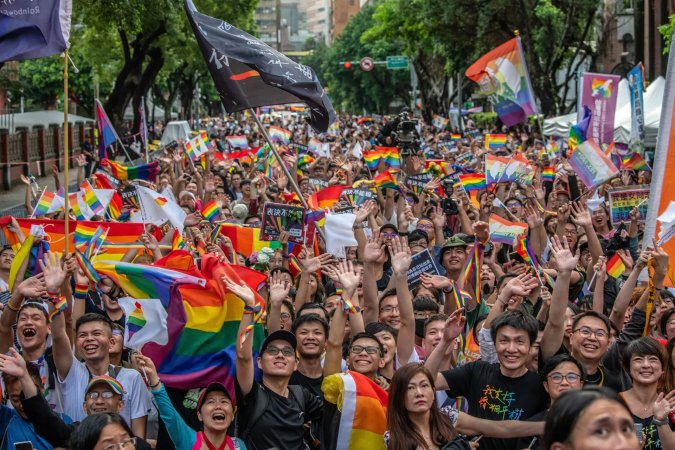
Taipei truly welcomes LGBT people. The annual Pride parade brings over 200,000 people. Smaller cities and countryside areas are more traditional but people are rarely mean or hostile.
Infrastructure: ★★★★☆
Taipei has many gay bars, clubs, saunas, and community centers. The Pride parade is huge. Taiwan has developed growing LGBTQ+ tourism infrastructure beyond Taipei, including destination wedding packages that attract same-sex couples from across Asia, LGBT-welcoming hotels and resorts in coastal areas and mountain regions, and pioneering LGBT-affirming senior living communities. The country actively markets itself as a wedding tourism destination for same-sex couples, particularly from neighboring countries without marriage equality.
What Makes Taiwan Special:
Modern East Asian city life, amazing food, easy travel, and people speak Mandarin Chinese. Taiwan's marriage equality framework makes it the destination of choice for same-sex couples seeking legal recognition in Asia. The country's combination of traditional culture, modern infrastructure, and progressive values creates a unique experience.
The Trade-Off:
While Taipei remains the center of LGBT nightlife and community, Taiwan's growing tourism infrastructure means LGBTQ+ travelers can now find welcoming accommodations and services throughout the island, from Sun Moon Lake to Kenting National Park. Also, Taiwan is far from South and Southeast Asia if you want to visit multiple countries.
Best For:
People who want strong legal protection and a big city gay scene. People visiting during Pride month. People who like modern East Asian cities. Same-sex couples seeking destination weddings with legal recognition. Travelers interested in experiencing Asia's first marriage equality success story.
Nepal: Mountains Meet Legal Rights
Legal Status: ★★★★★
The constitution protects you from discrimination based on who you love or your gender identity. Nepal's Supreme Court issued a landmark decision in 2023 ordering the government to register same-sex marriages, making Nepal the first country in South Asia to allow it. This built upon progressive constitutional protections established in 2007 when the court decriminalized homosexuality and ordered the government to ensure LGBTQ+ rights. Third gender (people who aren't male or female) has been legally recognized since 2013. Being gay stopped being a crime in 2007.
Safety: ★★★★★
There are no recorded cases of LGBTQ+ tourists being attacked or hurt because of their identity. The US State Department and UK Foreign Office both note Nepal's strong legal protections. It's one of the safest places in Asia for LGBTQ+ travelers.
Social Acceptance: ★★★★☆
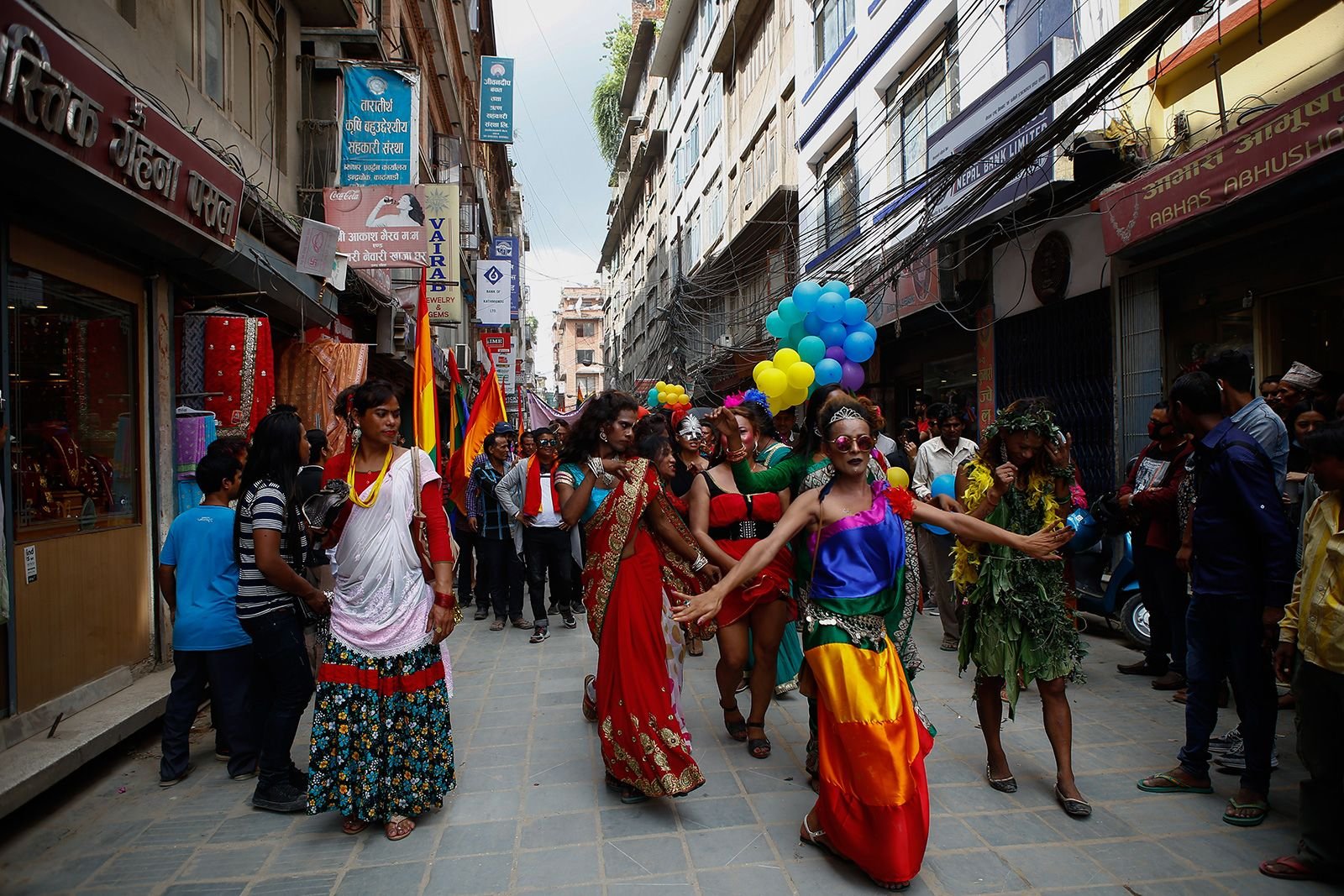
Nepal's Hindu culture has always recognized gender diversity through something called tritiya prakriti (third nature). Cities are welcoming. In rural villages, people might be curious but are rarely mean. Nepal's hospitality culture means guests are treated well no matter who they are.
Infrastructure: ★★★☆☆
Kathmandu has LGBT organizations like Blue Diamond Society and Mitini Nepal, yearly Pride events, and some gay-friendly venues. The scene is growing but isn't as big as Bangkok or Taipei. Outside Kathmandu, there are no gay bars or clubs, but people are still friendly and welcoming.
What Makes Nepal Special
The Himalayan mountains with world-famous hiking and trekking
Buddhist and Hindu holy sites for people interested in spirituality
The only place that combines world-class mountains with strong LGBTQ+ legal protection
Ancient cultural recognition of gender diversity that's different from Western ideas
Pink Tourism program supported by Nepal's government to welcome and include LGBTQIA+ visitors
The Trade-Off:
If you want nightclubs, gay saunas, and a big gay neighborhood, Nepal isn't the place. But if you want mountains, spiritual experiences, real cultural connections, and legal safety, no other place in Asia can match Nepal.
Best For:
People who love adventure and hiking. People interested in Buddhism or Hinduism. Couples who want their marriage recognized legally but don't need the party scene. People interested in how cultures outside the West understand gender and sexuality.
Good Places: Legal to Be Gay and Mostly Safe
Thailand: Best for Nightlife
Legal Status: ★★★☆☆
Being gay isn't a crime, but there's no strong law protecting you from discrimination, and you can't marry your same-sex partner (though a civil partnership law might pass soon). Transgender people can't legally change their gender without surgery. Despite these domestic legal limitations, Thailand has been a vocal advocate for LGBTQ+ rights within ASEAN and broader Asian contexts, using its soft power and tourism industry to promote regional acceptance. The law tolerates LGBT people but doesn't give full equality.
Safety: ★★★★☆
Very safe in real life. LGBTQ+ tourists don't face extra danger. The police won't bother you. Even though the laws aren't perfect, Thailand feels safe and welcoming.
Social Acceptance: ★★★★☆
Thai Buddhism teaches tolerance. Kathoey (transgender women) are visible in society. Gay tourists are common in tourist areas. Some social stigma exists, but it rarely affects visitors.

Infrastructure: ★★★★★
Asia's best gay scene. Bangkok's Silom Soi 4 is a famous gay neighborhood. Phuket, Pattaya, and Chiang Mai have good gay scenes with parties, Pride events, gay resorts, and LGBT travel services.
What Makes Thailand Special:
Beaches, temples, incredible food, nightlife, affordable prices, and easy to get around.
The Trade-Off:
Laws are weaker than the actual experience. The gay scene can feel very commercial and party-focused in ways some travelers don't like.
Best For:
People who want nightlife and bars. Beach vacations. First-time visitors to Asia who want easy travel. People who care more about gay venues than legal protection.
Vietnam: Quickly Changing
Legal Status: ★★★☆☆
Being gay isn't a crime. There's no law protecting you from discrimination. You can't marry your same-sex partner, but you can have a wedding ceremony. The law is neutral, neither hostile nor protective.
Safety: ★★★★☆
Safe in practice. No pattern of attacks against LGBTQ+ tourists. The police don't care. The communist government doesn't have an official position on being gay.
Social Acceptance: ★★★☆☆
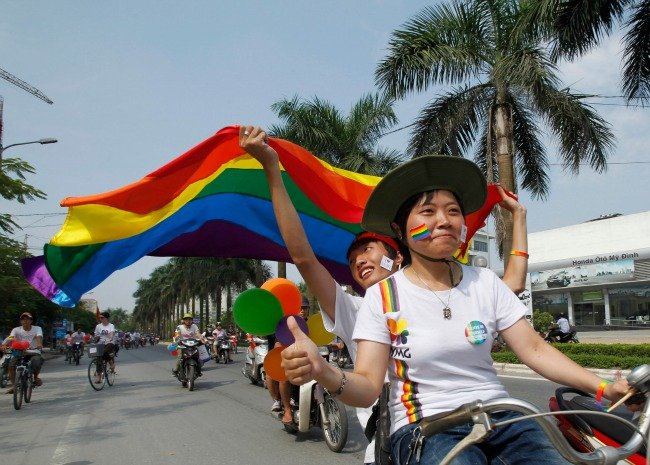
Changing fast, especially among young people. Ho Chi Minh City is becoming more open. Hanoi is more conservative. Rural areas are traditional.
Infrastructure: ★★★☆☆
Growing gay scene in Ho Chi Minh City with bars, clubs, and Pride events. Hanoi's scene is smaller but exists. Outside big cities, there's almost nothing.
What Makes Vietnam Special:
Amazing food, beautiful landscapes, interesting history, cheap prices, and less touristy than Thailand in many places.
The Trade-Off:
Gay venues are still developing. No legal protection if something goes wrong.
Best For:
Food lovers. History fans. Budget travelers. People are comfortable without many gay bars or clubs.
Japan: Safe But Quiet About It
Legal Status: ★★☆☆☆
You can't marry your same-sex partner nationally. No law protects you from discrimination. Some cities like Tokyo's Shibuya offer partnership certificates that work only in that city.
Safety: ★★★★★
Extremely safe. Violence against LGBT people is basically unheard of. Japan's overall safety includes LGBTQ+ visitors.
Social Acceptance: ★★★☆☆
Complex "don't ask, don't tell" culture. Being gay isn't condemned but people don't talk about it openly. Public displays of affection are uncommon for everyone. Tourists experience safety without warmth.
Infrastructure: ★★★★☆
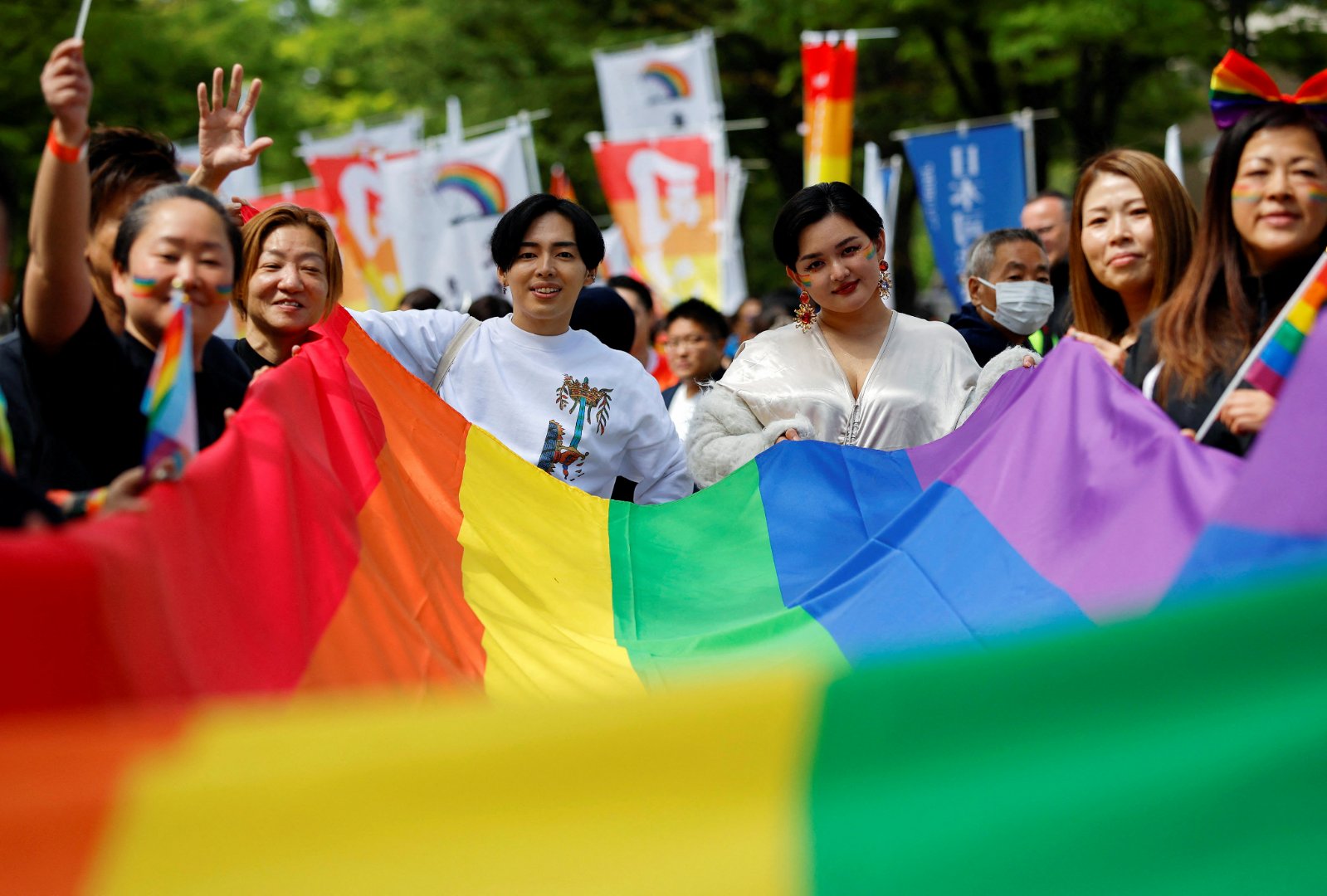
Tokyo's Shinjuku Ni-chome has over 300 LGBTQ+ bars packed into a few blocks, making it Asia's biggest concentration. Osaka has a scene too. Outside major cities, almost nothing.
What Makes Japan Special:
Deep culture, world-class food, innovative design, extreme safety, and efficiency create unique experiences.
The Trade-Off:
Weak laws in a rich country feel surprising. Social acceptance means silence rather than celebration.
Best For:
Culture and food travelers. Design fans. People are comfortable with quiet acceptance rather than loud pride. People who want to experience Shinjuku Ni-chome nightlife.
Philippines: Warm People, Weak Laws
Legal Status: ★★☆☆☆
Being gay isn't a crime. No national law protects you from discrimination (some cities have local laws). You can't marry your same-sex partner because of Catholic Church influence. The country's constitution doesn't offer protections, leaving LGBT people vulnerable to discrimination in employment, housing, and services.
Safety: ★★★★☆
Generally safe with Filipino culture being warm and friendly toward visitors. Bakla (gay or feminine men) are visible in society and often work in service industries, media, and entertainment. Violence against LGBTQ+ people is rare, though incidents do occasionally occur in less touristy areas.
Social Acceptance: ★★★★☆
An interesting mix of conservative Catholic countries with high tolerance for LGBT people in daily life. Beauty pageants with transgender women are mainstream entertainment and widely watched.
Infrastructure: ★★★☆☆
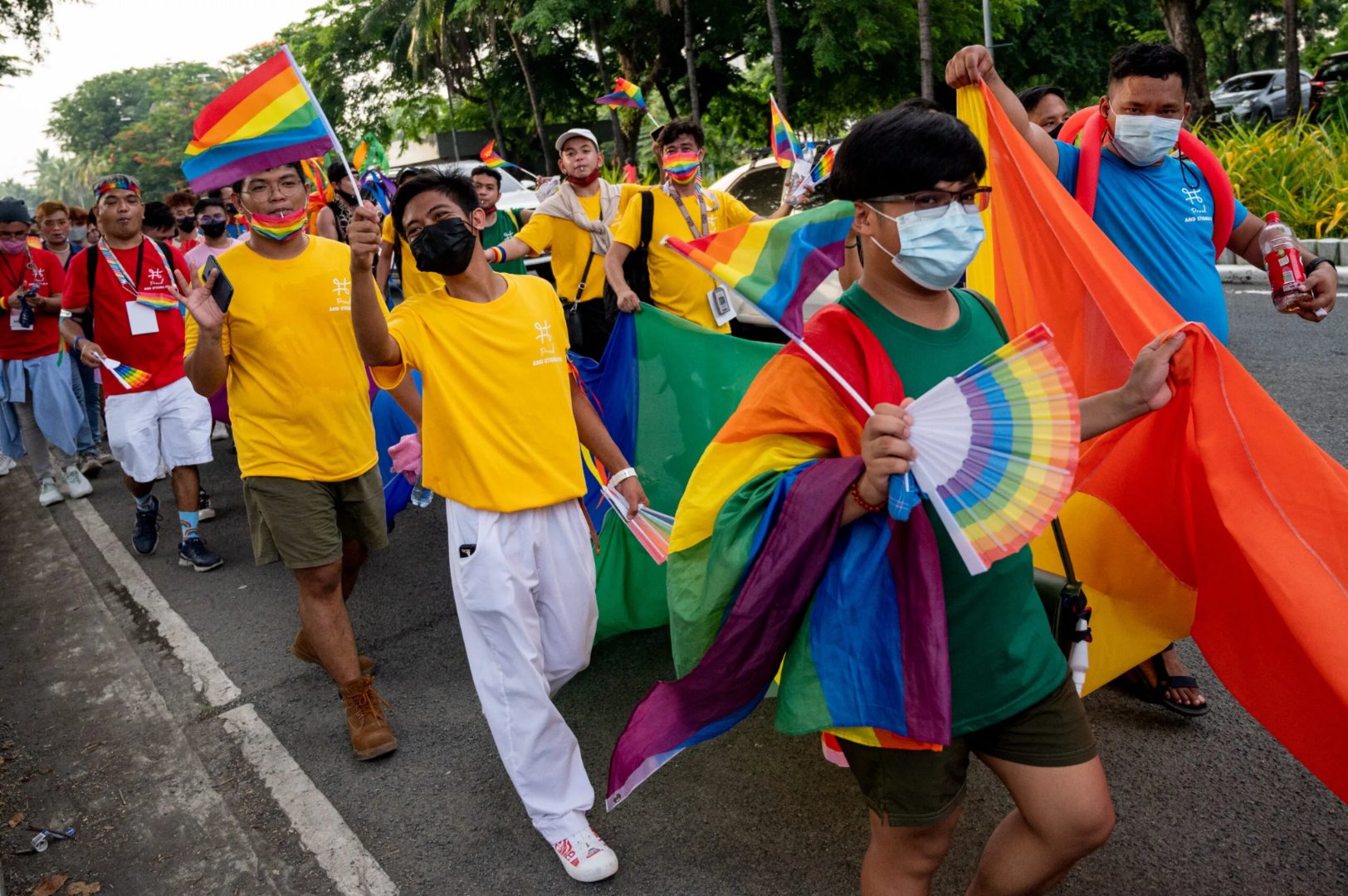
Manila has several gay bars, clubs, and saunas, particularly in the Malate district. Boracay island is known as a gay-friendly beach destination with welcoming resorts and nightlife. Outside tourist areas and major cities, LGBT-specific venues are limited. Pride events are growing in Manila and other cities, drawing thousands of participants.
What Makes Philippines Special:
English widely spoken makes travel easier for English speakers. Beautiful beaches and islands offer tropical paradise experiences. Warm Filipino hospitality creates genuine connections with locals. The country is one of Asia's most affordable destinations for budget travelers.
The Trade-Off:
No legal protections mean you have no recourse if discrimination happens. The Catholic Church's political power prevents progress on marriage equality and anti-discrimination legislation. Gay venues are limited outside Manila and major tourist destinations.
Best For:
Beach lovers who want tropical islands. Budget travelers seeking affordable Asia travel. People who value personal friendliness and cultural warmth over legal protection. English speakers who want easier communication.
Cambodia: Temples and Tolerance
Legal Status: ★★★☆☆
Being gay was never criminalized in Cambodia's history, which sets it apart from countries influenced by colonial laws. However, there's no specific law protecting LGBTQ+ people from discrimination either. The legal situation is similar to Vietnam with neutral laws that neither punish nor protect LGBT people.
Safety: ★★★★☆
Safe for tourists with no pattern of attacks specifically targeting LGBTQ+ people. General safety concerns in Cambodia (petty theft, traffic accidents, scams) affect all tourists equally and aren't LGBT-specific. Khmer people are generally friendly and non-confrontational toward visitors.
Social Acceptance: ★★★☆☆
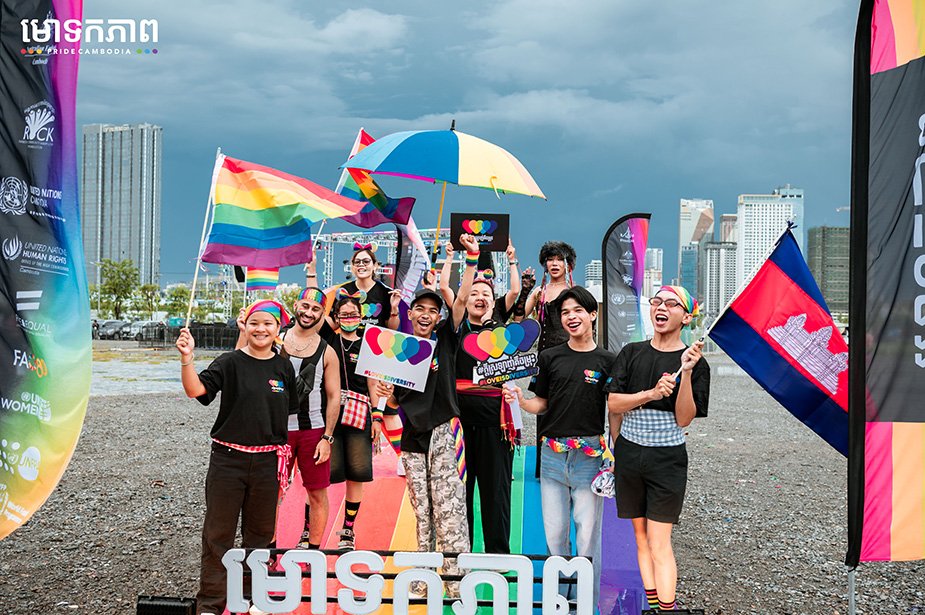
Buddhist tolerance applies broadly to different kinds of people. LGBTQ+ culture is less visible than in Thailand but there's no widespread hostility either. Cambodian society focuses more on family expectations than policing other people's relationships. In cities, young people are increasingly open-minded.
Infrastructure: ★★☆☆☆
Siem Reap has a few gay-friendly bars and venues that cater to both tourists and expats. Phnom Penh has a limited scene with some welcoming establishments but nothing compared to Bangkok or Manila. This isn't a destination where you'll find gay clubs, saunas, or a defined LGBT neighborhood. Outside the two main cities, there's virtually no LGBT-specific infrastructure.
What Makes Cambodia Special:
Angkor Wat stands as one of humanity's greatest temple complexes and archaeological wonders. The country offers affordable prices for budget travelers looking to stretch their money. Cambodia's food scene is growing with both traditional Khmer cuisine and creative modern restaurants. The tragic history of the Khmer Rouge era creates meaningful cultural learning opportunities.
The Trade-Off:
You're visiting Cambodia to see Angkor Wat and experience Khmer culture, not for gay nightlife or LGBT community. If you need gay bars and clubs to enjoy a destination, Cambodia will disappoint. The country is rebuilding after decades of conflict, so infrastructure overall remains limited.
Best For:
Temple and history lovers interested in ancient civilizations. Budget backpackers traveling Southeast Asia on limited funds. People not looking for LGBT-specific experiences or nightlife. Travelers who appreciate cultural sites more than party scenes.
Okay Places: Legal But Be Careful
Singapore: Safe But Calculated
Legal Status: ★★★☆☆
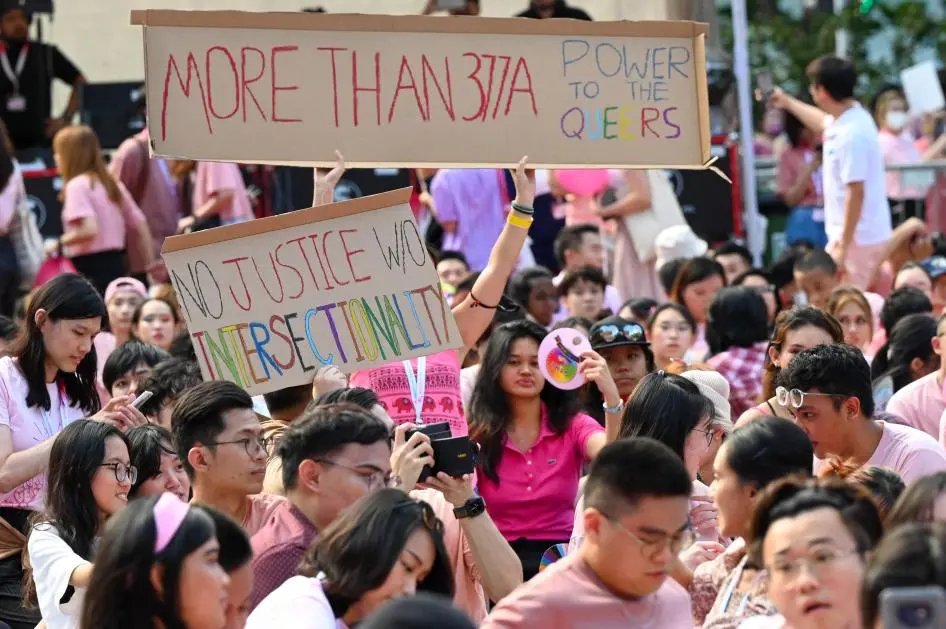
Being gay became legal in 2022 when Singapore repealed Section 377A, a colonial-era law that criminalized gay sex. However, the government simultaneously changed the constitution to define marriage as between a man and woman, effectively preventing same-sex marriage through constitutional means rather than just regular law. This calculated move gave LGBT people legal safety while blocking full equality.
Safety: ★★★★★
Extremely safe as one of the world's safest cities with very low crime rates. LGBTQ+ people face no physical danger or police harassment. Singapore's strict laws against violence protect everyone equally. The authoritarian government maintains order, which ironically creates safety even without social progressiveness.
Social Acceptance: ★★★☆☆
Conservative society is slowly becoming more liberal, especially among younger, educated Singaporeans. Pink Dot, Singapore's Pride event, brings tens of thousands of people to Hong Lim Park each year. However, older generations and religious communities remain conservative. Public displays of affection are uncommon for all couples, gay or straight.
Infrastructure: ★★★☆☆
Small but real gay scene with limited venues concentrated in areas like Chinatown and Tanjong Pagar. A few gay bars and saunas exist but the scene is much smaller than Bangkok or Tokyo. Many LGBT Singaporeans socialize through private events, dating apps, and friend networks rather than public venues. The scene feels underground despite being legal.
What Makes Singapore Special:
World-class food combining Chinese, Malay, Indian, and international cuisines. Perfect stopover city for travelers heading between Asia, Australia, and beyond. Efficient public transportation makes getting around effortless. Clean, modern city with English widely spoken.
The Trade-Off:
Legal safety without full equality feels frustrating for a wealthy, developed nation. The gay scene is limited compared to other Asian cities. Singapore's high cost of living makes it expensive for budget travelers.
Best For:
Stopover travelers spending a few days between other destinations. Food tourists want diverse Asian cuisines in one place. People who prioritize physical safety and cleanliness. Not for people seeking big LGBT culture experiences or nightlife.
Hong Kong: Unclear Future
Legal Status: ★★☆☆☆
Being gay became legal in 1991 when colonial British laws were reformed. No law protects LGBTQ+ people from discrimination and you can't marry your same-sex partner. The legal situation has become more uncertain since China's 2020 National Security Law changed Hong Kong's political landscape, making advocates worry about future restrictions.
Safety: ★★★★★
Very safe with no concerns about physical attacks against LGBTQ+ people. Hong Kong maintains low crime rates and police don't target LGBT individuals. The city's British legal legacy and international character provide practical safety even without strong legal protections.
Social Acceptance: ★★★☆☆
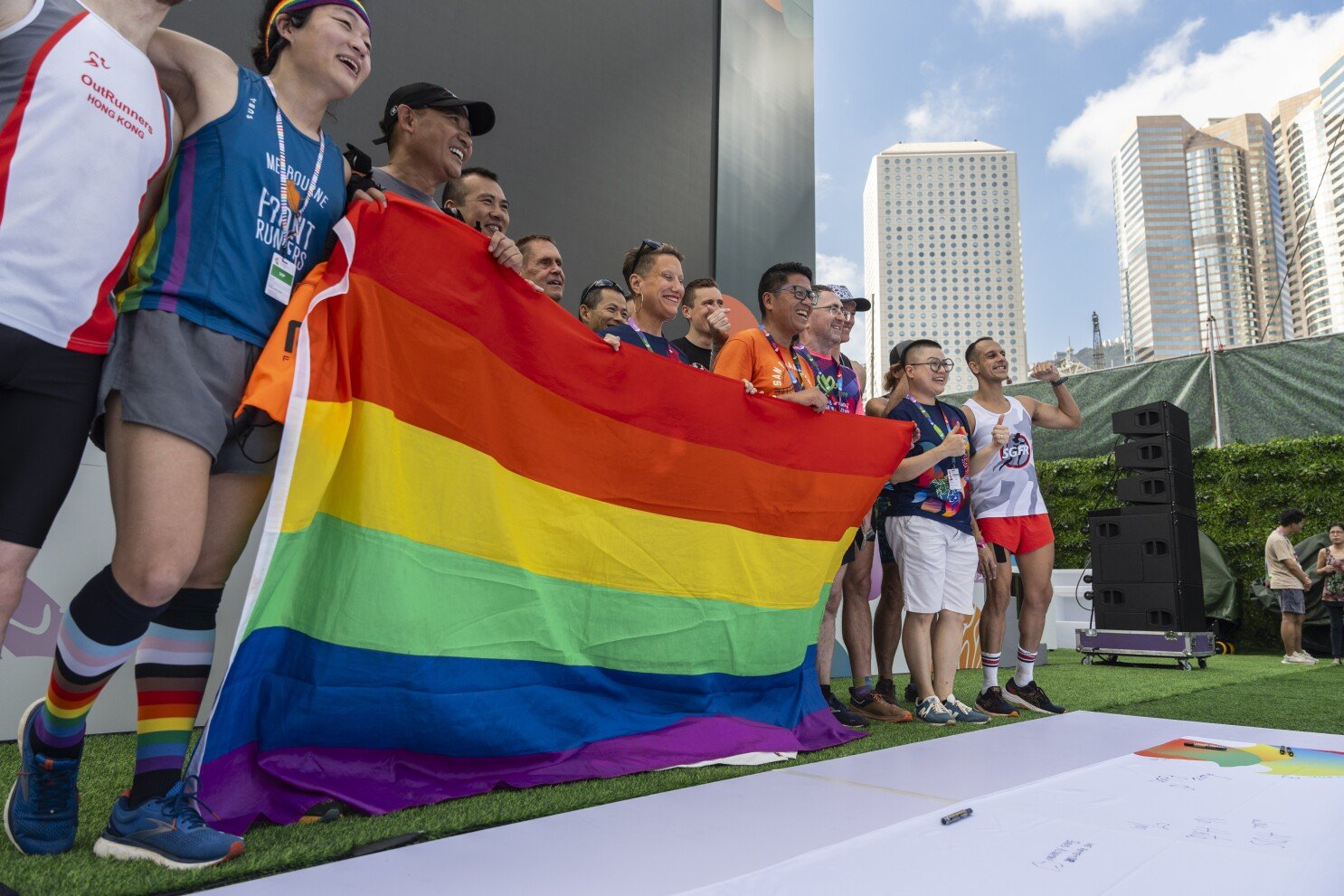
International city with visible LGBTQ+ community including bars, organizations, and annual Pride parade. However, recent political changes have made activists more cautious about public advocacy. Hong Kong's Chinese majority culture tends to be conservative about sexuality and family, while expat communities are more open. The city feels caught between its cosmopolitan identity and conservative pressures.
Infrastructure: ★★★☆☆
Central and Sheung Wan areas have gay bars and clubs serving both locals and tourists. The annual Hong Kong Pride Parade continues to happen but has faced political pressure. LGBT organizations exist but operate more carefully than before. Overall, the scene is smaller than Tokyo or Bangkok but larger than many Asian cities.
What Makes Hong Kong Special:
Incredible fusion of Chinese and British cultures creates unique experiences. World-class food scene from street stalls to Michelin-starred restaurants. Stunning skyline and harbor views combine urban energy with natural beauty. English is widely spoken in business and tourist areas.
The Trade-Off:
Political uncertainty makes the future unclear for LGBT rights and freedoms. The city's high cost of living rivals Singapore and Tokyo. Recent emigration of Hong Kongers has changed the city's character.
Best For:
City explorers interested in unique East-meets-West culture. Food lovers want diverse Chinese cuisines. Stopover travelers between Asia destinations. Not for people seeking legal protections or confident LGBT rights progress.
Indonesia (Bali Only)
Legal Status: ★★☆☆☆
Being gay isn't a crime under Indonesian national law, but the situation is complicated. Aceh province enforces Islamic Sharia law including punishment for homosexuality with public caning. The national government has become increasingly hostile toward LGBT people in recent years with politicians and religious leaders making inflammatory statements. Laws criminalizing "pornography" and "public indecency" can be selectively used against LGBT people.
Safety: ★★★☆☆
Bali specifically remains relatively safe for tourists because of its Hindu culture (unlike Muslim-majority Indonesia) and economic dependence on tourism money. Authorities avoid incidents that would harm tourism revenue. However, Java and other Indonesian islands are getting riskier with increasing conservatism and occasional police raids on LGBT spaces. In 2017-2018, police raids on gay saunas and parties resulted in arrests elsewhere in Indonesia.
Social Acceptance: ★★☆☆☆
Bali's Hindu culture is more tolerant than Muslim-majority Indonesia, but you should still exercise caution and discretion. Balinese people are friendly to tourists and focused on hospitality.

Infrastructure: ★★★☆☆
The Seminyak area of Bali has a well-developed gay scene with dedicated bars, clubs, gay-friendly hotels, and beach clubs. The nightlife rivals smaller Thai beach towns. Outside Bali, LGBT venues are rare and risky, with Jakarta's scene operating quietly and carefully. Bali's tourism industry actively markets to gay travelers while the rest of Indonesia moves in the opposite direction.
What Makes Bali Special:
Beautiful beaches and surfing draw water sports enthusiasts. Yoga retreats and wellness culture attract spiritual seekers. Hindu temples and ceremonies offer cultural experiences different from Buddhist or Muslim Asia. Affordable prices for accommodations, food, and activities.
The Trade-Off:
You're visiting a safe tourist bubble in a country that's becoming more hostile to LGBT people. Money spent in Bali still supports the Indonesian government that promotes anti-LGBT policies. Leaving the tourist areas means entering a potentially dangerous situation.
Best For:
Beach and yoga lovers willing to accept the political situation and stay strictly within Bali's tourist areas. People are comfortable separating vacation experiences from broader country politics. Travelers who want affordable tropical paradise experiences. Not for people who can't ethically support the Indonesian government through tourism.
Dangerous Places: Avoid or Be Very Careful
These destinations have real legal dangers and should be avoided or approached with extreme caution.
Malaysia: Underground Only
Legal Status: ★☆☆☆☆
Being gay is a crime under both regular Malaysian law and Islamic Sharia law, which applies to Muslim citizens. Punishments include imprisonment up to 20 years and caning (being hit with a rattan stick). While prosecutions of foreign tourists are rare, the laws exist and can be enforced. In 2018, two Malaysian women were caned for attempting same-sex relations, showing the laws are not just symbolic.
Safety: ★★☆☆☆
Foreign tourists are rarely targeted compared to Malaysian citizens, but the risk is real. Police raids on LGBT venues do happen, and being caught could result in arrest, detention, and international news coverage. Anwar Ibrahim, who became Prime Minister in 2022, has himself faced sodomy charges twice in politically motivated prosecutions, showing how these laws get weaponized.
Social Acceptance: ★★☆☆☆
Complex situation where cosmopolitan Kuala Lumpur residents may be privately tolerant while the government and religious authorities promote anti-LGBT rhetoric. Malaysia's multi-ethnic society (Malay, Chinese, Indian) means attitudes vary, but political Islam increasingly shapes official positions. Conservative religious pressure has grown stronger in recent years.
Infrastructure: ★★☆☆☆
An underground scene exists in Kuala Lumpur with venues that operate discreetly and sometimes face raids. The scene is risky and constantly threatened. There are no Pride events, no LGBT organizations can operate openly, and advocacy is basically impossible.
Recommendation:
Not recommended if you're openly LGBTQ+. If you must visit Malaysia for work or family reasons, be extremely discreet, avoid LGBT venues, and don't discuss your sexuality or relationship status publicly.
Brunei: Death Penalty Exists
Legal Status: ☆☆☆☆☆
Islamic Sharia law technically allows the death penalty by stoning for homosexual acts. While the law hasn't been enforced against foreign tourists, it exists on the books. In 2019, Brunei announced it would implement these laws fully, causing international outrage. The Sultan said he would extend a moratorium on the death penalty, but the laws remain and could theoretically be enforced.
Safety: ★☆☆☆☆
The theoretical death penalty makes Brunei exceptionally dangerous on paper. Even if enforcement against tourists is unlikely, the risk is not zero. The absolute monarchy means laws can change or be enforced at the Sultan's discretion without warning.
Social Acceptance: ★☆☆☆☆
Ultra-conservative Islamic monarchy with no tolerance for LGBT people. Public displays of affection between same-sex couples would be incredibly dangerous.
Infrastructure: ☆☆☆☆☆
Zero LGBT infrastructure. No venues, no organizations, no community. Being openly gay is life-threatening.
Recommendation:
Avoid completely unless you absolutely must go for unavoidable work or family obligations. Even then, be completely closeted and discreet. There's no tourism reason compelling enough to justify the risk.
Maldives: Beautiful Resorts, Terrible Laws
Legal Status: ★☆☆☆☆
Being gay is illegal under Islamic Sharia law with punishments including imprisonment, deportation, and whipping (flogging). The Maldives is a 100% Muslim country where Islamic law governs personal conduct. Prosecutions of tourists are rare because tourism brings crucial foreign money, but the laws exist and create legal vulnerability.
Safety: ★★★☆☆
Tourists in private island resorts are usually protected because the government doesn't want to harm its tourism industry. However, you're still subject to Maldivian law if you leave the resort or if authorities decide to enforce it. In 2014, two male tourists were expelled from the country for "homosexual activity." The risk is real even if enforcement is selective.
Social Acceptance: ★☆☆☆☆
Conservative Islamic society with no public tolerance for LGBT people. Maldivian citizens who come out face serious consequences including prosecution. The disconnect between luxury tourism and local reality is stark.
Infrastructure: ☆☆☆☆☆
Zero LGBT infrastructure. Resorts may quietly accommodate same-sex couples without asking questions, but there are no gay-friendly venues, Pride events, or community.
What Makes Maldives Special (Despite the Problems):
Stunning tropical islands with crystal-clear water and white sand beaches. World-class snorkeling and diving with incredible marine life. Luxury overwater bungalows create romantic, private experiences.
The Ethical Question:
Can you ethically vacation in a country that criminalizes who you are, even if you're protected in a resort bubble? Some LGBT travelers feel uncomfortable knowing their tourism dollars support a government that would imprison its own gay citizens. Others separate the resort experience from national politics. This is a personal decision only you can make.
Recommendation:
Not recommended if you cannot separate the resort experience from the country's laws and values. If you do go, stay strictly within your private resort, book through companies that openly support LGBT travelers, and be completely discreet if you interact with Maldivian citizens.
Quick Comparison: Where Should You Go?
Here's a simple breakdown to help you decide based on what matters most to you:
Why Nepal Deserves More Attention from LGBTQ+ Travelers
Most articles about "LGBTQIA+ Asia" talk about Thailand, mention Taiwan, and stop there. Nepal rarely appears, but that's a mistake.
What Nepal Offers LGBTQ+ Travelers
Nepal combines advantages that no other Asian country can match:
Strongest legal protection in South Asia with constitutional guarantees, not just "being gay isn't a crime"
Only South Asian country where you can legally marry your same-sex partner (legal since 2023)
Ancient cultural recognition of gender diversity from Hindu and Buddhist traditions that existed before Western LGBT movements
World-class hiking in the Himalayan mountains for adventure lovers
Buddhist and Hindu holy sites for spiritual travelers
Real hospitality culture where guests are honored no matter who they are
No recorded hate crimes against LGBTQ+ tourists
Authentic experience not yet turned into a commercial "gay destination" package
Pink Tourism program supported by Nepal's government to welcome and include LGBTQIA+ visitors
When to Choose Nepal
Nepal isn't for everyone, and that's okay. If you want Bangkok's famous gay nightlife district, go to Bangkok. If you want legal equality plus big city gay bars, go to Taipei.
But if you want adventure, mountains, spiritual experiences, and the knowledge that your destination has both the laws and cultural history to truly welcome you, Nepal is the best in Asia. Travel preparation also shapes the overall experience of choosing an LGBTQIA+-friendly destination. Practical resources such as the TalkTravel Blog can help travelers better understand flight timing, airport procedures, and broader travel logistics before departure.
Frequently Asked Questions (FAQ)
1. Which Asian country is safest for LGBTQ+ travelers?
Taiwan, Japan, and Nepal are the safest Asian countries for LGBTQ+ travelers. Taiwan has the strongest legal protection with same-sex marriage and anti-discrimination laws. Japan is extremely safe overall with basically no violence against LGBTQ+ people. Nepal combines constitutional protection with cultural recognition of gender diversity and no recorded hate crimes against LGBTQ+ tourists.
2. Can I hold hands with my same-sex partner in Asia?
This depends a lot on the country. In Taiwan and Thailand's tourist areas, holding hands is usually fine. In Nepal, public displays of affection are uncommon for all couples (straight or gay), but you won't get in legal trouble. In conservative countries like Malaysia, Singapore, or Indonesia (outside Bali), it's best to avoid showing affection in public. When unsure, watch what straight couples do and stay within those boundaries.
3. Can I marry my same-sex partner anywhere in Asia?
Yes, Taiwan legalized same-sex marriage in 2019, making it the first in Asia. Nepal made same-sex marriage legal in 2023, becoming the first in South Asia. No other Asian countries currently allow same-sex marriage, though Thailand might pass a civil partnership law soon.
4. Which Asian destination has the best gay nightlife?
Thailand, especially Bangkok's Silom Soi 4 area, has the most developed gay nightlife scene in Asia. Tokyo's Shinjuku Ni-chome has over 300 LGBTQ+ bars packed into a few blocks, though it's more intimate and local. Taiwan's Taipei has a growing scene with huge Pride celebrations bringing 200,000+ people.
5. Are there countries in Asia where being LGBTQ+ is illegal?
Yes, being gay is still a crime in Malaysia, Brunei (with death penalty on the books), Maldives, and parts of Indonesia. Singapore recently made being gay legal but changed the constitution to prevent same-sex marriage. In these countries, LGBTQ+ travelers should be extremely careful or avoid travel completely. Always check current laws before traveling, as things can change. For broader travel planning resources, readers can also explore TalkTravel.
Company Admin
Travel writer sharing authentic stories and experiences from Nepal's beautiful homestays.