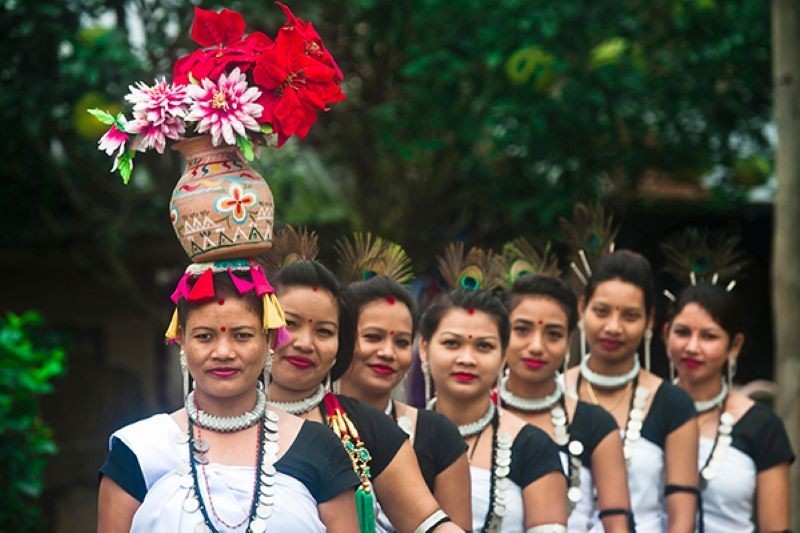
नेपाल सधैँ विश्वभरका यात्रुहरूका लागि एउटा सपनाको गन्तव्य रहिआएको छ। हिउँले ढाकिएका चुचुराहरू, समृद्ध संस्कृति र न्यानो आतिथ्यका लागि परिचित यसले साहसिक यात्राभन्दा बढी कुराहरू प्रदान गर्दछ। वर्षौंदेखि, यात्राको संसारमा एउटा शान्त परिवर्तन भइरहेको छ। आगन्तुकहरू अब पहाड वा मन्दिरहरूमा मात्र आउँदैनन्। धेरैले अब स्थानीय मानिसहरूसँग गहिरो सम्बन्ध स्थापित गर्न र उनीहरूको दैनिक जीवनको अनुभव गर्न चाहन्छन्। यस परिवर्तनले नेपालमा समुदायमा आधारित पर्यटनको विकास गरेको छ, जुन एउटा बढ्दो आन्दोलन हो जसले यात्रुहरू र स्थानीय समुदायहरूलाई सँगै लाभान्वित हुन मद्दत गर्दछ, जसरी यात्रुहरूले अनुभव गर्छन् नेपालका होमस्टेहरू मार्फत सांस्कृतिक आदानप्रदान र समझलाई समर्थन गर्दछ। यसले नेपालको बढ्दो सामाजिक उद्यमशीलता को जस्तै दृष्टिकोण साझा गर्दछ, जहाँ स्थानीय विचारहरू समुदाय परिवर्तनका लागि शक्तिशाली उपकरणहरूमा परिणत भइरहेका छन्।
समुदायमा आधारित पर्यटनले मानिसहरूले नेपाललाई हेर्ने तरिका परिवर्तन गरिरहेको छ। यसले स्थानीय परिवारहरूलाई सहयोग गर्ने, वातावरणको संरक्षण गर्ने र यस देशलाई विशेष बनाउने परम्पराहरूलाई जोगाउने यात्रा अनुभवहरू सिर्जना गर्नमा केन्द्रित छ। यात्रुहरू अब केवल पाहुना मात्र होइनन्; उनीहरू समुदायको हिस्सा बन्छन्, खाना, कथाहरू र संस्कृति साझा गर्छन्।
नेपालमा समुदायमा आधारित पर्यटन के हो?
नेपालमा समुदायमा आधारित पर्यटन (प्रायः CBT भनिन्छ) को अर्थ हो कि स्थानीय मानिसहरूले पर्यटनको व्यवस्थापन गर्छन् र यसबाट प्रत्यक्ष लाभ लिन्छन्। ठूला होटल चेन वा बाहिरी लगानीकर्ताहरूको सट्टा, गाउँलेहरू आफैंले सामुदायिक होमस्टे, स्थानीय रेस्टुरेन्ट र गाईडिङ सेवाहरू जस्ता साना व्यवसायहरू सञ्चालन गर्छन्।
यी गाउँहरूमा, यात्रुहरू स्थानीय परिवारहरूसँग बस्छन्, घरमा बनाएको खाना खान्छन्, र खाना पकाउने, खेती गर्ने वा चाडपर्वहरूमा भाग लिने जस्ता दैनिक गतिविधिहरूमा सामेल हुन्छन्। यी बसाइबाट हुने आम्दानी सिधै समुदायमा जान्छ, जसले जीवनस्तर सुधार गर्छ र युवाहरूलाई कामको लागि बसाइँ सर्नुको सट्टा आफ्नो गृहनगरमा बस्न प्रोत्साहन गर्छ।
यो मोडेलले यात्रुहरूलाई वास्तविक नेपाल होटलको बालकनीबाट नभई न्यानो गाउँको घरभित्रबाट हेर्न मद्दत गर्छ।
नेपालमा समुदायमा आधारित पर्यटन किन महत्त्वपूर्ण छ
पर्यटन नेपालको सबैभन्दा ठूलो उद्योगहरू मध्ये एक हो, तर वर्षौंदेखि केही क्षेत्रहरूले मात्र यसबाट लाभ उठाएका छन्। काठमाडौँ, पोखरा र चितवन जस्ता शहरहरूले धेरैजसो ध्यान आकर्षित गरे, जबकि धेरै सुन्दर गाउँहरू अनदेखा रहे। समुदायमा आधारित पर्यटनले दुर्गम क्षेत्रहरूमा अवसरहरू फैलाएर र ग्रामीण परिवारहरूलाई यात्रा अर्थतन्त्रको हिस्सा बन्न मद्दत गरेर यसलाई परिवर्तन गर्छ।
१. स्थानीय समुदायलाई सशक्त बनाउने
CBT ले गाउँलेहरूलाई उनीहरूको पर्यटन परियोजनाहरूमा स्वामित्व दिन्छ। स्थानीयहरूले सरसफाइ, आतिथ्य र आधारभूत अंग्रेजीमा तालिम पाउँछन्। नेपालका धेरै सामुदायिक होमस्टेहरू महिलाहरूले सञ्चालन गर्छन् जसले पाहुना, वित्त र दैनिक कार्यहरू व्यवस्थापन गर्छन्। उनीहरूको कामले नेपालमा ग्रामीण महिलाहरूलाई सशक्त बनाउने होमस्टेहरू मा पाइने स्वतन्त्रता र आत्मविश्वासको भावनालाई प्रतिबिम्बित गर्दछ। यसले आम्दानी, नेतृत्व र स्वतन्त्रताका लागि ढोका खोलेको छ।
२. स्थानीय संस्कृति र परम्पराको संरक्षण
जब यात्रुहरूले नेपाली रीतिरिवाजमा वास्तविक रुचि देखाउँछन्, तब स्थानीयहरूलाई ती साझा गर्न गर्व लाग्छ। गीत, नृत्य र परम्परागत पोशाकहरू पुनर्जीवित भइरहेका छन् किनभने आगन्तुकहरूले यी सांस्कृतिक खजानाहरूको कदर गर्छन्।
३. दिगो विकासलाई समर्थन
CBT ले वातावरणमैत्री पर्यटन अभ्यासहरूलाई प्रोत्साहन गर्छ। नेपालका धेरै गाउँका होमस्टेहरूले सौर्य ऊर्जा प्रयोग गर्छन्, फोहोरको जिम्मेवारीपूर्वक व्यवस्थापन गर्छन्, र स्थानीय उत्पादनमा निर्भर रहन्छन्। यसबाट कमाएको पैसाले विद्यालय, स्वच्छ पानी प्रणाली र वन पुनर्स्थापना परियोजनाहरूलाई आर्थिक सहयोग गर्छ, जसले समुदाय पर्यटनले कसरी दीर्घकालीन विकासलाई समर्थन गर्छ भनी देखाउँछ।
सामुदायिक पर्यटन परियोजनाका सफल उदाहरणहरू
नेपालभरि, धेरै गाउँहरू जिम्मेवार र सांस्कृतिक पर्यटनका लागि नमुना बनेका छन्। प्रत्येकले विकास, गर्व र लचिलोपनको कथा बताउँछ।
घले गाउँ, लमजुङ
अन्नपूर्ण क्षेत्रमा अवस्थित घले गाउँ नेपालको पहिलो सामुदायिक होमस्टे मोडेलहरू मध्ये एक हो। गुरुङ समुदायले वातावरणमैत्री होमस्टेहरू सञ्चालन गर्छ र परम्परागत खाना र नृत्य प्रदर्शनका साथ पाहुनाहरूलाई स्वागत गर्छ। यसबाट भएको आम्दानीले विद्यालय, स्वास्थ्य चौकी र स्थानीय सडकहरू निर्माण गर्न मद्दत गरेको छ।
सिरुबारी, स्याङ्जा
सिरुबारीलाई प्रायः नेपालमा समुदायमा आधारित पर्यटनको जन्मस्थल भनिन्छ। यस गाउँले दशकौं अघि होमस्टेको अवधारणा प्रस्तुत गरेको थियो। आज, आगन्तुकहरूलाई संगीत, माला र सांस्कृतिक समारोहका साथ स्वागत गरिन्छ। पर्यटनले स्थानीय पूर्वाधार सुधार गरेको छ र बिस्तारै लोप हुँदै गएका गुरुङ परम्पराहरूलाई पुनर्जीवित गरेको छ।
पनाउती सामुदायिक होमस्टे
काठमाडौँबाट एक घण्टाको दूरीमा रहेको पनाउती महिला नेतृत्वको सामुदायिक पर्यटनको एक प्रेरणादायी उदाहरण हो। स्थानीय महिलाहरूले आफ्नै होमस्टेहरू व्यवस्थापन गर्छन्, अनलाइन बुकिङहरू ह्यान्डल गर्छन्, र पाहुनाहरूसँग प्रत्यक्ष कुराकानी गर्छन्। उनीहरूको सफलताले सम्पूर्ण समुदायमा शिक्षा र आत्मविश्वास ल्याएको छ। यहाँ बस्ने यात्रुहरूले नेवारी वास्तुकला, मन्दिरहरू र खानाको अनुभव गर्न पाउँछन्, जसरी पाहुनाहरूले काठमाडौँ उपत्यकाका उत्कृष्ट होमस्टेहरू मा गर्छन्, जहाँ स्थानीय न्यानोपन र संस्कृतिले हरेक बसाइलाई विशेष बनाउँछ।
यात्रुहरूका लागि फाइदाहरू
समुदायमा आधारित पर्यटनले यात्रुहरूलाई दर्शनीय स्थलहरू हेर्नुभन्दा बाहिर जाने अवसर प्रदान गर्दछ। यसले उनीहरूको यात्रालाई सांस्कृतिक आदानप्रदानमा परिणत गर्छ।
प्रामाणिक सम्बन्ध: स्थानीय परिवारहरूसँग बस्नुहोस् र वास्तविक नेपाली जीवनबारे जान्नुहोस्।
सांस्कृतिक घुलमिल: खाना पकाउने, खेती गर्ने वा स्थानीय चाडपर्वहरूमा भाग लिनुहोस्।
किफायती र प्रभावकारी: तपाईंको बसाइले सीधै गाउँका परिवारहरूलाई सहयोग गर्छ।
शान्त अनुभवहरू: भीडभाडबाट टाढा शान्त, रमणीय गाउँहरूको आनन्द लिनुहोस्।
अर्थपूर्ण यात्रा: तपाईंको भ्रमणले समुदायलाई विकास गर्न मद्दत गर्यो भन्ने थाहा पाएर तपाईं फर्कनुहुन्छ।
होमस्टे र सामुदायिक पर्यटन बीचको सम्बन्ध
होमस्टेहरू नेपालमा समुदायमा आधारित पर्यटनको केन्द्रबिन्दुमा छन्। तिनीहरूले यात्रुहरू र आयोजकहरूलाई व्यक्तिगत तरिकाले एकसाथ ल्याउँछन्। पाहुनाहरूले खाना, कुराकानी र अनुभवहरू साझा गर्छन् जसले स्थायी सम्झनाहरू सिर्जना गर्दछ।
धेरै इको-ट्रेकहरूमा अब उनीहरूको मार्गमा सामुदायिक होमस्टेहरू समावेश छन्। यसले यात्रुहरूलाई पहाडी वा हिमाली क्षेत्रका परिवारहरूसँग बस्दा साहसिक यात्राको आनन्द लिन अनुमति दिन्छ। इको ट्रेक र सामुदायिक होमस्टेको संयोजनले आम्दानीलाई समान रूपमा फैलाउन र दिगो यात्रा मोडेललाई बढावा दिन मद्दत गर्छ।
सामुदायिक पर्यटनले वातावरणको कसरी संरक्षण गर्छ
स्थानीय परिवारहरू खेती र पर्यटनका लागि प्रकृतिमा निर्भर भएकाले, उनीहरू यसको संरक्षण गर्न गहिरो रूपमा उत्प्रेरित छन्।
होमस्टेहरूले सौर्य ऊर्जा र स्थानीय रूपमा प्राप्त सामग्रीहरू प्रयोग गर्छन्।
गाउँहरूले पुनः प्रयोग गर्न मिल्ने पानीका बोतलहरूलाई प्रोत्साहन गरेर फोहोर घटाउँछन् र प्लास्टिकका बोतलहरूबाट बच्न मद्दत गर्छन्।
समुदायहरूले रूख रोप्छन् र सामूहिक रूपमा आफ्ना वनहरू व्यवस्थापन गर्छन्।
जैविक खेतीले परिवार र आगन्तुक दुवैलाई सहयोग गर्छ।
यी अभ्यासहरूले देखाउँछन् कि नेपालमा समुदायमा आधारित पर्यटनले प्रामाणिक अनुभवहरू प्रदान गर्दै वातावरण संरक्षणलाई स्वाभाविक रूपमा समर्थन गर्दछ।
यात्रुहरूले कसरी समुदायमा आधारित पर्यटनलाई समर्थन गर्न सक्छन्
सामुदायिक पर्यटनलाई सफल बनाउन यात्रुहरूको ठूलो भूमिका हुन्छ। नेपालको अन्वेषण गर्दा मद्दत गर्ने केही सरल तरिकाहरू यहाँ छन्।
तपाईंको पैसाले स्थानीय परिवारहरूलाई फाइदा पुर्याउँछ भनी सुनिश्चित गर्न प्रमाणित सामुदायिक होमस्टेहरूमा बस्नुहोस्।
हस्तकला, चिया वा मह जस्ता स्थानीय उत्पादनहरू सीधै गाउँलेहरूबाट किन्नुहोस्।
शालीन पोशाक लगाएर र स्थानीय रीतिरिवाजहरू पालना गरेर परम्पराहरूको सम्मान गर्नुहोस्।
आफ्नै बोतल र वातावरणमैत्री वस्तुहरू बोकेर फोहोरबाट बच्नुहोस्।
जिम्मेवार यात्रा र साना समुदायहरूलाई बढावा दिन मद्दत गर्न आफ्नो अनुभव अनलाइन साझा गर्नुहोस्।
यी कदमहरूले तपाईंको यात्रालाई अझ अर्थपूर्ण बनाउँछ र भविष्यका पुस्ताहरूका लागि नेपालको सुन्दरता र संस्कृतिलाई संरक्षण गर्न मद्दत गर्छ।
समुदायमा आधारित पर्यटनले सामना गरिरहेका चुनौतीहरू
यसको सफलताका बाबजुद पनि, CBT ले अझै केही चुनौतीहरूको सामना गरिरहेको छ। दुर्गम गाउँहरूमा प्रायः राम्रो सडक, बिजुली र इन्टरनेट पहुँचको अभाव हुन्छ। केही परिवारहरूलाई सरसफाइ, ग्राहक सेवा र अनलाइन मार्केटिङमा थप तालिमको आवश्यकता छ।
यद्यपि, नेपाल पर्यटन बोर्ड जस्ता संस्थाहरूले यी समुदायहरूलाई तालिम, डिजिटल उपकरणहरू र विश्वव्यापी प्रवर्द्धनका साथ सहयोग गरिरहेका छन्। समयसँगै, धेरै यात्रुहरूले नेपालमा सामुदायिक पर्यटनले आराम र सांस्कृतिक समृद्धि दुवै प्रदान गर्छ भनी पत्ता लगाइरहेका छन्।
नेपालमा समुदायमा आधारित पर्यटनको भविष्य
नेपालमा यात्राको भविष्य उज्ज्वल छ, र समुदायमा आधारित पर्यटनले मार्ग प्रशस्त गरिरहेको छ। धेरै यात्रुहरूले जिम्मेवार, प्रामाणिक अनुभवहरू खोज्दै जाँदा, स्थानीय समुदायहरू उनीहरूलाई स्वागत गर्न तयार छन्।
सरकार र निजी संस्थाहरूको निरन्तर सहयोगमा, नेपाल दिगो पर्यटनमा विश्वव्यापी नेता बन्न सक्छ, जुन संयुक्त राष्ट्र विश्व पर्यटन संगठन द्वारा निर्धारित विश्वव्यापी मापदण्डहरूसँग मिल्दोजुल्दो छ। गाउँहरूले सौर्य ऊर्जा प्रयोग गर्न, फोहोर व्यवस्थापन गर्न र पाहुनाहरूलाई वास्तविक न्यानोपनका साथ स्वागत गर्न सिकिरहेका छन्। नेपालमा इको ट्रेक र सामुदायिक होमस्टेको सफलताले यात्राले मानिस, संस्कृति र प्रकृतिलाई एकैसाथ कसरी समर्थन गर्न सक्छ भनी देखाउँछ।
अन्तिम विचार: नेपाल हेर्ने उत्तम तरिका
नेपालमा समुदायमा आधारित पर्यटन यात्राको एउटा रूप मात्र होइन। यो हृदयहरू जोड्ने र संस्कृतिहरू बीच पुल निर्माण गर्ने तरिका हो। जब तपाईं स्थानीय घरमा बस्नुहुन्छ, घरमा पकाएको खाना खानुहुन्छ, र आफ्ना आयोजकहरूसँग हाँसो बाँड्नुहुन्छ, तब तपाईंले यस देशको वास्तविक सार अनुभव गर्नुहुन्छ।
नेपालमा सामुदायिक होमस्टे रोज्ने हरेक यात्रुले सशक्तिकरणको चक्रमा योगदान पुर्याउँछन्। यसले परम्पराहरूलाई जीवित राख्छ, ग्रामीण अर्थतन्त्रलाई बलियो बनाउँछ, र नेपाललाई दिगो रूपमा विकास गर्न मद्दत गर्छ।
त्यसैले, अर्को पटक तपाईंले आफ्नो यात्राको योजना बनाउँदा, होटलहरू छोडेर स्थानीयहरूसँग बस्ने छनौट गर्नुहोस्। तपाईं केवल फोटोहरू लिएर मात्र होइन, जीवनभर टिक्ने सम्झनाहरू लिएर फर्कनुहुनेछ।
आफ्नो अर्को होमस्टे नेपाल होमस्टेज मार्फत बुक गर्नुहोस् र यात्राले यात्रु र समुदाय दुवैलाई उत्थान गर्नुपर्छ भन्ने विश्वास गर्ने आन्दोलनको हिस्सा बन्नुहोस्।बारम्बार सोधिने प्रश्न
१. नेपालमा समुदायमा आधारित पर्यटन के हो?
समुदायमा आधारित पर्यटन (CBT) भनेको स्थानीय मानिसहरूले होमस्टे, गाईडिङ र स्थानीय खाना जस्ता पर्यटन गतिविधिहरू व्यवस्थापन गर्नु हो ताकि आम्दानी उनीहरूको समुदाय भित्रै रहिरहोस् र दिगो विकासलाई समर्थन गरोस्।
२. समुदायमा आधारित पर्यटनले स्थानीय मानिसहरूलाई कसरी फाइदा पुर्याउँछ?
यसले रोजगारी सिर्जना गर्छ, महिलाहरूलाई सशक्त बनाउँछ, शिक्षा र स्वास्थ्य परियोजनाहरूलाई आर्थिक सहयोग गर्छ, र ग्रामीण युवाहरूलाई कामको लागि बसाइँ सर्नुको सट्टा आफ्ना गाउँहरूमा बस्न मद्दत गर्छ।
३. नेपालमा सामुदायिक होमस्टेबाट यात्रुहरूले के अपेक्षा गर्न सक्छन्?
पाहुनाहरू स्थानीय परिवारहरूसँग बस्छन्, घरमा बनाएको खाना खान्छन्, र खेती, चाडपर्व वा खाना पकाउने जस्ता दैनिक जीवनमा सामेल हुन्छन्, जसले वास्तविक सांस्कृतिक आदानप्रदान प्रदान गर्दछ।
४. सामुदायिक पर्यटनले नेपालको वातावरण संरक्षणमा कसरी मद्दत गर्छ?
CBT अभ्यास गर्ने गाउँहरूले सौर्य ऊर्जा प्रयोग गर्छन्, प्लास्टिक फोहोर घटाउँछन्, र जैविक खेती तथा वन पुनर्स्थापनालाई बढावा दिन्छन्, जसले पर्यटनलाई वातावरणमैत्री र दिगो बनाउँछ।
५. यात्रुहरूले नेपालमा समुदायमा आधारित पर्यटनलाई कसरी समर्थन गर्न सक्छन्?
प्रमाणित सामुदायिक होमस्टेहरूमा बस्नुहोस्, स्थानीय हस्तकला र खाना किन्नुहोस्, स्थानीय रीतिरिवाजहरूको सम्मान गर्नुहोस्, र अरूलाई जिम्मेवार यात्रा गर्न प्रेरित गर्न आफ्नो अनुभव साझा गर्नुहोस्।
Company Admin
नेपालका सुन्दर होमस्टेहरूबारे सच्चा कथा र अनुभव साझा गर्ने यात्रा लेखक।