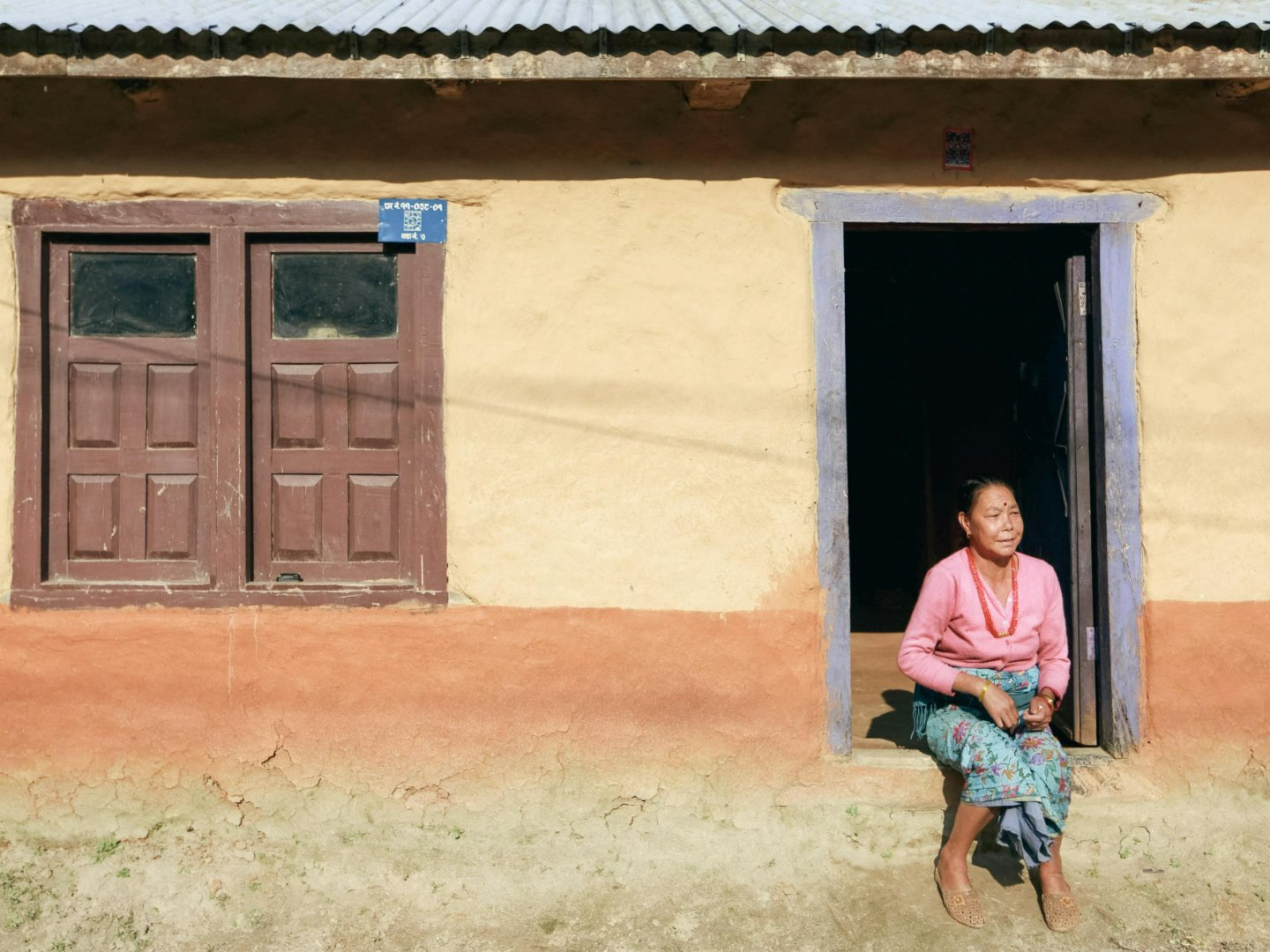
Homestays help keep Nepal’s cultural identity alive by allowing traditions to be lived every day inside real homes. Through shared meals, family routines, and community life, guests experience culture as something active and meaningful.
Nepal’s cultural identity is shaped by everyday life. It lives in how families greet guests, how food is cooked and shared, how elders are respected, and how communities come together during ordinary days as well as special moments.
In a fast-changing world, many cultures struggle to stay connected to daily life. In Nepal, homestays play a quiet but important role in keeping cultural identity alive. By welcoming guests into real homes, homestays allow traditions to continue naturally, without being turned into performances or displays.
Homestays do not preserve culture by freezing it in time. They keep it alive by allowing it to be lived, shared, and valued in everyday settings.
Culture Lives Inside Homes
Culture in Nepal is not limited to festivals, temples, or museums. It is present in daily routines inside homes.
In homestays, guests observe:
How families eat together
How mornings and evenings are structured
How respect is shown through small actions
How traditions are passed from elders to children
These practices may seem simple, but they form the foundation of Nepal’s cultural identity. Homestays place guests inside this living environment, allowing culture to be experienced as it truly exists.
Understanding how homestays work in Nepal and what daily life looks like inside local homes helps travelers appreciate culture as something lived, not staged.
Passing Traditions Through Daily Practice
Cultural identity survives when traditions are practiced daily, not only remembered.
In homestay families, traditions continue through:
Cooking traditional meals
Speaking local languages
Following household customs
Celebrating seasonal events
Children learn these traditions by watching their parents and grandparents. When guests stay in homestays, they become quiet witnesses to this process.
This natural passing of knowledge is one of the strongest ways cultural identity remains alive.
Hospitality as Cultural Expression
Hospitality itself is one of Nepal’s most important cultural values.
In homestays, hospitality is shown through:
Welcoming guests warmly
Sharing food without hesitation
Adjusting routines for visitors
Treating guests like family
This hospitality is not a service created for tourism. It is a value deeply rooted in social life. Guests begin to understand Nepal’s culture by experiencing how Nepali hospitality makes visitors feel part of the home, not just accommodated.
Food as a Cultural Link
Food of Nepal carries history, identity, and memory.
In homestays, meals are prepared using traditional methods and local ingredients. Guests eat what the family eats, often at the same table.
Through these shared meals, guests learn:
Which foods belong to which seasons
How meals are eaten together
Why certain dishes hold cultural meaning
Food becomes a way of understanding culture beyond words. This connection between food and identity is difficult to experience when staying in hotels.
Language, Stories, and Everyday Communication
Language plays a major role in cultural identity. In homestays, guests hear local languages spoken naturally throughout the day.
They listen to:
Family conversations
Stories shared by elders
Everyday expressions and humor
Even if guests do not understand every word, they begin to sense how language shapes relationships and identity. These everyday interactions help culture stay active and relevant.
Homestays and Community Life
Homestays are not isolated spaces. They are part of a wider community.
Guests may see:
Neighbors visiting casually
Community members helping each other
Shared celebrations and gatherings
This shows how culture is maintained not only within families but across entire communities. Homestays provide access to this shared life, which helps cultural practices remain strong.
Keeping Traditions Relevant, Not Frozen
One of the challenges of cultural preservation is keeping traditions relevant.
Homestays do this by:
Allowing traditions to adapt naturally
Sharing culture through daily life
Valuing traditions without commercial pressure
When culture is shared in a living environment, it stays flexible and meaningful. Homestays avoid turning culture into a product and instead allow it to remain part of real life.
Understanding how homestays support cultural exchange through everyday family life helps explain why this model works so well in Nepal.
Encouraging Pride in Cultural Identity
When guests show interest in daily life, food, and customs, host families feel proud of their culture.
This pride:
Encourages elders to share knowledge
Helps younger generations value traditions
Strengthens cultural confidence
Homestays give families a reason to continue traditions with pride rather than seeing them as outdated.
A Balanced Way to Share Culture
Homestays create balance. They allow culture to be shared without being changed to suit tourists.
Guests are not given performances. They are invited to observe and participate naturally, at their comfort level.
This respectful sharing helps cultural identity remain intact while still being open to the world.
Why Cultural Identity Matters Today
Cultural identity gives communities a sense of belonging and direction. It connects people to their history and helps them face the future with confidence.
In Nepal, homestays help protect this identity by keeping traditions part of daily life. They allow culture to be valued economically without being altered or lost.
Homestays show that development and cultural preservation can exist together.
Learning Without Taking Over
One of the strengths of homestays is that guests learn without taking control.
Guests are encouraged to:
Observe before acting
Ask questions respectfully
Follow household routines
This approach ensures that culture is shared on local terms, not reshaped by outside expectations.
What Guests Take Home
Guests who stay in homestays often leave with:
Deeper cultural understanding
Respect for everyday traditions
Awareness of community life
Personal connections and memories
These experiences stay with them long after the trip ends.
Why Homestays Matter for Nepal’s Future
As Nepal changes, homestays offer a way to protect cultural identity while engaging with the world.
They help:
Keep traditions active
Support families economically
Strengthen community pride
Share culture responsibly
Homestays are not about preserving the past. They are about allowing culture to continue living into the future.
Plan a Cultural Stay with Nepal Homestays
If you want to experience Nepal beyond landmarks and tourist schedules, homestays offer a meaningful way to connect with living culture.
Through Nepal Homestays, travelers can find trusted family-run and community homestays across Nepal, supporting cultural identity while enjoying respectful and authentic stays.
Travel thoughtfully.
Learn through living.
Experience Nepal through its homes.
Frequently Asked Questions
1. How do homestays help preserve Nepal’s cultural identity?
Homestays keep traditions active by allowing families to live and share culture naturally through daily life.
2. Are cultural experiences in homestays staged for tourists?
No. Homestays focus on everyday life, not performances, making cultural sharing natural and honest.
3. Do homestays support local communities?
Yes. They provide direct income to families and encourage pride in cultural traditions.
4. Is staying in a homestay respectful to local culture?
Yes, when guests follow house rules and approach the experience with respect and patience.
5. Are homestays suitable for first-time visitors to Nepal?
Yes. Homestays are welcoming and safe for first-time visitors who want cultural understanding.
Company Admin
Travel writer sharing authentic stories and experiences from Nepal's beautiful homestays.