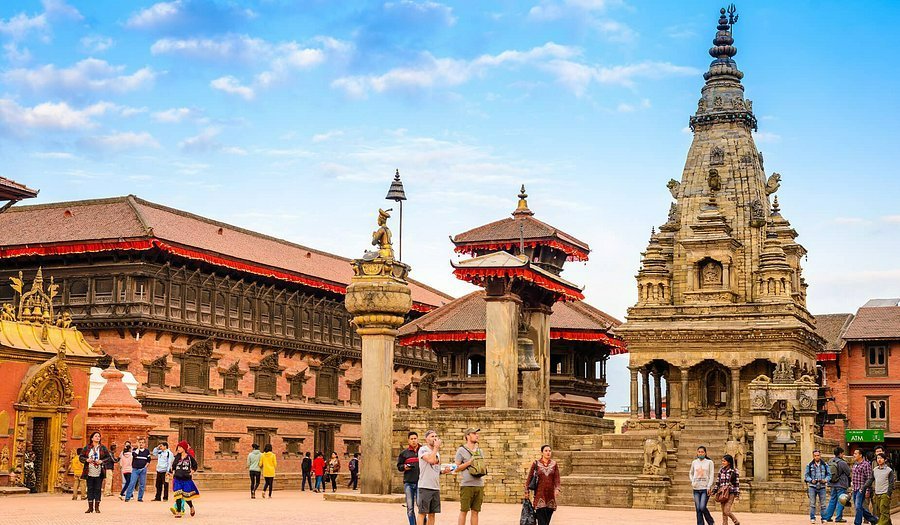
Bhaktapur is one of Nepal's most culturally rich cities, and staying at a local homestay puts you right in the middle of it. From ancient heritage squares and hands-on craft experiences to day trips and Newari food, here is everything worth doing during your stay.
Introduction
You wake up to the smell of fresh dal bhat cooking downstairs. Outside your window, the old brick rooftops of Bhaktapur glow in the morning light. Somewhere nearby, a potter is already at his wheel. This is what staying at a homestay in Bhaktapur actually feels like, and it is unlike anything a hotel can offer.
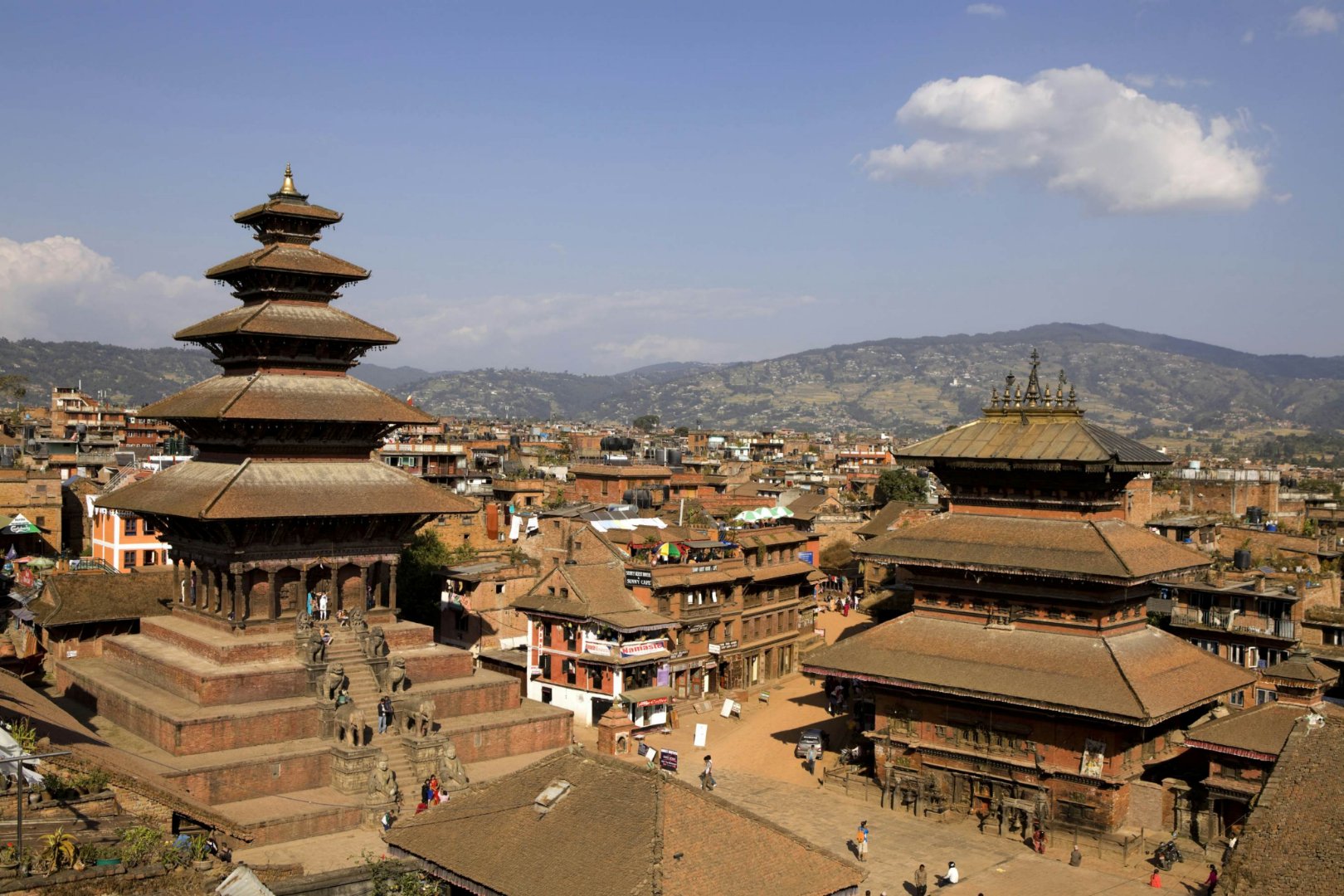
Bhaktapur is one of the best-preserved ancient cities in all of Asia. It sits just 12 kilometers east of Kathmandu, but it feels like a completely different world. The streets are mostly brick, the buildings are hundreds of years old, and the people here have kept their Newari culture alive in a way that is rare anywhere in Nepal.
The good news is that when you stay at a cultural homestay in Bhaktapur, you are already inside all of this. You do not need to travel far or spend a lot of money to have meaningful experiences. Almost everything worth doing is within walking distance.
This guide is your starting point. Whether you have two days or a full week at your Bhaktapur homestay, here is how to spend your time well.
What you will find in this guide:
The four heritage squares and what makes each one worth visiting
Hands-on craft activities you can join as a homestay guest
Easy day trips to nearby places like Changu Narayan and Nagarkot
Local food and drinks every visitor should try at least once
Key Takeaways
Bhaktapur has four walkable heritage squares: Durbar Square, Taumadhi Square, Dattatreya Square, and Pottery Square.
A homestay in Bhaktapur puts you within walking distance of almost all major attractions in the city.
You can join pottery and thangka painting classes with zero experience.
Changu Narayan Temple and Nagarkot are both easy half-day or full-day trips from Bhaktapur.
Juju Dhau, Bhaktapur's famous King's Curd, is something every visitor should eat while they are here.
Bhaktapur is one of the most affordable and culturally rich places to stay near Kathmandu.
Why a Homestay in Bhaktapur Is the Best Base in the Valley
Most travelers staying near Kathmandu pick a hotel in Thamel and visit Bhaktapur as a day trip. They spend a few hours, see the main square, and leave before the afternoon crowds thin out. They miss the best part.
What makes a Newari homestay experience in Bhaktapur different is that you get to stay after the day visitors leave. The streets get quieter. The light on the old brick temples changes. You eat dinner with your host family and hear stories about the festivals, the local gods, and the neighborhoods you walked through that day.
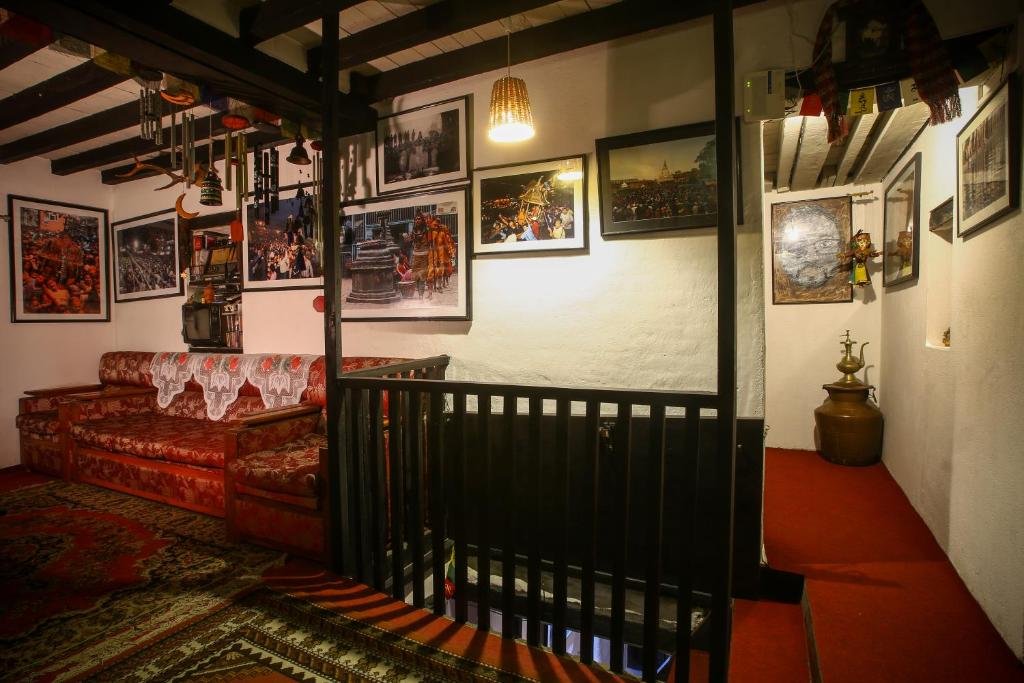
Bhaktapur is also one of the most affordable and easy-to-navigate places to stay near Kathmandu. The old city is mostly traffic-free, which means everything is walkable. And because most homestays here are run by local Newari families, you get daily access to a culture that takes years to understand from the outside.
Explore the Four Heritage Squares on Foot
Bhaktapur's old city is organized around four main heritage squares. Each one has its own character, and visiting them slowly over two or three days is far better than rushing through all four in one go. Here is a quick overview to help you plan.
Bhaktapur Durbar Square
Bhaktapur Durbar Square is the first place most guests at a Bhaktapur homestay will want to visit. It is a UNESCO World Heritage Site and holds some of the finest examples of Newari architecture anywhere in Nepal.
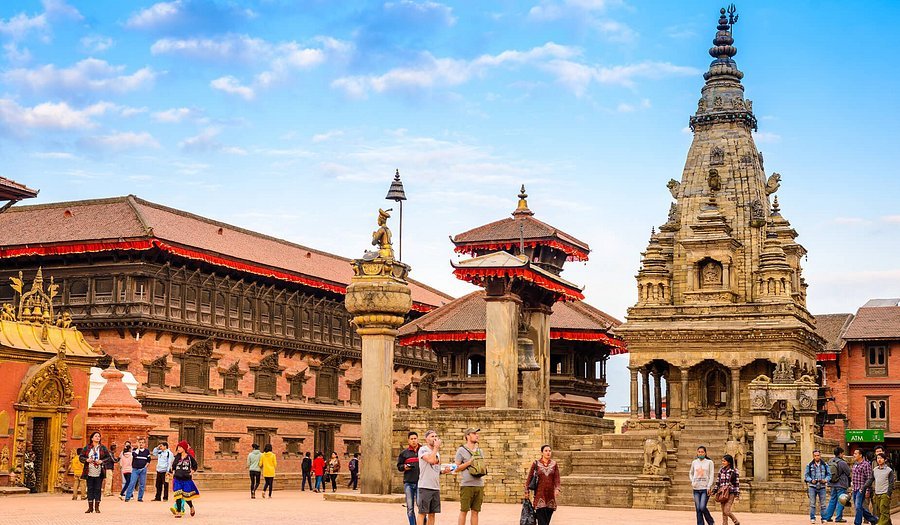
The 55 Window Palace was built for King Jitamitra Malla and features window carvings so detailed that the building is considered one of the finest woodcraft achievements in all of Asia.
The Golden Gate at the palace entrance is covered in metal carvings of gods, demons, and mythical creatures, and is widely considered one of the most intricately decorated gates in the world.
The Vatsala Durga Temple, built in 1672 by King Jagat Prakash Malla, is dedicated to Goddess Durga and features a beautiful stone structure typical of the Shikhara architectural style.
The Taleju Bell, placed in the square in 1737, is one of the most recognized landmarks in Bhaktapur and is still visited by locals as part of daily religious life.
Taumadhi Square
Taumadhi Square is a short walk from Durbar Square and home to Nyatapola Temple, the tallest temple in Nepal. The square has a calm, open feeling and is one of the most photographed places in the entire country.
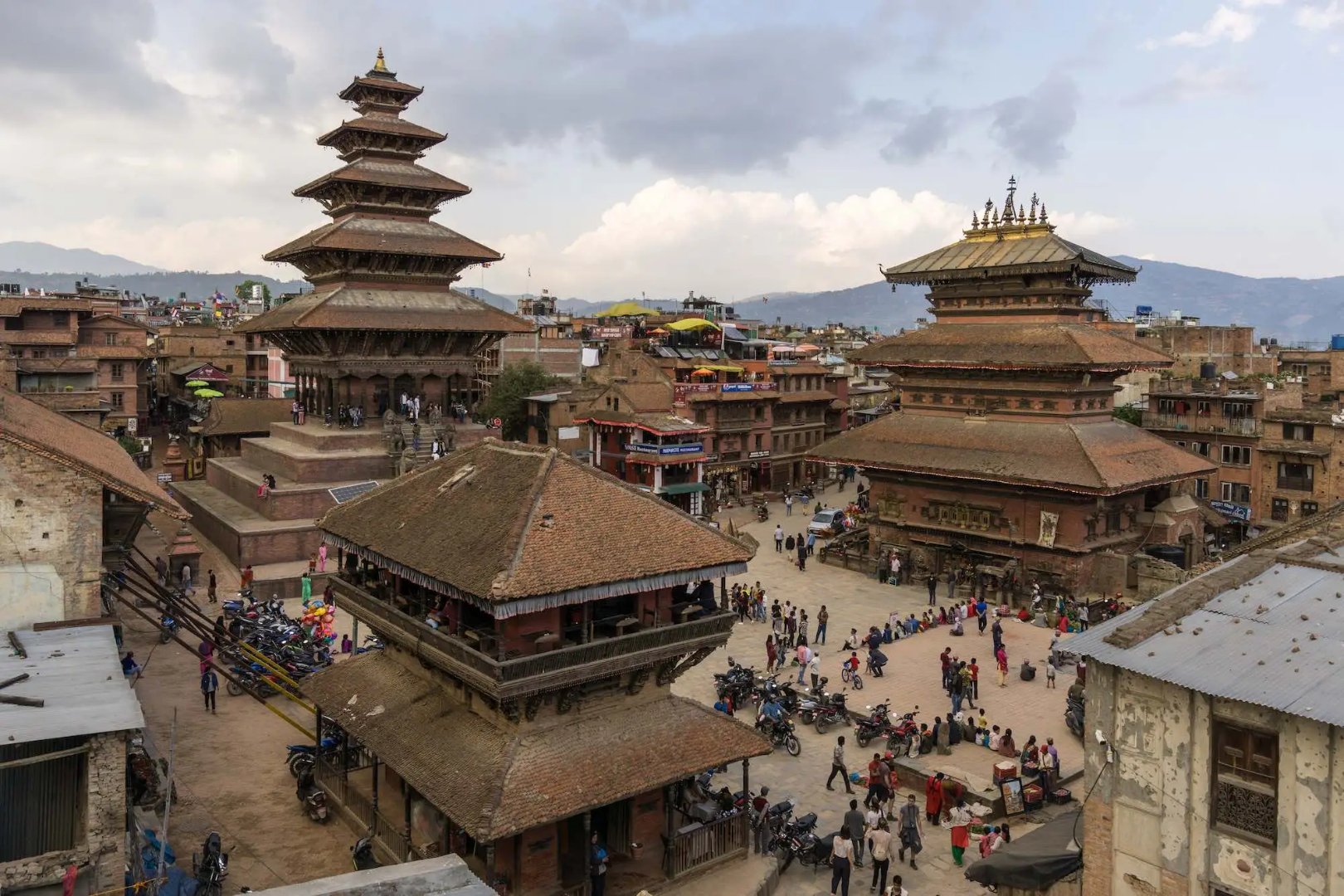
The Nyatapola Temple was built in 1702 and stands five stories high, dedicated to the Tantric goddess Siddhi Lakshmi. It survived the devastating 2015 earthquake almost completely intact.
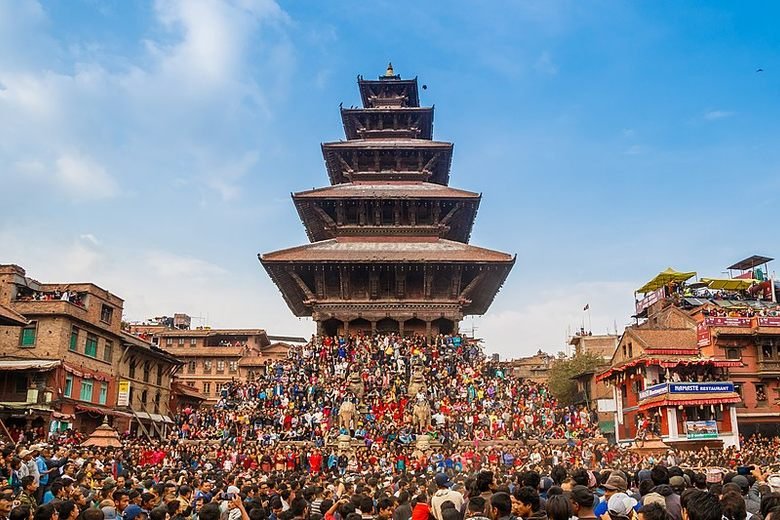
The steps leading up to the temple are lined with stone statues of guardians, each one said to be ten times more powerful than the figure below it on the stairs.
The Bhairavnath Temple right next to Nyatapola is dedicated to one of the fiercest forms of Lord Shiva, and its three-story pagoda design is a great example of classic Newari religious architecture.
Dattatreya Square
Dattatreya Square is the oldest part of Bhaktapur and is often described as a walkable open-air museum. It is quieter than the other squares, which makes it a favorite among guests staying at a cultural homestay in Bhaktapur who want time to look at things without feeling rushed.
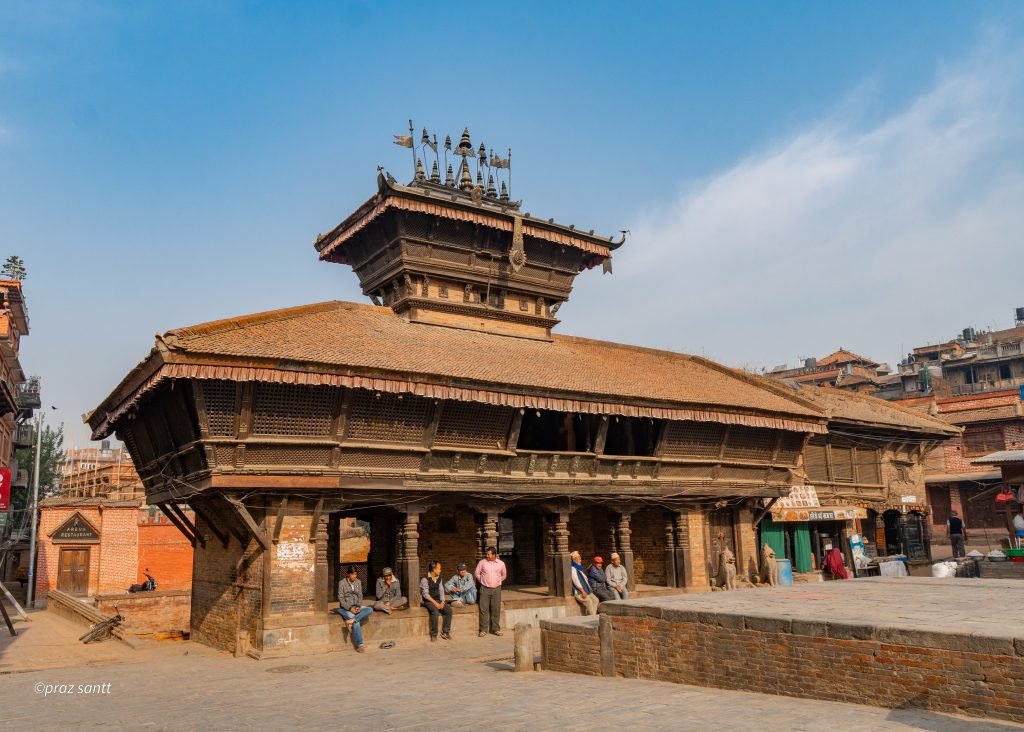
The Dattatreya Temple, built in 1428, is said to have been constructed from the timber of a single tree, and its age and scale make it one of the most impressive structures in the whole city.
The Peacock Window in the nearby Pujari Math building is considered the finest piece of wood carving in Nepal, sometimes called the Mona Lisa of Nepal, and easy to walk past if you do not know to look for it.
Three museums are located within the square: a wood carving museum, a brass and bronze museum, and the National Art Museum, which includes thangka paintings and ancient stone manuscripts.
Pottery Square
Pottery Square, also called Talako Tole, is one of the most unique places in Nepal. It is a living, working neighborhood where families have been making pottery by hand for over a thousand years.
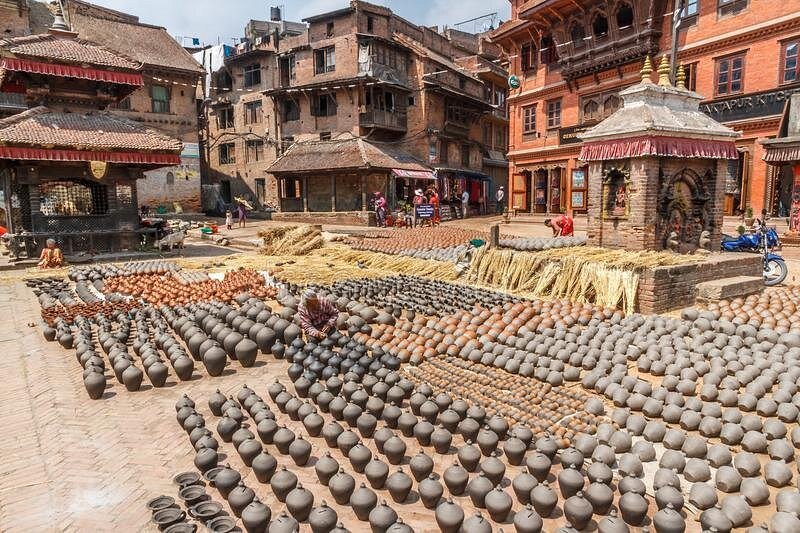
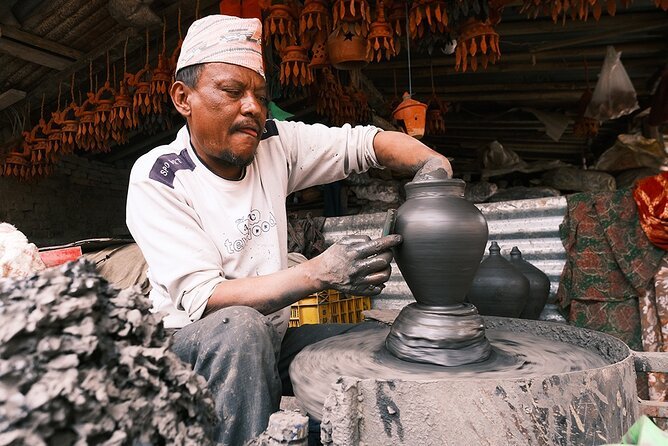
In the mornings you can watch potters working their foot-powered wheels in open courtyards, shaping bowls, lamps, and decorative pots the same way their great-grandparents did.
Finished clay work is left to dry in the sun around the square, and the scene looks unlike anything you will find anywhere else in the country.
The Pottery Training Center in the area welcomes visitors who want to sit down and try it themselves, and your host family at a Bhaktapur homestay may already know the best person to contact for a class.
Join a Hands-On Craft Experience
One of the biggest advantages of staying at a homestay in Bhaktapur rather than visiting for just a day is the time you have for real, hands-on experiences. Craft learning is one of the most rewarding things you can do during a longer stay, and Bhaktapur is one of the best places in Nepal to do it.
Pottery Classes at Pottery Square
Pottery is the most accessible craft for beginners, and Pottery Square is the best place in Nepal to try it. You do not need any experience to start, and even a two-hour session on the traditional foot-powered wheel leaves a lasting impression. Your homestay host may already have a contact at the Pottery Training Center, so ask them before booking anything on your own.
Thangka Painting Introductions
Thangka painting takes years to master, but beginner sessions are available through family workshops in Bhaktapur and nearby Patan. You will learn the basic geometric grids, mineral pigments, and symbolic meaning behind the colors, which completely changes how you see this art form. A three to five day introduction through a Bhaktapur homestay program goes much deeper than any one-hour drop-in class.
Wood Carving Observations and Short Sessions
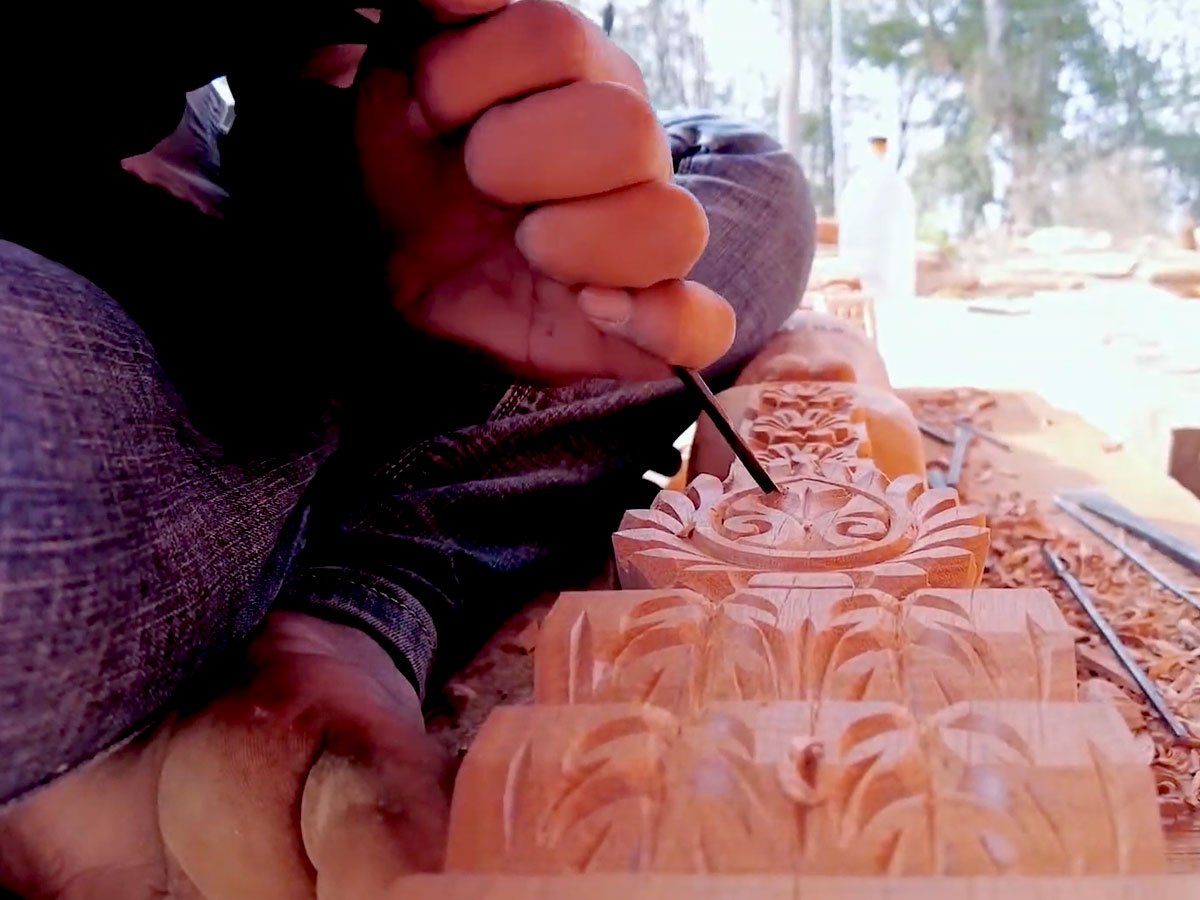
Wood carving is everywhere in Bhaktapur, from temple windows to old family doorways, and understanding how it is done makes the whole city feel different. Short sessions can be arranged through your homestay host or at workshops near Dattatreya Square, where craftsmen often work in the open. Even one afternoon watching a skilled carver is enough to change how you look at every wall and window in the city.
Day Trips Worth Taking From Your Bhaktapur Homestay
Bhaktapur's location in the Kathmandu Valley makes it an excellent base for exploring nearby places. All of the trips below are easy half-days or full days, and you will be back at your Bhaktapur homestay in time for dinner.
Changu Narayan Temple
Changu Narayan is about 6 kilometers from central Bhaktapur and sits on a wooded hilltop overlooking the valley. It is one of Nepal's oldest temples, recognized as a UNESCO World Heritage Site since 1979.
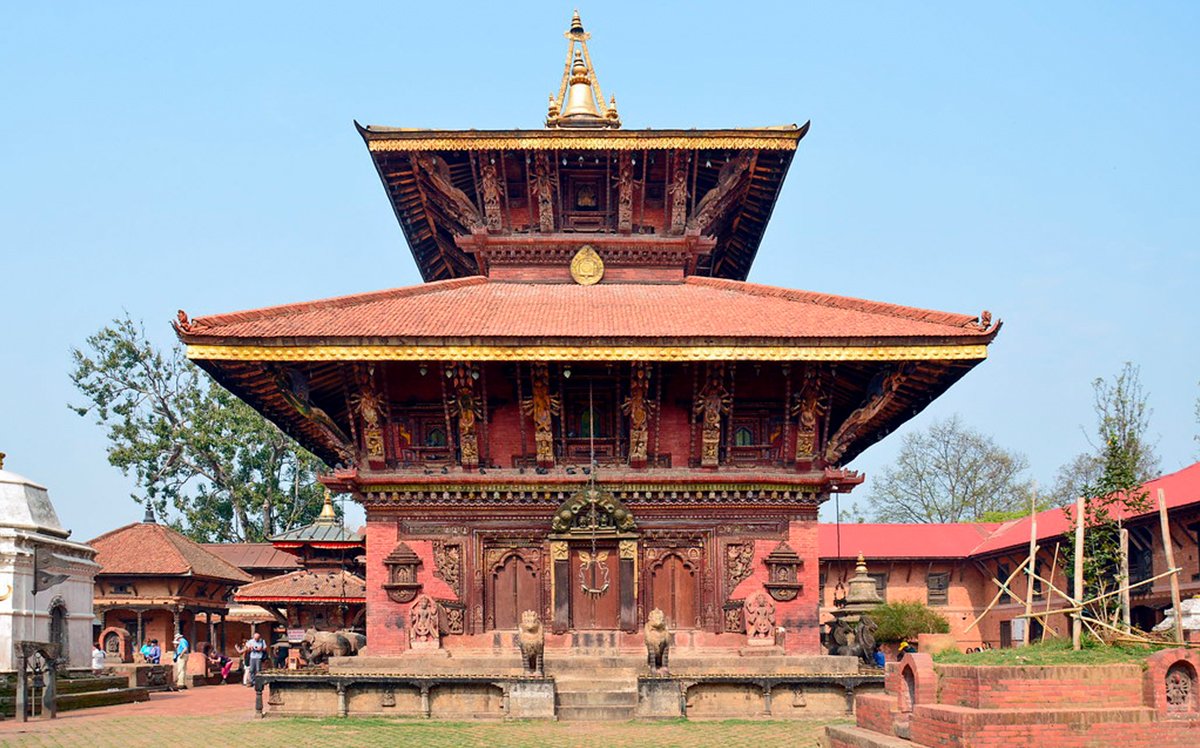
The temple is dedicated to Vishnu and features some of the finest stone carvings from the Licchavi period, with some pieces dating back over 1,500 years.
Getting there is either a 20-minute taxi ride or a one-hour uphill walk through terraced fields and small villages, and both options are enjoyable in their own way.
The hilltop village around the temple is quiet and small, and the views over the Kathmandu Valley from the ridge are some of the best you can get without going all the way to Nagarkot.
Nagarkot
Nagarkot is about 23 kilometers from Bhaktapur and sits at an elevation of roughly 2,175 meters above sea level. It is the most popular spot near Kathmandu for watching the Himalayan range.
On a clear day, the mountain panorama from Nagarkot stretches across a wide section of the Himalayas and, on very clear winter mornings, includes a distant view of Mount Everest.
Most people staying at a homestay near Kathmandu make the trip for sunrise, which means leaving Bhaktapur around 4 to 5 AM, but the view on a clear morning is absolutely worth the early start.
The road up to Nagarkot passes through forest and several smaller villages, and the scenery on the drive is worth paying attention to in both directions.
Thimi
Thimi is a Newari town about 8 kilometers west of Bhaktapur, sitting on the main road between Bhaktapur and Kathmandu. It is far less visited than Bhaktapur but has its own strong pottery and craft tradition worth seeing.
Most households in Thimi are involved in either pottery or small-scale farming, and the town has a calm, working-village atmosphere that is quite different from the more tourist-heavy areas.
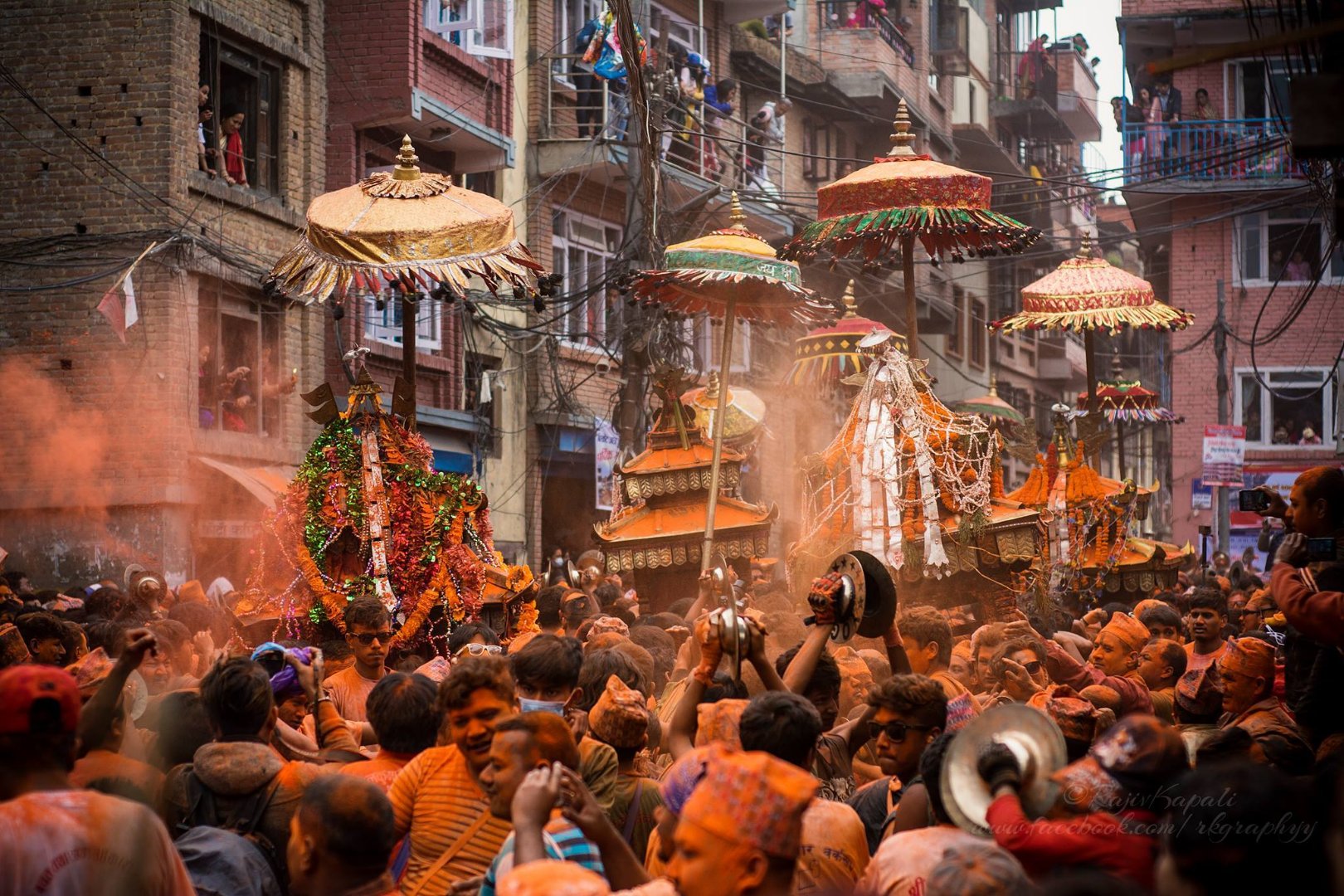
The Balkumari Temple in Thimi is dedicated to the Mother Goddess and is one of the most important local religious sites, especially during the Bisket Jatra festival when the whole town comes alive with celebration.
Thimi is easy to add as a two to three-hour side trip during your Bhaktapur homestay stay and requires only a short local bus or taxi ride from the city center.
Local Food Every Guest at a Bhaktapur Homestay Should Try
Bhaktapur has its own food culture that is distinct even from the rest of the Kathmandu Valley. Staying at a Newari family homestay in Bhaktapur means eating many of your meals at home with your hosts, which is genuinely one of the best parts of the experience. But these are the things worth seeking out on your own as well.
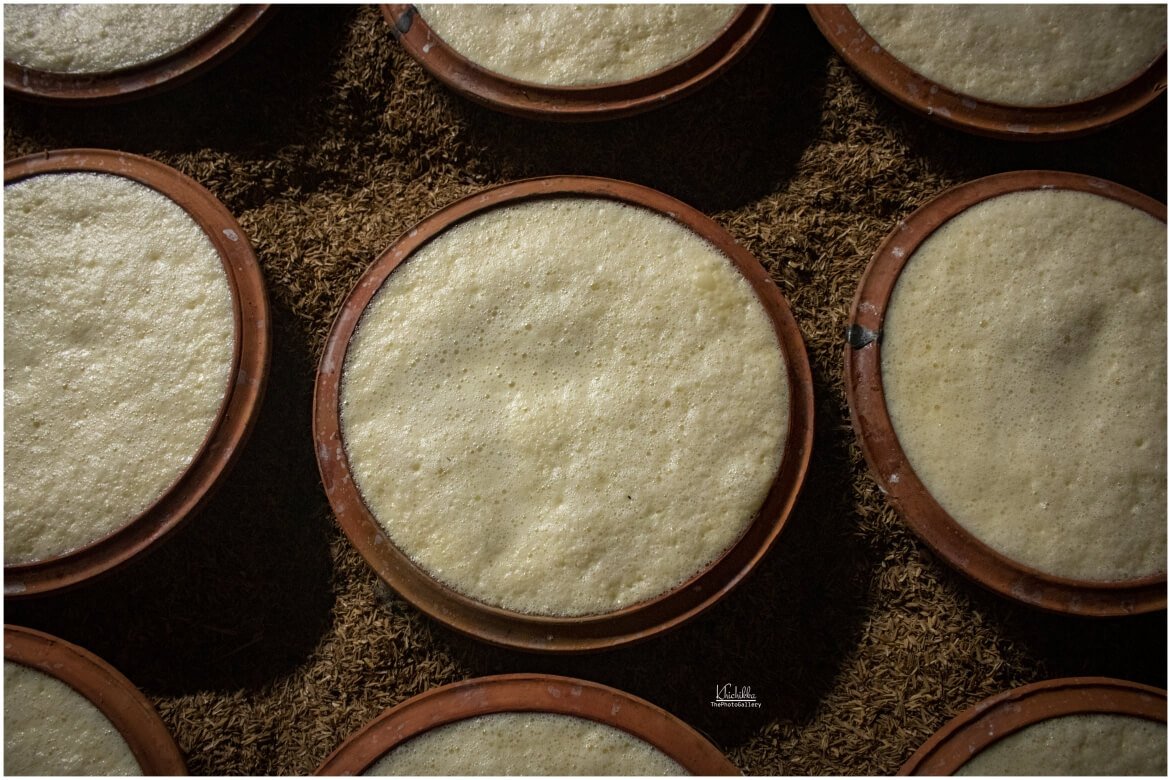
Juju Dhau is Bhaktapur's most famous food, and the name means King's Curd in Newari. It is a rich, creamy yogurt made from buffalo milk, served in a small clay bowl, and naturally sweet without any added sugar. You will find it sold from small stands throughout the city, especially near Taumadhi Square.
Bara and Wo are traditional Newari lentil pancakes, crispy on the outside and soft inside. They are a common street food in Bhaktapur's older neighborhoods and are usually made fresh to order. Look for signs that say "bara wo available here."
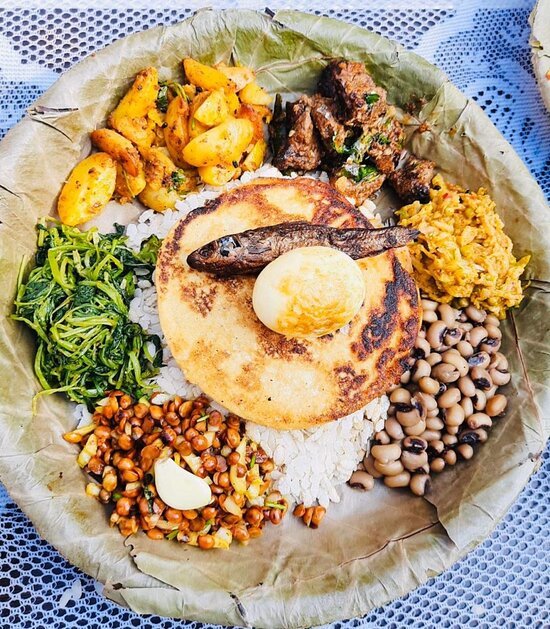
Newari set meals at local restaurants near Durbar and Dattatreya Squares give you a full spread of the cuisine, with beaten rice, curried vegetables, black lentil soup, and fermented pickles all served together on one plate.
Your host family at a Bhaktapur homestay will almost certainly have strong opinions about where to eat and what not to miss. Ask them. Their recommendations will be better than anything you find in a guidebook.
Practical Tips for Bhaktapur Homestay Guests
A few things that will make your stay in Bhaktapur smoother and more enjoyable.
The heritage area entrance fee is around 1,800 NPR for foreign visitors, which covers all four squares for a full day. If you are staying for several days, ask at the ticket counter about a week-long extension, which is often free when you show your passport.
Bhaktapur's old city is mostly traffic-free and easy to explore entirely on foot. Good walking shoes will serve you far better than any kind of transport app.
Morning is the best time to visit Pottery Square if you want to see active potters at their wheels. By midday, most of the clay shaping work for the day is finished.
Your host family at a Bhaktapur homestay is your best local guide. Ask them which square is most worth your time right now, where they eat Juju Dhau, and whether any festivals or ceremonies are coming up during your visit.
From Kathmandu, a local bus from Ratna Park takes about 45 to 60 minutes and costs around 50 NPR. A taxi takes 30 to 45 minutes and costs around 1,200 NPR. The bus ride itself is a bit of an adventure worth trying at least once.
Final Thoughts
Bhaktapur is one of those rare places where the more time you give it, the more it gives back. Staying at a homestay in Bhaktapur puts you inside the culture rather than just passing through it. You wake up in a Newari household, eat meals with a local family, and walk through a city that has been alive for over a thousand years.
If you are ready to start planning, explore homestays in Bhaktapur at Nepal Homestays and find the family that feels right for your trip. Bhaktapur will give you more than you expect.
FAQ
Is Bhaktapur worth staying in rather than visiting as a day trip from Kathmandu?
Yes, absolutely. Once the day visitors leave in the late afternoon, Bhaktapur becomes a much quieter and more personal place. Staying at a homestay in Bhaktapur lets you experience that side of the city, which most day-trippers never see. The morning light on the old squares, the family meals, and the slower pace of daily life are all things you only get if you stay.
How many days do you need at a Bhaktapur homestay?
Two to three days is enough to visit all four squares, try one craft activity, and make a half-day trip to Changu Narayan or Nagarkot. If you are joining a pottery or thangka painting program as part of your homestay, plan for at least four to five days to get real value from the learning.
What is the best square to start with in Bhaktapur?
Start with Bhaktapur Durbar Square in the morning before the crowds arrive, then walk to Taumadhi Square and Pottery Square before lunch. Save Dattatreya Square for the afternoon, when the area is quieter and the light through the old buildings is at its best.
Can I visit Changu Narayan and Bhaktapur on the same day?
Yes. A good approach is to spend your morning in Bhaktapur's squares and head to Changu Narayan in the early afternoon by taxi or on foot. Plan to be back at your Bhaktapur homestay well before sunset.
Where can I try Juju Dhau in Bhaktapur?
Juju Dhau is sold at small stands throughout the city, especially near Taumadhi Square and in the alleys around Durbar Square. It is served in a small clay bowl and costs very little. Your homestay host will know the best local spot if you ask them.
Is a cultural homestay in Bhaktapur suitable for families with children?
Yes. Newari host families in Bhaktapur are typically very welcoming toward children, and younger guests often love the pottery and craft activities the most. Always check age recommendations with your specific homestay before booking, but most family-run programs in Bhaktapur are genuinely good for kids of all ages.
Company Admin
Travel writer sharing authentic stories and experiences from Nepal's beautiful homestays.