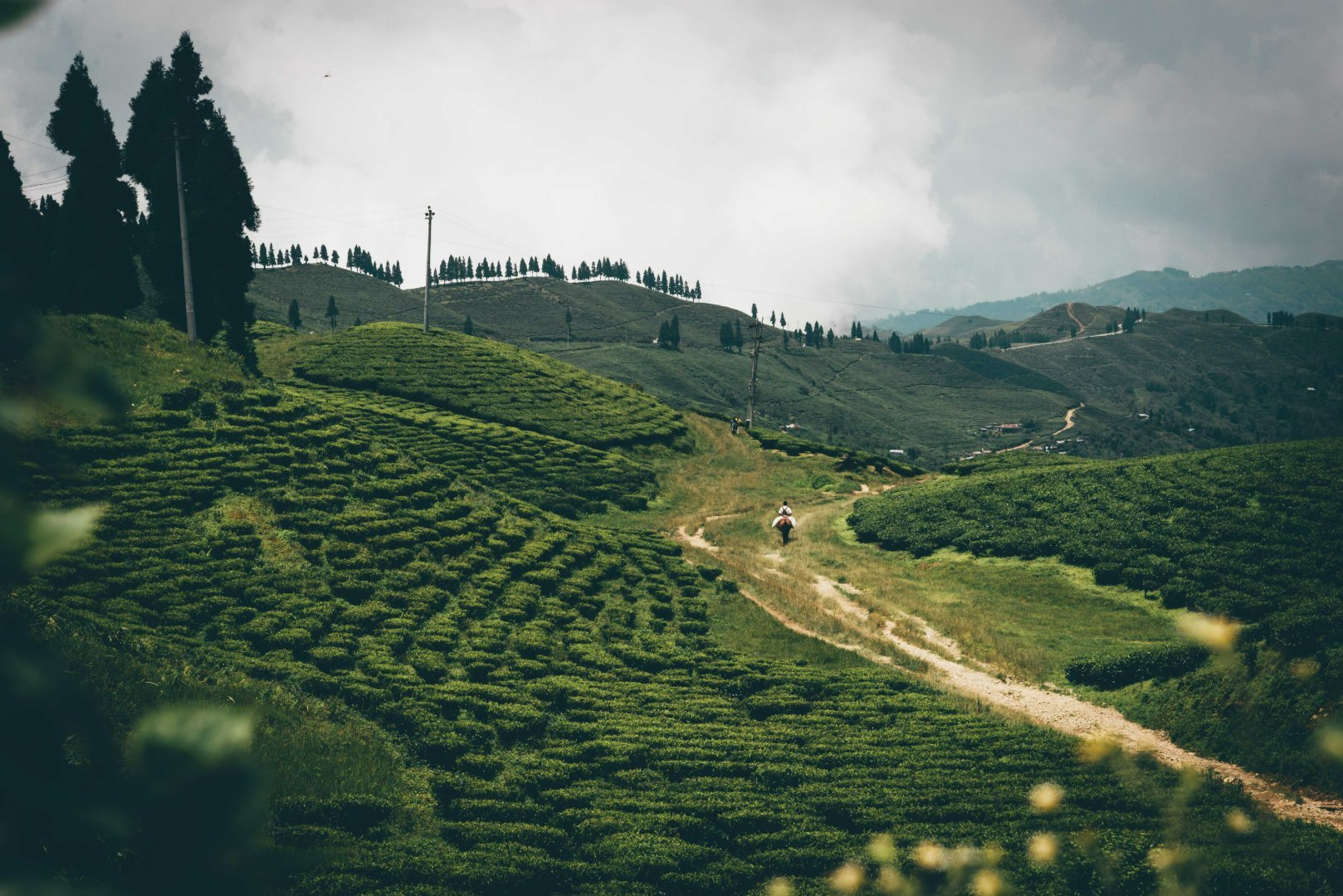
Eastern Nepal is one of the country’s most underrated regions, where rolling tea gardens, sacred pilgrimage sites, rare wildlife reserves, and Himalayan viewpoints exist far from the crowds. This complete guide covers the top 10 places to visit in Eastern Nepal, including Ilam Tea Gardens.
Eastern Nepal holds treasures most travelers never discover. While crowds flock to Pokhara and Everest Base Camp, this region offers rolling tea gardens that blanket entire hillsides, sacred temples where wishes come true, wildlife reserves teeming with rare species, and mountain views rivaling any in the country, all with a fraction of the tourist traffic.
This guide covers the top 10 places to visit in Eastern Nepal, from the lush tea estates of Ilam and the sacred Pathibhara Temple to birdwatching paradise at Koshi Tappu Wildlife Reserve, sunrise viewpoints over Kanchenjunga, and cultural villages where traditional life continues unchanged.
These aren't just photo stops. They're places where mist rises off endless tea plantations, where pilgrims trek for days to fulfill vows, and where travelers can connect with Nepal's diverse ethnic communities through authentic experiences far from standard tourist circuits.
Quick Reference: Top 10 Eastern Nepal Attractions
Essential Tips for Visiting Eastern Nepal
Getting There:
Eastern Nepal is accessible by flight to Biratnagar or Bhadrapur from Kathmandu (45 minutes, 8,000-12,000 NPR), followed by road transport to various destinations. Buses from Kathmandu take 12-18 hours depending on the destination. The journey is long but offers stunning countryside views.
Dress Code and Temple Etiquette:
Cover shoulders and knees at religious sites. Remove shoes before entering temples and monasteries. Be respectful during worship, especially at Pathibhara and Halesi temples where pilgrims travel from across Nepal and India.
Money and Payment:
Carry cash in small bills. ATMs exist in Ilam, Dhankuta, Biratnagar, and Bhadrapur but are rare in remote areas. Many homestays and tea gardens only accept cash. Exchange money in major towns before heading to rural areas.
Best Photography Times:
Antu Danda sunrise happens between 5:00-6:30 AM with golden light on Kanchenjunga. Tea gardens look best in early morning mist or late afternoon golden hour. Avoid monsoon season (June-August) when clouds obscure mountain views.
Health and Safety:
Drink bottled or filtered water throughout Eastern Nepal. Roads can be rough, so motion sickness medication helps. Bring warm layers for early mornings and high-altitude sites like Pathibhara. The air quality is excellent compared to Kathmandu.
Let's Dive In:
1. Ilam Tea Gardens
Ilam sits at 1,200-2,400 meters elevation in Nepal's far eastern hills, often called the "Queen of Hills" or "Tea Capital of Nepal." Rolling tea plantations stretch across every hillside, creating waves of green that turn into an ocean of leaves when viewed from viewpoints.
The tea industry here began in 1864 when Gajraj Singh Thapa brought tea plants from Darjeeling. Today, Ilam produces Nepal's finest orthodox teas, exported worldwide. Walking through these gardens reveals women plucking leaves with practiced hands, their fingers selecting only the youngest shoots for premium tea.
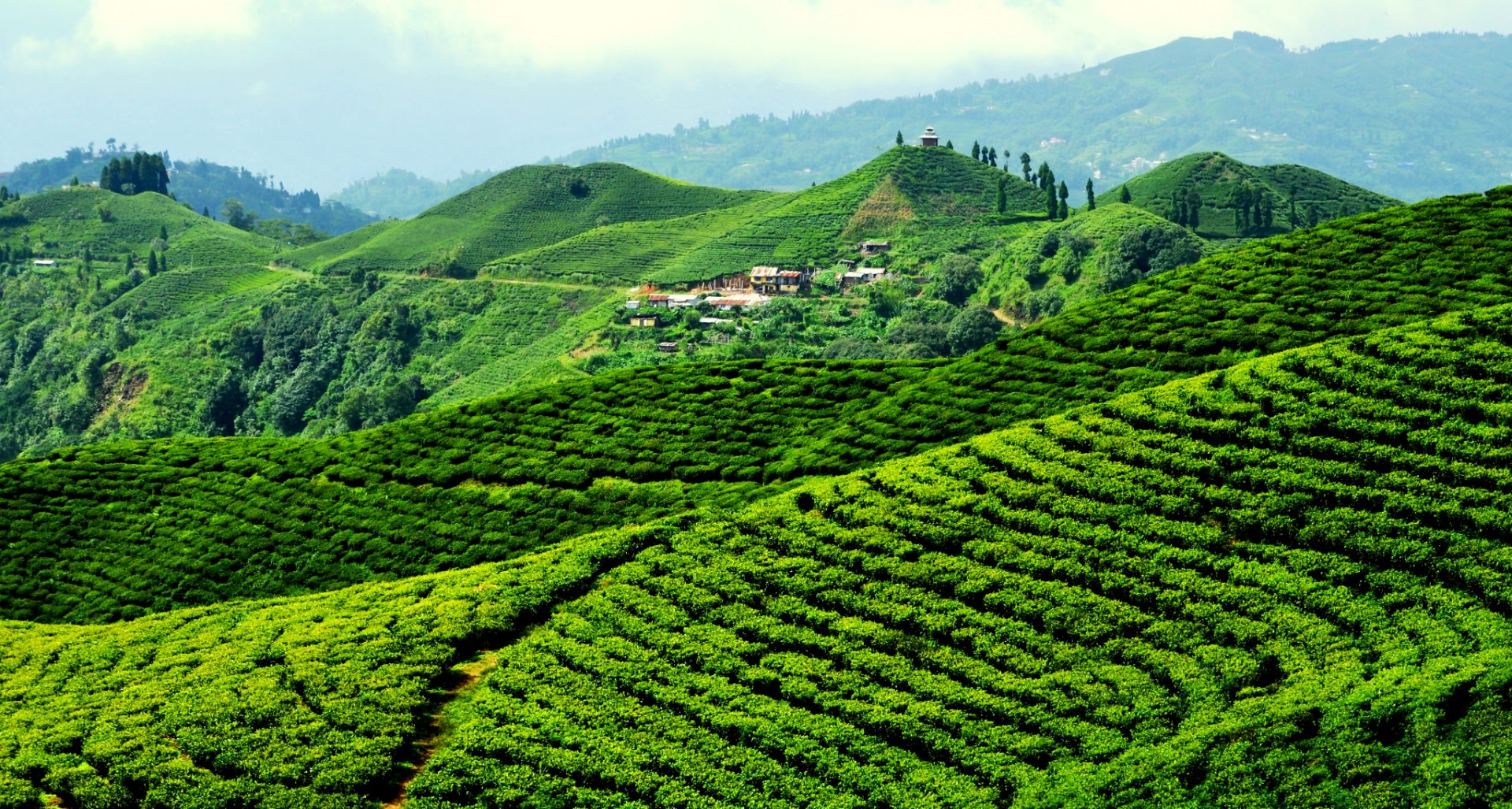
The aroma of fresh tea leaves fills the air. Mist settles over plantations in the early morning, creating ethereal landscapes photographers dream about. Unlike Darjeeling across the border, Ilam remains relatively untouched by mass tourism, preserving authentic tea culture.
What to Know:
No entrance fee for tea gardens
Tea tasting available at estates (100-500 NPR)
Best visited October-December and February-April
Kanyam and Fikkal are major tea estates
Local homestays offer tea estate experiences
Bring camera for stunning plantation landscapes
Travelers wanting to understand tea culture beyond tourism can stay at homestays in Ilam where families have worked tea estates for generations. These hosts share how tea is processed, prepare food with tea flavors, and start their mornings with the plantation’s rhythm.
2. Pathibhara Temple
Pathibhara Temple sits at 3,794 meters on a Taplejung hilltop, one of Nepal's most sacred Hindu shrines. Locally called Mukkumlung by Limbu communities, this temple draws thousands of pilgrims annually who believe Goddess Pathibhara fulfills sincere wishes.
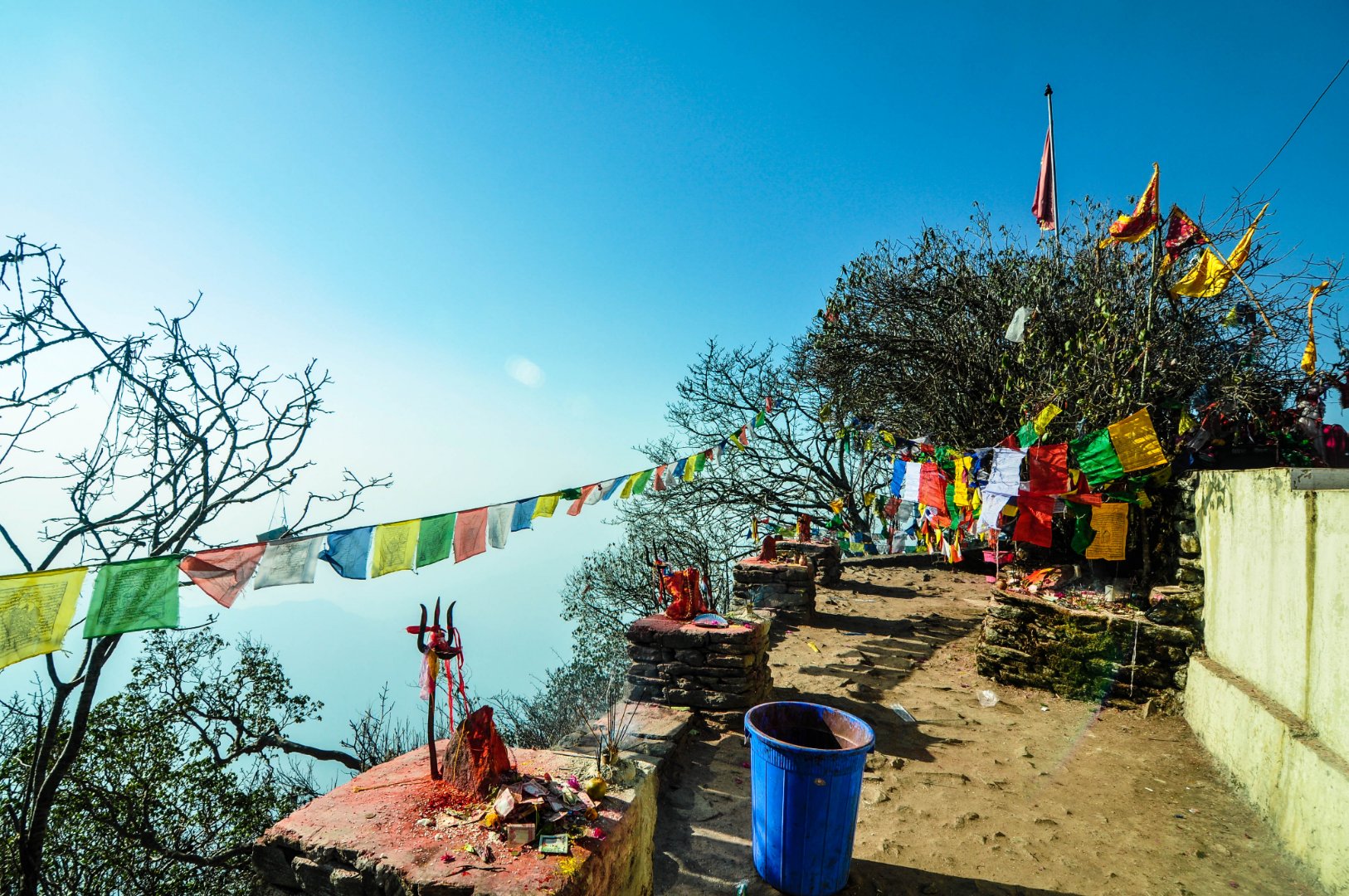
The journey itself becomes a pilgrimage. From Kaflepati, a 3-4 hour uphill trek through rhododendron forests leads to the temple. Prayer flags flutter in mountain winds. Pilgrims chant mantras as they climb steep stone steps. The atmosphere grows more intense as you near the summit.
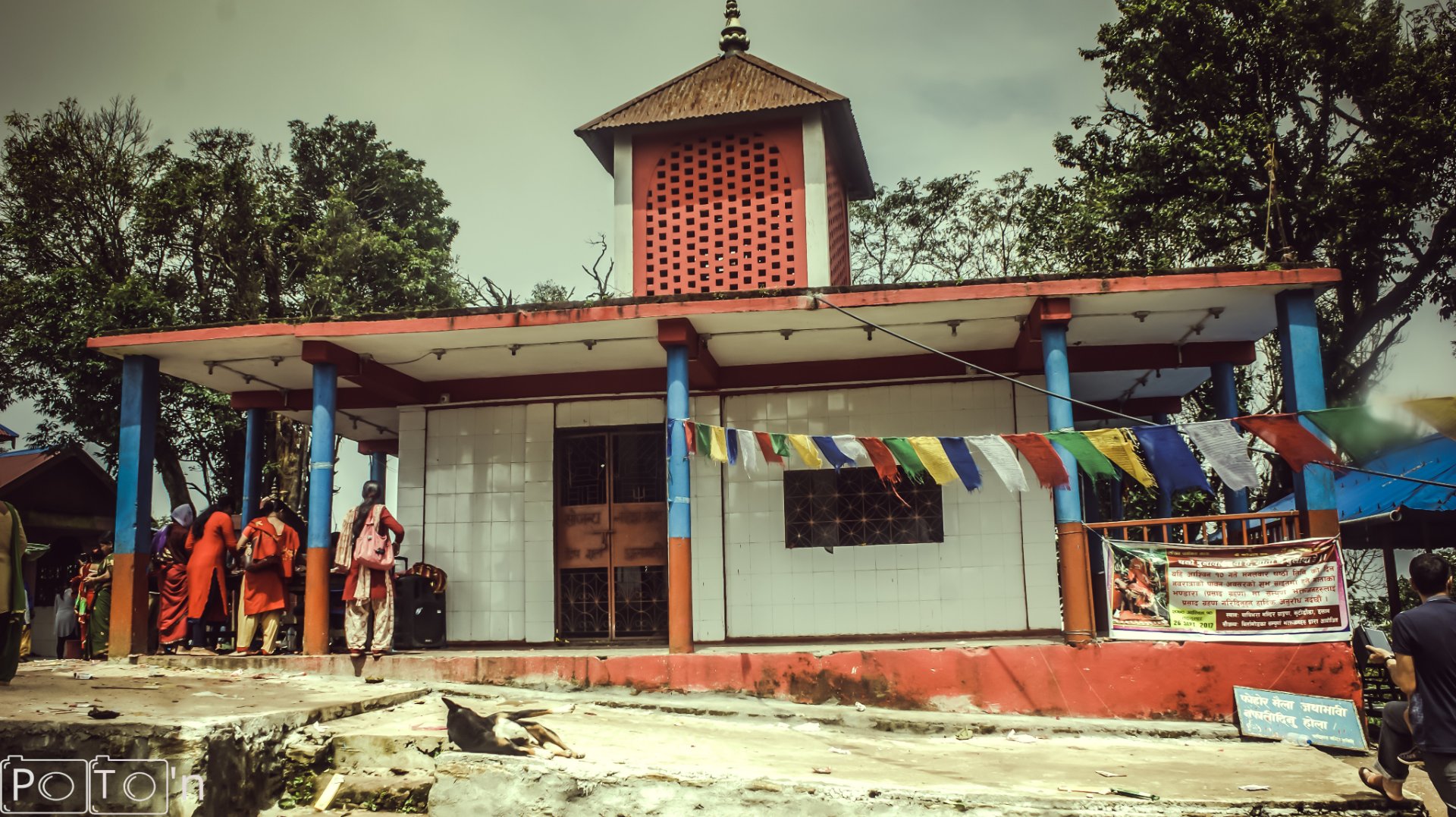
From the temple platform, views stretch across the Kanchenjunga range. Mount Makalu rises in the distance. On clear days, you can see into Sikkim and Tibet. The temple itself remains modest, a simple structure housing the deity, but the mountain setting creates a profound spiritual atmosphere.
Legend tells of shepherds who lost their flock here. The goddess appeared in dreams, instructing them to perform rituals. The sheep returned, and worship began. Today, pilgrims offer everything from flowers to gold, seeking blessings for health, wealth, and family.
What to Know:
No temple entrance fee
Best visited March-May and September-November
Trek from Kaflepati: 3-4 hours uphill
Basic teahouses available along route
Carry warm clothing (temperature drops to -2°C)
Festival times (Dashain, Tihar) see massive crowds
Respect local customs regarding photography
For those interested in pilgrimage culture and indigenous traditions, staying at homestays in Taplejung villages allows participation in pre-pilgrimage rituals, learning about Limbu spiritual practices, and understanding why this temple holds such power in Eastern Nepal's religious landscape.
3. Koshi Tappu Wildlife Reserve
Koshi Tappu Wildlife Reserve protects 175 square kilometers of wetlands where the Sapta Koshi River creates Nepal's most important bird habitat. Established in 1976 to save wild water buffalo, it became Nepal's first Ramsar wetland site in 1987.
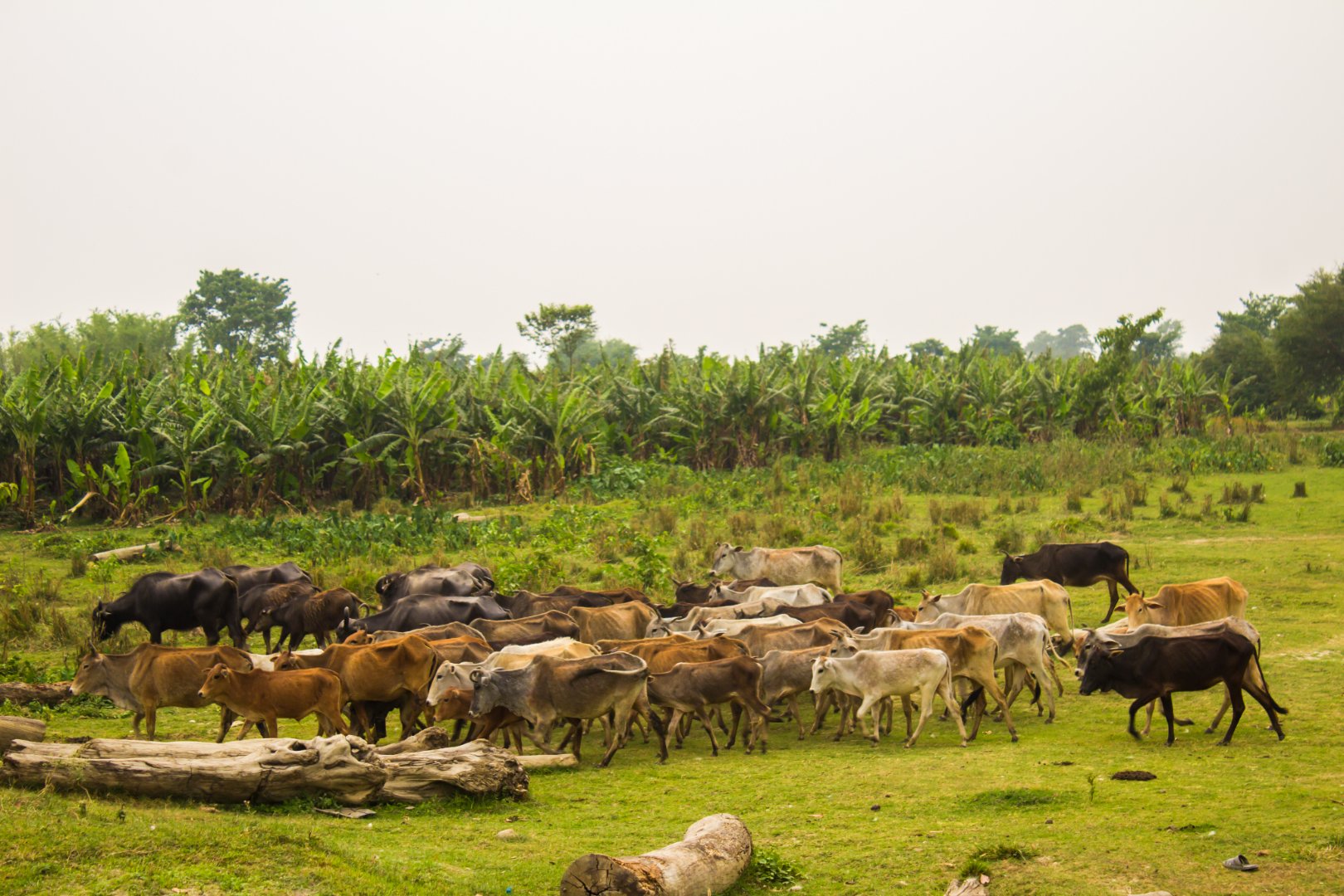
This reserve delivers what serious bird watchers dream about: 485 recorded bird species including rare Bengal floricans, Pallas's fish eagles, and massive flocks of winter migrants from Siberia and Tibet. Early morning boat safaris reveal herons, storks, egrets, and kingfishers working the marshes.
Beyond birds, the reserve hosts Nepal's only wild water buffalo population (432 individuals), plus hog deer, spotted deer, blue bulls, wild boar, golden jackals, and gharial crocodiles. Gangetic dolphins swim the Koshi River. Asian elephants occasionally pass through.
Jeep safaris explore grasslands and riverbanks. Boat trips drift past sandbanks where crocodiles sun themselves. Jungle walks bring you close to grazing wildlife. The Tharu communities living around the reserve offer cultural insights into traditional wetland life.
What to Know:
Entrance: 1,000 NPR for foreigners, 500 NPR SAARC
Open daily, best visited November-March
Located in Sunsari, Saptari, Udayapur districts
2-3 days needed for proper exploration
Activities: jeep safari, boat rides, bird watching, jungle walks
Bring binoculars, camera with telephoto lens
Wildlife camps available inside reserve
Homestays near Koshi Tappu provide access to local Tharu communities whose wetland knowledge spans generations. Hosts share fishing techniques, wetland ecology, traditional crafts, and stories of living alongside wild buffalo and migratory birds.
4. Kanyam Tea Estate
Kanyam represents Ilam's most photographed tea landscape. This vast estate spreads across hillsides with the winding East-West Highway cutting through like a ribbon, creating the classic "tea garden and highway" image that defines Eastern Nepal tourism.
The view from Kanyam's viewpoint shows why people call it "Paradise of Eastern Nepal." Tea bushes cover slopes in every direction. The highway curves gracefully through the plantation. Beyond, terraced hills descend toward the Terai plains. On clear mornings, Mount Kanchenjunga's southern face appears on the northern horizon.
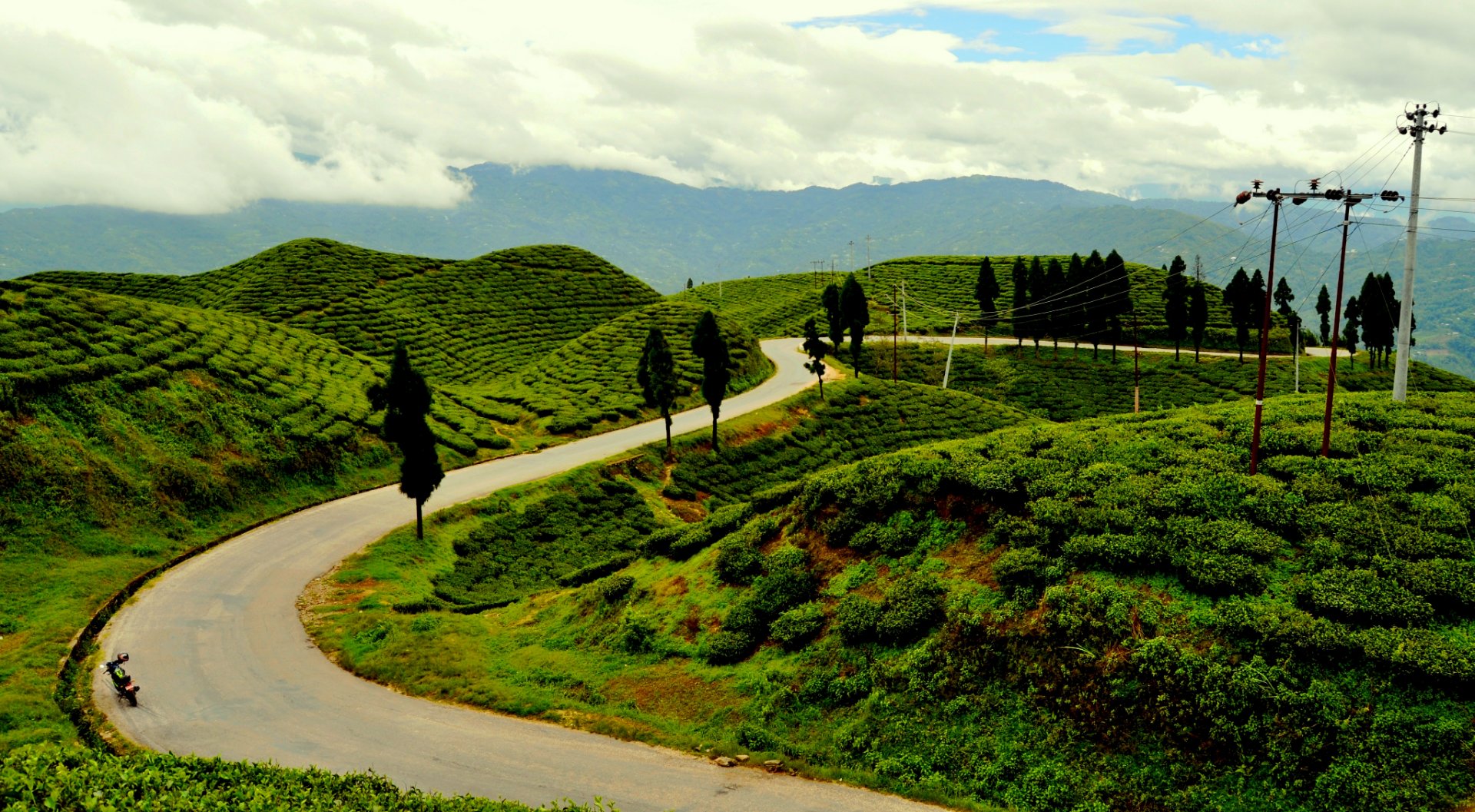
Walking through Kanyam estate reveals the tea industry's scale. Women pluckers work rows with woven baskets on backs. Processing facilities show how fresh leaves transform into the orthodox teas Ilam exports globally. The air carries that distinctive fresh tea aroma that makes Ilam unforgettable.
Small tea shops along the highway offer tasting sessions. Local restaurants serve tea-smoked dishes unique to the region. The sunset view from Kanyam, with golden light turning tea bushes bronze, creates magic for photographers to wait hours to capture.
What to Know:
No entrance fee
Free parking available
Tea tasting at local shops (100-300 NPR)
Best visited October-December (post-harvest clarity)
Morning mist and afternoon light best for photography
Restaurants available along highway
40 km from Ilam Bazaar (1.5 hours drive)
5. Antu Danda
Antu Danda sits at 2,328 meters, offering Eastern Nepal's most accessible spectacular sunrise. The name means "sunrise hill," which perfectly describes its purpose. From the observation tower, panoramic views stretch from the Terai flatlands to the Himalayan giants.
Pre-dawn darkness brings trekkers, pilgrims, and photographers to the viewpoint. As the first light touches the sky, Mount Kanchenjunga begins to glow. The world's third-highest mountain transforms from dark silhouette to golden pyramid. Nearby peaks catch fire one by one. Below, mist blankets the tea gardens like clouds.
The sunrise show lasts maybe 30 minutes, but those moments deliver why people travel to Eastern Nepal. The air stays crisp and clean. Prayer flags snap in the morning wind. Locals offer tea and snacks. Some visitors meditate facing the mountains. Others simply watch in silence.
Beyond sunrise, Antu Danda provides views across Ilam's tea country, the Terai plains spreading south into India, and terraced hillsides where villages cling to slopes. On exceptionally clear days, even Everest appears on the far western horizon.
What to Know:
No entrance fee to viewpoint
Best visited October-March for clearest views
Start at 4:30 AM from Ilam for sunrise
Bring warm layers (morning temperature near 0°C)
Tea shops at viewpoint open early
Combine with Mai Pokhari visit (nearby)
6. Halesi Mahadev Temple
Halesi Mahadev Temple occupies a massive limestone cave in Khotang District, sacred to Hindus, Buddhists, and Kirat communities alike. Often called the "Pashupatinath of Eastern Nepal," this cave temple combines natural wonder with profound religious significance.
The cave entrance takes you down steep stairs into the dark. Inside, the cave opens into large, quiet spaces where Shiva lingams seem naturally shaped from the rock. Water slowly drips from the ceiling into small pools that people consider holy. Butter lamps glow in the corners. The place feels ancient and powerful, like being inside the earth itself.
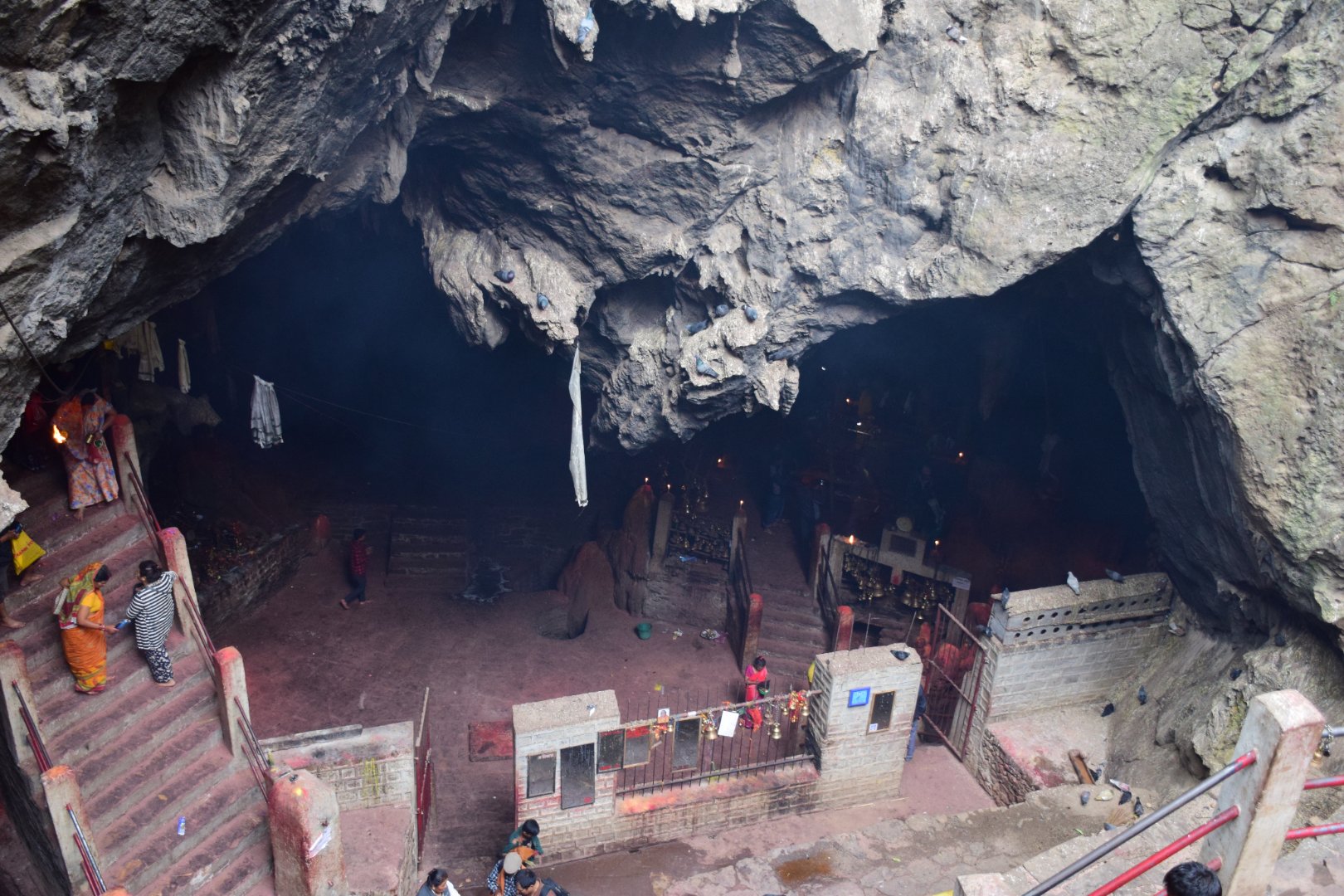
Different communities worship here for different reasons. Hindus see it as a place where Shiva meditated. Buddhists believe Guru Padmasambhava practiced here. Kirat traditions claim it as an ancient sacred site predating both. This religious layering makes Halesi unique among Nepal's pilgrimage destinations.
The cave system extends far beyond the temple area. Narrow passages lead to additional chambers. In one, a natural formation resembles a sleeping figure. In another, rock shapes suggest divine presences. The entire complex feels charged with spiritual energy accumulated over millennia.
What to Know:
No official entrance fee (donations expected)
Open year-round, best October-May
Located in Khotang District, 5 hours from Kathmandu by road
Bring flashlight for cave exploration
Wear shoes with good grip (wet, slippery surfaces)
Major festivals bring huge crowds
Modest dress required
7. Mai Pokhari
Mai Pokhari sits at 2,121 meters surrounded by dense rhododendron forests. This pristine lake holds religious significance as the sacred abode of Goddess Bhagawati. The name means "Mother Lake," reflecting local devotion.
The lake's emerald water stays perfectly still on calm days, reflecting the surrounding forest and sky. A small temple sits on the shore where pilgrims make offerings. The atmosphere remains peaceful except during major festivals when thousands visit from across the region.
Forest trails circle the lake, providing walks through old-growth woods rarely found elsewhere in Nepal's accessible hills. Bird calls echo through trees. The air smells of pine and earth. Prayer flags hung by pilgrims add color to the green landscape.
An annual festival on Kartik Ekadasi (October-November) transforms quiet Mai Pokhari into a bustling pilgrimage site. Devotees camp around the lake, perform rituals, and celebrate throughout the night. The normally serene atmosphere becomes charged with religious fervor.
What to Know:
No entrance fee
Best visited October-November (festival time) or March-May
Located 3 hours drive from Ilam Bazaar
Basic facilities available
Forest walks possible (1-2 hours)
Combine with Antu Danda visit
Bring warm layers for lakeside camping
8. Dhankuta
Dhankuta perches on a hillside at 1,200 meters, serving as the headquarters of Koshi Province. This historic town blends Newari architecture, diverse ethnic communities, and modern hill town life into something uniquely Eastern Nepali.
The town's old bazaar showcases traditional architecture rarely seen outside Kathmandu Valley. Multi-story brick buildings with carved wooden windows line narrow streets. Newari families have lived here for generations, maintaining cultural traditions while modern Nepal develops around them.
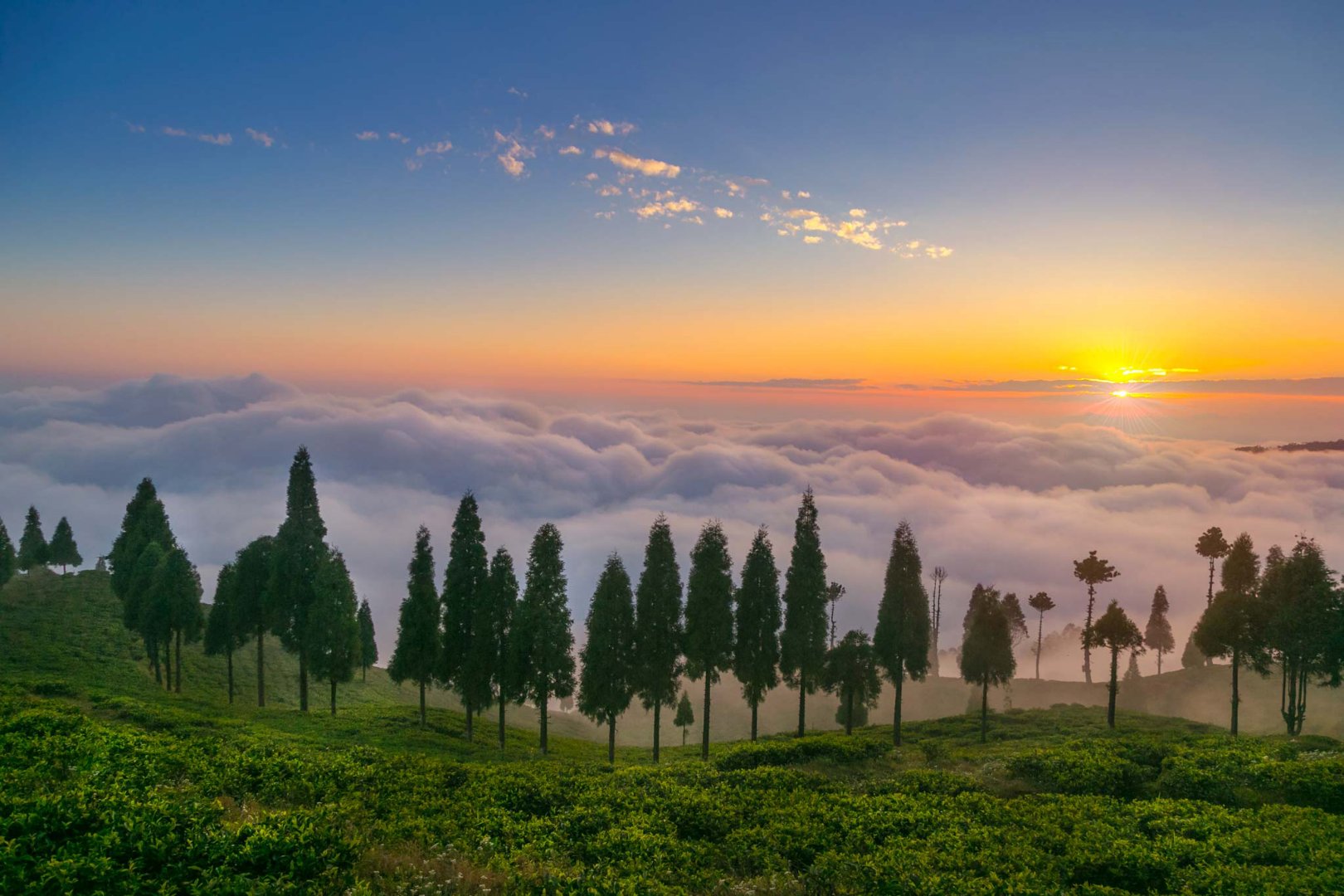
From various points around Dhankuta, mountain views stretch north to the Himalayas. On clear days, Makalu and Kanchenjunga appear on the horizon. Terraced fields cascade down hillsides. Villages dot slopes in every direction.
Hile, just 13 km from Dhankuta, offers additional viewpoints and access to traditional Limbu and Rai villages. The drive between Dhankuta and Hile on the winding mountain road provides continuous scenic beauty and glimpses of rural life.
What to Know:
No entrance fee for town
Best visited October-April
6-7 hours drive from Biratnagar
Hotels and restaurants available
Morning market shows local culture
Base for exploring nearby villages
Combines well with Ilam visit
9. Taplejung
Taplejung sits at 1,441 meters in Nepal's far northeastern corner, serving as the gateway to Kanchenjunga Base Camp treks and Pathibhara Temple. The town itself holds less interest than its surroundings, but it provides essential infrastructure for exploring the region.
From Taplejung, the entire Kanchenjunga massif dominates northern views. The world's third-highest mountain rises so massive it seems impossible. Local life revolves around mountaineering seasons and pilgrimage times, creating an economy based on high-altitude adventure.
The area around Taplejung showcases Limbu culture, one of Nepal's major indigenous groups. Traditional villages maintain customs that predate Hindu influence. Homestays allow travelers to experience Limbu hospitality, cuisine, and spiritual practices distinct from mainstream Nepali culture.
Suketar, Taplejung's airport, receives flights from Kathmandu when weather permits, providing quick access to the region. However, many travelers prefer the scenic road journey that reveals Eastern Nepal's diversity kilometer by kilometer.
What to Know:
No town entrance fee
Best visited March-May and September-November
Flights from Kathmandu (1 hour, weather dependent)
Road access via Ilam (6-7 hours)
Hotels and guesthouses available
Stock up on supplies here before trekking
Base for Kanchenjunga and Pathibhara treks
10. Namche Bazaar
Namche Bazaar sits at 3,440 meters in the Khumbu region, though geographically in Eastern Nepal. This Sherpa trading hub has evolved into the commercial center of Everest region trekking, where Tibetan Buddhist culture meets high-altitude adventure tourism.
The town occupies a horseshoe-shaped bowl on a mountainside, with tightly packed stone houses climbing steep slopes. Saturday's market draws Sherpa villagers from throughout Khumbu, buying and selling everything from vegetables to climbing gear. The atmosphere buzzes with multiple languages and cultural exchange.
Views from Namche remain stunning. Everest appears from viewpoints above town. Ama Dablam's perfect pyramid dominates southern horizons. Kongde Ri rises to the west. The altitude and mountain setting make Namche unlike anywhere else in Nepal.

The Sherpa Museum documents Everest climbing history and Sherpa culture. Monasteries around town provide quiet spaces for reflection. Bakeries serve fresh pastries and coffee. Internet cafes offer surprisingly good connectivity. This mix of tradition and modernity defines modern Namche.
What to Know:
Entrance: 3,000 NPR (Sagarmatha National Park)
Best visited March-May and September-November
2 days trek from Lukla airport
Essential acclimatization stop for Everest treks
Full facilities: lodges, restaurants, shops
Altitude sickness possible, acclimatize properly
Side hikes to Khumjung and Khunde villages
Homestays in villages around Namche Bazaar, like Khumjung and Khunde, offer authentic Sherpa culture beyond the commercial tourism hub. Hosts share stories of mountaineering history, Buddhist practices, and traditional life at 3,800 meters.
Sample Itineraries
5-Day Eastern Nepal Cultural Tour:
Day 1: Fly Kathmandu to Bhadrapur, drive to Ilam (3 hours), explore Ilam Bazaar
Day 2: Kanyam Tea Estate morning visit, Antu Danda sunrise (early start), Mai Pokhari afternoon
Day 3: Full day exploring Ilam tea gardens, tea tasting, homestay experience
Day 4: Drive to Dhankuta (4 hours), explore old town, overnight
Day 5: Return to Bhadrapur, fly to Kathmandu
7-Day Pilgrimage and Nature Tour:
Day 1: Fly Kathmandu to Biratnagar, drive to Koshi Tappu Wildlife Reserve
Day 2: Full day Koshi Tappu (jeep safari, boat ride, bird watching)
Day 3: Drive to Ilam (6-7 hours)
Day 4: Ilam tea gardens and viewpoints
Day 5: Drive to Taplejung (6-7 hours)
Day 6: Trek to Pathibhara Temple and return
Day 7: Return journey to Bhadrapur/Biratnagar, fly to Kathmandu
10-Day Complete Eastern Nepal Explorer:
Day 1-2: Koshi Tappu Wildlife Reserve
Day 3: Drive to Halesi Mahadev Temple
Day 4-5: Ilam tea gardens, Kanyam, Antu Danda, Mai Pokhari
Day 6: Drive to Dhankuta, explore town
Day 7: Drive to Taplejung
Day 8-9: Pathibhara Temple pilgrimage (2 days with trek)
Day 10: Return to Biratnagar/Bhadrapur, fly to Kathmandu
Transportation Tips
Getting Around Eastern Nepal:
Taxis/Private Jeeps: 2,000-4,000 NPR for half-day local trips
Shared Jeeps: Cheapest option but less comfortable, 500-1,500 NPR between towns
Motorcycle Rental: 1,500-2,000 NPR per day (international license required)
Local Buses: 100-500 NPR between major towns, infrequent schedule
Hiring Driver for Full Day: 5,000-7,000 NPR including vehicle
Inter-City Transportation:
Kathmandu to Biratnagar: Flight (45 min, 8,000-12,000 NPR) or bus (12-14 hours, 1,200-1,800 NPR)
Biratnagar to Ilam: 6-7 hours by jeep/bus (800-1,200 NPR)
Ilam to Taplejung: 6-7 hours by jeep (1,500-2,000 NPR)
Bhadrapur to Ilam: 2.5-3 hours by jeep (500-700 NPR)
When to Visit Each Site
Best Season by Activity:
October-November:
Best for: All mountain viewpoints, tea gardens, Pathibhara pilgrimage
Weather: Clear skies (90% visibility), comfortable (15-25°C in hills)
Festivals: Dashain, Tihar celebrations
Peak bird migration at Koshi Tappu
December-February:
Best for: Koshi Tappu bird watching, tea gardens
Weather: Cold mornings (5-15°C), clear days
Note: Pathibhara can be snow-covered, difficult access
March-May:
Best for: Pathibhara pilgrimage, all mountain views, rhododendron blooms
Weather: Warm (20-30°C in hills), pre-monsoon afternoon clouds
Rhododendrons bloom in Pathibhara trek forest
June-September (Monsoon):
Best for: Reduced tourism, lush green tea gardens
Avoid: Mountain viewpoints (clouds obscure views 70% of time)
Prepare for: Afternoon rain, leeches on forest trails, road delays from landslides
Experience Eastern Nepal Like a True Local
While visiting these incredible sites gives you glimpses into Eastern Nepal's natural beauty and cultural diversity, staying at a homestay transforms your visit into genuine cultural immersion. Wake to mist over tea plantations, learn to pluck tea leaves alongside estate workers, cook traditional Limbu dishes, hear stories of pilgrimage to sacred temples, and understand the communities that make Eastern Nepal more than just a beautiful landscape.
Nepal Homestays connects you with carefully curated homestays across Eastern Nepal, from tea estate families in Ilam to Limbu cultural experts in Taplejung, Tharu communities near Koshi Tappu, and Sherpa households in the Khumbu. These hosts share authentic daily life, traditional knowledge, and warm Nepali hospitality that hotels simply cannot provide. Book your homestay today and discover the best of Eastern Nepal beyond the guidebooks.
Frequently Asked Questions
How many days are needed to visit these 10 places in Eastern Nepal?
A minimum of 7-10 days allows comfortable visits to the major highlights. Ilam tea gardens and viewpoints need 2-3 days. Pathibhara Temple requires 2-3 days including trek. Koshi Tappu benefits from 2-3 days for proper wildlife viewing. Adding Halesi, Dhankuta, and other sites brings the total to 10-14 days for comprehensive exploration.
What is the best time of year to visit Eastern Nepal?
October and November offer the best weather with crystal-clear mountain views and comfortable temperatures. March through May is also excellent, especially for rhododendron blooms on Pathibhara trek. Avoid June through August monsoon when rain is frequent and mountain views obscured, unless visiting specifically for birdwatching at Koshi Tappu.
Is Eastern Nepal safe for tourists?
Yes, Eastern Nepal is very safe for tourists. The region sees fewer visitors than Pokhara or Everest region, which means less tourism-related crime. Local communities in places like Ilam, Taplejung, and around Pathibhara are welcoming and helpful. Standard precautions apply regarding road safety and altitude sickness at higher elevations.
Can vegetarians find food in Eastern Nepal?
Absolutely. Dal bhat (rice and lentils), vegetable curries, momos, and roti are available everywhere. Ilam and larger towns offer diverse options. Homestays prepare excellent vegetarian Nepali cuisine. Only at very remote trekking points might options be limited, but rice and vegetables remain available.
Should visitors stay in hotels or homestays in Eastern Nepal?
Hotels in towns like Ilam, Dhankuta, and Biratnagar offer convenience for short visits (2-3 days) focused on major attractions. Homestays in tea estate villages, Limbu communities around Taplejung, or Tharu areas near Koshi Tappu provide cultural immersion, home-cooked meals, and insights into regional life beyond tourism. Many travelers combine both, starting with hotels then moving to homestays for deeper local experience.
How do I get to Pathibhara Temple?
Fly Kathmandu to Suketar airport (Taplejung) when weather permits, or take a bus/jeep to Taplejung (18-20 hours from Kathmandu via Ilam route). From Taplejung, jeep to Kaflepati (2 hours), then trek 3-4 hours uphill to the temple. Total journey from Kathmandu takes 2 days minimum. Alternatively, some pilgrims trek the entire route from Taplejung, taking 3-4 days.
What wildlife can I see at Koshi Tappu Wildlife Reserve?
Over 485 bird species including Bengal floricans, Pallas's fish eagles, storks, herons, and massive winter migrant flocks. Mammals include 432 wild water buffalo (found nowhere else in Nepal), hog deer, spotted deer, blue bulls, wild boar, golden jackals, and occasional Asian elephants. Gharial crocodiles and Gangetic dolphins inhabit the Koshi River. November-February offers peak bird watching.
Company Admin
Travel writer sharing authentic stories and experiences from Nepal's beautiful homestays.