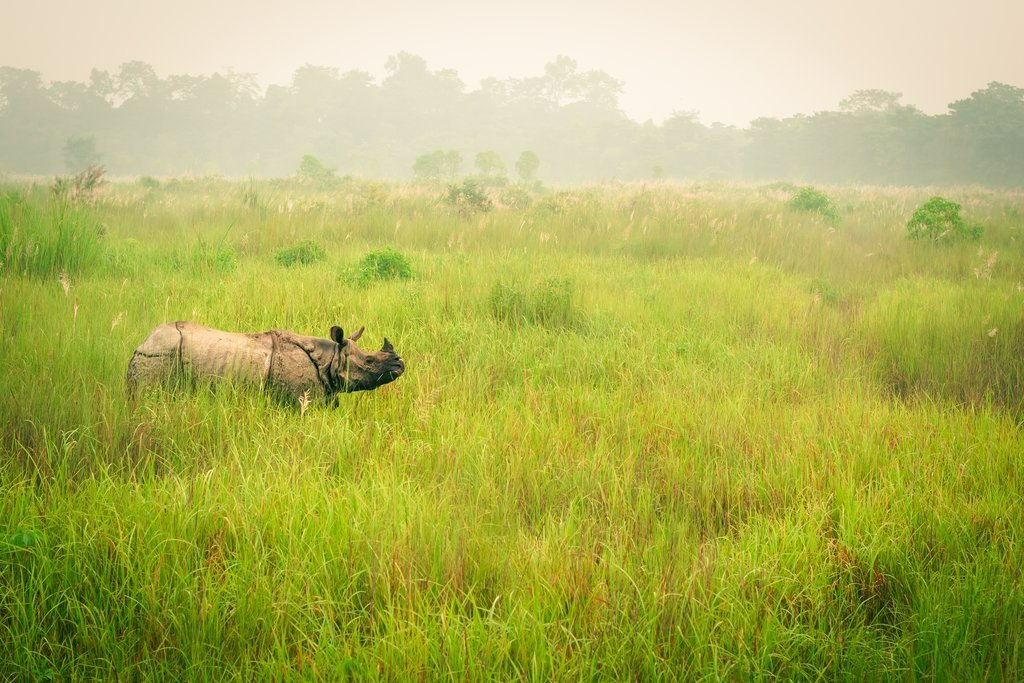
Discover Southern Nepal's hidden treasures: Chitwan's rhino safaris, Buddha's birthplace at Lumbini, sacred Janakpur temples, Koshi Tappu wetlands, and pristine wildlife reserves. Experience authentic Tharu and Madhesi culture through Nepal homestays. Your complete 2026 travel guide.
Southern Nepal holds treasures most travelers never discover. While crowds flock to Kathmandu and Pokhara, this region offers ancient temples where elephants roam freely, wildlife-rich jungles protecting one-horned rhinos and Bengal tigers, sacred pilgrimage sites where Buddha walked, and vibrant Madhesi and Tharu cultures, all without the tourist crowds.
This guide covers the top 10 places to visit in Southern Nepal, from world-famous Chitwan National Park and Buddha's birthplace at Lumbini to lesser-known gems like Parsa Wildlife Reserve, Koshi Tappu wetlands, the ancient city of Janakpur, and pristine Pathibhara temple in the eastern hills.
Quick Reference: Top 10 Southern Nepal Attractions
Essential Tips for Visiting Southern Nepal
Getting There:
Southern Nepal is accessible by flight to Bharatpur/Chitwan from Kathmandu (25 minutes, 6,000-12,000 NPR), Janakpur (30 minutes, 7,000-13,000 NPR), or Biratnagar (40 minutes, 8,000-15,000 NPR). Buses from Kathmandu to major Terai cities take 5-10 hours. For Lumbini, buses from Kathmandu or Pokhara work well (8-10 hours or 6-8 hours).
Dress Code and Temple Etiquette:
Cover shoulders and knees at religious sites. Remove shoes before entering temples. Be respectful during worship, especially at Lumbini, Janakpur, and Halesi where pilgrims come from across South Asia. Women should cover heads at some Hindu temples.
Money and Payment:
Carry cash in small bills. ATMs exist in major towns like Bharatpur, Janakpur, Lumbini, Biratnagar, and Hetauda but are rare in remote areas. Many homestays and smaller establishments only accept cash.
Best Photography Times:
Wildlife in Chitwan, Parsa, and Koshi Tappu is most active at dawn (5:30-7:30 AM) and dusk (4:30-6:30 PM). Janakpur's temples are photographed beautifully during evening aarti (prayer ceremonies). Lumbini's monasteries glow in golden hour light.
Health and Safety:
Drink bottled or filtered water throughout Southern Nepal. The Terai gets very hot (35-40°C) from March-June, so stay hydrated. Mosquito protection is essential year-round. Wildlife safety guidelines apply in national parks and reserves. Respect local customs in religiously conservative areas.
Let's Dive In:
1. Chitwan National Park
Chitwan National Park protects 932 square kilometers of pristine jungle in south-central Nepal. It's Nepal's oldest and most famous wildlife park, a UNESCO World Heritage Site since 1984. This park gives you incredible wildlife experiences with easy access from Kathmandu or Pokhara.
Dense sal forests, riverine woodlands, and grasslands are home to one-horned rhinos (over 650), Bengal tigers (120+), wild elephants, sloth bears, gharial crocodiles, and over 550 bird species. The park's success in rhino conservation is world-renowned.
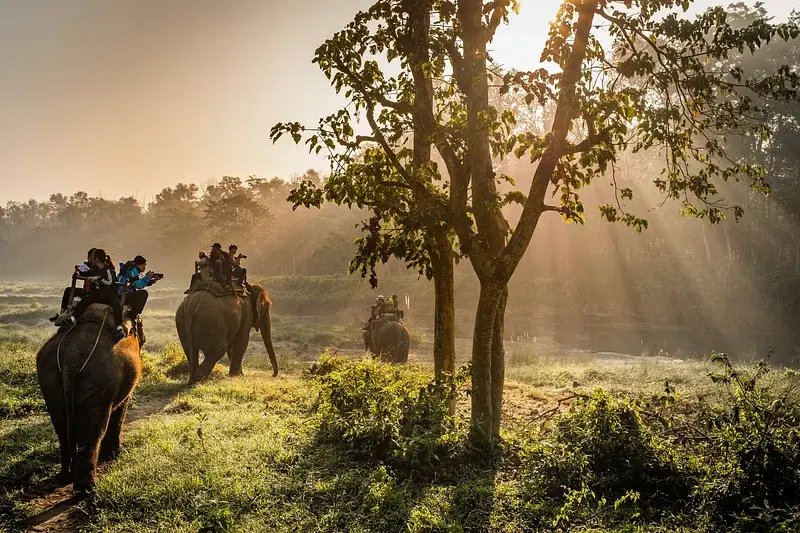
You can explore by jeep safari, canoe trips on the Rapti River, jungle walks with trained guides, elephant breeding center visits, and Tharu cultural programs. The Bis Hazari Tal (Twenty Thousand Lakes) oxbow lake is perfect for bird watching. Unlike more remote parks, Chitwan offers excellent infrastructure with lodges ranging from budget to luxury.
What to Know:
Park entry: 1,500 NPR per day for foreigners
Best time: October-March (dry season for best wildlife viewing)
20-minute flight from Kathmandu to Bharatpur, then 30-minute drive
Or 5-6 hour bus from Kathmandu
Stay at least 3-4 days for full experience
Jeep safari: 2,500-3,500 NPR, canoe trip: 1,000-1,500 NPR
Wide range of accommodation from budget to luxury
Rhino sightings almost guaranteed
Tiger sightings rare but increasing
Homestays with Tharu families in Sauraha or nearby villages give you authentic experiences. Hosts share their forest knowledge, traditional stick dances, and explain how their communities coexist with wildlife while maintaining ancient customs.
2. Lumbini
Lumbini is where Siddhartha Gautama (who became Buddha) was born in 623 BCE. This UNESCO World Heritage Site is one of the most sacred places for Buddhists worldwide, attracting pilgrims from across Asia and beyond.
The Sacred Garden contains the Maya Devi Temple marking Buddha's exact birthplace. The ancient Ashoka Pillar erected by Emperor Ashoka in 249 BCE still stands here, inscribed with the declaration of Buddha's birth. A sacred pool where Maya Devi bathed before giving birth remains pristine. The atmosphere encourages deep meditation and reflection.
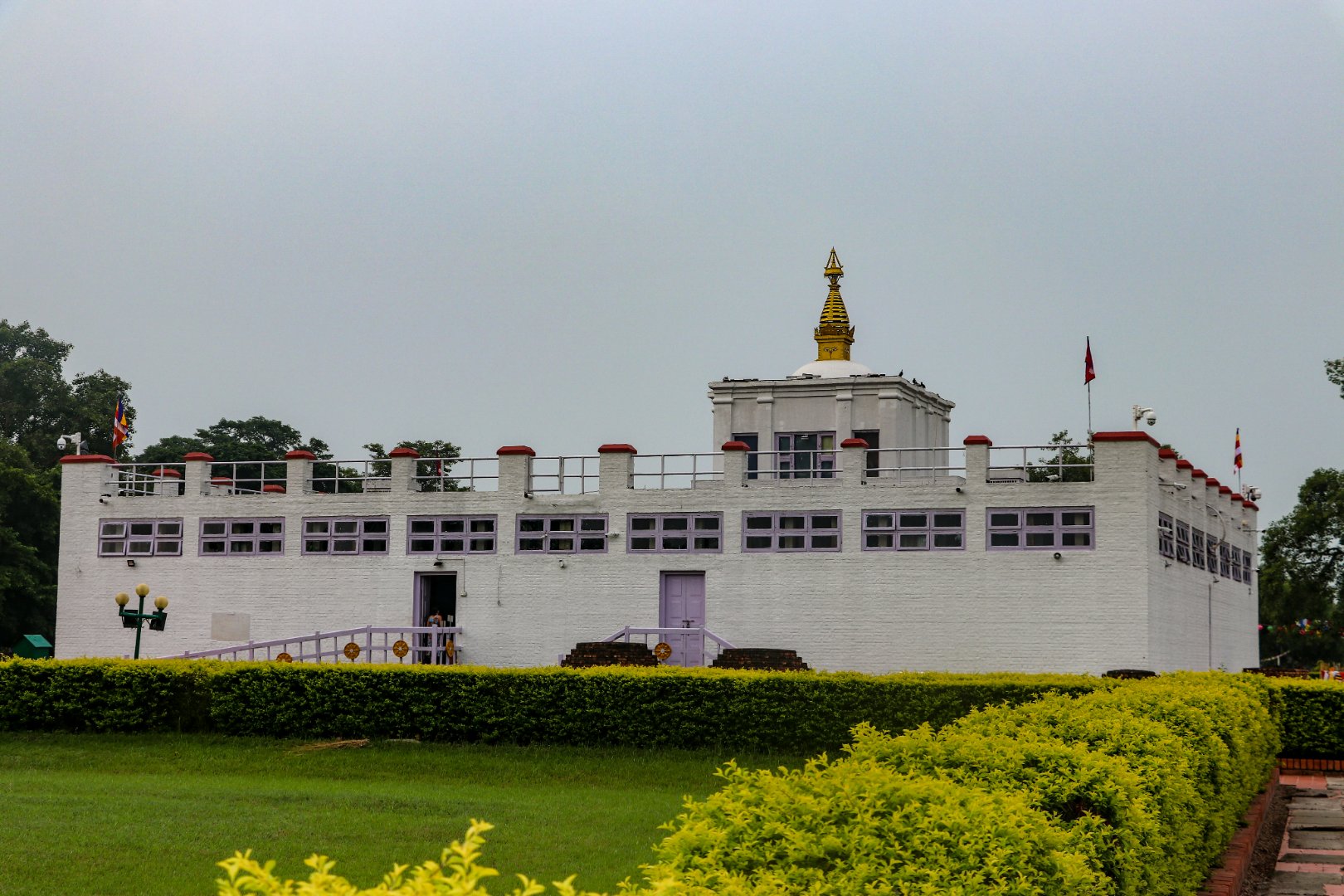
The monastic zone features over 25 international monasteries representing different Buddhist traditions from Myanmar, Thailand, Tibet, China, Japan, Vietnam, Sri Lanka, and Korea. Each monastery showcases unique architectural styles and spiritual practices. The Lumbini Museum, World Peace Pagoda, and Eternal Peace Flame add to the spiritual journey.
What to Know:
Sacred Garden entry: Free (donations welcome)
Best time: October-March (pleasant weather)
6-8 hour bus from Pokhara, 8-10 hours from Kathmandu
Or fly to Bhairahawa (25 minutes), then 30-minute drive
Stay overnight to experience everything
Rent bicycles to visit monasteries: 500-700 NPR per day
Dress modestly and respectfully
Many monasteries offer meditation sessions and dharma talks
Early morning (5:00-7:00 AM) brings peaceful atmosphere
Homestays in villages around Lumbini immerse you in Buddhist culture. Families share meditation practices, vegetarian cooking traditions, and daily rituals that have continued for generations.
3. Janakpur
Janakpur is one of Hinduism's holiest cities, believed to be the birthplace of Goddess Sita and the site of her marriage to Lord Rama. This ancient city in the Madhes region is Nepal's most important Hindu pilgrimage destination after Pashupatinath.
The magnificent Janaki Mandir temple, built in 1910, dominates the city with its stunning Mughal and Rajput architecture. The three-story marble temple features 60 rooms and intricate carvings. During festivals, especially Ram Navami and Vivah Panchami (Sita-Ram wedding ceremony), millions of pilgrims gather here.
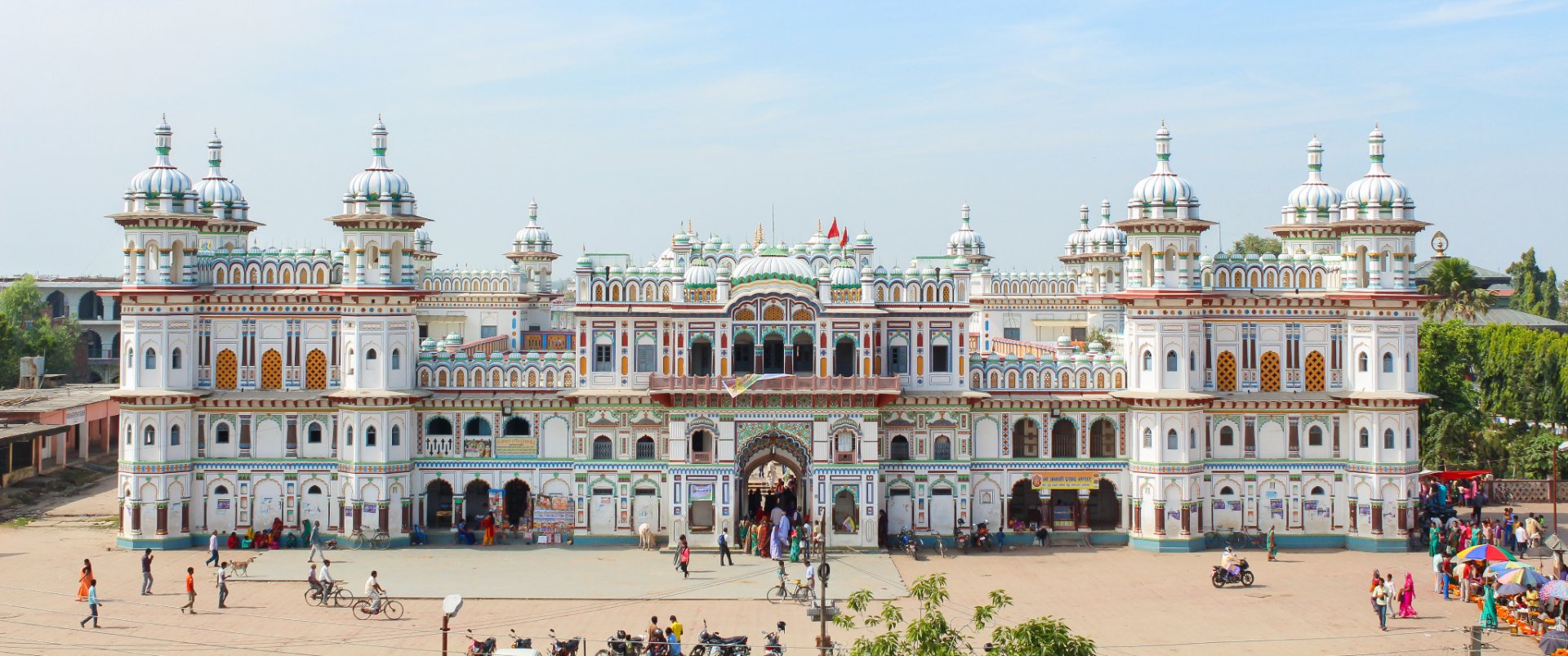
Over 100 sacred ponds dot the city, including Ram Sita Bibaha Mandap (marriage pavilion) and Dhanush Sagar pond. Janakpur's Mithila culture is famous for vibrant Madhubani paintings, intricate folk art created by local women using natural dyes. The city feels authentically South Asian with rickshaws, bustling markets, traditional sweets, and devotional music.
What to Know:
Temple entry: Free (donations welcome at main shrines)
Best time: November-February (festivals and pleasant weather)
30-minute flight from Kathmandu to Janakpur
Or 8-10 hour bus from Kathmandu
Stay 1-2 days to explore temples and culture
Vivah Panchami festival (November-December) sees massive crowds
Hire rickshaws to visit ponds and temples: 500-1,000 NPR
Dress very conservatively (long pants/skirts, covered shoulders)
Photography restricted in some temple areas
Women should cover heads with scarves
4. Koshi Tappu Wildlife Reserve
Koshi Tappu Wildlife Reserve protects 175 square kilometers of wetlands where the Sapta Koshi River enters Nepal from Tibet. This reserve is paradise for bird watchers and wetland wildlife enthusiasts.
The reserve hosts over 500 bird species, more than any other protected area in Nepal. Rare species include Bengal floricans, swamp francolins, lesser adjutants, and massive flocks of waterfowl migrating from Siberia. The last surviving wild water buffalo population in Nepal (approximately 200 animals) lives here.
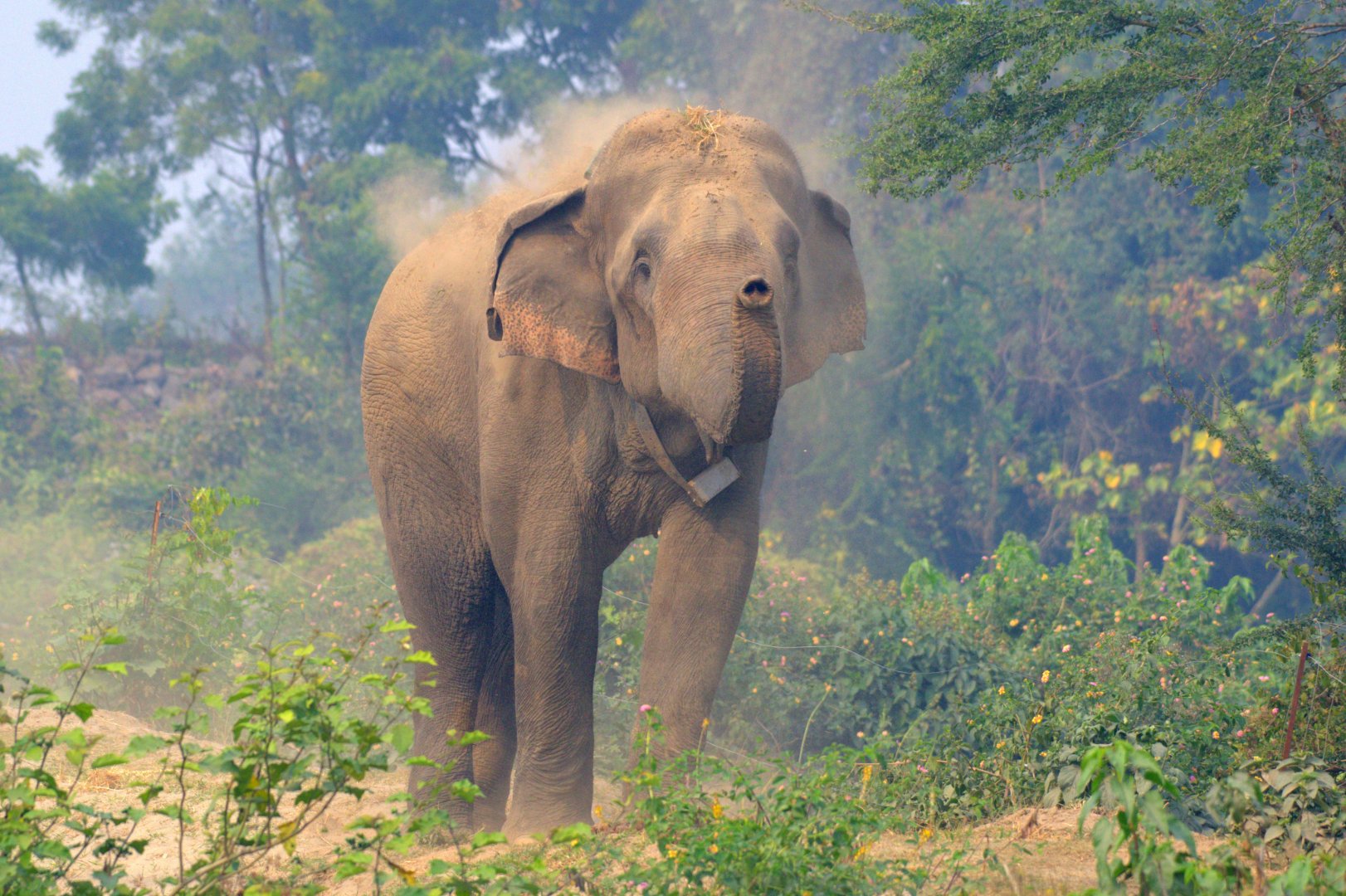
Activities include boat safaris through channels and lagoons, bird watching from observation towers, walking safaris through grasslands, and fishing (with permits). Unlike jungle parks, Koshi Tappu's flat terrain and water access make wildlife viewing easier and more diverse.
What to Know:
Reserve entry: 1,500 NPR per day for foreigners
Best time: November-March (peak migratory bird season)
40-minute flight to Biratnagar, then 2-hour drive
Or 10-12 hour bus from Kathmandu to Biratnagar
Stay 2-3 days for comprehensive bird watching
Boat safari: 2,000-3,000 NPR
Basic to mid-range lodges available
Bring good binoculars and bird guide
Early mornings (5:00-8:00 AM) best for birds
Homestays with local communities near Koshi Tappu share fishing traditions, wetland agriculture knowledge, and stories of living alongside wild water buffalo.
5. Parsa Wildlife Reserve
Parsa Wildlife Reserve protects 637 square kilometers of pristine wilderness adjacent to Chitwan National Park. While Chitwan gets all the attention, Parsa offers equally rich wildlife in a more remote, untouched setting.
The reserve has the second-highest tiger density in Nepal (approximately 90 tigers). Dense sal forests and riverine areas shelter one-horned rhinos, wild elephants, sloth bears, gaur (wild bison), and all four species of deer found in Nepal. The Churiya Hills within the reserve create diverse habitats.
You can explore by jeep safari, guided jungle treks, and observation tower visits. The reserve feels wilder than Chitwan because there's minimal development and fewer visitors. Serious wildlife enthusiasts appreciate Parsa's authentic wilderness character.
What to Know:
Reserve entry: 1,500 NPR per day for foreigners
Best time: October-April (dry season)
Access from Bharatpur (1.5-hour drive) or from Hetauda side
Stay 2-3 days
Very limited accommodation, mostly camping or basic lodges
Guided tours mandatory for safety
Tiger tracking programs available
Much less crowded than Chitwan
Can combine with Chitwan visit
6. Simara
Simara is a small town in Bara District that serves as a gateway to Nepal's Terai region. While not a major tourist destination, Simara offers authentic insights into everyday Madhesi and Terai life away from tourist infrastructure.
The town's location near the Indian border creates a vibrant cross-border culture. Local markets sell everything from traditional textiles to agricultural products. The surrounding countryside features mustard fields that turn brilliant yellow in winter, traditional Madhesi villages, and peaceful rural landscapes.
Simara Airport provides access to the region. The town is known for its mango orchards, traditional pottery, and as a base for exploring nearby religious sites and rural communities.
What to Know:
No entrance fees
Best time: October-March (pleasant weather, winter crops)
15-minute flight from Kathmandu to Simara
Or 4-5 hour drive from Kathmandu
1 day visit sufficient, or use as transit base
Very basic accommodation available
Authentic local restaurants serving Madhesi cuisine
Good stopping point between Chitwan and Janakpur
Rural cycling tours possible
7. Gadhimai Temple
Gadhimai Temple in Bariyarpur (Bara District) hosts the world's largest animal sacrifice festival every five years. While controversial, this ancient Hindu tradition attracts millions of devotees from Nepal and India who believe sacrifices bring prosperity and fulfill wishes.
The main temple dedicated to Goddess Gadhimai sees massive gatherings during the festival (November-December). Outside festival times, it's a peaceful pilgrimage site where devotees make smaller offerings and prayers.
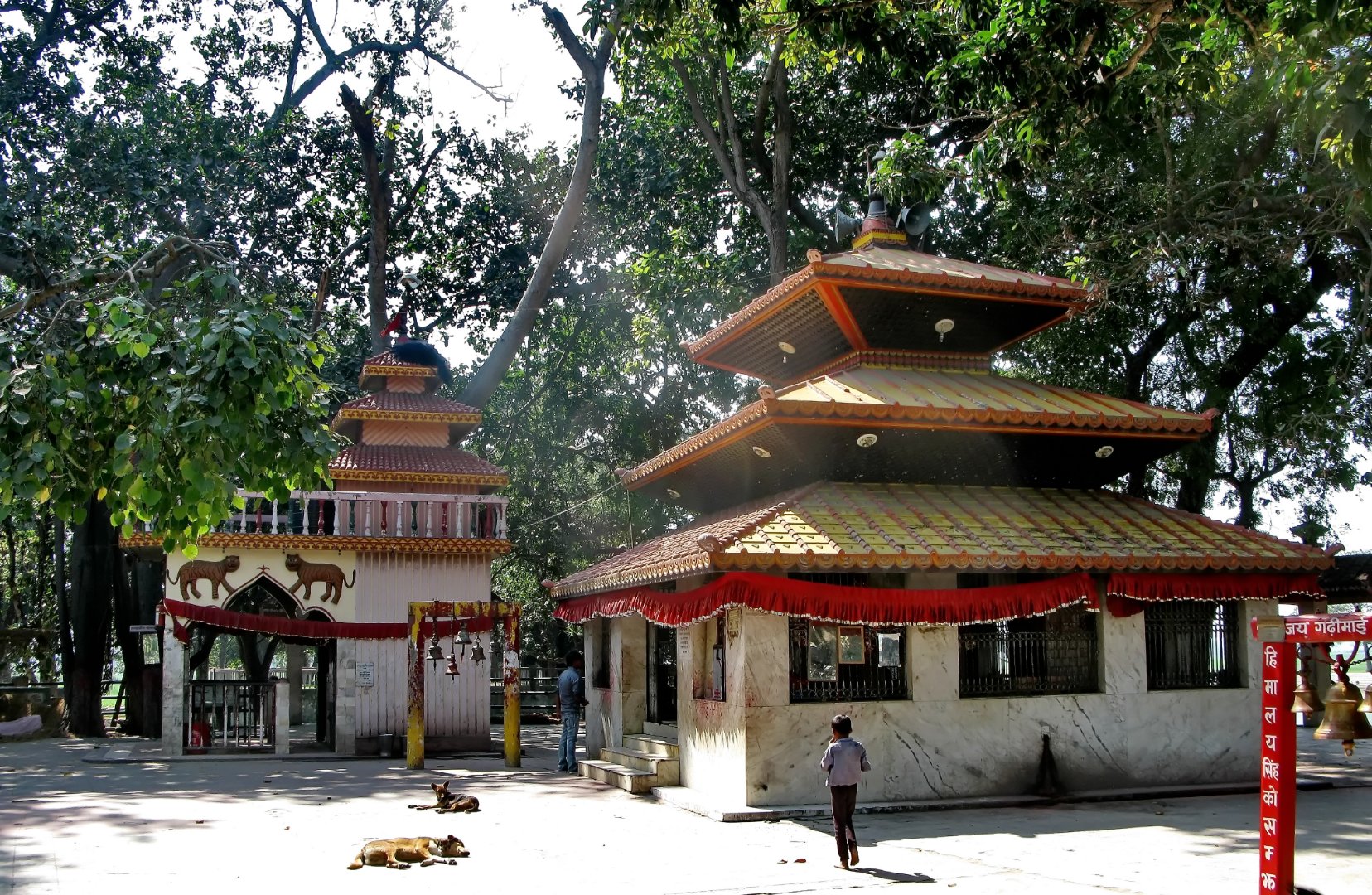
The temple complex features traditional Terai architecture. The surrounding area has sacred ponds and smaller shrines. Local culture centers on religious devotion and agricultural traditions.
What to Know:
Temple entry: Free (donations welcome)
Festival time: Every 5 years (next major festival 2029)
Visit outside festival for peaceful experience
15 km from Simara (30-minute drive)
Or access from Birgunj
Half-day to full-day visit sufficient
Festival period requires advance planning due to crowds
Basic facilities in Bariyarpur village
Dress conservatively and respectfully
8. Tribeni Dham
Tribeni Dham in Dhanusha District is where three sacred rivers, Lalbakaiya, Bagmati, and Sona, converge. This confluence holds immense religious importance for Hindus who believe bathing here washes away sins.
The site features several temples including shrines dedicated to Lord Shiva and other deities. During Magh Mela (January-February), thousands of pilgrims camp along the riverbanks for ritual bathing and prayers. The peaceful riverside setting creates a contemplative atmosphere.
Ancient trees shade the temple complex. Stone ghats (steps) lead to the water where pilgrims perform rituals. The surrounding area shows traditional Madhes village life.
What to Know:
Entry: Free (donations at temples)
Best time: October-March (pleasant for riverside visits)
Magh Mela festival (January-February) sees massive crowds
20 km from Janakpur (45-minute drive)
Half-day visit sufficient
Very basic facilities
Bring modest clothing for temple visits
Early morning (sunrise) especially sacred for bathing rituals
Homestays in nearby villages share stories of pilgrimages, river rituals, and the spiritual significance of sacred confluences in Hindu tradition.
9. Halesi Mahadev Cave
Halesi Mahadev Cave in Khotang District is one of Nepal's most sacred cave temples, revered by both Hindus and Buddhists. The natural limestone cave contains rock formations believed to be impressions of Hindu deities.
Hindus worship the cave as one of the holiest Shiva shrines, believing it's where Shiva hid from the demon Bhasmasur. Buddhists revere it as a meditation site of Guru Padmasambhava. This dual religious significance makes Halesi unique.
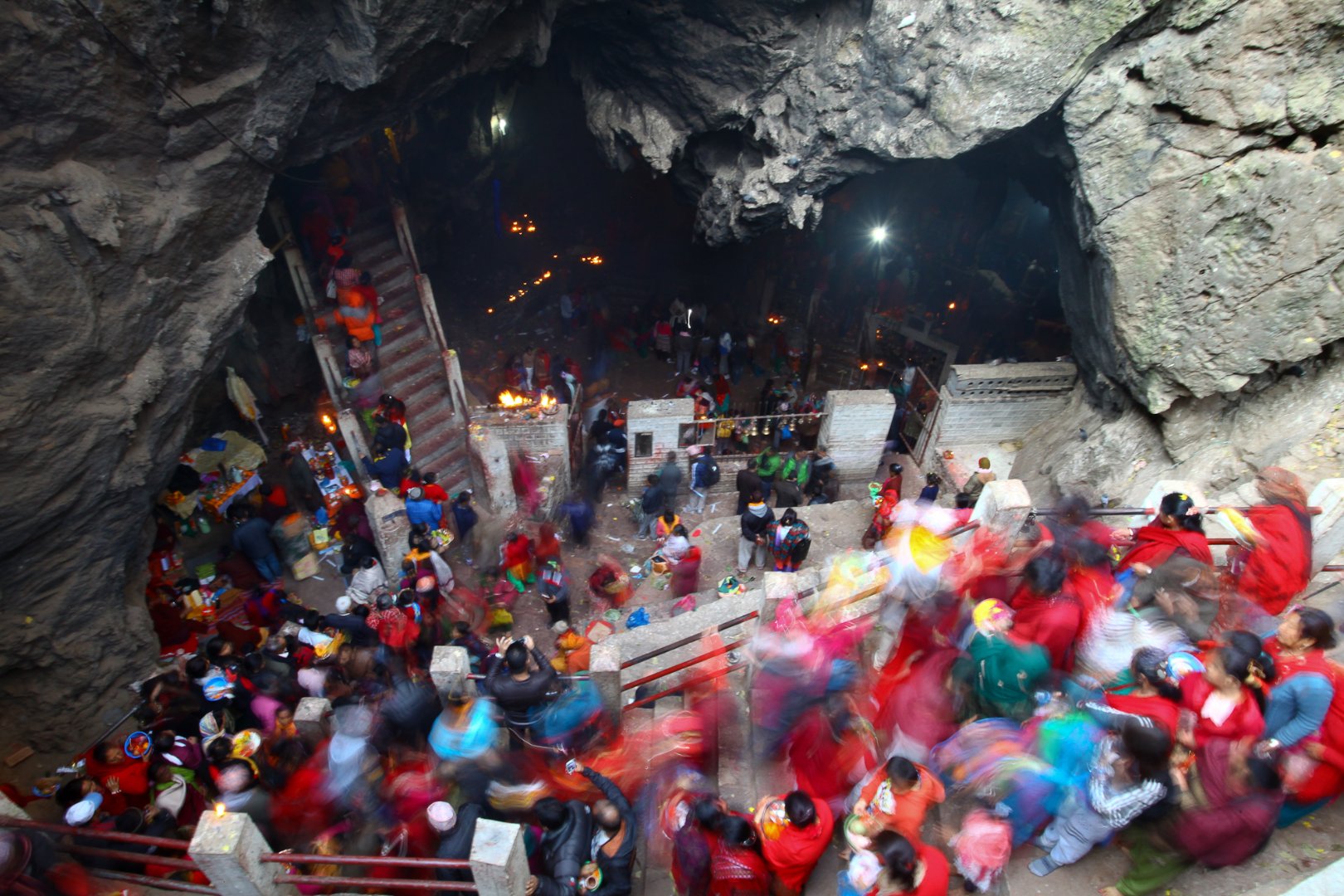
The main cave contains naturally formed Shiva lingams and other sacred formations. Narrow passages connect several chambers where pilgrims light butter lamps and offer prayers. The cave sits in forested hills with beautiful valley views. Shivaratri festival (February-March) brings thousands of pilgrims.
What to Know:
Cave entry: Free (donations welcome)
Best time: October-April (dry season for safe cave exploration)
8-10 hour bus from Kathmandu to Halesi
Or fly to Phaplu, then 3-4 hour drive
Stay 1-2 days to explore cave and surroundings
Basic lodges and guesthouses available
Bring flashlight for cave exploration
Wear sturdy shoes (cave floors can be slippery)
Shivaratri festival extremely crowded
Combined trips with Khotang cultural experiences possible
Homestays in Khotang villages around Halesi share Hindu and Buddhist traditions, farming in mid-hills, and stories of pilgrimages to sacred caves.
10. Pathibhara Temple
Pathibhara Temple sits at 3,794 meters in Taplejung District of far-eastern Nepal. This powerful Hindu and Buddhist pilgrimage site is dedicated to Goddess Pathibhara, believed to grant wishes and bless devotees.
The temple's high-altitude location offers spectacular views of Kanchenjunga (8,586m, world's third-highest peak) and surrounding Himalayan ranges. The trek to Pathibhara takes 2-3 days from Taplejung through rhododendron forests and terraced hillsides.
Thousands of pilgrims trek to Pathibhara annually, especially during Udhauli festival (November-December) and spring months. The temple complex is simple but the natural setting and spiritual atmosphere are profound. Prayer flags flutter in mountain winds, and the panoramic Himalayan views inspire awe.
What to Know:
Temple entry: Free (donations welcome)
Best time: April-May and September-November (clear weather)
Fly to Bhadrapur, 6-8 hour drive to Taplejung
Trek 2-3 days to reach temple (or helicopter in peak season)
Can get very cold (down to -10°C)
Basic tea houses along trekking route
Acclimatize properly to altitude
Udhauli festival brings huge crowds
Combine with Kanchenjunga base camp trek if experienced
Return journey can be done in 1-2 days
Sample Itineraries
5-Day Southern Nepal Wildlife Tour:
Day 1: Fly to Bharatpur, drive to Chitwan National Park
Day 2: Full day Chitwan safari activities
Day 3: Morning Chitwan, drive to Parsa Wildlife Reserve
Day 4: Parsa jungle safari and exploration
Day 5: Return to Kathmandu via Bharatpur
7-Day Pilgrimage and Culture Tour:
Day 1: Fly to Bhairahawa, visit Lumbini
Day 2: Lumbini monastery exploration and meditation
Day 3: Drive to Janakpur via Simara
Day 4: Janakpur temples and Mithila culture
Day 5: Visit Tribeni Dham, explore local villages
Day 6: Drive to Chitwan via Gadhimai Temple
Day 7: Chitwan safari, return to Kathmandu
10-Day Complete Southern Nepal Explorer:
Day 1-2: Fly to Bharatpur, Chitwan safaris
Day 3: Parsa Wildlife Reserve
Day 4: Drive to Lumbini via Simara
Day 5: Lumbini exploration
Day 6-7: Drive to Janakpur, explore city and Tribeni
Day 8: Fly to Biratnagar, drive to Koshi Tappu
Day 9: Koshi Tappu bird watching
Day 10: Return to Kathmandu
12-Day Eastern Highlights with Mountain Trek:
Day 1: Fly to Bhadrapur, drive to Taplejung
Day 2-4: Trek to Pathibhara Temple
Day 5: Trek down to Taplejung
Day 6: Drive to Biratnagar
Day 7-8: Koshi Tappu Wildlife Reserve
Day 9: Drive to Halesi Mahadev
Day 10: Explore Halesi cave and surroundings
Day 11-12: Return to Kathmandu
Transportation Tips
Getting Around Southern Nepal:
Taxis/Private Vehicles: 3,000-8,000 NPR half-day
Shared Jeeps: 500-1,500 NPR between towns
Local Buses: 100-600 NPR, frequent in Terai cities
Hired Driver: 8,000-12,000 NPR full day
Cycle Rickshaws (Janakpur, Lumbini): 100-300 NPR short trips
Inter-City Transportation:
Kathmandu to Bharatpur/Chitwan: Flight (25 min, 6,000-12,000 NPR) or bus (5-6 hours, 500-800 NPR)
Kathmandu to Janakpur: Flight (30 min, 7,000-13,000 NPR) or bus (8-10 hours, 700-1,100 NPR)
Kathmandu to Biratnagar: Flight (40 min, 8,000-15,000 NPR) or bus (12-14 hours, 900-1,400 NPR)
Kathmandu to Lumbini/Bhairahawa: Flight (25 min, 6,000-11,000 NPR) or bus (8-10 hours, 700-1,000 NPR)
Chitwan to Lumbini: Bus (6-7 hours, 600-900 NPR)
Janakpur to Biratnagar: Bus (5-6 hours, 400-700 NPR)
When to Visit Each Site
Best Season by Activity:
October-November: Best for Chitwan, Parsa, Koshi Tappu, Lumbini, Janakpur. Perfect weather, peak wildlife viewing, major festivals. Most popular season.
December-February: Good for all Terai sites. Cool mornings, warm days. Excellent wildlife viewing. Festival season in Janakpur. High-altitude sites are very cold.
March-May: Warming up in Terai (hot by May, 35-40°C). Good for Pathibhara, Halesi. Rhododendrons bloom in hills. Wildlife is less active in heat.
June-September (Monsoon): Avoid national parks and reserves. Leeches, muddy trails, flooding. Pilgrimage to Halesi and Pathibhara possible but wet. Very low prices.
Experience Southern Nepal Like a True Local
Visiting these amazing sites gives you a taste of Southern Nepal's incredible wildlife, profound spiritual heritage, and diverse cultures. But staying at a homestay transforms your visit into a real cultural immersion. Wake up to peacock calls near Chitwan, learn Madhubani painting in Janakpur, cook traditional Tharu dishes, participate in morning prayers at Buddhist monasteries, understand how farmers live in the fertile Terai, and discover the communities that make Southern Nepal more than just wildlife and temples.
Nepal Homestays connects you with carefully chosen homestays across Southern Nepal, from Tharu families near Chitwan and Parsa to Maithili homes in Janakpur, Buddhist families near Lumbini, Limbu communities along Pathibhara trek, and farming families throughout the Terai. These hosts share real daily life, traditional knowledge, and warm Nepali hospitality that hotels simply cannot give you. Book your homestay today and discover the best of Southern Nepal beyond the guidebooks.
Frequently Asked Questions
How many days are needed to visit these 10 places in Southern Nepal?
You need at least 12-15 days to comfortably visit the main places. Chitwan needs 3-4 days. Lumbini can be done in 1-2 days. Janakpur needs 1-2 days. Koshi Tappu is best with 2-3 days. Pathibhara trek requires 4-6 days total. If you want to see everything including remote sites, plan for 18-20 days.
What is the best time of year to visit Southern Nepal?
October through February is best for most destinations with pleasant temperatures and excellent wildlife viewing. March-May gets very hot in the Terai (35-40°C) but is good for mountain sites. Avoid June-September monsoon season except for specific pilgrimages. November-February sees major religious festivals.
Is Southern Nepal safe for tourists?
Yes, Southern Nepal is safe for tourists. National parks have professional guides and safety protocols. Cities like Janakpur and Lumbini welcome pilgrims and tourists year-round. Border areas are safe but check current conditions. Wildlife parks have strict safety guidelines to follow.
Can vegetarians find food in Southern Nepal?
Yes, absolutely. Vegetarian food is dominant, especially around religious sites like Lumbini and Janakpur. Dal bhat, vegetable curries, paneer dishes, dosas, samosas, and sweets are everywhere. Tharu and Madhesi cuisines offer many vegetarian options. Homestays excel at vegetarian cooking.
Should visitors stay in hotels or homestays in Southern Nepal?
Hotels and lodges in Chitwan, Lumbini, and Janakpur offer comfort and convenience. Homestays near parks, in villages around pilgrimage sites, and along trek routes provide authentic cultural experiences, home-cooked meals, and genuine connections with local families. Most travelers combine both for the best experience.
How do I get to Chitwan National Park?
Fly Kathmandu to Bharatpur (25 minutes, 6,000-12,000 NPR), then 30-minute drive to Sauraha. Or take tourist bus from Kathmandu (5-6 hours, 500-800 NPR) directly to Sauraha. From Pokhara, buses take 4-5 hours. Many lodges arrange pickup from Bharatpur airport.
What wildlife can I see at Chitwan National Park?
One-horned rhinos (almost guaranteed sightings), Bengal tigers (rare but possible), wild elephants, sloth bears, gharial crocodiles, four species of deer, monkeys, peacocks, and over 550 bird species. February-April is best for tiger sightings. November-February excellent for all wildlife.
How physically demanding is the Pathibhara trek?
Moderately demanding. You need reasonable fitness and altitude acclimatization. Expect 5-7 hours walking daily, reaching 3,794 meters elevation. The trail is well-established with tea houses. Previous trekking experience helps but isn't essential. Winter has snow and cold (-10°C). Spring and fall are most comfortable.
Can I visit Janakpur during major festivals?
Yes, but book accommodation well in advance. Vivah Panchami (November-December) and Ram Navami (March-April) bring millions of pilgrims. Hotels fill up, prices increase, and the city becomes extremely crowded. The festival atmosphere is incredible but overwhelming. Outside festivals, Janakpur is peaceful and easier to explore.
What makes Southern Nepal different from other regions?
Southern Nepal offers Nepal's most accessible and diverse wildlife viewing, the most important Hindu and Buddhist pilgrimage sites, flat Terai terrain (easier than mountain regions), rich Madhesi and Tharu cultures distinct from hill communities, proximity to India creating cross-border cultural fusion, and year-round comfortable weather in most areas.
Company Admin
Travel writer sharing authentic stories and experiences from Nepal's beautiful homestays.