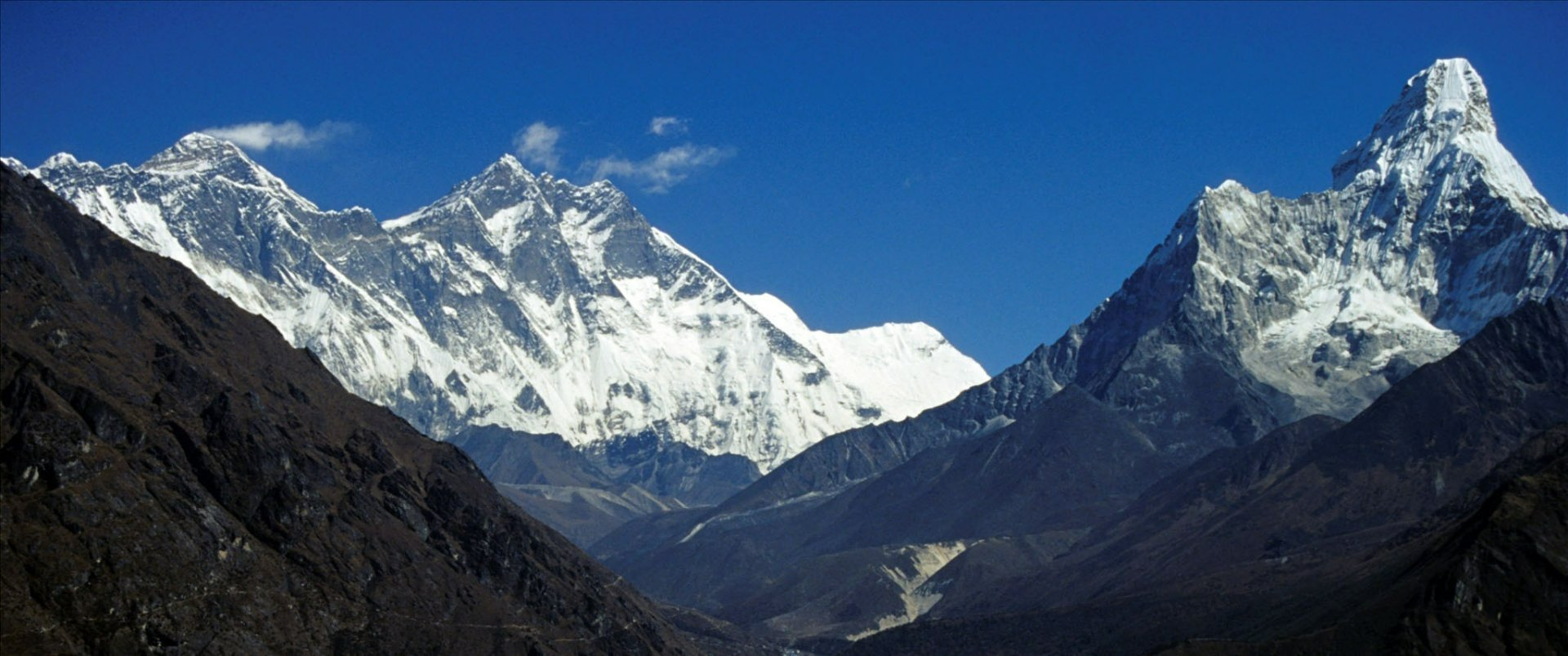
Western Nepal offers alpine lakes, wildlife safaris, sacred pilgrimage sites, and remote Himalayan treks far from the crowds. This complete 2026 guide covers the top 10 places to visit, with practical tips, best seasons, and real cultural experiences across Nepal’s least-visited region.
Western Nepal holds treasures most travelers never discover. While crowds flock to Kathmandu and Pokhara, this region offers clear alpine lakes reflecting mountains, sacred temples where wishes come true, wildlife parks protecting Bengal tigers and rare deer, and mountain views as good as anywhere in Nepal, all without the tourist crowds.
This guide covers the top 10 places to visit in Western Nepal, from Buddha's birthplace at Lumbini and beautiful Rara Lake to wildlife-rich Bardia and Shuklaphanta national parks, sacred Khaptad sanctuary, and the historic hill town of Tansen.
These aren't just photo stops. They're places where Nepal's biggest alpine lake mirrors snow-capped peaks, where pilgrims walk for days to pray at sacred sites, and where you can meet Nepal's Tharu, Magar, and far western communities through real experiences far from the usual tourist paths.
Quick Reference: Top 10 Western Nepal Attractions
Essential Tips for Visiting Western Nepal
Getting There:
Western Nepal is accessible by flight to Nepalgunj from Kathmandu (1 hour, 10,000-18,000 NPR) or Dhangadhi (1 hour, 10,000-16,000 NPR). Buses from Kathmandu to Nepalgunj take 14-16 hours. For Lumbini and Tansen, buses from Kathmandu or Pokhara work well (6-8 hours).
Dress Code and Temple Etiquette:
Cover shoulders and knees at religious sites. Remove shoes before entering temples. Be respectful during worship, especially at Lumbini, Khaptad, and Badimalika where pilgrims travel from across Nepal and India.
Money and Payment:
Carry cash in small bills. ATMs exist in Nepalgunj, Dhangadhi, Lumbini, and Tansen but are rare in remote areas. Many homestays and smaller establishments only accept cash.
Best Photography Times:
Rara Lake reflects perfectly on calm mornings between 6:00-8:00 AM. Wildlife in Bardia and Shuklaphanta is most active at dawn and dusk. Lumbini's monasteries photograph beautifully in golden hour light.
Health and Safety:
Drink bottled or filtered water throughout Western Nepal. Rara sits at 2,990 meters, so acclimatize properly. Roads to remote areas can be rough. Wildlife safety guidelines apply in national parks. Bring warm layers for high-altitude sites.
Let's Dive In:
1. Rara Lake
Rara Lake sits at 2,990 meters in remote Karnali Province. It's Nepal's biggest and cleanest alpine lake. This 10.8 square kilometer lake offers something rare in Nepal: complete peace and quiet.
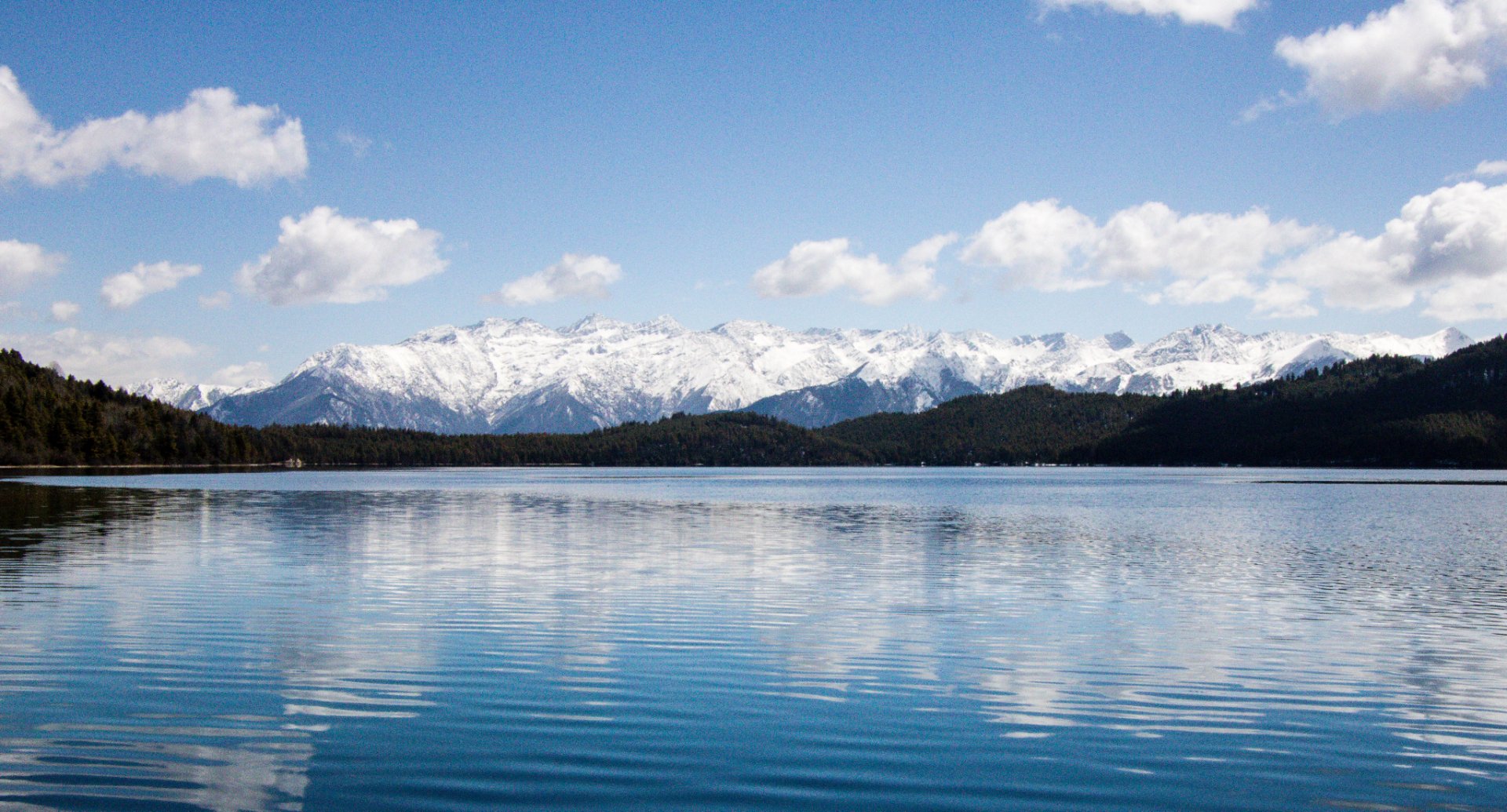
The lake's deep blue water changes all day long. Mornings bring mirror-like stillness with perfect reflections of hills and snow-capped peaks. Afternoon winds create ripples that sparkle in sunlight. The place feels completely untouched.
Rara National Park protects the area. Red pandas, musk deer, Himalayan black bears, leopards, and over 200 bird species live here. The park's forests are some of Nepal's wildest. You might have the whole lake view to yourself.
What to Know:
Park entry: 3,000 NPR for foreigners
Best time: April-May and September-November
Fly Nepalgunj to Talcha Airport, then walk 2-3 hours
Or fly to Jumla, then walk 3-4 days
Only basic lodges and camping
Gets very cold at night (down to -5°C)
No roads go to the lake
Homestays in Thakuri villages around Rara Lake let you experience far western Nepal culture and learn how remote communities have kept this place so clean for many years.
2. Bardia National Park
Bardia National Park protects 968 square kilometers of jungle in far western Nepal. It gives you real wildlife experiences without the crowds you find at other parks. The park has Nepal's biggest and healthiest tiger population (about 125 tigers).
Thick sal forests and grasslands are home to Bengal tigers, one-horned rhinos, wild elephants, swamp deer, spotted deer, gharial crocodiles, and river dolphins. Over 400 bird species live here, making it amazing for bird watchers.
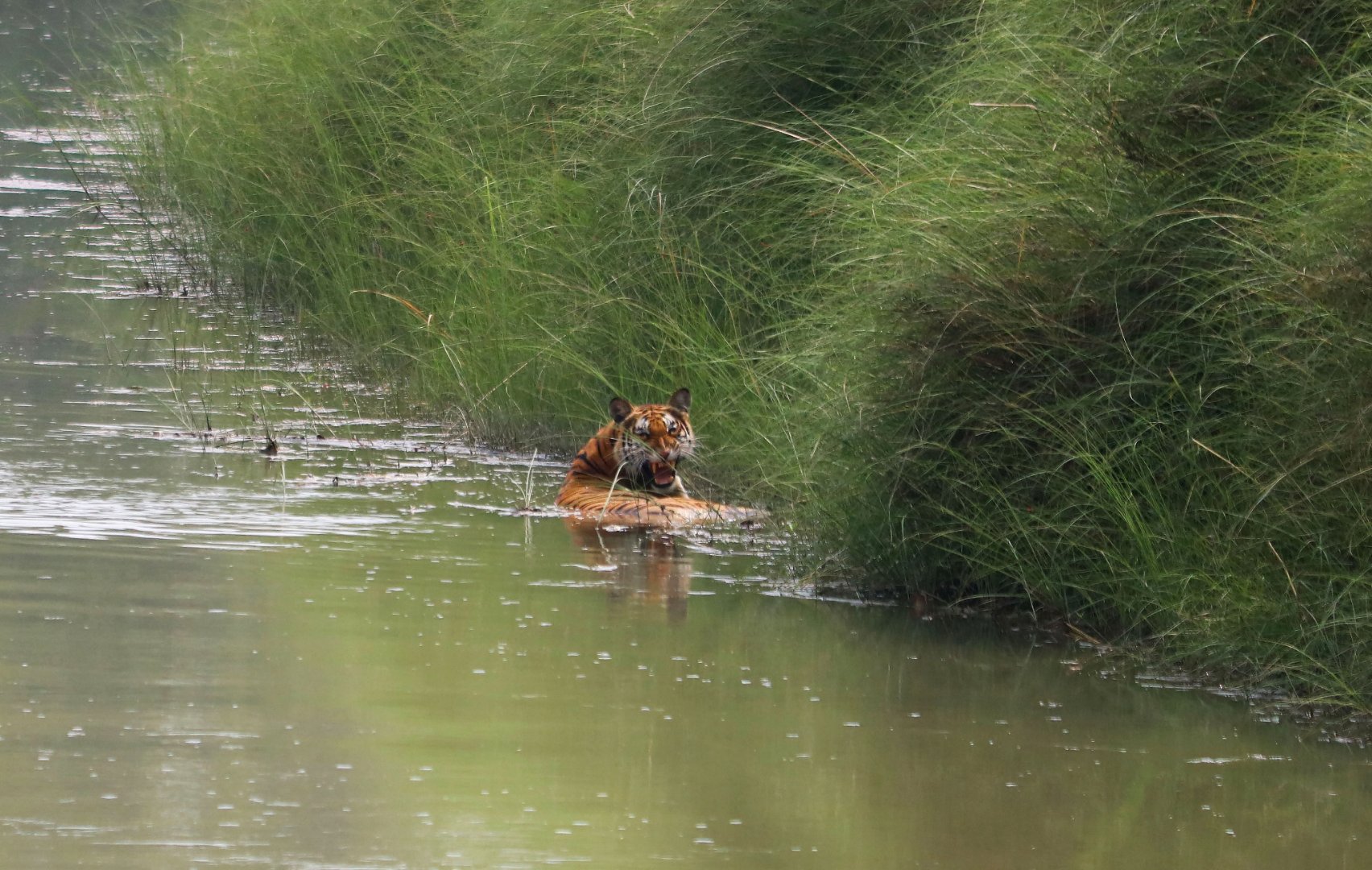
You can explore by jeep safari, elephant-back safari, walking safari, or river boat trips. Unlike Chitwan which gets crowded, Bardia often feels like you have the whole jungle to yourself. Tharu communities nearby share their culture through traditional dances and village walks.
What to Know:
Park entry: 1,500 NPR per day for foreigners
Best time: October-April
1-hour flight from Kathmandu to Nepalgunj, then 2-hour drive to park
Stay at least 3-4 days
Jeep safari: 3,000-4,000 NPR, elephant safari: 2,500 NPR
Community-run lodges outside park
Better chances to see tigers than most parks
Homestays with Tharu families near Bardia give you deeper experiences. Hosts share their forest knowledge, cook traditional dishes, and explain how their communities live safely alongside tigers and elephants.
3. Lumbini
Lumbini is where Siddhartha Gautama (who became Buddha) was born. This UNESCO World Heritage Site is as important to Buddhists as Jerusalem is to Christians or Mecca is to Muslims.
The Sacred Garden has the Maya Devi Temple marking Buddha's exact birthplace. An ancient stone pillar from Emperor Ashoka (built in 249 BCE) still stands here, proving this is the right place. The atmosphere makes you want to sit quietly and think. Pilgrims from all over Asia come here to meditate, pray, and perform rituals.
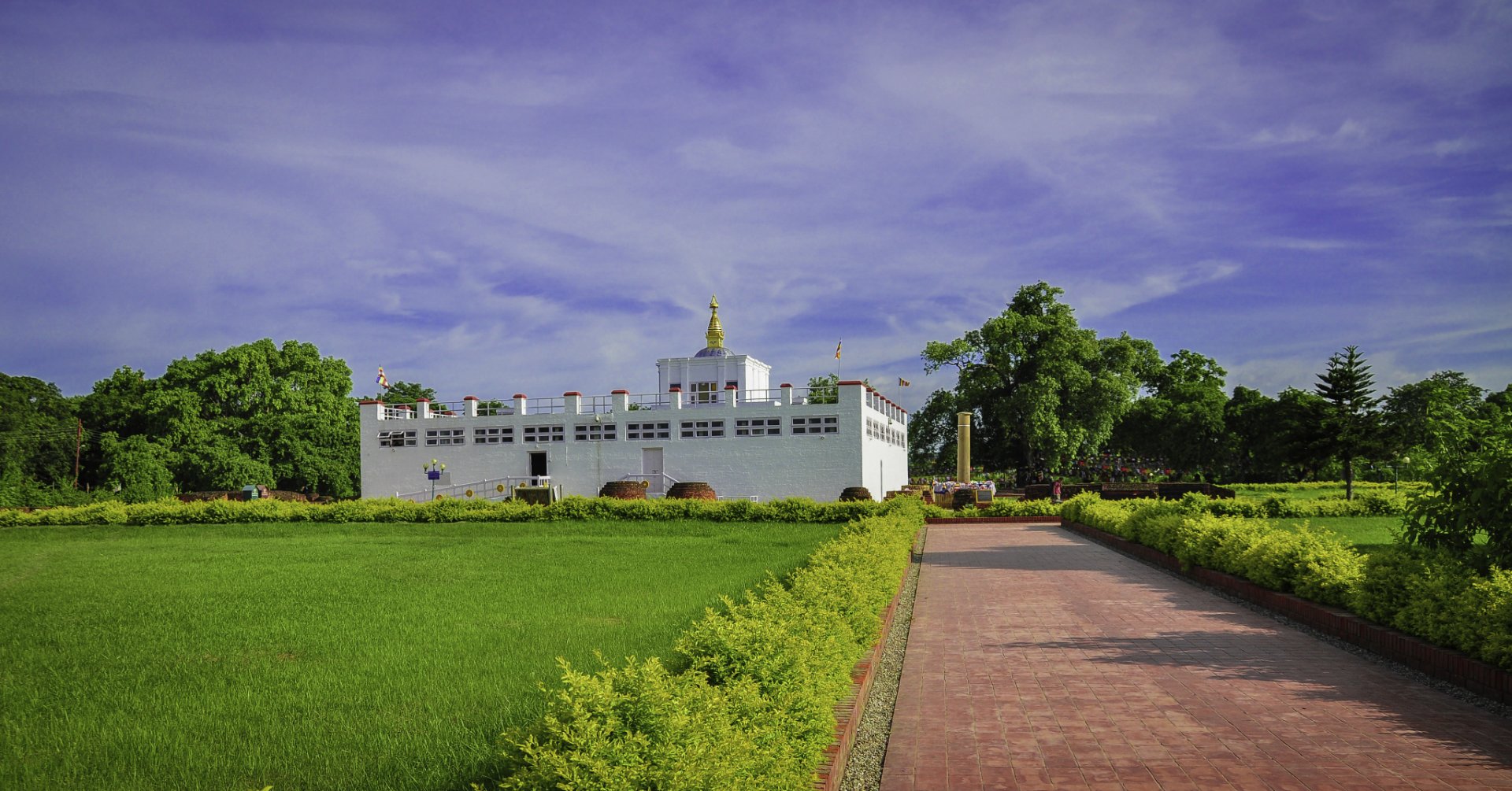
Over 25 international monasteries show different Buddhist styles from countries like Tibet, Thailand, Myanmar, China, Japan, and Korea. The Lumbini Museum and World Peace Pagoda give you more to explore.
What to Know:
Sacred Garden entry: Free (donations welcome)
Best time: October-March
6-8 hour bus from Pokhara, 8-10 hours from Kathmandu
Stay overnight to see everything
Rent bicycles to visit monasteries: 500 NPR
Dress respectfully
Many monasteries offer meditation classes
Homestays in villages around Lumbini let you join communities whose lives center on Buddhist culture. Families share meditation practices and vegetarian cooking traditions.
4. Shuklaphanta National Park
Shuklaphanta National Park protects 305 square kilometers of grasslands. It's famous for having the world's biggest group of swamp deer (over 2,300 of them).
The main grassland covers 16 square kilometers. When hundreds of swamp deer graze together, it's an amazing sight. The park also has 36 Bengal tigers, growing numbers of rhinos, wild elephants, and over 400 bird species.
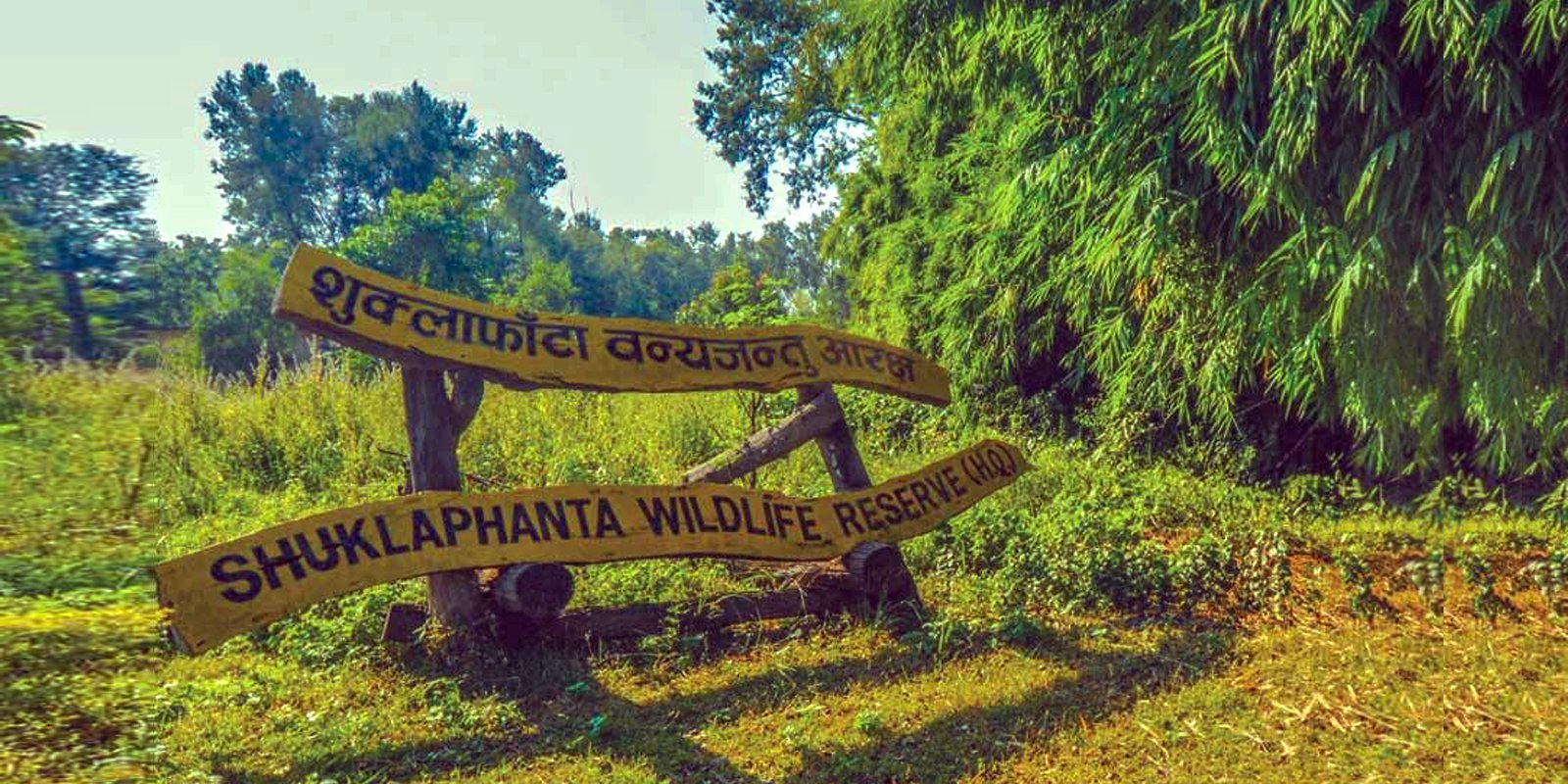
You can explore by jeep safari, elephant-back safari, or climb observation towers to watch wildlife. The park feels wilder and less developed than Chitwan or Bardia.
What to Know:
Park entry: 1,500 NPR per day for foreigners
Best time: November-April
1-hour flight to Dhangadhi, then 2.5-hour drive to park
Stay 2-3 days
Basic lodges in nearby Mahendranagar town
You will definitely see swamp deer
Visit Ghodaghodi Lake too
5. Khaptad National Park
Khaptad National Park protects 225 square kilometers in far western mid-hills. It mixes nature with spiritual importance. The landscape has rolling grasslands, forests of oak and rhododendron trees, 53 clean lakes, and peaceful meadows.
Spring brings amazing rhododendron blooms that cover hillsides. The park has 567 plant species including 224 rare medicinal herbs. Wildlife includes musk deer, Himalayan black bears, leopards, and red pandas.
The spiritual center is Khaptad Baba's Ashram. Khaptad Baba was a respected saint who meditated here for over 50 years. Sacred sites include Sahashra Linga (1,000 sacred stones), Ganesh Temple, and several holy water springs.
What to Know:
Park entry: 3,000 NPR for foreigners
Best time: March-May and September-November
Fly to Dhangadhi, drive 6-8 hours to Dipayal, walk 5-6 hours
Stay at least 3-4 days
Basic camping and simple lodges
Hire a guide
Nature and spiritual atmosphere combined
Homestays in villages around Khaptad let you meet far western hill communities. Families share farming knowledge, how to use medicinal plants, and local religious practices.
6. Tansen
Tansen sits at 1,300 meters on a mountain range. It offers huge views from the Himalayas to the flat Terai plains. This historic Newari town keeps its old buildings and culture through its traditional bazaar with narrow stone streets.
Srinagar Hill gives you amazing mountain views. On clear mornings, you can see the whole Dhaulagiri-Annapurna-Manaslu mountain range. Tansen Durbar (the old palace) shows beautiful Newari art and building style. Local markets sell traditional dhaka cloth made by local weavers.
The town's coffee shops and nice weather make it perfect for relaxing: morning walks, afternoon tea, evening walks through the lit-up old town.
What to Know:
No entrance fee
4-5 hour drive from Lumbini
Best time: October-April
1-2 days is enough, 3 days is better
Hotels from cheap to mid-price
Good place to stop between Lumbini and Pokhara
Homestays in Tansen's Newari homes let you experience this special culture, including Newari food and traditional weaving.
7. Ghodaghodi Lake
Ghodaghodi Lake is part of 24 connected lakes covering 2,563 hectares. It became a Ramsar Wetland Site and Nepal's first Bird Sanctuary in 2022. This clean wetland is amazing for bird watching.
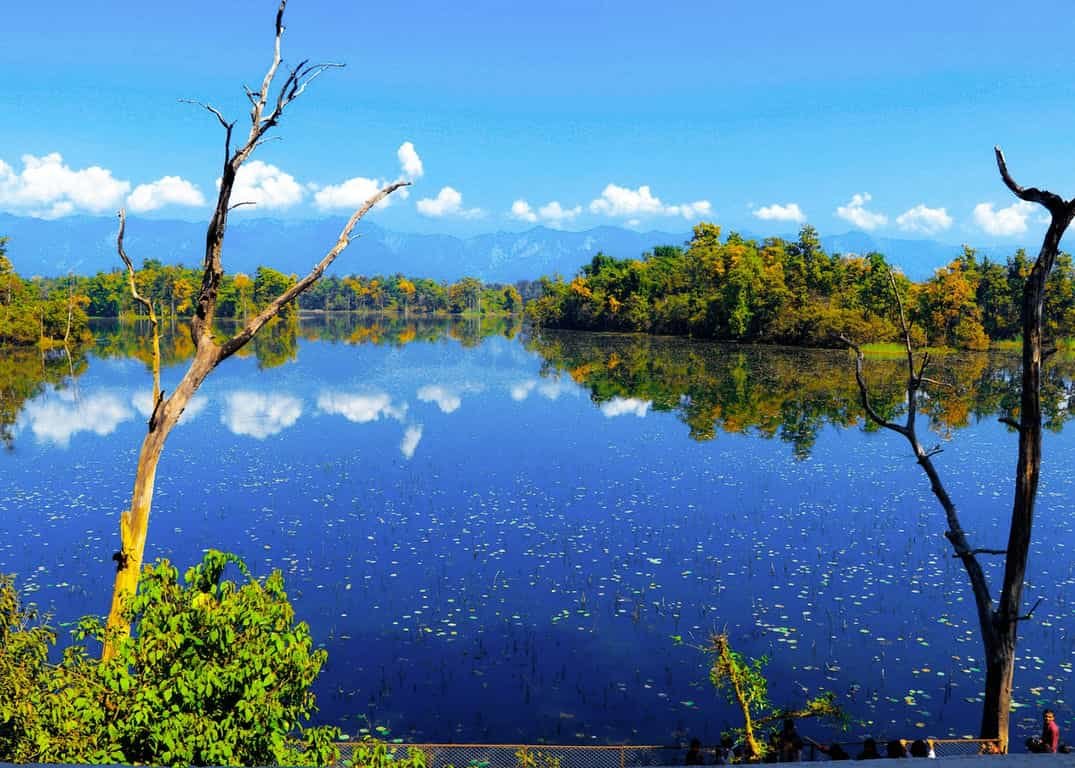
Over 360 bird species live here, including birds that fly here from Siberia for winter. Rare endangered species include great hornbills, lesser adjutant storks, and Bengal floricans. The Tharu community thinks the lake is sacred and performs rituals during festivals.
You can take boat rides on calm waters, walk forest trails, and visit nearby Tharu villages. This place stays authentic with very little development.
What to Know:
No entrance fee
Best time: October-March
15 km from Dhangadhi (30-minute drive)
Half day to full day visit
Bring binoculars to watch birds
Visit Shuklaphanta National Park too
Local guides available
8. Badimalika Temple
Badimalika Temple sits at 4,200 meters high. It's one of the most respected Hindu temples in western Nepal. The temple honors Goddess Bhagawati. Thousands of people come here during the Janai Purnima festival (July-August).
The walk takes 2-3 days from Martadi. You go through farm fields, forests, flower-filled meadows in summer, and finally bare high-altitude land. At 4,200 meters surrounded by Himalayan peaks, it feels like you're touching the sky.
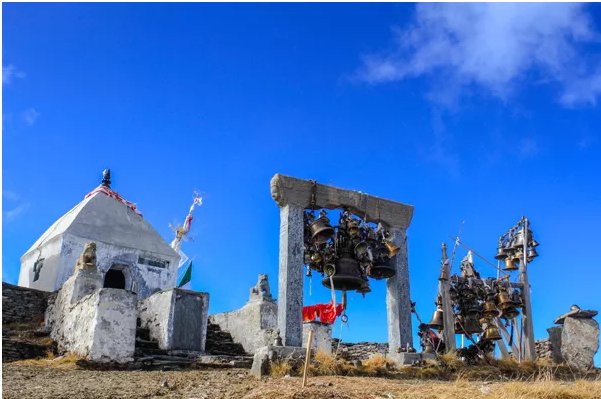
Pilgrims believe Goddess Badimalika grants wishes for health, money, and family happiness. The hard-to-reach location keeps the temple's spiritual feeling strong but you need to prepare for the high altitude and bring warm clothes.
What to Know:
No entrance fee (donations welcome)
Best time: July-August (festival) or September-October
Walk 2-3 days from Martadi
Basic tea houses along the path
Can get very cold (down to -5°C)
Your body needs to adjust to high altitude
Huge crowds during festival
9. Api Base Camp
Api Base Camp sits at the bottom of Api Himal mountain (7,132 meters), the tallest peak in far western Nepal. This remote trek takes 10-14 days through wild nature within the Api Nampa Conservation Area.
The trail goes through tropical forests, farm fields, high-altitude villages, flower meadows, and icy landscapes. Api Himal towers above you, along with other peaks that form Nepal's border with Tibet.
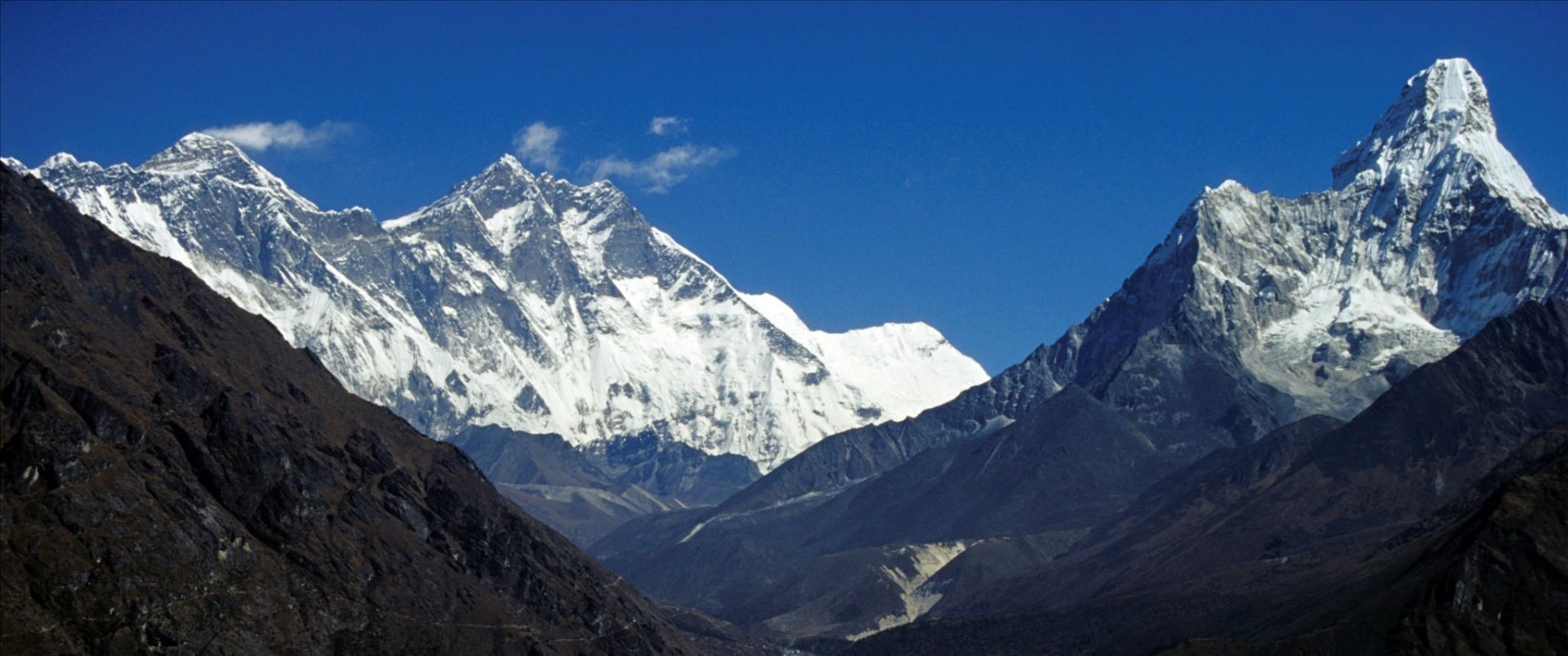
Wildlife includes snow leopards, Himalayan tahrs, and musk deer. Very few people trek here, so it keeps its real wilderness feeling.
What to Know:
Conservation area permit: 3,000 NPR
Best time: April-May and September-October
Takes at least 10-14 days
Camping trek (no lodges after first villages)
You need a guide
Very remote, plan carefully
10. Saipal Base Camp
Saipal Base Camp sits at the bottom of Mount Saipal (7,031 meters), part of the Gurans Himal range. This challenging 10-12 day trek gives you amazing mountain views and chances to meet communities keeping ancient traditions alive.
Starting from Chainpur, the trail goes up through different types of land. Mount Saipal is considered sacred by local communities who worship it. Villages show Bajhangi culture which is different from central Nepal.
Spring brings rhododendron flowers everywhere. Fall gives you super clear mountain views. Like Api Base Camp, very few people try this trek, keeping it wild and natural.
What to Know:
ACAP permit: 3,000 NPR
Best time: May-June and September-October
Takes 10-12 days minimum
Camping trek
You need a guide
Can visit Khaptad National Park too
Homestays in Bajhangi villages give you deep cultural experiences. Families share traditional farming methods and show how mountain communities kept their special culture for hundreds of years.
Sample Itineraries
5-Day Western Nepal Highlights:
Day 1: Fly to Nepalgunj, drive to Bardia National Park
Day 2: Full day Bardia safari
Day 3: Drive to Dhangadhi, visit Ghodaghodi Lake
Day 4: Shuklaphanta National Park safari
Day 5: Return to Nepalgunj, fly to Kathmandu
7-Day Pilgrimage and Culture Tour:
Day 1: Fly to Bhairahawa, visit Lumbini
Day 2: Lumbini monastery exploration
Day 3: Drive to Tansen, explore old town
Day 4: Tansen, drive to Lumbini
Day 5: Drive to Bardia
Day 6: Bardia wildlife safari
Day 7: Return via Nepalgunj
10-Day Far Western Explorer:
Day 1-2: Fly to Nepalgunj, to Rara, explore
Day 3-4: Trek around Rara Lake
Day 5: Fly to Nepalgunj, drive to Bardia
Day 6-7: Bardia safaris
Day 8: Drive to Dhangadhi, visit Ghodaghodi
Day 9: Shuklaphanta
Day 10: Fly to Kathmandu
Transportation Tips
Getting Around Western Nepal:
Taxis/Private Vehicles: 3,000-6,000 NPR half-day
Shared Jeeps: 800-2,000 NPR between towns
Local Buses: 200-800 NPR, infrequent
Hired Driver: 6,000-10,000 NPR full day
Inter-City Transportation:
Kathmandu to Nepalgunj: Flight (1 hour, 10,000-18,000 NPR) or bus (14-16 hours, 1,500-2,200 NPR)
Kathmandu to Dhangadhi: Flight (1 hour, 10,000-16,000 NPR) or bus (18-20 hours, 1,800-2,500 NPR)
Nepalgunj to Jumla/Talcha: Flight (45 min, 12,000-20,000 NPR, weather dependent)
Lumbini to Tansen: Bus (4-5 hours, 500-800 NPR)
When to Visit Each Site
Best Season by Activity:
October-November: Best for Bardia, Shuklaphanta, Lumbini, Ghodaghodi. Clear skies, comfortable temperatures. Peak wildlife viewing.
December-February: Good for national parks and Lumbini. Cold mornings, warm days in Terai. High-altitude sites are very cold.
March-May: Best for Rara Lake, Khaptad (rhododendrons), high-altitude treks. Getting hot in lowlands by May.
June-September (Monsoon): Badimalika pilgrimage (July-August). Avoid national parks. Prepare for rain, leeches, landslides. Lower prices.
Experience Western Nepal Like a True Local
Visiting these amazing sites gives you a taste of Western Nepal's natural beauty and spiritual importance. But staying at a homestay changes your visit into a real cultural experience. Wake up to Himalayan sunrises over Rara Lake, learn traditional Tharu dances near Bardia, cook dal bhat in mountain villages, join Buddhist meditation at Lumbini, and understand the communities that make Western Nepal more than just pretty landscapes.
Nepal Homestays connects you with carefully chosen homestays across Western Nepal, from Tharu families near Bardia and Shuklaphanta to Thakuri homes around Rara, Bajhangi communities in mountain villages, and Buddhist families near Lumbini. These hosts share real daily life, traditional knowledge, and warm Nepali hospitality that hotels simply cannot give you. Book your homestay today and discover the best of Western Nepal beyond the guidebooks.
Frequently Asked Questions
How many days are needed to visit these 10 places in Western Nepal?
You need at least 14-18 days to comfortably visit the main places. Rara Lake needs 3-5 days including flights and walking. Bardia is best with 3-4 days. Khaptad needs 3-4 days. Lumbini can be done in 1-2 days. If you add high-altitude treks, you need 20+ days total.
What is the best time of year to visit Western Nepal?
October and November are best with clear skies and nice temperatures. March through May is great for Khaptad and high-altitude treks. Don't go June through August (monsoon season) except for Badimalika pilgrimage. December-February works well for jungle parks.
Is Western Nepal safe for tourists?
Yes, Western Nepal is safe for tourists. National parks have safety rules. Remote treks need good planning but aren't dangerous with experienced guides. Communities throughout western Nepal welcome visitors.
Can vegetarians find food in Western Nepal?
Yes, definitely. Dal bhat, vegetable curries, momos, and roti are everywhere. Lumbini has lots of vegetarian options. Homestays cook excellent vegetarian food. Only on very remote treks might choices be limited.
Should visitors stay in hotels or homestays in Western Nepal?
Hotels in big towns are convenient for short visits. Homestays near Bardia, around Rara, in Tansen, and along trek paths let you experience real culture, eat home-cooked meals, and learn about regional life. Many travelers use both.
How do I get to Rara Lake?
Fly Kathmandu to Nepalgunj, then to either Talcha Airport (near Rara) or Jumla. From Talcha, walk 2-3 hours. From Jumla, walk 3-4 days. Flights depend on weather, so plan extra days. No roads go to Rara Lake.
What wildlife can I see at Bardia National Park?
Bengal tigers, one-horned rhinos, wild elephants, swamp deer, spotted deer, blue bulls, gharial crocodiles, river dolphins, and over 400 bird species. November-February is best for wildlife viewing when animals stay near water.
How physically demanding are the high-altitude treks?
Api and Saipal Base Camp treks are hard. You need good fitness, your body needs to adjust to altitude, and trekking experience helps. Expect to walk 6-8 hours daily, cross high passes above 4,000 meters, and be far from medical help. Khaptad is easier.
Can I visit Badimalika outside of festival time?
Yes, but there are very few facilities. During Janai Purnima, temporary tea houses open and other pilgrims are there. Outside festival season, you need full camping equipment. The trail is open September-October after monsoon. Winter has deep snow.
What makes Western Nepal different from other regions?
Western Nepal has Nepal's most remote and least-visited attractions. You'll meet far western cultures rarely seen elsewhere, see wildlife in clean natural areas, visit temples most tourists don't know about, and trek on paths where you might not see another trekker for days.
Company Admin
Travel writer sharing authentic stories and experiences from Nepal's beautiful homestays.