
At a Nepal homestay you don't order from a menu. You eat what the family eats, and often help make it. This guide covers the most important traditional Nepali dishes by region, from dal bhat to yomari.
If there is one thing that stays with you long after leaving Nepal, it is the food. Not because it is complicated or elaborate, but because of how it is served. At a homestay, you do not order from a menu. You sit where the family sits, eat what the family eats, and often help make it. That changes how food tastes.
This guide covers the most important traditional Nepali dishes you will encounter during a homestay stay, how they are prepared, what they mean culturally, and what to expect region by region. Whether you are a food traveler or just curious, knowing what is on the plate helps you connect more honestly with the people who cooked it.
For a deeper breakdown of how food changes across Nepal's different regions, the Nepali homestay food by region guide covers the full picture before you travel.
TL;DR
Dal bhat tarkari is the daily meal across almost every homestay in Nepal
Momos, sel roti, gundruk, thukpa, and achar are among the most commonly encountered dishes
Food varies significantly by region, ethnicity, and season
Homestay meals are home-cooked, vegetarian-friendly, and tied to local farming calendars
Cooking sessions with host families are common and genuinely worth joining
Dal Bhat Tarkari: The Dish That Defines Nepal
Dal bhat tarkari is Nepal's everyday meal and its most honest one. Rice (bhat), lentil soup (dal), and seasonal vegetables (tarkari) served together on a plate. Every family has their own version, and no two homestays make it exactly the same.
What makes it work as a meal:
Lentils provide protein, rice gives sustained energy, vegetables add fiber and vitamins
A side of achar (spiced pickle) sharpens everything on the plate
Families eat it twice a day, morning and evening, which tells you something about how central it is
In rural homestays, dal bhat is usually made with vegetables pulled from the family garden that morning. The lentils are slow-cooked with turmeric, cumin, and garlic. The tarkari changes with the season. In spring you might get fiddlehead fern. In autumn, squash and mustard greens.
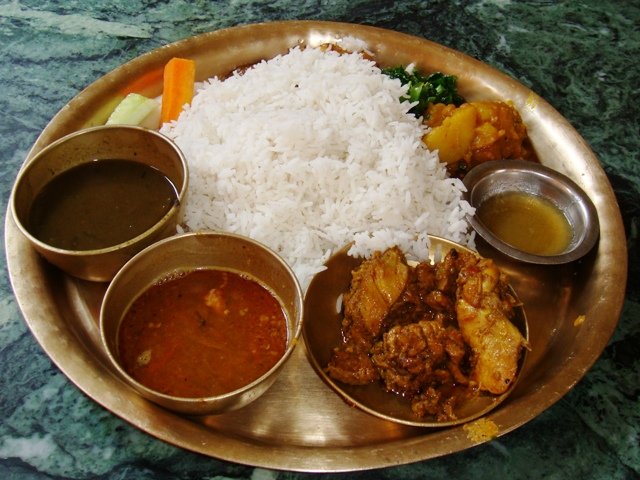
Dal bhat is not exciting food in the way a restaurant dish is exciting. It is reliable, nourishing, and made with care. That combination is hard to beat after a long day on trail.
Momos: Nepal's Most Social Dish
Momos are the dish that brings everyone to the table. These steamed or fried dumplings, filled with minced vegetables or meat and served with spicy tomato chutney, are a shared food in the most literal sense. You make them together, eat them together, and argue about whose fold is better.
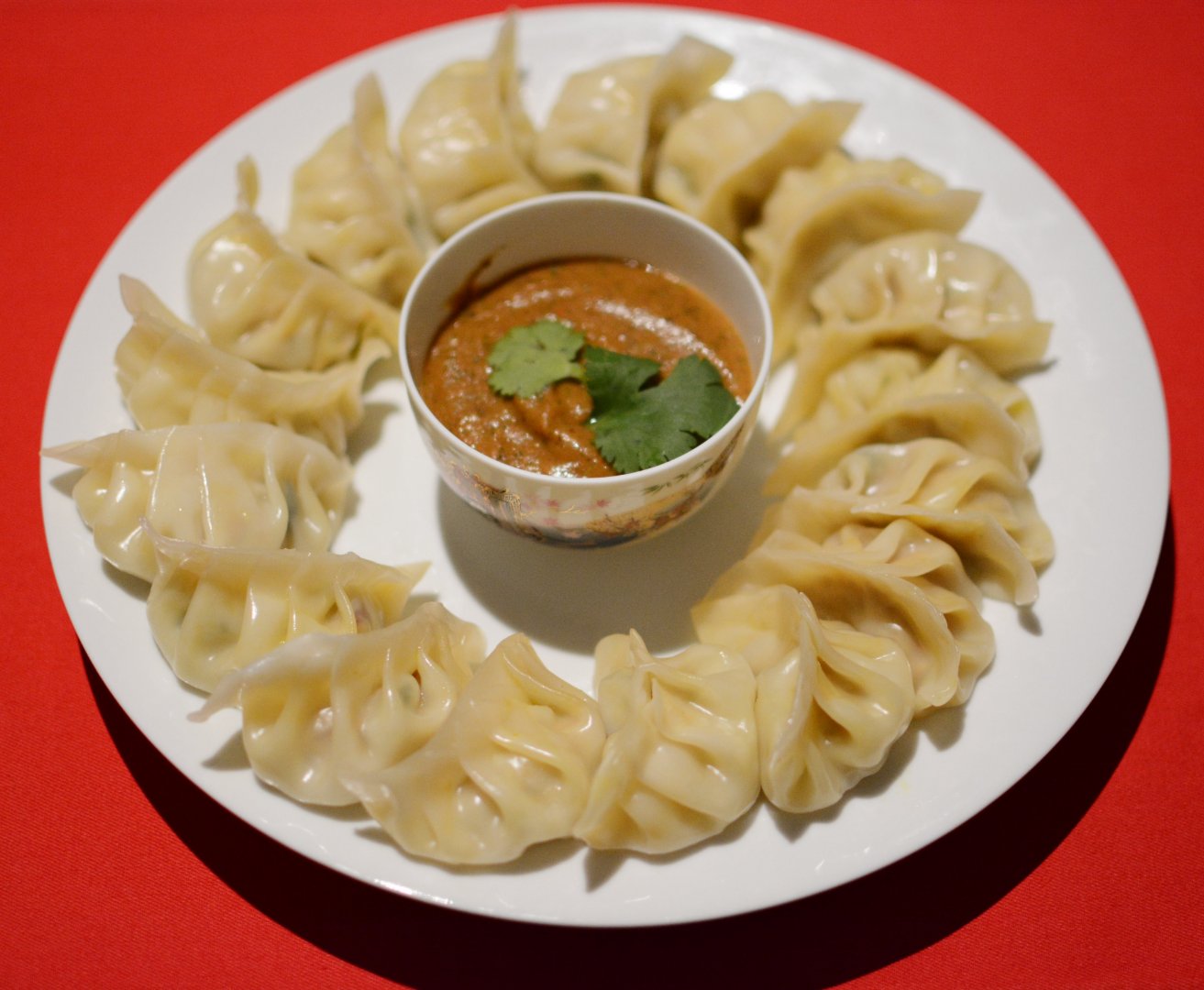
At a homestay, you will likely be invited to join the folding process. The half-moon shape is the most common, though some families do pleated rounds. The filling varies: buffalo, chicken, or mixed vegetables depending on the family and the region. The chutney is usually fresh-ground tomato with chili and garlic, made the same day.
Momos originated as a Tibetan dish and came into Nepal through trade routes and migration across the Himalayan communities. Today they are eaten everywhere from Kathmandu street stalls to mountain village kitchens.
Sel Roti: The Festive Ring Bread
Sel roti is a deep-fried ring bread made from ground rice flour, sugar, and milk. The outside is crisp and golden. The inside is soft and slightly sweet. It is prepared during Dashain, Tihar, and other major festivals, and the smell of it frying in ghee early in the morning is one of those homestay memories that stays.
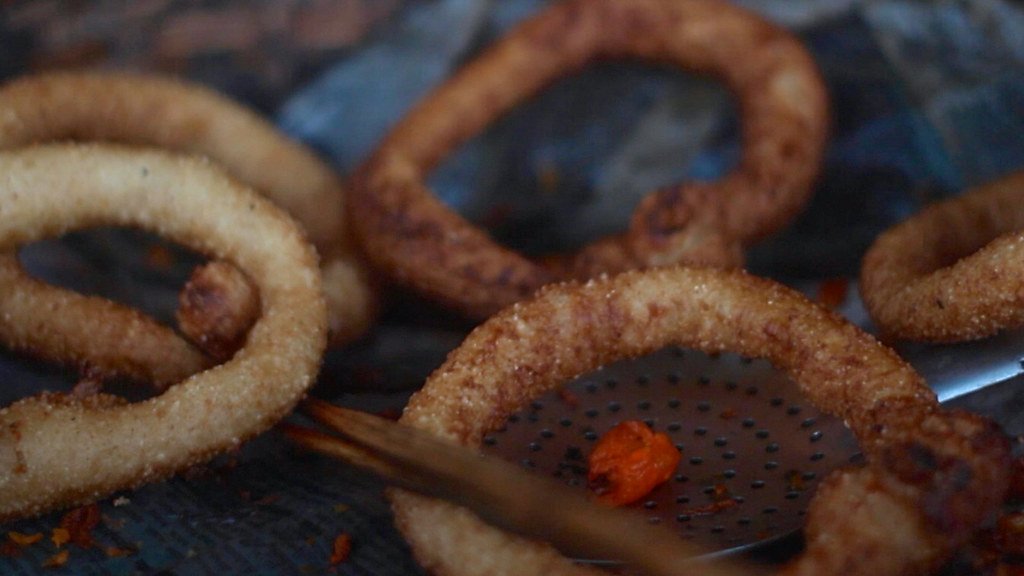
If you visit Nepal in autumn during the festival season, there is a good chance your host family will be frying sel roti before 7 AM. Served with yogurt or a spicy pickle, it is breakfast and celebration at the same time.
For context on Nepal's cultural festivals and when they fall, the Nepal culture festivals and crafts guide covers the annual calendar in detail.
Gundruk and Dhindo: The Rural Staples
These two dishes represent the farming heart of Nepal more than anything else on this list.
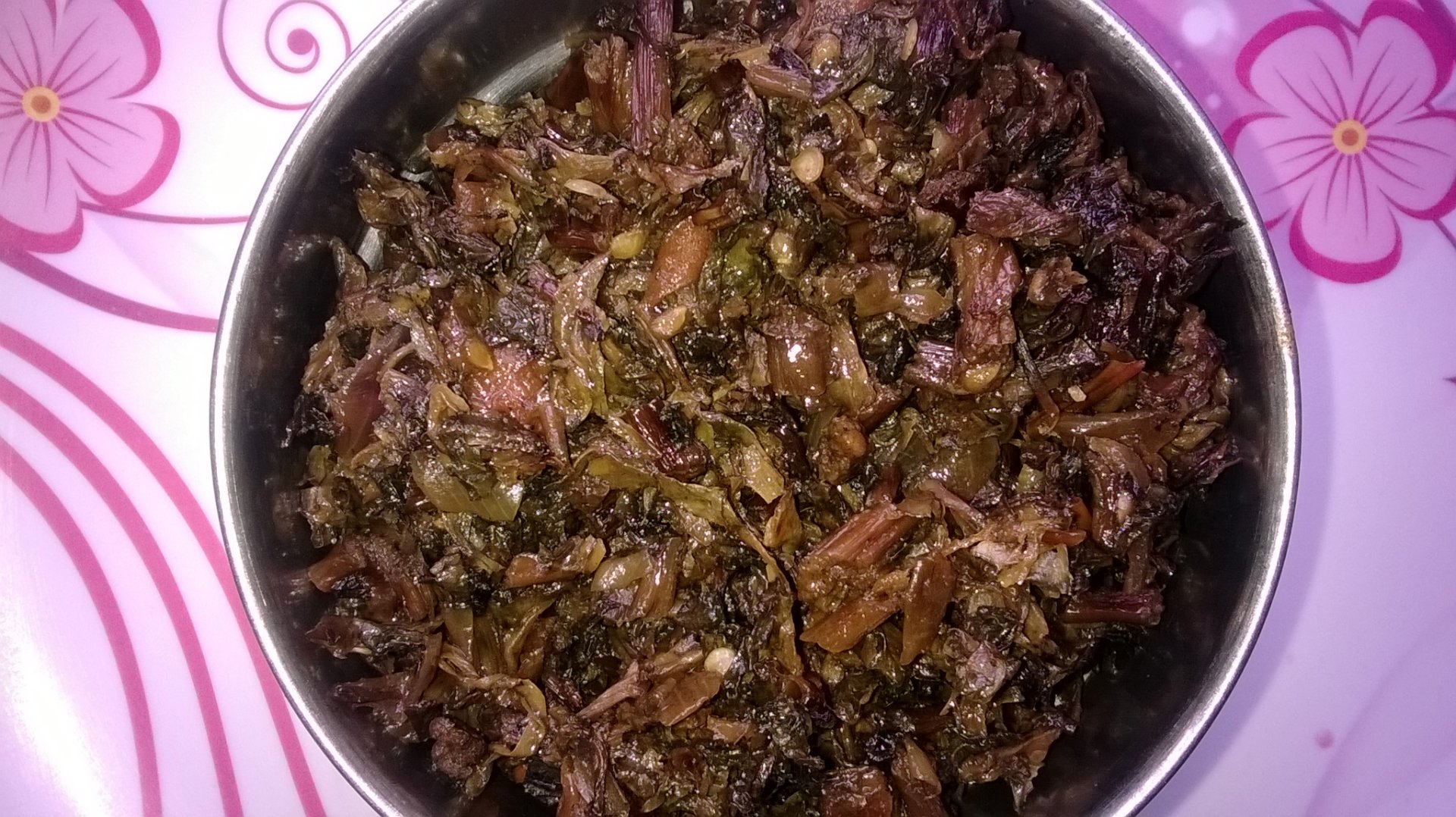
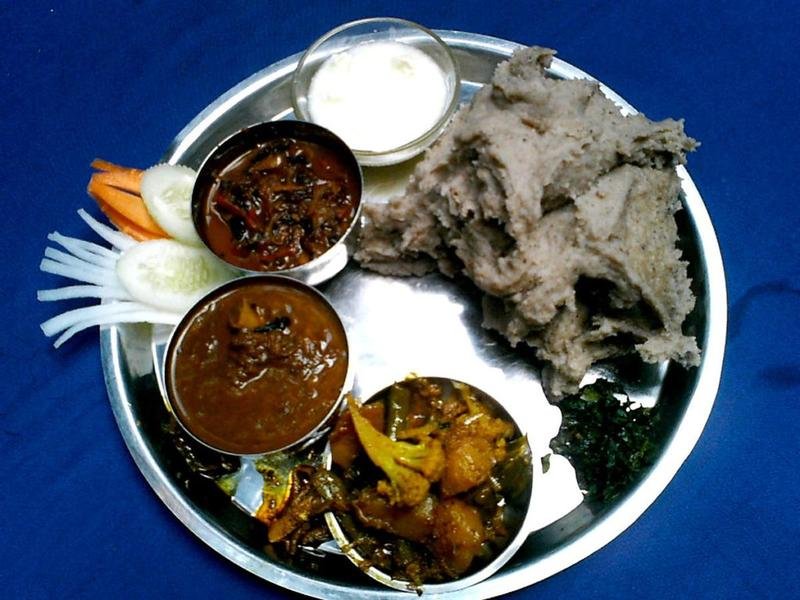
Gundruk is fermented leafy greens, usually mustard, radish, or cauliflower leaves, dried in the sun and then fermented over several days. The result is tangy, slightly salty, and rich in probiotics. It is served with mustard oil, chili, and spices. In rural homestays, you might see gundruk drying on rooftops or hanging from rafters.
Dhindo is a thick porridge made from millet or buckwheat flour, stirred constantly over heat until it firms up. It is eaten with curry, soup, or gundruk, and is the staple meal in many mountain villages where rice does not grow well. Stirring dhindo properly takes practice and arm strength. Watching a host family make it is worth paying attention to.
Both dishes are deeply connected to Nepal's subsistence farming traditions. They are not tourist food. They are what families eat because the land produces the ingredients and the recipes have worked for generations.
Thukpa: Noodle Soup for Cold Evenings
Thukpa is a broth-based noodle soup that comes from the Himalayan communities of Nepal and Tibet. You will encounter it most often in hill and mountain homestays, particularly in the evening when the temperature drops.
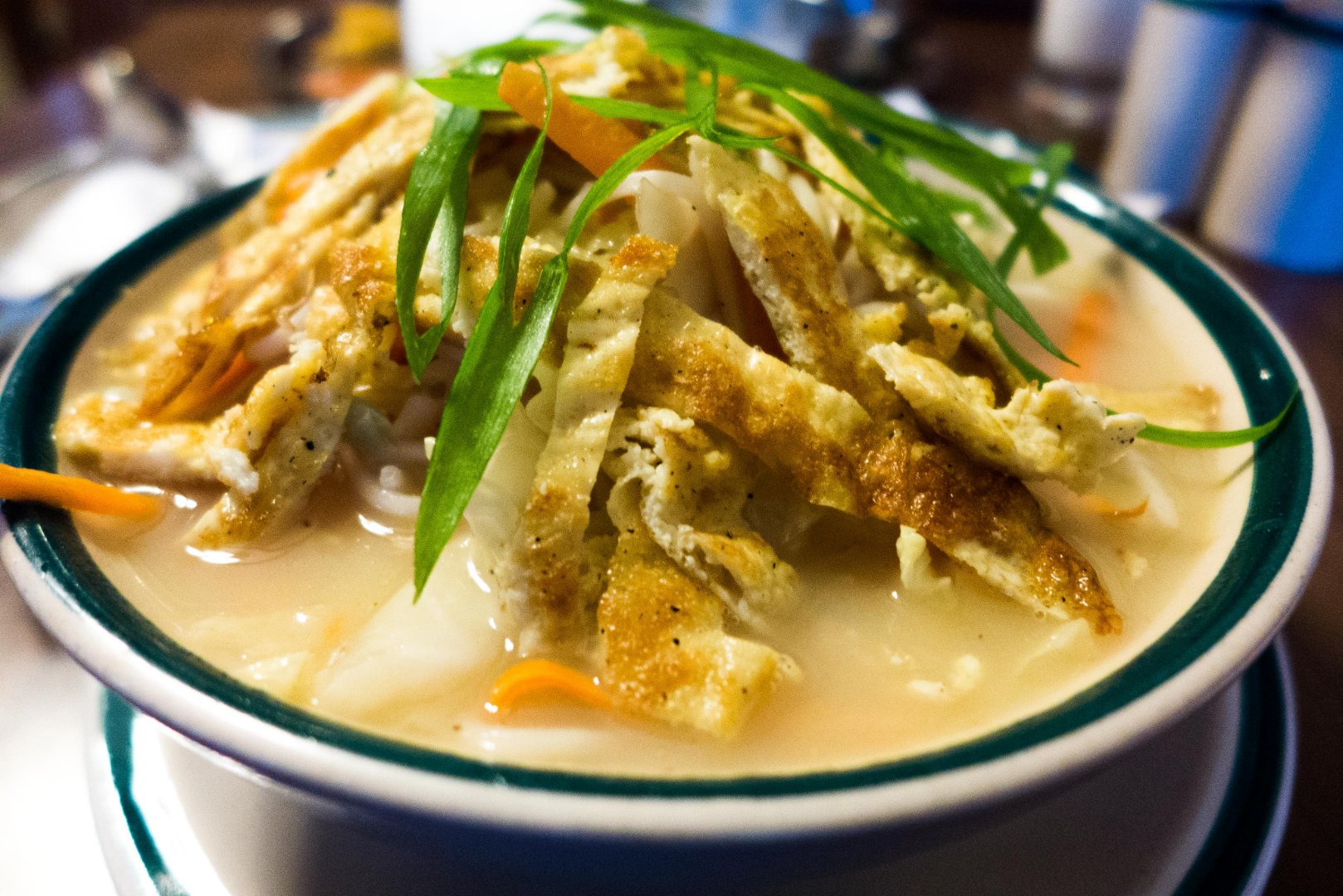
A standard thukpa includes hand-pulled or dried noodles, seasonal vegetables, ginger, garlic, and local herbs in a clear broth. Meat or eggs are added depending on the family. It is warming, filling, and exactly what you want after a day of walking at altitude.
In mountain village homestays, thukpa is often eaten around the fire with the whole family. It is comfort food in the most functional sense.
Achar: Fresh Pickle Every Day
No Nepali meal is complete without achar. It is the flavor layer that ties everything else together, and in homestays it is made fresh rather than pulled from a jar.
Common types you will encounter:
Tomato achar: mashed tomatoes with green chili, garlic, and a splash of mustard oil. The most common version across all regions.
Radish achar: pickled radish mixed with mustard oil and fenugreek seeds. Sharp and pungent.
Timur achar: made with Sichuan pepper (timur), which gives a numbing, citrusy heat unlike anything else.
Many travelers end up asking for the recipe before they leave. The ingredients are simple but the balance of flavors is genuinely specific to each family.
Yomari: The Newar Sweet
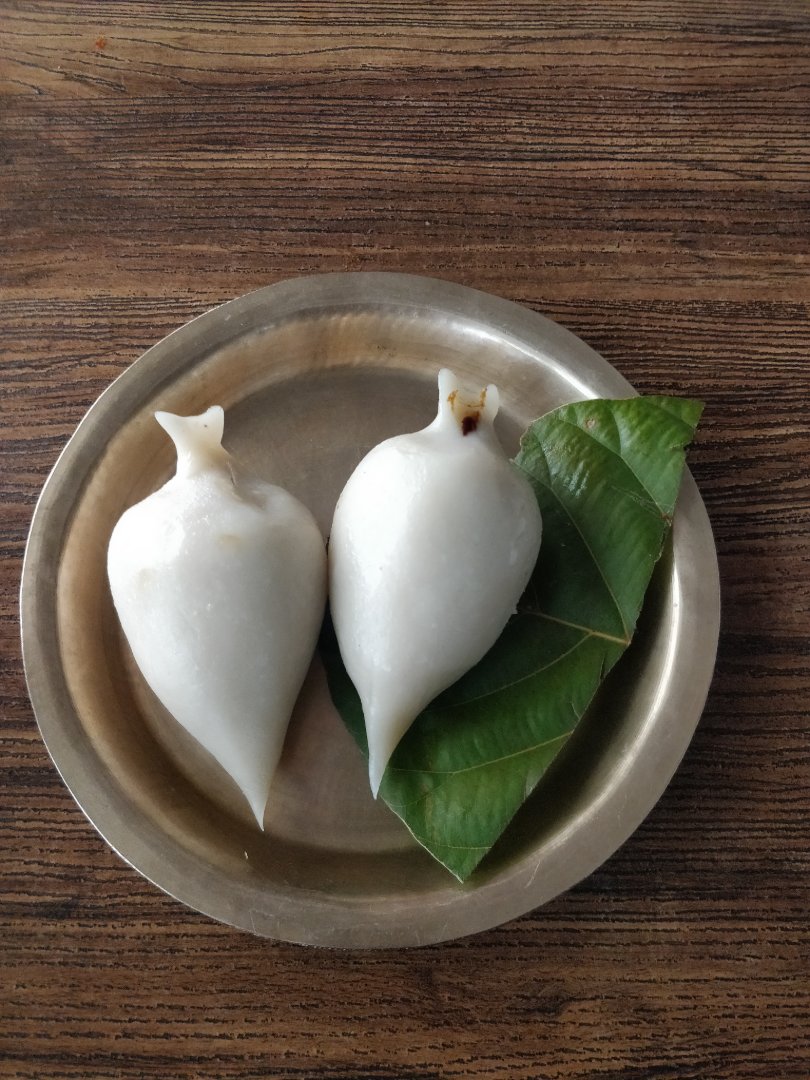
If your homestay is in the Kathmandu Valley, particularly in a Newar community, you may encounter yomari. It is a steamed dumpling made from rice flour, filled with chaku (molasses) and sesame seeds. The outside is soft and slightly chewy. The filling is dense and sweet.
Yomari is traditionally made during Yomari Punhi, a harvest festival that falls in late November or December, but many families make it throughout the year for guests. It connects food to religious calendar in a way that is distinctly Newar.
For more on Kathmandu Valley homestay food traditions, the 10 best homestays in the Kathmandu Valley guide covers properties where you are most likely to experience this kind of cooking firsthand.
Sukuti and Local Meat Dishes
In hilly regions, particularly among Gurung, Magar, and Tamang communities, dried meat called sukuti is a common homestay dish. It is usually buffalo or goat meat, heavily spiced and slow-dried over fire or in the sun. The texture is chewy and the flavor is concentrated and smoky.
Sukuti is often served with beaten rice (chiura) or alongside local millet beer called tongba, a fermented millet drink served warm in a bamboo container with a straw. Some hosts offer homemade rice wine (raksi) as well. These are shared drinks, offered as part of hospitality rather than a menu item.
Tea in Nepal
Tea arrives before anything else at a homestay. The moment you walk in, a cup appears. It is not a gesture, it is a ritual.
The most common version is chiya: black tea boiled directly with milk, sugar, and a mix of spices like ginger, cardamom, and cinnamon. At higher altitudes you may be offered butter tea, a Tibetan-influenced drink made with tea, yak butter, and salt. It takes some adjustment but makes sense once you are cold enough.
Sitting over tea with your host is often when the real conversation happens. It is worth slowing down for it.
Regional Food by Homestay Area
Food changes significantly depending on where in Nepal you are staying:
Food Etiquette at a Nepali Homestay
Meals in a homestay carry their own set of quiet customs. Following them is not complicated but it matters to your hosts.
Wash your hands before and after eating
Use your right hand for food; the left hand is considered unclean in Nepali culture
Wait for your host to indicate you can start before eating
Take only what you will finish; leaving food on the plate is seen as disrespectful
Say "Dhanyabad" (thank you) after the meal
None of these require explaining or overthinking. They show basic respect for how the family operates their kitchen and table.
Cooking With Your Host Family
Many homestays in Nepal offer cooking sessions, and they are worth joining even if you have no interest in cooking at home. Learning to fold momos, grind spice paste on a silauto (stone grinder), or stir dhindo over a fire gives you a completely different understanding of how much work goes into a simple plate of food.
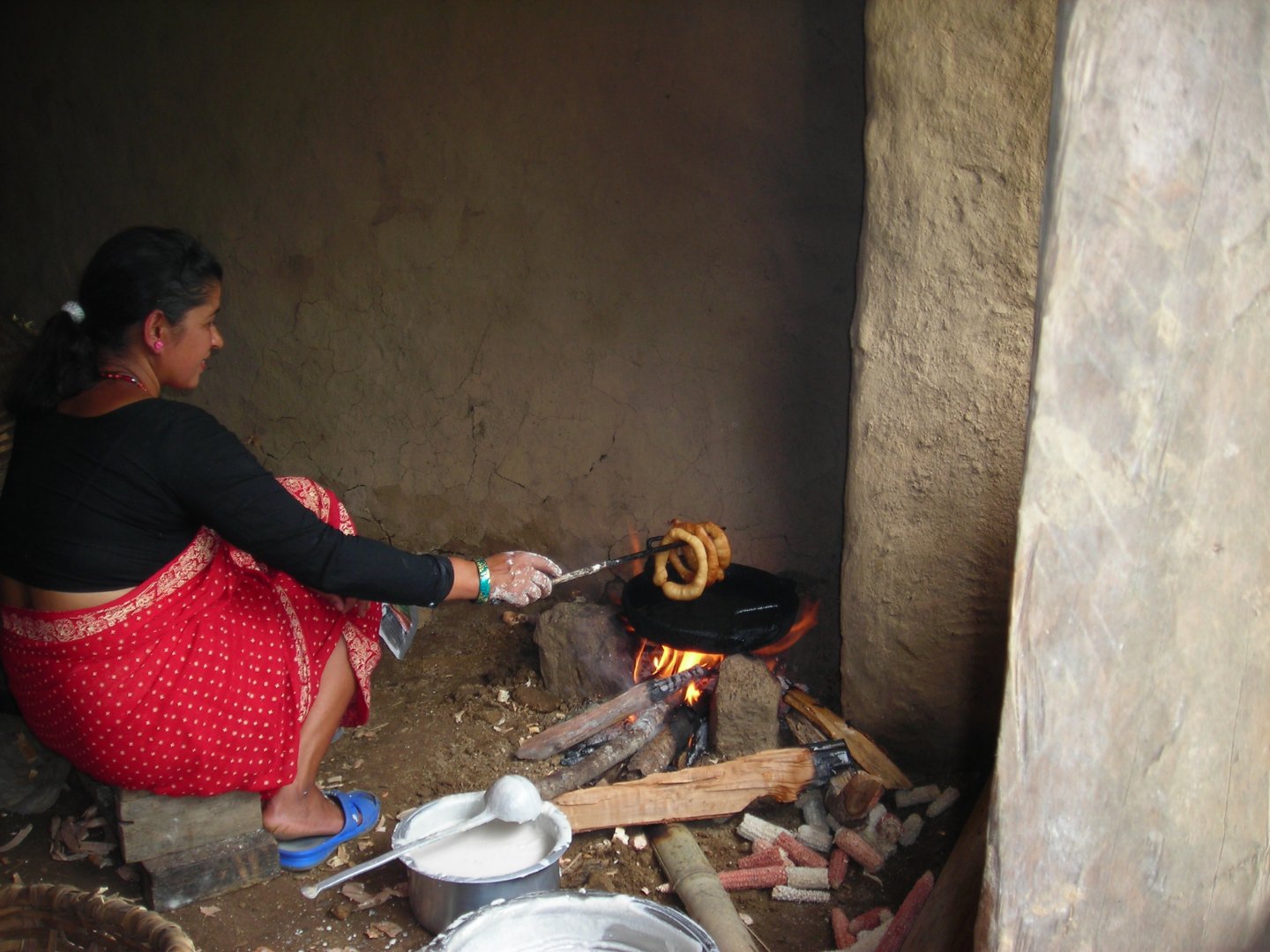
Hosts who offer cooking sessions usually enjoy it as much as guests do. It is one of the more genuine exchanges that happens at a homestay, and it tends to produce the best meals of the trip.
For ideas on which homestays across Nepal's community circuits offer this kind of experience, the best homestays in Nepal community circuits guide is a good starting point.
Tips for Food Travelers in Nepal
A few practical things worth knowing before you arrive:
Be open to simple food. The best meals at a homestay are rarely the most elaborate ones.
Ask before photographing food or kitchen spaces. Some families are fine with it, others find it intrusive.
Try eating with your right hand at least once. It is how food is meant to be eaten in this context.
Carry antidiarrheal medication if you are sensitive to spice or unfamiliar bacteria. Not because homestay food is unsafe, but because adjustment takes time.
Drink only boiled, filtered, or bottled water. This applies everywhere in Nepal, including clean-looking mountain streams.
For a full list of what to bring on a Nepal homestay trip, the Nepal homestay packing list covers everything by region and season.
FAQs About Traditional Nepali Food in Homestays
What are the most common traditional Nepali foods served in homestays?
Dal bhat tarkari is the daily staple across almost all homestays in Nepal. Beyond that, you will commonly encounter momos, gundruk, sel roti, thukpa, and fresh achar. Dishes vary by region, season, and the ethnic background of your host family.
Are Nepali homestay meals vegetarian-friendly?
Yes. Many Nepali families eat mostly vegetarian food, particularly in rural and hill areas. Lentils, beans, seasonal vegetables, and rice form the base of most meals. Let your host know your dietary needs in advance and they will almost always accommodate.
Is it safe to eat local food in rural Nepal homestays?
Homestay meals are freshly cooked with local ingredients and are generally safe. Use common sense: drink boiled or bottled water, avoid uncooked food from unknown sources outside your host's home, and carry basic medication if you have a sensitive stomach.
Can travelers join in cooking traditional Nepali food at homestays?
Yes, and most hosts enjoy it. Cooking momos, mixing curry spices, or learning to make achar from scratch are among the more memorable parts of a homestay stay. Ask your host when you arrive if they would be happy to show you.
What makes Nepali food different from other South Asian cuisines?
Nepali food sits between Indian and Tibetan influences but is distinct from both. It is less oily than much of North Indian cooking and less heavy than Tibetan food. The focus is on balance: simple spicing, fresh herbs, seasonal vegetables, and food that is meant to fuel a long day rather than impress at a restaurant table.
Company Admin
नेपालका सुन्दर होमस्टेहरूबारे सच्चा कथा र अनुभव साझा गर्ने यात्रा लेखक।