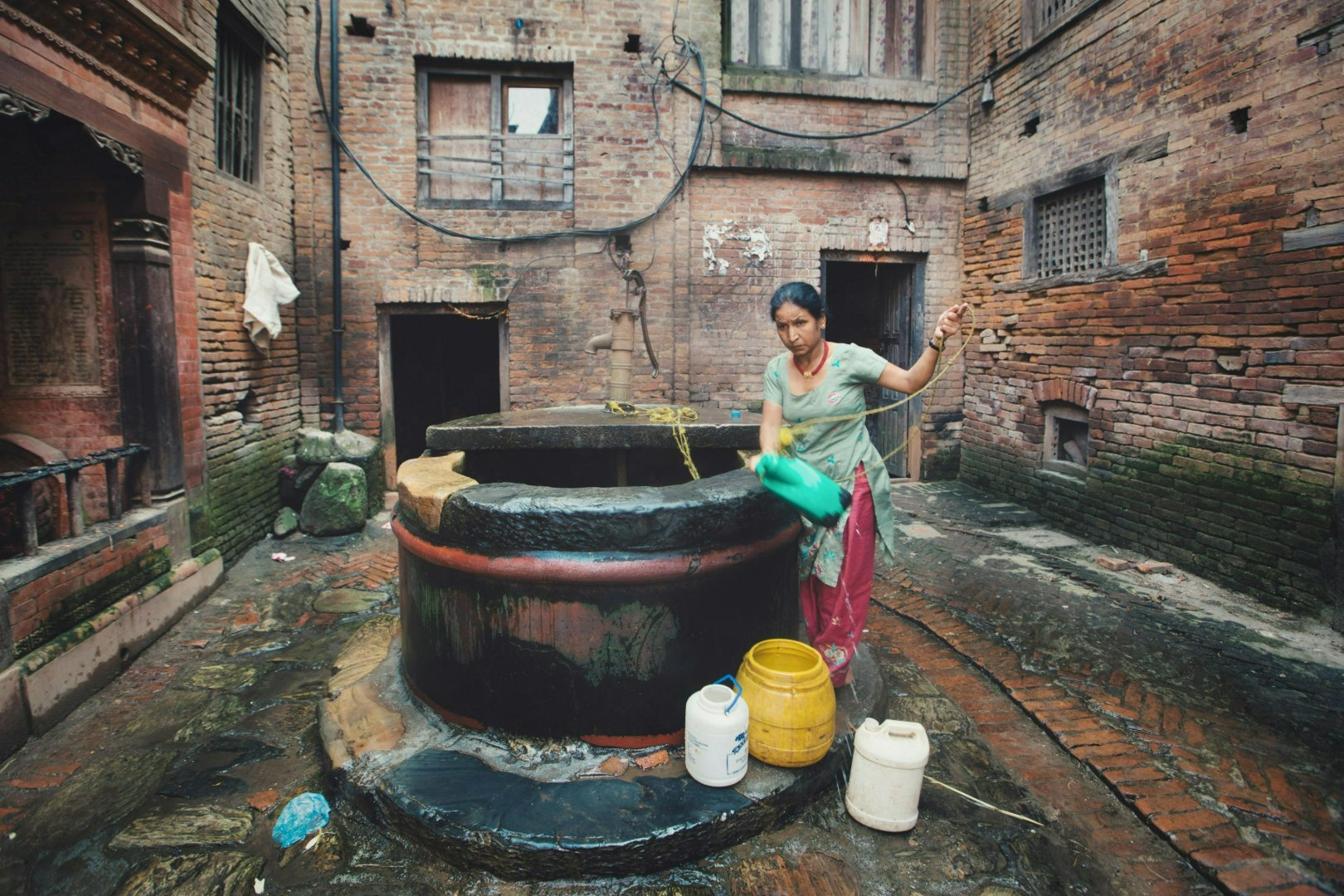
Homestays in Nepal are built on mutual respect rather than formal rules. This guide explains what hosts value most from guests, from patience and simple manners to understanding daily life inside a local home.
Staying in a homestay in Nepal is different from staying in a hotel. Guests are welcomed into real homes, where daily life continues as usual. Because of this, homestays are built on mutual respect rather than rules or formal services.
Nepali hosts do not expect guests to behave perfectly or know everything about local culture. What they value most is simple understanding, patience, and respect. Knowing what hosts expect helps guests feel more comfortable and allows the experience to be positive for everyone.
Respect Comes Before Everything Else
The most important thing hosts expect from guests is respect.
Respect is shown through small actions rather than words. Hosts appreciate when guests:
Greet family members politely
Listen carefully when something is explained
Follow household routines
Avoid behaving as if they are in a hotel
Respect creates trust. When guests show it naturally, hosts feel comfortable sharing their home and daily life.
Understanding That You Are in a Home, Not a Service Space
In a homestay, guests are entering someone’s personal space. This means expectations are different from hotels.
Hosts expect guests to understand:
Homes are lived-in, not designed for tourism
Family routines continue during the stay
Facilities may be simple but cared for
When guests understand how homestays work in Nepal and what daily life looks like inside local homes, they adapt more easily and enjoy the experience more fully.
Following House Rules Without Question
Every homestay has its own small set of house rules. These may include:
Meal times
Use of shared spaces
Quiet hours
Bathroom practices
Hosts do not expect guests to know these rules in advance. They simply expect guests to listen and follow them once explained.
This cooperation shows appreciation for the home and helps daily life run smoothly.
Dressing Modestly and Appropriately
Nepali villages tend to be conservative, especially outside cities.
Hosts appreciate guests who:
Dress modestly
Avoid revealing clothing
Wear simple, comfortable outfits
This does not mean guests must change their identity. It simply shows awareness of local values and comfort levels.
Understanding how to respect local customs while staying with a host family helps guests avoid discomfort for both themselves and their hosts.
Patience With a Slower Pace of Life
Life in homestays moves at a different pace.
Hosts expect guests to be patient with:
Meal preparation times
Limited resources
Power or water schedules
Quiet routines
This slower rhythm is not a problem to be fixed. It is part of daily life. Guests who accept this pace often enjoy the experience more deeply.
Participation Is Optional, Not Required
Guests are sometimes invited to join small activities like cooking, gardening, or walking around the village.
Hosts do not expect participation. They only expect honesty.
Guests can:
Join if interested
Politely decline if tired or unsure
Clear communication is appreciated more than forced involvement. Hosts respect guests’ comfort when it is expressed kindly.
Respect for Food and Shared Meals
Food is important in Nepali homes. Meals are often prepared with care and shared together.
Hosts expect guests to:
Appreciate the food served
Avoid wasting food
Eat patiently, even if meals are simple
Trying everything is not required, but showing appreciation matters.
Sharing meals helps build connection and mutual respect between guests and hosts.
Privacy Goes Both Ways
Homestays are based on closeness, but privacy is still important.
Hosts expect guests to:
Respect private areas of the home
Ask before taking photos
Avoid unnecessary intrusion
At the same time, hosts usually respect guests’ personal space and rest time.
This balance allows everyone to feel comfortable.
Clear and Honest Communication
Hosts appreciate clear communication, even when language is limited.
Guests are encouraged to:
Ask questions politely
Share needs clearly
Speak up if something is uncomfortable
Hosts do not expect guests to stay silent. They value honesty expressed with respect.
Gratitude Matters More Than Gifts
Hosts do not expect gifts or tips. What they value most is gratitude.
Simple gestures mean a lot:
Saying thank you
Showing appreciation for meals
Acknowledging effort
These small expressions strengthen the relationship between guests and hosts.
Respecting Community Life Beyond the Home
Homestays are part of villages, not isolated houses.
Hosts expect guests to:
Behave respectfully in the community
Greet neighbors politely
Avoid disruptive behavior
This respect reflects not only on the guest, but also on the host family.
Understanding what makes a good homestay guest in Nepal helps travelers move through communities with confidence and care.
Openness Over Perfection
Hosts do not expect guests to be perfect.
They understand:
Cultural differences exist
Mistakes happen
Learning takes time
What matters most is openness, willingness to adapt, and respectful behavior.
When guests arrive with curiosity rather than assumptions, homestays become meaningful exchanges rather than uncomfortable stays.
Why These Expectations Matter
These expectations are not strict rules. They are shared values that allow homestays to work smoothly.
When guests respect hosts’ expectations:
Trust grows
Cultural exchange becomes natural
Both sides feel comfortable
Homestays become spaces of learning, not tension.
What Guests Gain by Meeting These Expectations
Guests who respect host expectations often gain:
Deeper cultural understanding
Stronger personal connections
A sense of belonging
Meaningful memories
These benefits go far beyond accommodation.
Plan a Respectful Homestay Experience with Nepal Homestays
Understanding what hosts expect helps travelers feel confident and welcomed.
Through Nepal Homestays, travelers can find trusted family-run and community homestays across Nepal, where clear communication, mutual respect, and cultural understanding shape every stay.
Travel thoughtfully.
Live respectfully.
Experience Nepal through its homes.
Frequently Asked Questions
1. Do guests need to follow strict rules in homestays?
No. Rules are simple and based on daily routines. Hosts mainly expect respect and cooperation.
2. Are guests expected to participate in household work?
No. Participation is optional and always based on guest comfort.
3. What if a guest makes a cultural mistake?
Hosts are usually understanding. Polite communication and willingness to learn are appreciated.
4. Is it okay to ask questions in a homestay?
Yes. Hosts appreciate respectful questions and open communication.
5. Are homestays suitable for first-time travelers to Nepal?
Yes. Homestays are welcoming and supportive, especially when guests arrive with respect and patience.
Company Admin
Travel writer sharing authentic stories and experiences from Nepal's beautiful homestays.