Planning a homestay in Nepal? This complete Nepal homestay packing list covers winter, spring, and monsoon with season-specific clothing, cultural dress tips, and essential gear so you can pack smart, stay comfortable, and travel respectfully.
Key Takeaways
Nepal has very different weather in winter (December to February), monsoon (June to September), and spring (March to May), so your packing list will change a lot depending on when you go.
For a homestay, always pack modest clothing that covers your shoulders and knees, no matter the season.
A good rain jacket, layers, and quick-dry clothes are useful in almost every season.
Homestays often have basic rooms, so bring your own small essentials like a flashlight, power bank, and basic toiletries.
A light gift for your host family, a reusable water bottle, and a small day bag will make your stay much better.
You can buy or rent a lot of gear in Kathmandu or Pokhara if you forget something.
Introduction
So you have booked a homestay in Nepal. You are about to experience something most tourists never get to see: real Nepali home life, home-cooked dal bhat, and the warm welcome of a local family.
But here is the problem. Nepal is one of the hardest countries to pack for. The weather changes completely from season to season, and a homestay comes with its own set of rules that a hotel stay does not.
Pack the wrong things, and you could end up cold, soaked, culturally embarrassed, or carrying a bag so heavy you cannot enjoy the trek to your host family's village.
This guide gives you a clear, season-by-season Nepal homestay packing list so you know exactly what to bring, what to leave at home, and what to buy once you arrive.
Here is what you will find inside:
A full packing list broken down by winter, monsoon, and spring
Cultural packing rules every homestay guest needs to know
A base list of items you will need no matter what season you visit
Understanding Nepal's Seasons Before You Pack
Nepal has four seasons, but this guide focuses on the three most common times people visit for a homestay experience. Here is a quick snapshot of what to expect from the weather.
Keep in mind that temperatures at higher altitudes drop sharply. For every 1,000 meters you climb, the temperature falls by about 6 degrees Celsius. If your homestay is in a mountain village, pack warmer than you think you need to.
The Nepal Homestay Base Packing List (All Seasons)
Before you look at the season-specific lists, these are the items every homestay guest in Nepal needs to bring, no matter when they visit.
Documents and Money
Get your documents sorted before anything else. Many homestay areas are far from ATMs and government offices, so being prepared from the start saves a lot of stress.
Passport plus a photocopy of the main page
Tourist visa (get it on arrival at Kathmandu airport, fee paid in USD cash)
Nepali rupees in cash for rural areas with no ATMs
A debit or credit card as backup for cities like Kathmandu and Pokhara
Health and Safety Essentials
Nepal's remote areas mean that a small health kit can make a big difference. A few light items in your bag can handle most common problems you might run into on the road.
Basic first aid kit: bandages, antiseptic cream, and blister pads
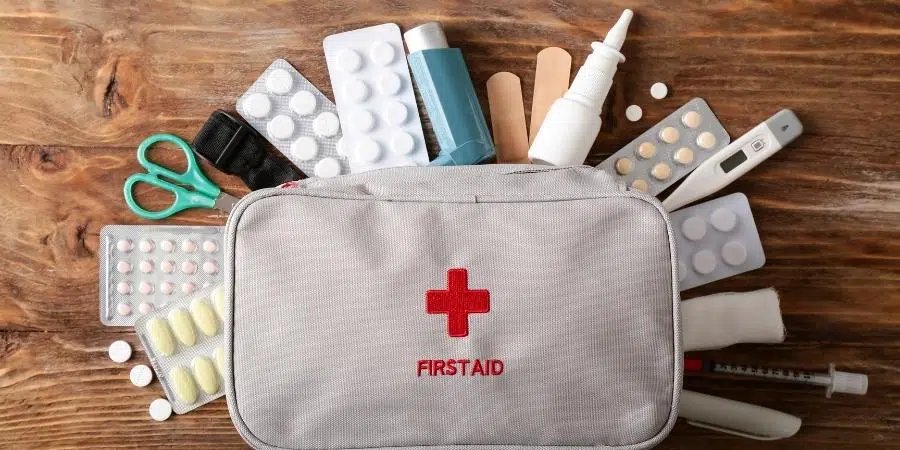
Prescription medicines with a few extra days of supply beyond your trip length
Water purification tablets or a small filter bottle (tap water is not safe to drink)
Insect repellent with DEET, especially for lowland areas like Chitwan
Sunscreen with high SPF (UV rays are stronger at altitude, even on cloudy days)
Everyday Carry Items
Homestays often have basic setups with limited electricity and no guest towels. These small items fill the gaps and make your daily life much more comfortable.
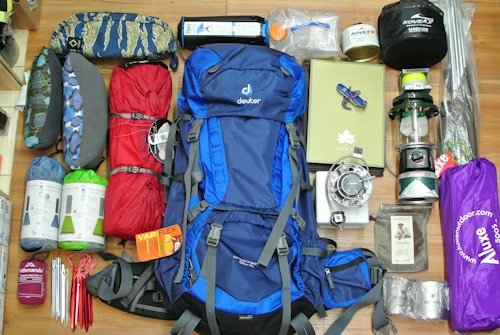
Headlamp with extra batteries (power cuts happen often in rural Nepal)
Portable power bank for charging your phone when electricity is out
Reusable wide-mouth water bottle for filling with purified water
Small lightweight day bag for walks and day trips
Toilet paper and hand sanitizer (not always available in bathrooms)
Quick-dry travel towel
Cultural Packing Essentials
What you wear at a Nepal homestay matters just as much as staying warm or dry. Nepal is a conservative country, especially in rural villages, and your clothing choices communicate respect to your host family before you say a single word. Always pack clothes that cover your shoulders and knees, slip-on footwear that comes off easily at the door, and modest sleepwear for shared home settings. A small gift from your home country, such as a local snack or a simple craft, is a thoughtful gesture that most host families genuinely appreciate.
Nepal Homestay Packing List for Winter (December to February)
Winter in Nepal feels very different depending on where you are. Kathmandu can be cool but manageable during the day, while mountain villages can be bitterly cold at night and in the early morning. The weather is mostly dry and sunny during the day, but temperatures drop sharply after sunset.
Winter Essentials
In winter, layering is everything. Start with thermal underwear as your base, something thin but warm that sits close to your skin. Add one or two fleece mid-layers on top. Then carry a proper down or padded jacket for early mornings and evenings when the temperature drops fast, especially if you are staying at a higher altitude village. For trousers, skip jeans entirely since they are heavy and take forever to dry. Stick to two pairs of trekking pants instead.
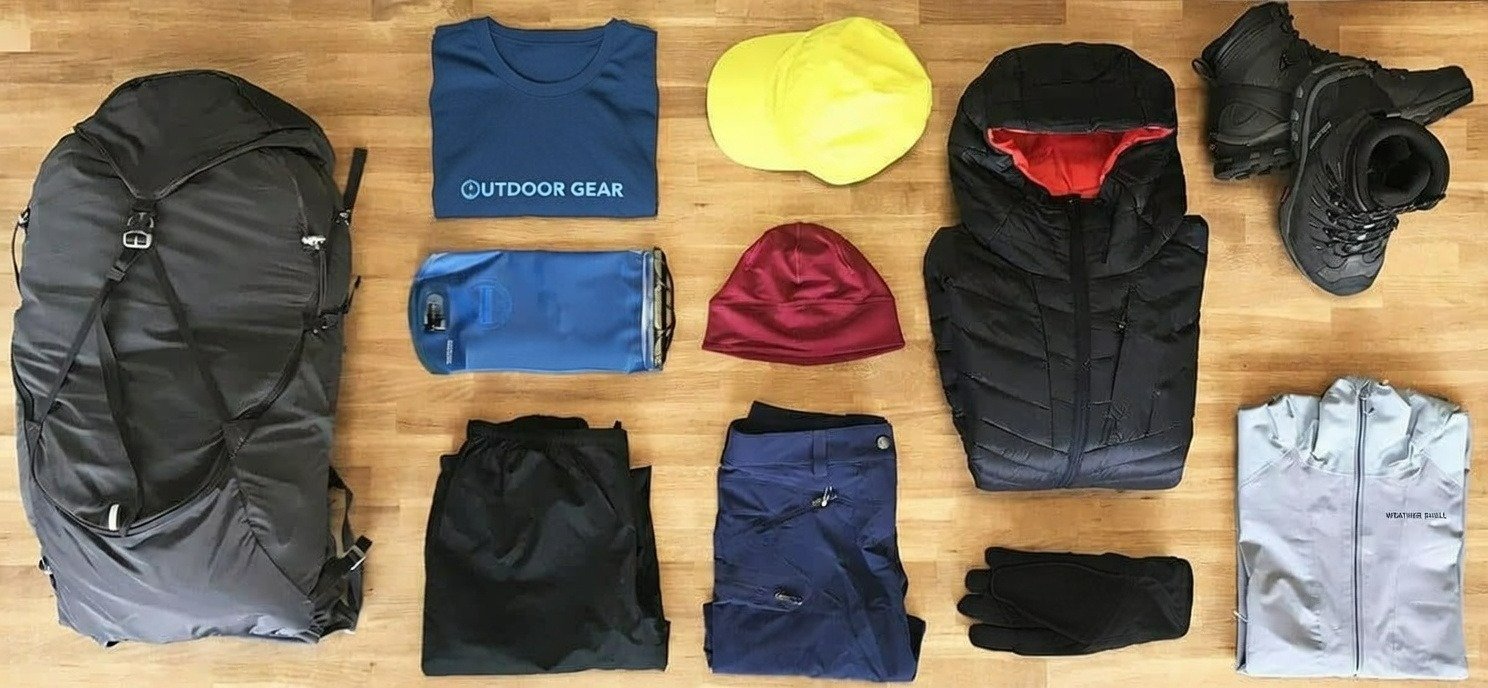
For footwear, warm waterproof hiking boots with ankle support are essential. Stone floors and dirt paths get very cold, and grip matters on frosty mornings. Keep a pair of slip-on sandals for inside the homestay after removing your boots at the door.
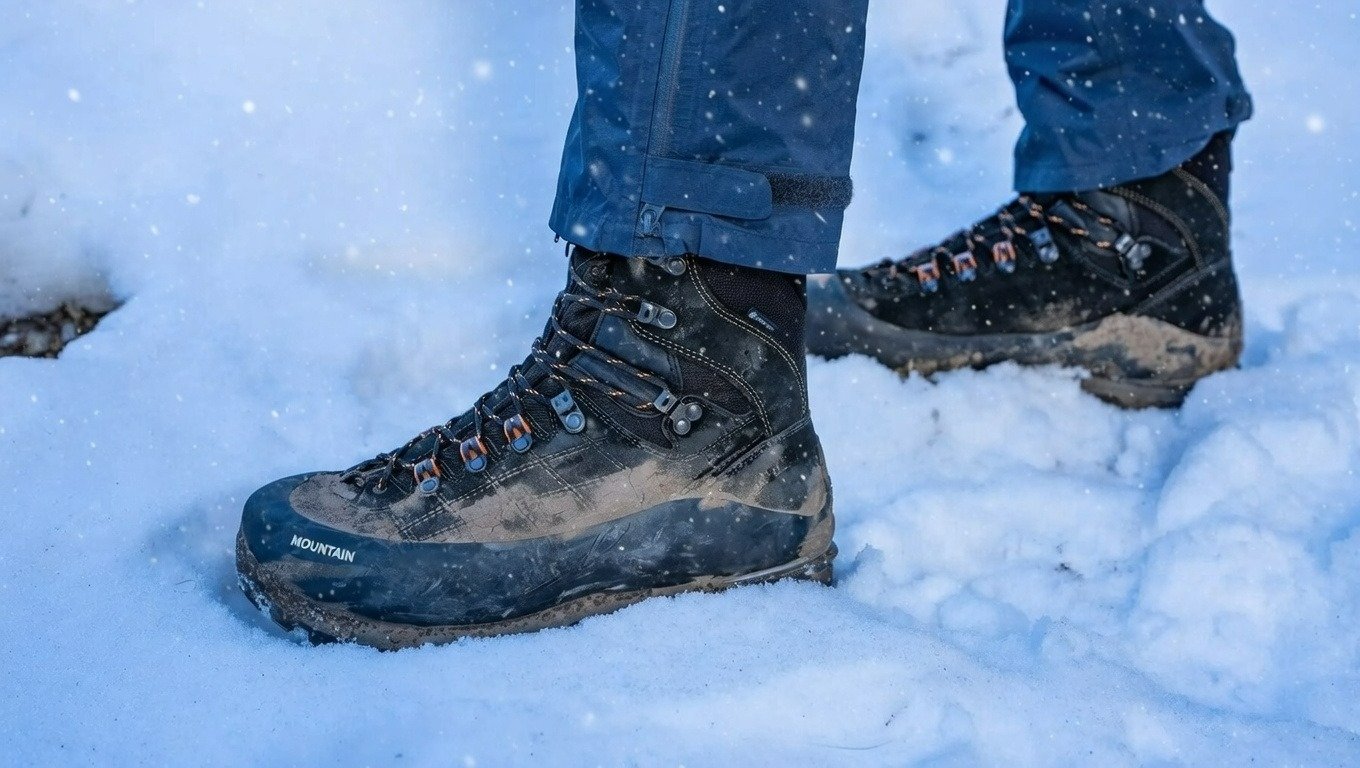
A few winter extras worth packing:
Sleeping bag liner or compact travel sleeping bag (homestay blankets may not be enough at altitude)
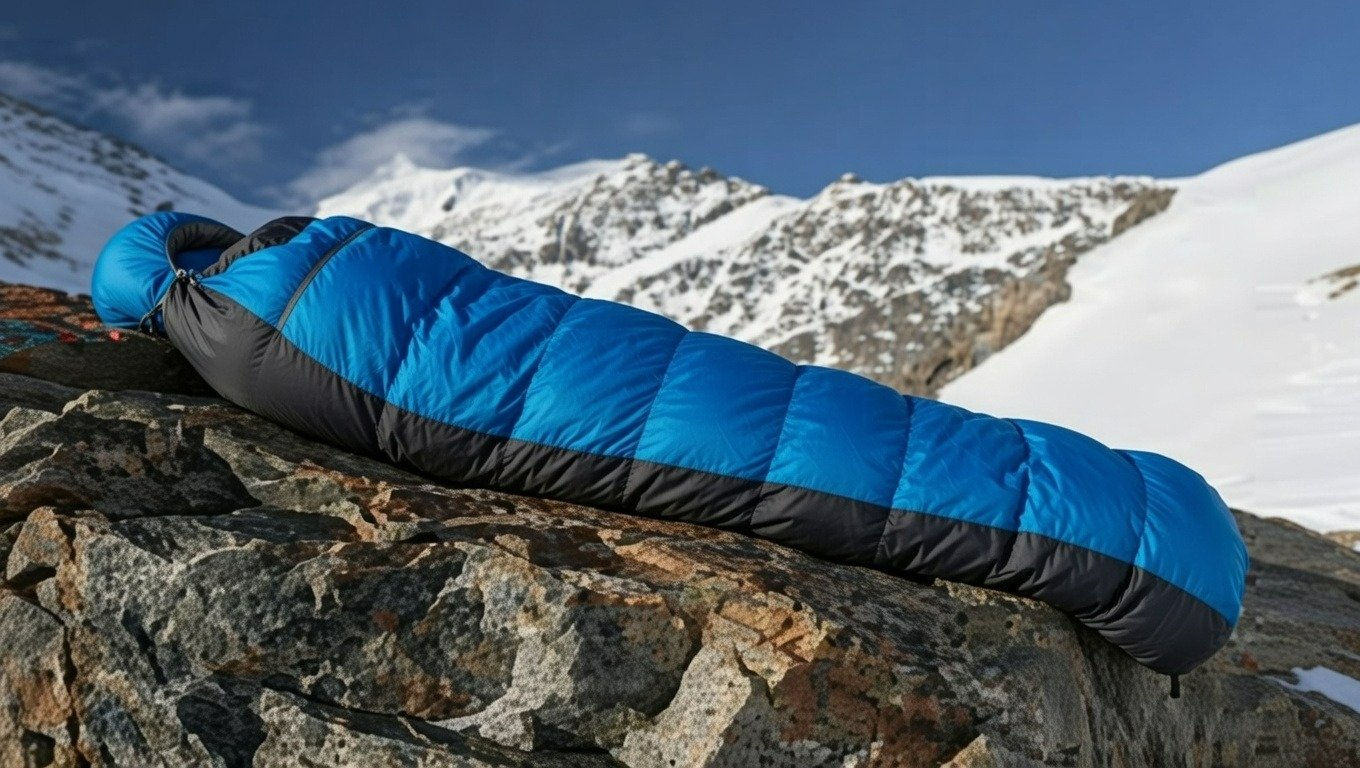
Lip balm and moisturizer (cold dry air will crack your skin fast)
Hand warmers for very cold mornings
Warm hat, gloves, and scarf or neck warmer
Nepal Homestay Packing List for Spring (March to May)
Spring is one of the best times to visit Nepal for a homestay. The days are warm and comfortable, rhododendron flowers are blooming on the hillsides, and the mountains are clearly visible before the monsoon clouds move in. That said, spring is unpredictable. Mornings and evenings can still feel cool, and late April brings occasional showers that arrive without much warning.
Spring Essentials
Spring packing is the most flexible of the three seasons, but that does not mean you can pack light and hope for the best. You will want breathable layers for warm afternoons and something warmer for evenings. A light fleece plus a waterproof rain jacket covers most situations without adding much weight. Two pairs of lightweight trekking pants are plenty for a week-long stay, and quick-dry fabrics make it easy to wash and reuse as you go.
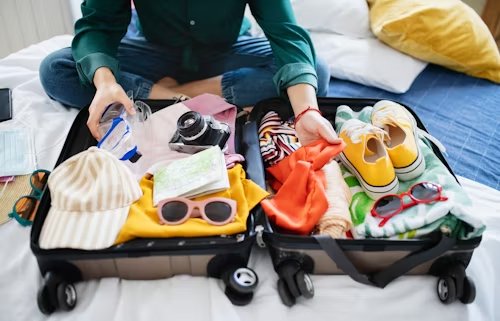
For footwear, light hiking shoes or trail runners with decent grip work well since some paths get muddy after afternoon showers. Bring sandals for warm afternoons at the homestay and for indoor use.
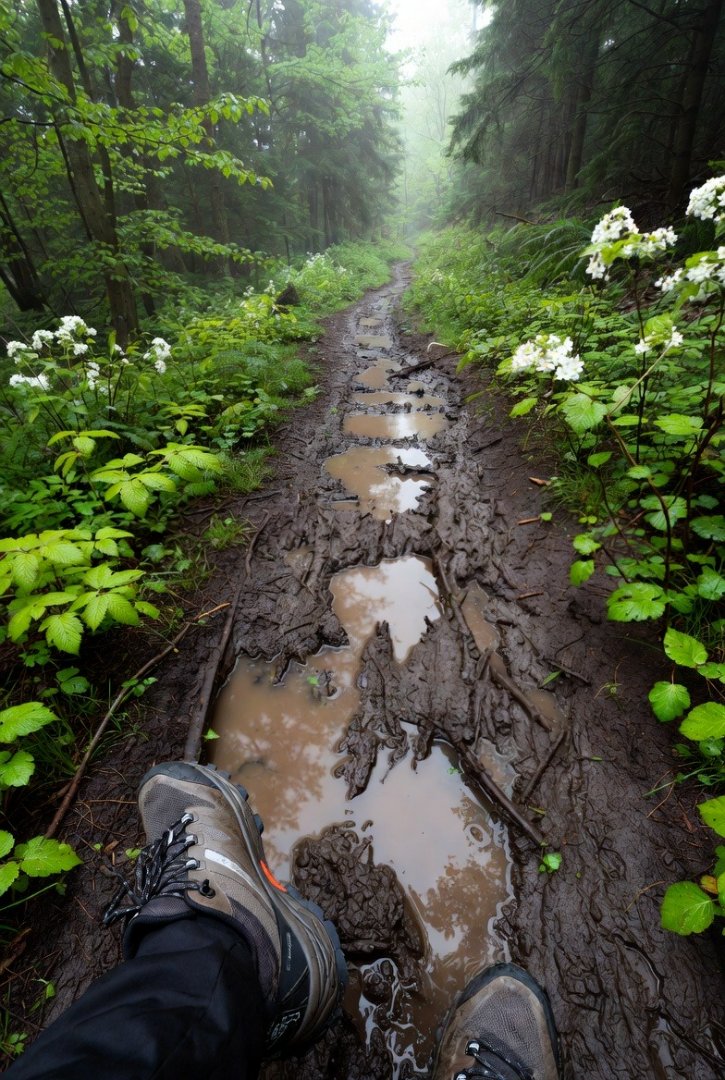
A few spring extras worth packing:
Sunglasses with UV protection (spring sun is strong at altitude)
Light hat or cap for daytime sun on your face and neck
Compact umbrella or fold-up rain poncho for sudden afternoon showers
Nepal Homestay Packing List for Monsoon (June to September)
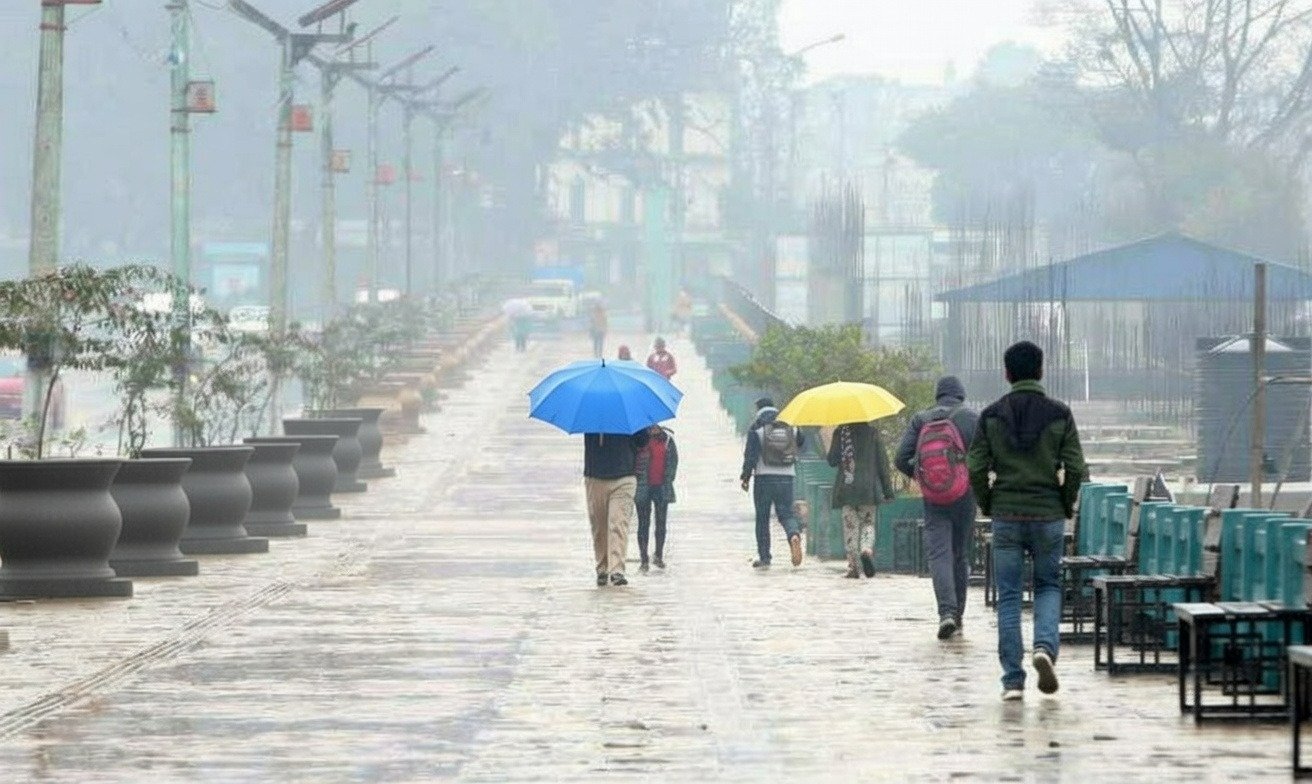
Monsoon season in Nepal is truly its own world. The trails turn green and lush, waterfalls appear everywhere, and the countryside looks magical. But the rain is very heavy and comes almost every day, often without warning. The one rule for monsoon packing is simple: assume everything will get wet at some point, and pack accordingly.
Monsoon Essentials
Cotton is your enemy in monsoon. It soaks up rain and humidity and stays wet for hours, leaving you cold and uncomfortable all day. Bring three or four quick-dry t-shirts or lightweight tops instead, and two pairs of quick-dry trekking pants that dry fast after a downpour. Your rain jacket needs to be fully waterproof with a hood, not just water-resistant. Nepali monsoon rain is heavy enough to soak through a regular jacket in minutes. If you plan to walk longer distances in the rain, a pair of lightweight rain pants is worth the small extra weight.
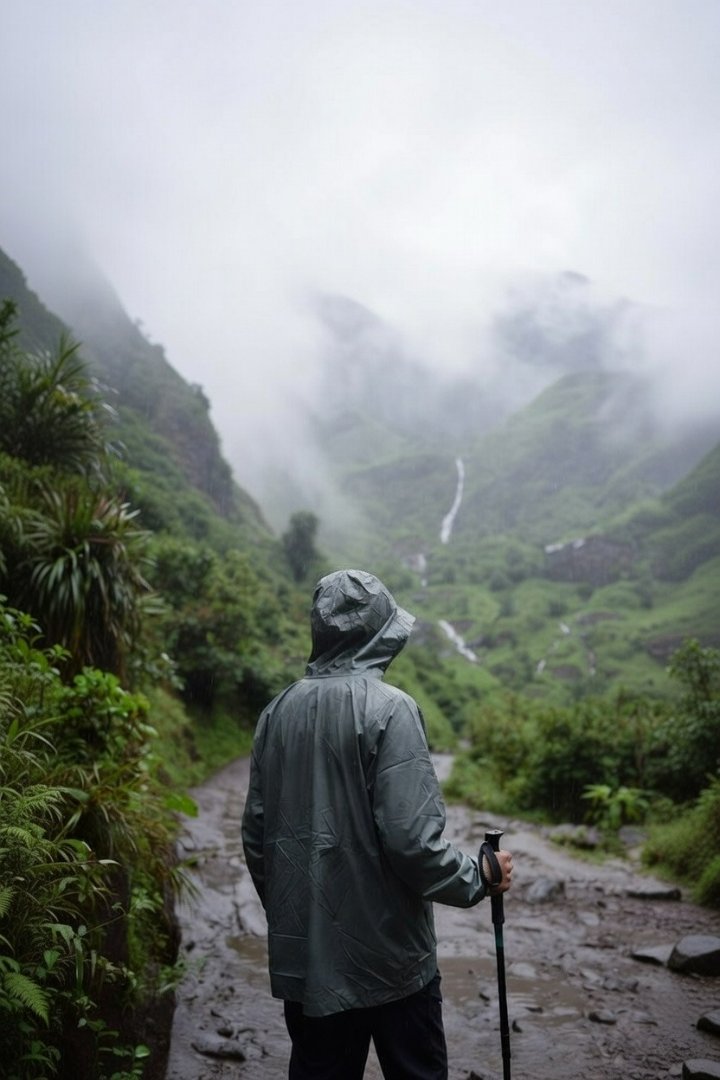
For footwear, waterproof hiking boots with solid grip are a must because wet rocks and mud make trails genuinely slippery. Keep sandals or flip-flops for inside the homestay. Gaiters, which are simple sleeve-like covers for your lower legs, are a smart addition for stopping mud from splashing into your boots on wet trails.
A few monsoon extras worth packing:
Dry bags or waterproof bag covers to protect electronics and documents inside your main bag
Insect repellent with strong DEET (mosquitoes are far more active in monsoon, especially in lowland areas like Chitwan)
Anti-fungal powder for your feet (moisture and heat are a recipe for fungal infections)
Compact umbrella as a backup to your rain jacket
What NOT to Pack for a Nepal Homestay
Knowing what to leave behind is just as important as knowing what to bring. Many travelers overpack because they are nervous, but Nepal is not as remote as it seems. Kathmandu and Pokhara both have excellent gear shops, and most forgotten items can be replaced easily and cheaply.
Too many cotton clothes (they absorb moisture and take forever to dry)
Expensive jewelry or flashy accessories (homestays are humble settings and this can feel uncomfortable for your host family)
Revealing clothing like tank tops, short shorts, or crop tops (not appropriate in rural Nepali culture)
Multiple pairs of jeans or formal clothing (heavy, unnecessary, and rarely needed)
Big gear items like trekking poles or sleeping bags (these can be rented cheaply in Kathmandu or Pokhara)
Nepal Homestay Cultural Packing Tips
Packing for a Nepal homestay is about more than just weather. The way you dress and the items you carry communicate respect to your host family and their community before you even sit down for a meal together.
Dress Modestly at All Times
In Nepal's rural villages and near religious sites, modest dress is expected and appreciated. You do not need to dress in traditional Nepali clothing, but covering more than you might at home goes a long way. All tops should cover your shoulders, all bottoms should reach at least to the knee, and muted or neutral colors tend to fit village settings much better than loud or bright outfits.
Pack Easy-to-Remove Footwear
Removing shoes before entering a home is one of the most important customs in Nepal, and it applies to every single homestay without exception. Choose shoes that slip on and off quickly since you will do this many times a day. Try to keep your outdoor footwear clean enough to store neatly near the entrance door.
Bring a Small Gift for Your Host Family
A small gift from your home country is a simple gesture that host families genuinely appreciate. It does not need to be expensive, just thoughtful. A local food item, a small craft, or even a postcard works well. Avoid giving candy or sweets to children, as dental care is limited in many rural areas and it can encourage habits that are not good for the community.
Quick Comparison Table: Packing by Season
Where to Buy or Rent Gear in Nepal
If you realize you forgot something or want to buy gear after arriving, Nepal has great options for travelers. You do not need to stress about being perfectly packed before you leave home.
Thamel in Kathmandu is the main shopping area for travelers and has hundreds of shops selling trekking and outdoor gear. You can find rain jackets, hiking boots, sleeping bags, and thermal wear at a fraction of Western prices. Many items are copies of famous brands, but the quality is usually good enough for a homestay trip.
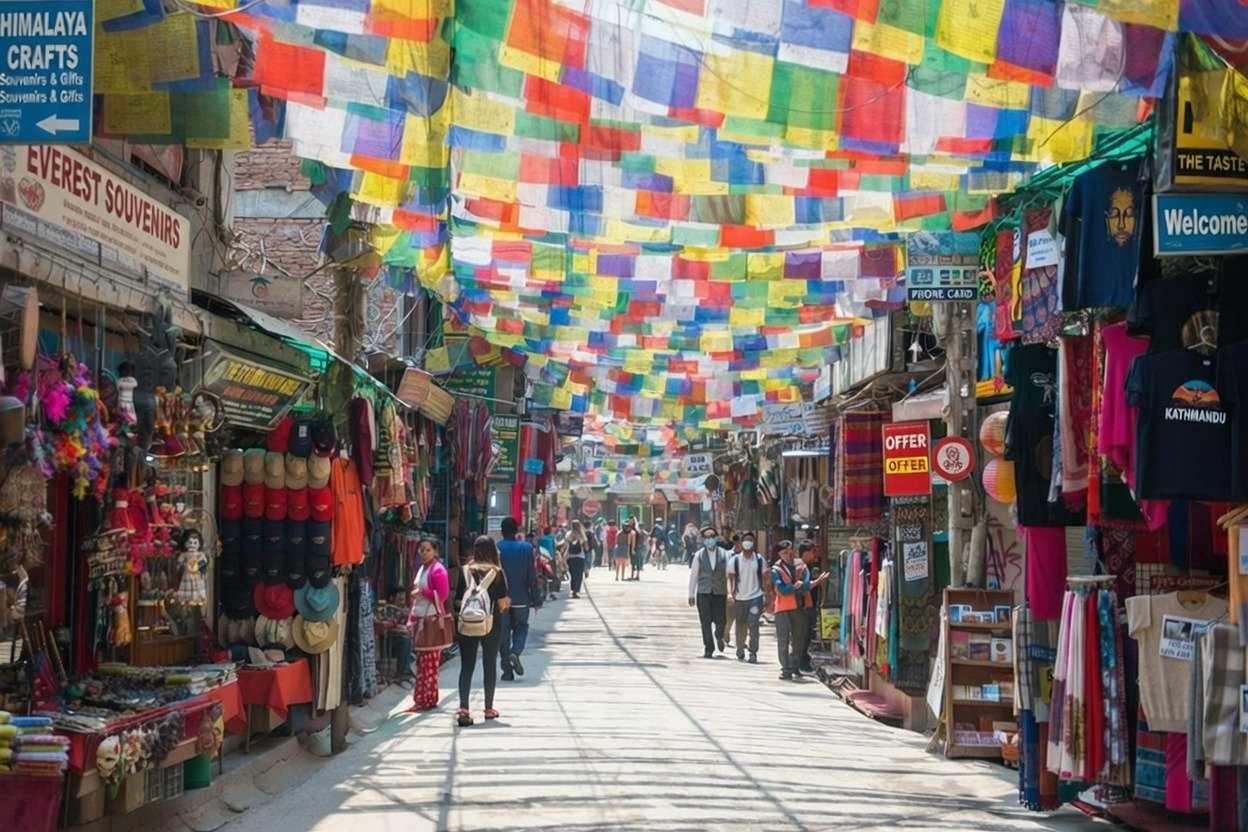
Pokhara has many gear shops near the lakeside area too. If your homestay is in the Annapurna region, this is a great place to pick up anything you missed before heading into the hills.
Namche Bazaar on the Everest trail has shops as well, but prices rise the deeper you go into the mountains, so stock up early in Kathmandu or Pokhara.
Final Thoughts: Pack Smart, Travel Respectfully
A Nepal homestay is one of the most meaningful travel experiences you can have. You get to share meals with a real family, see daily life up close, and support local communities in a way that hotels simply cannot offer.
The right Nepal homestay packing list will not just keep you comfortable. It will also help you show respect, fit into village life, and focus on the experience instead of worrying about what you forgot to bring.
Ready to find your perfect match? Nepal Homestays connects you with verified local host families across Nepal, from Kathmandu valley villages to mountain communities near the Himalayas. Browse real homes, read host stories, and book the stay that feels right for you.
FAQ: Nepal Homestay Packing Questions
What is the most important thing to pack for a Nepal homestay?
The four items you should never leave home without are modest clothing that covers your shoulders and knees, a proper rain jacket, a headlamp for power cuts, and a reusable water bottle. These cover the most common comfort and safety situations you will face in a Nepal homestay.
Do I need to bring a sleeping bag for a Nepal homestay?
Most homestays provide blankets, but if you are staying in a high-altitude village during winter, a sleeping bag liner or a compact travel sleeping bag is a smart backup. In spring and monsoon, the blankets provided are usually enough.
Can I do laundry at a Nepal homestay?
Many homestays allow guests to hand wash clothes and dry them on a rooftop or line. This is why quick-dry fabrics are so useful. Pack fewer clothes and wash as you go to keep your bag light.
Is it okay to wear shorts at a Nepal homestay?
Shorts that reach just above the knee are acceptable in some settings, but for a homestay in a rural or village area, long trousers are much more appropriate and respectful. Avoid very short shorts entirely.
What shoes should I wear inside a Nepal homestay?
Always remove your outdoor shoes before entering the home. A pair of lightweight indoor sandals or slip-on shoes works very well, and some guests simply wear thick socks indoors.
Do I need a visa to visit Nepal for a homestay?
Yes, most foreign nationals need a visa to enter Nepal. You can get one on arrival at Tribhuvan International Airport in Kathmandu. The fee is paid in USD cash, so bring the right amount. Visa fees vary based on how long you plan to stay.
How much should I budget for a Nepal homestay?
Homestays in Nepal typically cost between USD 10 and USD 30 per night, usually including meals. This makes them a very affordable and culturally rich way to experience Nepal compared to a hotel.
Can I buy toiletries in Nepal if I forget them?
Yes, basic toiletries like shampoo, soap, toothpaste, and sunscreen are available in Kathmandu and larger towns. In remote village areas though, you may not have easy access to shops, so bring your basics from home.
Company Admin
Travel writer sharing authentic stories and experiences from Nepal's beautiful homestays.