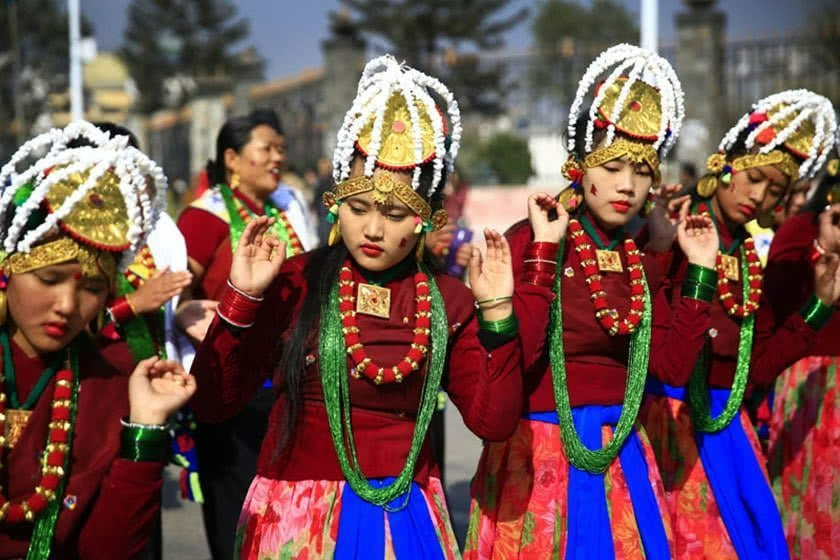
Every year on Poush 15, around December 30, Gurung families in Nepal's hills welcome their new year with songs, dances and sel roti. This guide covers what happens on Tamu Lhosar, where to see it, and how to plan a village around it.
Every year on Poush 15, which falls around December 30, Gurung families across Nepal's hills welcome a new year. The festival is called Tamu Lhosar. Tamu is another name for the Gurung people, and Lhosar means new year.
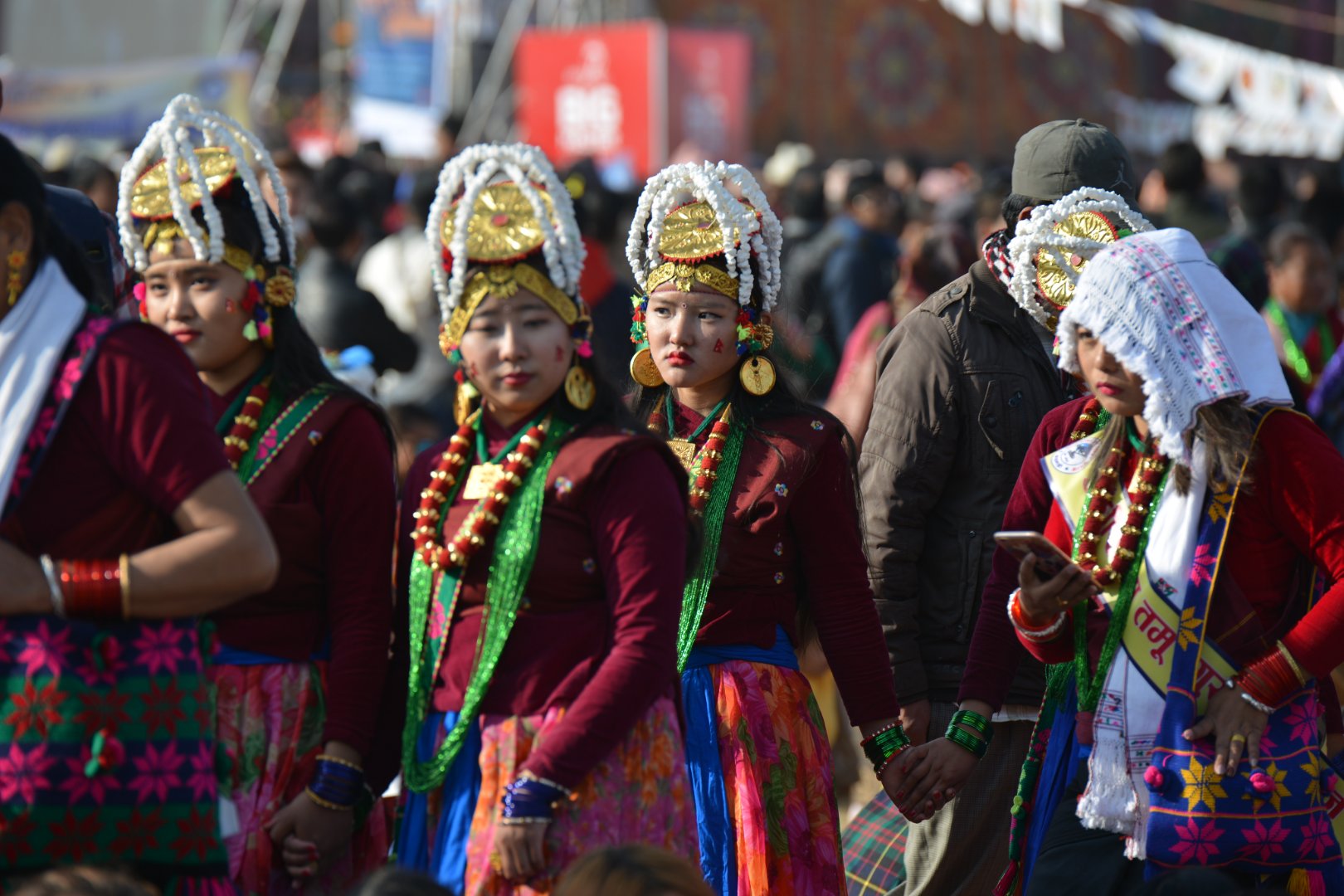
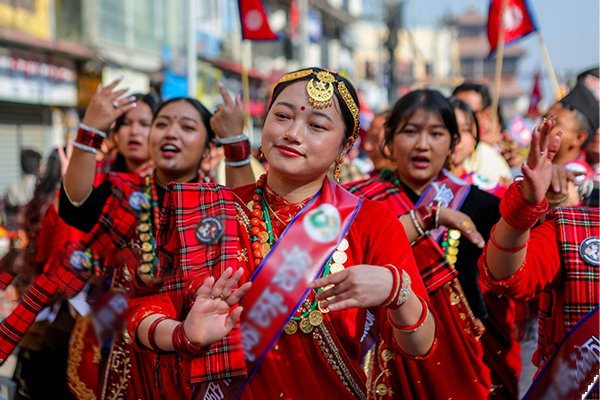
In villages, families gather in their courtyards for songs and dances. In Kathmandu, the Gurung community marches to Tundikhel in traditional dress. If you can spend the day in a Gurung village, you see the festival at its most personal. This guide covers what happens, where to see it, and how to plan a stay.
TL;DR
Tamu Lhosar is the Gurung new year, held every year on Poush 15, around December 30
The date follows the Nepali calendar, not the moon
It is celebrated in districts with large Gurung populations, such as Kaski, Lamjung and Syangja, and in Kathmandu at Tundikhel
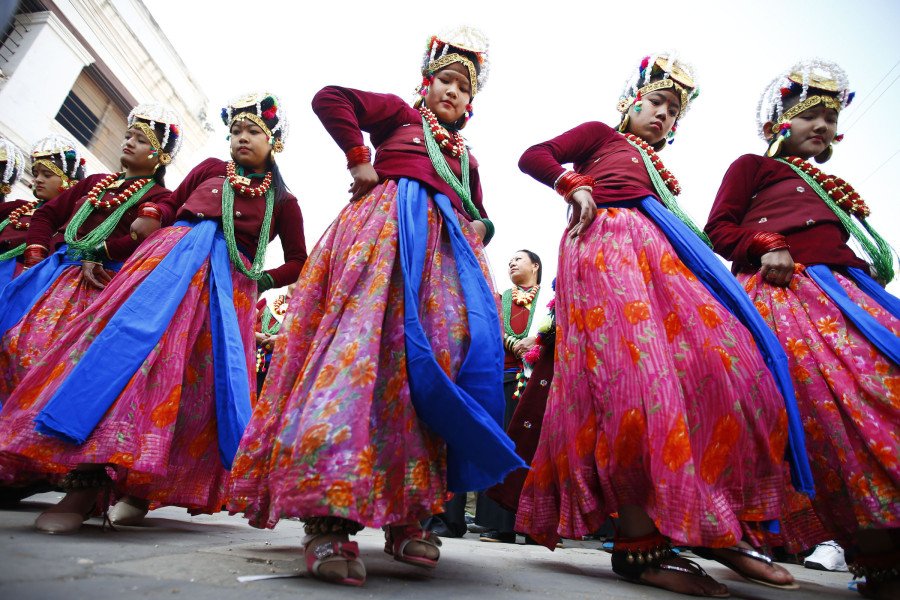
Expect traditional dress, songs and dances, and a welcome with sel roti and achar
Village celebrations are family events, so ask your host what is planned and how to join
Late December is cold in the hills, so book early and pack warm
Quick Overview: Tamu Lhosar
What Happens on Tamu Lhosar
The Gurung year runs in a 12-year cycle, and each year is named after an animal. Lhosar is the day the old animal year ends and the next one begins. The date follows the calendar, not the phase of the moon, so it stays on Poush 15 every year, as Online Khabar notes.
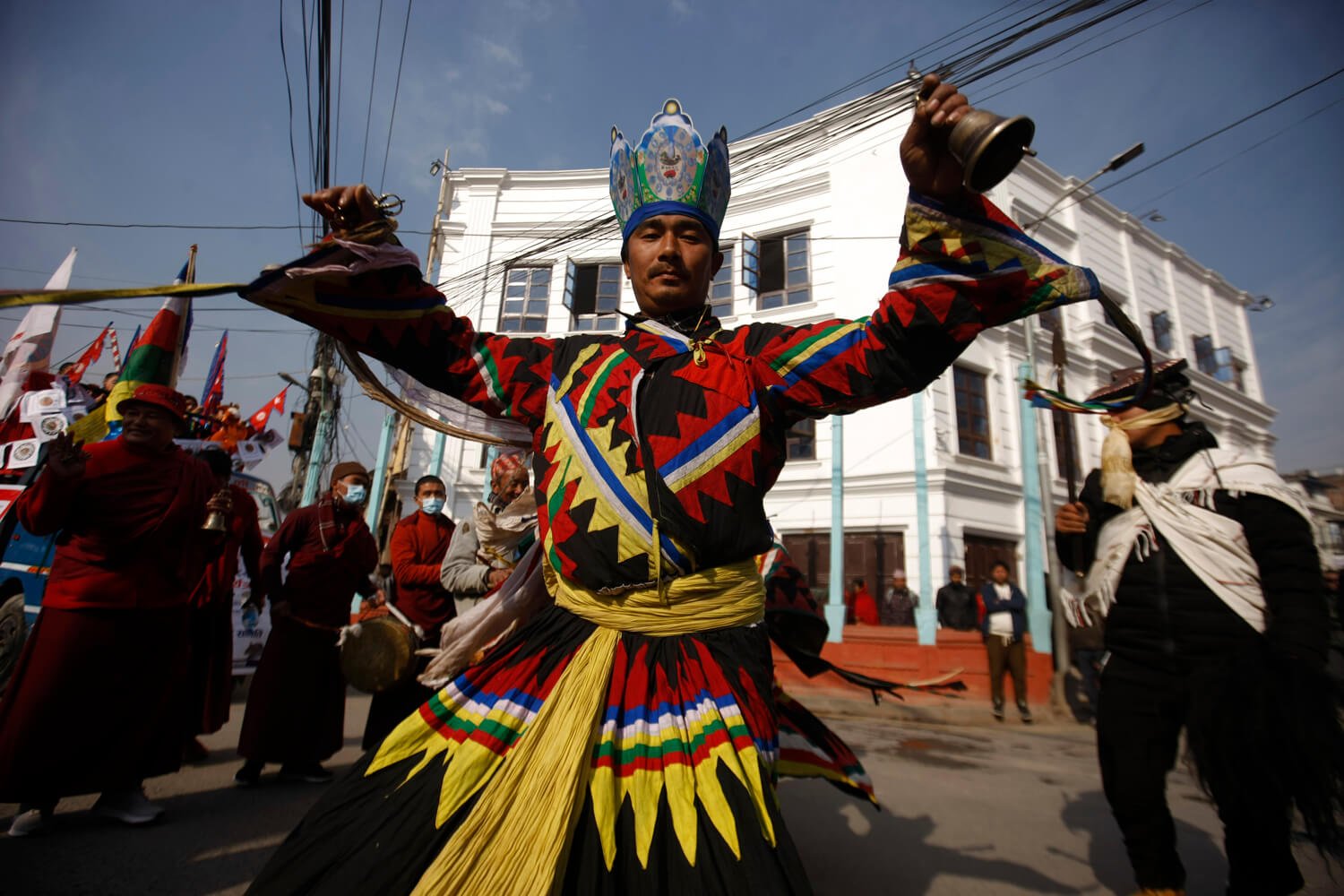
The day begins with greetings and plates of sel roti and achar. People then gather in courtyards and public spaces for songs and dances, as Nepal Traveller describes.
The Tamu Lhosar article on Wikipedia lists the dances and songs in more detail.
Where to Celebrate Tamu Lhosar
Celebrations are strongest in districts with large Gurung populations. News reports name Kaski, Lamjung, Syangja, Manang, Gorkha, Tanahun and Parbat. For most visitors, the easiest way in is a stay in a Gurung village.
Ghandruk, Kaski
Ghandruk sits at about 2,012 metres, with views of Annapurna South and Machhapuchhre. Two stays are covered on Nepal Homestays: Gurung Cottage and Snowland Lodge. The village is reached from Pokhara, and the Pokhara to Ghandruk trek guide explains the route.
Sikles and Lwang Ghalel, Kaski
Sikles is a quieter Gurung village, and the Sikles guide covers what to expect there. Lwang Ghalel is closer to Pokhara, and its eight partner homestays are listed on the Lwang Ghalel community page.
Sirubari, Syangja
Syangja is one of the districts with a large Gurung population. Sirubari is the village that started community homestays in Nepal in 1997, and the Sirubari guide explains how its rotating homestay system works.
Bhujung, Lamjung
Bhujung is named among the well-known Gurung villages of western Nepal. Bhujung Village Homestay is listed on Nepal Homestays.
Tundikhel, Kathmandu
In Kathmandu, the Gurung community gathers at Tundikhel, a large open ground in the centre of the city. In past years people in traditional dress have marched there from Basantapur. The mela has cultural programmes and food stalls with dishes such as sel roti, gundruk and nari pa.
How to Plan Your Stay
Book early. Tamu Lhosar is usually a public holiday, so rooms may be limited.
Ask your host what is happening in the village that day and whether you can join. Village celebrations are family and community events, not scheduled shows.
Pack warm layers. Late December is cold in hill villages, and the Nepal homestay packing list covers winter clothing.
Dress modestly and ask before taking photos of people. The guide to respecting local customs has more.
The Nepal Tourism Board has general travel information for visitors.
Lhosar Is Not Only Gurung
Different communities celebrate Lhosar on different dates, so it is not one single day across Nepal. The guide to Gurung, Magar and Tamang cultural homestays covers more of these communities. The festivals of Nepal you can experience during a homestay shows other celebrations worth planning a trip around.
Final Thought
Tamu Lhosar is a family festival that happens to spill into the street. You do not need to understand every ritual to enjoy it. Arrive as a guest, ask your host how the day will go, and let them show you.
Find a Gurung village stay on Nepal Homestays and book directly with the host family.
Frequently Asked Questions
When is Tamu Lhosar?
Tamu Lhosar falls on Poush 15 in the Nepali calendar, around December 30. It follows the calendar date, not the phase of the moon.
What does Tamu Lhosar mean?
Tamu is another name for the Gurung people. Lho means year and Sar means change, so Lhosar is the day the year changes.
Where is Tamu Lhosar celebrated?
It is celebrated in districts with large Gurung populations, including Kaski, Lamjung, Syangja, Manang, Gorkha, Tanahun and Parbat. In Kathmandu, the main event is at Tundikhel.
Is Tamu Lhosar a public holiday?
In recent years the government has declared a public holiday for it. Check the official notice for the current year.
Can visitors join the celebrations?
It is a family and community festival, so ask your host whether and how you can join.
What food is served on Tamu Lhosar?
Sel roti and achar are served as a welcome. Home-made raksi is also served during the festivities.
Do other communities have a new year too?
Yes. Gurung, Tamang and Sherpa communities each celebrate their own new year, on different dates.
Company Admin
नेपालका सुन्दर होमस्टेहरूबारे सच्चा कथा र अनुभव साझा गर्ने यात्रा लेखक।