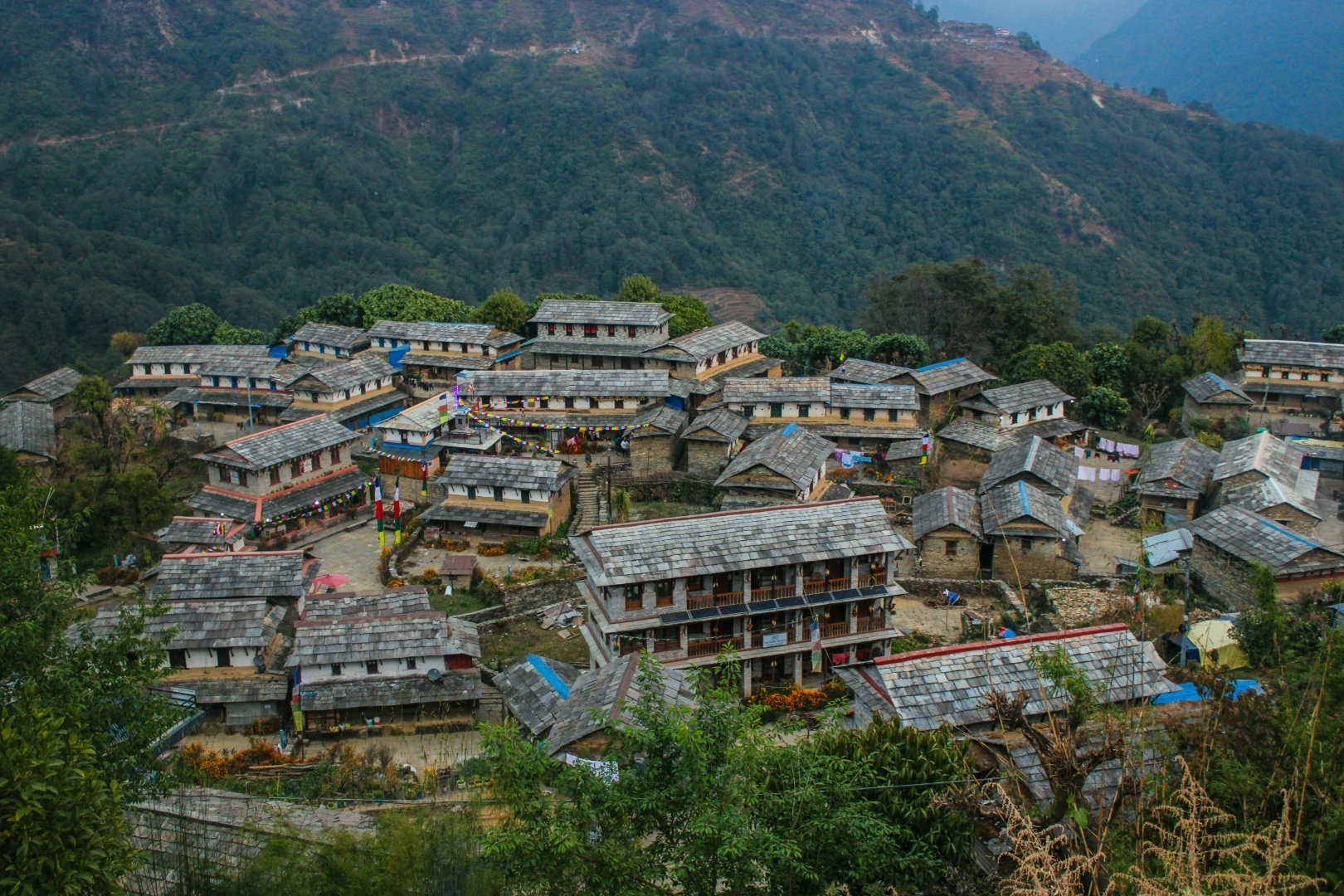
Ghandruk is one of Nepal's easiest mountain treks — just a short drive from Pokhara and a 2-hour hike to a traditional Gurung village with jaw-dropping views of Annapurna South and Fishtail Mountain.
Most people come to Pokhara for the lake and paragliding. Then they look up at the mountains and start to wonder how close they can actually get.
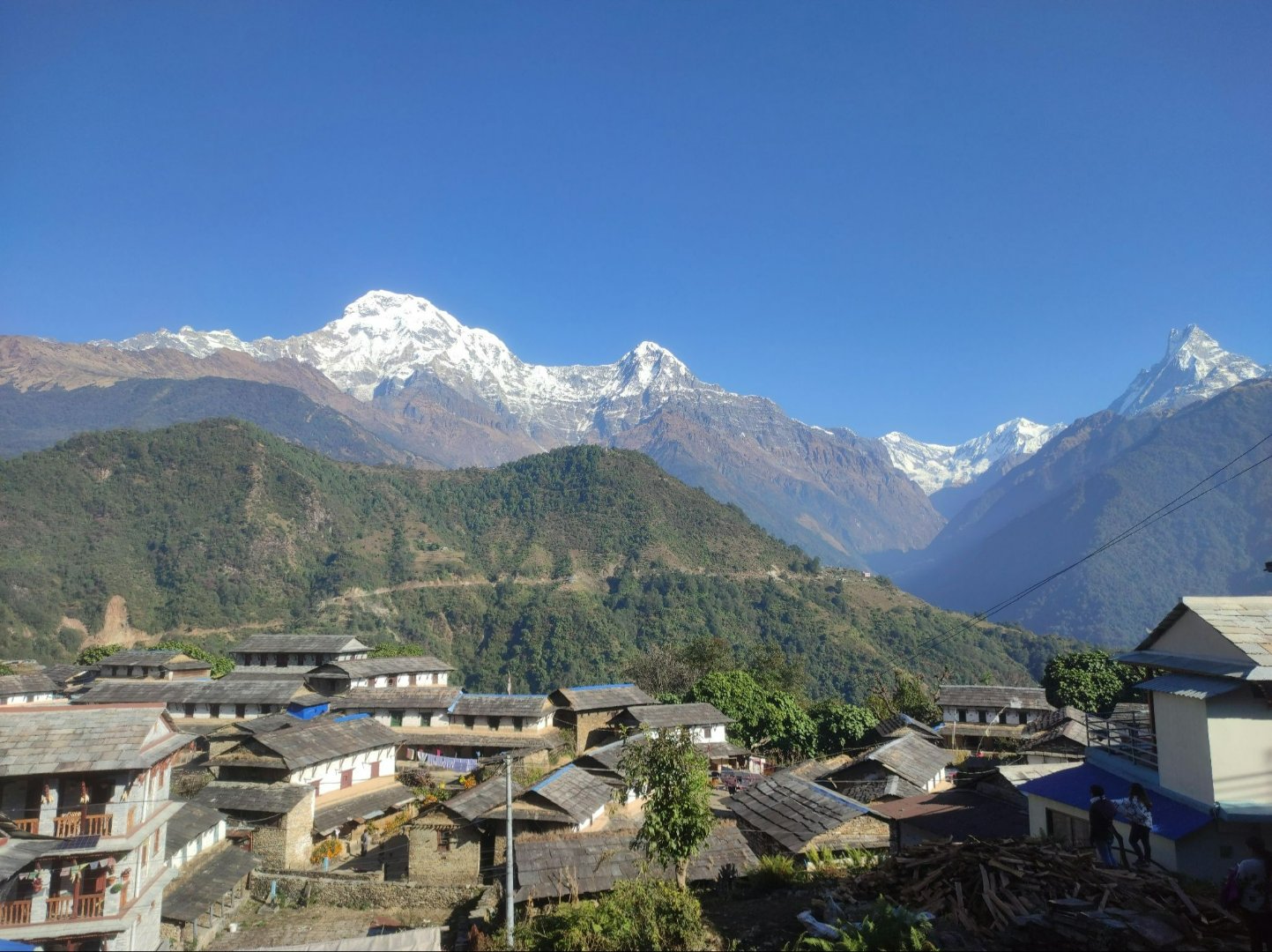
The answer is Ghandruk. It is a traditional Gurung village sitting at 1,940 meters, just a few hours from the city. From there, you can see Annapurna South and Fishtail Mountain right in front of you. No 10-day commitment. No altitude sickness. Just a real mountain experience you can do in one day or turn into a relaxed overnight trip.
If you are still planning your time in the city before heading out, the top things to do in Pokhara covers everything worth doing at the lakeside first.
This guide covers everything you need to plan the Pokhara to Ghandruk trek in 2026, including:
The two main routes and which one to take?
A step-by-step trail guide with timing.
Permit rules, costs, and where to get them?
Where to stay and the best time to go?
Quick Facts: Ghandruk Trek at a Glance
Why Trek to Ghandruk?
Ghandruk is one of the most visited villages in the Annapurna region, and it is easy to see why. You get close-up views of huge Himalayan peaks, real village life, and mountain air without needing weeks of vacation time.
Here is what makes it worth the trip:
You can see Annapurna South, Hiunchuli, and Fishtail Mountain clearly from the village, often without a cloud in the way.
The village is home to the Gurung community, one of Nepal's oldest hill groups. Their stone-paved lanes, traditional buildings, and Gurung Museum give you something no hotel can offer.
The trail from Kimche takes only 1.5 to 2.5 hours, which means you can leave Pokhara after breakfast and arrive before lunch.
Ghandruk also sits at the start of longer routes like Annapurna Base Camp and Ghorepani Poon Hill, so it works as a standalone trip or a first step into the mountains.
How to Get from Pokhara to the Trailhead
You do not start walking from Pokhara itself. You drive to the trailhead first, then begin the hike. There are two main starting points depending on how much time you have.
Option 1: Kimche Route (Best for Most Trekkers)
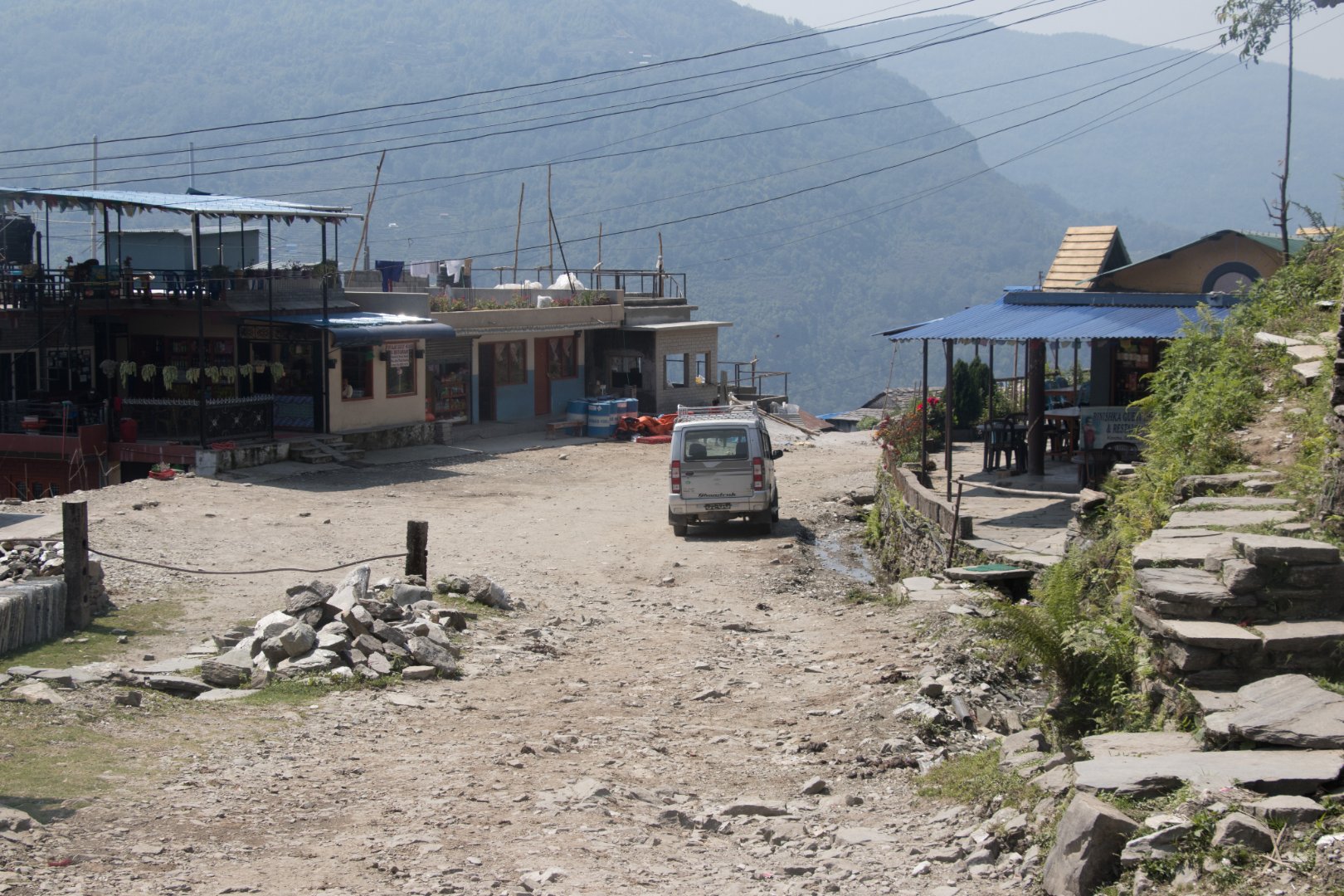
Kimche is the most popular starting point for the Ghandruk trek. The drive from Pokhara covers about 53 kilometers and takes around 1.5 to 2 hours.
A shared jeep from the Pokhara bus park to Kimche costs NPR 400 to 500 per person.
A private jeep costs NPR 3,000 to 4,000 and works well for families or groups who want to leave at their own time.
From Kimche, the hike up to Ghandruk takes about 1.5 to 2.5 hours through forest and terraced fields.
Option 2: Nayapul Route (Classic, Longer Trek)
Nayapul is the traditional starting point that most older trek guides refer to. The drive from Pokhara is about 42 kilometers and takes around 1 to 1.5 hours.
A local bus from the bus park costs NPR 200 to 300 and takes about 1.5 hours.
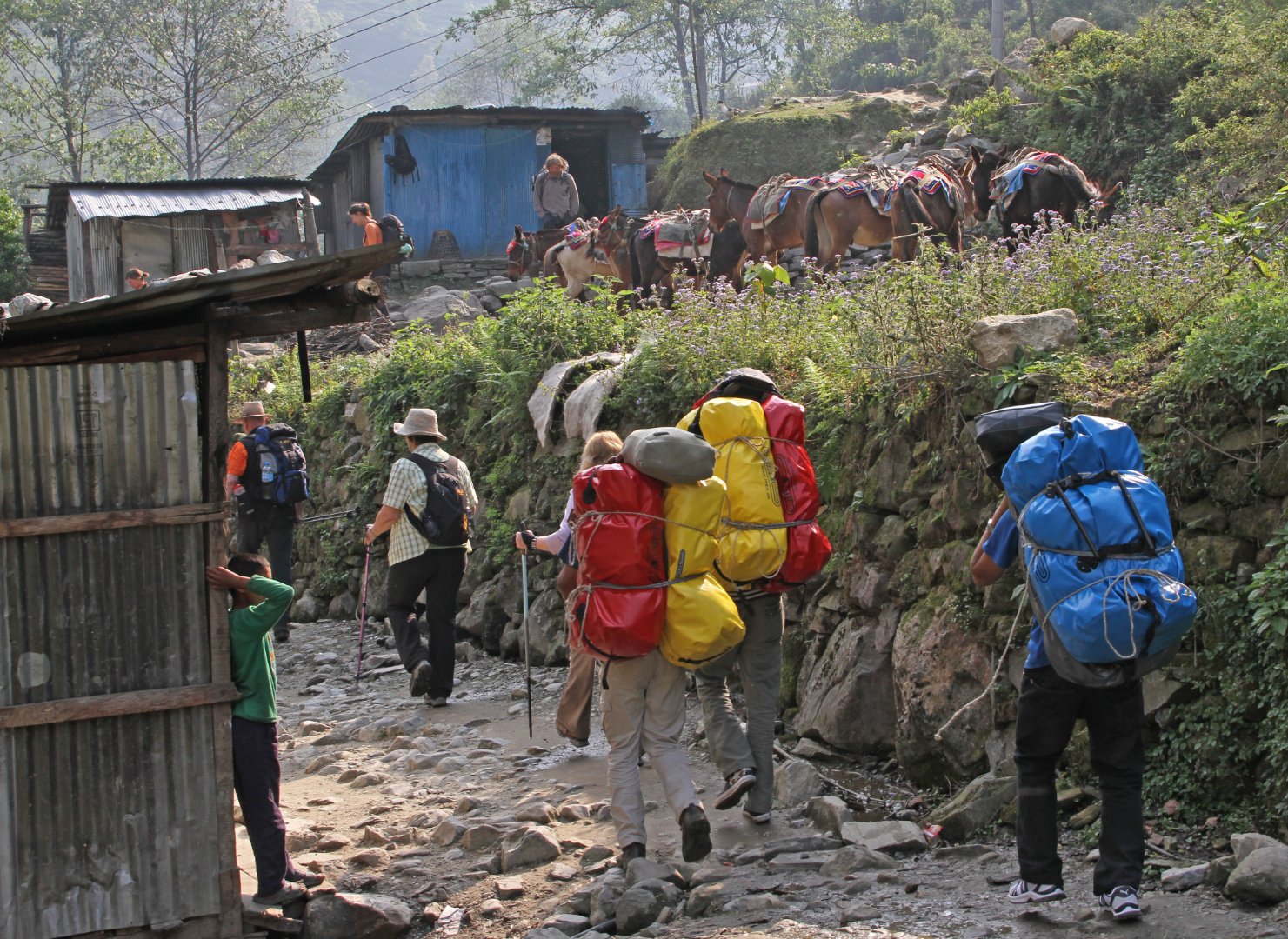
From Nayapul, you walk through Birethanti village and then hike uphill to Ghandruk, which takes 4 to 5 hours in total.
This route suits you better if you want a longer day on the trail or plan to visit Jhinu Hot Springs on the way back.
Which route should you take? If you have one day or want a relaxed overnight trip, take the Kimche route. If you want a longer trekking experience and have more time, the Nayapul route gives you more trail time.
Step-by-Step Trail Guide: Kimche to Ghandruk
This is the most-used route for both day treks and overnight trips from Pokhara. The trail is well-marked and easy to follow even without a guide.
Total distance: About 5 kilometers
Total time: 1.5 to 2.5 hours depending on your walking pace
Elevation gain: Around 500 meters
Step 1: Kimche to the Forest Trail (20 Minutes)
From the Kimche road drop-off point, follow the stone steps going uphill. The trail is easy to find and well-marked with signs. You pass through small farms and then enter a mix of oak and rhododendron forest where the path becomes shaded and cooler.
Step 2: Through the Forest to the Viewpoint (40 Minutes)
The forest section is the most enjoyable part of the hike. You will hear birds, walk through patches of light and shade, and start to see the mountains appearing above the tree line. There is a small tea house along this section where you can stop for water or a snack.
Step 3: Viewpoint to Ghandruk Village (30 to 45 Minutes)
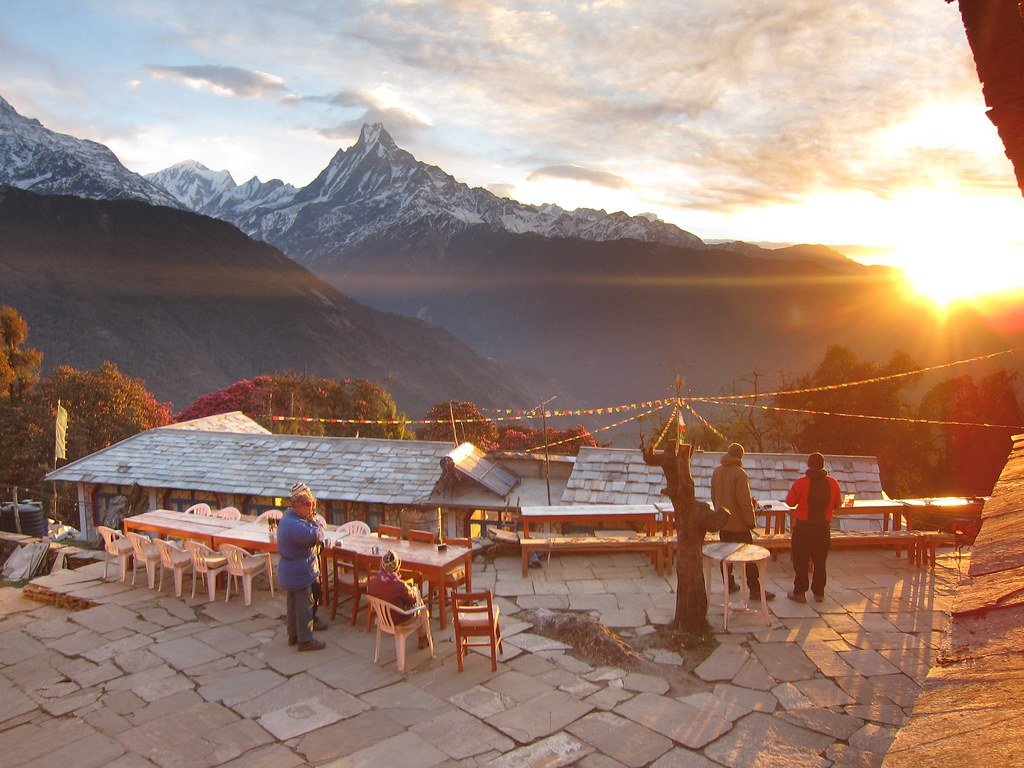
As you come out of the trees, the views open up completely. Annapurna South is directly in front of you and Fishtail Mountain sits to the right. The final section into the village follows stone-paved paths between traditional houses, and this is where you will want to slow down and take photos.
Carry at least one liter of water from Kimche before you start. Water is available at the tea house mid-trail and in the village, but it is easier to have your own for the uphill section.
Ghandruk Trek Permits: What You Need in 2026
Permit rules for this trail have changed in recent years, and many travel websites still have outdated information. Here is the current picture as of 2026.
ACAP Permit (Required)
The Annapurna Conservation Area Permit (ACAP) is required for every trekker entering the Annapurna region. You cannot pass the entry checkpoint at Kimche or Birethanti without it, and rangers also check permits inside the village. The permit was launched in 1986 by the National Trust for Nature Conservation and covers Nepal's largest protected area. Every rupee paid at the checkpoint goes into trail maintenance, wildlife protection, and village development.
Foreign nationals pay NPR 3,000 for the ACAP permit.
SAARC nationals, including visitors from India, Bangladesh, and Sri Lanka, pay NPR 1,000.
You can get the permit at the Nepal Tourism Board office near Damside in Pokhara, open Sunday to Friday from 9 am. You can also apply in advance through the NTNC online permit portal.
Bring a copy of your passport, two passport-sized photos, and the permit fee in cash if applying in person.
TIMS Card (No Longer Required)
As of 2023, the TIMS card is no longer mandatory for trekking in the Annapurna region. Many older guides and blog posts still list it as required, but you do not need it for the Ghandruk trek in 2026. Your ACAP permit is enough.
Always carry the original ACAP permit with you on the trail, not just a photo on your phone. Rangers checked it at multiple points between Kimche and Ghandruk village.
Day-by-Day Itinerary: 2-Day Ghandruk Trek
This itinerary works well for first-time trekkers and gives you enough time to actually enjoy the village. You can also do it as a single long day if needed.
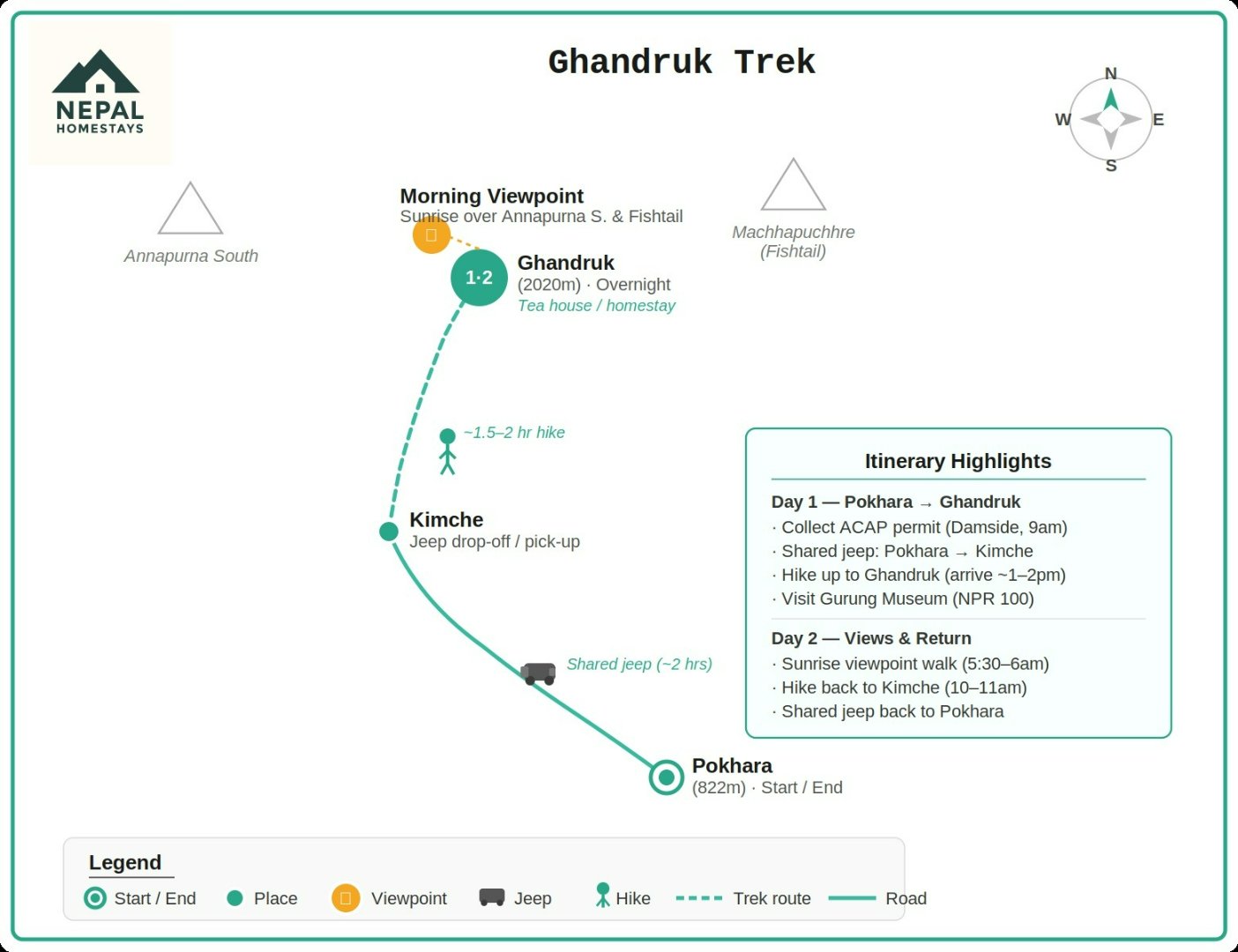
Day 1: Pokhara to Ghandruk
Pick up your ACAP permit from the Nepal Tourism Board office near Damside if you do not have it already. The office opens at 9 am on weekdays.
Take a shared jeep from the Pokhara bus park to Kimche. Aim to leave between 9 and 10 am.
Arrive at Kimche by around 11 to 11:30 am and start the hike up to Ghandruk.
Reach the village by 1 to 2 pm and check into your tea house or homestay.
Spend the afternoon walking the stone-paved lanes and visiting the Gurung Museum, which costs NPR 100 to enter.
Eat dinner at your guesthouse. Dal bhat with local vegetables is what most families cook. If you want to know more about what to expect on your plate across different parts of Nepal, the Nepali homestay food guide is worth reading before you go.
Day 2: Morning Views and Return to Pokhara
Wake up at 5:30 to 6 am and walk to the viewpoint just above the village before the clouds build.
Watch the early morning light hit Annapurna South and Fishtail Mountain from directly below. This is the best part of the whole trip.
If you are staying with a host family, sit with them over tea before heading out. Even knowing a few words of Nepali makes the conversation feel different. A short guide to useful phrases for homestay guests can help with exactly those morning moments.
Have breakfast at your guesthouse and then hike back down to Kimche by 10 to 11 am.
Take a shared jeep back to Pokhara and arrive in the early afternoon.
How Much Does the Ghandruk Trek Cost?
The Ghandruk trek is one of the most affordable mountain experiences in Nepal. Here is a realistic cost breakdown per person for a one-night trip.
If you stay in a family homestay, meals are usually included in the room price. This often works out cheaper than paying for a tea house room and meals separately, and the food is much better.
Where to Stay in Ghandruk
Ghandruk has a good range of places to stay, from basic tea houses to family homestays. Here is what each option looks like in practice.
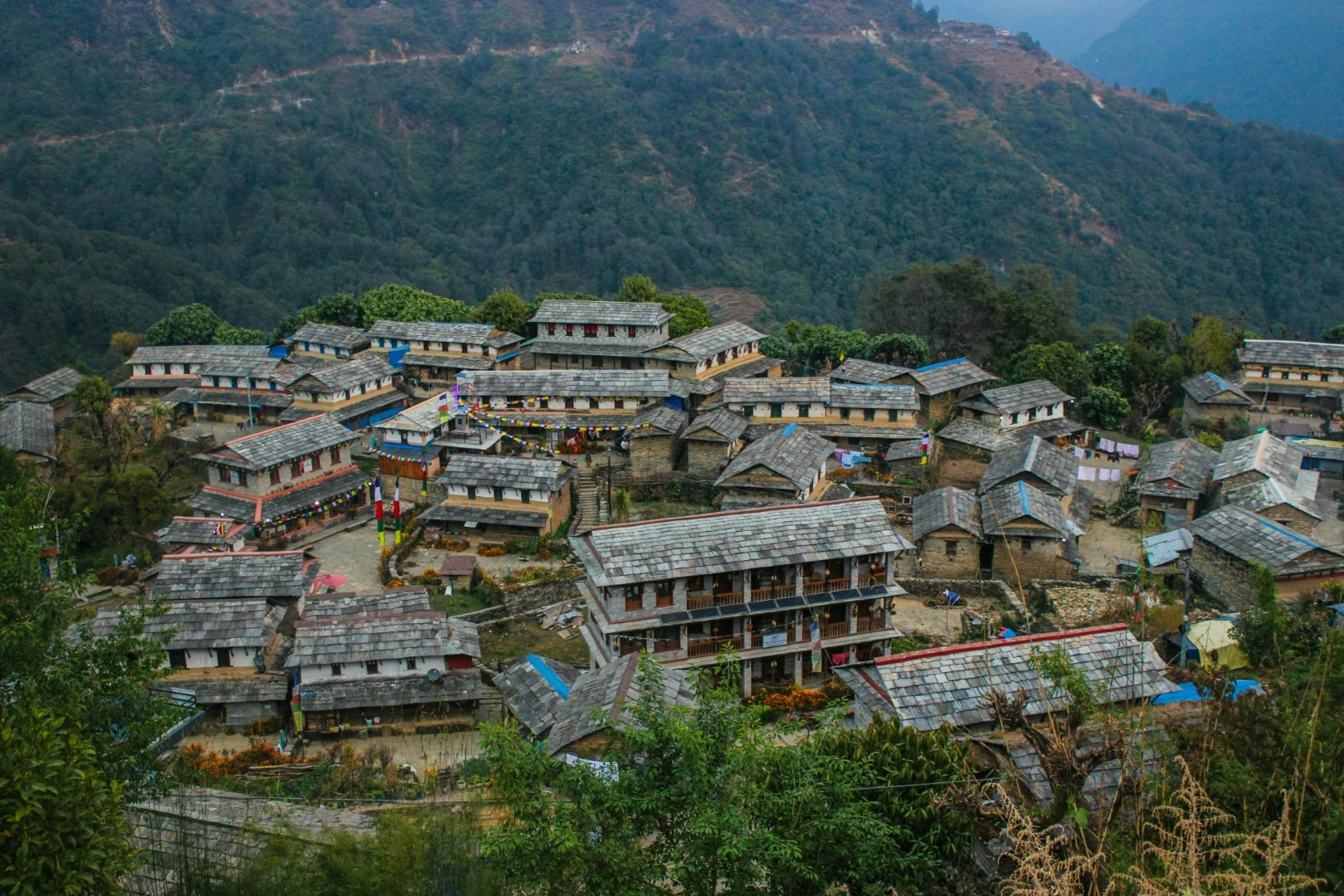
Tea Houses
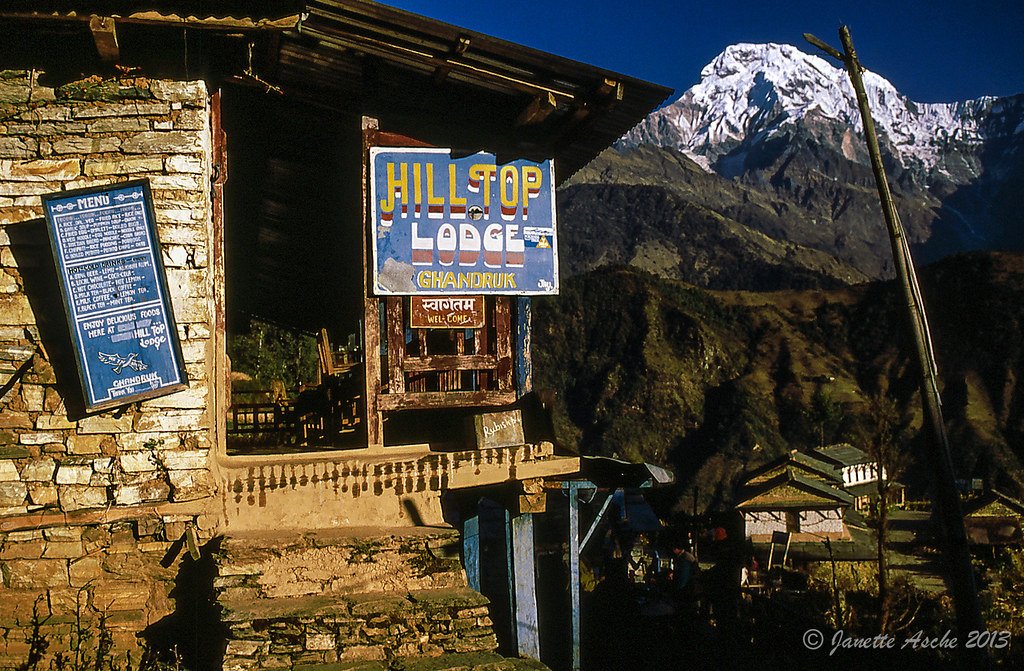
Tea houses are the most common option for trekkers passing through. A basic room costs NPR 300 to 500 per night and most places serve simple meals and have shared bathroom facilities. One well-known option in the village is Gurung Cottage, a traditional stay built from local stone that also runs cultural programs including Gurung dress and dance experiences. Another reliable choice is Snowland Lodge, which sits at a good viewpoint position with mountain views from the dining area.
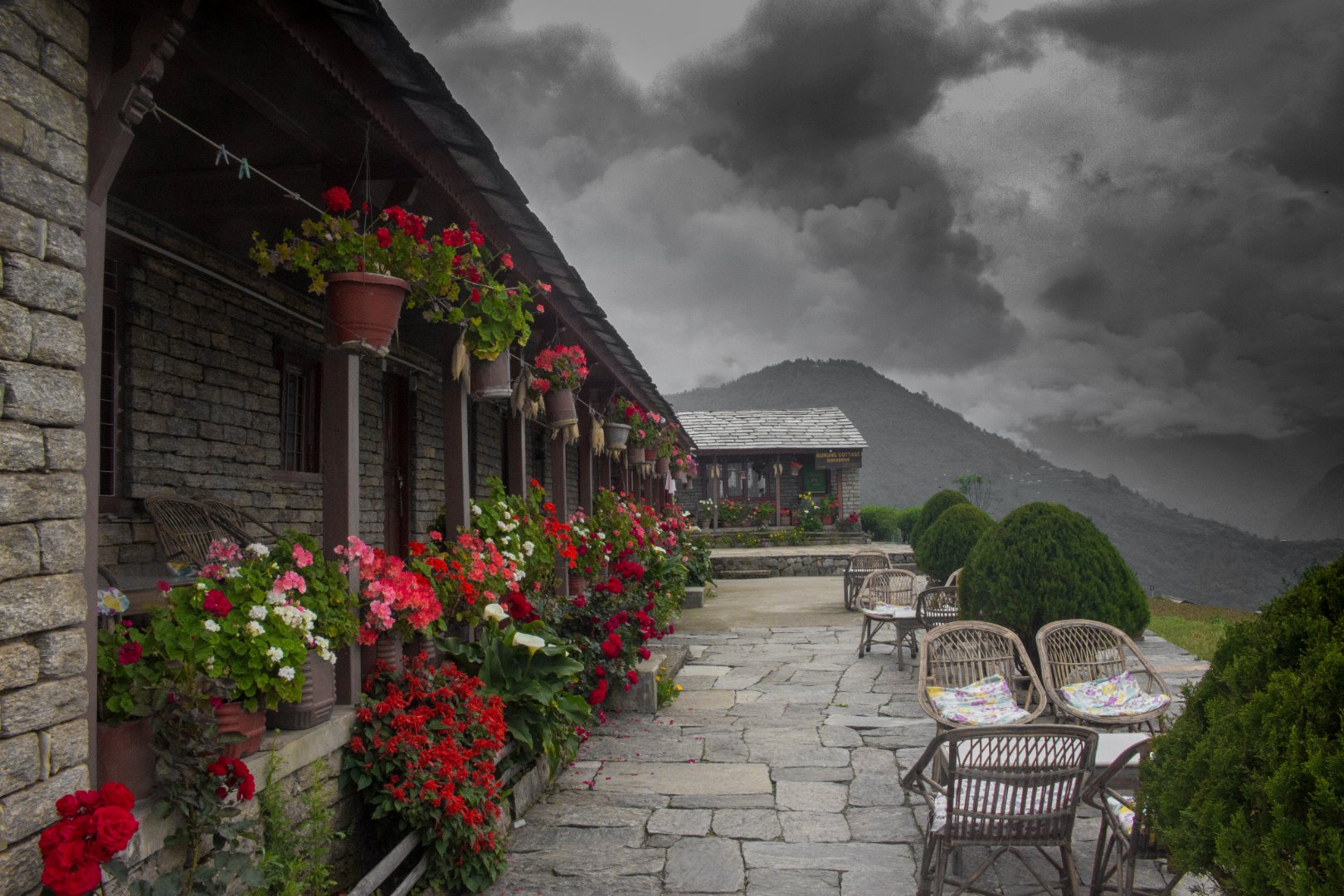
Family Homestays
A homestay gives you something a tea house cannot. You sleep inside a Gurung family home, eat the same fresh food the family cooks, and wake up to mountain views right outside the window. Choosing a homestay also means your money goes directly to the family and their community rather than a hotel owner, which is one reason homestays have become one of the most environmentally responsible ways to travel in Nepal.
Nepal Homestays has verified family stays in Ghandruk starting from NPR 1,500 per night with breakfast and dinner included. Every listing is checked so you know exactly what you are booking before you arrive.
Best Time to Do the Ghandruk Trek
The Ghandruk trek can be done in any month, but the experience changes quite a bit between seasons. Picking the right time makes a real difference.
October and November are the best months for clear mountain views. The air is clean after the monsoon rains and the temperatures are comfortable for walking most of the day.
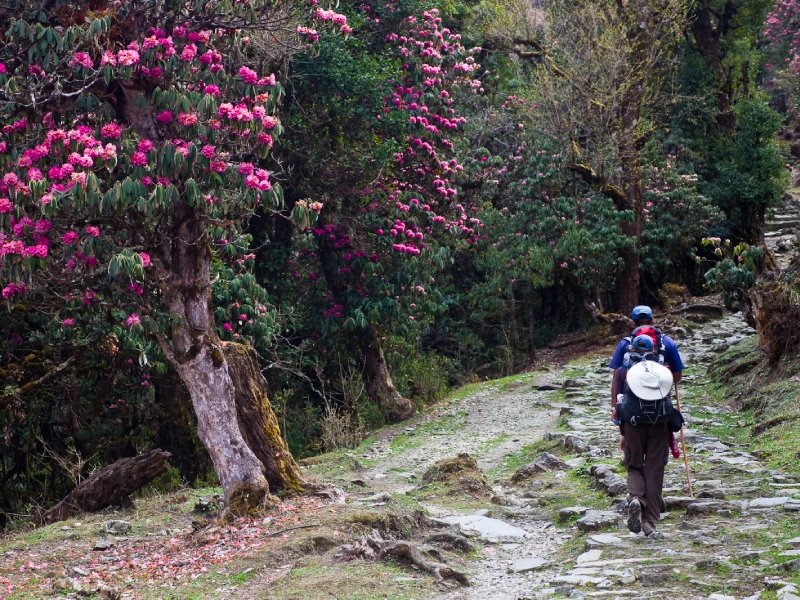
March and April are excellent if you want to see rhododendron forests in full bloom. The trail between Kimche and Ghandruk turns red and pink during these months and is one of the most photographed stretches in the Annapurna foothills.
Avoid the monsoon months if this is your first trek. The trails get muddy and slippery, leeches appear in the forest sections, and cloud cover often means you will not see the mountains at all.
What to Pack for the Ghandruk Trek
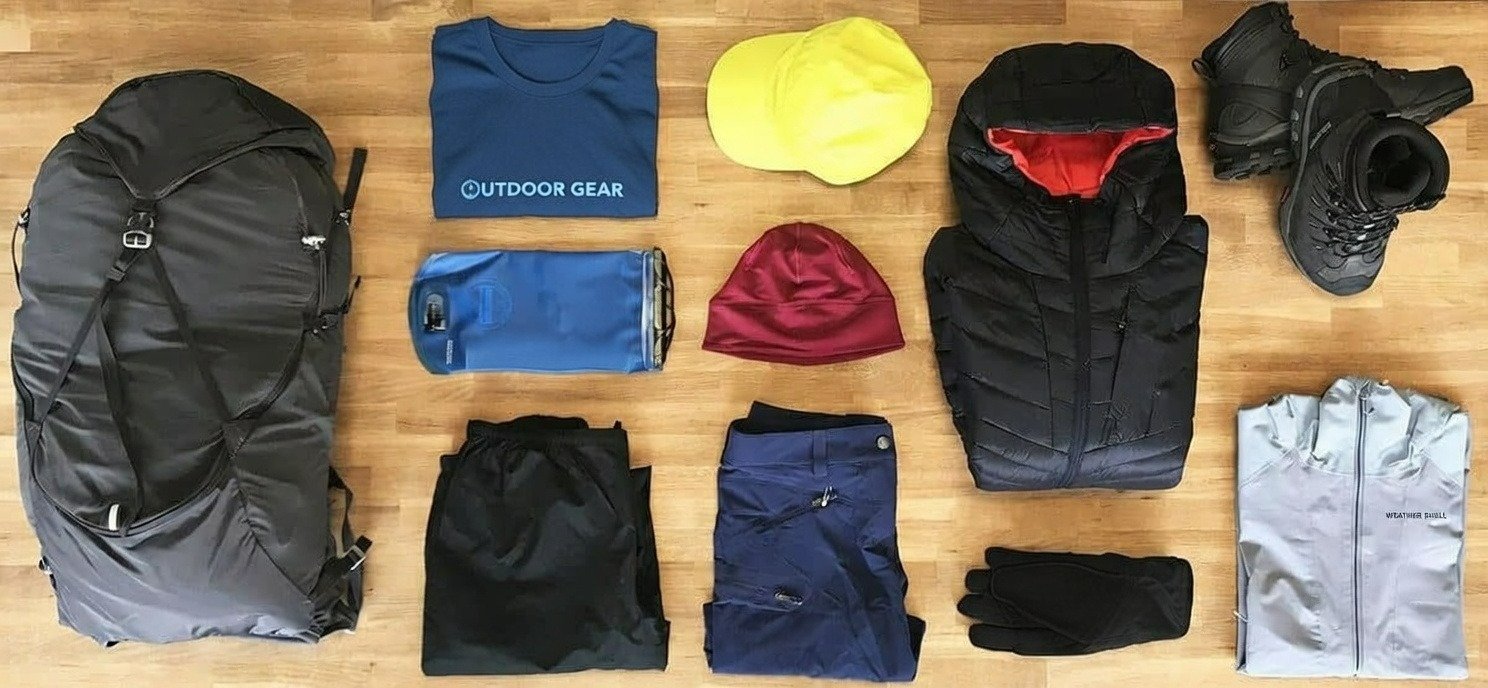
You do not need serious trekking gear for this route. Ghandruk is not a high-altitude trail and a few key items are all you need to stay comfortable and safe.
Wear sturdy walking shoes or light hiking boots with grip. The stone steps can be slippery when wet and flat shoes are not suitable.
Bring a light rain jacket in every season. Mountain weather can change within an hour.
Pack a warm layer for evenings in the village. It gets noticeably cooler after sunset even in April and May.
Bring at least one liter of water from Kimche before starting the climb.
Carry your ACAP permit and a copy of your passport. Rangers check these at the entry point and inside the village.
Bring enough cash in Nepali Rupees for your stay. There are no ATMs in Ghandruk.
Final Thoughts
The Pokhara to Ghandruk trek gives you real mountain views, a genuine Gurung village, and a trail almost anyone can complete. It does not ask much of you and gives back more than you expect.
The one thing that makes the biggest difference is where you sleep. Staying in a local family home means waking up with Annapurna South outside your window, eating a home-cooked breakfast, and walking the village before the day-trippers arrive.
Browse verified Ghandruk homestays on Nepal Homestays with meals included from NPR 1,500 per night.
Frequently Asked Questions About the Ghandruk Trek
How long does the Ghandruk trek from Pokhara take?
The drive from Pokhara to Kimche takes 1.5 to 2 hours. The hike from Kimche up to Ghandruk takes 1.5 to 2.5 hours. You can reach Ghandruk in about 4 hours total from the time you leave Pokhara.
Do I need a guide for the Ghandruk trek?
The Kimche to Ghandruk trail is well-marked and easy to follow without a guide. Most independent trekkers do it on their own. If you are combining it with a longer route or it is your first time in Nepal's mountains, a local guide adds useful knowledge and provides support if anything goes wrong.
Is the Ghandruk trek suitable for beginners?
Yes. The Kimche route involves a steady uphill walk of about 2 hours with no difficult or technical sections. Anyone with a basic level of fitness can complete it. Children and older travelers do this trek regularly without any problems.
Where do I get the ACAP permit in Pokhara?
You can get the ACAP permit at the Nepal Tourism Board office near Damside in Pokhara. The office is open Sunday to Friday from 9 am. Bring your passport, two passport-sized photos, and NPR 3,000 in cash. Get it the day before your trek to avoid any last-minute issues.
What is the altitude of Ghandruk?
Ghandruk sits at 1,940 meters above sea level. This is not high enough to cause altitude sickness for most people. You do not need any acclimatization days before doing this trek.
Is Ghandruk safe for solo female travelers?
Yes. Ghandruk is one of the safest trekking destinations in Nepal. The trail is regularly used by other trekkers and the village community is welcoming to all visitors. Staying at a verified homestay or guesthouse and using common sense at night is all you need.
Company Admin
Travel writer sharing authentic stories and experiences from Nepal's beautiful homestays.