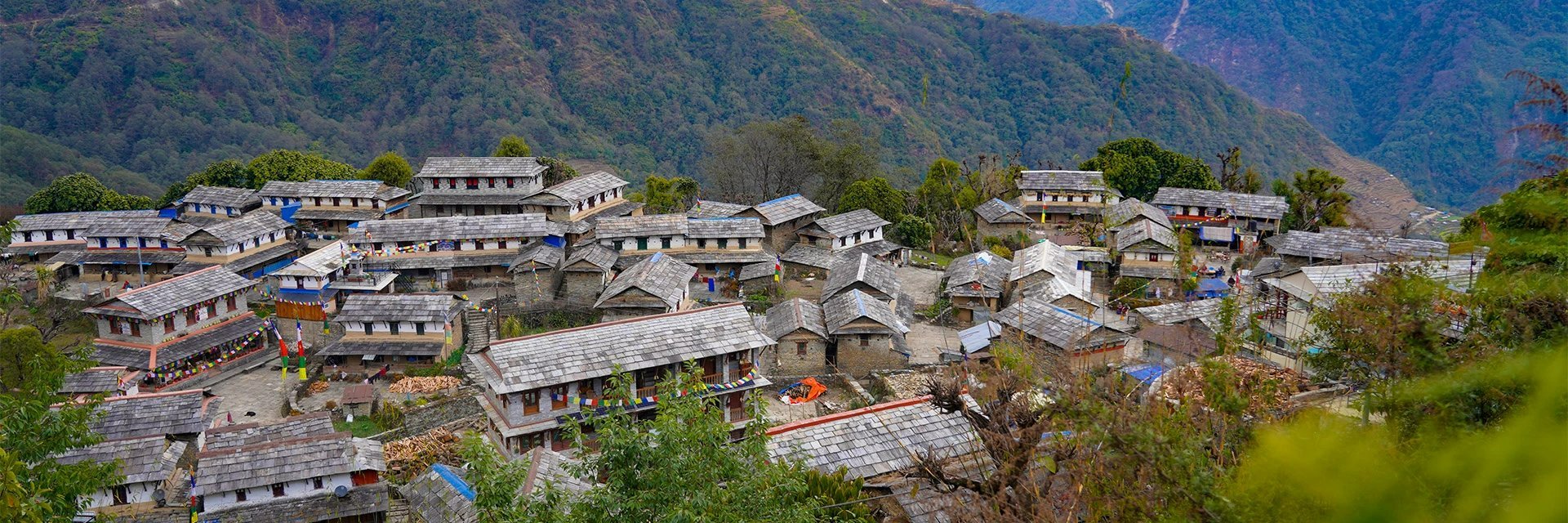
Choosing the right season can completely shape your homestay experience in Nepal. While homestays welcome guests throughout the year, each season brings a different pace of life, landscape, food, and cultural activity. Understanding these seasonal changes helps travelers plan a stay that feels comfortable, meaningful, and connected to local life.
Across Nepal, from mountain villages to hill settlements and Terai communities, seasons guide daily routines. Farming cycles, festivals, and social gatherings all follow the rhythm of nature. Staying in a homestay allows travelers to experience these changes closely, not as visitors looking in, but as part of everyday life.
Spring (March to May): Fresh Air and Blooming Villages
Spring is one of the most popular seasons for homestays in Nepal. The weather is mild, days are clear, and nature slowly comes back to life after winter.
In hill and mountain regions, forests turn green and flowers bloom along village paths. Rhododendrons color the hillsides, and mornings often bring clear mountain views. In the Terai, farming activities increase as families prepare their fields.
Spring is a good time for travelers who enjoy walking, village exploration, and outdoor activities. Daily routines often include fieldwork, collecting forest plants, and preparing land for crops. Guests staying in homestays can observe or join these activities, gaining insight into how seasons shape rural life.
This season also suits travelers who want comfortable temperatures without extreme heat or cold, making it easier to spend time outdoors and with host families.
Summer and Monsoon (June to August): Green Landscapes and Slower Days
Summer in Nepal overlaps with the monsoon season. Rainfall is common, especially in hill and Terai regions, while mountain areas may receive lighter showers.
Although many travelers avoid the monsoon, it can be a rewarding time for homestays. Villages slow down, daily life becomes quieter, and people spend more time indoors together. This often leads to longer conversations, shared meals, and a deeper sense of connection.
Monsoon is also the main planting season. Rice fields fill with water, and farming becomes a community activity. Guests staying in homestays often witness this process firsthand, learning how deeply agriculture is tied to seasonal life.
This season suits travelers who enjoy calm surroundings, fewer crowds, and a slower pace that allows space for reflection and cultural exchange.
Autumn (September to November): Festivals and Clear Skies
Autumn is widely considered the best season to stay in homestays across Nepal. After the monsoon rains end, the air becomes clear, landscapes look fresh, and travel conditions improve across all regions.
This is also the main festival season. Major celebrations such as Dashain and Tihar take place during autumn. Staying in a homestay during this time allows travelers to experience festivals as part of a family, sharing meals, rituals, and daily preparations rather than watching from the outside. These moments are closely connected to experiencing local festivals while staying with host families, where culture is lived, not performed.
Weather during autumn is stable and pleasant, making it ideal for combining homestays with village walks, short hikes, or cultural exploration.
Winter (December to February): Quiet and Personal Experiences
Winter brings cooler temperatures, especially in hill and mountain regions. Some higher villages may experience snowfall, while lower areas remain sunny and dry during the day.
Winter is a quieter season in villages. Farming activities slow down, and families spend more time indoors. For homestay guests, this often means more personal interaction, long conversations by the fire, and learning about traditions, stories, and daily routines.
In the Terai and mid-hill regions, winter is comfortable and peaceful, making it a good time for travelers who prefer fewer visitors and deeper personal connections with host families.
Seasonal Differences Across Nepal’s Regions
Nepal’s geography means seasons affect regions differently. Choosing the right season often depends on where you plan to stay.
Mountain villages are best visited in spring and autumn due to cold winters and heavy snow. Hill regions offer year-round homestay options, with spring and autumn being the most comfortable. Terai homestays are best from autumn to early spring, avoiding summer heat and heavy rain.
Understanding these differences helps travelers plan better and avoid discomfort. Many guests find it useful to consider choosing the best time of year for homestays based on weather and region, rather than following one general travel season.
Seasonal Food and Daily Life
Food is one of the most enjoyable ways to experience seasons in a homestay. Meals change throughout the year depending on what is grown, harvested, or preserved.
Spring and summer bring fresh vegetables and greens. Monsoon meals are often simple and warm. Autumn includes special festival foods and sweets. Winter meals focus on preserved and fermented foods that provide warmth and energy.
Guests staying in homestays experience these seasonal changes naturally, learning how food connects to land, climate, and culture.
Preparing for Different Seasons
Each season also requires different preparation. Clothing, footwear, and daily routines change depending on weather and location. Rain protection is important during monsoon, while warm layers are necessary in winter, especially in hill and mountain villages.
Travelers staying in rural homestays often benefit from packing thoughtfully for village stays in different seasons, which helps them stay comfortable and respectful of local conditions.
Why Season Matters More in Homestays
Unlike hotels, homestays are closely tied to daily life. Seasons influence wake-up times, meals, work, and social interaction. Choosing the right season helps travelers align with local life instead of trying to control it.
Homestays allow travelers to adapt to seasons rather than avoid them. Each season offers a different lesson, mood, and connection.
A Year-Round Way to Experience Nepal
There is no single best season for homestays in Nepal. Each time of year offers something unique, whether it is planting rice during monsoon, celebrating festivals in autumn, sharing winter evenings by the fire, or walking through blooming hills in spring.
Homestays allow travelers to experience Nepal as it truly is, changing with the seasons and guided by nature, culture, and community.
Choose the Right Season, Experience Real Nepal
Every season in Nepal offers something different, and staying in a homestay allows you to experience those changes through daily life, food, and culture. Whether you prefer spring walks, monsoon calm, autumn festivals, or quiet winter evenings, the right homestay makes all the difference.
Through Nepal Homestays, you can find trusted family-run and community homestays across Nepal and choose a stay that matches the season, region, and experience you are looking for.
Explore authentic stays and plan your journey at: https://www.nepalhomestays.com/
Frequently Asked Questions
1. What is the best season to stay in a homestay in Nepal?
Autumn, from September to November, is generally the best season for homestays in Nepal because the weather is clear, comfortable, and full of cultural festivals. However, each season offers a different experience.
2. Are homestays available during the monsoon season?
Yes, homestays are open during the monsoon season. While there is rain, village life continues as usual. This season offers green landscapes, fewer travelers, and a quieter, more relaxed homestay experience.
3. Is winter a good time to stay in rural homestays?
Winter can be a good time for homestays, especially in the Terai and mid-hill regions. Villages are quieter, and guests often enjoy more personal interaction with host families.
4. Do seasons affect food and daily activities in homestays?
Yes, food and daily routines change with the seasons. Meals are prepared using seasonal ingredients, and activities like farming, festivals, and household work vary throughout the year.
5. How do I choose the right season for my homestay stay?
The best season depends on your travel style. Spring is ideal for nature and walking, monsoon for quiet cultural immersion, autumn for festivals, and winter for peaceful, personal experiences.
Company Admin
Travel writer sharing authentic stories and experiences from Nepal's beautiful homestays.