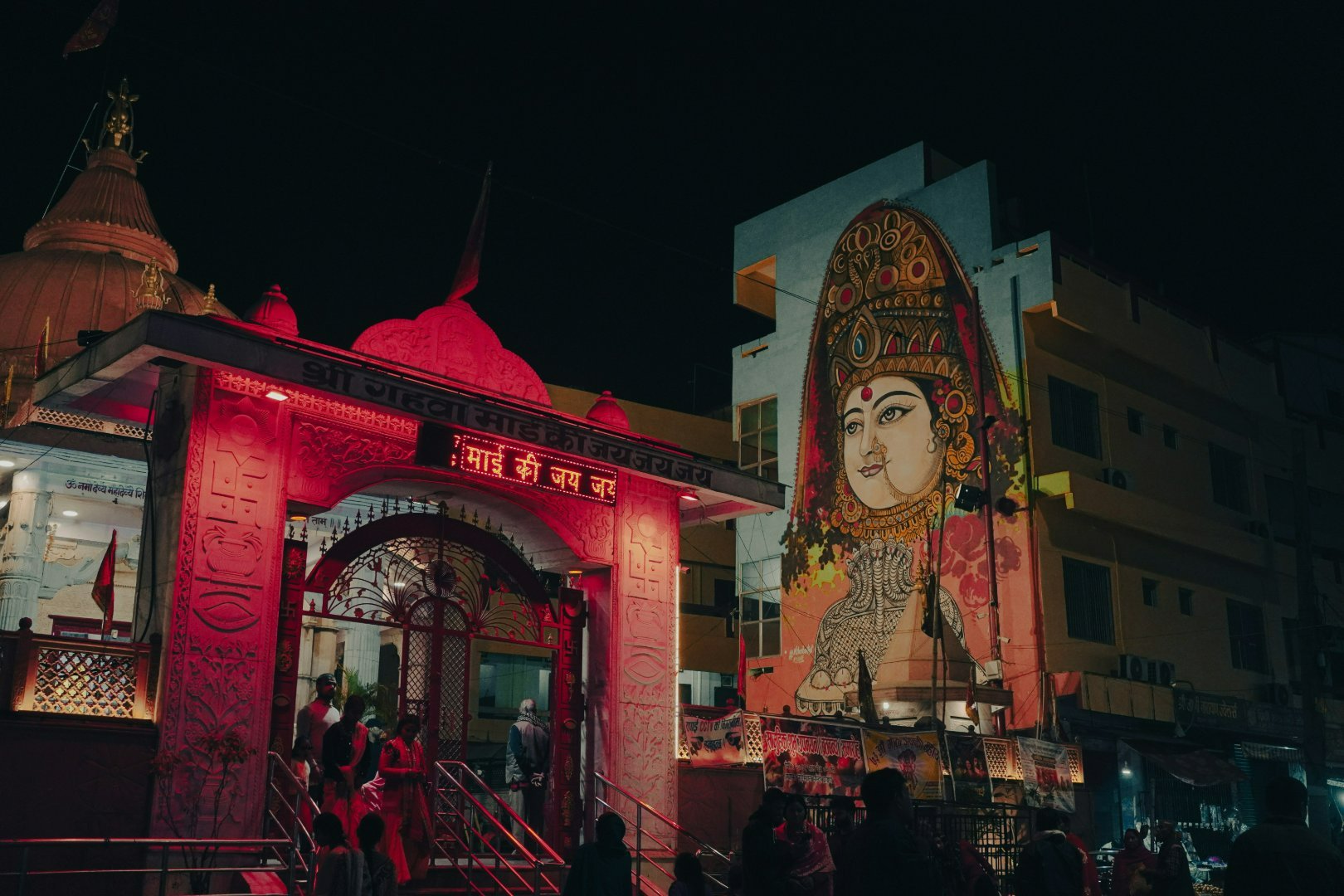
Birgunj sits on the Nepal India border where daily life moves fast and food smells good at every corner. This guide covers local markets, temples, street food, and how to experience the city through a homestay.
Birgunj is one of Nepal's busiest cities. It sits right on the Nepal India border, where life feels active and colorful. People walk in and out of markets, trucks move goods, and the smell of fresh cutting chai fills the air.
Behind the busy streets, Birgunj has warm families, peaceful temples, and small daily moments that show the real heart of the city. When you stay in a homestay, you can see these moments up close. You become part of local life instead of just passing through.
This Birgunj travel guide will help you explore the city in a simple and meaningful way. It is helpful for anyone who wants to understand local culture and enjoy a stay that feels honest and comfortable.
TL;DR
Birgunj is Nepal's main border city with India, 300 km from Kathmandu
The city is known for its markets, street food, temples, and border culture
Best explored on foot with a local guide or homestay host
Key spots: Ghadiarwa Pokhari, Gahawa Mai Temple, Maisthan Market, Nepal India Border Gate
Homestays in Birgunj start from NPR 1,000 per night
Best time to visit is October to March
Quick Overview: Birgunj
Understand What Birgunj Really Is
Birgunj is not a tourist city. It is a trading town where business happens every day. Its beauty is in the simple scenes you see around you.
Early in the morning, you might see your homestay host sweeping the courtyard, making tea, or chatting with neighbors. These everyday moments show you more about Birgunj than any landmark.
Temples like Gahawa Mai Temple and Bindwasini Mandir are small and calm. Many local families visit these temples often, and homestay hosts sometimes take guests along. You learn the meaning behind the prayers and rituals in a friendly, natural way.
Birgunj is not about big sights. It is about real life and real people. The Nepal Tourism Board has more information on the city's cultural significance as a major Terai gateway. If you want to understand local habits and culture in more depth, the Birgunj culture and local life guide explains how people live, pray, and spend their day.
Choose the Birgunj Experience You Want
Birgunj means different things depending on what you are looking for. Here is a simple way to plan your time:
For street food specifically, the Birgunj street food guide covers the best stalls and what to order at each one.
Places to Visit in Birgunj
Ghadiarwa Pokhari: A calm lake where locals walk every morning. Visit at sunrise when the water turns pink and the city is still waking up. Small food vendors set up around the edges by 7 AM.
Gahawa Mai Temple: A small neighborhood temple full of daily devotion. People arrive with flowers and incense before most of the city is open. The smell of oil lamps and the soft sound of bells are the main experience here, not the architecture.
Maisthan Market: The busiest part of Birgunj and the best place to understand the city in one walk. Food stalls, clothing shops, rickshaws, and people bargaining. Go in the morning for samosas and jalebi, or in the evening for chaat and chole bhature.
Nepal India Border Gate: The Shankaracharya Gate connects Birgunj to Raxaul in India. People cross on foot and bicycle throughout the day. The cross-border movement of families, goods, and daily life is worth seeing in person.
Costs in Birgunj
Carry cash. Many shops and street vendors do not accept digital payments.
Plan Your Trip With Local Sources
Birgunj does not have many official tourism offices. The best help comes from local people.
Useful sources:
Google Maps for navigation between neighborhoods
Your homestay host for real-time advice on food, transport, and local events
Rickshaw drivers who know every lane and shortcut
Shopkeepers at Maisthan who can point you toward the freshest stalls
When you stay in a homestay, you get trusted suggestions from the family you live with. This makes planning much easier than relying on outdated online guides.
Check Your Stay Details Before Booking
Every place to stay in Birgunj is different. Confirm these before booking:
Air conditioning (important from April to June when heat is intense)
WiFi availability
Hot water
Breakfast or meal options
Proximity to Maisthan or Ghadiarwa Pokhari depending on your itinerary
Many homestays in Birgunj offer home-cooked meals and local guidance. Browse verified options and book directly on Nepal Homestays.
Look for Local Experiences, Not Just Places
The best part of Birgunj is not a single attraction. It is the small moments you find between them:
Sharing morning chai with your host before the city wakes up
Watching evening prayer at Gahawa Mai Temple with the neighborhood
Eating homemade litti chokha at a stall that has no name but always has a queue
Sitting by Ghadiarwa Pokhari while locals do their morning walk
Homestays make these moments accessible because you live close to the daily rhythm of the city rather than inside a hotel room separated from it.
Respect Local Culture
Birgunj has a mix of Nepali, Hindi, and Bhojpuri traditions. A few practical things:
Dress modestly in markets and temples
Ask before taking photos of people
Remove shoes before entering temples
Greet with Namaste or Pranam
Do not litter, especially near temple areas and the lake
Weekend Trips from Birgunj
If you have extra time, several destinations are within easy reach. Janakpur is 3 to 4 hours east and one of Nepal's most important spiritual cities. Chitwan National Park is about 2 hours west for wildlife and jungle safaris. The full list of options with travel times and what to do at each is in the weekend trips from Birgunj guide.
Final Thought
Birgunj may look busy at first. The trucks, the market noise, the border traffic. But if you slow down, try the food, walk the neighborhoods, and stay with a local family, the city shows a different side. Warm, direct, and genuinely itself.
Find verified homestays in Birgunj on Nepal Homestays and book directly with the host family.
Frequently Asked Questions
Is Birgunj safe for visitors?
Yes. Birgunj is safe during the day. Avoid quiet lanes at night and stay aware in crowded markets. The city is used to visitors from both Nepal and India.
What is the best time to visit Birgunj?
October to March. The weather is cool and dry, markets are active, and outdoor walking around Ghadiarwa Pokhari and the temple areas is comfortable.
What food should I try in Birgunj?
Litti chokha, samosa, jalebi, chole bhature, paan, and cutting chai. The street food guide covers specific stalls and areas in more detail.
How do I get around Birgunj?
Cycle rickshaws, auto rickshaws, and short walks. Rickshaws are cheap and the drivers know the city well. Negotiate the fare before getting in.
Is one day enough for Birgunj?
You can see the main areas in one day. Staying one or two nights in a homestay gives you a more complete picture, especially for the morning temple visits and evening market walks.
How far is Birgunj from Kathmandu?
Birgunj is 300 km from Kathmandu, around 5 to 6 hours by road. Regular buses run from the main Kathmandu bus park. Private taxis are faster but more expensive.
Can Indian tourists visit Birgunj easily?
Yes. Indian tourists can cross from Raxaul into Birgunj without a visa using an Indian identity card. The border crossing is one of the most open between the two countries.
Company Admin
Travel writer sharing authentic stories and experiences from Nepal's beautiful homestays.