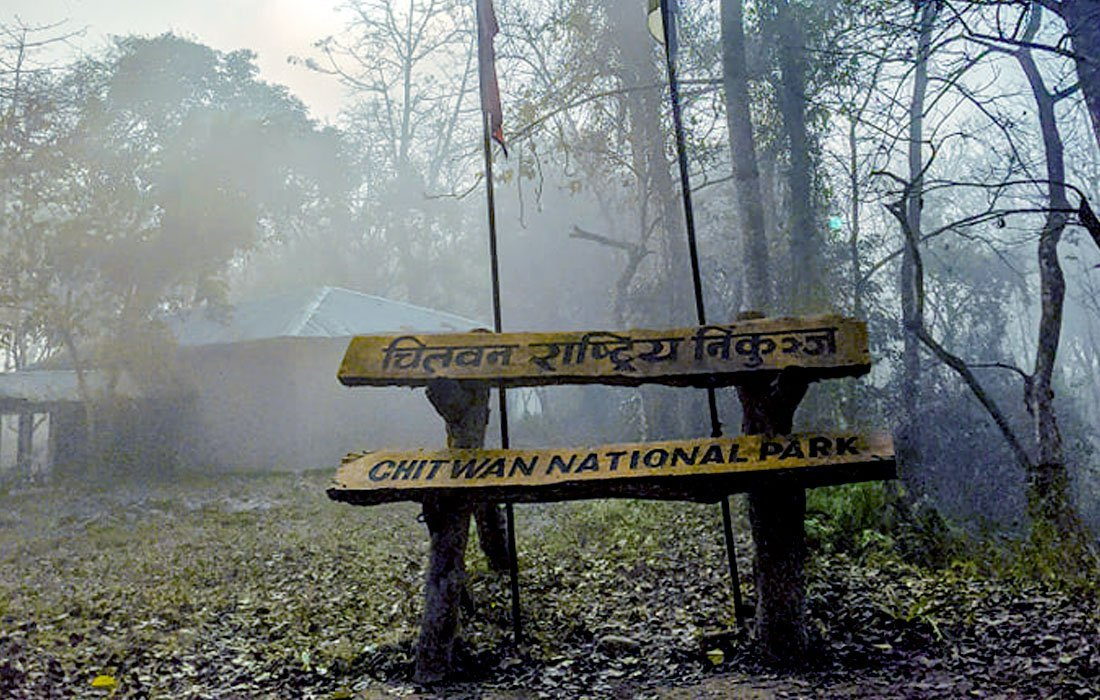
Chitwan National Park is Nepal's best wildlife destination for rhinos, tigers, and wild elephants — all within a long weekend from Kathmandu. This guide covers safari costs, the best time to visit, a realistic 3-day itinerary, and how staying with a Tharu family changes everything.
Chitwan National Park: Nepal's Wildlife, Tharu Culture, and Local Homestays
If you want to see wild rhinos, tigers, and elephants without travelling far from Kathmandu, Chitwan National Park is where you go.
Bardiya National Park is wilder and far less visited. But if you need a park that is close, easy to reach, and full of wildlife you can actually see, Chitwan is the right choice. It sits in the flat lowlands of southern Nepal, close enough for a long weekend, and animals here have been protected for over fifty years.
This guide is for wildlife lovers, first-time visitors, and anyone who wants more than a tourist package. Here is what it covers:
This guide shows you what wildlife to expect and how likely you are to see it.
It gives you a full safari cost breakdown with what is worth your money and what is not.
It walks you through a realistic 3-day itinerary and how to book without overpaying.
It explains why a Tharu homestay is the best base for your trip.
TL;DR
Chitwan is Nepal's most visited national park and one of the best places in Asia to see one-horned rhinos, tigers, and wild elephants.
The best months to visit are October to February for wildlife spotting.
A 3-day trip costs roughly USD 150 to 250 all in when you stay at a local homestay.
You should book safaris through your homestay host and not through online middlemen.
Chitwan is the easier choice compared to Bardiya, and that is exactly the point for most travellers.
What Is Chitwan National Park?
Chitwan National Park covers 952 square kilometres of forest, tall grassland, and river floodplain in the lowlands of southern Nepal. It sits along the Rapti, Reu, and Narayani rivers and became Nepal's first national park in 1973. UNESCO listed it as a World Heritage Site in 1984, making it one of the most important protected areas in all of Asia.
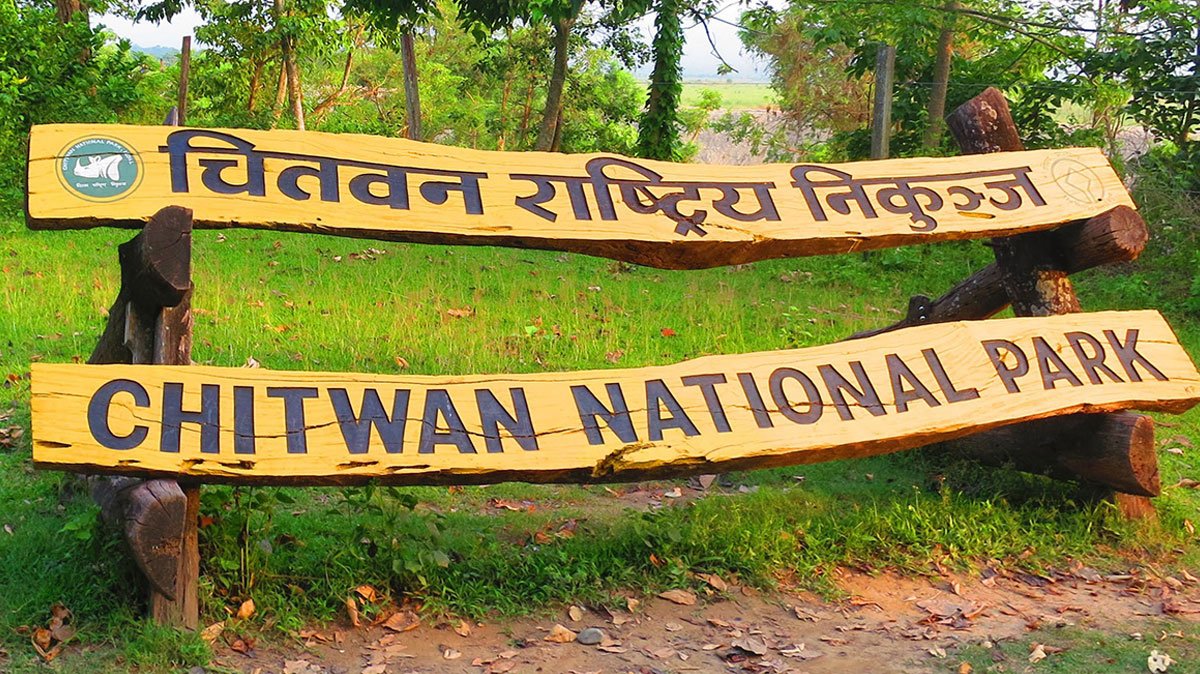
The mix of forest, open grassland, and wetland is what makes the wildlife here so varied. Most visitors to Nepal combine Chitwan with either Kathmandu or Pokhara, and the park is easy to reach from both cities.
Quick fact: Nepal's 2022 tiger survey counted 93 individual tigers in Chitwan, which is one of the most successful tiger recovery stories in the world.
Wildlife in Chitwan: What You Will See and How Likely Is It?
Chitwan is home to over 500 bird species and some of the easiest-to-spot large animals in South Asia. Knowing what to look for, where to go, and what time of day to visit makes a big difference to what you actually see.
Bengal Tigers
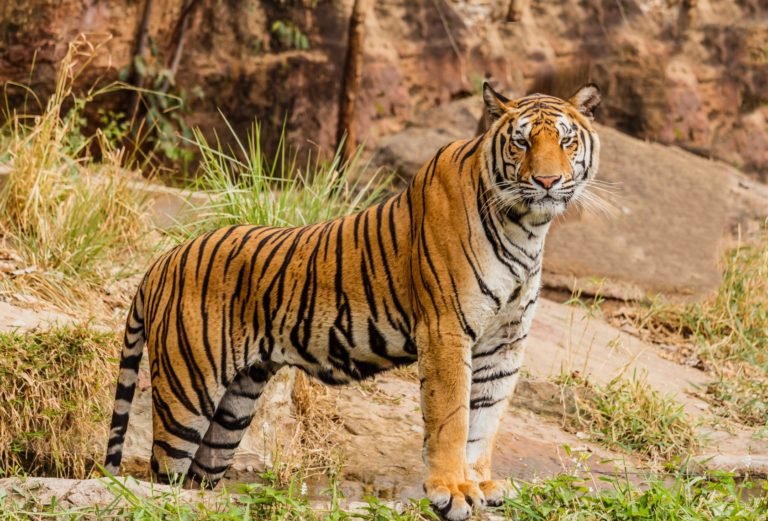
The Narayani and Rapti river paths are the best areas for tiger activity, and most guides take you there first thing in the morning.
Tiger numbers in Nepal have grown from fewer than 100 in 2010 to 93 confirmed individuals in Chitwan alone by 2022, so your chances of a sighting are better now than ever.
Low grass during the dry season makes tigers easier to spot because they have fewer places to hide.
One-Horned Rhinos
On a 3-day trip, you are very likely to see at least one rhino, and often several in a single morning. Chitwan holds the largest population of greater one-horned rhinos in Nepal, and they graze openly in the grasslands near the Rapti River.
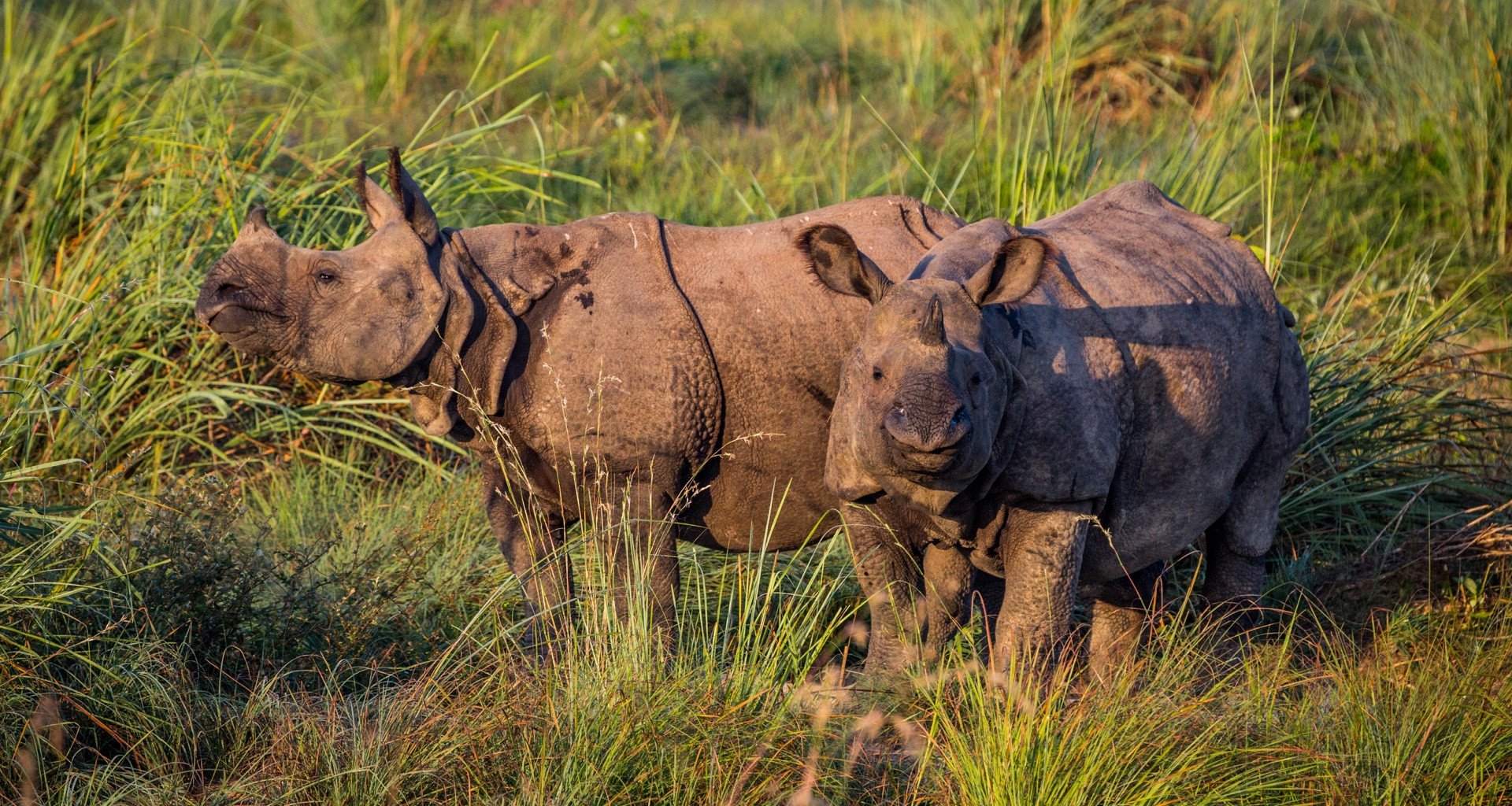
Rhinos are large, slow-moving animals that are not easily scared by jeeps, which makes spotting them far more reliable than almost any other large animal in the park.
The Sauraha riverside grasslands are the most dependable area for rhino sightings, and even a short morning walk along the river edge often results in a close encounter.
Chitwan's rhino population has grown from fewer than 100 in the 1960s to over 700 today, which is one of the greatest conservation success stories in Asia.
Wild Asian Elephants
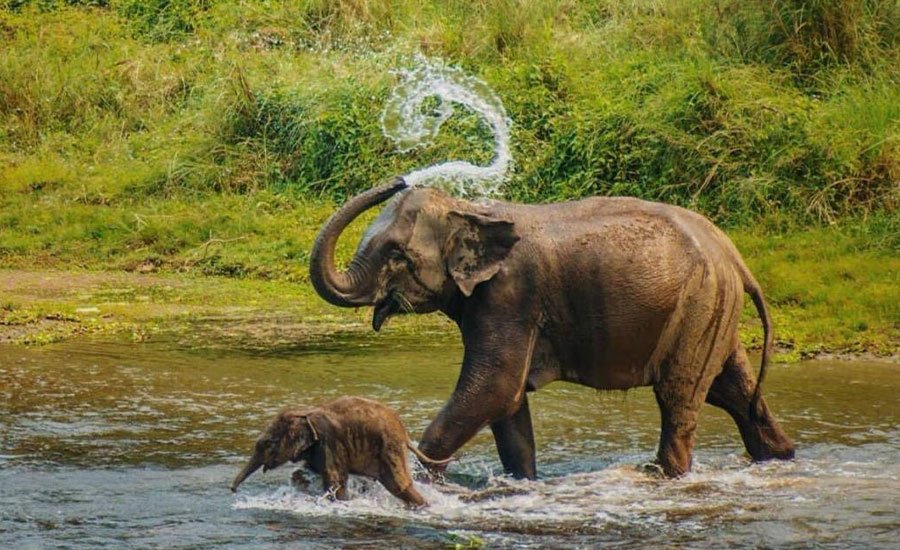
Wild elephant herds move through the western parts of Chitwan, especially near the Narayani River, and seeing a wild herd is one of the most powerful things the park can offer. These are not trained animals, and they follow their own paths through the forest.
Your best chance of seeing wild elephants is near the Narayani River corridor in the early morning between October and February.
Asian elephants are listed as endangered by the IUCN, which means any sighting is a rare and special moment.
Your guide will always keep a safe distance because wild elephants behave very differently from domesticated ones.
Gharial and Mugger Crocodiles
The Narayani and Rapti rivers are home to both gharial and mugger crocodiles, and a river trip almost always results in sightings of both types lying on the sandbanks in the sun. Gharials are one of the rarest crocodiles on earth, and Chitwan is one of the few places in the world where you can actually see one.
Gharials are listed as critically endangered by the IUCN, and Chitwan's breeding programme has been very important for keeping them alive.
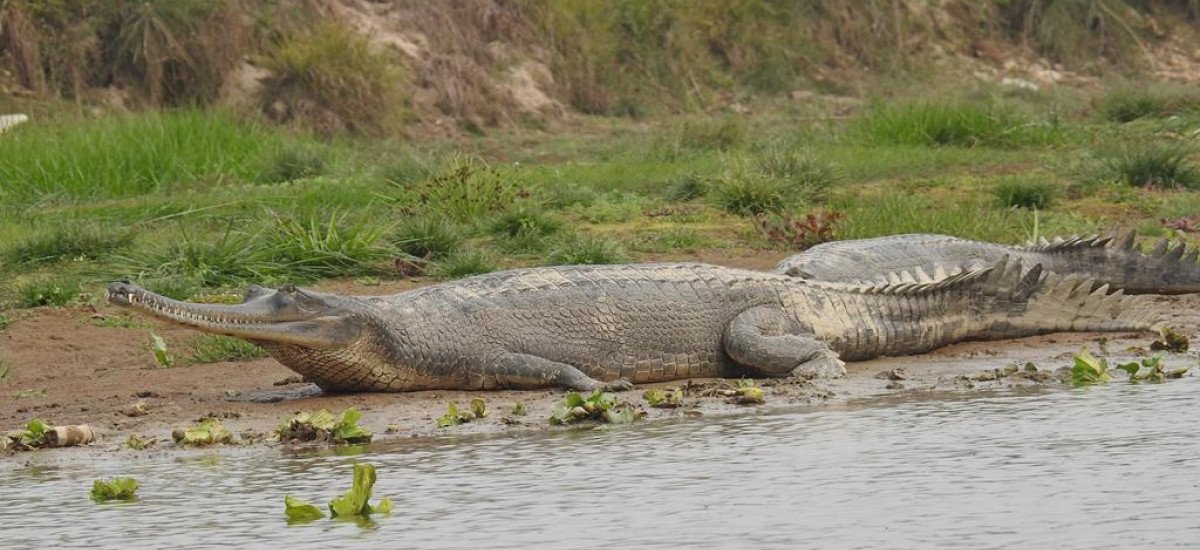
Mugger crocodiles are more common and are almost guaranteed on any morning canoe trip.
The best area for gharial sightings is the Narayani River near Kasara, where the river is wide and sandbanks are easy to see during the dry season.
Best Things to Do in Chitwan National Park
Chitwan has several ways to explore the park, and each one gives you a different view of the wildlife and the land. If you only have one day, do the jeep safari first.
Jeep Safari
A jeep safari covers the most ground and takes you into the deep grasslands and river areas where rhinos and tigers are most active in the morning. It is the best starting point for any visit and is easy for every type of traveller.
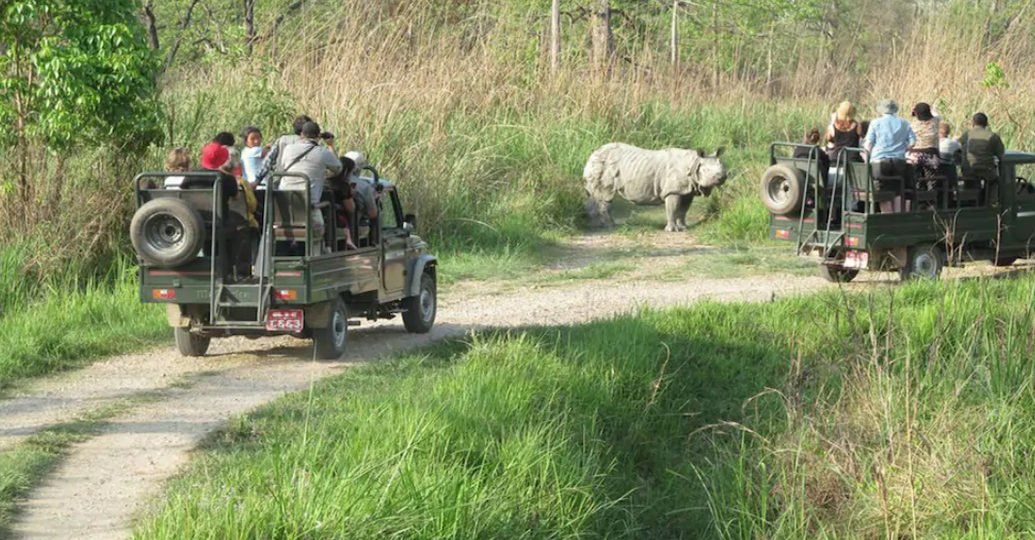
A half-day jeep safari costs USD 30 to 50 per person and runs from 6 AM to 10 AM or 3 PM to 6 PM.
A full-day jeep safari costs USD 70 to 100 per person and covers both the river area and the central grassland zones.
The difficulty level is easy because no walking is needed and you stay in the jeep the whole time.
Jungle Walking Safari
A jungle walking safari is one of the most exciting ways to experience Chitwan, and many visitors say it is the best part of their trip. You move slowly and quietly through the sal forest at dawn, noticing sounds and details that a jeep would completely miss.
The cost is USD 20 to 30 per person with a licensed guide, and the walk lasts around 3 to 4 hours starting at dawn.
The difficulty level is medium and is suitable for most adults, but it is not recommended for young children.
Jungle walks are not for everyone, but if you are comfortable walking in a wild area, this is the activity you should not skip.
Canoe and River Safari
A canoe trip on the Rapti or Narayani River at sunrise is the quietest and most peaceful way to see Chitwan from a completely different angle. You float slowly past crocodiles, waterbirds, and sometimes dolphins in the soft early morning light.
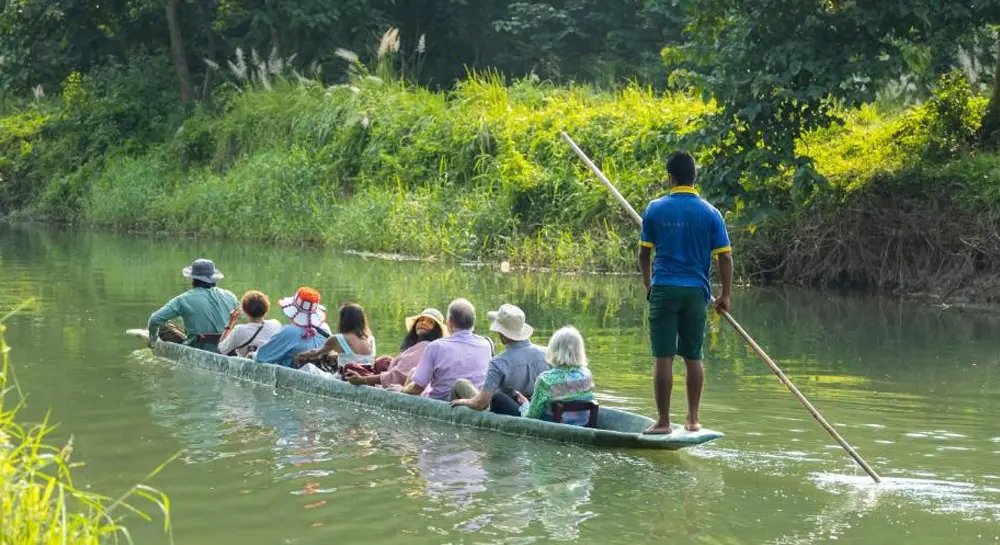
The cost is USD 10 to 20 per person and the trip lasts around 2 to 3 hours.
This activity is easy and suitable for all fitness levels and ages.
The light on the water at sunrise makes this one of the most beautiful experiences available in the park.
Tharu Village Tour
The Tharu people have lived beside this jungle for hundreds of years and they understand it better than any guidebook. A village tour arranged through your homestay host near Chitwan gives you real access to their way of life, their farming knowledge, and their relationship with the forest.
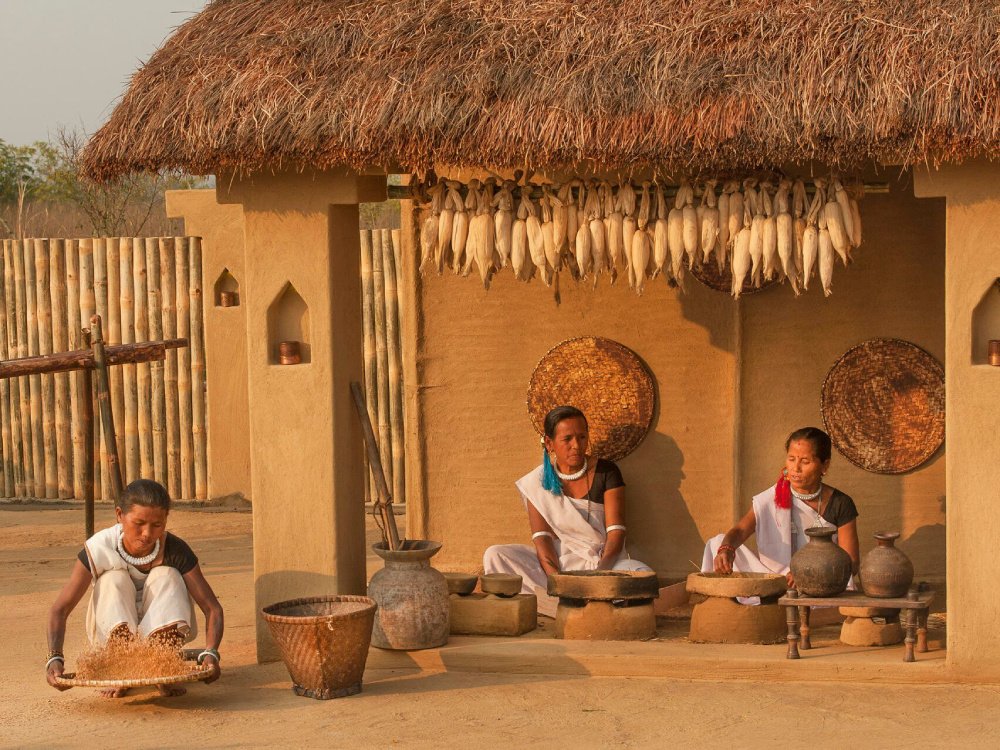
The cost is often included with your homestay stay, or around USD 5 to 10 as a separate activity.
The tour lasts 2 to 3 hours and is easy for all ages and fitness levels.
The Tharu cultural dance programme in Sauraha is held in the evenings and is worth attending if your host can arrange it.
Chitwan Safari Cost Breakdown
Chitwan is one of the most affordable wildlife destinations in Asia, and you do not need a large budget to have a great experience here. Here is what everything costs.
A 3-day trip by bus with two jeep safaris, one jungle walk, one canoe trip, and 2 nights in a homestay comes to roughly USD 150 to 250 per person. The park entry fee and guide fees are where most visitors end up spending more than they need to. The cheapest and best way to keep costs low is to book everything through your homestay host at honest local rates, rather than through online packages that charge high fees for no extra value.
Sample 3-Day Chitwan Itinerary
This is a realistic itinerary and not a perfect one. Safaris do not always start on time, and animals do not follow schedules. Build in flexibility and the trip gets better, not worse.
Day 1: Arrive and Get Your Bearings
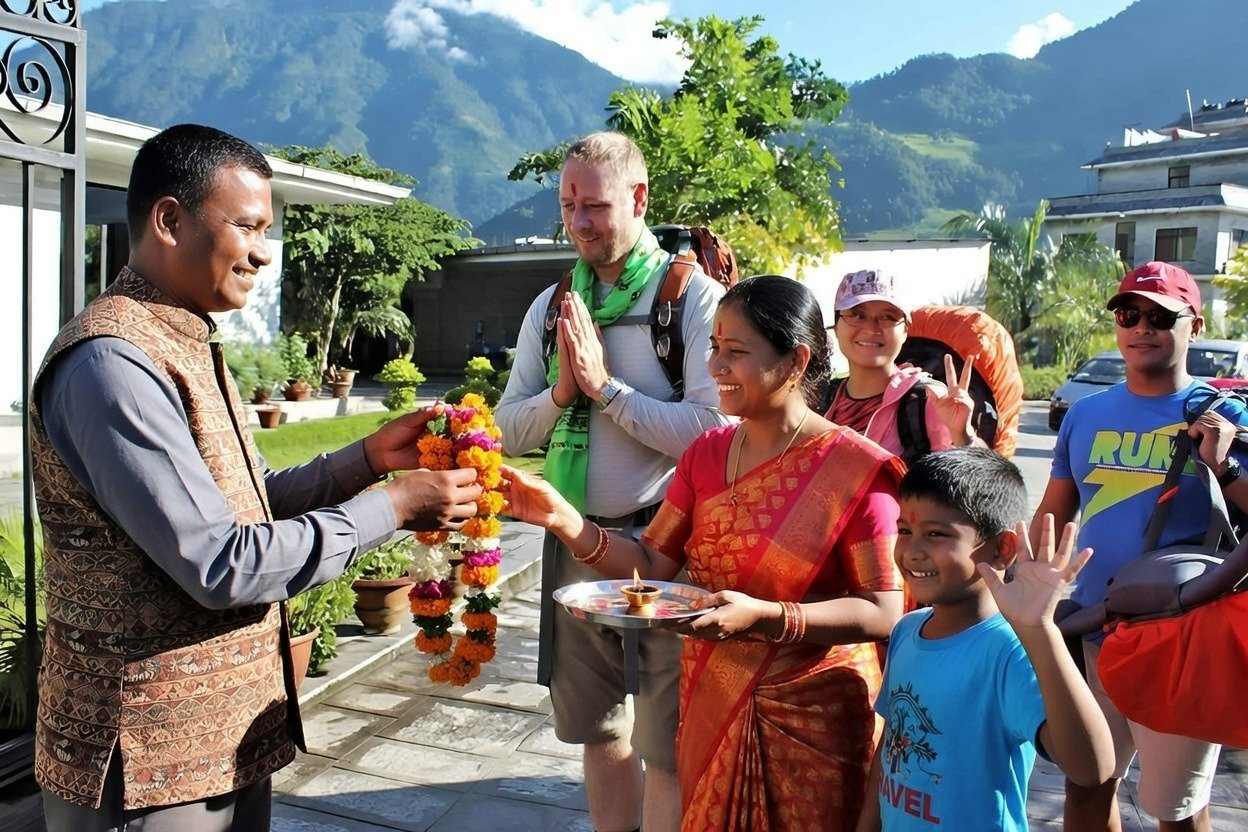
Arrive at Sauraha in the afternoon by bus from Kathmandu or by taxi from Bharatpur airport.
Check into your Tharu homestay, meet your hosts, and ask them what has been spotted in the park this week.
Walk to the Rapti River bank in the late afternoon, where rhinos are often visible grazing on the far side of the water.
Attend the Tharu cultural dance programme in the evening if your host can arrange it.
Sleep early because morning safaris start at 5:30 AM.
Day 2: Full-Day Jeep Safari and River Trip
Wake up at 5:30 AM for tea and a light breakfast before heading into the park.
Start a full-day jeep safari at 6:00 AM, going into the grassland zones first for rhinos and then toward the river area for tigers.
Return to the homestay at 1:00 PM for lunch and some rest during the hottest part of the day.
Head out at 3:30 PM for a canoe trip on the Rapti River and watch the light change on the water as the sun goes down.
Day 3: Jungle Walk and Village Tour
Wake up at 5:30 AM and head out for a jungle walking safari through the forest. Move slowly and stay quiet.
Return for breakfast at 10:00 AM and take time to rest before the next activity.
Join a guided Tharu village tour with your homestay host at 11:00 AM and ask as many questions as you like.
Use the afternoon to pack up and start your journey back toward Kathmandu or Pokhara.
How to Book a Safari in Chitwan
Booking through your homestay host is the best advice for most travellers. Tharu families near Chitwan have direct relationships with trusted local guides and they charge fair prices that reflect what the experience is actually worth.
Booking at the park gate when you arrive is also fine if you did not plan ahead, although guide quality varies more when you walk in without a recommendation.
Watch out for these warning signs when booking anywhere else:
Be careful of packages that do not clearly list what is included, specifically the guide fee, jeep cost, and park entry permit.
Avoid online operators based outside Nepal who cannot answer simple questions about the park zones or what wildlife is currently active.
Do not believe anyone who tells you that licensed guides at the park gate are not safe or trustworthy, because they are.
Every safari booking must include a licensed and armed park guide, transport if the safari is jeep-based, and a park entry permit for each day you spend inside the park.
Best Time to Visit Chitwan National Park for Wildlife
The time of year you visit changes what you see and how comfortable your experience will be. Chitwan is very much worth visiting in the right season, and worth avoiding in the wrong one.
October to February is the best window for most visitors because the grass is short after the dry season, animals stay close to water, and temperatures are cool and comfortable throughout the day.
If your main goal is seeing tigers, November and December are the best months because river levels are low and tiger movement along the banks is easy to predict.
If you want comfortable walking conditions and do not want to deal with heat, you should stay away from April onwards.
If birdwatching is important to you, February and March bring birds that travel from other countries and there is a lot of activity across the park.
From June to September, the park's main zone is partly closed because of flooding from the rains, and the roads into Sauraha can become very difficult. First-time visitors should avoid these months.
How to Get to Chitwan National Park
Getting to Chitwan is one of the easiest journeys you can make from Kathmandu or Pokhara, which is part of why it is the most visited park in Nepal.
The best option if you are short on time is to fly from Kathmandu to Bharatpur, which takes under 30 minutes and costs USD 70 to 100. From Bharatpur, it is a 30-minute taxi ride to Sauraha.
The best budget option is the tourist bus from Kathmandu to Sauraha, which costs USD 7 to 15 and takes 5 to 6 hours. These buses are comfortable and drop you close to the park entrance.
The best option if you are combining trips is to travel from Pokhara, which takes 4 to 5 hours by road and works well if you are finishing a trek in the Annapurna area before heading south.
Is Chitwan National Park Worth Visiting?
Chitwan is the most accessible major wildlife park in Nepal. The setup is better than anywhere else in the southern lowlands, guides are generally experienced, and the wildlife is reliably present and easy to spot during the dry season.
Go to Chitwan if:
Seeing rhinos and other large animals in a dependable and well-managed park is what you are looking for.
You want to spend time with a Tharu family and learn about the culture and history behind the park.
You are coming from Kathmandu or Pokhara and have 3 to 5 days available.
Choose Bardiya instead if:
You want a genuinely uncrowded and wild experience with no other jeeps sharing the trail.
You are happy to travel further and trade some comfort for a more natural wildlife experience.
You have already visited Chitwan and want to go deeper into what Nepal's southern lowlands can offer.
Chitwan earns its reputation. If you are visiting Nepal and wildlife matters to you, this park belongs on your list.
Staying in a Tharu Homestay Near Chitwan
A homestay near Chitwan is not a hotel with a pool and a jungle view, and it is important to know what to expect before you arrive. Rooms are simple and clean, bathrooms are usually shared or basic private, and meals follow a fixed schedule with breakfast around 7 AM and dinner around 7 PM.
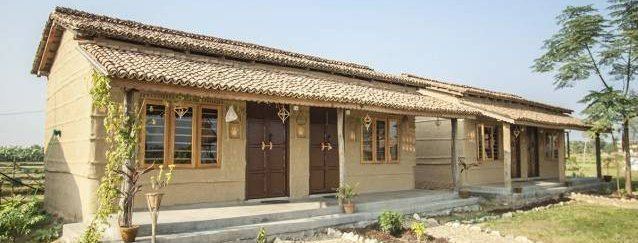
What you get in return is something no resort can offer. Your host arranges your guide, tells you what rangers spotted yesterday, and walks you to the river bank at dusk to point out where rhinos have been crossing at night. Our guide to Nepali homestay food by region shows you what to expect at the table before you arrive.
Staying in a homestay means your money goes directly to a local family rather than a distant company.
It is worth knowing that homestays in Nepal directly support women's livelihoods in a way that hotel stays simply do not.
If this is your first time staying in a homestay anywhere, the Nepal homestay visitor's guide covers everything you need to know before you arrive.
What to Pack for Chitwan
Packing for Chitwan is simple, but most first-time visitors get two things wrong. They bring bright clothing and they underestimate how bad the mosquitoes are in this part of Nepal.
Here is what to bring and why it matters:
Wear earth tones only for safaris, such as green, brown, and khaki, because bright colours disturb animals and make you easy to spot in the forest.
Pack long-sleeved light shirts and trousers for evenings and walks because mosquitoes near the river become active from sunset onwards.
Bring a pair of binoculars because they make a bigger difference in a jungle park than almost anywhere else you will visit.
Take malaria prevention medicine after speaking to your doctor before you travel, not after you arrive.
Pack walking shoes that you have already worn in before the trip because new boots will ruin a morning jungle walk very quickly.
Our full Nepal homestay packing list covers everything else you need for a comfortable trip.
Final Thoughts
Most people who visit Chitwan came for the rhinos and stayed for the mornings on the river. Most of those same people start looking for reasons to come back before they have even left. That says enough.
If you want to see what staying local actually looks like, browse our best homestays in Nepal across community circuits. And if Chitwan is the one, Tharu village homestays near the park is where to start.
FAQ: Chitwan National Park
How many days do you need in Chitwan National Park?
Three full days is the minimum to experience the park properly. That gives you two jeep safaris, one jungle walk, and one river trip. Four or five days gives you more chances at tiger sightings and time for a Tharu village tour without any rushing.
How much does a Chitwan safari cost?
A half-day jeep safari costs USD 30 to 50 per person. A full-day safari costs USD 70 to 100. Jungle walks cost USD 20 to 30 per person. Park entry is USD 20 per day for foreign visitors. A full 3-day trip by bus with homestay accommodation and activities comes to roughly USD 150 to 250 per person.
Can you visit Chitwan National Park without a guide?
No. Entry into the main park area requires a licensed guide at all times. This is both a legal requirement and a real safety rule. Solo entry into the park is not allowed under any circumstances.
Is Chitwan or Bardiya better for tiger sightings?
Bardiya generally offers a quieter and more natural tiger experience because far fewer people visit. Chitwan has more tigers in total and better facilities, but there are more visitors competing for sightings at the same time. If ease and accessibility are your priority, choose Chitwan. If you want a wilder and more private encounter, choose Bardiya.
Is Chitwan safe for solo travellers?
Yes, Chitwan is safe for solo travellers who follow standard park rules. You should always enter the jungle with a licensed guide and carry good insect repellent. The main health risks are mosquito-related illnesses, which can be prevented with the right steps before you travel.
Is Chitwan an expensive destination?
No. Chitwan is one of the most affordable wildlife destinations in Asia. A full day that includes a jeep safari, park entry, and a homestay night with meals costs well under USD 100 per person, which is much cheaper than similar parks in India or Sri Lanka.
Company Admin
Travel writer sharing authentic stories and experiences from Nepal's beautiful homestays.