Introduction

When I first arrived with my family in a quiet Nepali village, my daughter ran toward a calf grazing in the courtyard while my host mother smiled, holding a plate of warm sel roti. My son was already playing with the neighbor’s children, laughing in a language none of them spoke. That evening, as we sat around the hearth sharing dal bhat, I realized something profound: family homestays in Nepal aren’t just places to stay, they're safe spaces where curiosity and kindness thrive together.
In an era where travel often feels transactional, family-run homestays offer something rare. Whether you’re a parent planning a cultural trip, or grandparents introducing your grandchildren to the Himalayas, these experiences blend comfort, connection, and education in ways hotels never can.
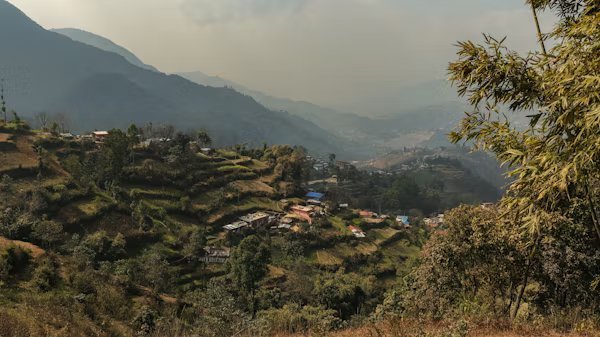
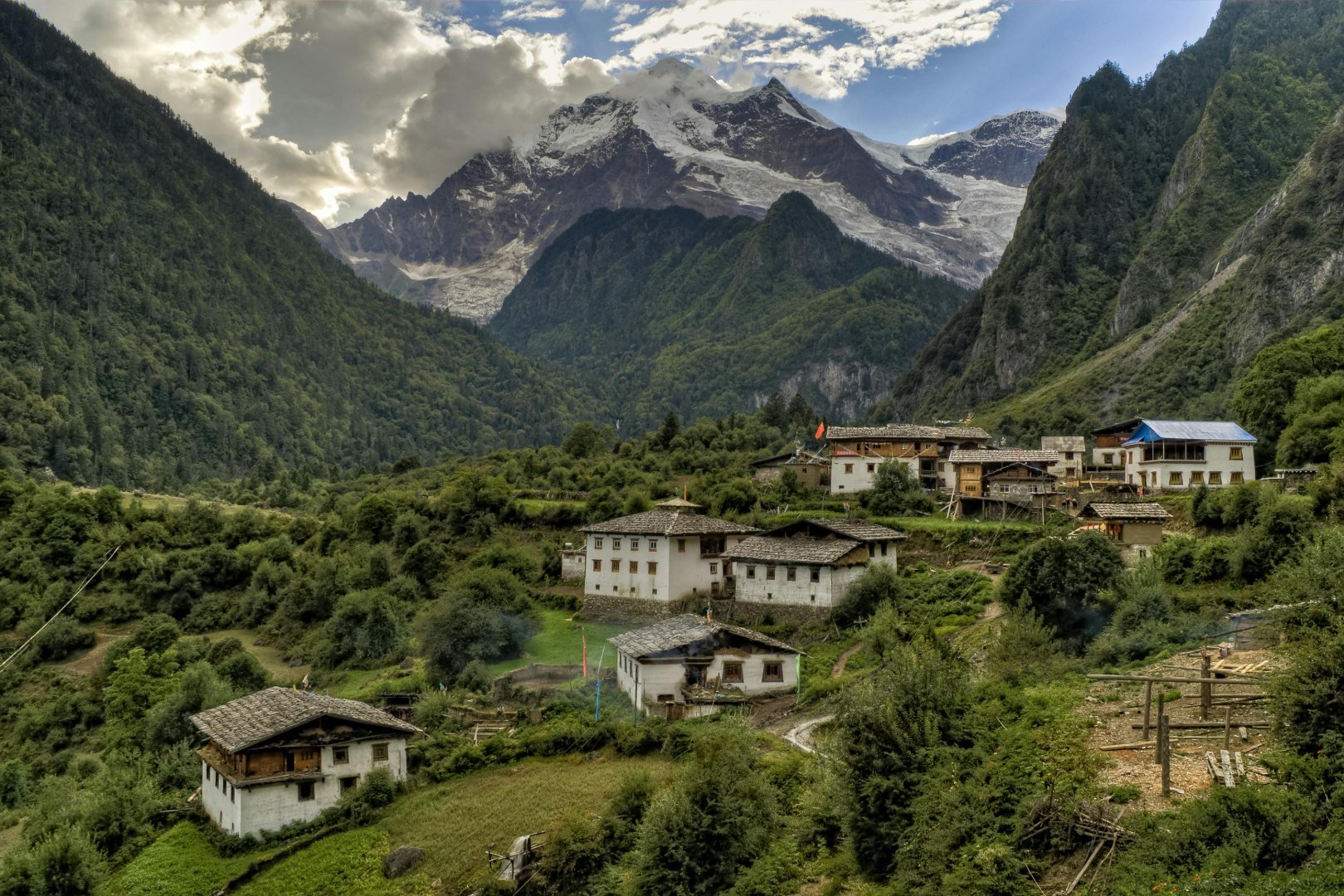
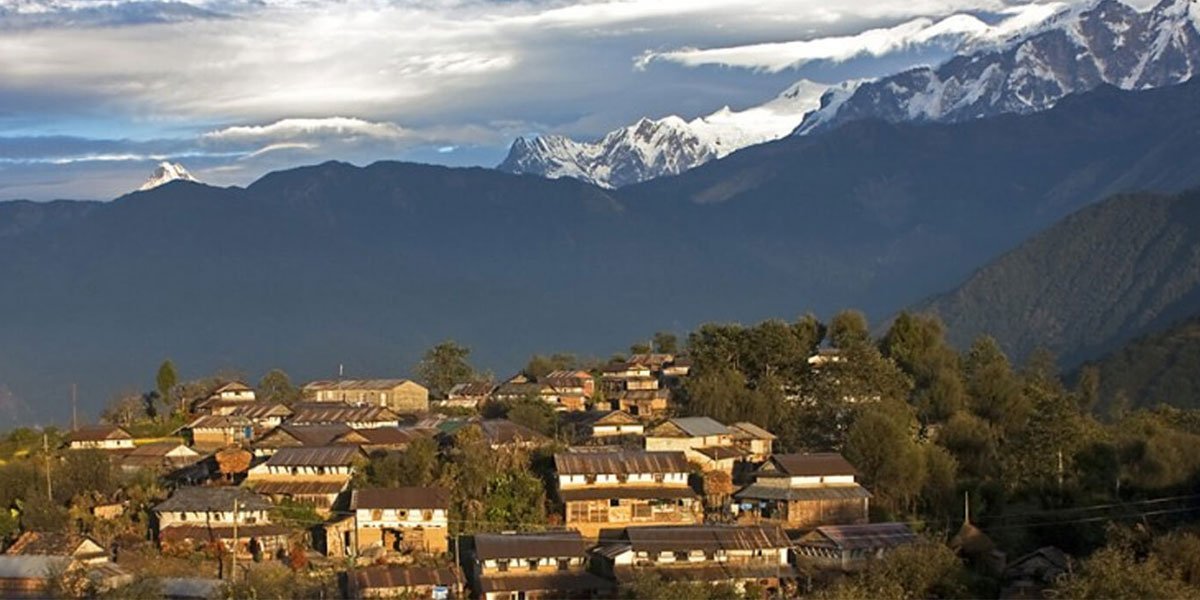
You can find perfect homestays if you explore more on the rural side of Nepal where there is rich cultural and traditional activities.
Why Families Choose Homestays Over Hotels
1. Safe, Family-Run Environments
Nepali hospitality is rooted in family values. Many hosts are parents or grandparents themselves, ensuring an atmosphere that feels protective and personal. Guests often share the same courtyard, dine together, and are treated like extended relatives.
“We never lock our kitchen,” laughs Rita Gurung, a host mother from a hill village. “Our guests are like cousins visiting from far away.”
2. Cultural Immersion for All Ages
Children learn naturally by observing. In a homestay, lessons happen beyond textbooks, milking cows, planting rice, or helping make momos. Parents watch their kids engage respectfully with a different rhythm of life.
3. Authentic Food, Not Filtered Flavors
Meals are cooked fresh with local produce. Even picky eaters fall in love with dal bhat, vegetable curries, and sweet rice desserts.You get the taste of authentic and traditional Nepali foods during your homestay stay.
4. Better Value for Families
Homestays provide more room and meals at a fraction of hotel costs. Family travelers save significantly without compromising on comfortsee cost comparisons below.
Pricing and Accommodation Options for Families
Homestays charge per-person rates but often offer family discounts for longer stays. Prices include basic amenities and homemade meals. For budget tips, check Budget Travel in Nepal: How Homestays Help You Save and Experience More.
Meals, Hygiene, and Family Comfort
A traveler from France who stayed with me in the same homestay shared:
“Our daughter learned to eat with her hands here, it was her favorite part of the trip.”

Meals, hygiene and family comfort matters most for the beautiful experience during staying in homestays in Nepal.
Meal Hygiene:
Homestays usually provide boiled or filtered water and cook with fresh, local produce, helping prevent common stomach issues for kids and adults.Food Style:
Meals are often mildly spiced with organic vegetables, making them naturally kid-friendly and easy for children to enjoy.Bathrooms & Laundry:
Most homestays offer clean shared or attached bathrooms, along with simple laundry options, which adds comfort for families staying multiple nights.Safety Measures:
Surroundings are well-lit, homestay pathways are safe, and hosts ensure there are no stray animals near sleeping areas—giving parents peace of mind.Cultural Etiquette Guidance:
Hosts gently explain local mealtime customs to children, helping them build cultural awareness, confidence, and respect.
Family-Friendly Activities at Homestays
“We don’t plan activities,” says host Kiran Shrestha, “We just share our life and kids find joy in that.”
For families who love immersive experiences, you may also enjoy Festivals of Nepal You Can Experience During a Homestay, where children can learn local music, dance, and traditions firsthand.
Voices from the Kitchen Table

“We came to show our kids another world,” says a traveler from France who stayed with me in the same homestay. Instead, they showed us what connection really means.
“Children help us cook and learn songs,” smiles Saraswati, a host mother. “It’s never just a guest, it's family helping family.”
Why Homestays Are Ideal for Cultural Family Learning
Real Education: Kids learn cultural empathy, patience, and gratitude through participation.
Shared Joy: Parents see their children adapt with open hearts and curiosity.
Cultural Continuity: Staying with families helps preserve local knowledge for the next generation.
Homestays are ideal for cultural family learning because they immerse children and parents directly into everyday Nepali life. Instead of observing culture from a distance, families share meals, join simple routines, learn greetings, and connect with host grandparents, parents, and kids. These moments create natural curiosity, children ask questions, try new foods, and experience traditions through play rather than explanation. Families return home not just with photos, but with shared memories that deepen understanding and appreciation for cultural diversity.
Conclusion
A family homestay in Nepal is more than accommodationit’s an education in empathy, gratitude, and togetherness.From making momos with hosts to listening to folk tales under candlelight, every day becomes a shared lesson in humanity.
Parents find reassurance in safety and care, while children gain curiosity and courage.
These aren’t vacations, they're stories your family will retell for years, the kind that start in a small village kitchen and end with a heart full of Nepal.
“You come as guests,” said our host father before we left, “but you leave as part of our family.”
FAQs
1. Are family homestays in Nepal safe for small children?
Yes. Family homestays in Nepal are generally very safe for small children because most hosts are parents or grandparents themselves. They understand how to create a secure environment with fenced courtyards, clean sleeping areas, and a watchful eye on young guests. Many villages operate as close-knit communities where everyone knows one another, which adds an extra layer of comfort and safety for traveling families.
2. Do hosts offer kid-friendly meals?
Absolutely. Hosts prepare mild curries, boiled vegetables, and rice suited to young travelers’ tastes.
3. What activities are suitable for children under 10?
Absolutely. Hosts are used to preparing meals for children and often adjust spices, portion sizes, and ingredients to suit younger travelers. Meals usually include mild curries, boiled vegetables, locally sourced grains, and rice simple, healthy foods that most children enjoy. Many hosts are happy to adapt dishes if your child prefers something lighter or less spicy.
4. Are homestays suitable for families with babies or toddlers?
There are plenty of engaging, hands-on activities perfect for younger kids. Homestays often invite children to join in simple cooking, small gardening tasks, art or craft workshops, singing sessions, and short nature walks around the village. These experiences allow children to learn through play and interaction rather than structured lessons, making the cultural experience both fun and memorable.
5. How do I book a verified family homestay?
Visit Homestay in Nepal and filter by “Family-Friendly” or “Cultural” categories for trusted listings. These vetted homestays come with reviews, photos, and clear descriptions, helping you choose a safe and comfortable experience for your family.
6. What is the best time for family travel in Nepal?
The ideal time for family travel in Nepal is from October to April, when the weather is mild, the skies are clear, and outdoor activities are more enjoyable. These months are perfect for village walks, cultural festivals, and comfortable homestay living. Families usually find this period easier for exploring without dealing with heavy rain or intense summer heat.
Business
Travel writer sharing authentic stories and experiences from Nepal's beautiful homestays.