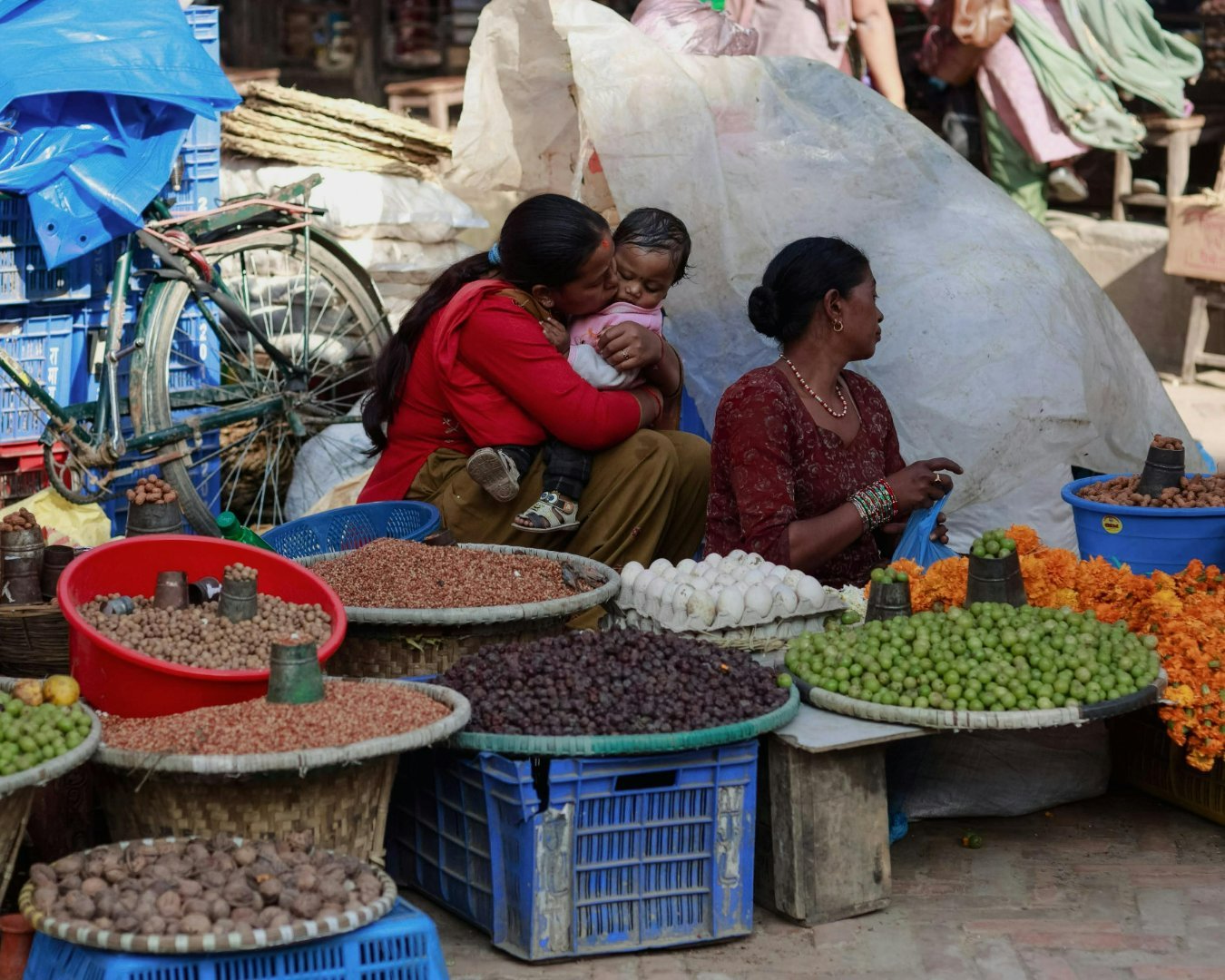
Homestay meals in rural Nepal come directly from nearby fields and family kitchens. By eating what families grow and cook daily, travelers experience food that reflects land, season, and tradition in its most honest form.
In rural Nepal, food does not travel far before reaching the plate. Fields are close to homes, seasons guide what is grown, and families depend on the land for daily meals. This close connection between farming and food is one of the most meaningful parts of staying in a homestay.
Homestay meals in Nepal are not planned to impress guests. They are prepared as part of everyday life, using what families grow, store, and share. When travelers eat in homestays, they experience food that reflects land, season, and tradition.
Understanding how meals are sourced in rural homestays helps travelers appreciate not just what they eat, but where it comes from and why it matters.
Food Begins in the Fields
In many rural villages, homestay families grow their own food. Small plots of land around the house are used to grow vegetables, grains, and herbs. These fields may not look large, but they provide much of what the family eats.
Guests staying in homestays often notice:
Vegetable gardens near the house
Fields of rice, maize, or millet nearby
Seasonal crops growing at different times of year
This closeness means food moves directly from farm to kitchen, often on the same day it is harvested.
Seasonal Eating Is a Way of Life
In rural Nepal, meals change with the seasons. Families eat what grows naturally at that time of year.
Guests may experience:
Fresh greens and vegetables during warmer months
Stored grains and dried foods in colder seasons
Seasonal fruits when available
There is no fixed menu. Meals depend on harvest, weather, and availability. This seasonal approach makes food feel honest and connected to nature.
Travelers who want to understand rural life begin to see how seasons shape daily choices, especially through food.
From Harvest to Kitchen
The journey of a homestay meal is simple.
It often looks like this:
Crops harvested from nearby fields
Vegetables cleaned and prepared at home
Meals cooked slowly in family kitchens
Food served and eaten together
Guests may see family members returning from fields with baskets of vegetables or grains. This direct process helps travelers understand how much care and effort goes into each meal.
Living in a homestay allows guests to witness how food is grown and prepared as part of everyday village life, not as a special activity.
Traditional Cooking Methods
Homestay meals are usually prepared using traditional methods passed down through generations.
Common practices include:
Cooking over gas or wood-fired stoves
Using simple tools and utensils
Preparing food fresh each day
These methods may take more time, but they allow flavors to develop naturally. Meals are cooked with patience rather than speed.
Guests often find that simple dishes taste richer when prepared with care and local ingredients.
Food Shared, Not Served
One of the most important parts of homestay meals is how they are shared.
In many homes:
Family members and guests eat together
Food is served from shared dishes
Conversation is part of the meal
Eating together creates a sense of connection. Meals are not rushed. Guests are encouraged to eat comfortably and take part in conversation.
Through these shared meals, travelers experience traditional Nepali food as it is eaten in local homes, not as something prepared for visitors.
Minimal Waste, Maximum Respect
Rural homestay families waste very little food. Because food comes from their own labor, it is valued deeply.
Guests may notice:
Leftovers saved carefully
Vegetable scraps used for animals or compost
Careful portioning during meals
This approach reflects respect for land, effort, and resources. It also shows how sustainability exists naturally in farming communities, without labels or campaigns.
Understanding how rural homestays support sustainable living through everyday food practices helps travelers see sustainability in action.
Farming and Food as Family Work
Food sourcing in rural Nepal is a shared responsibility. Family members of all ages contribute in different ways.
Guests may observe:
Elders guiding farming decisions
Adults working in fields and kitchens
Children helping with small tasks
This shared effort strengthens family bonds and keeps knowledge alive across generations. Guests see food not as a product, but as a result of cooperation and care.
Guests Are Welcome to Observe, Not Expected to Help
While guests may see farming and cooking activities, they are not expected to participate unless they wish to. Some guests enjoy helping with small tasks, while others prefer to watch and learn.
Hosts usually:
Invite guests gently
Respect comfort levels
Share stories rather than instructions
This keeps the experience relaxed and respectful.
Why This Matters to Travelers
For many travelers, food is one of the strongest memories of a trip. In homestays, meals tell a deeper story.
Guests leave with:
Appreciation for local ingredients
Understanding of seasonal living
Respect for farming labor
Awareness of food’s true value
These lessons stay with travelers long after they return home.
What Is Missed Without Homestays
Travelers who stay only in hotels often miss:
Seeing where food comes from
Understanding seasonal eating
Sharing meals as a family
Learning through daily routines
Homestays offer these experiences quietly, without planning or explanation.
A Slower, More Meaningful Way to Eat
Homestay meals encourage a slower pace. Food is prepared and eaten without hurry. Guests learn to sit, eat, and talk without distractions.
This slower rhythm helps travelers reconnect with food as nourishment rather than convenience.
Why Farm-to-Plate Matters in Nepal
In Nepal, food is closely tied to land, culture, and survival. Homestays protect this connection by keeping meals local, seasonal, and shared.
They allow families to continue farming traditions while welcoming guests in a respectful way.
This balance helps rural communities stay strong and proud of their way of life.
Plan a Farm-to-Plate Homestay Experience with Nepal Homestays
If you want to understand Nepal through its food, land, and daily routines, homestays offer a meaningful path.
Through Nepal Homestays, travelers can find trusted family-run and community homestays across Nepal, where meals come directly from nearby fields and kitchens.
Eat simply.
Live locally.
Experience Nepal through its homes.
Frequently Asked Questions
1. Are homestay meals always made from local ingredients?
Most homestay meals use locally grown and seasonal ingredients, often from the family’s own fields or nearby farms.
2. Can guests request special food in homestays?
Guests can usually share dietary needs in advance, but meals are based on what families cook daily.
3. Is the food safe to eat in rural homestays?
Yes. Homestay families prepare food carefully using fresh ingredients and clean cooking practices.
4. Do guests have to help with farming or cooking?
No. Participation is optional. Guests are welcome to observe or help only if they are comfortable.
5. Why do homestay meals taste different from restaurant food?
Homestay meals are fresh, seasonal, and home-cooked, reflecting local farming and traditional methods.
Company Admin
Travel writer sharing authentic stories and experiences from Nepal's beautiful homestays.