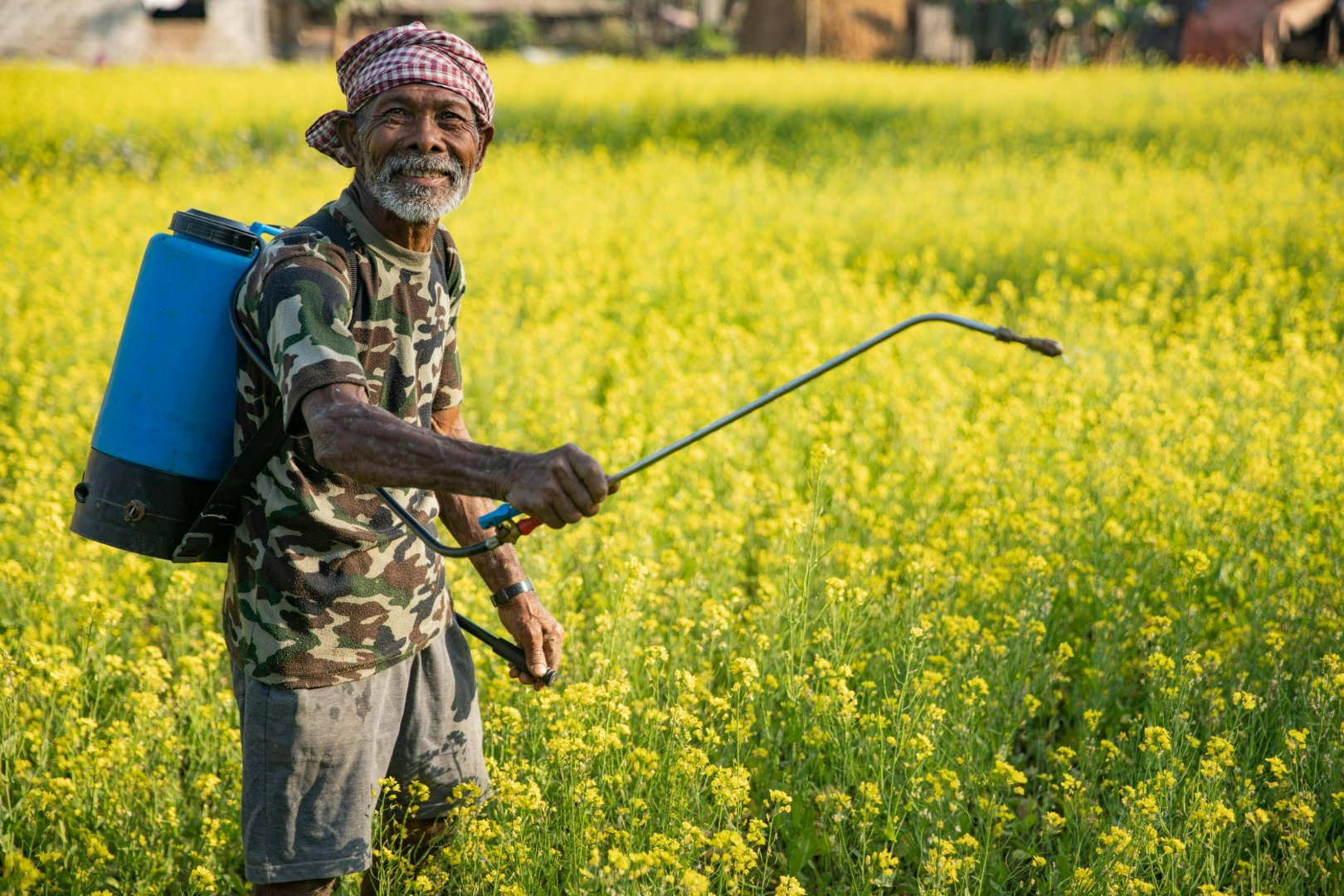
In many parts of Nepal, farming is not just an occupation. It is a way of life. Fields surround homes, seasons guide daily routines, and families depend on the land for food, income, and identity.
Homestays in Nepal are closely connected to this farming life. When guests stay in village homes, they do not just sleep under a roof. They live alongside families whose days are shaped by soil, weather, and harvests. This connection to the land offers travelers a deeper understanding of Nepal that goes far beyond sightseeing.
Through homestays, guests experience what it truly means to live with the land in Nepal.
Farming Is Part of Everyday Life
In rural Nepal, farming is woven into daily routines. Most homestay families grow at least some of their own food. Fields may be small, but they are carefully tended.
Guests staying in homestays often notice:
Early mornings starting with farm work
Family members heading to fields together
Seasonal planting and harvesting
Quiet afternoons shaped by weather
These routines are not created for visitors. They are part of normal life. Living in a homestay allows guests to see farming as it truly is, steady and deeply connected to survival and tradition.
Learning About the Land Through Observation
Homestays offer a unique way to learn about farming, not through explanation but through observation.
Guests may see:
How crops are grown without machines
How families store food for different seasons
How animals are cared for
How land is respected and protected
This learning happens naturally. No one gives lessons. Guests simply live alongside the family and begin to understand how much care and effort go into daily food production.
Travelers who want to understand Nepal beyond cities often find this experience more meaningful than guided tours.
Seasonal Life Shapes Everything
In farming communities, seasons decide what happens each day. Planting, harvesting, resting, and celebrating all depend on time of year.
Guests staying in homestays begin to notice:
Different foods served in different seasons
Changes in daily work routines
Festivals linked to harvest cycles
Weather influencing daily plans
This connection helps guests understand why life in Nepal moves at a different pace. The land sets the rhythm, not clocks or schedules.
Food That Comes Directly From the Fields
One of the most powerful ways farming life is experienced in homestays is through food.
Meals are often prepared using:
Vegetables grown nearby
Grains harvested from family fields
Seasonal ingredients
Simple cooking methods
Guests eat what the family eats, often at the same table. Through this, they understand traditional Nepali food as part of farming and daily family life, not as something prepared for tourists.
Food tastes different when you know where it comes from. This connection between land and plate is something many travelers miss when staying only in hotels.
Farming as a Family Effort
Farming in Nepal is rarely done alone. It is a shared responsibility across generations.
Guests observe:
Elders guiding younger family members
Children helping after school
Neighbors assisting during busy times
Work shared according to ability
This shared effort shows how farming strengthens family bonds and community ties. Guests see cooperation in action, not as a concept but as a daily necessity.
Homestays offer a window into this collective way of living that is difficult to understand from the outside.
Living Simply, Living Sustainably
Farming life encourages simplicity. Families use what they have and waste very little.
Guests often notice:
Reuse of household items
Careful use of water
Composting and natural fertilizers
Respect for land and resources
This way of living reflects values passed down through generations. It also shows how sustainability exists naturally in farming communities, without modern labels.
Understanding how homestays support sustainable rural life in Nepal helps travelers see farming not as backward, but as balanced and thoughtful.
Guests Are Welcome, Not Expected to Work
While guests may see farming activities, they are not expected to participate unless they wish to. Some guests enjoy helping with small tasks, while others simply observe.
Hosts usually:
Invite guests gently
Respect comfort levels
Share stories rather than instructions
This approach keeps the experience relaxed and respectful. Learning happens naturally, without pressure.
The Role of Farming in Community Life
Farming connects families to the wider community. Harvests are shared, tools are borrowed, and labor is often collective.
Guests staying in homestays may notice:
Neighbors working together
Shared celebrations after harvest
Community support during difficult seasons
These moments help guests understand that farming is not only about food. It is about relationships and survival together.
Homestays allow guests to witness this community spirit firsthand.
What Travelers Often Miss Without Homestays
Travelers who stay only in hotels often miss:
The effort behind daily meals
The patience required for farming
The connection between people and land
The pride families take in their fields
Homestays offer these insights quietly, through daily life rather than explanation.
Understanding what real village life feels like inside a farming homestay changes how travelers see Nepal and its people.
Respecting Farming Life as a Guest
Staying in a farming household comes with responsibility. Guests are encouraged to:
Respect daily routines
Avoid disturbing work schedules
Be patient with slower pace
Appreciate simplicity
This respect strengthens the experience and allows meaningful exchange between guests and hosts.
Why Farming Life Matters to Nepal’s Future
Farming continues to support millions of families in Nepal. Homestays help keep this way of life valued and visible.
When travelers stay in homestays:
Farming traditions gain recognition
Families earn income without leaving land
Young people see value in rural life
This balance helps communities continue living with the land rather than abandoning it.
A Deeper Way to Experience Nepal
Living with farming families offers travelers a different perspective. It shows Nepal not as a destination, but as a living landscape shaped by people and land together.
Guests leave with:
Greater respect for food and labor
Understanding of rural life
Appreciation for simplicity
Meaningful personal memories
These lessons stay long after the journey ends.
Plan a Farming Homestay Experience with Nepal Homestays
If you want to experience Nepal beyond cities and tourist routes, homestays connected to farming life offer a meaningful path.
Through Nepal Homestays, travelers can find trusted family-run and community homestays across Nepal, where living with the land is part of everyday life.
Travel slowly.
Live close to the land.
Experience Nepal through its homes.
Frequently Asked Questions
1. Do guests need farming experience to stay in a homestay?
No. Guests are not expected to farm. Observing daily life is enough to learn and appreciate the experience.
2. Can families with children stay in farming homestays?
Yes, farming homestays are often family-friendly and safe, with open spaces and calm environments.
3. What kind of food is served in farming homestays?
Food is usually home-cooked using local and seasonal ingredients, often grown by the family.
4. Are farming homestays comfortable for travelers?
Comfort is simple but sufficient, focusing on cleanliness, warm meals, and personal care.
5. How do farming homestays support local communities?
They provide direct income, value traditional farming practices, and encourage sustainable rural living.
Company Admin
Travel writer sharing authentic stories and experiences from Nepal's beautiful homestays.