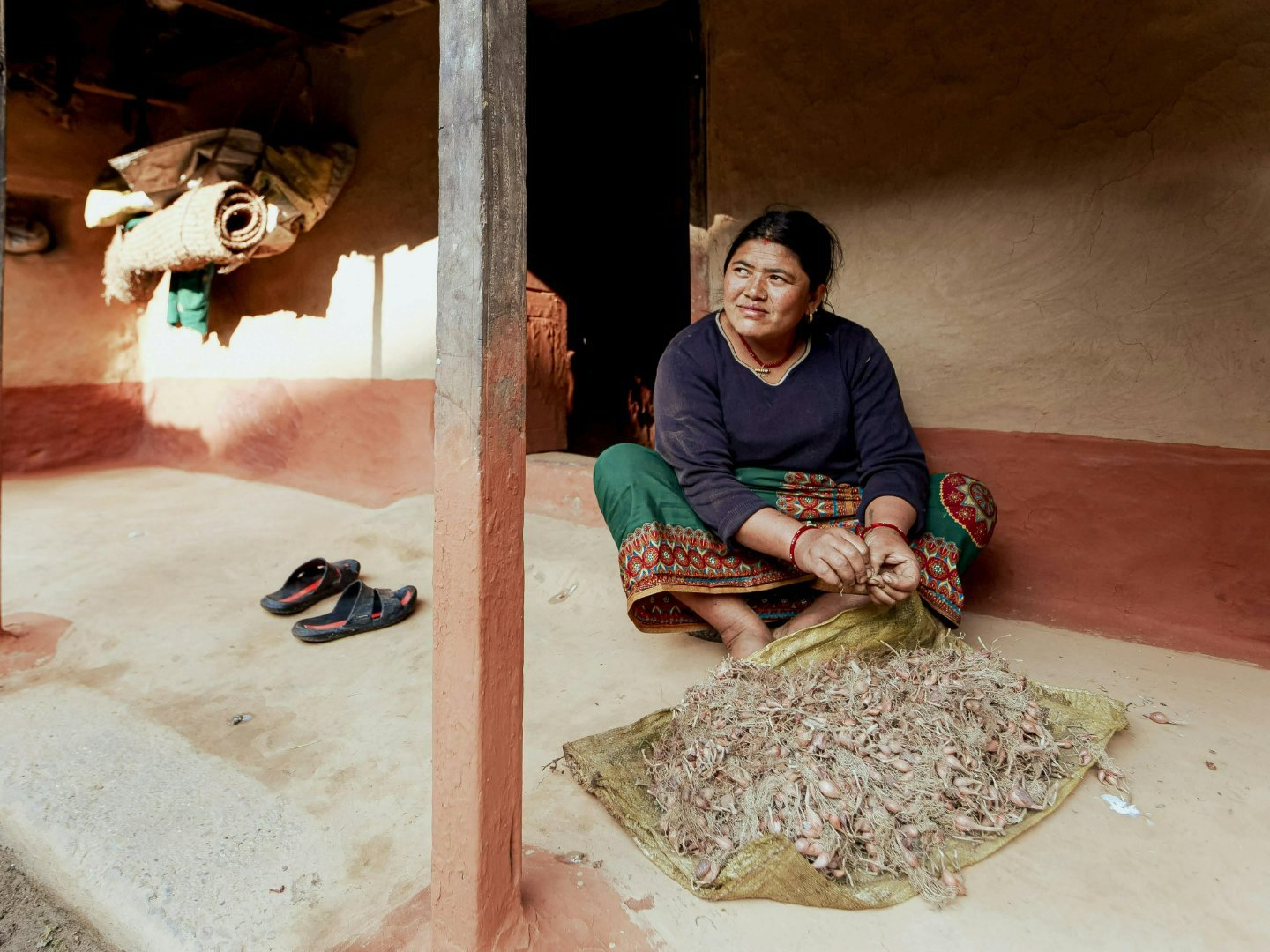
In rural Nepal, women work sixteen-hour days cooking, cleaning, and hosting, yet earn nothing. This invisible labor keeps families alive but gives women no financial freedom. Homestays in Nepal are changing that.
In rural Nepal, millions of women work sixteen-hour days. They cook, clean, host relatives, grow vegetables, and make cloth. This work keeps families alive but creates no money, shows up in no records, and gives women no financial freedom. A woman can work harder than anyone in her household and still have no money she controls.
This invisible labor has sustained Nepali communities for generations. But it's also kept women economically dependent, unable to make their own choices, and trapped in cycles of poverty that pass from mother to daughter.
Until their homes become homestays in Nepal. That's when everything changes.
How Homestays Turn Daily Chores Into Real Income
Homestay tourism does something amazing. It turns the exact activities that kept women poor into ways to earn money. The same skills that kept women broke become their way to make real income, and it happens without leaving home, leaving children, or learning completely new jobs.

Think about what changes when a village home starts welcoming tourists. When you stay at homestays in Nepal, you help create these opportunities:
Cooking for family becomes a food business that guests pay for directly, turning daily meal making into a skill that earns money.
Cleaning the home becomes running a guest house that needs skill and care, making tidiness and organization worth real money.
Hosting relatives turns into a paid accommodation business that creates steady income, changing traditional hospitality into a business.
The kitchen garden that fed the family now gives farm-fresh food experiences that tourists travel across the world to enjoy.
Making cloth and crafts become products sold to visitors who want real traditional items, turning evening handwork into income.
Knowing about local plants helps create guided walks and plant tours that show knowledge visitors can't find anywhere else.
No other development program does this. Factory work makes women leave home and children. Office jobs need formal education most rural women don't have. Moving to cities separates families and puts women at risk. Small loans often help businesses run by men. Homestays in Nepal change existing skills, done in familiar places, with family nearby, into income women actually control.
Homestays Beat Every Other Option
Research measuring women's money power across different work types shows huge differences. Looking at income control, decision-making power, property ownership, and problems faced, the numbers show a clear winner. Homestays in Nepal don't just slightly beat other work types, they win by a huge amount.
Homestays in Nepal score twelve times higher on women's money power than the next best choice. Why such a big difference? A woman running a homestay gets payment directly from guests instead of through bosses or middlemen who take a cut. She makes daily business choices on her own about prices, menus, and guest services. She works from property she lives in, often owned together with her husband, which means she's building value in something she owns. She faces very few blocks to starting because no certificates are needed, there's no travel to work, and there's no childcare problem when work happens at home.
The tourism business already has the most female managers among all work types in Nepal. Homestays in Nepal take this pattern into rural areas where formal manager jobs don't exist.
Where Women Spend Makes All the Difference
Here's something development experts have known for a long time. Money controlled by women creates different results than money controlled by men. This isn't saying men are bad, it's a proven pattern about how family money works across cultures and countries. Where money goes matters as much as how much money there is, and women tend to spend on things that help families in the long run.
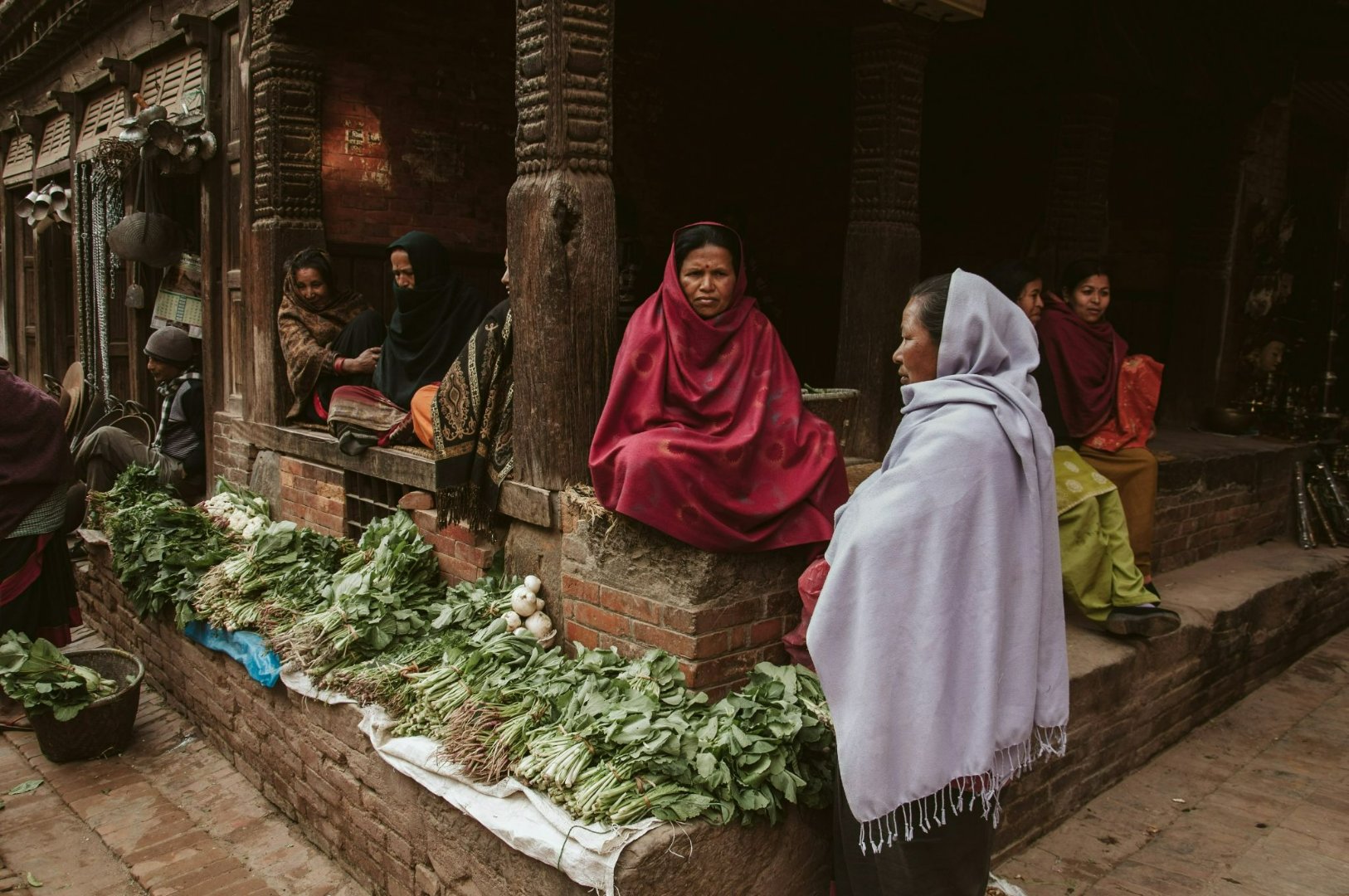
Women spend more heavily in areas that change family futures:
Children's food gets much better, with higher quality food, more variety, and focus on what kids actually need for healthy growth instead of just filling stomachs.
School spending goes up on fees, uniforms, and supplies, but more importantly, daughters stay in school longer instead of being taken out for early marriage or house work.
Health spending moves toward preventing sickness, getting shots, and prenatal visits, treating illness before it becomes serious and expensive instead of waiting for emergencies.
Home improvements focus on water systems, bathrooms, and cooking tools that make women's daily work easier across the entire family, making life better for everyone.
When a homestay puts money in a woman's hands, the entire household benefits in ways that money controlled by men often doesn't create. Children eat better, stay healthier, and get more education. The cycle of poverty breaks in ways that factory wages or money from family abroad rarely achieves.
The Safety Factor
Development programs that claim to help women often put them at new risks that nobody wants to discuss openly. Factory work brings harassment from bosses, unsafe conditions, and pressure for sexual favors in exchange for keeping jobs or getting promotions. Household work in cities means being alone in employer homes, being used by people who control your living situation, and no worker protections when things go wrong. Moving abroad for work carries risks of trafficking, debt that traps you, passport being taken, and sexual abuse with little legal help in foreign countries.
Running a homestay happens in the safest possible place. A woman works in her own home, with family and community around her, with guests who have chosen to enter her space on her terms. She's not a worker in someone else's business where power differences create danger. She is the business, which means she sets the rules and controls the interactions.
A woman running homestays in Nepal faces basically zero risk of workplace sexual harassment because she has no workplace separate from her home and no boss with power over her. This safety advantage is hard to overstate in a country where women face big risks in most formal jobs.
Skills That Help Beyond the Business
Running homestays in Nepal requires women to build abilities that go far beyond the business itself. These skills change how women interact with the world and open doors that were closed before. Once built, these abilities help women even if they later move to other activities or businesses.

The skills women gain from running homestays in Nepal include:
Communication skills grow through daily talks with strangers, including foreigners from different cultures, often in a second or third language they're learning through practice rather than school.
Money skills build as women handle cash daily, set prices based on costs and competition, manage expenses, and understand profit and loss in real terms instead of abstract ideas.
Decision-making power grows when women make choices without needing male family member approval, which builds confidence in their own judgment over time and carries to other life decisions.
Speaking skills emerge as women speak for their family and community to outsiders, creating a public voice that carries into other areas of community life and local government.
Phone and computer skills expand through managing bookings, using smartphones for business, and using online platforms that connect them to customers around the world.
Network building gets stronger through relationships with other homestay owners, tourism businesses, and government offices that control the industry and give support.
Women who successfully run homestays in Nepal often become community leaders. They join homestay groups, speak up for village needs with government officials, help newer owners, and show female business ownership for the next generation of girls watching them work.
When Women's Work Finally Gets Recognized
In traditional rural life, women's work is hidden no matter how hard they work. A man might say "I support my family" when his wife works longer hours than he does, because her work isn't paid, it doesn't count as real work in anyone's mind. The money value she creates through cooking, cleaning, childcare, and farm work gets ignored because no money changes hands.
Homestay tourism in Nepal makes women's work clearly visible to everyone in the household and community. When guests pay for meals, the value of cooking becomes clear in cash that builds up in the household budget. When the homestay is fully booked because of its good reputation for hospitality, women's people skills become recognized strengths that create income. When foreign visitors return year after year asking for the same host family, everyone sees who creates that value and why it matters for money.
This visibility changes household power in basic ways. A woman who brings in good income gets different treatment than one whose work is taken for granted. Decision-making power tends to follow money contribution, which means women gain more say in household decisions, children's education, and family spending. The dignity factor matters a lot. When foreign visitors choose your home, pay for your cooking, praise your hospitality, and return year after year, this shows that your work has real value in the market. Rural women who have spent lifetimes having their work dismissed experience something life-changing when guests confirm their worth with both words and payment.
The Grandmother Economy
Nepal's population reality shapes who runs homestays in Nepal in ways that make this development plan even more powerful. Young adults move to Kathmandu or abroad for school and work. Middle-aged adults manage farms or work in district towns. Who's left in villages to run homestays? Often, it's grandmothers in their fifties, sixties, and seventies.
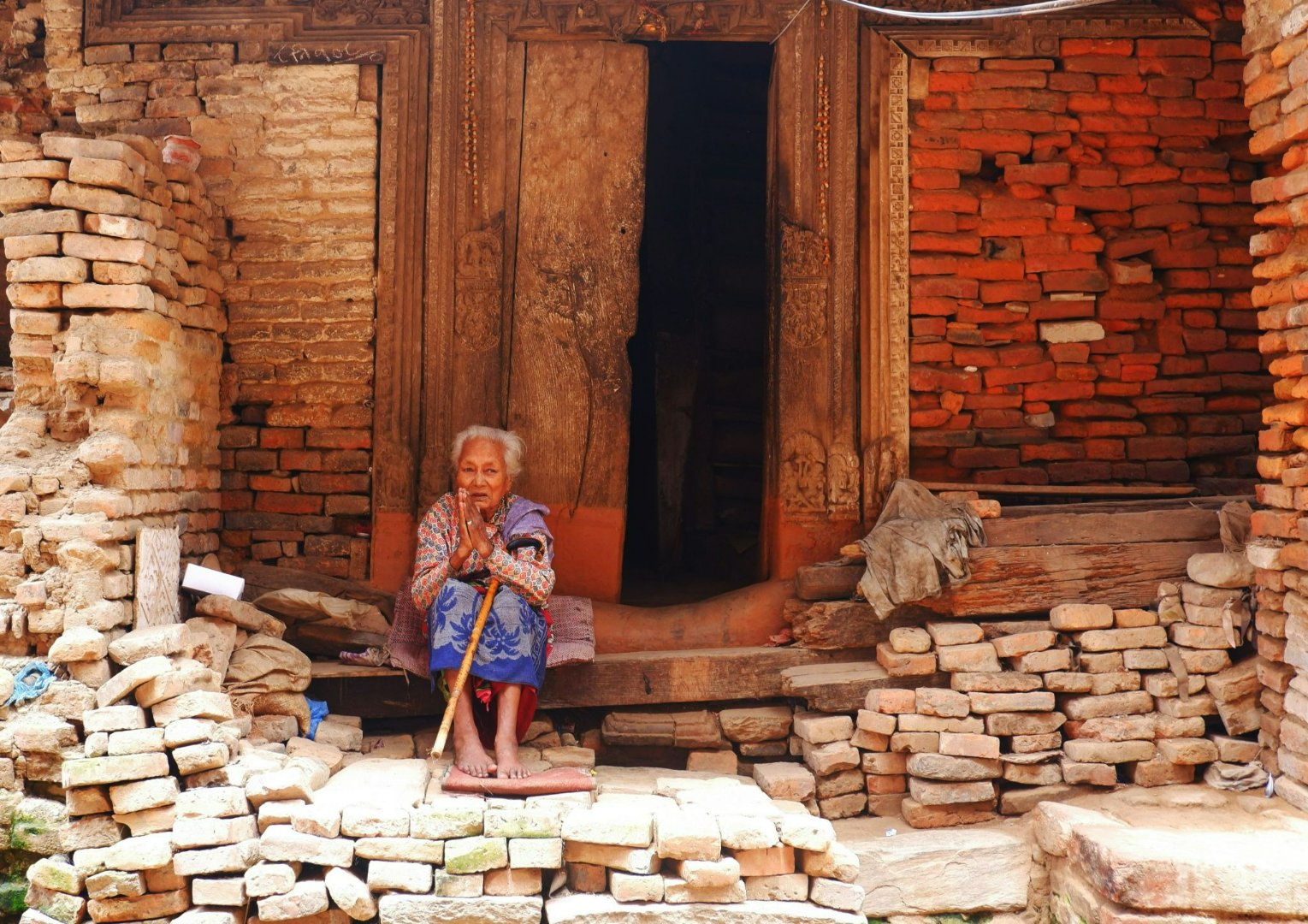
These women are done raising children, too old for moving to cities to be attractive or practical, but deeply knowledgeable about traditional cooking and customs that tourists want to experience. They're perfectly positioned for homestay work at exactly the life stage when other money-making chances disappear. These are exactly the women most left out of regular development programs that focus on young workers.
A grandmother running homestays in Nepal achieves amazing things:
She gains her own income in her final decades when she expected to become dependent on children, giving her money freedom she may never have had before.
She keeps a recognized role in the modern economy instead of being seen as no longer useful for work, which preserves dignity and social standing in the community.
She has purpose and connection as physical ability declines, keeping her mentally sharp and socially connected instead of isolated in old age.
She controls resources to pay for her own healthcare without depending on children who may struggle to afford medical expenses for aging parents.
What Holds Women Back
Despite how good homestays are, real blocks stop many women from joining or benefiting fully. These obstacles aren't individual failures but structural problems that good programs must fix directly. Understanding these blocks is the first step to designing help that actually works instead of adding more burden to women's already overwhelming workloads.
The main blocks women face include:
Male gatekeeping happens when husbands or fathers-in-law control whether women can host guests, handle money directly, or talk with strangers without male supervision present at all times.
Confidence problems emerge because women trained to stay quiet and defer may hesitate to present themselves as business owners who make decisions and set terms with paying customers.
Language blocks limit women with limited English or other foreign languages from talking effectively with guests and marketing their services to international tourists who don't speak Nepali.
Digital exclusion affects women who lack smartphone access, digital skills, or internet connection in areas where booking increasingly happens online through platforms and social media.
Movement limits prevent women from going to trainings, meetings, or marketing events because family duties keep them home and transportation may be limited or unsafe.
Time poverty means existing duties leave no capacity for additional work without support systems or time-saving investments that free up hours in the day.
Good homestay development in Nepal fixes these blocks directly instead of ignoring them:
Training programs include male family members to build household support by showing men how the business helps the entire family with money and socially.
Confidence-building happens through peer networks and gradual practice that helps women develop the self-assurance to interact with guests professionally without fear.
Language training focuses on practical hospitality communication, teaching the phrases and conversations women actually need rather than formal grammar that doesn't help in real talks.
Time-saving investments like improved cookstoves and water systems free up the time capacity women need to add homestay work without collapsing from tiredness or ignoring other duties.
How to Know If It's Actually Working
Programs can claim they help women while actually just adding to their workload without giving them real control or benefit. Measuring actual help requires looking at specific signs that show whether women are genuinely gaining power or just doing more unpaid work under a new name. Good programs track these measures honestly and adjust when they're not seeing real progress.
The key signs of genuine women's help include:
Income control measures whether payment goes to women directly or through male middlemen who might redirect the money, because getting payment yourself versus having someone give you an allowance makes all the difference.
Decision power tracks who actually decides on pricing, whether to accept guests, and how to spend earnings from the business, not just who does the physical work of hosting.
Property building looks at whether women pile up savings in their own names, improve property they control, and build wealth they can keep that gives them long-term security beyond the immediate income.
Voice and say looks at whether women speak for themselves in business situations, community meetings, and family decisions without needing male permission or approval before expressing opinions.
Next generation effects track whether daughters see models of female business ownership and money independence that change their expectations for their own futures and career possibilities.
The Ripple Effects
When homestay tourism in Nepal succeeds in helping women, ripple effects spread throughout communities in ways that go far beyond the individual families involved. These broader impacts often matter more for long-term development than the direct money benefits. One woman's success creates pathways for others and shifts what entire communities believe is possible for women.
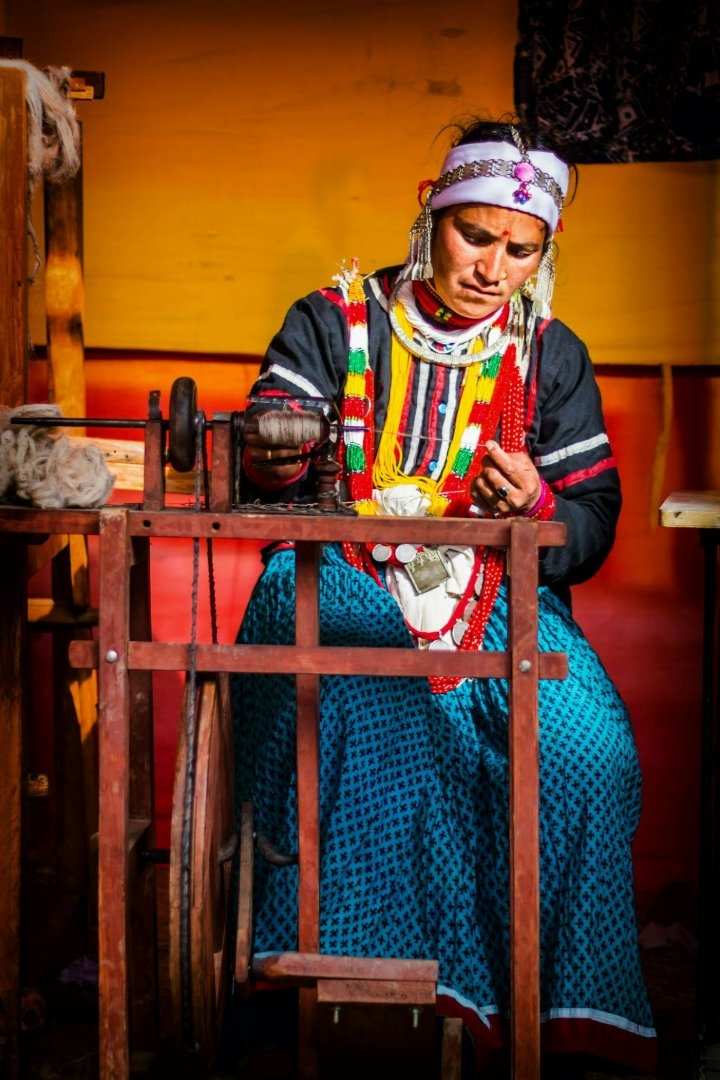
The community-wide changes include:
Example effects happen when other women see what's possible and go after similar opportunities they previously thought were closed to people like them, creating a wave of female business ownership.
Norm shifts happen as female business ownership becomes normal and daughters grow up with different expectations about what women can do and be, basically changing gender roles over time.
Political involvement increases because women with money power engage more in local government and speak up about community needs, bringing women's views into decision-making.
Social networks strengthen as women's networks create mutual support systems that help everyone manage challenges, from childcare to business advice to emotional support during hard times.
What Good Homestay Development Looks Like
Good homestay programs for women's help have specific features that separate them from generic tourism development. These design elements aren't optional extras, they're essential features that decide whether programs actually help women or just pull more labor from them. Getting these details right makes the difference between life-changing impact and wasted effort.
Programs that genuinely help women share these features:
They register homestays in Nepal in women's names because legal ownership matters for long-term security and decision-making power within households, stopping men from claiming ownership later.
They train women as main operators who run the business, not as helpers to male family members who make the real decisions and control the income. Studies on community-based tourism show that women gain real empowerment only when they are recognized as primary decision-makers rather than support staff within family enterprises.
They give direct payment systems like mobile money or women-held bank accounts so income flows to women without passing through male control or being sent elsewhere. Development research consistently shows that direct access to income dramatically increases women’s control over spending, savings, and reinvestment decisions in tourism households.
They build peer networks through homestay groups where women support each other and share strategies for common challenges without male gatekeepers present.
They create women-only spaces for sharing challenges that men might not understand or that women won't discuss in mixed company, recognizing the value of safe spaces.
They develop female mentors by connecting successful operators with newer ones to give guidance and encouragement, showing that success is possible for ordinary women. Media and field reporting from Nepal highlights how visible female role models in homestay tourism inspire other women to step into leadership and believe that success is achievable without elite backgrounds.
Built by Nepali Women, Not Foreign Experts
This isn't development forced from outside by foreign experts who think they know better than local people. It's change coming from within, driven by Nepali women using what they already know and own to build wealth on their own terms. The homes already exist. The hospitality culture already exists. The cooking skills already exist. The knowledge of local culture already exists.
What's been missing is the recognition that these things have money value in the tourism market, and the systems that let women capture that value directly instead of seeing it taken by middlemen, hotels, or tour companies. When you book homestays in Nepal, you're not doing charity or making a sacrifice for development goals. You're joining one of the most effective development help available, one that turns invisible labor into recognized work, confined women into business owners, and traditional skills into modern ways to earn.
A women in rural Nepal still wakes at 4:30 AM. She still lights the fire, makes dough, and works long hours doing many of the same tasks she always did. But now when guests praise her dal bhat, they pay for it. When they admire her hospitality, it shows up in her bank account. When they return year after year, everyone in her household sees who creates that value. Her daughter is watching, and her daughter's future looks different because of what she sees her mother building.
Book Homestays in Nepal Run by Women, Support Real Change
When you choose homestays in Nepal, you're doing more than finding a place to sleep. You're directly supporting women like Devi who are building independence through hospitality. Nepal Homestays connects you with hundreds of authentic homestays across the country, many run by solo women entrepreneurs who are changing their families' futures.
Nepal Homestays actively supports women-run homestays in Nepal and social initiatives that help women earn. Our platform features many homestays operated entirely by women, from grandmothers in mountain villages to young mothers in rural communities. When you book through Nepal Homestays, you're choosing to put your money directly in the hands of Nepali women who need it most.
We work with organizations like Women in Tourism Nepal and support Fair Trade Tourism standards that ensure women actually benefit from tourism. Every homestay on our platform is verified for quality, safety, and genuine local ownership. We keep our fees minimal so more of your money reaches host families, and we prioritize listings from women-run homestays to help them get more bookings.
Your choice matters. Book homestays in Nepal through our platform and know that you're supporting women's economic freedom, keeping families together, and helping create a tourism industry that actually helps the people who make Nepal special.
Frequently Asked Questions
How do homestays in Nepal help women earn money?
Homestays in Nepal turn women's existing skills like cooking, cleaning, and hospitality into paid work. When tourists stay at a homestay, women receive direct payment for meals, accommodation, and services. Unlike factory jobs or domestic work in cities, women work from their own homes, control the income, and make business decisions themselves. This gives rural women their first real chance to earn and control money without leaving their families or homes.
Are homestays in Nepal safe for solo female travelers?
Yes, homestays in Nepal are very safe for solo female travelers. You stay with local families in their homes, often run by women themselves. The family environment provides natural safety and cultural exchange. Host families treat guests like family members. Many solo female travelers report feeling safer in homestays than in hotels because of the personal attention and care from host families.
What percentage of homestays in Nepal are run by women?
While exact numbers vary by region, a significant and growing percentage of homestays in Nepal are operated primarily by women, especially in established tourism areas. Platforms like Nepal Homestays actively feature women-run homestays to support female entrepreneurship. Many homestays are registered in women's names and managed day-to-day by women, even when other family members help with some tasks.
How can I find women-run homestays in Nepal to support?
Nepal Homestays platform makes it easy to find and book women-run homestays across Nepal. Our listings clearly indicate which homestays are operated by women. You can filter search results to prioritize women-run establishments. We verify that these homestays are genuinely owned and controlled by women, ensuring your booking directly supports female entrepreneurs and their families.
What's the difference between booking homestays in Nepal through local platforms versus international sites?
When you book homestays in Nepal through local platforms like Nepal Homestays, more of your money reaches host families. International booking sites take 15% to 25% in fees that leave Nepal entirely. Local platforms charge minimal fees that stay in Nepal and go toward maintaining the platform. This means when you book through Nepal Homestays, women hosts receive more of your payment directly.
Do women who run homestays in Nepal speak English?
English proficiency varies, but many women running homestays in popular tourist areas speak basic to good English, especially those who have been hosting for several years. Even when language is limited, communication happens through gestures, smiles, and genuine warmth. Many guests report that language barriers actually create memorable moments of connection and cultural exchange. Some homestays have family members who help translate when needed.
How much do women typically earn from running homestays in Nepal?
Earnings vary by location, season, and number of bookings, but women running homestays in Nepal typically earn between Rs 20,000 to Rs 80,000 per month (roughly $150 to $600 USD) during peak tourist seasons. This income is significant in rural areas where monthly household income might be Rs 15,000 to Rs 30,000. Unlike seasonal farm work or irregular daily wage labor, homestay income can be more stable and is controlled directly by women.
Company Admin
Travel writer sharing authentic stories and experiences from Nepal's beautiful homestays.