Nepal’s third gender tradition isn’t a modern import. It appears in Hindu and Buddhist deities, ancient texts, and living communities like meti and hijra. This guide traces sacred roots, indigenous terms, festivals like Gai Jatra, and how colonial-era law disrupted, then Nepal restored.
Walk through Pashupatinath at dusk, when cremation smoke rises from the ghats and sadhus settle into their evening rituals, and you might encounter someone who exists beyond typical gender categories. This is tritiya prakriti (the "third nature"), and in Nepal, it isn't a modern invention or a Western import. It's woven into the oldest sacred texts, carved into temple walls, embodied in deities, and lived by people whose existence was recognized long before European languages had words for them.
Divine Representations of Gender Diversity
Hindu and Buddhist traditions in Nepal feature deities and sacred figures that transcend the male-female binary. These aren't just stories but living parts of religious practice that Nepali children grow up seeing in temples and hearing from their grandparents.
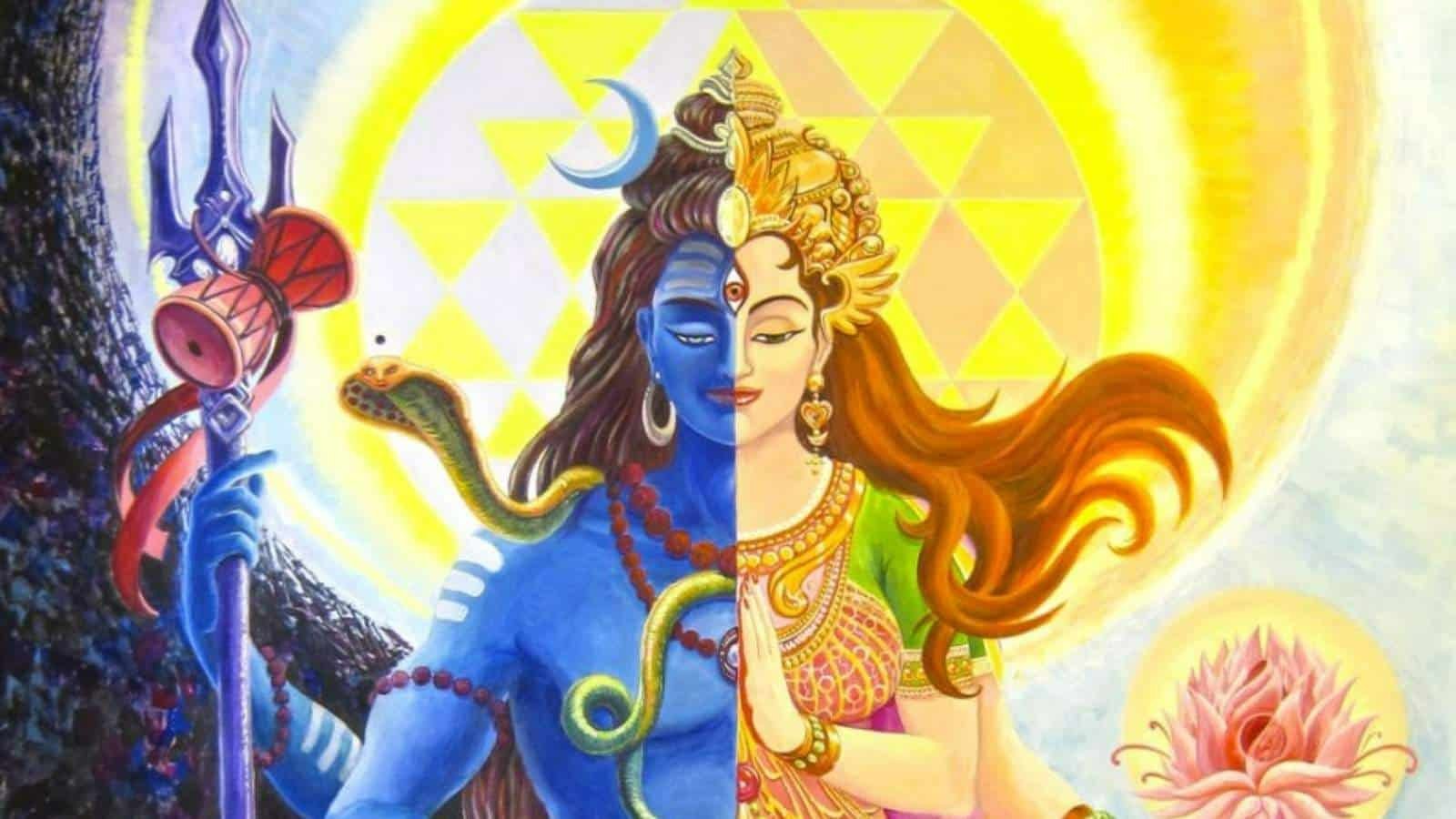
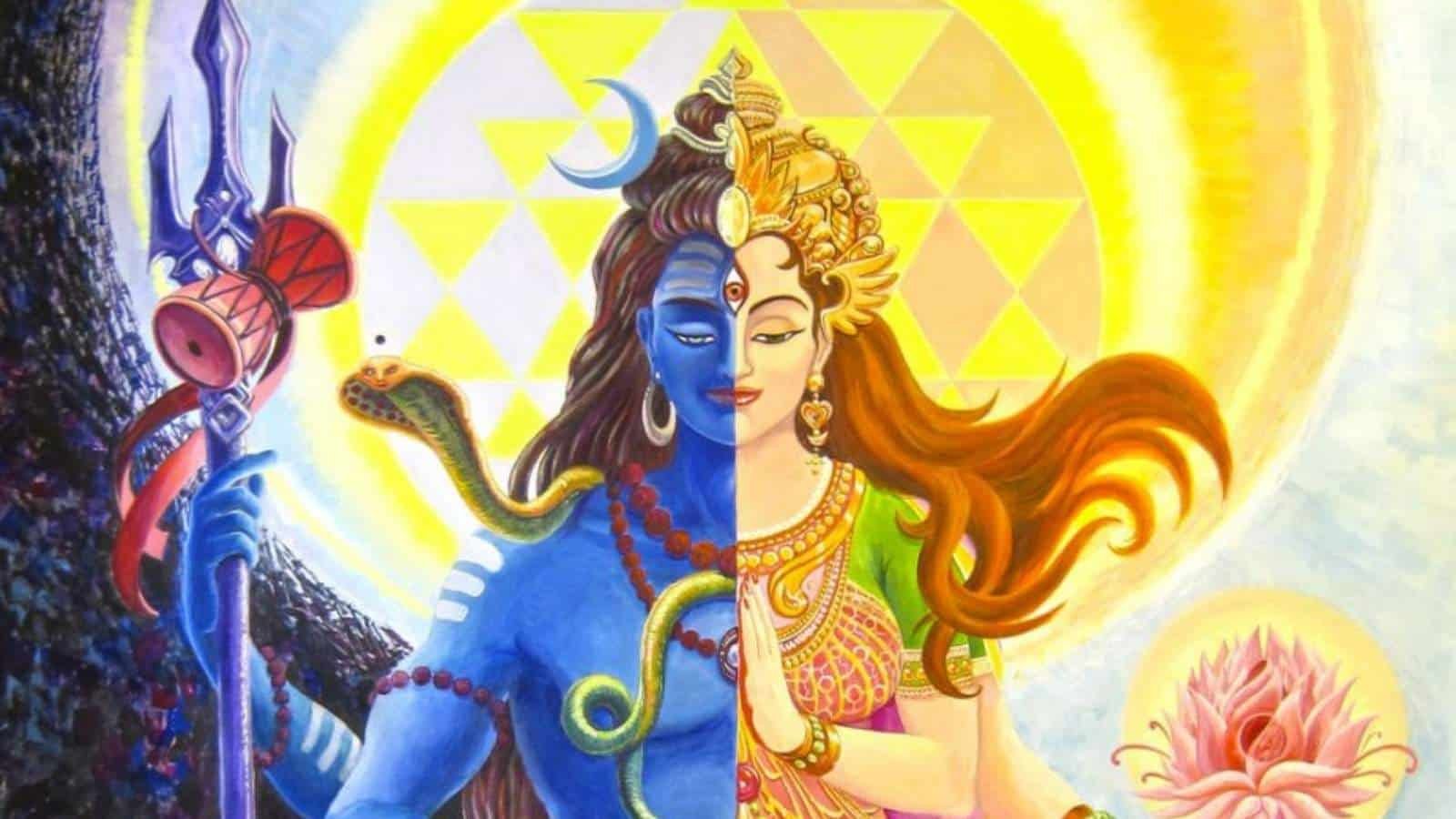
Ardhanarishvara: The Half-Male, Half-Female Form of Shiva
In temples across Nepal, you'll find this form of Shiva split vertically down the center. The right side shows Shiva with a muscular arm, flat chest, and tiger skin. The left shows Parvati with a curved breast, graceful hand, and silk draping. They aren't two beings standing together but one being containing both male and female. This image teaches that gender unity, not gender separation, reflects the highest spiritual truth.
Other Gender-Fluid Deities
Bahuchara Mata is a goddess whose devotees include hijras and others who renounce conventional male identity. Her mythology blesses gender variance rather than simply tolerating it.
Shikhandi appears in the Mahabharata as a warrior born female, raised male, who became essential in defeating the invincible Bhishma. The epic treats Shikhandi's gender journey as a natural part of the story.
Avalokitesvara is the Buddhist Bodhisattva of Compassion depicted in various gender forms (male, female, or neutral), showing that enlightened beings transcend physical sex.
Mohini is the female form that Vishnu assumes to enchant demons and even seduce Shiva. Their union produces Ayyappa, a deity worshipped across South India.
Ancient Texts Recognizing Third Gender in Nepal
Long before modern LGBT movements, ancient Hindu texts acknowledged people who didn't fit male or female categories. These weren't just philosophical concepts but practical recognition of human diversity.
The Kama Sutra, written around the 3rd century CE, describes people of the third nature in sections on relationships and society. The author discusses their roles (often as massage workers, servants, or hairdressers) in a tone that's ethnographic rather than judgmental. These ancient texts didn't necessarily celebrate gender diversity in modern terms, but they recognized it as a natural part of human variation.
Indigenous Terms for Gender Diversity in Nepal
Nepal has its own terms for gender-diverse people that don't translate directly to Western words like "transgender" or "gay." Each term carries specific cultural meaning and community associations.
Meti
Meti is the Nepali term most commonly used for people assigned male at birth who live as feminine or as a distinct third gender. Meti communities have existed in Kathmandu for generations, with their own social networks and cultural practices. Being meti isn't identical to being a Western transgender woman. Some meti identify as women, others as a distinct third category, and others move between frameworks depending on context.
Hijra
Hijra is a broader South Asian term and culture within the trans community, more common in India but present in Nepal's Terai region. Hijra communities have formal structures with gurus (teachers) who train and initiate chelas (disciples). Hijras have traditional roles blessing newborns and newlyweds because their position outside ordinary gender categories gives their blessings particular spiritual power.
Other Indigenous Terms
Kothi is used in some Terai communities for feminine-identified people assigned male at birth, often with specific sexual role expectations.
Mai Babu, Fulmul, and Marnu are terms from indigenous languages that referenced trans communities before the LGBTQIA+ terminology arrived.
The Sacred Power of Being In-Between
Hindu cosmology holds that boundaries are powerful places. The threshold of a house is ritually significant (neither inside nor outside). Dawn and dusk are auspicious times (neither day nor night). River confluences are sacred sites (neither one river nor another).
People who exist between genders partake of this boundary power. They aren't considered failed men or incomplete women but occupy a third position with its own spiritual significance. This explains why hijra blessings at births and weddings carry special weight. A birth is a crossing from non-existence to existence. A wedding is a crossing from one family to another. Those who live at thresholds have particular authority over threshold moments.
Festivals Celebrating Gender Fluidity in Nepal
Certain Nepali festivals create temporary space for gender expression, letting everyone experience what third-gender people live permanently.
Gai Jatra (Festival of Cows)
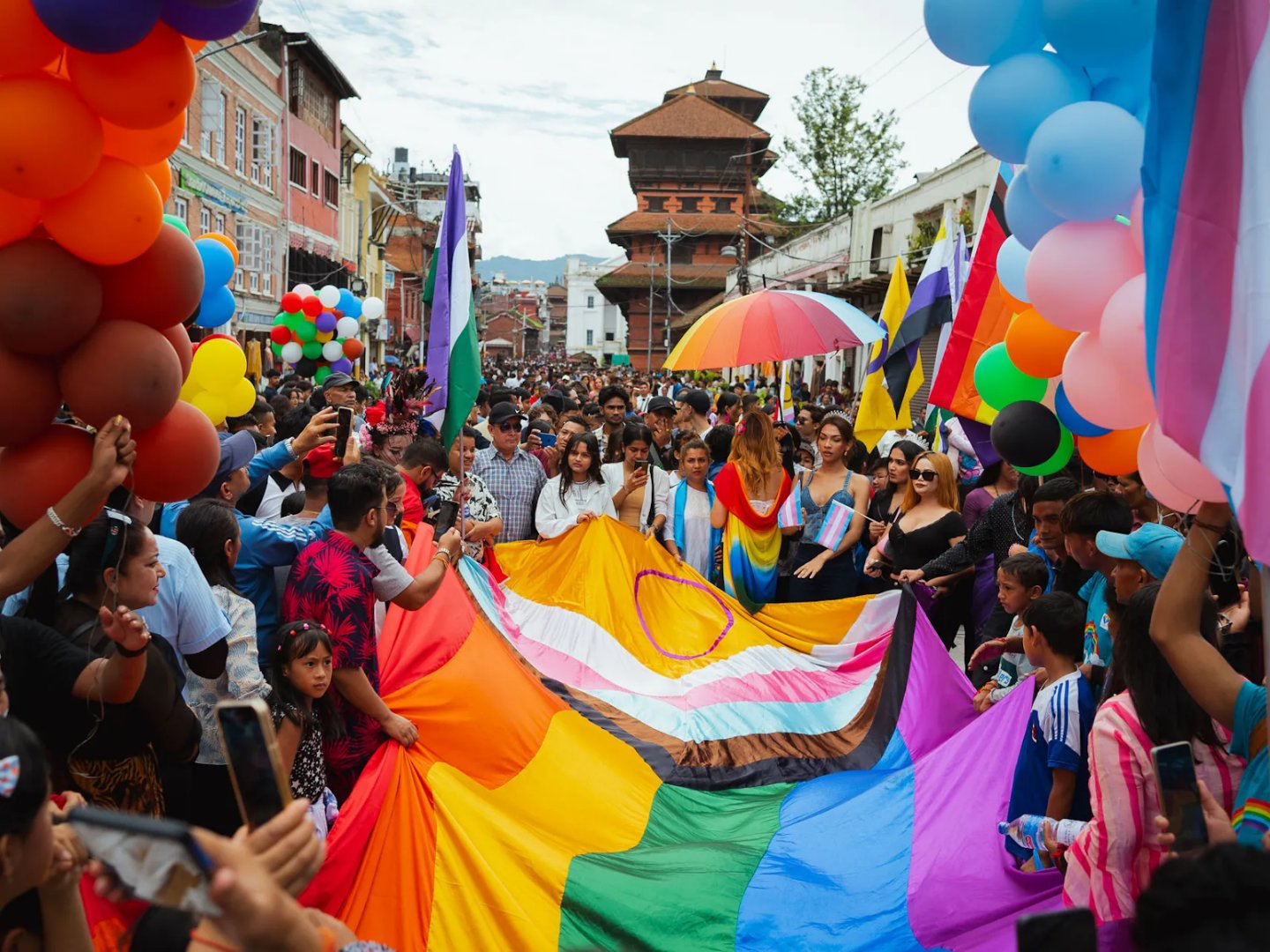
Held in August or September when families who lost someone in the previous year lead processions through Kathmandu and Bhaktapur. The festival includes approved transgression where men dress as women, satirical performances mock social norms, and behavior normally forbidden becomes temporarily permitted. For one day, people can express themselves beyond the binary with powerful visibility.
Other Festivals
Holi includes traditions of gender play where young men might dress as women and social hierarchies invert for the celebration.
Indra Jatra features the Kumari procession, where the living goddess herself is a boundary figure (human and divine simultaneously, child and goddess).
These festivals suggest that Nepali culture doesn't merely tolerate gender variance but ritualizes it and recognizes its sacred power.
Important Pilgrimage Sites for Gender-Diverse Communities
Several locations around Nepal hold particular significance for gender-diverse pilgrims and communities.
Pashupatinath is Nepal's holiest Hindu site where Shiva dwells. The cremation ghats and temple precincts provide space for hijras and sadhus who have renounced ordinary life.
Durbar Squares around Kathmandu Valley hold structures and statues representing trans body forms, showing their important role in ancient history.
Muktinath is a high-altitude temple sacred to both Hindus and Buddhists, where the boundary between religious traditions blurs.
Lumbini is Buddha's birthplace, where Buddhist frameworks for understanding gender add another layer to Nepal's spiritual recognition of diversity.
How Colonial Law Interrupted Nepal's Tradition
If these traditions run so deep, why did Nepal have laws criminalizing gender variance until 2007? The answer lies in British colonial influence, not Nepali tradition.
Nepal was never formally colonized, but British India surrounded it. The 1854 Muluki Ain (Nepal's first comprehensive legal code) borrowed heavily from Victorian legal frameworks, including criminalization of "unnatural" acts. These laws didn't emerge from Nepali tradition but from 19th century British Protestant anxieties exported throughout their empire.
For over 150 years, this imported framework operated alongside indigenous recognition of gender diversity. Hijra and trans communities continued to exist and perform their traditional functions even while technically criminalized. Legal code and lived culture diverged completely.
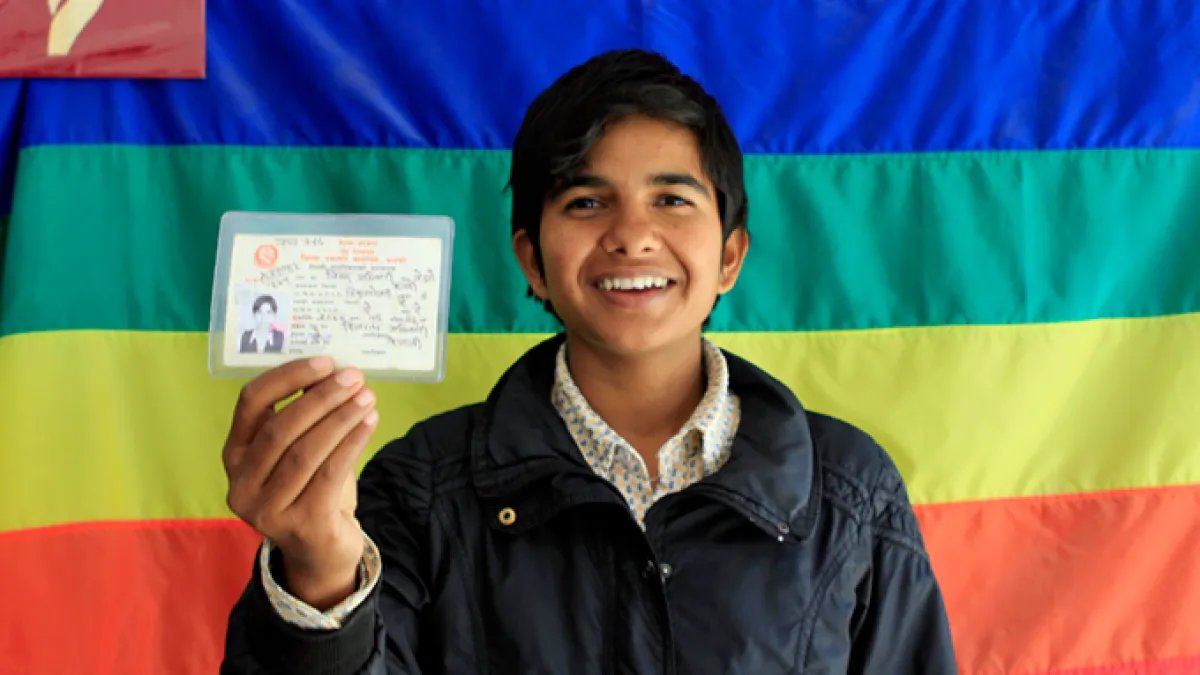
The 2007 Supreme Court ruling that decriminalized homosexuality and recognized gender and sexual minorities cited Nepal's own traditions. The court argued that criminalization had imported Western frameworks, and recognition restored Nepali ones. The ruling quoted ancient texts, referenced religious traditions, and found constitutional support for what culture had always known.
Experiencing Third Gender Culture in Nepal Today
For travelers, Nepal offers a rare opportunity to encounter gender diversity embedded in living religious tradition rather than existing despite it.
What to Look For
Temple visits often feature Ardhanarishvara images in Shiva temples. Once you recognize the half-male, half-female form, you'll see it throughout the valley.
Pashupatinath at dusk creates an atmosphere where sadhus and others who live outside ordinary categories gather for devotion and ritual.
Gai Jatra participation in August or September offers immersion in sanctioned gender expression and boundary-crossing celebration.
Durbar Square visits reveal trans body representations in ancient structures showing their historical importance.
Approaching with Respect
Many Nepalis are proud of their tradition's recognition of gender diversity and happy to discuss it with curious visitors. However, Western terms like "transgender," "gay," and "queer" don't perfectly translate Nepali realities. These are English-language categories with specific histories, while meti, hijra, kothi, and other terms have their own distinct meanings. Listening to how Nepalis describe their own identities, rather than imposing imported labels, shows respect for the tradition's own frameworks.
Beyond Tolerance: Nepal's Unique Approach to Gender Diversity
Many countries tolerate LGBT people despite their religious traditions. Nepal's situation differs fundamentally. Here, gender diversity has roots in sacred texts, images in temples, and embodiment in deities through indigenous cultural practices. Recognition isn't modern progress against traditional resistance but recovery of traditional recognition against colonial-era interruption.
This doesn't mean Nepal is perfect. Social discrimination exists, family acceptance varies, and urban and rural attitudes differ. But the cultural and spiritual foundation differs fundamentally from countries where religious tradition condemns gender diversity.
Travelers to Nepal encounter not just a country where LGBT people are legal, but one where gender multiplicity is woven into the oldest spiritual frameworks. The divine itself transcends the binary, those who embody transcendence have sacred roles, and the deepest traditions recognize what modern movements are still learning to name.
Frequently Asked Questions (FAQ)
1. What does "third gender" mean in Nepal?
In Nepal, the third gender (called tritiya prakriti in Sanskrit) refers to people who don't fit into the categories of male or female. This isn't a new idea borrowed from the West. Ancient Hindu texts from thousands of years ago already talked about people who were neither men nor women. Nepal has always recognized that gender exists on a spectrum, not just as two options.
2. Is being LGBT accepted in Nepal?
Nepal has a unique situation. While some families and communities may not fully accept LGBT people, the religious and cultural foundations of Nepal have always recognized gender diversity. In 2007, Nepal's Supreme Court made being gay legal and recognized third gender people. The court said this wasn't copying Western ideas but actually going back to Nepal's own ancient traditions that were interrupted by British colonial influence.
3. What is the difference between meti, hijra, and kothi?
These are different Nepali and South Asian terms for gender-diverse people, and they're not the same thing. Meti is the most common Nepali term for people assigned male at birth who live as feminine or as a third gender. Hijra is a broader South Asian community with formal structures, teachers, and students, and they traditionally bless weddings and newborn babies. Kothi is used in some communities in the Terai region. Each term has its own meaning and isn't just a translation of the English word "transgender."
4. Can tourists visit temples and festivals to learn about third gender culture?
Yes, tourists are welcome to visit temples and participate in festivals to learn about Nepal's third gender traditions. Look for images of Ardhanarishvara (the half-male, half-female form of Shiva) in temples. Visit Pashupatinath temple at dawn or dusk. If you're in Kathmandu in August or September, you can experience the Gai Jatra festival where gender expression is celebrated. Just remember to be respectful and listen to how Nepali people describe their own identities.
5. How old is the third gender tradition in Nepal?
The third gender tradition in Nepal is thousands of years old. The Kama Sutra from the 3rd century CE discusses third gender people. Medical texts from the 6th century BCE mention people who are neither male nor female. Images of gender-fluid deities have been carved in temples for over a thousand years. This tradition existed long before the modern LGBT rights movement began in the West, making it one of the oldest continuous recognitions of gender diversity in the world.
Company Admin
Travel writer sharing authentic stories and experiences from Nepal's beautiful homestays.