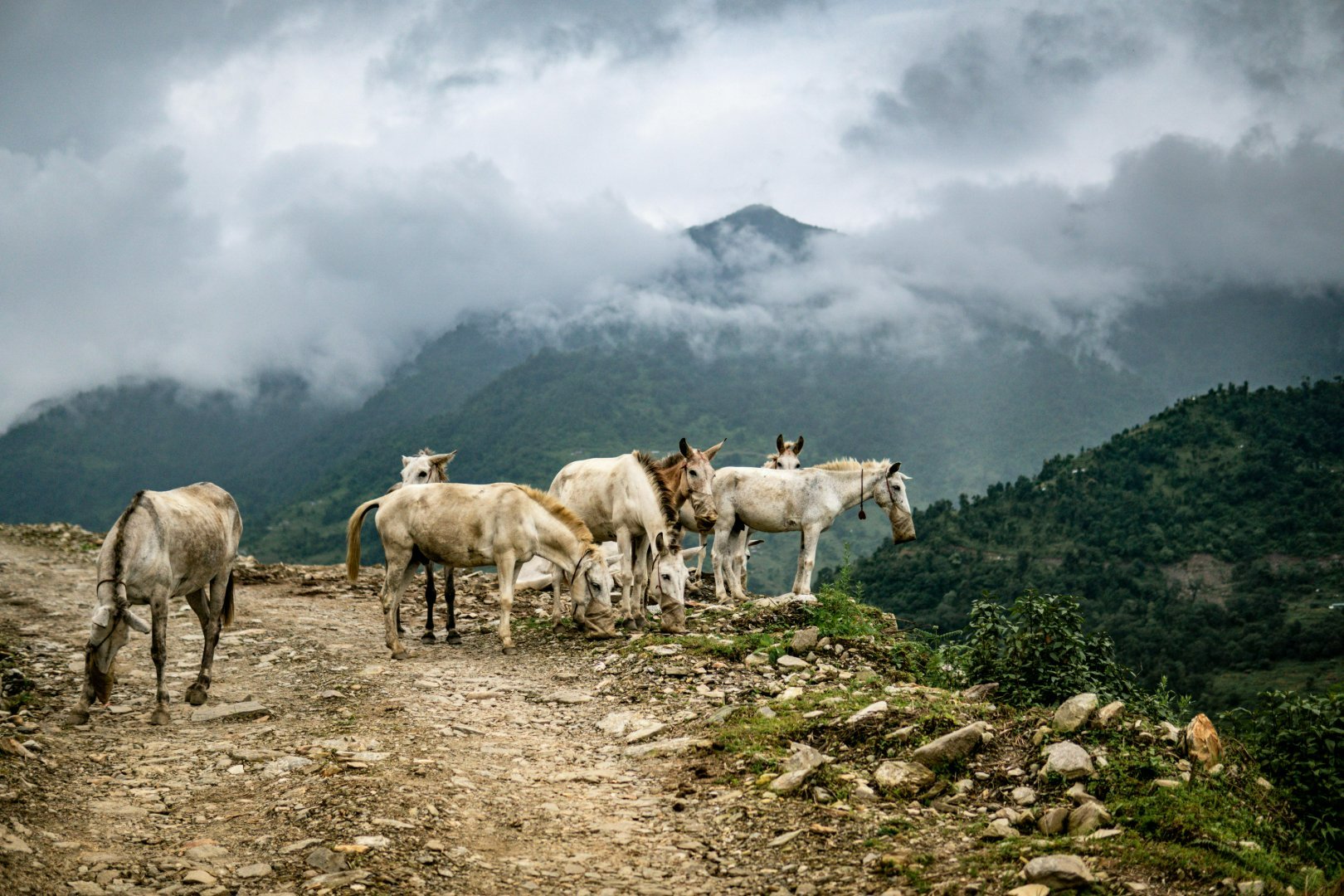
Homestays allow travelers to experience rural Nepal from the inside. By living with local families, guests understand daily routines, community life, and culture in a way that goes far beyond sightseeing.
Rural Nepal is where daily life continues much as it has for generations. Villages sit among fields and hills, families work together, and routines follow the rhythm of nature rather than schedules. For travelers who want to understand Nepal beyond cities and tourist routes, rural areas offer the most meaningful experiences.
Homestays are the best way to experience this rural life. By staying in local homes, travelers become part of daily routines, community life, and cultural traditions. Instead of observing from a distance, guests live alongside the people who call these places home.
Rural Life Cannot Be Understood From the Outside
Many travelers pass through rural areas without truly experiencing them. They see villages from buses, trails, or viewpoints, but they do not enter homes or share daily life.
Homestays change this.
By staying in a homestay, guests:
Wake up inside the village
Eat meals prepared by local families
Observe daily work and routines
Spend time in shared spaces
This inside view helps travelers understand rural Nepal as a living place, not just a background for travel photos.
Homes Are the Center of Rural Life
In rural Nepal, homes are not only places to sleep. They are where work, family life, and traditions come together.
Homestays allow guests to see:
How families organize their day
How meals bring people together
How elders and children interact
How responsibilities are shared
These experiences help travelers understand how rural life functions at its core.
Understanding what real village life feels like inside a Nepali homestay gives travelers insight that cannot be gained through sightseeing alone.
Culture Is Lived, Not Shown
Rural culture in Nepal is not performed for visitors. It exists naturally in daily actions and interactions.
Homestays allow guests to experience culture through:
Daily greetings and manners
Shared meals
Household customs
Family conversations
There are no schedules or explanations. Learning happens quietly, through observation and participation.
Travelers who stay only in hotels often miss this lived culture and leave with a limited understanding of rural traditions.
Nature Shapes Everyday Life
In rural Nepal, nature is closely tied to daily routines. Farming, food, and work depend on land, seasons, and weather.
Homestays place guests close to this reality. Guests notice:
Early mornings shaped by daylight
Work changing with seasons
Food reflecting what is grown locally
Quiet evenings without distractions
Living close to nature helps travelers slow down and appreciate a different pace of life.
Food Tells the Story of Rural Life
Food is one of the clearest ways to understand rural Nepal.
In homestays:
Meals are home-cooked
Ingredients are local and seasonal
Food is shared, not served
Guests eat what the family eats. Through this, they learn how farming, seasons, and tradition shape daily meals.
Experiencing traditional Nepali food as part of everyday family life helps travelers understand rural living in a simple but powerful way.
Community Is Strong in Rural Areas
Rural life in Nepal depends on community support. Families help each other with farming, celebrations, and challenges.
Guests staying in homestays often see:
Neighbors visiting casually
Shared work during busy times
Community gatherings and conversations
Homestays provide access to this wider community life. Guests understand that rural living is not isolated, but deeply connected.
Homestays Support Rural Communities Directly
Choosing a homestay benefits rural families in direct and visible ways.
Homestays:
Provide income to households
Encourage families to stay in villages
Support local food and skills
Keep traditions valued
This support allows rural communities to benefit from tourism without changing their way of life.
Understanding how homestays support sustainable rural communities in Nepal helps travelers see the long-term value of choosing homestays.
Learning Happens Without Effort
One of the most meaningful aspects of homestays is how naturally learning happens.
Guests learn by:
Watching daily routines
Listening to stories
Sharing meals and time
There are no lessons or instructions. Learning grows through living together.
This gentle approach makes rural life easier to understand and appreciate.
A Slower, More Balanced Way to Travel
Rural homestays encourage travelers to slow down.
Days are not filled with activities. Time is spent:
Walking through villages
Sitting and talking
Observing daily life
This slower rhythm helps travelers feel present and connected. Many find this balance refreshing after busy travel schedules.
Comfort Through Care, Not Luxury
Homestays in rural Nepal are simple but welcoming. Comfort comes from cleanliness, warmth, and personal attention rather than modern facilities.
Guests often find that:
Simple rooms feel peaceful
Home-cooked meals feel nourishing
Quiet surroundings allow better rest
This kind of comfort supports deeper experiences and meaningful rest.
Rural Nepal Feels Different in Every Region
Each rural area in Nepal has its own identity.
Homestays reflect:
Local languages
Regional food styles
Different landscapes
Unique family structures
Staying in different rural homestays allows travelers to experience Nepal’s diversity firsthand.
Respect Makes the Experience Richer
Rural homestays work best when guests arrive with respect.
This includes:
Following household routines
Dressing modestly
Being patient and open
Listening more than speaking
Respect builds trust and allows deeper connection between guests and hosts.
Why Homestays Are the Best Choice for Rural Travel
Homestays allow travelers to:
Live inside villages
Understand daily routines
Connect with people
Experience culture naturally
No other accommodation offers this level of access to rural life.
For travelers seeking understanding rather than convenience, homestays are the most meaningful choice.
What Travelers Take Home
Guests often leave rural homestays with:
Greater appreciation for simplicity
Understanding of rural challenges and strengths
Personal memories and connections
Respect for different ways of living
These lessons stay long after the journey ends.
Plan a Rural Experience with Nepal Homestays
If you want to experience rural Nepal in a genuine and respectful way, homestays offer the best path.
Through Nepal Homestays, travelers can find trusted family-run and community homestays across rural Nepal, making it easier to choose stays that reflect real village life.
Travel slowly.
Live locally.
Experience rural Nepal through its homes.
Frequently Asked Questions
1. Are rural homestays suitable for first-time visitors to Nepal?
Yes. Rural homestays are welcoming and safe, especially for travelers seeking cultural understanding.
2. Is staying in a rural homestay comfortable?
Comfort is simple but sufficient, focusing on cleanliness, food, and care rather than luxury.
3. Do guests need special skills to stay in rural homestays?
No. Guests only need patience, openness, and respect for local routines.
4. How long should travelers stay in a rural homestay?
Even one or two nights can be meaningful, but longer stays allow deeper connection.
5. How do rural homestays benefit local communities?
They provide direct income, support traditions, and encourage sustainable village life.
Company Admin
Travel writer sharing authentic stories and experiences from Nepal's beautiful homestays.