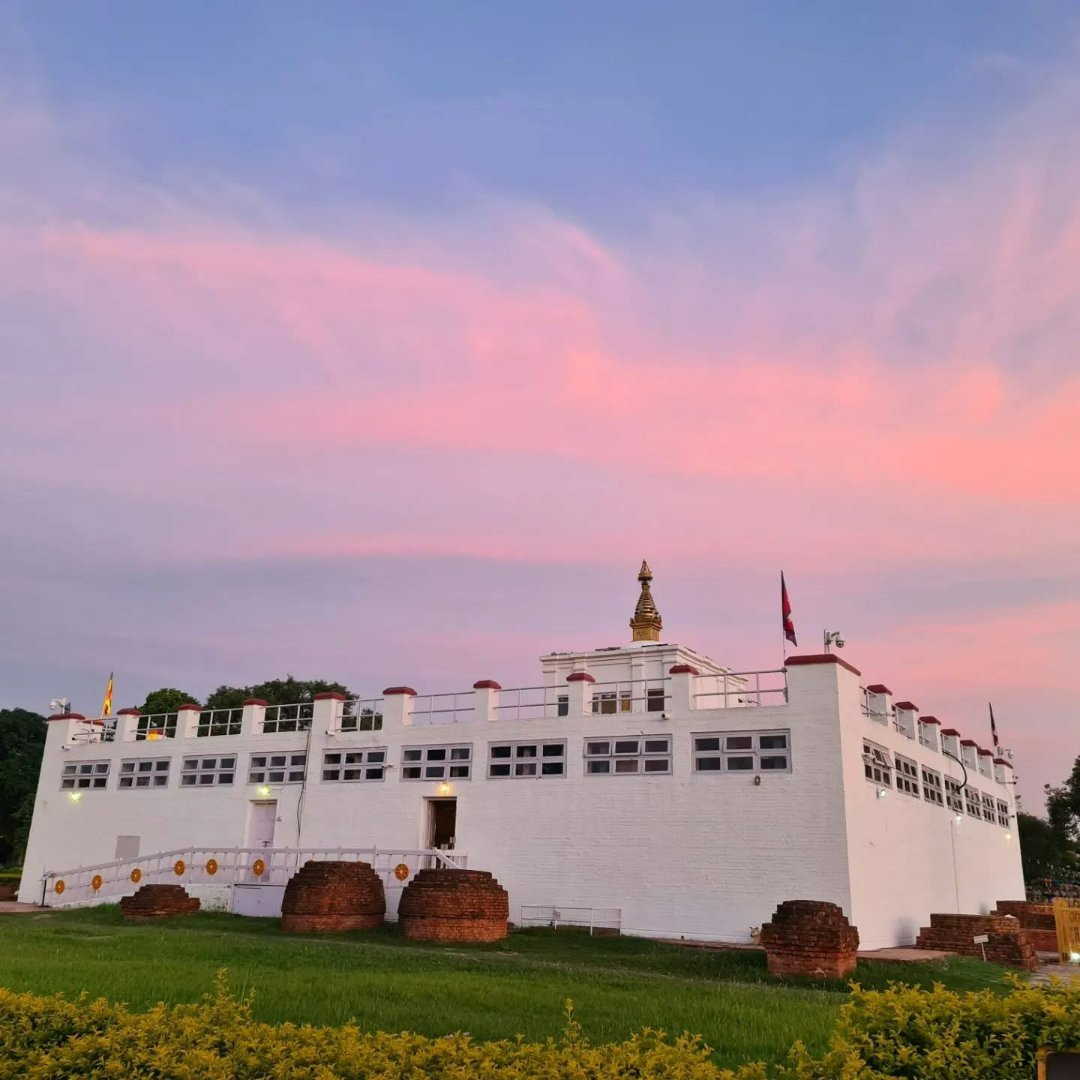
लुम्बिनी नेपालको दक्षिणी तराईमा पर्छ, जहाँ २५०० वर्ष पहिले सिद्धार्थ गौतमको जन्म भएको थियो। यो गाइडमा पवित्र बगैँचा, मायादेवी मन्दिर, विहार क्षेत्र, काठमाडौं वा पोखराबाट त्यहाँ कसरी पुग्ने, कति खर्च लाग्छ, र यसलाई नेपाल भ्रमणमा कसरी समावेश गर्ने जस्ता विषयहरू समेटिएका छन्।
लुम्बिनीले 'म आएँ' भनेर पहिले नै जनाउ दिँदैन। भैरहवाबाट जाने बाटो तराईको समथर खेतबारी, सडक किनारका साना बजार र उखुबारीहरू छिचोल्दै अघि बढ्छ। क्षितिजमा न कुनै हिमाल देखिन्छ, न त कुनै भव्य प्रवेशद्वार नै। अनि अचानक तपाईं त्यहाँ पुग्नुहुन्छ, त्यो बगैँचाको छेउमा जहाँ लगभग ५६३ ईसापूर्वमा सिद्धार्थ गौतमको जन्म भएको थियो। र, त्यस ठाउँको शान्तिले तपाईंलाई सोचेभन्दा फरक अनुभूति गराउँछ।
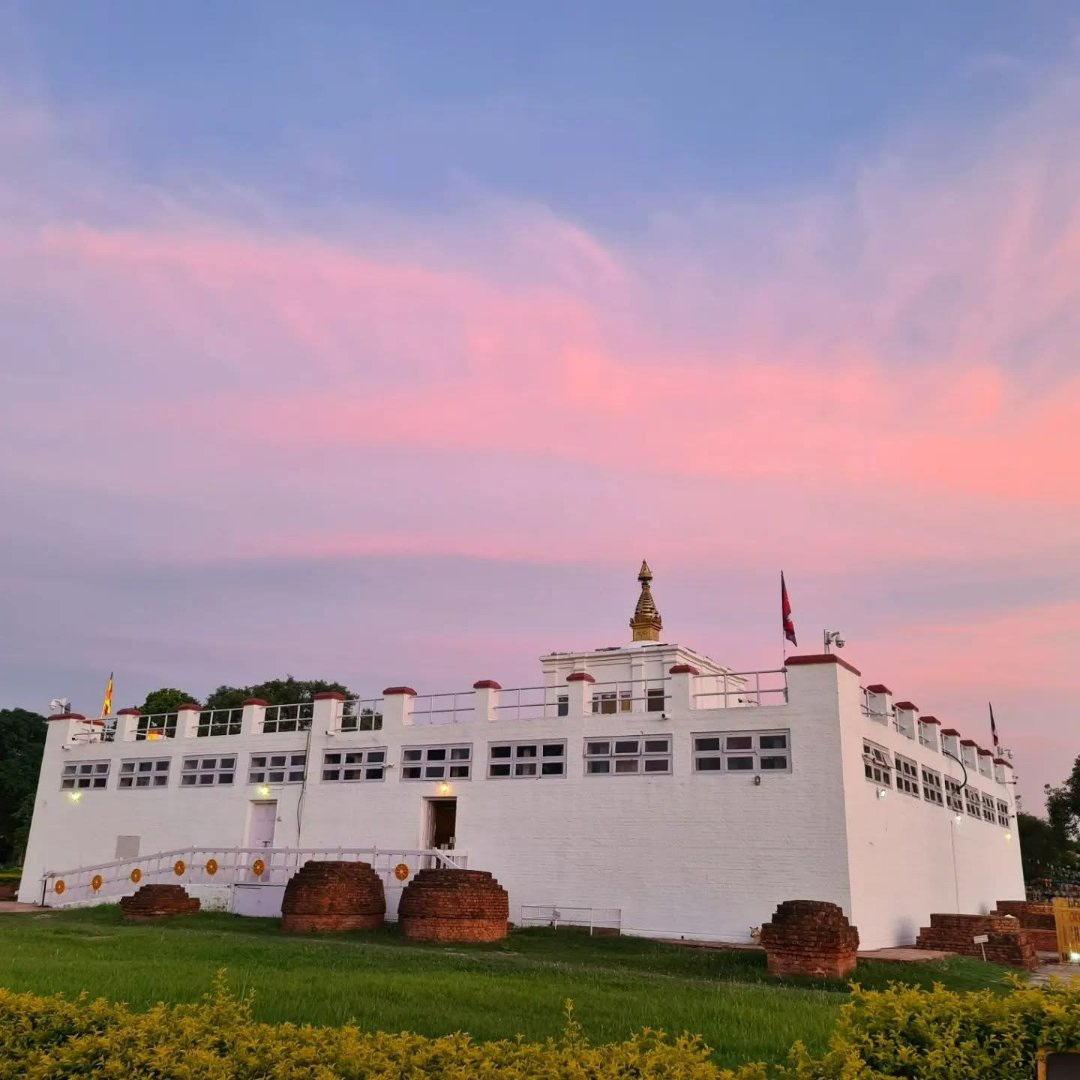
यो बौद्ध धर्मका चार प्रमुख पवित्र स्थलहरूमध्ये एक हो, एउटा युनेस्को विश्व सम्पदा क्षेत्र सन् १९९७ देखि, र अझै पनि यो विश्वका प्रसिद्ध तीर्थस्थलहरूमध्ये सबैभन्दा कम भीडभाड हुने गन्तव्यहरू मध्ये एक हो। यहाँ आउने अधिकांश मानिसहरू श्रीलंका, दक्षिण कोरिया, जापान, थाइल्याण्ड र भारतका तीर्थयात्रीहरू हुन्। यहाँ विदेशी स्वतन्त्र यात्रीहरू कमै मात्र आउँछन्, जसको मतलब तपाईं मंगलबार बिहान पवित्र उद्यानमा एक्लै हिँड्न सक्नुहुन्छ, जहाँ नजिकै कतै भिक्षुहरूले मन्त्र पाठ गरिरहेका हुन्छन् र तपाईंको वरिपरि लगभग कोही पनि हुँदैन।
संक्षेपमा
लुम्बिनी बुद्धको प्रमाणित जन्मस्थल हो, जुन दक्षिणी नेपालको रुपन्देही जिल्लामा भारतीय सीमा नजिकै पर्दछ।
यसको मुख्य क्षेत्र युनेस्को-संरक्षित विकास क्षेत्र हो, जहाँ पवित्र उद्यान, मायादेवी मन्दिर, अशोक स्तम्भ र २० भन्दा बढी अन्तर्राष्ट्रिय विहारहरू रहेको विहार क्षेत्र पर्दछन्।
पवित्र उद्यानमा प्रवेश गर्न विदेशी पर्यटकलाई NPR 500 लाग्छ (नेपाली नागरिकका लागि निःशुल्क)।
हतार नगरी पवित्र उद्यान र दुवै विहार क्षेत्र घुम्नका लागि कम्तिमा दुई पूरा दिन आवश्यक पर्छ।
सबैभन्दा नजिकको विमानस्थल भैरहवामा रहेको गौतम बुद्ध अन्तर्राष्ट्रिय विमानस्थल हो, जुन यहाँबाट २२ कि.मि. टाढा छ।
भ्रमणका लागि उत्तम समय अक्टोबरदेखि अप्रिलसम्म हो। गर्मी र मनसुनका कारण मेदेखि सेप्टेम्बरसम्मको समय त्यति उपयुक्त हुँदैन।
छोटो जानकारी: लुम्बिनी, नेपाल
लुम्बिनी: एक पवित्र स्थल
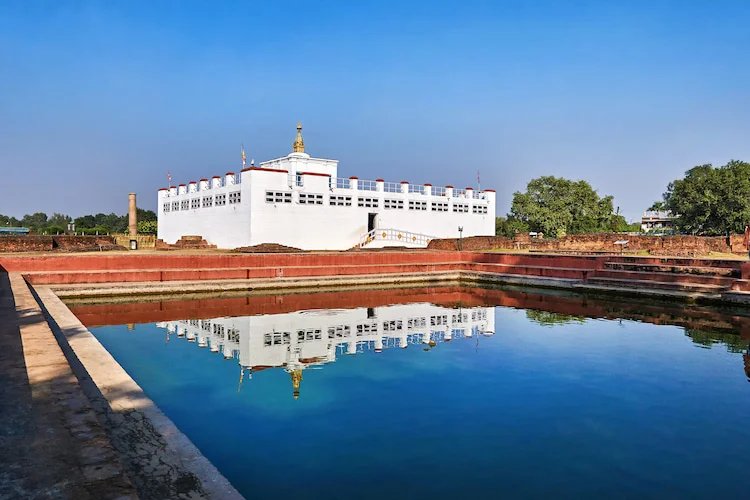
लुम्बिनी जन्मस्थल हो सिद्धार्थ गौतम, जो ऐतिहासिक बुद्ध हुन्, र बौद्ध धर्ममा ... पछिको सबैभन्दा महत्त्वपूर्ण तीर्थस्थल। बोधगया भारतमा। २४९ ईसापूर्वमा ... को भ्रमणको क्रममा कुँदिएको अशोक स्तम्भ लगायतका पुरातात्विक प्रमाणहरूले सम्राट अशोकको भ्रमणले यस स्थलको पहिचान पुष्टि गर्दछ। त्यो स्तम्भ आज पनि पवित्र उद्यानको प्रवेशद्वारमा, दुई हजार वर्षभन्दा बढी समयपछि चर्किए पनि सकुशल उभिरहेको छ।
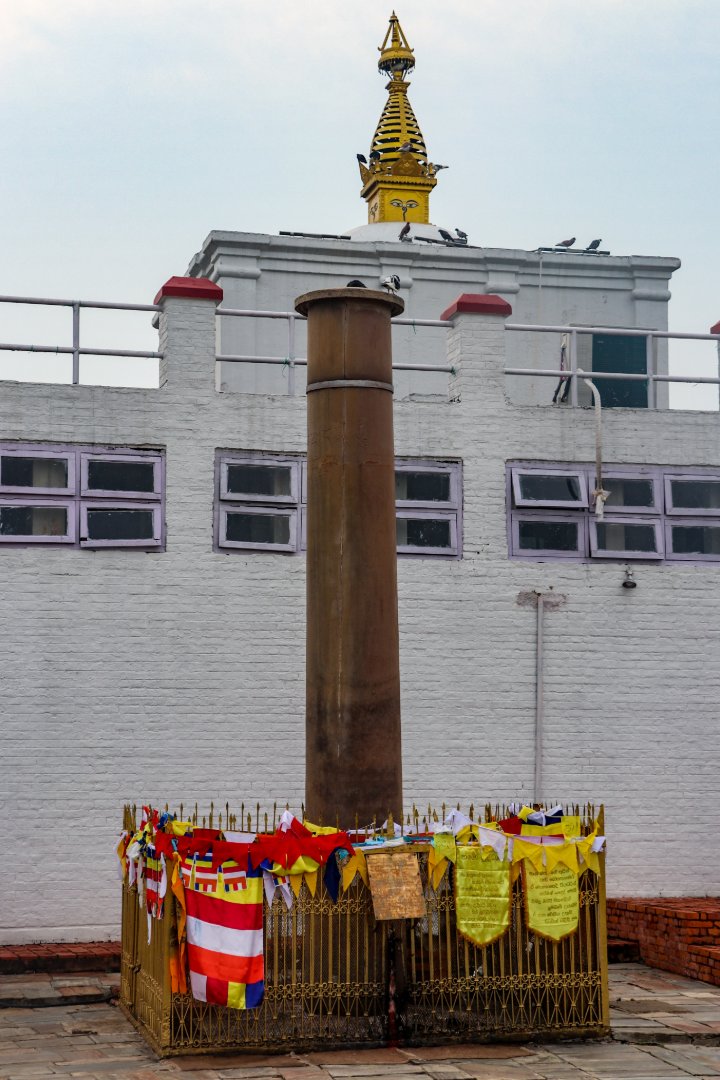
हाल यो क्षेत्रको व्यवस्थापन ... ले गर्दै आएको छ। लुम्बिनी विकास कोष, जुन विकास क्षेत्रको रेखदेख गर्ने एक सरकारी निकाय हो। यसको संरचना जापानी वास्तुकार ... द्वारा डिजाइन गरिएको गुरुयोजनामा आधारित छ। केन्जो टांगे: एउटा केन्द्रीय नहर पवित्र उद्यानबाट विहार क्षेत्र हुँदै उत्तरतर्फ बग्छ, जसको पूर्वपट्टि ... थेरवाद बौद्ध विहारहरू र पश्चिममा ... महायान र वज्रयान विहारहरू छन्। यहाँ म्यानमार र श्रीलंकादेखि लिएर जर्मनी, चीन र दक्षिण कोरियासम्मका २० भन्दा बढी देशहरूले आ-आफ्ना विहारहरू बनाएका छन्।
दक्षिणी नेपालको यात्रामा लुम्बिनीलाई सजिलै समेट्न सकिन्छ। यदि तपाईं ... जाँदै हुनुहुन्छ भने, चितवन राष्ट्रिय निकुञ्ज वन्यजन्तु हेर्न र त्यसपछि पश्चिमतर्फ लाग्दै हुनुहुन्छ भने, महेन्द्र राजमार्ग हुँदै करिब चार घण्टामा लुम्बिनी पुगिन्छ। ... बाट पोखरा, यहाँबाट दक्षिणतर्फ गाडीमा छ देखि सात घण्टाको यात्रा हो र भैरहवाबाट हवाई मार्ग हुँदै फर्कनुअघि आफ्नो यात्रामा यसलाई सजिलै थप्न सकिन्छ। दक्षिणी नेपालका घुम्नैपर्ने १० स्थानहरू ले लुम्बिनीलाई जनकपुर, बर्दिया र कोशी टप्पु जस्ता ठाउँहरूसँगै प्रस्तुत गर्दछ।
लुम्बिनीमा घुम्ने ठाउँहरू
मायादेवी मन्दिर र पवित्र बगैँचा
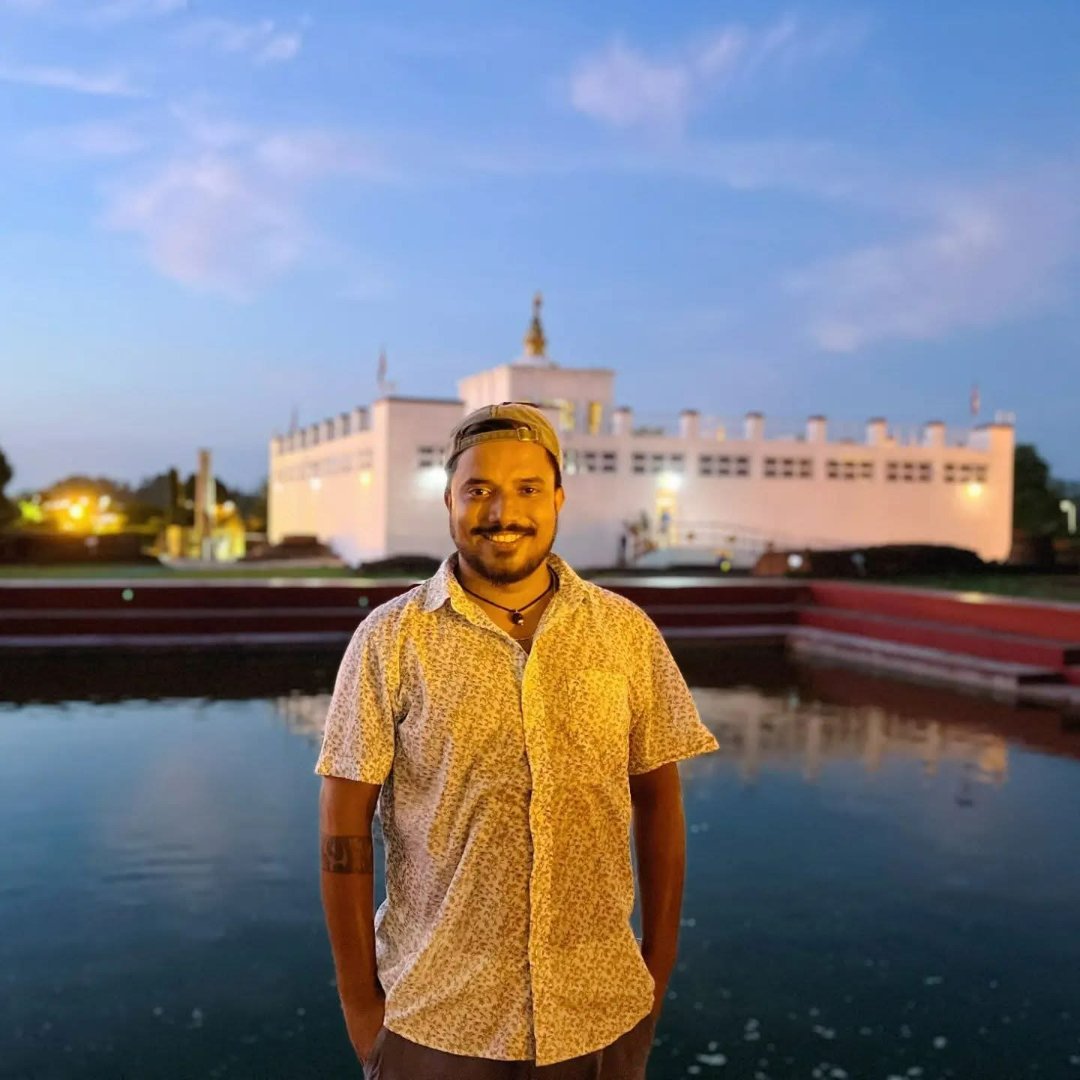
यो मन्दिरले बुद्धको जन्म भएको यथार्थ ठाउँलाई चिनाउँछ। भित्र भुइँमा राखिएको ढुङ्गाको चिह्नले १९९६ को पुरातात्त्विक उत्खननबाट प्रमाणित भएको निश्चित स्थानलाई सङ्केत गर्छ। बुद्धको जन्म दृश्य चित्रण गरिएको १४औँ शताब्दीको ढुङ्गाको मूर्ति पनि यहाँ देख्न सकिन्छ। मन्दिरभित्र फोटो खिच्न मनाही छ। यसको वरिपरिको बगैँचामा बोधि वृक्ष, प्राचीन भग्नावशेषहरू, र पुष्करिणी पवित्र पोखरी जहाँ रानी मायादेवीले जन्म दिनुअघि स्नान गर्नुभएको थियो भनिन्छ। सूर्योदयको समयमा जानुहोस्, जब प्रकाश मधुरो हुन्छ र बिहानै आउने तीर्थयात्रीहरूले गर्दा यो ठाउँ पर्यटकीय स्थलभन्दा बढी आत्मीय महसुस हुन्छ।
अशोक स्तम्भ
मन्दिरको ठीक बाहिर उभिएको यो ढुङ्गाको स्तम्भ इ.पू. २४९ मा सम्राट अशोकद्वारा आफ्नो भ्रमणको चिनो स्वरूप स्थापना गरिएको थियो। ब्राह्मी लिपिमा स्तम्भमा लेखिएको शिलालेखले, जसको १८९६ मा अनुवाद गरियो, लुम्बिनीलाई बुद्धको जन्मस्थल भनी पुष्टि गर्यो र नेपाल र भारतबीचको लामो विवादलाई टुङ्ग्यायो। स्तम्भको टुप्पो चर्किएको छ, जुन कि त चट्याङले वा चोरीको प्रारम्भिक प्रयासले क्षति भएको हो भन्ने कुरा तपाईं कुन विवरण पढ्नुहुन्छ त्यसमा भर पर्छ। जे भए पनि, यो दुई हजार वर्षभन्दा बढी समयदेखि यहाँ उभिएको छ र यसको छेउमा उभिँदा त्यो ऐतिहासिक महत्त्वको अनुभव अमूर्त रहँदैन।
विहार क्षेत्र
पवित्र बगैँचाको उत्तरमा रहेको विहार क्षेत्र लगभग २ किलोमिटरसम्म फैलिएको छ र यसलाई बीचको नहरले पूर्वी (थेरवाद) र पश्चिमी (महायान/वज्रयान) खण्डमा विभाजन गरेको छ। हरेक देशको विहारले आ-आफ्नै वास्तुकलाको परम्परा झल्काउँछ। म्यानमारको स्वर्ण मन्दिर सबैभन्दा कलात्मक छ, जसमा सुनौला छाना र जटिल नक्काशीहरू छन्। कोरियाली मन्दिर भने सरल र औपचारिक छ। ग्रेट ड्रिगुङ लोटस स्तूप जर्मन तारा फाउन्डेसनद्वारा निर्मित यस स्तूपको गजुर खोक्रो छ र सिसाको झ्यालबाट भित्र रहेको बुद्धको मूर्ति देखिन्छ।
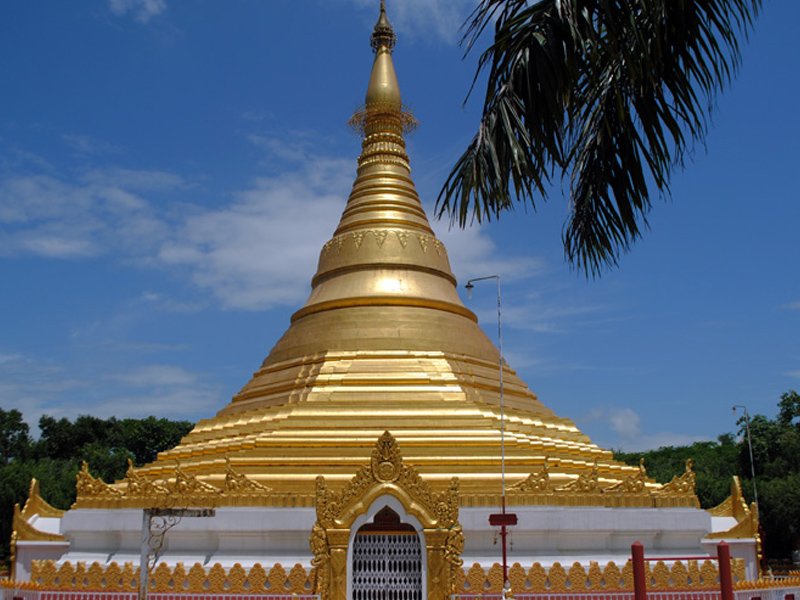
पूरै क्षेत्र हिँडेर घुम्न लगभग एक दिन लाग्छ। चिसो मौसममा साइकल भाडामा लिनु (प्रति दिन रु २०० देखि ३००) सबैभन्दा व्यावहारिक विकल्प हो। मार्चदेखि मे महिनाको गर्मीमा रिक्सा लिनु सजिलो हुन्छ: मुख्य विहारहरूमा आधा दिनको निर्देशित यात्राको लागि रु ७०० देखि १,००० लाग्छ।
विश्व शान्ति स्तूप
विहार क्षेत्रको उत्तरी छेउमा रहेको सेतो जापानी स्तूप लुम्बिनीमा सूर्यास्त हेर्नको लागि सबैभन्दा राम्रो ठाउँ हो। दिउँसोको अन्त्यतिर, तीर्थयात्रीहरूले यसको परिक्रमा गर्छन् र तराईको समथर मैदानमा चारैतिर सुन्तला रङको प्रकाश छरिन्छ। यदि तपाईंले पवित्र बगैँचामा पूरै दिन बिताइसक्नुभएको छ भने पनि साइकल चढेर यहाँसम्म आउनु सार्थक हुन्छ।
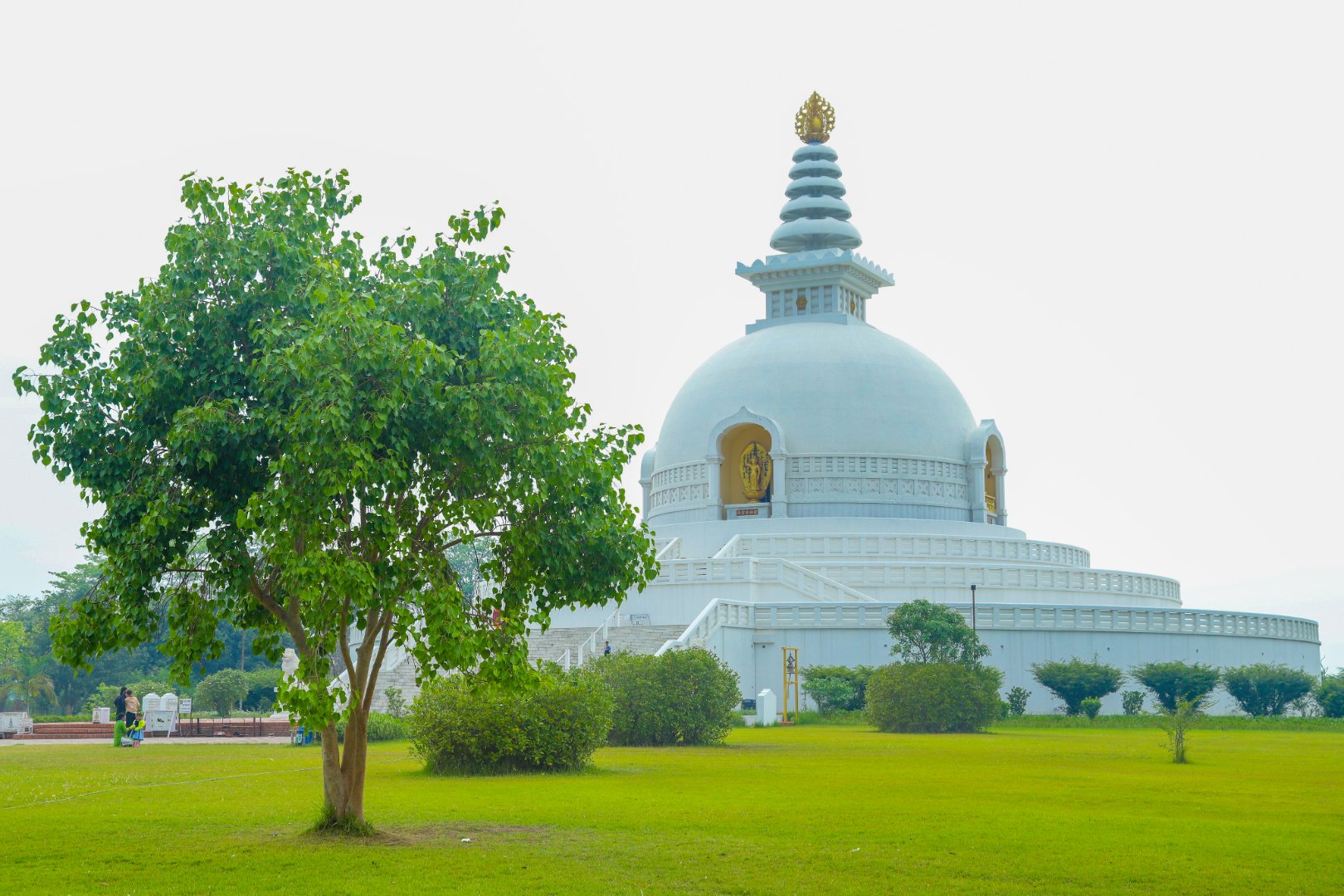
तिलौराकोटको भग्नावशेष
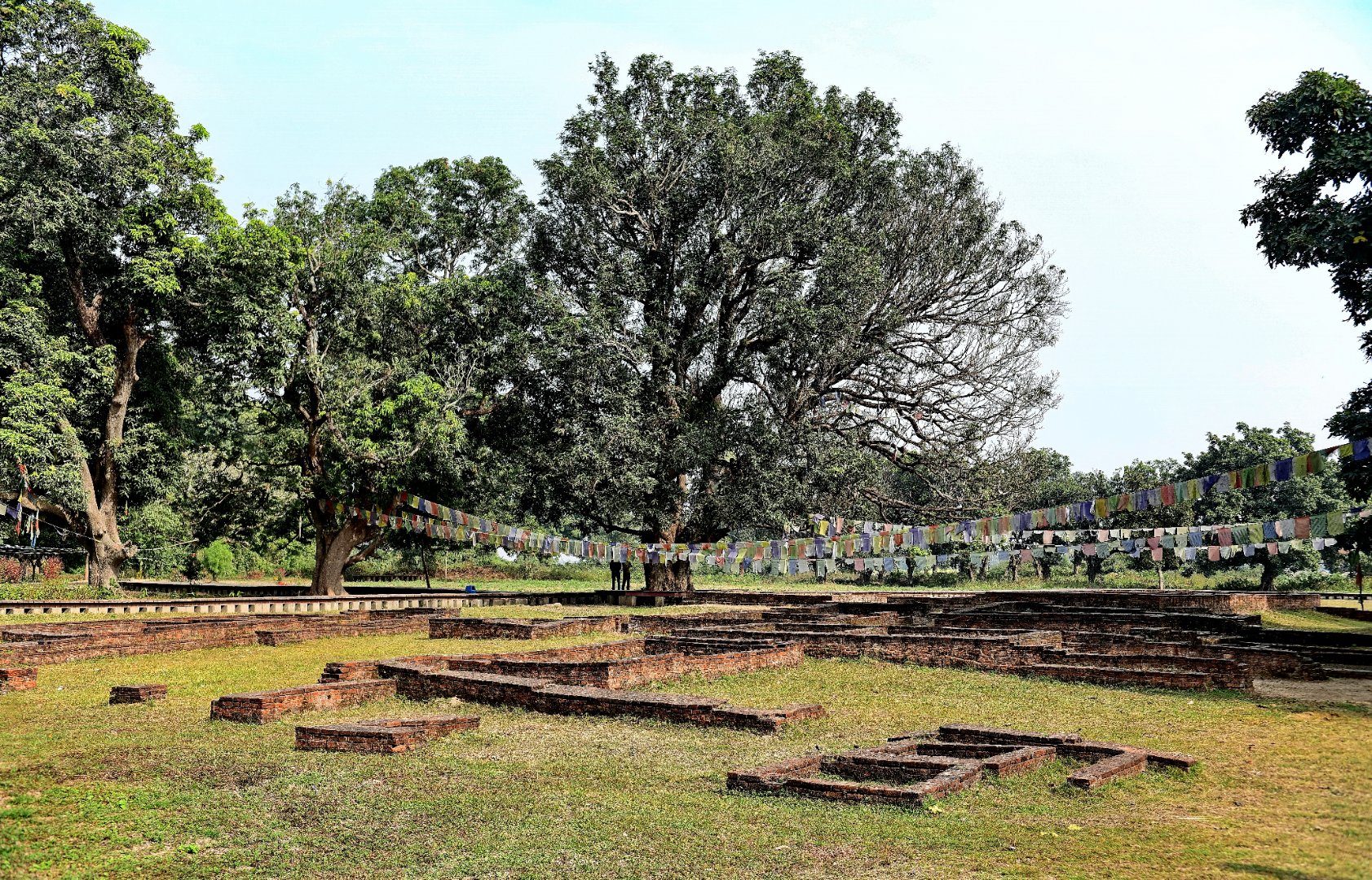
लुम्बिनीबाट सडक मार्ग हुँदै २७ किलोमिटर पश्चिममा, तिलौराकोट त्यो ठाउँ हो जहाँ सिद्धार्थ गौतमले ज्ञानको खोजीमा निस्कनुअघि २९ वर्षसम्म राजकुमारको रूपमा जीवन बिताउनुभएको थियो। यहाँ शाक्य राज्यको दरबारका प्राचीन भग्नावशेषहरू छन्, जुन आकारमा सामान्य भए पनि पुरातात्त्विक रूपमा महत्त्वपूर्ण छन्। यसको लागि छुट्टै रु ५०० को टिकट लाग्छ। यदि तपाईंसँग यस क्षेत्रमा तेस्रो दिन छ र बुद्धको जीवनको पूर्ण जीवनीमा रुचि छ भने आधा दिनको यात्रा सार्थक हुन्छ।
लुम्बिनी कसरी पुग्ने
काठमाडौंबाट हवाई मार्ग: गौतम बुद्ध अन्तर्राष्ट्रिय विमानस्थल भैरहवामा रहेको यस विमानस्थलले काठमाडौंबाट घरेलु उडानहरू (३५ मिनेट, रु ६,५०० बाट सुरु) र क्षेत्रीय केन्द्रहरूबाट केही अन्तर्राष्ट्रिय उडानहरू सञ्चालन गर्छ। विमानस्थलबाट लुम्बिनीसम्म ट्याक्सीको भाडा रु १,५०० देखि २,००० लाग्छ। यो सबैभन्दा छिटो र आरामदायी विकल्प हो।
काठमाडौंबाट सडक मार्ग: पृथ्वी राजमार्ग र महेन्द्र राजमार्ग हुँदै २८० किलोमिटर। पर्यटकीय बसहरू काठमाडौंको सोह्रखुट्टेबाट बिहान ७ बजेतिर छुट्छन् र ९ देखि ११ घण्टापछि पुग्छन्। नयाँ बसपार्कबाट रात्रि सुत्ने बसहरू पनि चल्छन्। सडक यात्राले तपाईंलाई चितवन र बर्दियाको तराई क्षेत्र हुँदै लैजान्छ, जुन रमणीय तर लामो छ। नेपालका विभिन्न भागबाट लाग्ने वास्तविक यात्रा समयको लागि, काठमाडौंबाट गाउँसम्मको यात्रा समय गाइड मा विस्तृत विवरण छ।
पोखराबाट सडक मार्ग: १९० किलोमिटर, ६ देखि ७ घण्टा। पर्यटकीय बसहरू बिहान लेकसाइडबाट छुट्छन्। अन्नपूर्ण क्षेत्रमा पहिलेदेखि नै रहेका यात्रुहरूका लागि यो बढी प्रचलित मार्ग हो। पोखरा, लुम्बिनी र चितवनको त्रिभुजमा लुम्बिनीलाई सजिलैसँग समावेश गर्न सकिन्छ, जसले गर्दा यात्रा दोहोरिँदैन।
चितवनबाट सडक मार्ग: महेन्द्र राजमार्ग हुँदै १६० किलोमिटर पश्चिम, बस वा साझा जीपमा लगभग ४ घण्टा। यदि तपाईंले बर्दिया राष्ट्रिय निकुञ्ज वा थारू सामुदायिक होमस्टेमा बस्नुभएको छ भने, भैरहवाबाट हवाईजहाजमा घर फर्कनुअघि लुम्बिनी एउटा उपयुक्त अन्तिम गन्तव्य हुन सक्छ।
भारतबाट: सबैभन्दा नजिकको सीमा नाका सुनौली हो (भारतीय सिमा: नौतनवा), जुन लुम्बिनीबाट २६ किलोमिटर टाढा छ। सुनौलीबाट लुम्बिनी बजारसम्म नियमित बस र सेयर्ड जीपहरू चल्छन्। वाराणसी वा गोरखपुरबाट नेपाल प्रवेश गर्ने यात्रुहरू काठमाडौं वा पोखरा जानुअघि प्रायः यहाँ रोकिन्छन्।
लुम्बिनीमा कहाँ बस्ने
लुम्बिनीमा बस्ने ठाउँहरू तीन प्रकारका छन्। गुम्बाका गेस्टहाउसहरू (प्रति रात NPR 1,500 देखि 3,000) साधारण, सफा र पवित्र उद्यानको नजिक छन्। उनीहरू खासगरी आध्यात्मिक वा सांस्कृतिक कारणले आउने पाहुनाहरूलाई प्राथमिकता दिन्छन्। कोरियन, भियतनामी, र जर्मन तारा फाउन्डेसनका गुम्बाहरूले साना गेस्टहाउसहरू सञ्चालन गरेका छन्।
मुख्य प्रवेशद्वारबाट करिब एक किलोमिटर दक्षिणमा रहेको लुम्बिनी बजारमा NPR 4,500 देखि 8,000 सम्मका मध्यम स्तरका होटलहरू छन्। पूर्ण आराम र धेरै रेस्टुरेन्टहरूको विकल्पका लागि, भैरहवा (२२ कि.मि.) राम्रो विकल्प हो, विशेष गरी यदि तपाईं हवाईजहाजबाट आएर भोलिपल्ट बिहान लुम्बिनी घुम्ने योजनामा हुनुहुन्छ भने।
साँचो होमस्टे अनुभवको लागि, तथागत होमस्टे Nepal Homestays मा प्रमाणित सूचीमा रहेको यो होमस्टे मायादेवी मन्दिरबाट १६ मिनेटको पैदल दूरीमा छ। यहाँ फराकिलो टेरेस, बगैँचा, बाहिर आगो ताप्ने ठाउँ, निजी बाथरूमसहितका वातानुकूलित कोठाहरू, निःशुल्क वाई-फाई, र निजी पार्किङको सुविधा छ। डिलक्स कोठाहरूको शुल्क प्रति रात NPR 2,500 छ। सम्पर्क: 9857024046। यो पवित्र उद्यानको सबैभन्दा नजिकको होमस्टे हो, जसले होटल वा गुम्बाको गेस्टहाउसभन्दा फरक, उचित सुविधा र पारिवारिक वातावरण प्रदान गर्दछ।
मूल्यहरू
लुम्बिनी घुम्ने उत्तम समय
अक्टोबरदेखि डिसेम्बरसम्मको समय सबैभन्दा उत्तम हुन्छ। मनसुनपछिको आकाश सफा हुन्छ, दिनको तापक्रम १८ देखि २८ डिग्री सेल्सियससम्म रहन्छ, र पानी परेपछिको समथर तराई हरियालीले भरिएको हुन्छ। बुद्ध जयन्ती मे महिनामा पर्छ, तर गुम्बा क्षेत्रमा हिँड्नका लागि अक्टोबरदेखि डिसेम्बरसम्मको समय सबैभन्दा अनुकूल हुन्छ।
जनवरीदेखि मार्चसम्म मौसम चिसो र सुख्खा हुन्छ। जनवरीको बिहान तापक्रम ८ देखि १० डिग्री सेल्सियससम्म झर्छ, तर छिट्टै न्यानो हुन्छ। मौसम सफा भएको दिनमा गुम्बा क्षेत्रको उत्तरी छेउबाट हिमालको दृश्य देख्न सकिन्छ। फेब्रुअरी र मार्च महिना हिँड्नका लागि रमाइलो हुन्छ।
अप्रिलदेखि मे महिनासम्म गर्मी हुन्छ, तर बिहानको समयमा घुम्न सहज हुन्छ। बुद्ध जयन्ती (बुद्धको जन्म, ज्ञान प्राप्ति र महापरिनिर्वाणको उत्सव) नेपाली महिना वैशाखको पूर्णिमाको दिन, मे महिनामा पर्दछ। यदि तपाईंको यात्राको समय मिल्यो भने, यो उत्सवको बेला यहाँको अनुभव साँच्चै विशेष हुन्छ: लाखौं तीर्थयात्रीहरू, रातभरि बल्ने दियोहरू, र बिहानसम्म चल्ने मन्त्रोच्चारण।
जुनदेखि सेप्टेम्बरसम्म मनसुनको समय हो। जुन र जुलाईमा गर्मी र उमस चर्को हुन्छ। जुनको अन्त्यतिरबाट पानी पर्न थाल्छ। पवित्र उद्यान हरियालीले भरिपूर्ण हुन्छ, तर भग्नावशेष वरपरको जमिन हिलो हुन्छ। लामो समयसम्म हिँड्नका लागि यो उत्तम समय होइन। घुम्न असम्भव त होइन, तर मुख्य यात्राको समयको रूपमा सिफारिस गरिँदैन।
व्यावहारिक सुझावहरू
बिहान ६:३० बजेसम्ममा पवित्र उद्यानबाट आफ्नो भ्रमण सुरु गर्नुहोस्। यो समयमा मायादेवी मन्दिर शान्त हुन्छ, उज्यालो राम्रो हुन्छ, र दिउँसो हुनुअघि तापक्रम पनि सहज हुन्छ।
पवित्र उद्यान र कुनै पनि मन्दिरभित्र प्रवेश गर्नुअघि जुत्ता खोल्नुहोस्। मोजा लगाउनुहोस् वा गर्मीमा तातो ढुङ्गामा हिँड्न तयार रहनुहोस्।
मायादेवी मन्दिरभित्र फोटो खिच्न मनाही छ। बाहिर सबै ठाउँमा खिच्न पाइन्छ।
पर्याप्त नेपाली रुपैयाँ बोक्नुहोस्। लुम्बिनी बजारमा ATM को सुविधा सीमित छ। यहाँ आउनुअघि भैरहवा वा काठमाडौंमा पैसा झिक्नुहोस्।
गुम्बा क्षेत्रका अधिकांश मन्दिरहरू दिउँसो १ बजेदेखि २ बजेसम्म खानाको लागि बन्द हुन्छन्। आफ्नो बिहान र दिउँसोको भ्रमण यही समयलाई ध्यानमा राखेर योजना बनाउनुहोस्।
यो क्षेत्रभरी मर्यादित पोशाक लगाउनुहोस्। काँध र घुँडा छोप्नुहोस्। तापक्रम जस्तोसुकै भए पनि यो नियम वर्षैभरि लागू हुन्छ।
लुम्बिनीका धेरैजसो रेस्टुरेन्टहरूमा मदिरा पाइँदैन। यो क्षेत्रलाई धार्मिक क्षेत्र मानिन्छ र रेस्टुरेन्टहरूले पनि त्यसैलाई अनुसरण गर्छन्।
विशेष गरी 'मोनास्ट्री जोन'का लागि दोस्रो दिन छुट्याउनु राम्रो हुन्छ। पैदल हिँडेर पूरा चक्कर लगाउन कति समय लाग्छ भन्ने कुरा धेरैजसो आगन्तुकहरूले कम आँक्छन्।
अन्त्यमा
लुम्बिनी आउने अधिकांश मानिसहरू तीर्थयात्री हुन्छन्। उनीहरूले यो यात्राको योजना वर्षौंदेखि, कहिलेकाहीँ त दशकौंदेखि बनाइरहेका हुन्छन्। तपाईंले पवित्र उद्यान (Sacred Garden) मा श्रीलंकाका भिक्षुहरू, दक्षिण कोरियाका हजुरआमाहरू, र विशेष गरी यसैका लागि बचत गरेका थाइल्यान्डका परिवारहरूसँगै हिँड्नुहुनेछ। यो ठाउँ हिमाली गन्तव्यहरू जस्तो नाटकीय छैन। यो समथर छ, सुख्खा मौसममा धुलाम्मे हुन्छ, र मायादेवी मन्दिर पनि सामान्य आकारको छ। तर यहाँको विशेष अनुभूति के हो भने, जब तपाईं नेपालको तराईमा रहेको एउटा मन्दिरको भुइँमा राखिएको ढुङ्गाको चिनोमा उभिनुहुन्छ, तपाईंलाई थाहा हुन्छ कि साढे दुई हजार वर्षअघि सबै कुरा यहीँबाट सुरु भएको थियो, र तपाईंको वरपर रहेका ती सबै मानिसहरूलाई पनि यो कुरा थाहा छ।
त्यो अनुभूतिलाई राम्रोसँग लिन दुई रात पर्याप्त हुन्छ। पवित्र उद्यान नजिकैका होमस्टे विकल्पहरू हेर्नुहोस् नेपाल होमस्टे र सिधै गृहधनी परिवारसँग बुकिङ गर्नुहोस्।
बारम्बार सोधिने प्रश्नहरू
लुम्बिनी केका लागि प्रसिद्ध छ?
लुम्बिनी ऐतिहासिक बुद्ध, सिद्धार्थ गौतमको प्रमाणित जन्मस्थल हो। यो युनेस्को विश्व सम्पदा क्षेत्र हो, जहाँ मायादेवी मन्दिर, ईसापूर्व २४९ को अशोक स्तम्भ, र श्रीलंकादेखि जर्मनीसम्मका देशहरूले बनाएका २० भन्दा बढी अन्तर्राष्ट्रिय बौद्ध विहारहरू रहेको 'मोनास्ट्री जोन' छ।
काठमाडौंबाट लुम्बिनी कति टाढा छ?
लुम्बिनी काठमाडौंबाट २८० किलोमिटर टाढा छ। सडक मार्गबाट पर्यटक बसमा जाँदा ९ देखि ११ घण्टा लाग्छ। हवाई मार्गबाट भैरहवाको घरेलु उडान ३५ मिनेटको हुन्छ र विमानस्थलबाट लुम्बिनीसम्म ट्याक्सीमा थप ३० देखि ४० मिनेट लाग्छ।
लुम्बिनीको प्रवेश शुल्क कति हो?
पवित्र उद्यान (Sacred Garden) को प्रवेश शुल्क विदेशी आगन्तुकहरूका लागि रु ५००, सार्क राष्ट्रका नागरिकहरूका लागि रु १००, र नेपाली नागरिकहरूका लागि निःशुल्क छ। 'मोनास्ट्री जोन'मा घुम्नका लागि कुनै शुल्क लाग्दैन। केही विहारहरूले रु ५० देखि २०० सम्मको सानो स्वैच्छिक दानको अपेक्षा गर्छन्। २७ किलोमिटर पश्चिममा रहेको तिलौराकोट भग्नावशेषका लागि छुट्टै रु ५०० प्रवेश शुल्क लाग्छ।
लुम्बिनी घुम्न कति दिन लाग्छ?
हतार नगरी पवित्र उद्यान (Sacred Garden) र 'मोनास्ट्री जोन'का दुवै खण्ड हेर्नका लागि कम्तिमा दुई पूरा दिन लाग्छ। तेस्रो दिनमा तिलौराकोट भग्नावशेषको आधा दिनको यात्रा गर्न र फुर्सदमा घुम्न लायकका केही विहारहरूमा थप समय बिताउन सकिन्छ।
लुम्बिनी घुम्नका लागि सबैभन्दा राम्रो समय कुन हो?
अक्टोबरदेखि अप्रिलसम्मको समय सबैभन्दा उपयुक्त हुन्छ। अक्टोबरदेखि डिसेम्बरसम्म तापक्रम सबैभन्दा सहज र मौसम सफा हुन्छ। यदि तपाईंको यात्रा बुद्ध जयन्तीको समयमा मिल्छ भने मे महिना पनि राम्रो विकल्प हुन सक्छ, किनकि यो समयमा यो क्षेत्र तीर्थयात्री र विभिन्न समारोहहरूले जीवन्त हुन्छ। गर्मी र मनसुनी वर्षाका कारण जुनदेखि सेप्टेम्बरसम्मको यात्रा नगर्नुहोस्।
लुम्बिनीमा कहाँ बस्ने?
तथागत होमस्टे मायादेवी मन्दिरबाट १६ मिनेटको पैदल दूरीमा छ, जहाँ प्रति रात रु २,५०० मा वातानुकूलित कोठाहरू, बगैँचासहितको टेरेस, र निःशुल्क वाईफाई उपलब्ध छ। 'मोनास्ट्री जोन' भित्रै रहेका गेस्टहाउसहरूको शुल्क रु १,५०० देखि ३,००० सम्म पर्छ। लुम्बिनी बजारका मध्यम स्तरका होटलहरूको शुल्क रु ४,५०० देखि ८,००० सम्म पर्छ।
पोखराबाट एकै दिनमा लुम्बिनी घुमेर फर्कन सकिन्छ?
सकिन्छ, तर दिन एकदमै लामो हुन्छ। पोखरादेखि लुम्बिनी पुग्न एकतर्फी ६ देखि ७ घण्टा लाग्छ। एक दिने यात्रामा लुम्बिनीमा घुम्नका लागि लगभग समय नै हुँदैन। यदि तपाईं पोखराबाट आउँदै हुनुहुन्छ भने दुई रात बस्नु नै उत्तम विकल्प हो।
बौद्ध धर्मावलम्बी नभएकाहरूका लागि पनि के लुम्बिनी घुम्न लायक छ?
अवश्य छ। यस ठाउँको ऐतिहासिक र पुरातात्विक महत्त्व धार्मिक आस्थाभन्दा पर छ। २५०० वर्षभन्दा पहिले एक प्रमाणित ऐतिहासिक व्यक्तित्व जन्मेको र २० भन्दा बढी देशहरूले साझा स्मारकहरू बनाएको भूमिमा हिँड्नु, जुनसुकै आस्थाका लागि पनि एउटा सार्थक यात्रा हो।
Company Admin
नेपालका सुन्दर होमस्टेहरूबारे सच्चा कथा र अनुभव साझा गर्ने यात्रा लेखक।