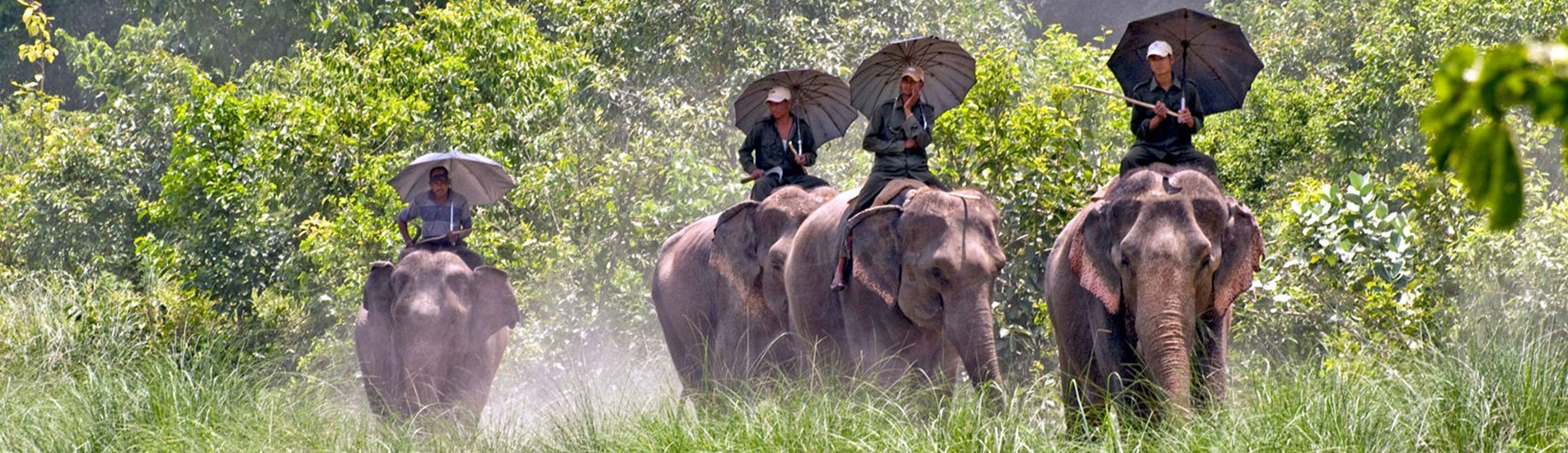
Bardiya National Park is Nepal's wildest jungle destination — home to Bengal tigers, rhinos, and authentic Tharu culture. This 2026 guide covers safaris, homestays, food, costs, and everything you need to plan your first visit to Nepal's most rewarding off-the-beaten-track destination.
Most people who visit Nepal never make it to Bardiya. The journey is long, the roads are rough, and it does not appear on the usual tourist trail. That is exactly why the people who do make it there almost always say it was the best part of their trip.
Bardiya National Park sits in the far western lowlands of Nepal, about 570 km from Kathmandu. It is the country's largest uninterrupted national park, covering 968 square kilometers of dense sal forest, tall grasslands, and river valleys along the Karnali River. Wild Bengal tigers, one-horned rhinos, Asian elephants, and gharial crocodiles all live here, in one of the least disturbed jungles in Asia. And because so few tourists come, you may walk an entire morning in the park without seeing another visitor.
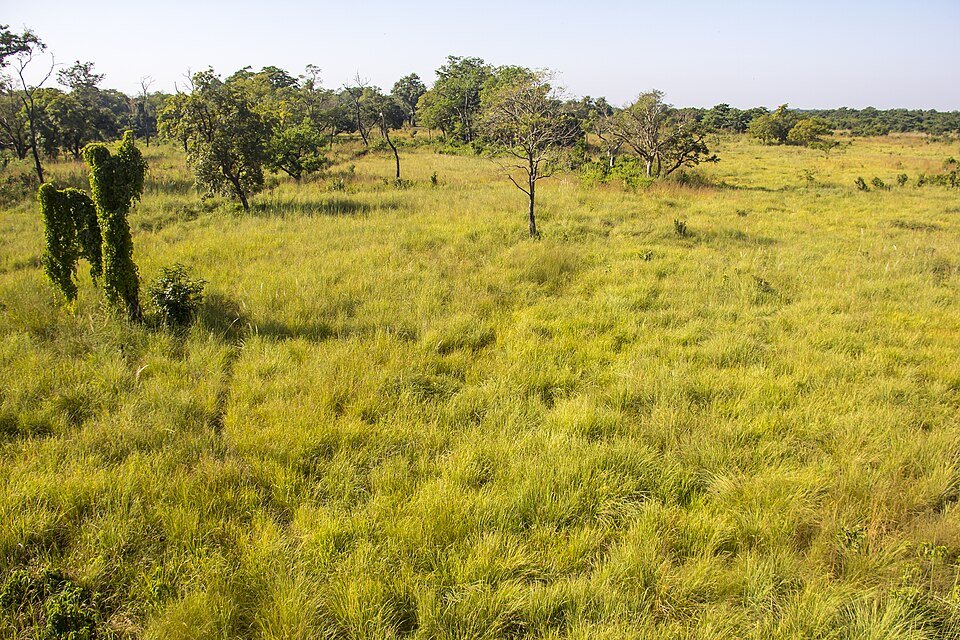
This guide covers everything you need for a real trip to Bardiya in 2026. It is written for first-time visitors who want honest, up-to-date information.
Here is what you will find inside:
The best things to do in Bardiya, with current 2026 prices
A detailed 3-day itinerary with specific timing and named places
Where to eat, including Tharu food you should try
Where to stay at every budget level, with specific verified options
Scams and problems to watch out for so you do not lose money
When to go, how to get there, and practical tips before you travel
Quick Facts About Bardiya
Why Bardiya Is Worth the Long Journey
Bardiya is one of the few places in Asia where you can walk through a real jungle and come face to face with some of the world's rarest animals. There are no crowds, no traffic, and no tour buses. Just you, your guide, and the jungle.
The park gets very few foreign visitors compared to Chitwan, which means the animals are not used to people and the experience feels completely wild. Locals say Bardiya is what Chitwan was thirty years ago, before tourism took over.
Wildlife lovers have a genuine chance to see wild Bengal tigers, one-horned rhinos, Asian elephants, Gangetic dolphins, and over 400 bird species all in one place.
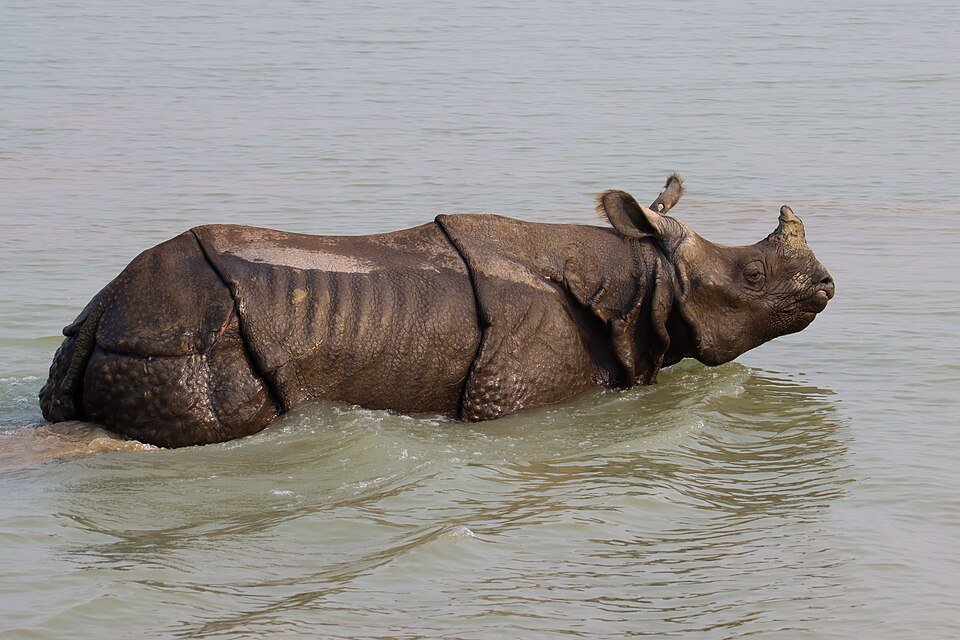
Culture seekers can spend time in Tharu villages, where the indigenous Dangura Tharu people have lived alongside tigers and elephants for centuries and have a culture found nowhere else in Nepal. The Tharu community's deep connection to the jungle shapes every part of daily life here, from the food they cook to the way they build their homes.
Travelers who want to escape the tourist trail will find Bardiya has almost no other visitors, no souvenir touts, and no crowds at the park gates at sunrise.
Best Things to Do in Bardiya
Bardiya offers more than just jungle safaris. Below are the top activities with honest details and current prices so you can plan your days well.
1. Go on a Jeep Safari
A jeep safari is the best way to cover large areas of the park quickly and your best chance of spotting tigers, rhinos, and elephants. Your guide drives through open grasslands and riverine forest while you scan the trees and grass from the open vehicle roof.
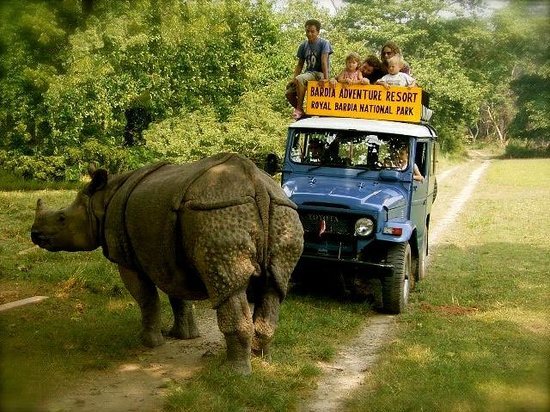
Half-day jeep safaris give you a solid 3 to 4 hours in the park and are a great starting point for first-time visitors.
A half-day jeep safari costs NPR 4,000 to 6,000 per person including a guide and the park entry permit.
A full-day jeep safari costs NPR 7,000 to 10,000 and includes a packed lunch eaten on a riverbank inside the park.
The best time for jeep safaris is early morning between 5:30 and 9 am when animals are most active near water sources.
All jeep safaris are booked and arranged directly through your lodge or homestay the evening before.
2. Do a Walking Safari
A walking safari through Bardiya's jungle is the most exciting thing you can do in Nepal's wilderness. You follow a trained naturalist guide on foot through the sal forest, reading animal tracks, listening for alarm calls from deer, and getting genuinely close to the jungle in a way that no vehicle can offer.
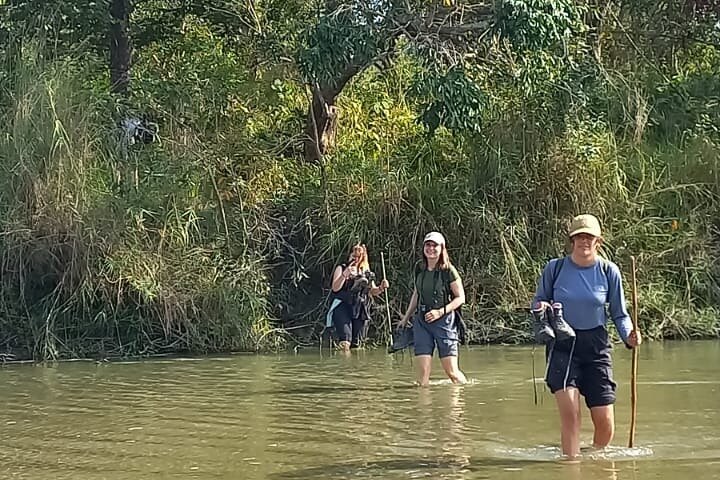
A guide is not optional here. It is a legal requirement, and a good guide makes the difference between a memorable walk and a missed experience.
Walking safaris cost NPR 3,000 to 5,000 per person per day including your guide and park entry permit.
Full-day walks cover more ground and give you the best chance of finding tiger footprints, rhino wallows, and elephant herds.
You need closed shoes, earth-toned clothing in khaki or olive (no bright colors), a hat, sunscreen, and plenty of water before starting.
A multi-day walking safari where you sleep in the jungle camping area is possible and costs NPR 8,000 to 12,000 per person per day all-inclusive.
3. Take a Karnali River Canoe Ride
The Karnali River borders the western edge of Bardiya National Park and is one of the best places in Nepal to spot the rare Gangetic river dolphin. A slow canoe drift along the riverbank also gives you views of gharial crocodiles sunbathing on the banks and many waterbirds flying overhead.
This is one of the most peaceful activities in Bardiya and a good option on your second or third afternoon after the morning jeep safari.
A half-day canoe trip on the Karnali costs NPR 2,500 to 4,000 per person including a guide.
Early morning and late afternoon trips offer the best light and the highest chance of seeing dolphins near the surface.
The canoe sits low on the water, so keeping weight balanced and not standing up is important for safety.
Your lodge can arrange this as a combined package with a morning jeep safari for a full day of activities.
4. Visit a Tharu Village
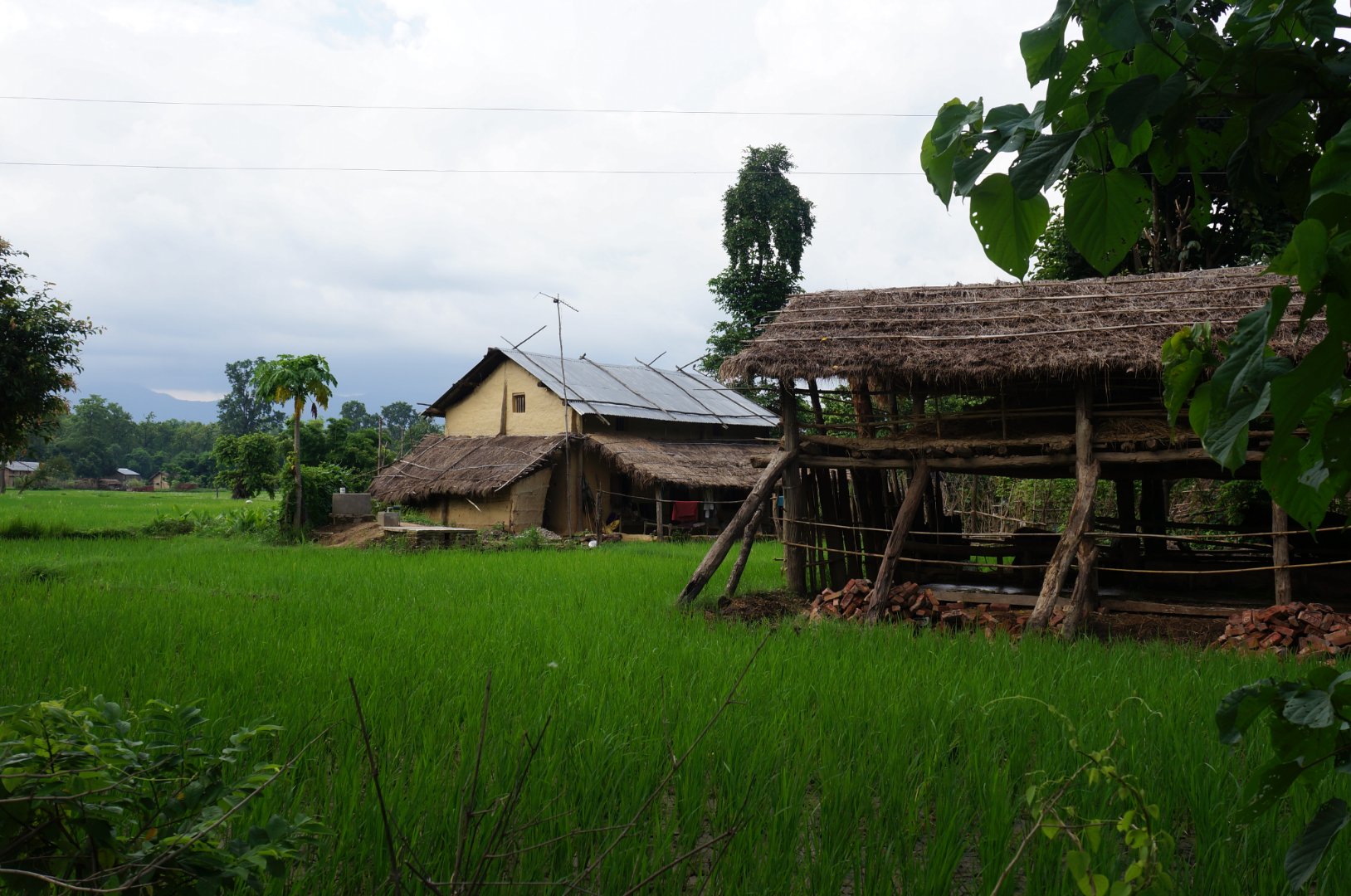
The Tharu people have lived in this jungle region for centuries. They built their lives around the forest and the river long before Bardiya became a national park. Spending time in a Tharu village outside the park boundary is one of the most genuine cultural experiences available anywhere in Nepal.
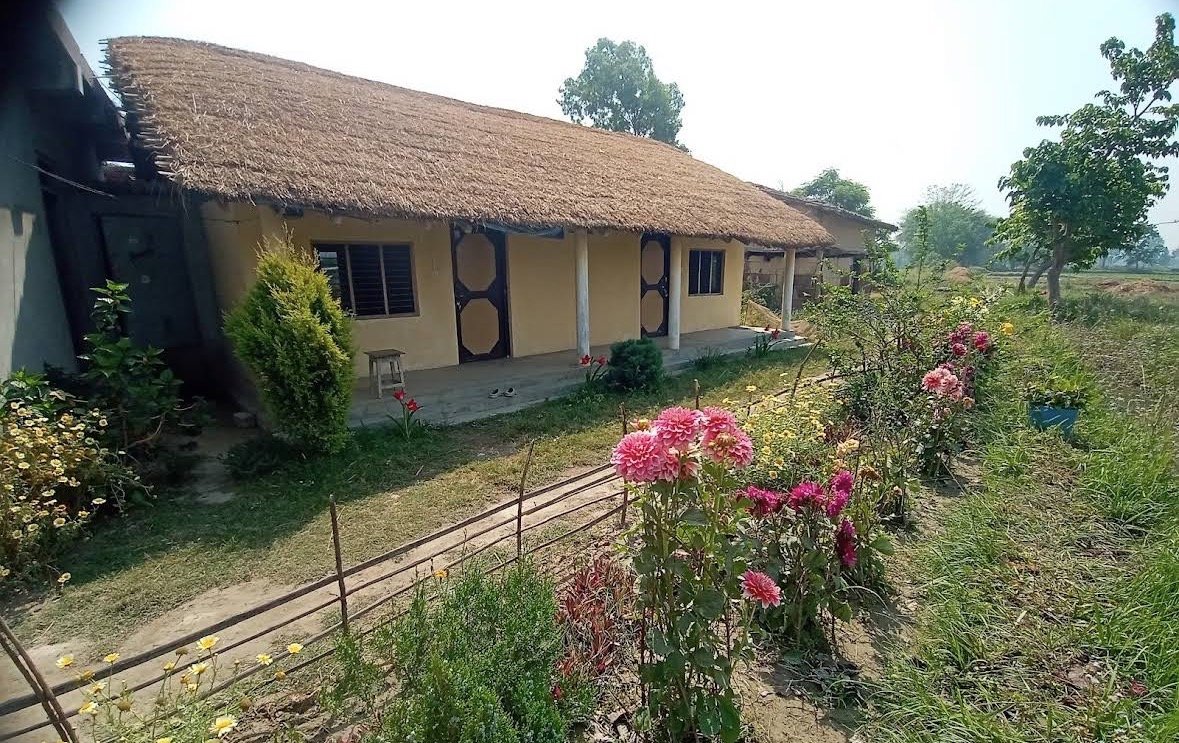
The village of Dalla near Thakurdwara is the most accessible Tharu community for visitors and the best place to see traditional Tharu homes, crafts, and daily life. Many travelers who stay in a Tharu homestay say it changed the way they think about Nepal entirely.
Village visits are usually arranged through your homestay and cost NPR 500 to 1,000 per person including a local guide.
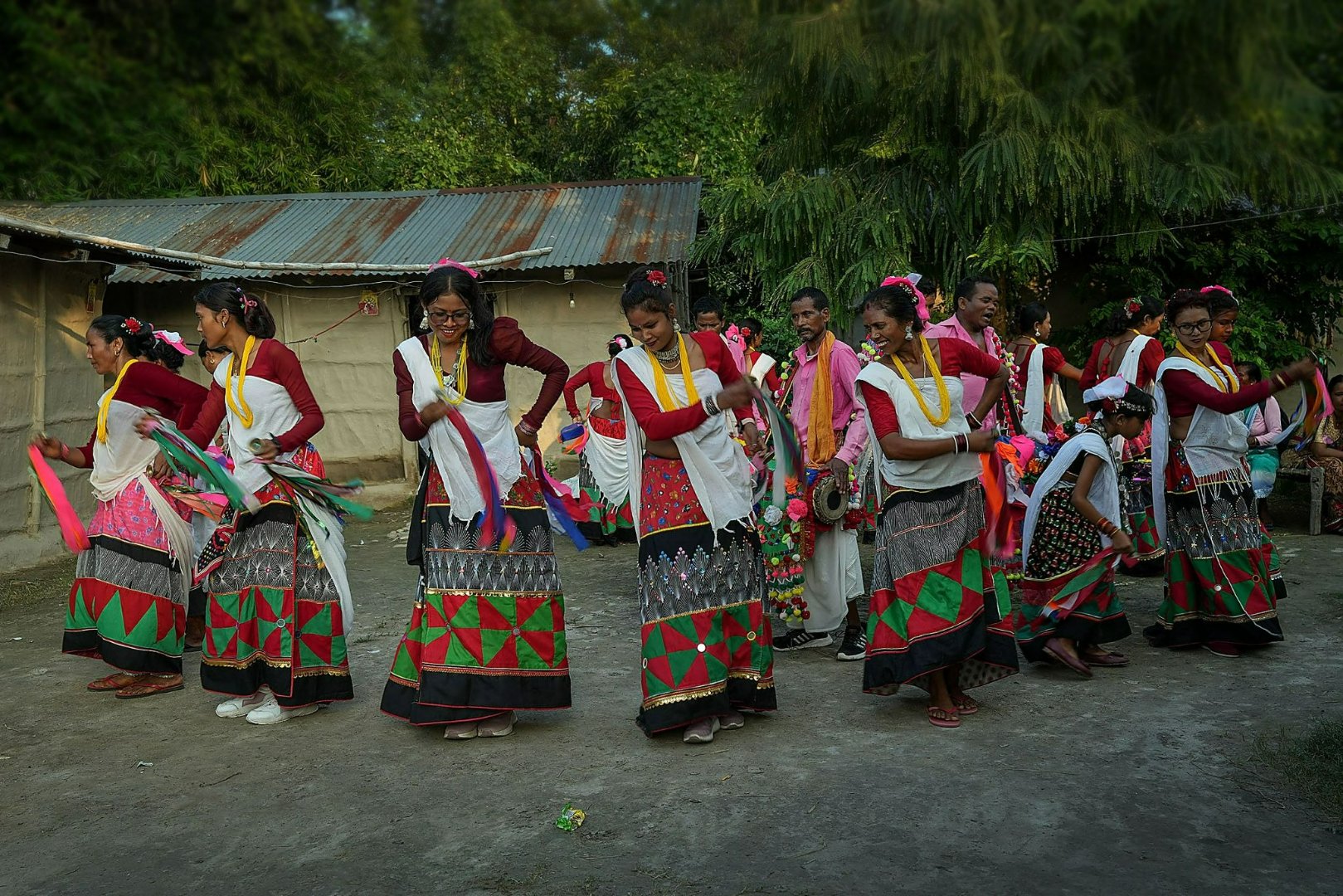
Evening cultural dance performances by the local Tharu dance group happen regularly and show the traditional songs, dances, and costumes of the Dangura Tharu.
Trying a Tharu meal at a local home is part of the experience and costs around NPR 400 to 600 for a full meal with rice, lentil soup, vegetables, and local fish.
Joining villagers during rice harvest in October or rice planting in late June is possible and gives you a window into farming life that most tourists never see.
5. Go Birdwatching
Bardiya is one of the top birdwatching destinations in Nepal, with over 400 recorded species including many that are rare or endangered. The Bengal florican, lesser florican, sarus crane, great hornbill, and giant kingfisher are all found here.
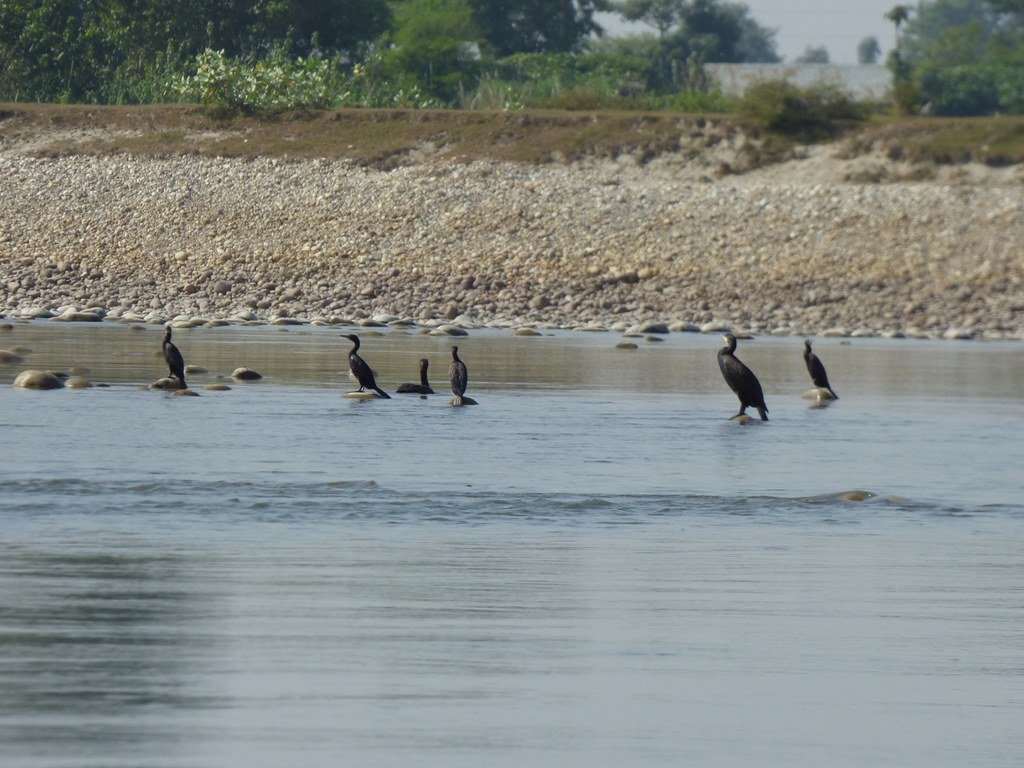
You do not need to be a serious birdwatcher to enjoy birding in Bardiya. Any early morning walk near the riverbank will give you spectacular birds that are impossible to find elsewhere in Nepal.
Birdwatching walks cost NPR 2,000 to 3,500 per person for a 3 to 4 hour guided walk focused on birds.
October to March is the best period for birdwatching because migratory species arrive and the vegetation is lower, making birds easier to spot.
Bringing binoculars adds a lot to the experience. Some lodges and homestays lend them to guests, so it is worth asking when you check in.
The buffer zone along the park boundary is almost as good as the park interior for birds and does not require a park entry permit.
6. Cycle Through Tharu Villages
Renting a bicycle and riding through the countryside around Thakurdwara is one of the most relaxing and rewarding half-days you can spend in Bardiya. The roads pass through rice and mustard fields, past traditional Tharu mud-and-bamboo homes, and through small communities where children wave and farmers stop to talk.
This is one of those activities that costs almost nothing but gives you memories that last longer than an expensive safari.
Bicycle rentals cost NPR 300 to 600 per day from most lodges and homestays in Thakurdwara.
A 2 to 3 hour loop through Dalla, Kailashi, and the surrounding villages covers around 15 to 20 km on flat ground.
Starting early at 6 to 7 am means cooler temperatures, cleaner air, and a chance to watch the morning routine in the villages.
Taking plenty of water is important because the Terai heat builds quickly after 9 am even in the cooler months.
7. Try Tiger Tracking
Tiger tracking is a specialized guided activity where your naturalist reads pugmarks, scratch marks on trees, prey carcasses, and alarm calls from deer to find signs of tiger movement through the park. You follow the evidence on foot into the forest, and if luck is on your side, you may see the tiger itself.
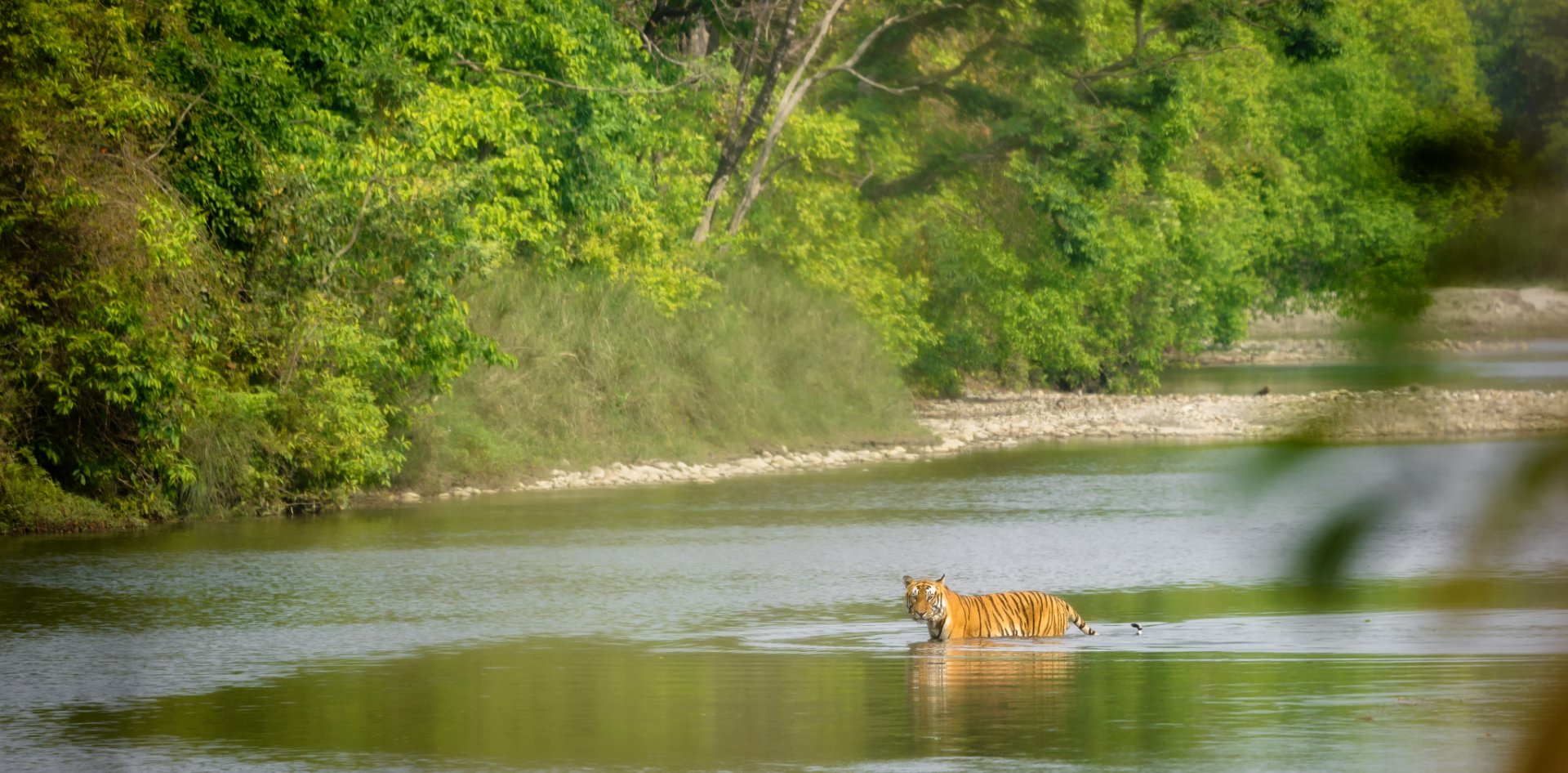
Bardiya has over 125 wild Bengal tigers according to the Department of National Parks and Wildlife Conservation, which is the highest concentration in Nepal.
Tiger tracking costs NPR 5,000 to 8,000 per person for a full day including your park permit and guide.
The best months for tiger sightings are March, April, and early May when the dry heat forces tigers to visit water sources regularly.
Seeing a tiger is not guaranteed. Most visitors who stay two or more full days have a reasonable chance, especially with an experienced guide.
Your guide will brief you fully on behavior and safety before entering the park. Following instructions exactly is non-negotiable in the jungle.
8. Raft the Karnali River
A rafting or floating trip on the Karnali River combines wildlife watching with river adventure and is one of the most popular full-day activities in Bardiya. The river runs through the western boundary of the park and you scan the banks for crocodiles, dolphins, eagles, and animals coming to drink.
This is different from white water rafting. The Karnali through Bardiya is mostly calm and the focus is on wildlife, not rapids. For more on river activities across Nepal, the Nepal Tourism Board's rafting and kayaking guide covers the main options.
A half-day river float costs NPR 3,500 to 5,500 per person including transport, equipment, and a guide.
A full-day raft trip with a riverside lunch costs NPR 6,000 to 9,000 and covers a longer stretch of the river with better wildlife viewing.
The Karnali rafting season runs from October to June. Monsoon water levels from July to September make the river too fast and unpredictable for safe trips.
Detailed 3-Day Bardiya Itinerary
Three full days in Bardiya lets you try every major activity without rushing. This itinerary is designed for first-time visitors and built around the way animals behave so you have the best chance of seeing wildlife.
Day 1: Arrival, Afternoon Canoe Ride, and Tharu Village Evening
Arrive in Thakurdwara by midday, check into your homestay or lodge, and rest for an hour. Spend the afternoon on a 2 to 3 hour canoe trip on the Karnali River starting around 3 pm. The light is good for photography and the riverside is active with birds and crocodiles at this hour.
After the canoe trip, walk or cycle to the Tharu cultural dance performance that your homestay can arrange for the evening. This usually starts at 7 pm and lasts about one hour. Have dinner at your homestay, which will almost always include home-cooked dal bhat, local vegetables, and fresh fish from the river. Plan to sleep early because tomorrow starts before sunrise.
Day 2: Full-Day Jeep Safari and Tiger Tracking
Wake at 5 am and be at the park gate by 5:30 am for the start of your full-day jeep safari. The first two hours from 5:30 to 7:30 am are the best for tiger and rhino sightings when the animals are at their most active.
Stop for a packed lunch on a riverbank inside the park at midday, then continue the safari in the afternoon through the grasslands where elephants and deer are common.
Return to the lodge by 5 pm and have dinner. If your guide reports good tiger signs that day, ask about a morning tiger tracking walk for Day 3.
Day 3: Morning Walking Safari and Village Cycling
Wake at 5:30 am for a 3 to 4 hour walking safari with your guide. Walking lets you read the jungle in a way that a jeep cannot. Your guide will show you fresh pugmarks, broken grass from elephant movement, and the scratch marks that tigers leave on sal trees.
After breakfast and a rest, rent a bicycle at your lodge and spend the late morning cycling through the Tharu villages of Dalla and Kailashi. Stop for lunch at a local Tharu home or a small restaurant in the village for NPR 400 to 600.
Spend the afternoon relaxing at your homestay. Buy a small handmade bamboo basket from a Tharu woman weaver as a genuine souvenir before you leave.
Have more time? A multi-day walking safari sleeping inside the park is one of the most intense and rewarding experiences in Nepal. The Babai Valley inside the park is a remote area with exceptional wildlife and almost no other visitors. If you are also considering Chitwan on the same trip, the Chitwan National Park guide lays out how the two parks compare so you can plan your time in the Terai well.
Best Time to Visit Bardiya
Bardiya can be visited almost all year but the season makes a very big difference in what you will see and experience.
October, November, March, and April are the best months overall. The grass has been cut or dried down after monsoon so visibility into the jungle is much better, and the weather is comfortable for long walks.
The best months to see tigers specifically are March and April. The dry heat forces tigers to visit water sources during daylight hours, which gives you a much higher chance of a sighting.
Monsoon season from late June to September brings daily rain that makes jeep tracks muddy and river trips unsafe. Most lodges and guides operate through monsoon at reduced rates, but the wildlife experience is significantly harder.
How to Get to Bardiya from Kathmandu
Getting to Bardiya takes more planning than getting to Pokhara or Chitwan. If you are still deciding how much time to budget for travel across Nepal, this guide to real travel times from Kathmandu covers the main routes honestly.
By Bus (Budget Option)
The overnight bus from Kathmandu to Thakurdwara is the cheapest way to get to Bardiya and the choice of most budget travelers. It is a local bus, not a tourist bus, so it will be crowded and noisy and there is no air conditioning.
The bus takes 15 to 17 hours depending on road conditions and traffic out of Kathmandu.
Buses to Bardiya depart from Gongabu Bus Park (also called Naya Bus Park) in Kathmandu every evening around 5 to 6 pm.
The ticket costs NPR 2,000 to 2,500 per person one way and drops you directly in Thakurdwara the next morning.
Booking your bus ticket through your lodge or a travel agent in Thamel the day before is strongly recommended because seats fill up fast.
Letting the driver know at departure that you are getting off at Thakurdwara is important, otherwise the bus may not stop and will continue toward the Indian border.
By Flight to Nepalgunj then Jeep (Fastest Option)
Flying to Nepalgunj and then driving to Bardiya cuts the journey to about 4 to 5 hours total and is the right choice if your time in Nepal is short.
Flights from Kathmandu to Nepalgunj Airport (KEP) take about 50 minutes and cost USD 100 to 130 one way on Buddha Air or Yeti Airlines.
From Nepalgunj airport, a jeep or private car to Thakurdwara takes about 2.5 to 3 hours and costs NPR 5,000 to 8,000 for the whole vehicle.
Your lodge or homestay in Bardiya can arrange the Nepalgunj pickup in advance, which saves time and confusion at the airport.
Booking the flight at least 3 to 4 days ahead during October to March is important because seats sell out quickly in peak season.
By Bus from Pokhara
Travelers coming from Pokhara can take a direct overnight bus to Ambassa, which is the junction town near Bardiya, and then a short local bus or jeep to Thakurdwara.
Buses from Pokhara to Ambassa depart from Prithvi Chowk in Pokhara and take about 12 to 15 hours.
The ticket costs NPR 1,500 to 2,000 per person.
From Ambassa, a local bus or shared jeep to Thakurdwara costs NPR 200 to 300 and takes about 40 minutes.
Where to Stay in Bardiya
Thakurdwara is the main village next to Bardiya National Park and is where almost all accommodation is located. The village is small and quiet, with no bars or restaurant strip the way Pokhara or Chitwan has.
Unlike popular tourist towns, most travelers eat all their meals wherever they are staying in Bardiya. This is part of what makes the place feel so remote and genuine. If you are still deciding between a guesthouse and a local family stay, the guide on homestay vs hotel in Nepal explains the real differences clearly.
The best recommendation for Bardiya is a local Tharu homestay. The price is similar to a basic guesthouse but you get home-cooked meals, a genuine welcome, and a real connection to the place you have traveled so far to see. Nepal Homestays has verified that the Tharu family stays in and around Bardiya starting from NPR 1,500 per night with meals included.
Here are the main types of accommodation with honest details:
Tharu family homestays are the most genuine option in Bardiya. A clean room, home-cooked Tharu food, and a host who knows the jungle better than most guides costs from NPR 1,500 per night with breakfast and dinner included.
Budget lodges are simple rooms near the park gate with basic meals, costing NPR 800 to 1,500 per night for a room without food. The food quality varies, so ask about meal options before booking.
Mid-range eco lodges offer more comfortable rooms with garden seating, reliable meals, and in-house guide services at USD 30 to 60 per night including meals.
Luxury lodges like Tiger Tops Karnali Lodge offer premium rooms with river views, expert naturalist guides, and all-inclusive packages at USD 150 to 300+ per night per person.
Browse all homestay options near Bardiya here.
What to Eat in Bardiya
Bardiya does not have a restaurant strip. Most travelers eat at their lodge or homestay for every meal, which is actually a good thing because the home-cooked Tharu food in Bardiya is genuinely excellent.
One important difference from tourist towns: prices here are almost always straightforward with no surprise tax additions. Most homestays include meals in the room price, so ask clearly what is included when you book.
Local Foods to Try in Bardiya
Tharu cooking is different from the Nepali food you find in Kathmandu or Pokhara. The Tharu people have their own recipes, ingredients, and cooking methods developed over centuries of living in the jungle. Travelers who stay with Tharu families often say the food alone was worth the trip. If you want to know how food and culture connect across different regions of Nepal, the guide to Nepal's culture, festivals, and craft traditions covers it well.
Dal Bhat is the daily staple, but the Tharu version is different from what you eat in the hills. The lentils are cooked with local herbs and the side dishes often include jungle greens and river fish. Most homestays give unlimited refills for NPR 300 to 500.
Dhikri is a traditional Tharu rice cake steamed in banana leaf. It is soft, slightly sticky, and usually served at festivals or for breakfast with a side of spiced lentil soup. It is unique to the Tharu people and you cannot find it elsewhere in Nepal.
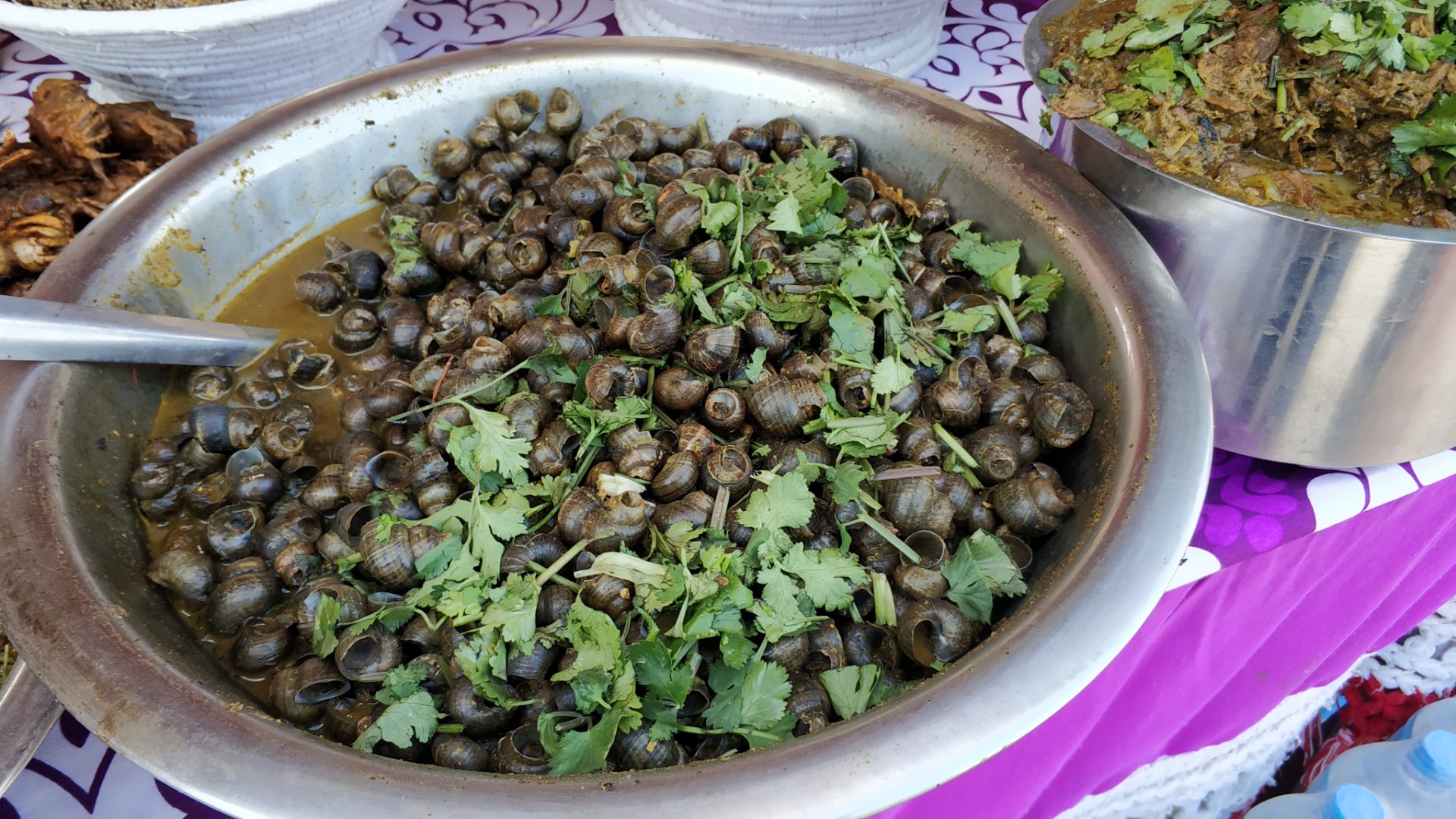
Ghongi is a Tharu snail curry made from freshwater snails collected from the rice paddies and rivers around Bardiya. It sounds unusual but it is a genuine local dish that has been part of Tharu food culture for generations. Try it at least once.
River fish curry is served at most homestays and uses fresh fish caught from the Karnali or Babai River the same day. The fish is cooked with mustard oil, turmeric, and local spices and served with rice and lentils.
Duck curry is a special occasion dish in Tharu homes, rich, slow-cooked, and deeply flavored. Some homestays serve this on request or during festivals.
Scams and Problems to Watch Out For in Bardiya
Bardiya is a safe and welcoming place, but a few situations catch first-time visitors off guard. Knowing about these before you arrive can save you real money and frustration.
Unlicensed Guides at the Park Gate
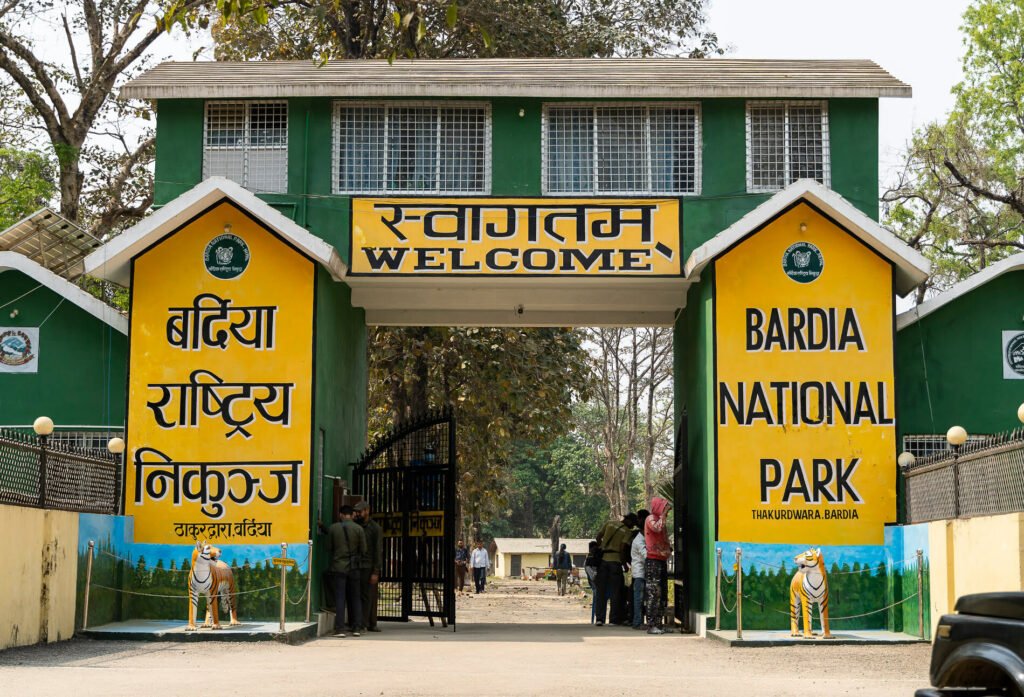
Some men near the Thakurdwara park entrance will offer to guide you into the park at very low prices. These are not licensed naturalists and they are not authorized to take you inside the core zone of the park. An unlicensed guide cannot read animal signs, does not know safety protocols, and in a real encounter with a tiger or rhino, does not know what to do. Always book your guide through your lodge or a registered operator, and ask to see the guide license before entering the park.
Overpriced Safari Packages Booked in Kathmandu
Many travel agents in Kathmandu and Pokhara sell Bardiya safari packages at prices that are two to three times higher than what you would pay if you booked directly at your lodge in Thakurdwara. There is no advantage to pre-booking activities from the city. Book your accommodation in advance, arrive at your lodge, and arrange all safari activities directly from there the evening before.
Bus Departure Confusion
There is no tourist bus service to Bardiya. The bus from Kathmandu is a local overnight bus and the departure area is at Gongabu Bus Park, not the tourist bus park near Thamel where most travelers go for buses to Pokhara or Chitwan. If a taxi driver takes you to the wrong bus station, you will miss your bus. Confirm the departure point clearly when booking your ticket.
Being Dropped at Ambassa Instead of Thakurdwara
Some buses going to western Nepal drop passengers at Ambassa junction, which is about 40 minutes from Thakurdwara by local jeep. If you have arranged a pickup from your lodge, make sure they know which bus you are on and confirm whether they are meeting you at Ambassa or Thakurdwara. Tell the bus driver your destination before you board.
Safari Permit Double-Charging
Park entry permits and guide fees are separate costs. Some operators quote a combined price and then ask for the park permit again at the gate, claiming it was not included. Get a written breakdown of exactly what is included in your safari price before you pay, and keep your receipt.
Shopping in Bardiya
Bardiya does not have souvenir shops the way Pokhara or Kathmandu does. The genuine things worth buying here are handmade by local Tharu people and bought directly from them.
Here are the most meaningful things to buy in Bardiya.
Tharu bamboo baskets are handwoven by Tharu women using local bamboo and natural dyes. They come in different sizes and are decorated with traditional Tharu patterns including peacocks, deer, and geometric designs. Buying directly from a Tharu woman weaver in the village supports her income directly. A medium basket costs NPR 500 to 1,500 depending on size and quality.
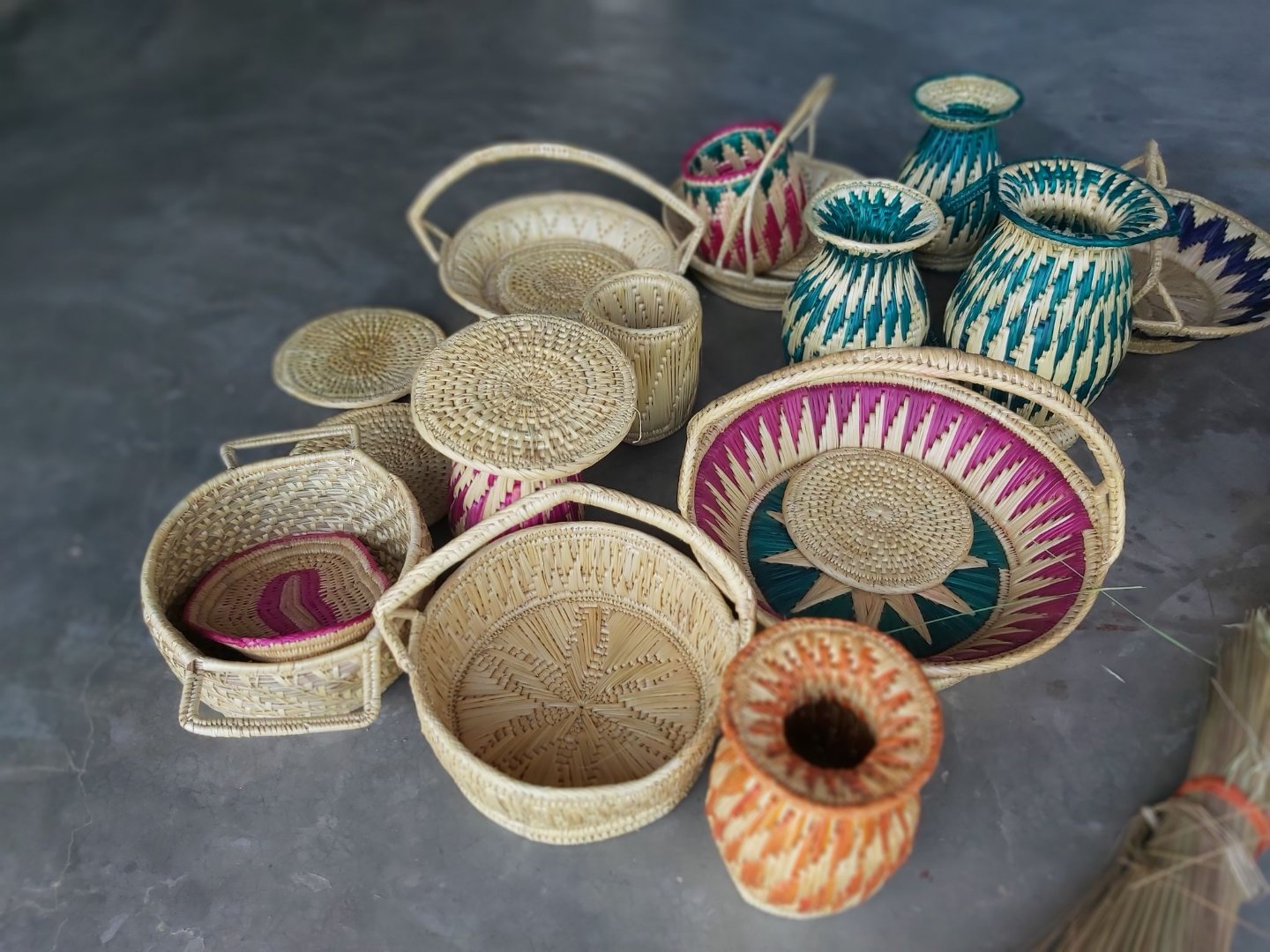
Handwoven cloth in traditional Tharu patterns is available at some community homestays and village co-ops. A small scarf or cloth costs NPR 600 to 2,000 and is a genuine piece of Tharu craft.
Local honey from beekeepers in the buffer zone villages is available at some homestays and small shops in Thakurdwara. It is raw, unprocessed, and completely different from anything you will find in a city shop. A 500-gram jar costs NPR 400 to 700.
Walking through the Dalla village area and talking to households directly is the best way to find genuine crafts at honest prices. Staying in a Tharu homestay means your host can take you to the right people, which is one of the real advantages of choosing a homestay over a hotel in a place like Bardiya where local knowledge opens doors that a standard lodge never can.
Getting Around Bardiya
Bardiya is centered on Thakurdwara village, which is small enough to walk across in about 20 minutes. Most activities are arranged through your lodge and transport to the park gate is included or costs very little.
Walking covers everything in Thakurdwara village itself. The park entrance, most lodges, the small shops, and the temple are all within easy walking distance.
Bicycles rented from your lodge at NPR 300 to 600 per day are the best way to explore the surrounding villages. The roads are flat and the countryside rewards a slow ride.
Local jeeps and tuk-tuks wait near the main road in Thakurdwara and charge NPR 100 to 300 for short trips to nearby areas. Agree on the price before getting in.
Motorbike rental is possible at NPR 700 to 1,000 per day from a few shops in Thakurdwara. A valid driving license is required and the roads to the river and nearby villages are suitable for riding.
Practical Tips Before You Go
These are the details that are easy to overlook when planning your first trip to Bardiya. Taking care of these before you travel will prevent small problems from becoming big ones.
Visa on arrival is available for most nationalities at Tribhuvan International Airport in Kathmandu. It costs USD 30 for 15 days and USD 50 for 30 days. Indian citizens do not need a visa to enter Nepal.
Park entry permits cost NPR 1,500 per day for foreign visitors and must be bought at the Bardiya National Park ticket counter in Thakurdwara. Your guide will take you there before entering the park.
Cash is essential in Bardiya because there are no ATMs in Thakurdwara. The nearest ATM is in Rajapur town, about 25 km away. Withdraw enough cash in Kathmandu or Nepalgunj before arriving.
Mosquito repellent is important at all times in the Terai. Bring a good repellent with DEET and apply it every morning before going outside.
Neutral clothing in khaki, olive, or brown is strongly recommended for all safari activities. Bright colors alert animals and reduce your chance of seeing wildlife up close.
A head torch or flashlight is useful because power cuts happen occasionally in the evening at budget lodges and the paths between buildings are not always lit.
Drinking water should always be bottled or filtered. Your homestay or lodge can provide filtered refills. Ask when you arrive.
Booking accommodation before arriving is strongly recommended. Unlike Pokhara or Chitwan, you cannot simply show up and choose from many options. Most quality homestays and lodges have limited rooms. If this is your first time staying with a local family in Nepal, the guide on what homestays in Nepal are and how they work is a quick and helpful read before you go.
Final Thoughts
Bardiya rewards the travelers who make the effort to get there. Most people who visit stay longer than they planned. The jungle is real, the wildlife is wild, and the Tharu people you meet along the way are some of the most welcoming hosts in Nepal.
The most important thing to know about getting the most out of Bardiya is this: give it at least three full days. One day is not enough to see what this place has to offer. Two days is the bare minimum. Three days gives you a chance to slow down, get into the rhythm of early mornings and river evenings, and actually feel the jungle rather than just pass through it.
Your choice of accommodation shapes the whole trip. A Tharu homestay gives you a guide who knows the jungle from childhood, meals cooked with ingredients from the family garden, and an evening spent listening to the jungle from the front porch. Staying with a local family keeps your money directly in the community and supports the conservation of the park itself.
Book a Tharu homestay. Walk into the park on foot. Sit by the Karnali River at sunset. Eat what your hosts cook. That is the version of Bardiya worth telling people about.
Browse all homestay options near Bardiya here.
Frequently Asked Questions About Bardiya
How many days do you need in Bardiya?
Three to four full days is the right amount for a first visit. One full day gives you a single safari. Three days lets you try the jeep safari, walking safari, river canoe, and a village cycle. The travel to Bardiya is long, so arriving for less than three days does not make the most of the journey.
Is Bardiya safe for solo travelers?
Yes. Bardiya is safe for solo travelers, including solo women. Thakurdwara is a small and quiet village where everyone knows each other. The main caution is inside the park, where you must always be with a licensed guide. Solo travelers who book a homestay in advance will have a host who can help arrange everything.
What animals will I see in Bardiya?
One-horned rhinos, deer, monkeys, and birds are seen on almost every safari. Wild elephants are spotted regularly. Tiger sightings are possible but not guaranteed. They depend on the season, your guide's experience, and luck. Staying two or more full days and hiring an experienced guide gives you the best chance.
Is Bardiya better than Chitwan?
Bardiya offers a wilder and more authentic experience with almost no other tourists. Chitwan is easier to reach, has more restaurants and cafes, and is more developed for visitors. If you want a real jungle experience with more wildlife and fewer crowds, Bardiya is the better choice. If you have limited time and want easier logistics, Chitwan is more practical. The full Chitwan National Park guide covers everything you need to compare both parks before you decide.
What is the best homestay area near Bardiya?
The village of Dalla and the area around Thakurdwara are the best bases for a homestay in Bardiya. Dalla is a traditional Tharu farming village about 5 km from the park gate where the community homestay program has been running for years. Thakurdwara itself is the closest village to the park entrance and the most convenient base for safari activities.
Is Bardiya expensive?
No. Budget travelers who stay in a homestay and book safaris directly on arrival can manage on USD 25 to 40 per day covering accommodation with meals, a daily safari, and local activities. Nepal is genuinely one of the most affordable destinations in Asia, and the budget travel guide for Nepal has a full breakdown of how to plan a low-cost trip without missing anything worthwhile.
How do I get to Bardiya from Kathmandu?
The overnight bus from Gongabu Bus Park in Kathmandu costs NPR 2,000 to 2,500 and takes 15 to 17 hours, dropping you in Thakurdwara. A flight from Kathmandu to Nepalgunj costs USD 100 to 130 and takes 50 minutes, followed by a 2.5 to 3 hour jeep transfer to Thakurdwara. Most budget travelers take the bus. Most travelers with limited time take the flight.
Company Admin
Travel writer sharing authentic stories and experiences from Nepal's beautiful homestays.