.jpg)
Bardiya and Chitwan both offer Bengal tigers, rhinos, and Tharu culture — but they are very different experiences. This 2026 comparison covers wildlife odds, crowd levels, costs, and accessibility so you can choose the right park for your Nepal safari.
Nepal has two outstanding national parks for wildlife safaris. Chitwan National Park sits about 150 km from Kathmandu. Bardiya National Park sits about 570 km from Kathmandu in the far western Terai. Both are home to Bengal tigers, one-horned rhinos, wild elephants, and Tharu culture. But they are not the same experience.
Choosing the right one depends on what matters most to you: convenience, specific animals, crowd levels, or the feeling of being somewhere truly remote. If you are still deciding whether Nepal's Terai belongs on your itinerary at all, our complete Nepal wildlife and homestay guide covers the full picture first.
Quick Comparison: Bardiya vs Chitwan
The Biggest Differences Between the Two Parks
Getting There
Chitwan National Park is on the main tourist route between Kathmandu and Pokhara. A tourist bus costs NPR 600 to 800 and takes 4 to 5 hours. A domestic flight takes 25 minutes. Most travelers add it to their Nepal itinerary without any extra planning.
Bardiya National Park requires real commitment. The overnight local bus from Kathmandu takes 15 to 17 hours. Flying to Nepalgunj takes 50 minutes but costs USD 100 to 130, followed by a 2.5 to 3 hour jeep transfer. You need to build at least one full travel day on each side into your plan.
Wildlife Sighting Odds
This is where the two parks differ most and where most people make their decision. The figures below reflect sighting rates consistently reported by experienced guides and local hosts operating in both parks.
Bardiya
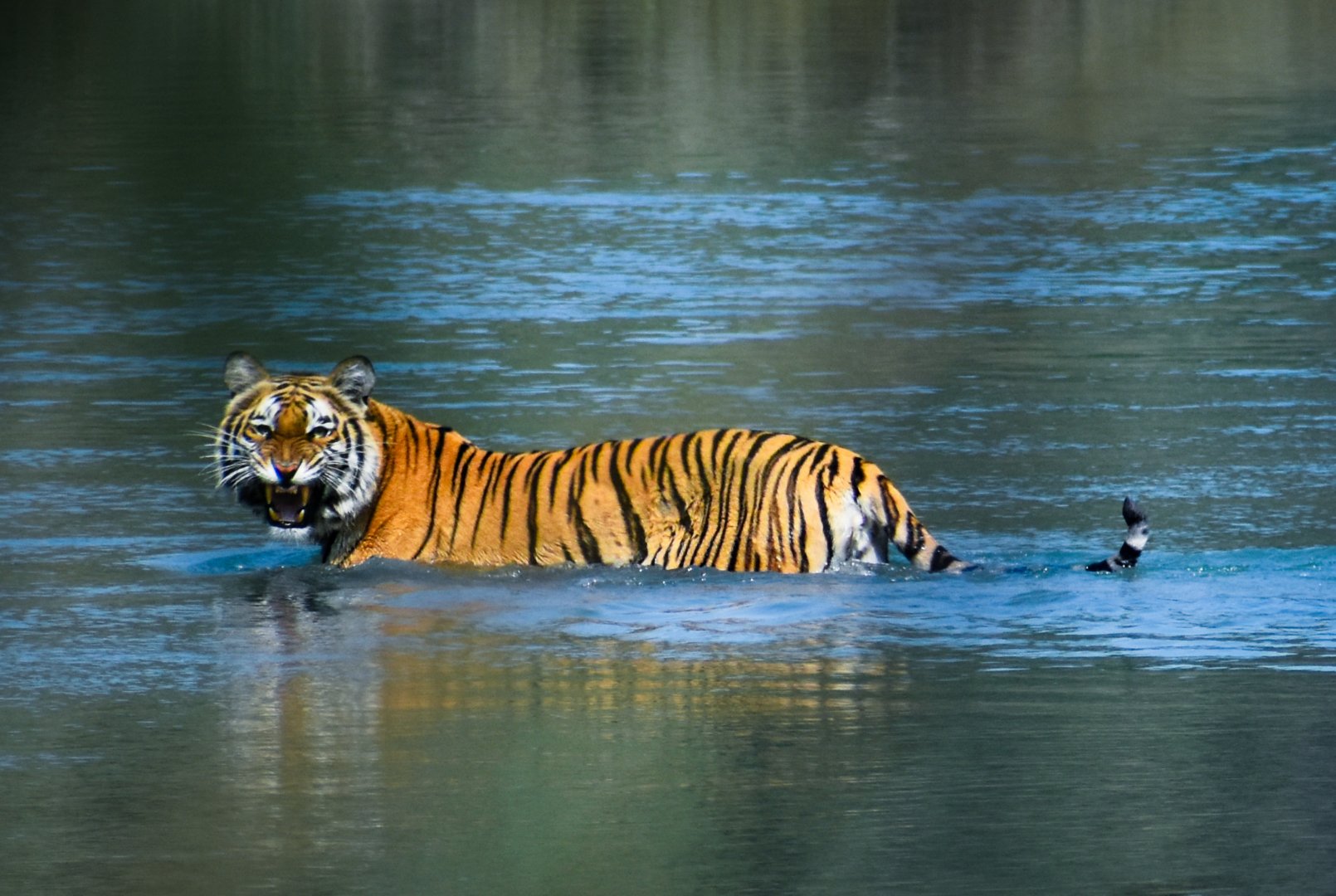
Your chance of seeing a tiger on a 3-day safari is 60 to 70%, rising to around 80% in March and April.
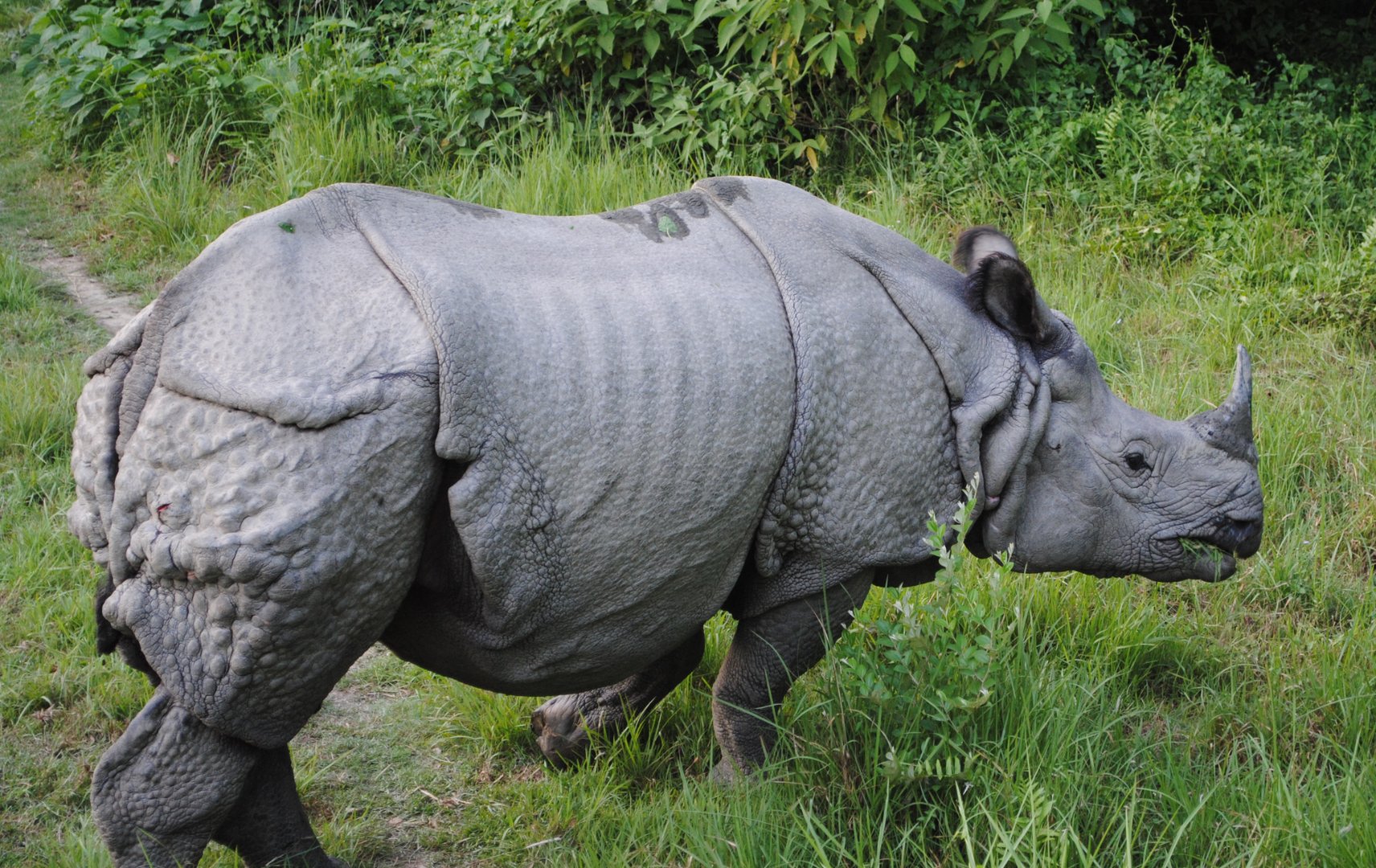
Rhino sightings are possible but not guaranteed, as the park has only around 40 to 50 individuals.
Wild elephant sightings happen regularly, with a strong herd population near the Karnali River.
Bardiya is one of the last reliable places in Nepal to spot the critically endangered Gangetic river dolphin on a canoe trip.
You will often be the only jeep in your section of the park for the entire morning.
Chitwan
Your realistic chance of seeing a tiger on a 3-day safari is only 10 to 15%, despite the park having around 120 tigers.
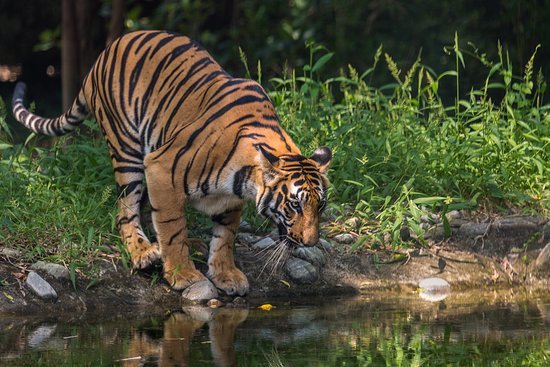
Rhino sightings are near guaranteed at 90%+, with many visitors seeing multiple rhinos in a single morning.
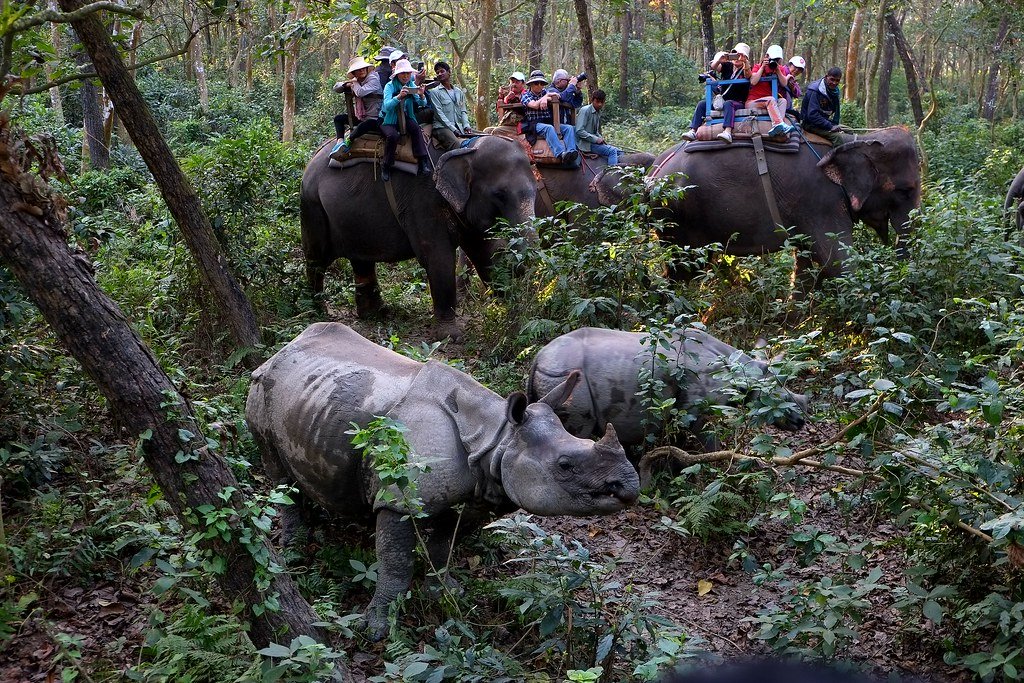
Wild elephant sightings are possible but less predictable, as the park has around 50 wild individuals spread across a large area.
Crocodile sightings are near certain on a canoe ride along the Rapti River.
On busy mornings in peak season, 50 to 100 jeeps may be inside the park at the same time.
Crowd Levels and Atmosphere
Chitwan's tourist hub Sauraha is a developed town with dozens of hotels, restaurants, and travel agents. On a busy morning in peak season there can be 50 to 100 jeeps entering the park at sunrise. The infrastructure is reliable and comfortable, but it feels like an organized tourist destination rather than a wild jungle.
Thakurdwara, the village next to Bardiya, has a handful of lodges, no restaurant strip, and almost no other tourists. On a typical morning safari you may be the only jeep in your section of the park for hours. Chitwan is infrastructure. Bardiya is still a jungle.
Which Park Is Right for You?
The decision comes down to one question: what animal matters most to you?
Tigers are your priority?
Go to Bardiya. Your odds are four to six times higher than at Chitwan, and you will have the jungle almost entirely to yourself. The full Bardiya National Park travel guide covers everything you need to plan the trip from transport to activities to where to stay.
Rhinos, families, or limited time?
Go to Chitwan. Near-guaranteed rhino sightings, easy access from Kathmandu, and a full range of accommodation make it the right first safari for most travelers. The full Chitwan National Park guide has a complete breakdown of costs, activities, and where to stay.
Have 10 or more days?
Visit both. Take Chitwan first, then an overnight bus from Bharatpur to Bardiya which connects the two parks in about 10 to 12 hours without returning to Kathmandu.
For either park, a Tharu community homestay gives you a local guide who knows the jungle, home-cooked Tharu food, and a genuine connection to the place. If you are deciding between a homestay and a hotel for your Terai trip, the guide on homestay vs hotel in Nepal explains the real differences clearly.
The Verdict
Chitwan is easier, more comfortable, and the right choice for rhinos, families, and anyone with limited time.
Bardiya is harder to reach and less comfortable. But it gives you the best chance of seeing a wild Bengal tiger in any park in Nepal. And it does it without another tourist in sight.
If tigers are why you came to Nepal, stop reading and go to Bardiya. If you want a reliable, well-organized first safari, go to Chitwan.
Full Bardiya guide here. Full Chitwan guide here.
Frequently Asked Questions
Is Bardiya or Chitwan better for a solo traveler?
Bardiya is the better choice for solo travelers who want an authentic, unfiltered experience. The small village of Thakurdwara is safe and welcoming, homestay hosts arrange everything for you, and you are far more likely to have the jungle to yourself. Chitwan suits solo travelers who want more social options, restaurants, and an easier base to navigate independently.
Which Nepal park has fewer tourists?
Bardiya has far fewer tourists than Chitwan. On a typical day in peak season, Bardiya may have fewer than 20 visitors inside the park while Chitwan has hundreds. This is the single biggest reason wildlife sightings feel more genuine in Bardiya, and why tiger odds are so much higher there.
Are the entry fees the same?
No. Bardiya's daily entry fee is NPR 1,500 for foreign visitors. Chitwan's is NPR 2,000. Both require separate guide fees and jeep hire on top of the entry permit.
Can I visit both parks on one trip?
Yes. Take a direct overnight bus from Bharatpur near Chitwan to Ambassa near Bardiya, which takes about 10 to 12 hours. A combined itinerary of 8 to 10 days covers both parks comfortably without returning to Kathmandu.
Company Admin
Travel writer sharing authentic stories and experiences from Nepal's beautiful homestays.