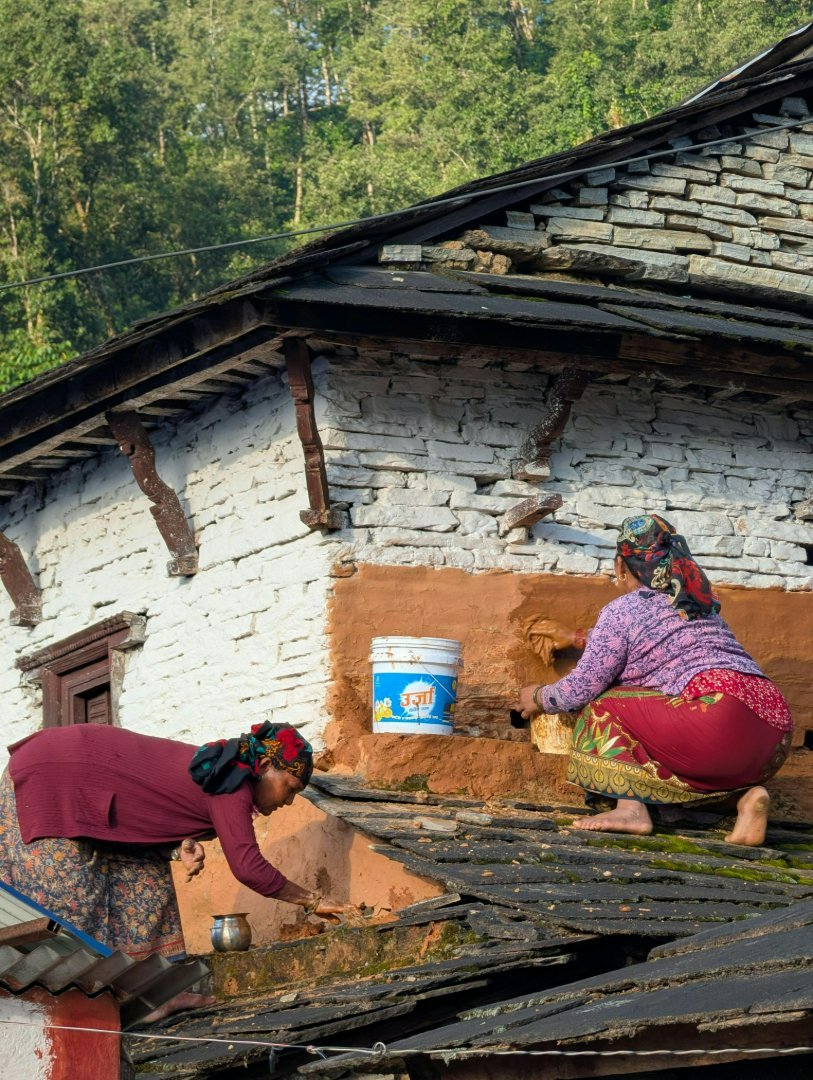
Homestays and guesthouses in Nepal may look similar, but the experience they offer is very different. This blog explains the real differences in comfort, interaction, cost, and cultural experience to help travelers choose what suits them best.
Homestays vs Guesthouses in Nepal: What's the Real Difference?
If you're planning a trip to Nepal and looking at accommodation options beyond hotels, you'll quickly notice two terms that seem similar: homestays and guesthouses. Both are locally run, both are affordable, and both promise an authentic experience. So what's the actual difference, and which one should you choose?
The short answer: homestays mean living with a family as their guest, while guesthouses are small independent accommodations where you rent a private room. But the practical difference affects everything from your daily routine to what you'll learn about Nepal during your stay.
The Basic Difference
Homestays: You stay in a family's home, eat meals with them, and become part of their daily life. Think of it as visiting relatives you haven't met yet.
Guesthouses: You rent a private room in a small property, similar to a budget hotel but more personal. The owner may live nearby or on-site, but you maintain your own schedule.
Here's what this means in practice:
What Your Day Actually Looks Like
In a homestay, you might wake up to the smell of chai being prepared in the kitchen. The family invites you for breakfast at their usual time. You eat dal bhat together, and the grandmother asks about your family back home while showing you how to eat with your right hand properly.
During the day, you're free to explore, but returning means joining evening routines. Maybe you help shell beans while the family prepares dinner, or you sit with them as they watch Nepali news. Meals happen when the family eats, usually around 7 or 8 PM.
In a guesthouse, you wake up when you want. You might order breakfast from the menu when you're ready. The owner greets you warmly and recommends a good trek route, but otherwise, you're on your own schedule. You come and go using your room key. It's comfortable, friendly, but separate.
Food: The Biggest Practical Difference
This is where the experience changes most noticeably.
Homestay meals are whatever the family cooks that day. In Tharu homestays in the Terai, you'll eat what Tharu families eat, like dhikri (steamed rice dough) or ghonghi (snails) in season. In Tamang homestays near Langtang, you'll get kinema soup and Tongba. You don't choose from a menu because there isn't one.
The food is simple, seasonal, and repetitive in a good way. You'll probably eat traditional nepali foods twice a day, but you'll also notice how it changes slightly based on what vegetables are available or what occasions the family is preparing for.

Guesthouse meals are ordered. Most places offer a mix of Nepali dishes and tourist favorites like pancakes, fried rice, or pizza. You decide what and when to eat. Some guesthouses cook only when ordered, others have set meal times.
For food allergies or strict dietary needs, guesthouses are easier. You can communicate your restrictions clearly when ordering. In homestays, you'll need to explain this to the family beforehand, and options may be limited depending on what they have.
Privacy and Personal Space
This matters more than travelers often realize.
In homestays, you share the household. Bathrooms are often shared with the family. Common areas like the kitchen or sitting room are family spaces where you're welcome but not alone. You hear family conversations, kids playing, morning routines. Some travelers love this immersion. Others find it tiring after a few days.
Guesthouses give you a room with a door you can close. Most have attached bathrooms. You can return from a long trek and rest without making conversation. You control your own space and time.
Neither approach is better, but knowing which you prefer helps avoid mismatched expectations.
Cultural Learning: Structured vs Natural
Homestays teach culture through living it. You learn by watching and participating quietly. You'll notice how family members greet elders, how they prepare for festivals, when and how they pray, how they organize work around weather and seasons.

In a Gurung homestay in Ghandruk, you might watch the family prepare for Lhosar (New Year). Nobody sits you down for a cultural lecture, but you see the real preparations, taste the special foods, and understand the festival through their eyes.
Guesthouses might have cultural decorations or offer information if you ask, but learning is mostly on your terms. You can request a cooking class or cultural demonstration, but it's arranged rather than natural.
What This Means for Different Travelers
Choose a homestay if you:
Want to understand daily life, not just see tourist sites
Feel comfortable adapting to family schedules and simple facilities
Prefer meaningful connections over convenience
Have flexible time and aren't rushing between destinations
Want meals included and don't mind eating the same staples often
Choose a guesthouse if you:
Need privacy to recharge after busy days
Have a tight schedule or specific dietary needs
Prefer independence in a new place
Want reliable WiFi and modern bathroom facilities
Like choosing your own meals and eating times
Practical Considerations for Trekking
On popular trekking routes like Annapurna Circuit or Everest Base Camp, you'll find both options. Most are technically teahouses, which function like guesthouses.

For less-traveled routes or village stays, homestays often provide better experiences. Families along trails like Mardi Himal base or in villages around Pokhara offer quiet evenings, better food for recovery, and local knowledge about trails and weather.
If you're trekking with a guide, ask them about homestay options. Many guides have family connections in villages and can arrange more authentic stays than you'd find on booking websites.
Cost and What's Included
Homestays typically cost between 1,500 to 3,000 rupees per night including three meals. In community homestays like Sirubari or Ghale Gaun, rates are standardized.
Guesthouses charge 500 to 2,000 rupees for the room, with meals extra. Total cost ends up similar, but you control the spending.
Neither option charges tourist prices if you book directly or through community networks. The real value difference is what you get beyond the room: in homestays, it's time and connection; in guesthouses, it's flexibility and comfort.
How to Choose the Right Mix
Most thoughtful travelers combine both. Use homestays in villages where you want deeper connection and have time to slow down. Stay in guesthouses in towns where you need to organize logistics, rest between treks, or catch up on work.
A practical approach: book homestays for 3-4 nights in rural areas where you can settle into family rhythms, then switch to guesthouses in places like Pokhara or Kathmandu where you need WiFi, varied food, and flexibility.
Supporting Local Communities
Both options support local people, but differently.
Homestay income goes directly to families. The money pays for household needs, children's education, and keeps families in villages rather than migrating to cities for work. When you stay with a Tharu family in Chitwan or a Sherpa family in Solukhumbu, your payment directly supports their livelihood.
Guesthouses create jobs and support small business owners. They serve more travelers and contribute to local tourism infrastructure.
If direct family support matters to you, homestays deliver that more clearly.
Finding Reliable Homestays
Quality varies significantly. Some "homestays" are really just guesthouses calling themselves homestays for marketing. Real community homestays are usually organized through networks that train families and maintain standards.
Look for established community homestay programs like those in Sirubari, Ghalegaun, or Astam. These programs ensure families are prepared to host, maintain cleanliness standards, and understand what travelers need.
Booking through Nepal Homestays or similar verified networks helps avoid surprises and ensures your stay supports genuine family operations.
Making Your Decision
Ask yourself three questions:
How much do I value privacy versus connection?
Can I adapt to simple facilities and family schedules?
Do I want cultural immersion or cultural observation?
Your honest answers point you toward the right choice.
Both homestays and guesthouses offer authentic experiences in Nepal, just different kinds. Homestays bring you inside daily life. Guesthouses let you explore Nepal while maintaining personal space. Choose based on your energy, schedule, and what you hope to remember from your trip.
The best Nepal experiences often include both.
Frequently Asked Questions
Is a homestay cheaper than a guesthouse in Nepal?
Homestays usually cost slightly more upfront (1,500-3,000 rupees) but include three meals, making them cheaper overall. Guesthouses charge less for the room (500-2,000 rupees) but meals are extra. When you add up room plus food, homestays often cost the same or less, especially in rural areas where restaurant options are limited.
Can I stay in a homestay if I don't speak Nepali?
Yes, most homestay families in tourist areas have at least one member who speaks basic English. Communication happens through gestures, smiles, and simple words. Many travelers say the language barrier actually makes the experience more memorable. If you're worried, look for homestays in established programs like Ghalegaun or Sirubari where families have hosting experience.
Are homestays safe for solo female travelers?
Homestays in established community programs are generally very safe for solo female travelers. You're staying with families who have been vetted and trained, often with other guests present. Many solo women travelers actually feel safer in homestays than guesthouses because the family environment provides natural security. Read reviews and book through verified networks like Nepal Homestays for added peace of mind.
What if I have food allergies or dietary restrictions?
Tell the homestay family about your dietary needs when booking, not when you arrive. Most families can work around vegetarian, vegan, or gluten-free needs since Nepali food is naturally flexible. Severe allergies are harder to accommodate because families cook with what's available. For strict dietary requirements, guesthouses with menus give you more control. Always carry snacks if you have serious restrictions.
How long should I stay in a homestay versus a guesthouse?
Stay at least 2-3 nights in a homestay to settle into family rhythms and make meaningful connections. One-night stays feel rushed and don't give you time to experience daily life. Guesthouses work well for single nights when you're moving between destinations. A good mix: spend 3-4 nights in village homestays where you want deep experiences, then use guesthouses in cities for logistics and rest between rural stays.
Company Admin
Travel writer sharing authentic stories and experiences from Nepal's beautiful homestays.