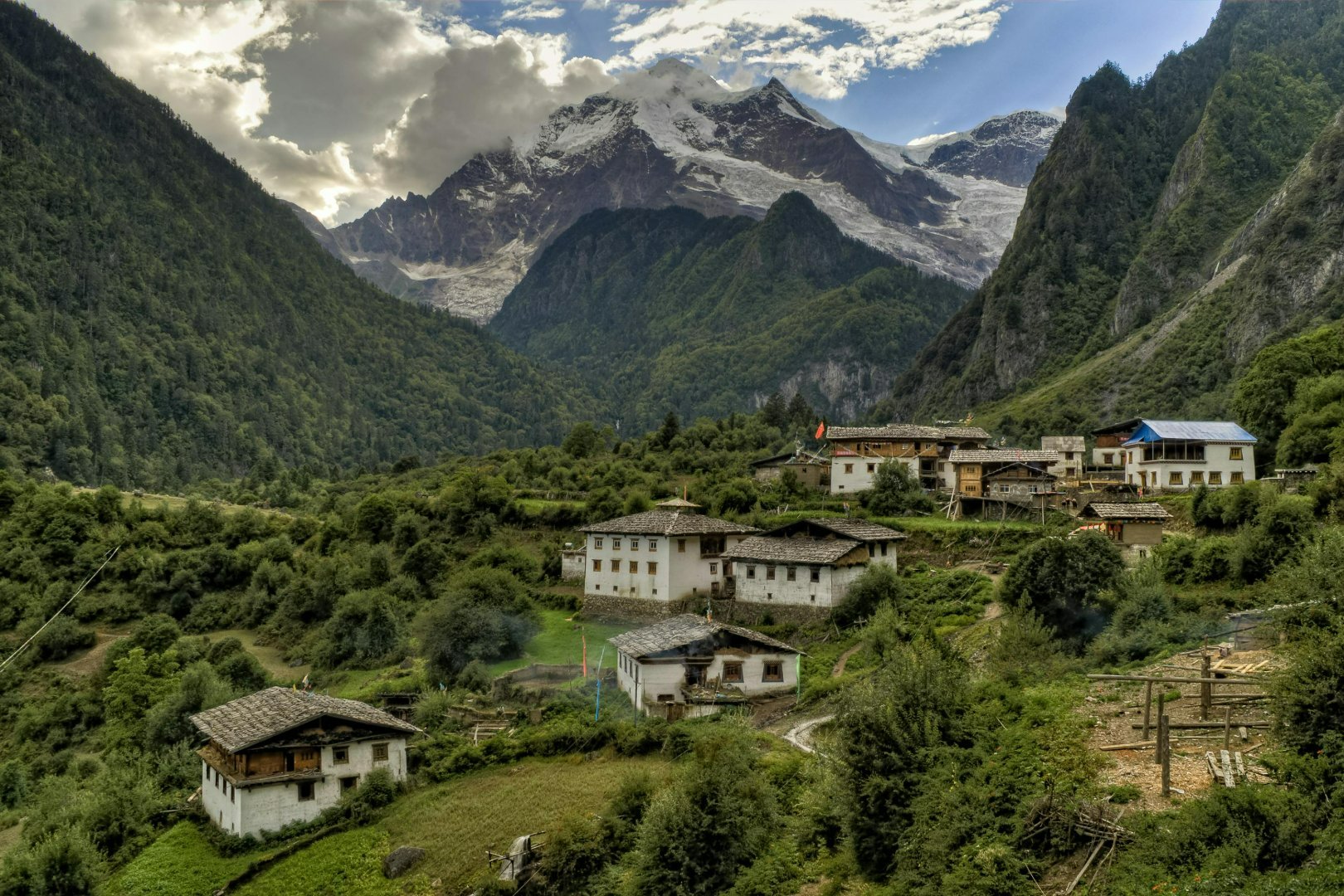
Homestays naturally guide travelers toward respectful behavior by placing them inside real homes and communities. This blog explains how shared living, daily routines, and human connection shape thoughtful travel.
Travel is not only about where people go, but how they behave once they arrive. In Nepal, where homes, communities, and traditions are closely connected, respectful behavior makes a real difference. Homestays naturally guide travelers toward this kind of respectful travel, without rules, signs, or instructions.
Unlike hotels or commercial accommodation, homestays place travelers inside real homes. Daily life continues as usual, and guests become part of that environment. Through this simple setup, many travelers begin to behave differently, more thoughtfully, and more respectfully.
Respect Starts With Living Inside a Home
When travelers stay in hotels, they remain separate from daily life. Homestays remove that separation.
Guests quickly understand that:
They are in someone’s personal space
Family routines matter
The home is not a service area
This awareness alone changes behavior. Travelers speak more gently, move more carefully, and observe before acting. Respect grows naturally because guests feel they are being welcomed, not served.
This is often what travelers often miss when they skip homestays in Nepal, where understanding comes from living alongside people rather than observing from a distance.
Learning Through Observation, Not Instruction
Homestays do not teach respect through rules. They teach it through example.
Guests learn by watching:
How elders are spoken to
How meals are shared
How disagreements are handled calmly
How guests are treated with care
There are no explanations or lessons. Travelers simply adapt to the environment around them. This kind of learning feels natural and stays longer than instructions ever could.
Slowing Down Changes Attitudes
Fast travel often leads to careless behavior. Homestays slow travel down.
Days follow a steady rhythm:
Meals at certain times
Quiet mornings and evenings
Fewer planned activities
As travelers slow down, they become more patient. They wait, listen, and accept delays without frustration. This slower pace encourages understanding rather than control.
This shift in mindset explains why homestays are the best way to experience rural Nepal, where life values patience over speed.
Respect for Culture Grows Naturally
In homestays, culture is part of everyday life. It is not performed or explained.
Guests notice:
How people dress
How greetings are exchanged
How traditions fit into daily routines
Without realizing it, travelers begin to adjust their own behavior. They dress more modestly, greet people politely, and follow local customs without being told.
This gentle adaptation helps protect traditions and supports the role of homestays in keeping Nepal’s cultural identity alive.
Food Teaches Respect in Simple Ways
Shared meals are one of the strongest teachers of respectful behavior.
In homestays:
Food is prepared with care
Meals are eaten together
Wasting food is avoided
Guests quickly learn to appreciate what is served and eat patiently. Even if the food is unfamiliar, respect grows through shared experience.
This connection between food, effort, and gratitude is difficult to learn in restaurants but becomes clear in homes.
Understanding Community, Not Just House Rules
Homestays are part of villages, not isolated buildings.
Guests begin to notice:
Neighbors greeting each other
Community members helping one another
Shared responsibility beyond individual homes
Because guests are visible within the community, they naturally behave more respectfully outside the house as well. They greet people, act calmly, and avoid disruptive behavior.
Guests Learn to Ask, Not Assume
In many travel situations, visitors act based on assumptions. Homestays gently change this habit.
Guests begin to:
Ask before taking photos
Ask before entering spaces
Ask questions instead of making judgments
This habit of asking creates mutual respect. Hosts feel valued, and guests feel more confident navigating cultural differences.
Respect Works Both Ways
Homestays are built on mutual respect.
Hosts usually:
Respect guests’ privacy
Adjust routines gently
Explain expectations kindly
Seeing this respect reflected back encourages travelers to behave in the same way. Respect becomes a shared experience rather than a one-sided effort.
Mistakes Become Learning Moments, Not Problems
Cultural mistakes are natural. Homestays create a safe space to learn from them.
When mistakes happen:
Hosts respond patiently
Guests feel comfortable asking questions
Learning happens without embarrassment
This supportive environment allows travelers to grow more aware and respectful over time.
Why Respectful Travel Matters
Respectful travel benefits everyone.
It:
Protects local culture
Strengthens host-guest relationships
Creates positive memories
Encourages meaningful exchange
Homestays help make this kind of travel possible by shaping behavior through daily life rather than rules.
Why Homestays Are Especially Important Today
As tourism grows, respectful behavior becomes more important than ever.
Homestays help:
Set healthy travel standards
Encourage patience and understanding
Keep tourism human and grounded
They show that respect does not need to be taught. It can be lived.
Plan a Thoughtful Stay With Nepal Homestays
For travelers who want to move through Nepal with care and awareness, homestays offer a meaningful path.
Through Nepal Homestays, travelers can find trusted family-run and community homestays across Nepal, where respect, understanding, and everyday life guide the experience.
Travel gently.
Listen more.
Experience Nepal through its homes.
Frequently Asked Questions
1. How do homestays encourage respectful behavior without rules?
Homestays encourage respect by placing guests inside real homes, where observation and shared routines naturally guide behavior.
2. Do travelers need cultural knowledge before staying in a homestay?
No. Homestays allow travelers to learn respectfully through daily life and gentle guidance.
3. Are homestays suitable for travelers worried about making mistakes?
Yes. Hosts are usually patient and understanding, and mistakes are treated as learning moments.
4. Does respectful behavior really matter in small villages?
Yes. Respect helps protect traditions, strengthens community relationships, and creates positive experiences for everyone involved.
5. Why are homestays better than hotels for learning respectful travel behavior?
Homestays involve shared living, which naturally encourages awareness, patience, and respect in ways hotels cannot.
Company Admin
Travel writer sharing authentic stories and experiences from Nepal's beautiful homestays.