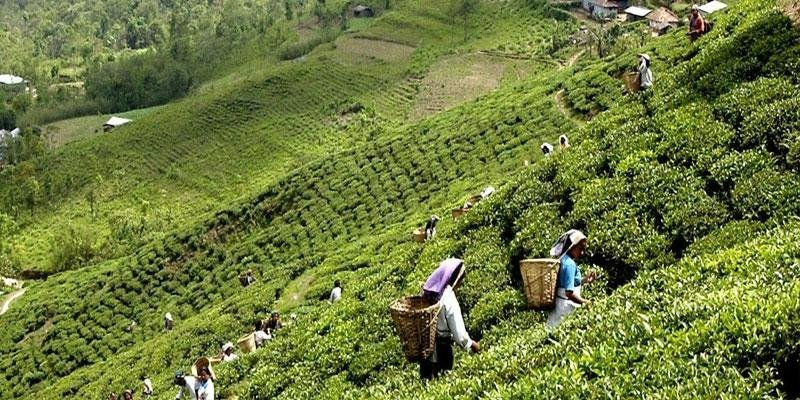
Ilam in eastern Nepal is covered in tea gardens and almost entirely off the foreign tourist circuit. This guide covers homestays in Shree Antu and Kanyam, what to eat, the Limbu and Lepcha culture you will find there, and how to get there from Kathmandu or Biratnagar.
Most people planning a Nepal trip think Kathmandu, Pokhara, Chitwan. Eastern Nepal barely comes up. That is the point. Ilam district sits in the Koshi Province at the foot of the eastern Himalayas, roughly 600 kilometres from Kathmandu, sharing a border with Darjeeling. The hills are covered in tea. The mornings are cold and clear. On a good day from Shree Antu, you can see four of the world's five highest peaks across the ridge. Almost nobody comes here, which is exactly why it is worth the journey.
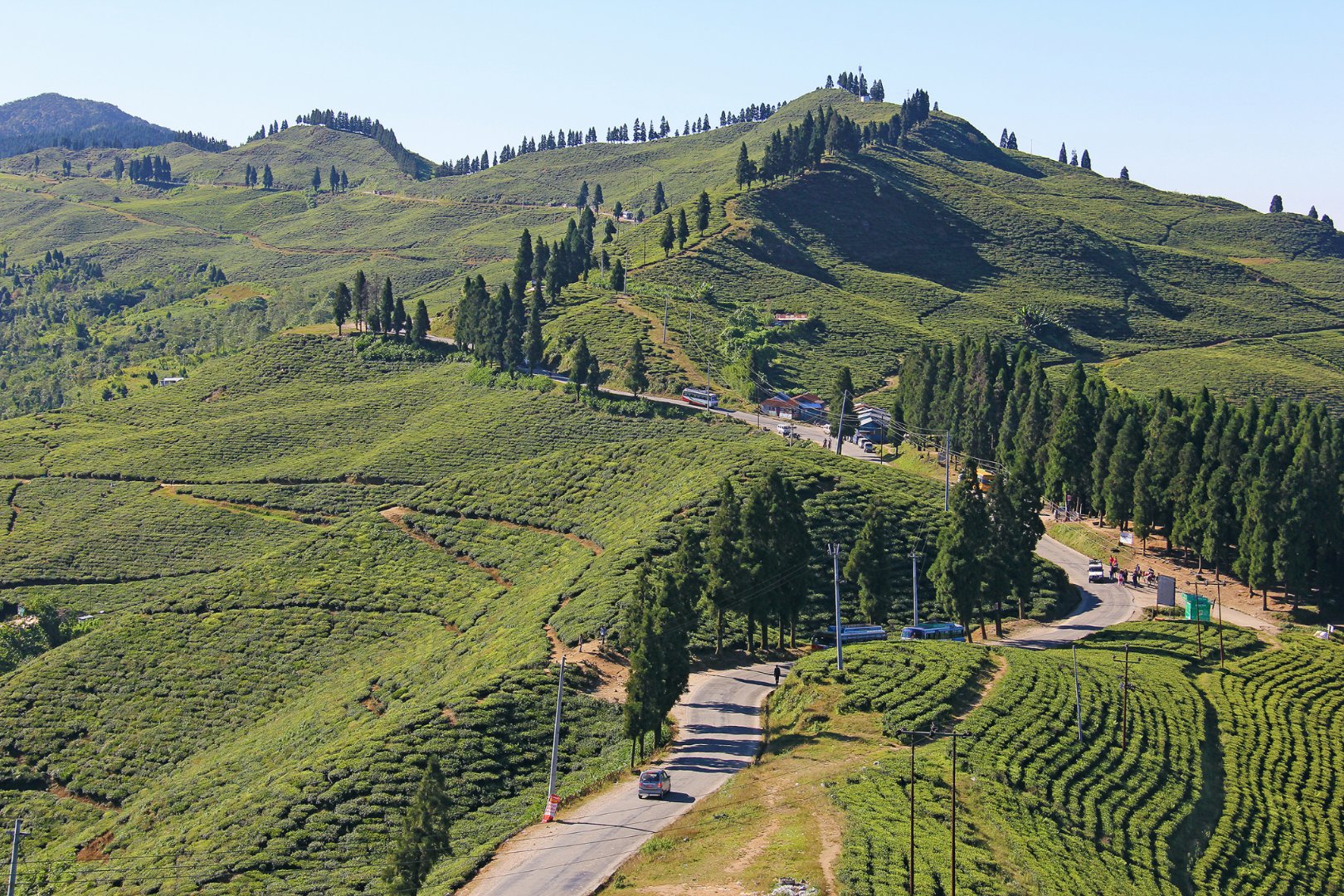
Staying in an Ilam homestay puts you inside a Limbu, Rai, or Lepcha household at the edge of a tea garden. It is a different Nepal from the one on the trekking circuit.
TL;DR
Ilam is eastern Nepal's best kept secret: tea gardens, Himalayan views, and Limbu and Lepcha culture with almost no foreign tourist traffic
Homestays start from NPR 2,000 per person per night with meals
Shree Antu is the main homestay hub with sunrise views of Kanchenjunga and the eastern Himalayan range
Kanyam is the most visited tea garden, 15 minutes from the main highway
Best time is October to December and March to May
Nearest airport is Biratnagar, 5 to 6 hours by road
Quick Overview: Ilam Homestay
What Is Ilam and Why Come Here?
Ilam is a hill district in eastern Nepal known primarily for tea. The Ilam Tea Estate was established in the 1860s, making it one of the oldest tea-growing regions in the subcontinent. The hills roll in every direction, every available slope covered in low-trimmed tea bushes that turn bright green after rain.
But tea is only part of it. Ilam is home to Limbu, Rai, Lepcha, Brahmin, and Chhetri communities, each with distinct food, language, and festivals. The Lepcha, considered the original inhabitants of the eastern Himalayas, maintain a strong presence around Shree Antu. The Limbu bring their own fermented drinks, brass instruments, and harvest ceremonies. Walking through a village here feels different from the hill districts closer to Kathmandu.
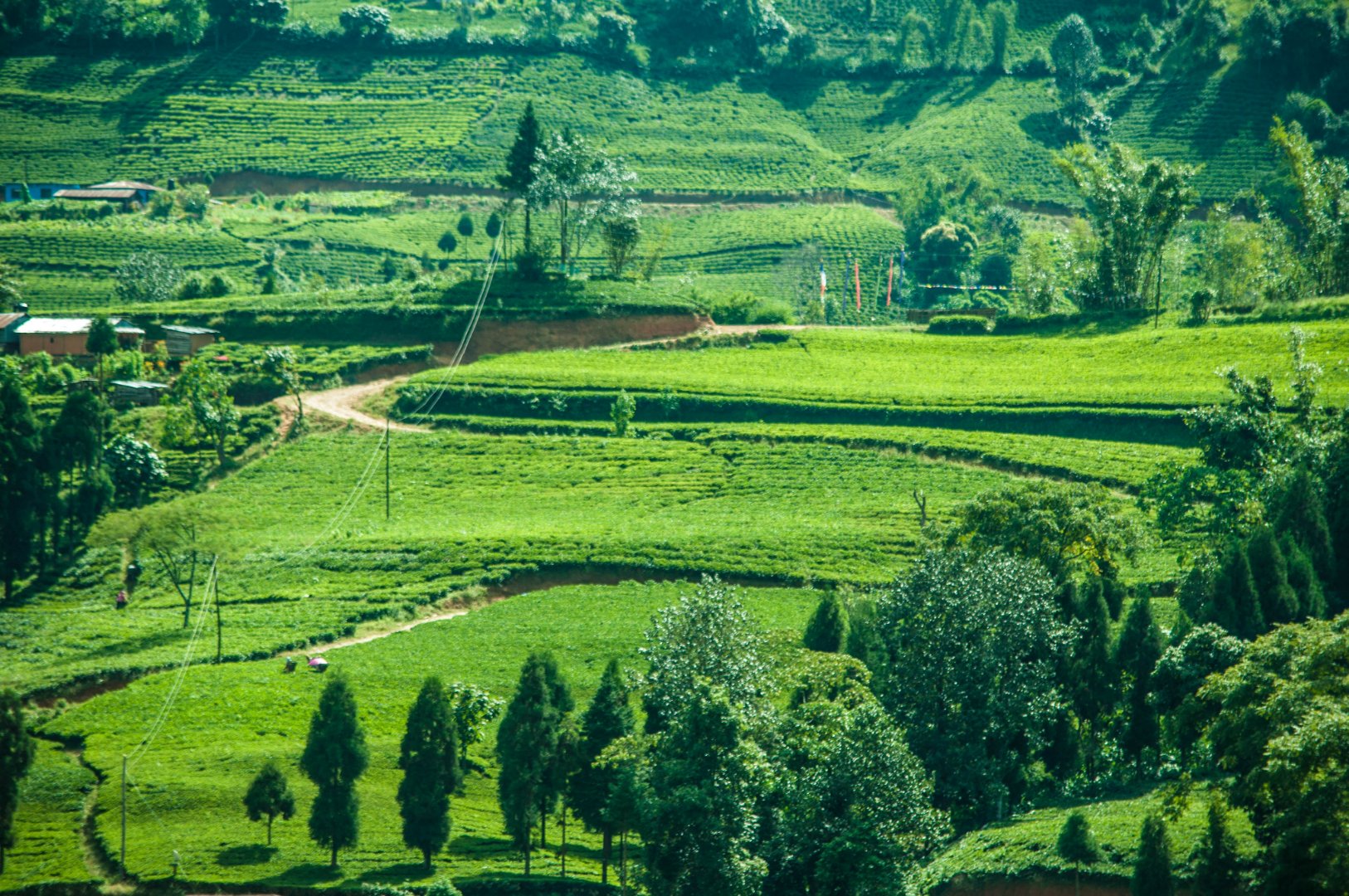
The district is also called Charkhol, the land of four rivers: the Jogmai, Puwamai, Mai, and Deaumai. Those rivers cut through the landscape and feed the tea gardens from below. Eastern Nepal's geography, climate, and cultures are a world apart from the rest of the country, and very little English-language content covers any of it properly.
Places to Visit in Ilam
Kanyam Tea Garden
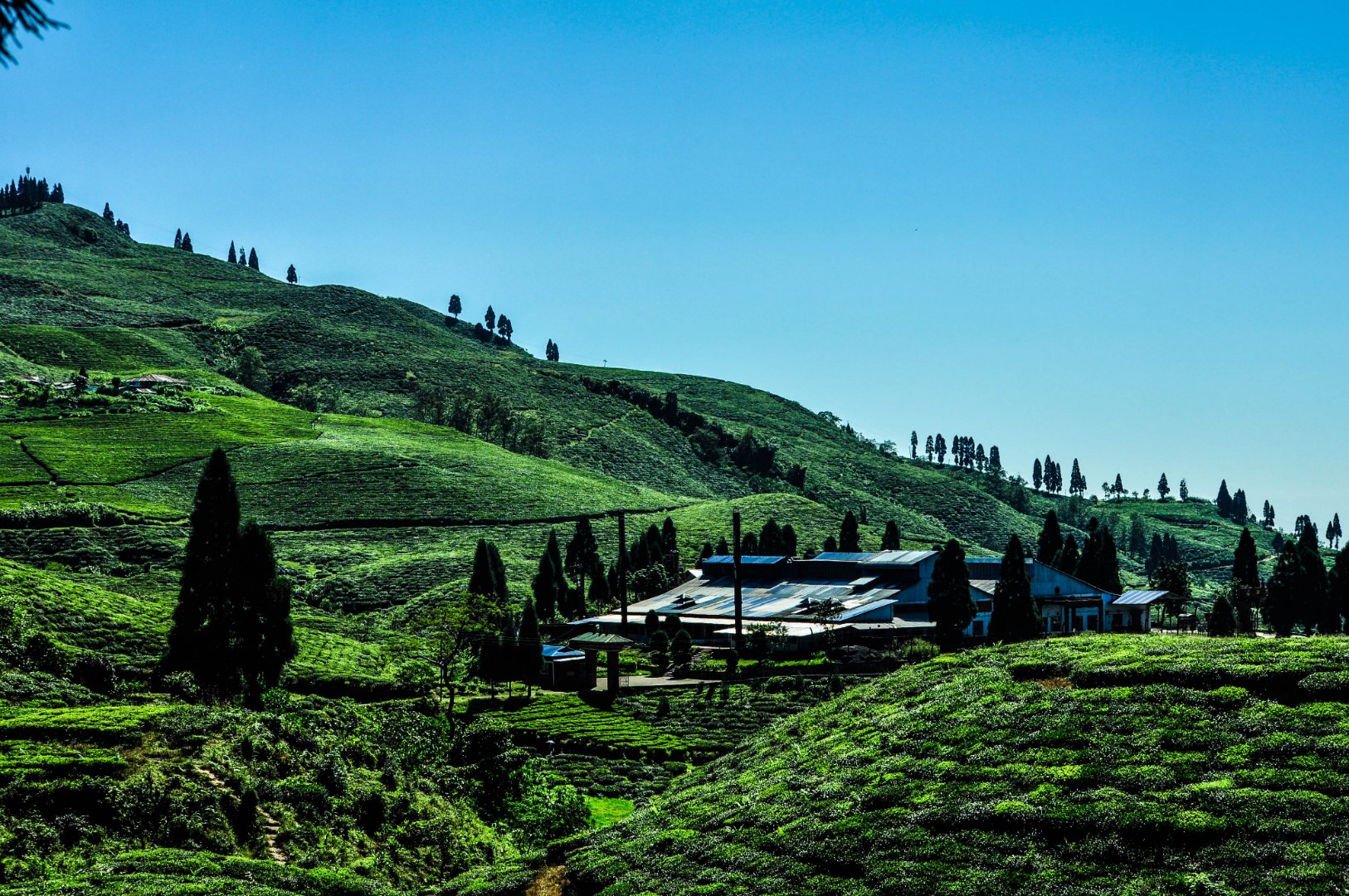
Kanyam is where most visitors start. The tea garden spreads across 240 hectares along the Mechi Highway, about 40 kilometres from Ilam Bazaar. Rows of trimmed tea bushes run up and down the hillside with a processing factory at the center. You can walk through the rows, watch the plucking process during harvest season, and buy fresh orthodox tea directly from the estate. Morning light here between 6 and 8 AM, when the mist is still sitting in the lower rows and the workers start arriving, is worth waking up early for.
Shree Antu Viewpoint
Shree Antu sits at 2,328 metres, about three hours from Ilam Bazaar by road. The viewpoint looks east toward Kanchenjunga, the world's third highest peak, and on clear mornings you can see the full eastern Himalayan range including Everest, Makalu, and Lhotse on the distant horizon. Sunrise here draws domestic tourists from the Terai and Indian visitors from just over the Darjeeling border. Foreign visitors are rare enough that arriving as one feels like having the ridge to yourself.
The Lepcha community runs most of the homestays in Shree Antu. The area has had homestays for twenty years, though they have only recently started attracting wider attention.
Antu Pokhari
A small lake about 30 minutes walk from the Shree Antu viewpoint. Surrounded by pine forest with the ridge behind it. Quiet, no facilities, no vendors. Good for an early morning walk after the sunrise.
Mai Pokhari
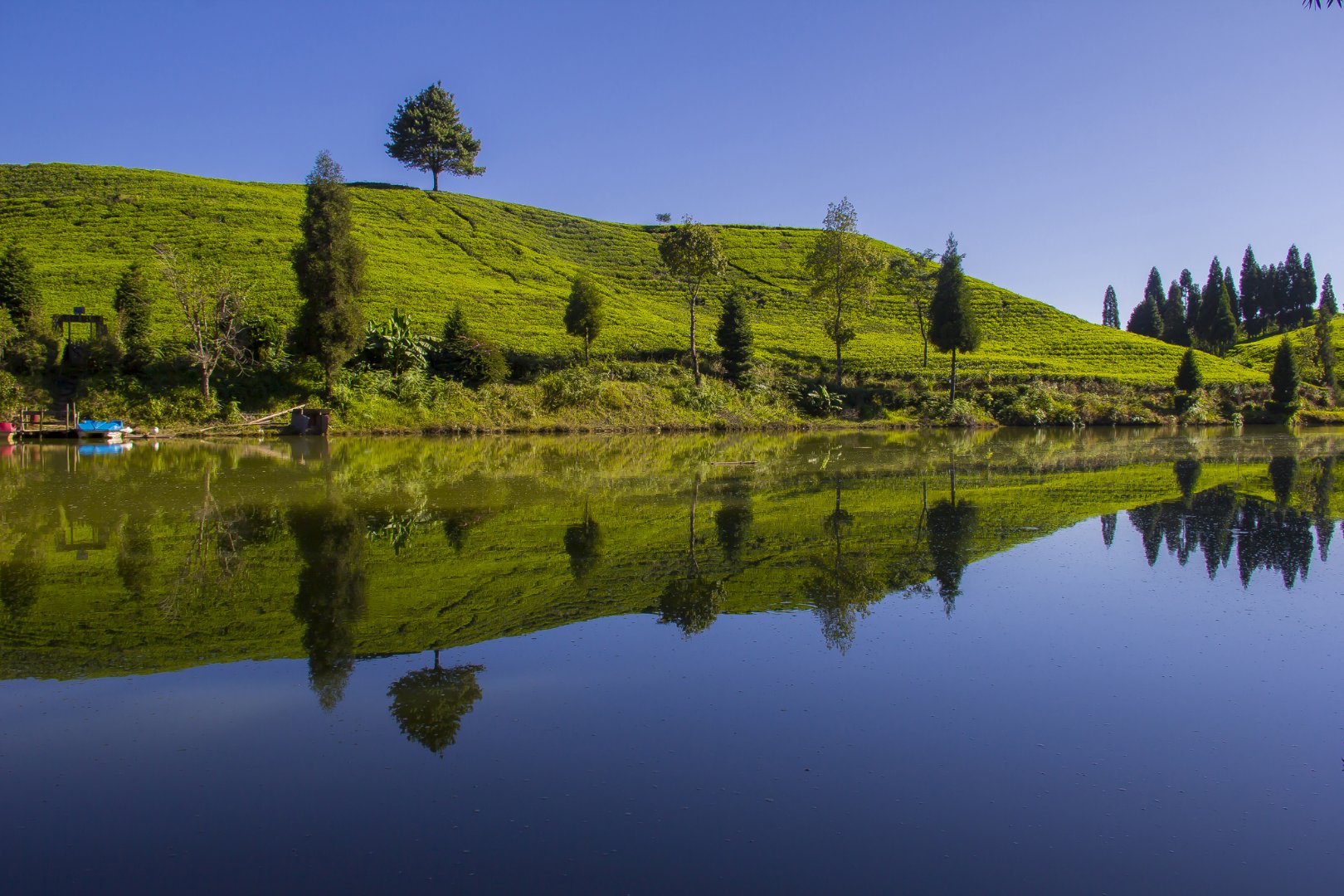
A sacred wetland lake at 2,100 metres, listed as a Ramsar site for its biodiversity. Home to over 200 bird species. The lake is surrounded by rhododendron and oak forest and has religious significance for local communities who hold festivals here during Dashain. It is about 25 kilometres from Ilam Bazaar. The oak and rhododendron forest around Mai Pokhari is also one of the habitats where red pandas are occasionally spotted in eastern Nepal. The red panda in Nepal guide covers the best locations and trails if that is part of what you are looking for in the region.
Ilam Bazaar
The main town, at 1,200 metres. Worth a few hours for the local market, tea shops selling freshly processed orthodox tea by the packet, and the old Rana-era architecture in the town center. The bazaar is busiest on Saturday mornings when hill farmers come down to sell vegetables, cardamom, and ginger.
What to Expect at an Ilam Homestay
Ilam homestays are family homes, not converted lodges. You get a room in the house, eat with or near the family, and move at the pace of the household. Most are built in the traditional hill style: stone walls, wooden frames, small windows, and a kitchen that runs on firewood in the colder months.
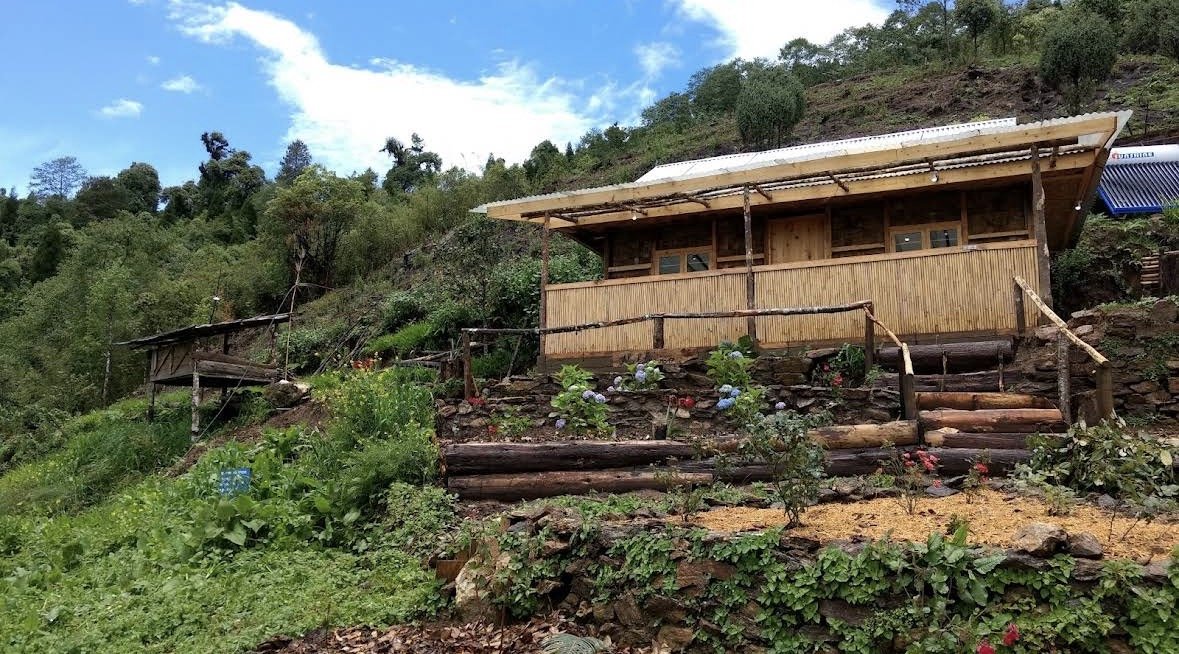
The Illam Gau Ghar Homestay is one of the verified listings on Nepal Homestays. Run by a Gurung family with seven generations of roots in the Barbote hills, the property sits among tea gardens and arranges tea factory visits, cultural experiences, and guided walks for guests. The family accepts eSewa and Khalti alongside cash.
Shree Antu has a cluster of community-run homestays at the viewpoint itself, most operated by Lepcha families. These are simpler, closer to the ridge, and better if you want to be at the viewpoint before dawn without a long walk. Confirm hot water availability in advance for winter stays. Temperatures at Shree Antu drop to near zero in January.
Before packing, the Nepal homestay packing list covers what you need for an eastern hill stay, including layering for the altitude and what to skip.
Food and Culture
What You Will Eat
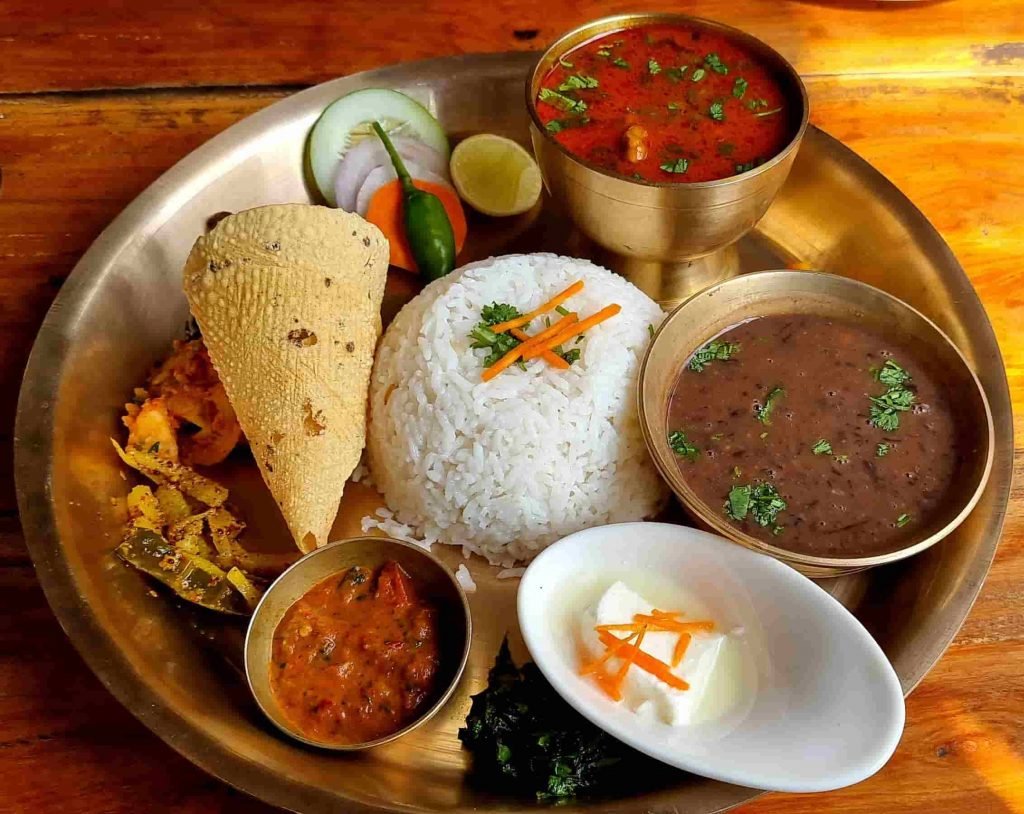
Ilam food is hill food with its own eastern character. Breakfast is typically beaten rice (chiura) with tea, eggs, and seasonal pickles. Dinner is dal bhat with whatever is growing in the kitchen garden: mustard greens, pumpkin, local beans. Fermented bamboo shoot (tama) appears in the curry during monsoon season and has a sharp, funky flavour that takes some getting used to.
The Limbu have their own staples worth seeking out:
Tongba: fermented millet in a wooden or bamboo vessel, drunk through a metal straw with hot water poured over repeatedly. Warmer and slower than raksi. Standard evening drink in Limbu households.
Sekuwa: grilled meat marinated in local spices, usually pork or buffalo, cooked over an open fire
Kinema: fermented soybean paste, pungent, strong-smelling, served as a side dish or mixed into curry
Fresh orthodox tea: brewed properly, not the teabag version. Your host family will show you the difference.
Cultural Experiences
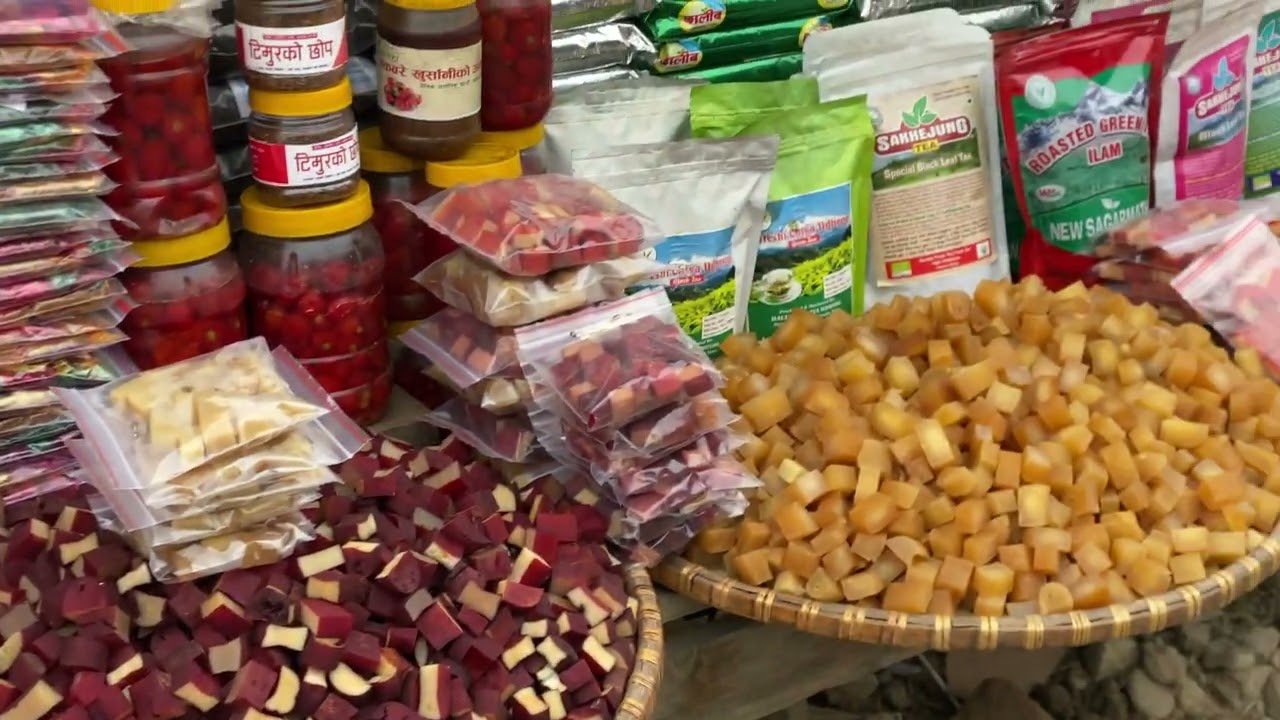
The Lepcha maintain their own language, dress, and festival calendar. If you are in Ilam during Dasain or Tihar, village celebrations involve brass music, collective meals, and offerings at household shrines that are specific to the community. For a broader picture of what the eastern region offers beyond Ilam, the top 10 places to visit in eastern Nepal covers Koshi Tappu, Biratnagar, Taplejung, and the wider Koshi Province circuit.
How to Get to Ilam
From Kathmandu by air + road: Fly from Kathmandu to Biratnagar (45 minutes, from NPR 6,500). From Biratnagar, take a local bus or private jeep to Ilam Bazaar. Road distance is around 180 kilometres, travel time 5 to 6 hours depending on road conditions. Total journey: half a day.
From Kathmandu by road: Bus to Ilam takes 12 to 14 hours. Overnight buses leave from Kathmandu's main bus park. Not recommended if you are prone to motion sickness on hill roads.
From Biratnagar direct: Private jeep hire runs NPR 8,000 to NPR 12,000 one way. For groups of three or more this is the most comfortable option.
From Darjeeling / India: The nearest Indian border crossing is Kakarbhitta (opposite Siliguri in West Bengal). From Kakarbhitta, Ilam is about 4 hours by shared jeep through Jhapa district. Indian visitors commonly do a day trip to Kanyam from Siliguri.
Getting around Ilam district: Shared jeeps run between Ilam Bazaar, Kanyam, and Fikkal through the day. For Shree Antu, hire a private jeep from Ilam Bazaar. The road is rough in places; jeep is the only practical option.
Prices
Prices at Shree Antu tend to run slightly higher than Ilam Bazaar due to altitude and access. Confirm all prices directly with your host at booking. Peak season is October to November and March to April.
Best Time to Visit Ilam
October to December is the clearest window. The monsoon has ended, skies are sharp, and Kanchenjunga sits clean on the horizon from Shree Antu. Tea plucking is mostly done by November but the gardens are still green. Cold at night above 2,000 metres. Bring a warm layer.
March to May is the rhododendron season. The forests between Ilam Bazaar and Shree Antu turn red and pink from late February. Tea plucking restarts in March. The first flush tea harvested in March and April is the most prized of the year. If you care about tea, this is when to come.
June to September is monsoon. Roads to Shree Antu get difficult. The tea gardens are intensely green and beautiful but leeches are on the trails and landslides occasionally close the access roads. Possible but not recommended for a first visit.
December to February is cold and quiet. Shree Antu gets frost and occasional light snow in January. Some homestays close for winter. Confirm availability before travelling.
Frequently Asked Questions
What is an Ilam homestay?
An Ilam homestay is accommodation with a local family in Ilam district, eastern Nepal. Guests stay in traditional hill homes surrounded by tea gardens, eat home-cooked meals, and can join tea walks, sunrise hikes, and cultural programmes arranged by the host family.
Where is the best place to stay in Ilam?
Shree Antu for sunrise views and Lepcha cultural experiences. Kanyam for tea garden access and easier road connections. Barbote for a quieter, more rural hill stay further from tourist traffic.
How do I get to Ilam from Kathmandu?
The fastest route is to fly to Biratnagar and take a jeep from there, a total journey of around 6 to 7 hours. By road from Kathmandu, overnight buses take 12 to 14 hours.
What is Shree Antu famous for?
Shree Antu is a hill at 2,328 metres in Ilam district, known for sunrise views of Kanchenjunga and the eastern Himalayan range, tea gardens, and Lepcha community homestays.
What is the best time to visit Ilam?
October to December for clear skies and mountain views. March to May for rhododendron blooms and first flush tea harvest. Avoid the monsoon months of June to September.
What food do they serve at Ilam homestays?
Dal bhat, beaten rice, seasonal vegetables, fermented bamboo shoot curry, and Limbu specialties including tongba, sekuwa, and kinema. Fresh orthodox tea is served at every meal.
How much does an Ilam homestay cost?
Room with breakfast and dinner starts from NPR 2,000 per person per night. Full board with a tea garden tour runs NPR 2,800 to NPR 3,500. Prices vary by location and season.
Is Ilam suitable for foreign tourists?
Yes. The area is safe, the roads are manageable with a jeep, and homestay families in Shree Antu and Kanyam have experience hosting foreign visitors. English is spoken at most homestays. The main adjustment is the long road journey from Kathmandu or Biratnagar.
Company Admin
Travel writer sharing authentic stories and experiences from Nepal's beautiful homestays.