
Nepal is one of the best places on Earth to see the elusive red panda. This guide covers the top tracking areas in Ilam and eastern Nepal, trekking routes, homestays, costs, the Mundum Trail festival, and how to plan a red panda trek with the best chance of sightings.
Seeing a red panda in Nepal is one of the rarest wildlife experiences in Asia. Nepal holds between 500 and 1,000 red pandas, most of them living in the bamboo and rhododendron forests of the eastern hills. With trained Forest Guardian guides, community homestays, and a dedicated eco-tourism program, your chances of spotting one are better here than almost anywhere else on Earth.
Here is what this guide covers:
The best places to see red pandas in Nepal and how to choose between them
How hard each route is and which one fits your time and fitness level
What a red panda homestay experience is actually like
The Red Panda and Tahr Festival on the Mundum Trail and how to combine it with your trek
Quick Summary
What Is a Red Panda?
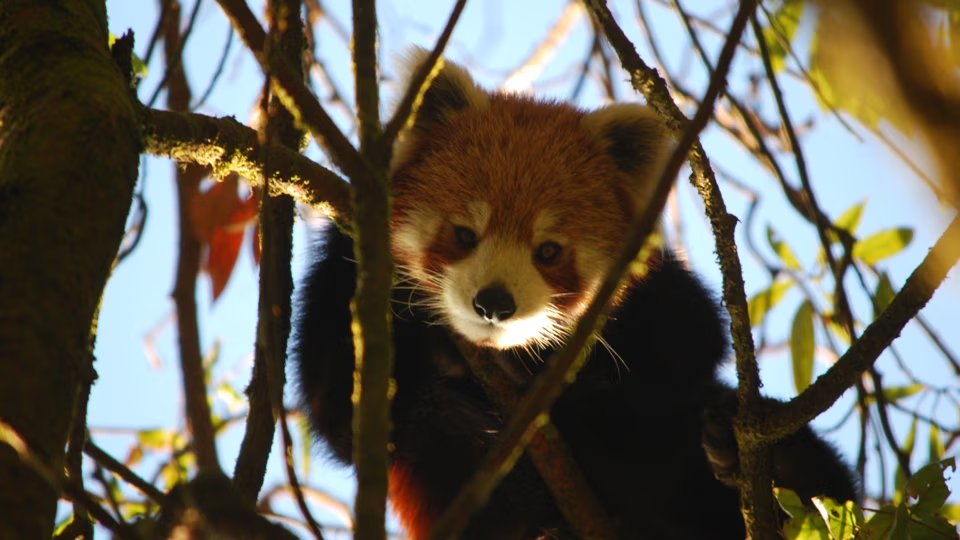
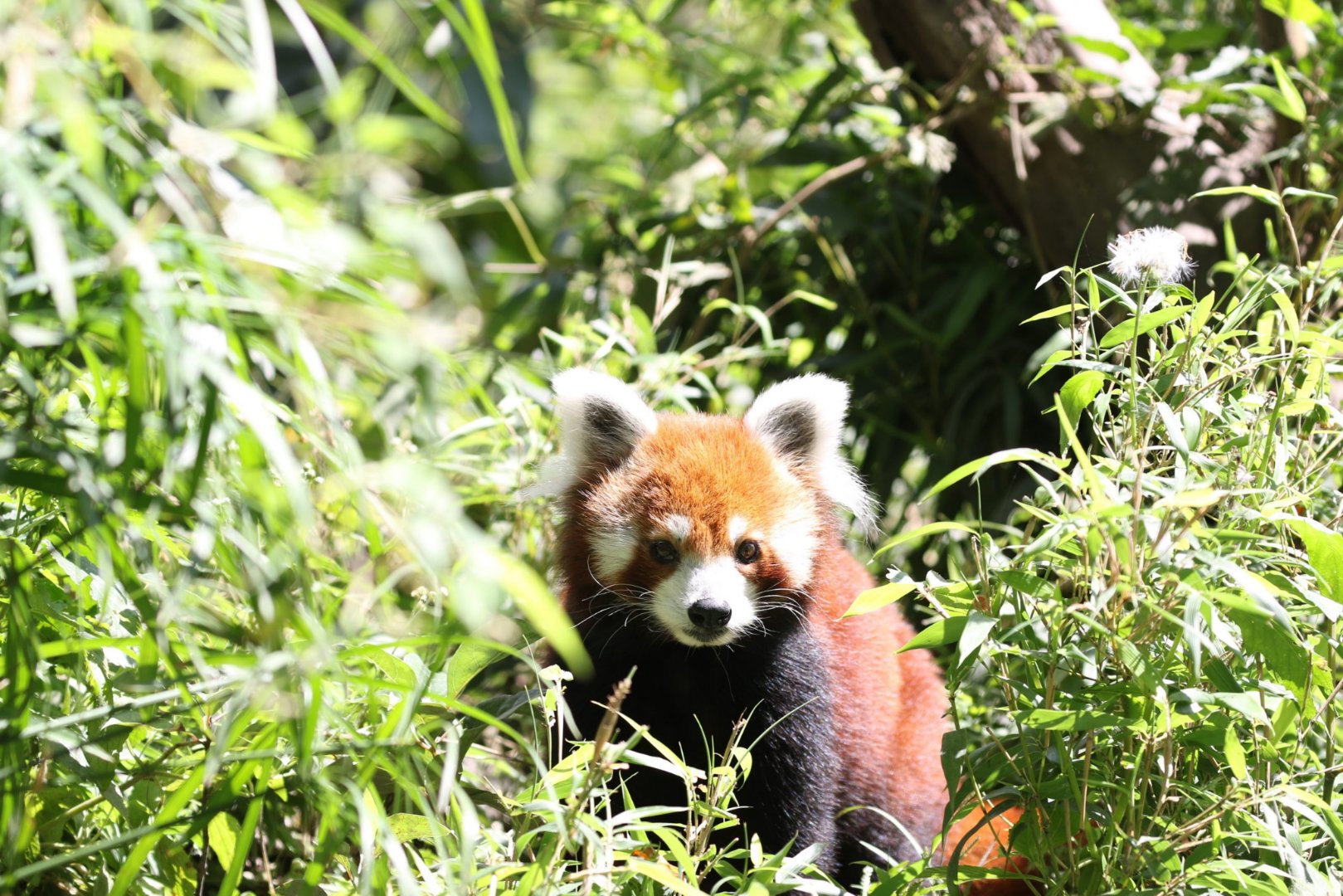
The red panda is a small, tree-climbing mammal about the size of a house cat. It has reddish-brown fur, a ringed bushy tail, and dark markings under its eyes. In Nepali it is called habre or bhalu biralo, meaning bear-cat. It eats mostly bamboo leaves and needs a large connected forest to survive.

Best Places to See Red Panda in Nepal
Eastern Nepal holds the highest density of red panda habitat in the country. The Panchthar-Ilam-Taplejung (PIT) corridor covers 11,500 square kilometers of connected forest and is considered the global center of red panda country. Around one-fourth of Nepal's red pandas live in the eastern districts of Ilam, Panchthar, and Taplejung, outside any national park, in forests protected by local communities.
The table below compares your main route options so you can choose based on your time, fitness, and travel style.
Trail Comparison: Ilam vs Panchthar vs Taplejung vs Mundum Trail
Ilam and Dobate is the top recommendation for a dedicated red panda wildlife tour in Nepal. The trek follows the Singalila and Panchthar-Ilam-Taplejung corridor near the India-Nepal border, passing through rhododendron forests, remote villages, and ridgelines with views of Everest and Kanchenjunga.
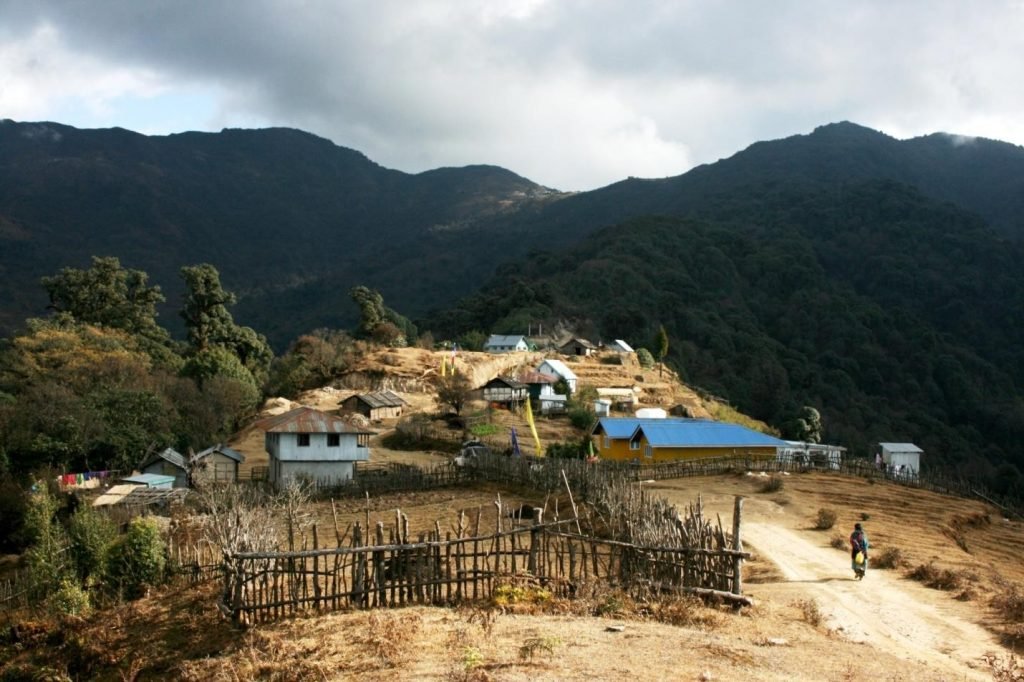
Panchthar shares the same forest corridor as Ilam but receives far fewer foreign visitors. There are no direct flights into Panchthar. You travel via Bhadrapur airport then drive further north, adding half a day of travel over the Ilam route. The trails here are less defined and you need a knowledgeable local guide. For most first-time visitors, Panchthar is better as an add-on to Ilam than a standalone destination.
Taplejung is for trekkers who want to combine red panda tracking with a serious Himalayan expedition. This area is in the Kanchenjunga Conservation Area in northeastern Taplejung district, bordering Tibet and India. Getting there requires a flight to Bhadrapur followed by a long drive of 7 to 9 hours on rough mountain roads, or a separate domestic flight to Suketar airstrip which operates weather-dependent. A Kanchenjunga restricted area permit is required and TIMS is not needed once you have it. The permit process is complicated enough that a registered travel company is strongly recommended. Budget 14 to 18 days minimum. This is not the right choice for someone with a week.
The Mundum Trail in Khotang is the newest option and the easiest to access independently. The only permit currently required is a TIMS card. The 80-kilometer trail runs between 2,300 meters at Chakhewa and 4,110 meters at Silichung Hill and offers views of six peaks above 8,000 meters including Everest, Kanchenjunga, Makalu, and Lhotse.
How Likely Are You to See a Red Panda in Nepal?
This is the most important question before you book, and it deserves a straight answer.
Red pandas are genuinely elusive. They spend most of their time resting in tree canopies and are most active for only a few hours each day in cooler temperatures. Without a guide, you could walk through prime red panda habitat for days and see nothing. With a trained Forest Guardian guide in Dobate over three or more full tracking days, most organized groups report at least one sighting.
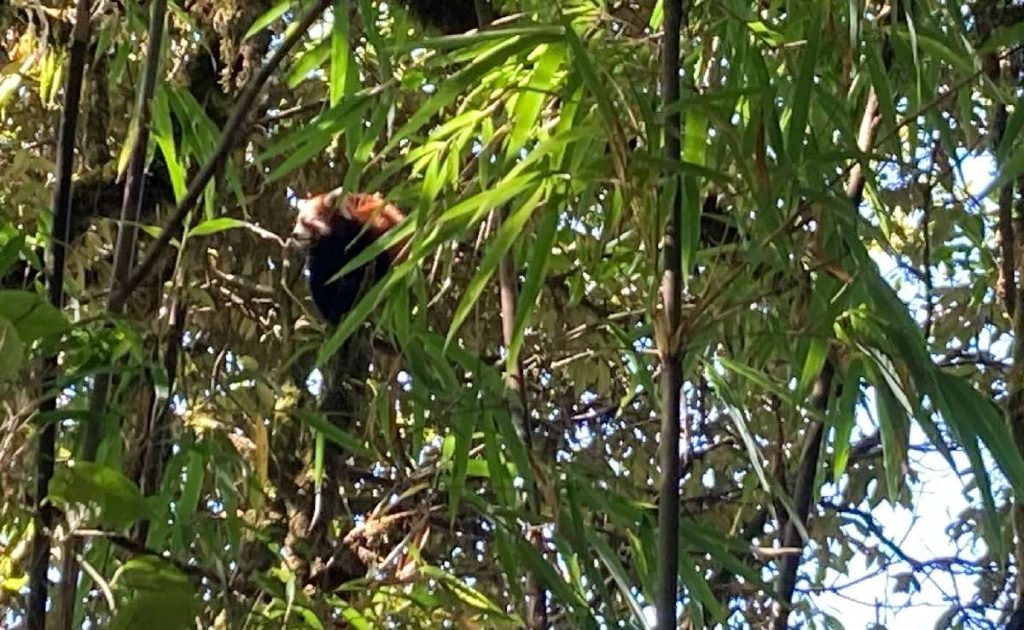
Here is what actually affects your chances:
A Forest Guardian guide who checks known feeding areas, resting trees, and panda movement patterns daily makes the biggest difference between a sighting and no sighting.
Wearing neutral colors such as brown, olive, or dark grey matters. Bright clothing causes animals to retreat before you get close.
Arriving at the tracking area before sunrise is not optional. Cool morning temperatures between 5 and 10 degrees Celsius bring red pandas out of their resting spots.
October and November offer the best conditions. Mothers are often moving with cubs, which means you may spot two or three animals at once rather than just one.
Spending at least three full days in the Dobate tracking area is the minimum recommended. One day is not enough.
Smaller groups of two to four people move more quietly and have noticeably better results than groups of eight or more.
Sightings are never guaranteed. The value of this trip extends well beyond one animal sighting. The forest, the people, the homestay experience, and the conservation story make this trip worthwhile even on a quiet day.
Red Panda Trekking Nepal: What the Trail Looks Like
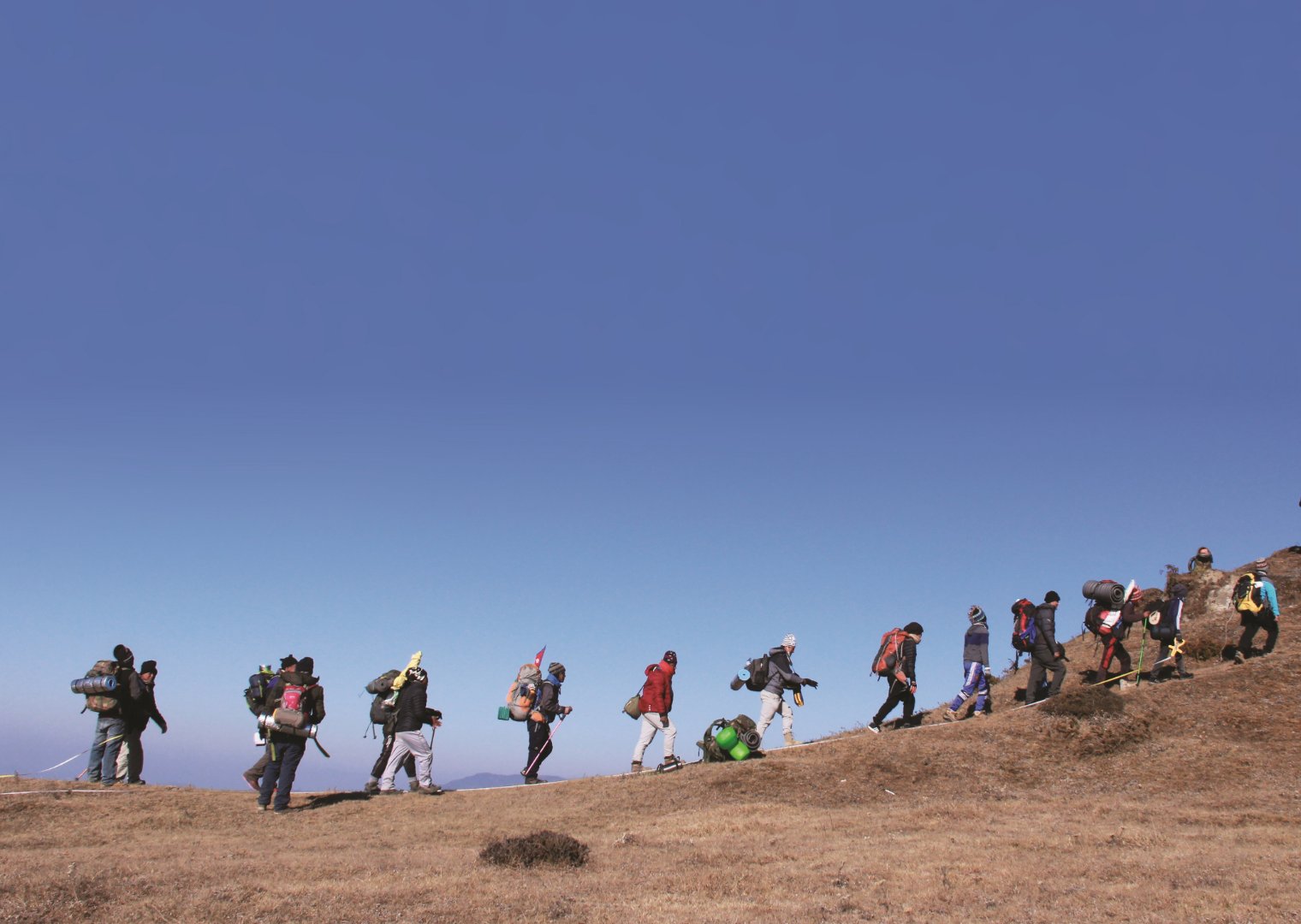
The main red panda trekking route in Nepal runs through Ilam town, up to Dobate village, and along the Singalila ridge to Sandakpur. You can choose between 7 and 12 days depending on how much time you have and how much of the region you want to cover. The route passes through places like Ilam, Dobate, Mabu, Sandakpur, and the Singalila Ridge near the India-Nepal border.
How to Get to Eastern Nepal
Fly from Kathmandu to Bhadrapur airport in about 50 minutes. Do not take the bus. The overland route from Kathmandu takes 12 to 14 hours and leaves you exhausted before the trek starts.
Drive from Bhadrapur to Ilam town in 3 to 4 hours through rolling tea garden hills.
Drive from Ilam toward Dobate in another 3 to 4 hours on a narrow mountain road. This road section is part of the experience.
Itinerary by Trip Length
7-day itinerary (tight but possible)
11-day itinerary (recommended)
What Happens During a Tracking Day
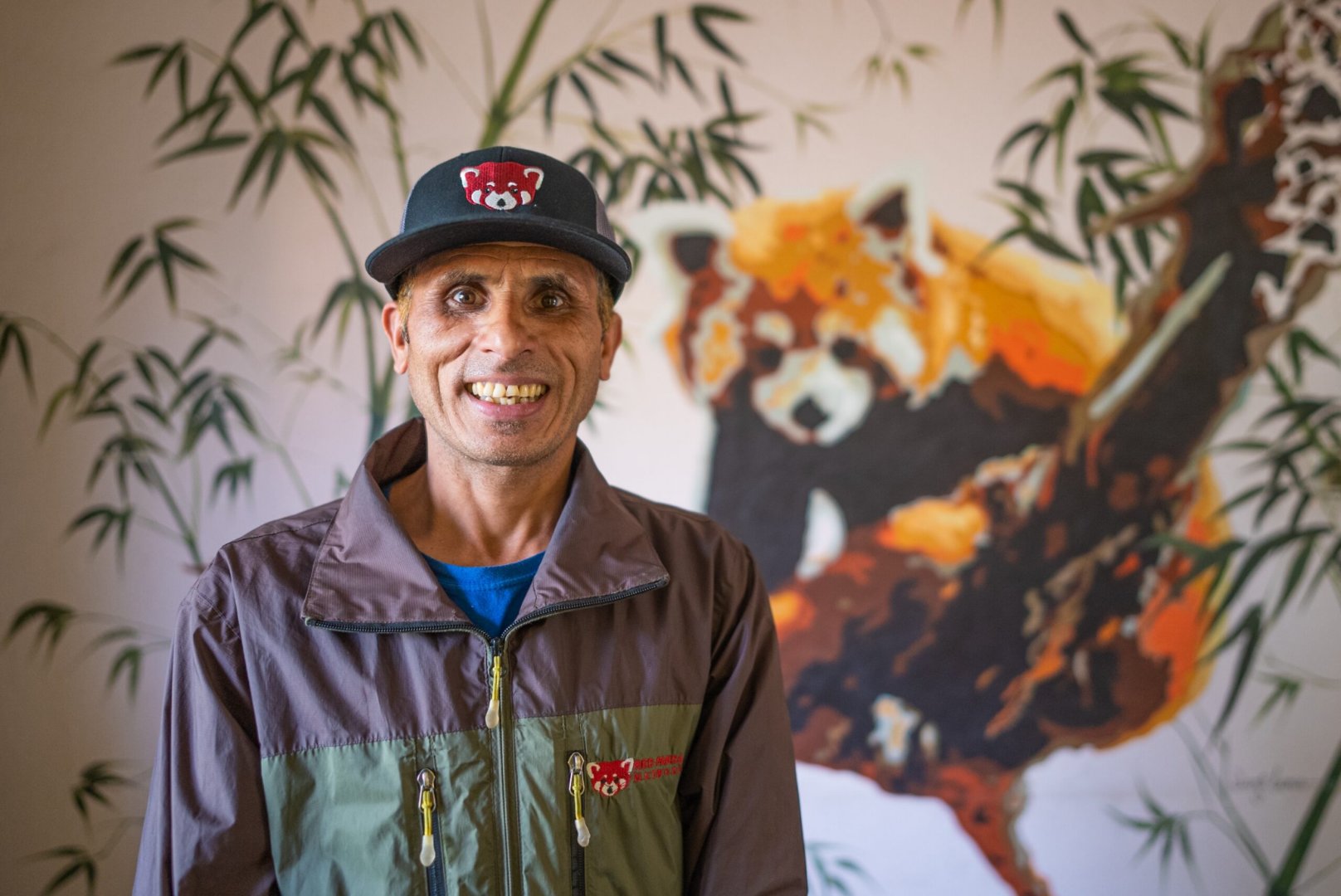
You wake up before sunrise. Your Forest Guardian guide leads you into the bamboo and rhododendron forest on trails that tourist groups rarely use. You are not following a tourist path. You are walking the same monitoring routes the Forest Guardians use every week.
Signs to look for as you move through the forest:
Fresh bite marks on bamboo stems are the clearest sign that a red panda has fed there recently.
A striped ringed tail hanging over a high branch is often the first thing you will notice.
Scratch marks on tree bark show where a panda has climbed up or down.
Droppings that appear shiny and greenish-brown signal recent activity in that area.
Red Panda Trail Difficulty: Is This Trek Right for You?
The Ilam red panda trail is rated easy to moderate. You do not need mountaineering experience or specialist equipment. Most of the trek stays below 3,600 meters, and the ascent is gradual. Families with children aged 10 and above have completed it without problems.
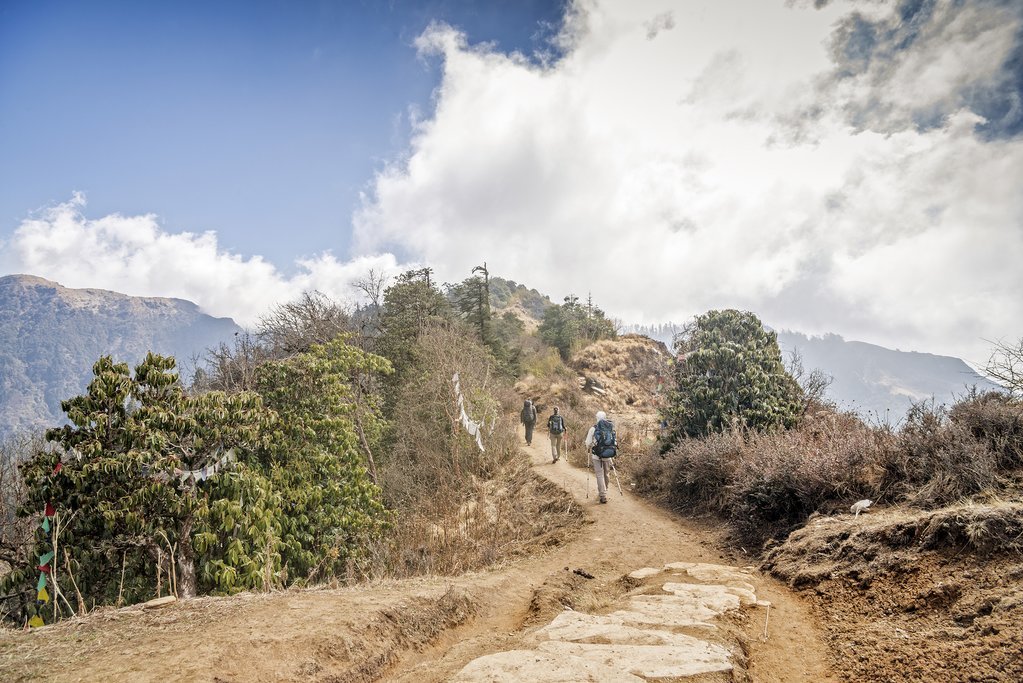
The forest trails around Dobate can be steep, narrow, and very muddy after rain. Waterproof hiking boots with ankle support are not optional. The climb to Sandakpur at 3,636 meters is the hardest day of the standard itinerary, but it is manageable for anyone who does regular walking or light exercise.
Red Panda Homestay Nepal: Living With Local Families
A red panda homestay in Nepal is not a hotel with a local theme. You stay inside a real family home in a village near the bamboo forest. You eat what the family eats. Income from your stay goes directly to that household.
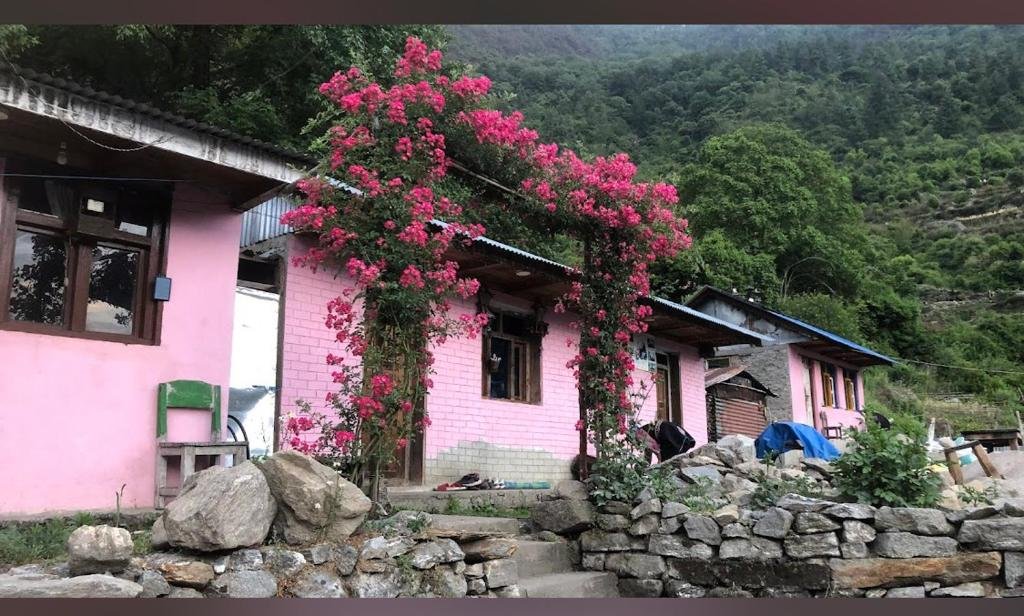
This matters because it works. When a family earns steady income from protecting the forest, cutting it down makes no financial sense. This is how eco-tourism in Nepal contributes to conservation at the ground level, not through donations but through daily economic choices.
What you get for your money:
A clean, simple room with warm blankets. Nights at altitude above 2,000 meters get cold.
Fresh home-cooked meals. Expect rice, lentil soup, seasonal vegetables, eggs, and sometimes local chicken. Food is plentiful and filling.
A bucket shower in most homestays. Hot water is heated over a wood fire.
No reliable internet and very limited phone signal in forest villages. Plan for this.
Evenings that often include tea and conversation with the host family. This is where the real experience is.
Homestays on the organized Ilam route are vetted through the Red Panda Network's community program. Your money does not go through a middleman.
Red Panda Festival Nepal: The April Event on the Mundum Trail
The Red Panda and Tahr Festival is the most important new event in red panda eco-tourism in Nepal. On April 14, 2025, the first Red Panda and Tahr Festival was held in Khotang, eastern Nepal. Organized by the Diktel Rupakot Majhuwagadhi Municipality, the two-day event aimed to raise awareness about the conservation of endangered wildlife, particularly the red panda and Himalayan Tahr. The festival also saw the inauguration of the new Mundum Trail Red Panda-Tahr Route.
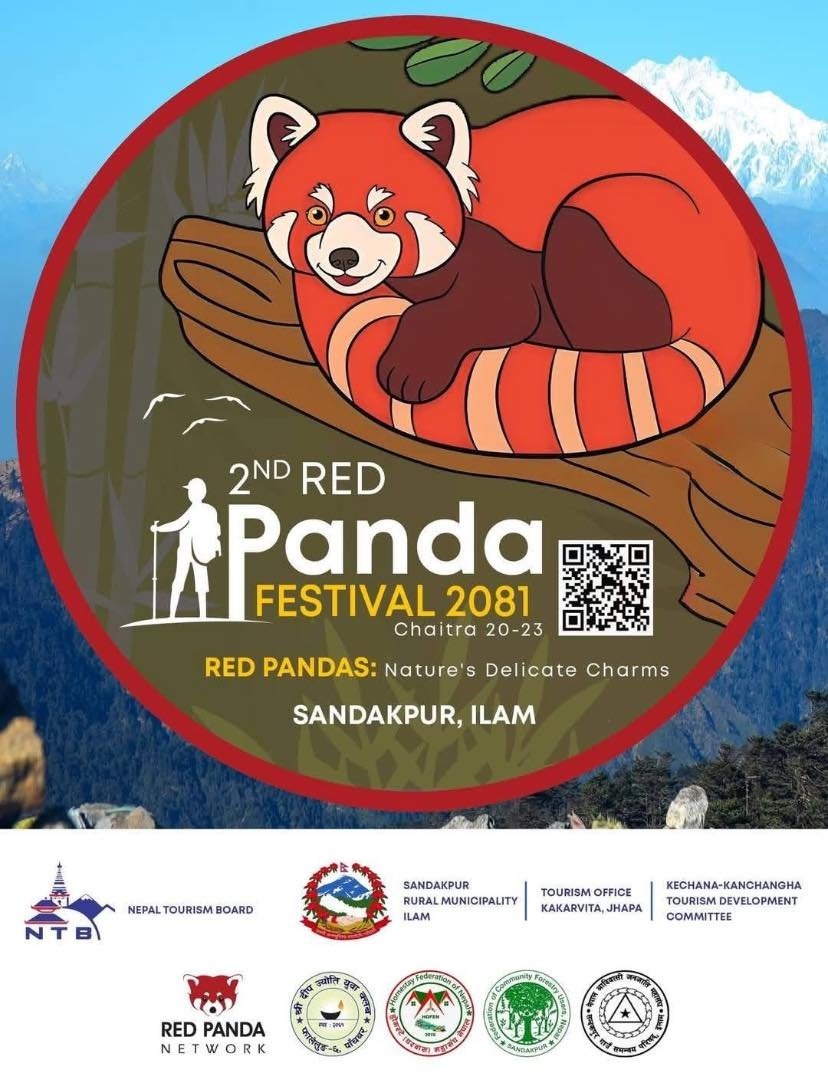
The festival featured cultural performances, traditional costumes, organic cuisine, and exhibitions of locally produced goods, all arranged by local community members who participated voluntarily.
Can You Combine the Festival With Ilam?
Yes, but it requires planning. Khotang and Ilam are both in eastern Nepal but are not adjacent. Here is the practical reality:
The festival runs around Nepali New Year, which falls on April 13 or 14 each year.
From Kathmandu, Khotang is reached by a 7 to 8-hour drive to Diktel Bazaar, or a flight to Tumlingtar and then a 3-hour drive.
After the festival, traveling from Khotang to Ilam for red panda tracking takes approximately 6 to 8 additional hours by road via the eastern highway.
A combined trip covering both the festival and the Ilam tracking experience needs a minimum of 14 days from Kathmandu.
The recommended order is: festival in Khotang first (April 13 to 15), then travel east to Ilam for tracking days (April 16 onward). This way the cooler April temperatures support both the festival walk and the tracking sessions.
If you only have 10 days, choose one or the other. Rushing both produces a poor experience of each.
Best Time to See Red Panda in Nepal
October and November are the best months overall. The air is cold enough to keep red pandas active and visible. Mothers move with cubs in this season, making family group sightings possible. March and April are excellent for combining wildlife tracking with the Red Panda Festival. May can work but afternoon rain becomes more frequent toward month end.
Red Panda Conservation Nepal: What Your Visit Actually Funds
Red panda conservation in Nepal has produced measurable results. Nepal's estimated red panda population has grown from around 300 to 600 animals in 2011 to between 500 and 1,000 today. Community-based programs are central to that recovery.

When you book a responsible red panda wildlife tour in Nepal, your fees go toward:
Forest Guardian salaries, providing stable income to local families who protect the bamboo forest every day
Anti-poaching patrols across 78 community forests. Since 2015, trap and snare numbers in the eastern Nepal corridor have dropped by around 60 percent
The Puwamajhuwa Community Red Panda Conservation Area in Ilam, declared in 2024, covering 116 hectares managed entirely by local people
The Plant a Red Panda Home reforestation program, planting native bamboo and trees in degraded forest land near villages
School education programs in every village near red panda habitat
Conservation works here because the financial incentive is real. Families earn more from protecting the forest than from cutting it.
How to Plan a Red Panda Tour in Nepal: Permits and Costs
Permits You Need
Nepal Tourist Visa: Available on arrival at Kathmandu airport. USD $30 for 30 days, USD $50 for 90 days.
TIMS card: Required for most trekking routes. Your operator arranges this.
Kanchenjunga Conservation Area restricted area permit: Required for Taplejung routes only. The application is complex enough that a registered travel company is strongly recommended. TIMS is not required separately once you have the Kanchenjunga restricted area permit.
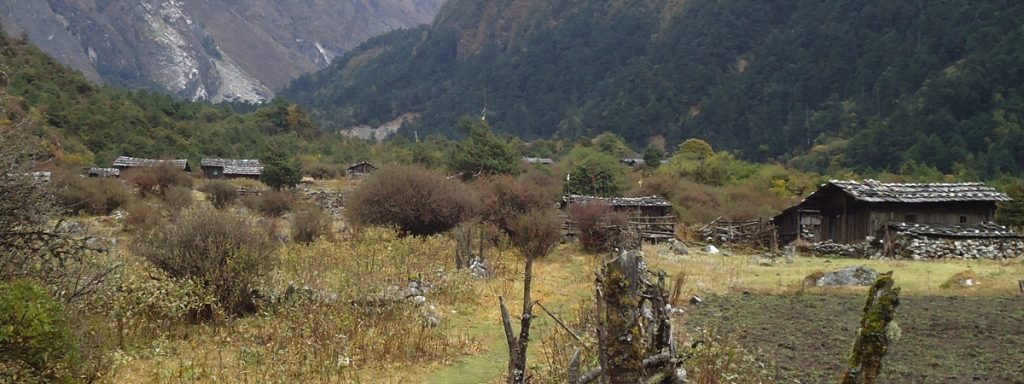
Mundum Trail: Only a TIMS card is required for the Mundum Trail in Khotang, Bhojpur, and Solukhumbu. No national park permit is needed.
Ilam and Panchthar routes: TIMS card and a local conservation area entry fee managed by your operator.
Cost Breakdown by Operator Type
Budget operators cover the basics. Mid-range operators include a qualified English-speaking naturalist guide and guaranteed Forest Guardian tracking sessions, which are worth the extra cost if seeing a red panda is your main goal. The Forest Guardian connection is only consistently available through operators partnered with the Red Panda Network.
Festival timing can raise costs slightly. April accommodation in Khotang and Ilam books up faster than other months.
What to Pack
Waterproof hiking boots with ankle support. Forest paths in Dobate are steep and wet year-round.
Neutral-colored clothing only. Brown, olive, dark grey. Bright colors push wildlife away before you see it.
A warm fleece or down layer for morning tracking sessions and evenings above 2,000 meters.
Binoculars. Scanning tree canopy from the ground is how most red panda sightings start.
Cash in Nepali Rupees. ATMs exist in Ilam town but not in forest villages. Bring enough for your full time in the field.
Any personal medication you need. Medical facilities are very limited in remote eastern Nepal.
Final Thoughts
Seeing a red panda in Nepal means more than ticking a rare animal off a wildlife list. The eastern Nepal forests hold one of the last stable populations of this animal on Earth, and the communities living beside those forests have built a conservation system that is genuinely working.
Whether you trek the Ilam red panda trail, stay in a community homestay, or join the Red Panda Festival on the Mundum Trail, your visit directly supports the people who protect this landscape every day.
Frequently Asked Questions
Where is the best place to see red pandas in Nepal?
The Ilam district in eastern Nepal, specifically the forest area around Dobate village, offers the best conditions for seeing red pandas. This is the core zone of the Red Panda Network's eco-tourism program, where trained Forest Guardian guides lead daily tracking sessions. Ilam, Panchthar, and Taplejung districts together hold roughly one quarter of Nepal's entire red panda population.
When is the Red Panda Festival in Nepal?
The Red Panda and Tahr Festival is held in Khotang, eastern Nepal, around Nepali New Year, which falls on April 13 or 14 each year. It was first held in 2025 as part of the Mundum Trail Visit Year. The two-day event features cultural performances, organic local food, wildlife awareness activities, and access to the new Mundum Trail Red Panda-Tahr Route.
What is the best time to see red pandas in Nepal?
October and November are the best months. The weather is cool and red pandas are at their most active. March to May is also good, with rhododendrons in bloom and the Red Panda Festival in April. Tracking is officially prohibited from January to February during mating season and from June to September during birthing season and monsoon.
How hard is red panda trekking in Nepal?
The main Ilam route is rated easy to moderate. The highest point is Sandakpur at 3,636 meters, which is suitable for healthy adults who walk or exercise regularly. Forest trails can be muddy and steep. The Taplejung route is significantly harder and suits experienced trekkers only.
How much does a red panda trek cost in Nepal?
A full 9 to 11-day organized red panda tour in Nepal costs between USD $700 and $1,400 per person all-inclusive. Budget operators cover homestay, meals, local guide, transport, flight, and permits. Mid-range operators add an English-speaking naturalist guide and Forest Guardian tracking sessions. International flights and Nepal visa fees are not included in any package.
Can I do the Ilam red panda trail independently?
Not if seeing a red panda is your goal. The Forest Guardian tracking system that gives you real sighting chances is only available through operators who are partnered with the Red Panda Network. For independent trekking in eastern Nepal, the Mundum Trail in Khotang requires only a TIMS card and is well suited to solo travelers.
Does visiting the red panda trail help conservation?
Yes, directly. Forest Guardian salaries, anti-poaching patrols, and community forest protection programs are funded through eco-tourism fees. Nepal's red panda population has grown measurably since community-based conservation programs began in the region.
Company Admin
Travel writer sharing authentic stories and experiences from Nepal's beautiful homestays.