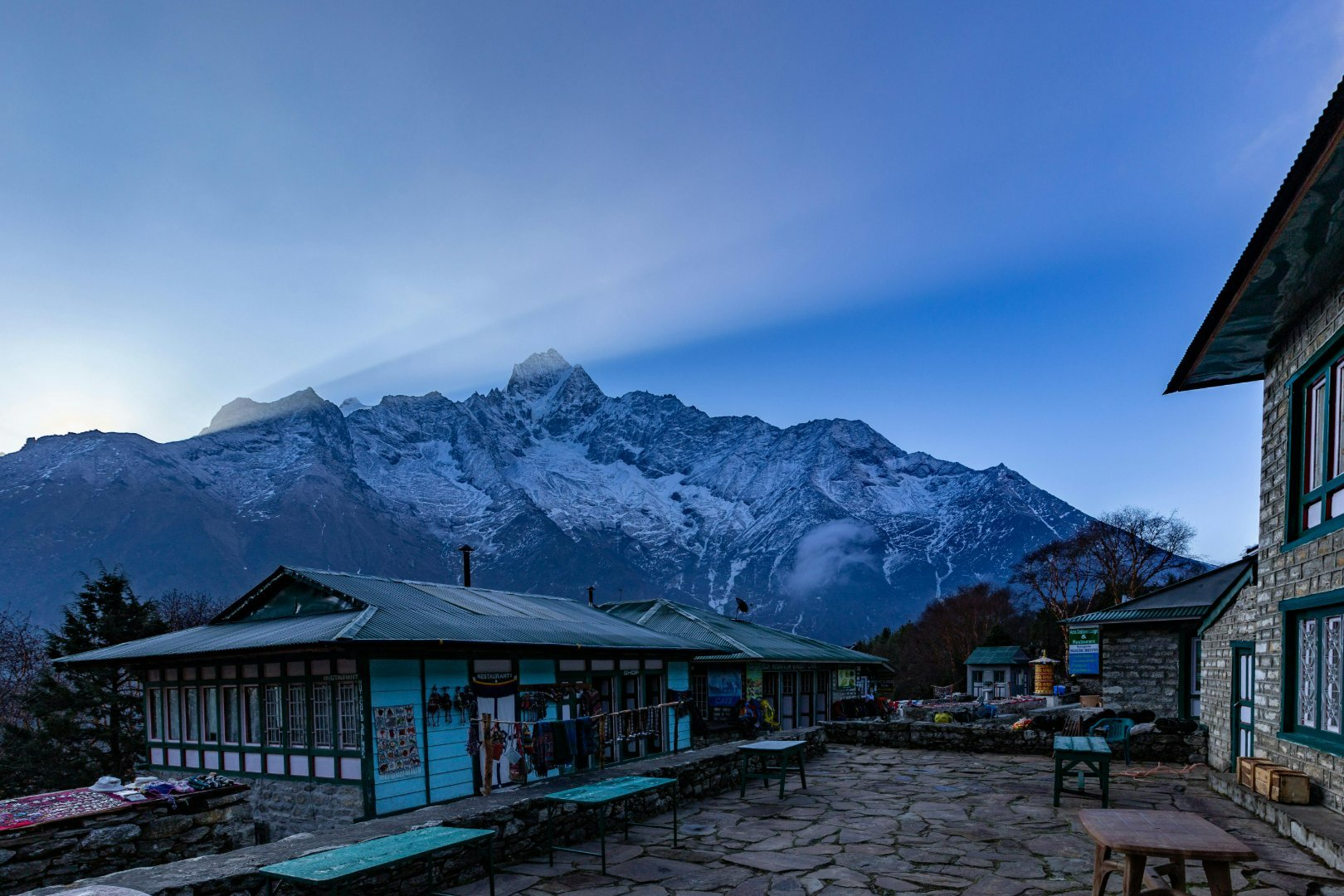
Skip the hotel. Wake to temple bells, share dal bhat with your host family, join Dashain blessings, and learn pottery or thangka painting in living heritage villages. This 2026 guide shows you where to stay, when to visit, and how to book a real Nepal homestay.
A homestay in Nepal lets you live with a local family and experience real Nepali life from the inside. Instead of staying in a hotel, you sleep in a family home, eat home cooked meals, and take part in daily village life. You can plan your visit around big festivals like Dashain, Tihar, and Indra Jatra, or stay in heritage villages like Bandipur, Panauti, and Newari settlements in the Kathmandu Valley. Many homestays also let you try traditional crafts like thangka painting, Dhaka weaving, and pottery making.
This guide covers everything you need to plan a real cultural trip, including the best villages and regions for a Nepal homestay, a festival calendar, traditional crafts you can learn, a 7 day sample itinerary, costs by region, and tips on how to avoid fake homestays.
Who Should Choose a Nepal Cultural Homestay?
A Nepal cultural homestay is not for everyone, and that is exactly the point. It is designed for travelers who want depth over comfort. This kind of travel in Nepal is a great fit if you are:
A slow traveler who wants to stay in one place long enough to really feel it
A photographer looking for real, natural moments of daily Nepali life
A culture lover drawn to living traditions, crafts, and local festivals
A solo female traveler who wants a safe, structured, and community-supported way to explore
A digital nomad or remote worker who wants genuine cultural connection beyond busy city cafes
A responsible traveler who wants money to go directly to local families
If any of those describe you, this guide was written for you.
What Is a Nepal Homestay and Why Is It Perfect for Culture Lovers?
A Nepal homestay is when you stay in the home of a local family rather than a hotel or guesthouse. You eat their food, sleep under their roof, and take part in their daily routines. It gives you a direct, unfiltered look at traditional Nepali life.
This is very different from a regular hotel stay. You are not a guest watching culture from the outside. You are a participant inside it.
You wake up when the family wakes up, often to the sound of morning prayers or the smell of tea on the stove. You eat together, which means you learn about local ingredients, cooking styles, and what food means to that family. You can join in daily work like farming, cooking, or preparing offerings for a local shrine. You can ask real questions and have real conversations that no guided tour can give you.
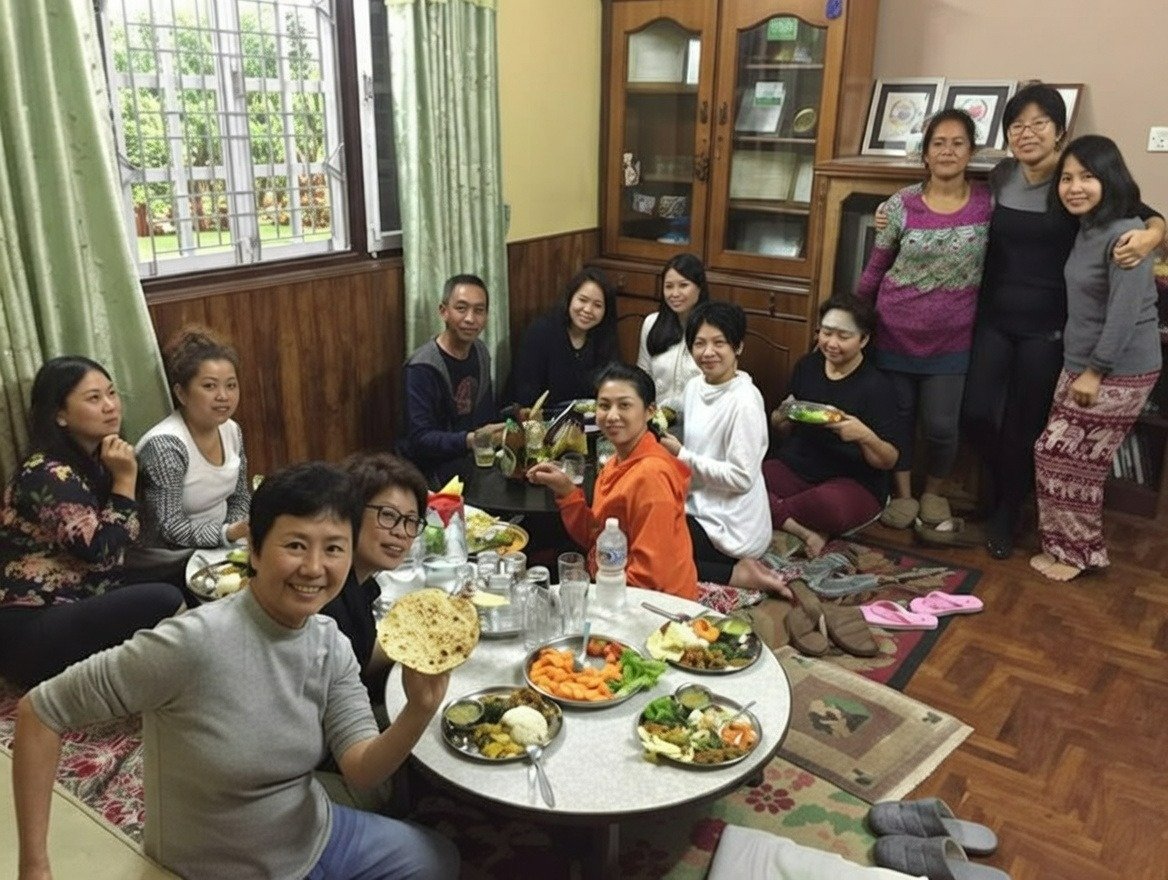
According to Nepal Tourism Board, community-based homestays have grown a lot across Nepal's rural and heritage regions as travelers look for more meaningful experiences. These programs are officially supported as a way to bring income directly to village families rather than large hotel chains, making them a key part of responsible tourism in Nepal.
Homestay vs Hotel in Nepal: What Is the Difference?
This is one of the most common questions travelers ask before planning a Nepal trip. The answer depends entirely on what kind of experience you are looking for.
If you are choosing between a homestay and a hotel in Nepal for a cultural trip, a registered community homestay wins on almost every level that matters for real travel. Hotels are better if you need predictable facilities and a faster pace.
Best Places for Cultural Homestays in Nepal
Nepal has several regions that are rich in culture, craft traditions, and living heritage. Each one offers something different for travelers seeking village life in Nepal.
Newari Homestays in the Kathmandu Valley
The Kathmandu Valley is the heart of Newari culture and home to some of the most important temples, courtyards, and festivals in all of Nepal. Staying in a Newari homestay puts you inside a way of life that has been alive for over a thousand years.
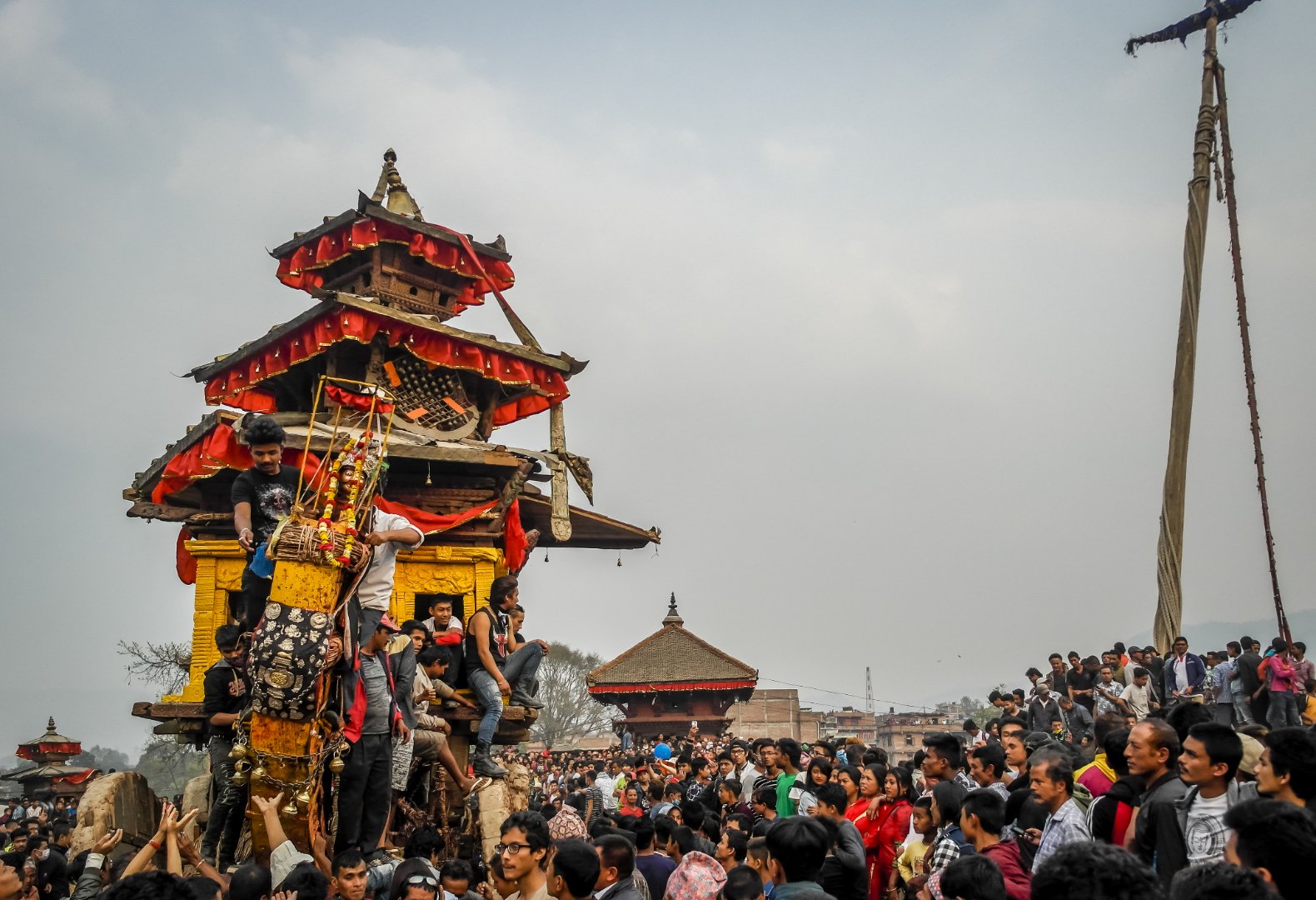
Homestays in Bhaktapur are great for travelers who want authentic Nepal without straying too far from the main tourist path. Bhaktapur is known for pottery, wood carving, and festivals like Bisket Jatra. Pottery Square is one of the most famous open-air craft areas in Asia, and a homestay here puts it right outside your door.
Patan (also called Lalitpur) is famous for its metalwork and Buddhist temples. Staying here gives you easy access to one of the valley's most beautiful Durbar Squares and a community of traditional craftspeople.
Bandipur: Hill Village Homestays
Bandipur is a hilltop village in Gandaki Province that feels like it is from another century. The main street is lined with old Newari trading houses, and the village has worked hard to protect both its buildings and its traditions.
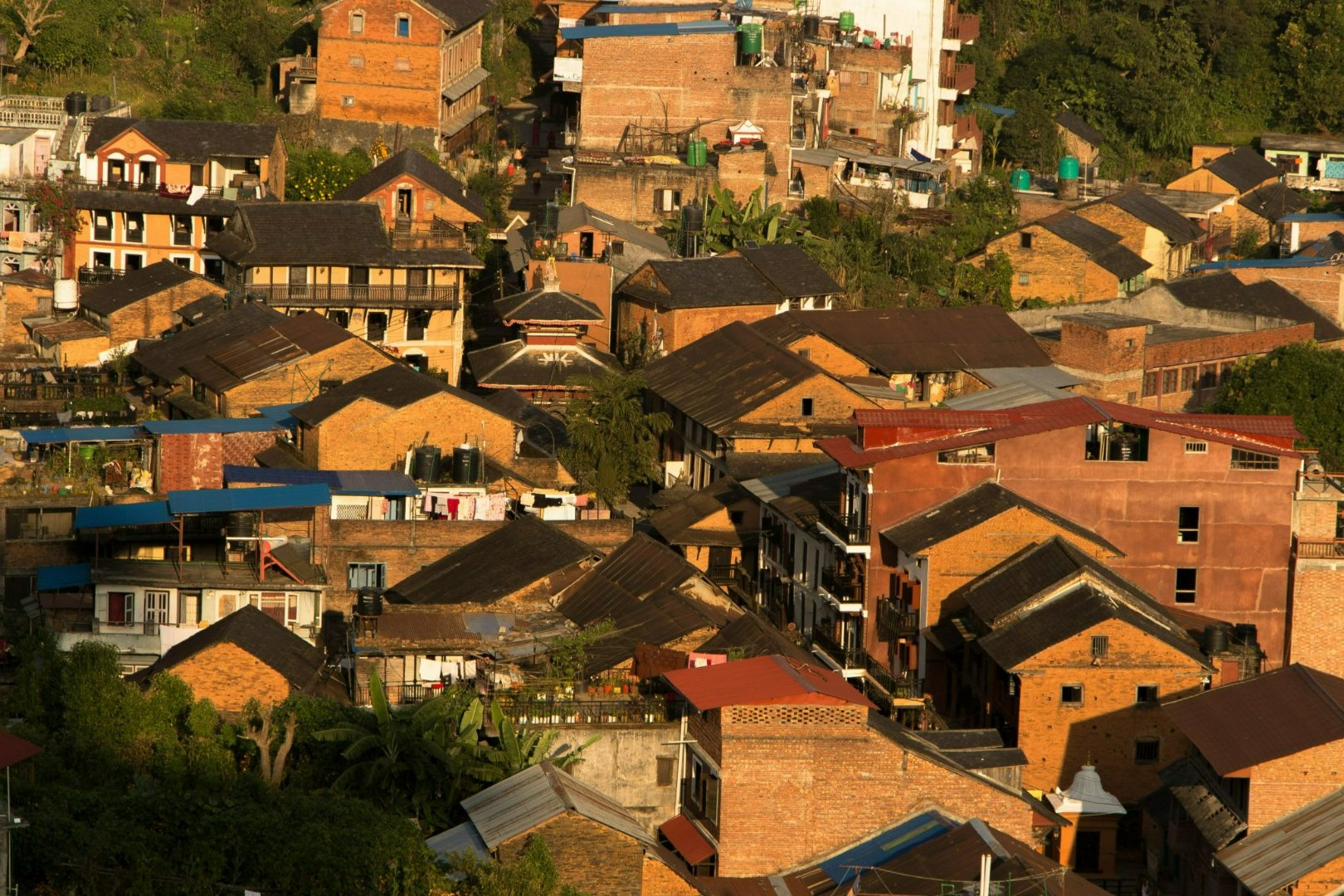
Bandipur homestays often include Himalayan views, local cooking lessons, and hikes to nearby caves and viewpoints. It is one of the best examples of a community homestay Nepal has to offer, with an active village cooperative running cultural programs for guests.
Panauti: Heritage Homestays
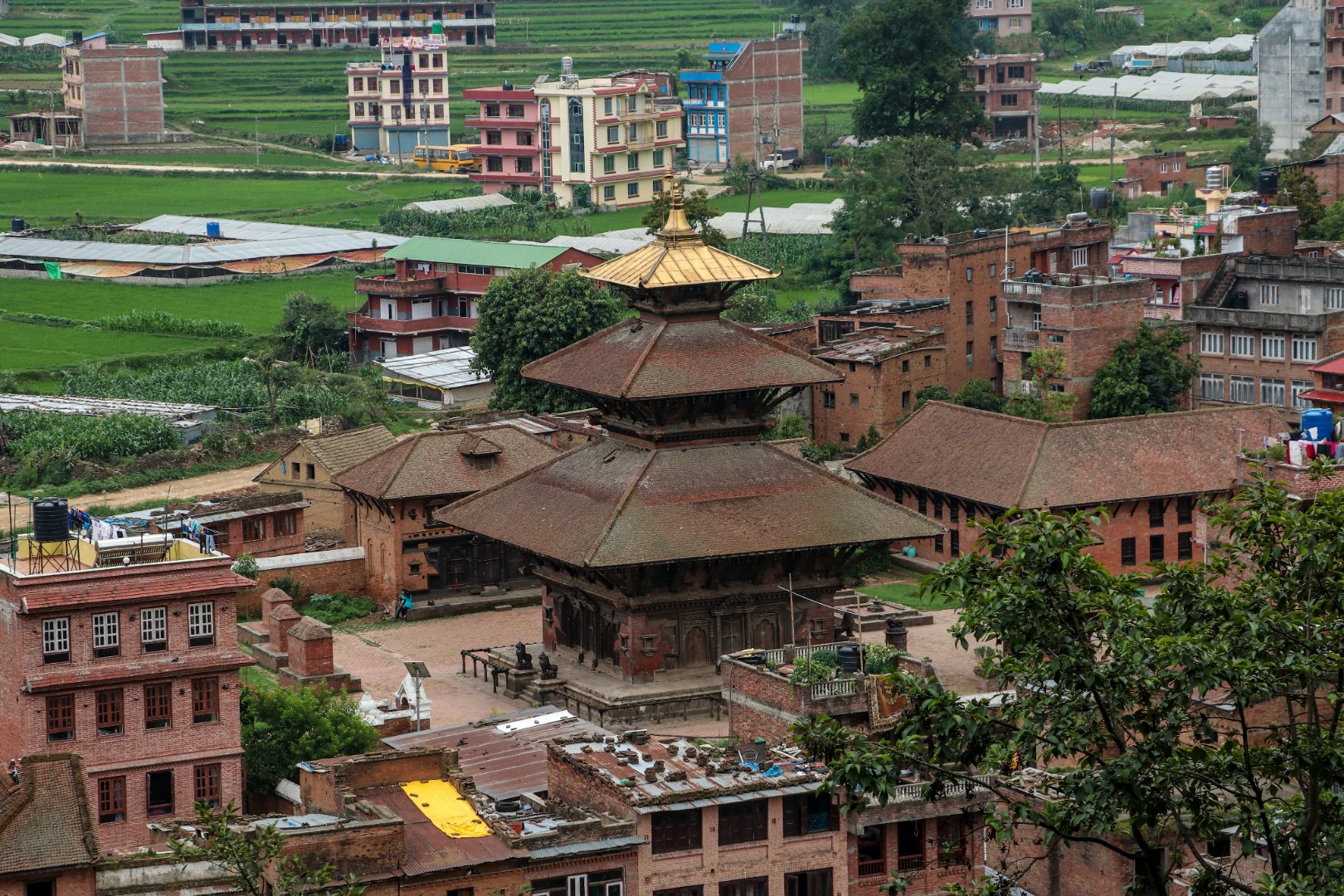
Panauti is one of the oldest towns in Nepal and sits at the meeting point of two sacred rivers. It is a UNESCO-recognized heritage site with beautiful temples and traditional stone buildings.
Panauti is especially magical during the Makar Mela festival held every 12 years, but its quiet lanes and ancient courtyards make it worth visiting any time of year. Many responsible travel supporters point to Panauti as a model for how tourism and heritage protection can work together.
Tharu Village Homestays in the Terai
The Terai lowlands offer a completely different cultural experience from the hills. The Tharu people have a unique way of life, art style, and festival tradition unlike anything you will find higher up in Nepal.
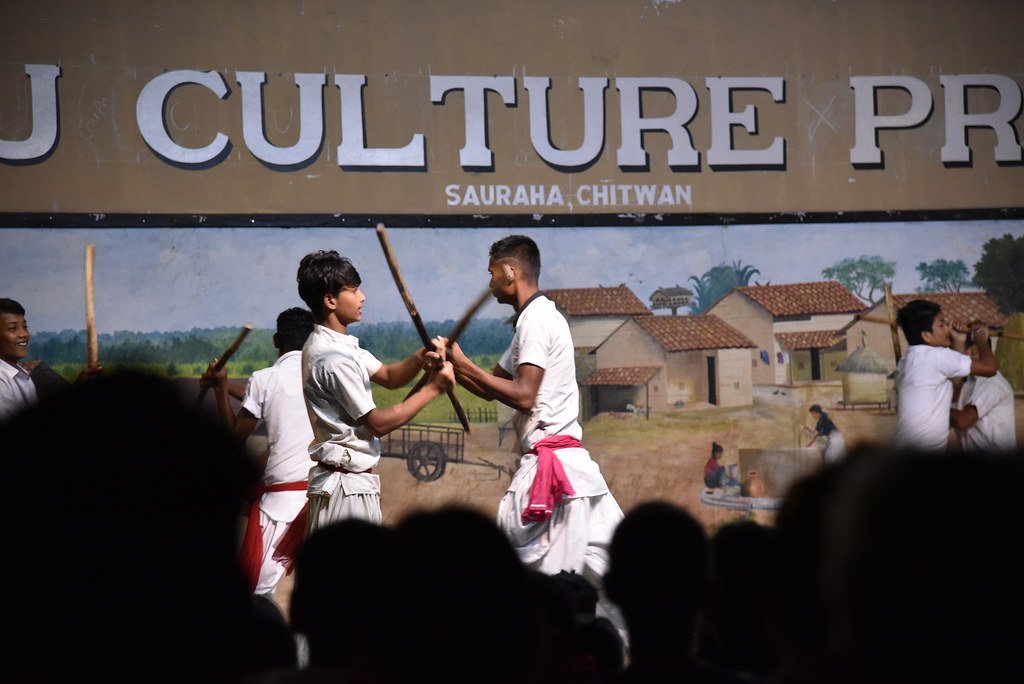
Tharu homestays near Chitwan or Bardiya National Park combine wildlife and community connection in a single trip. The Tharu stick dance is one of the most exciting cultural performances you will see anywhere in Nepal. Watching it from your host family's courtyard is a completely different experience from seeing it at a tourist show.
Nepal Festival Calendar: When to Visit for the Best Cultural Experience
Nepal has one of the richest festival calendars in the world. If you plan your homestay around a major festival, your experience will be completely different from a regular visit. Festivals in Nepal are not shows put on for tourists. They are real community events that families prepare for weeks in advance.
Dashain (September to October)
Dashain is the biggest Hindu festival in Nepal and lasts for 15 days. Every family comes together, elders give blessings to younger members, and the whole country feels like one big celebration.
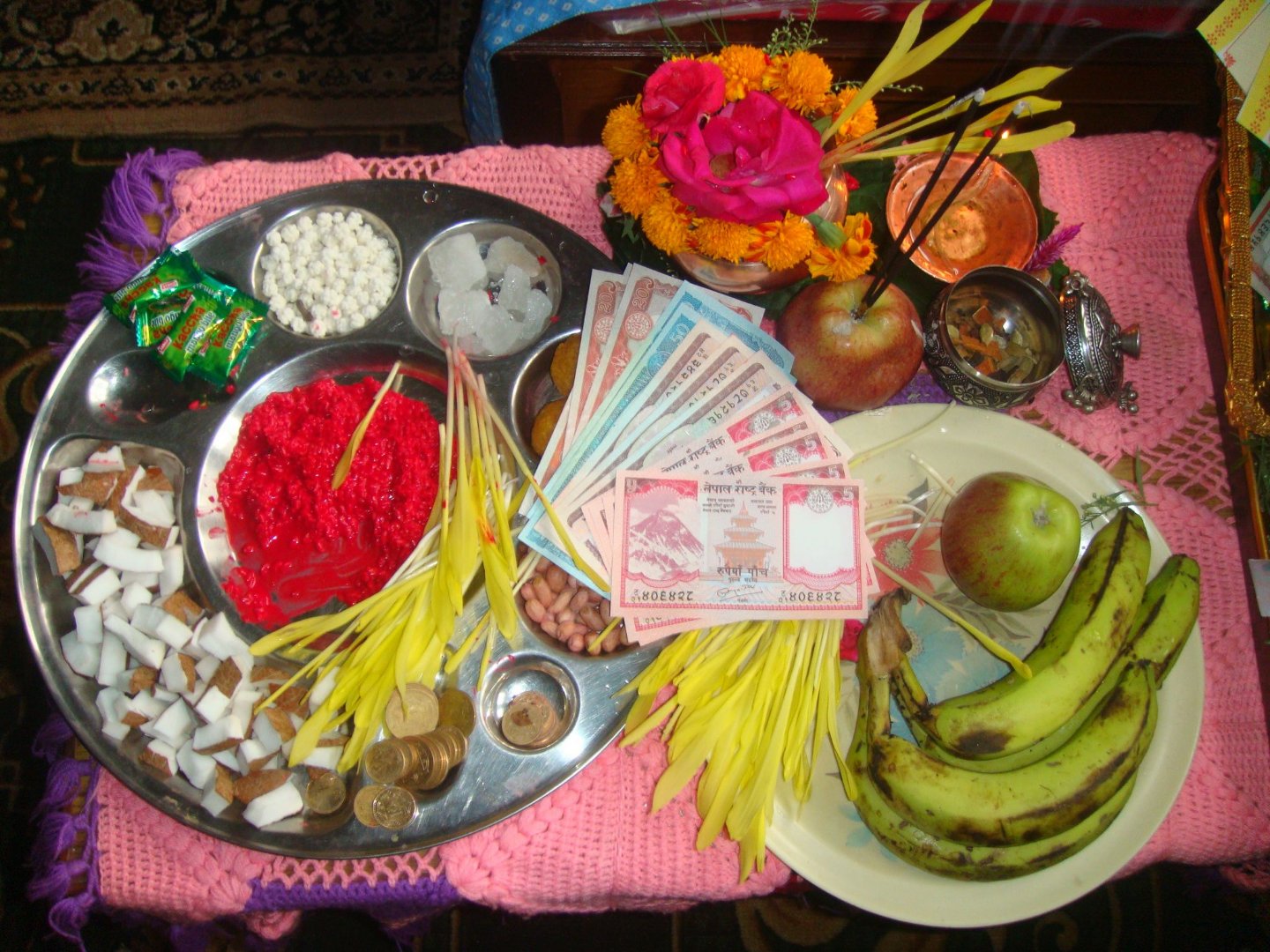
If you are staying in a homestay during Dashain, you will likely receive a tika blessing from your host family, which is a deep cultural honor. You will see kite flying, hear the sound of bamboo swings called ping, and eat special festive foods prepared only at this time of year.
Tihar (October to November)
Tihar is often called the Festival of Lights because homes and streets are covered with thousands of oil lamps and flower garlands. Each of the five days honors a different being, including crows, dogs, cows, and brothers.
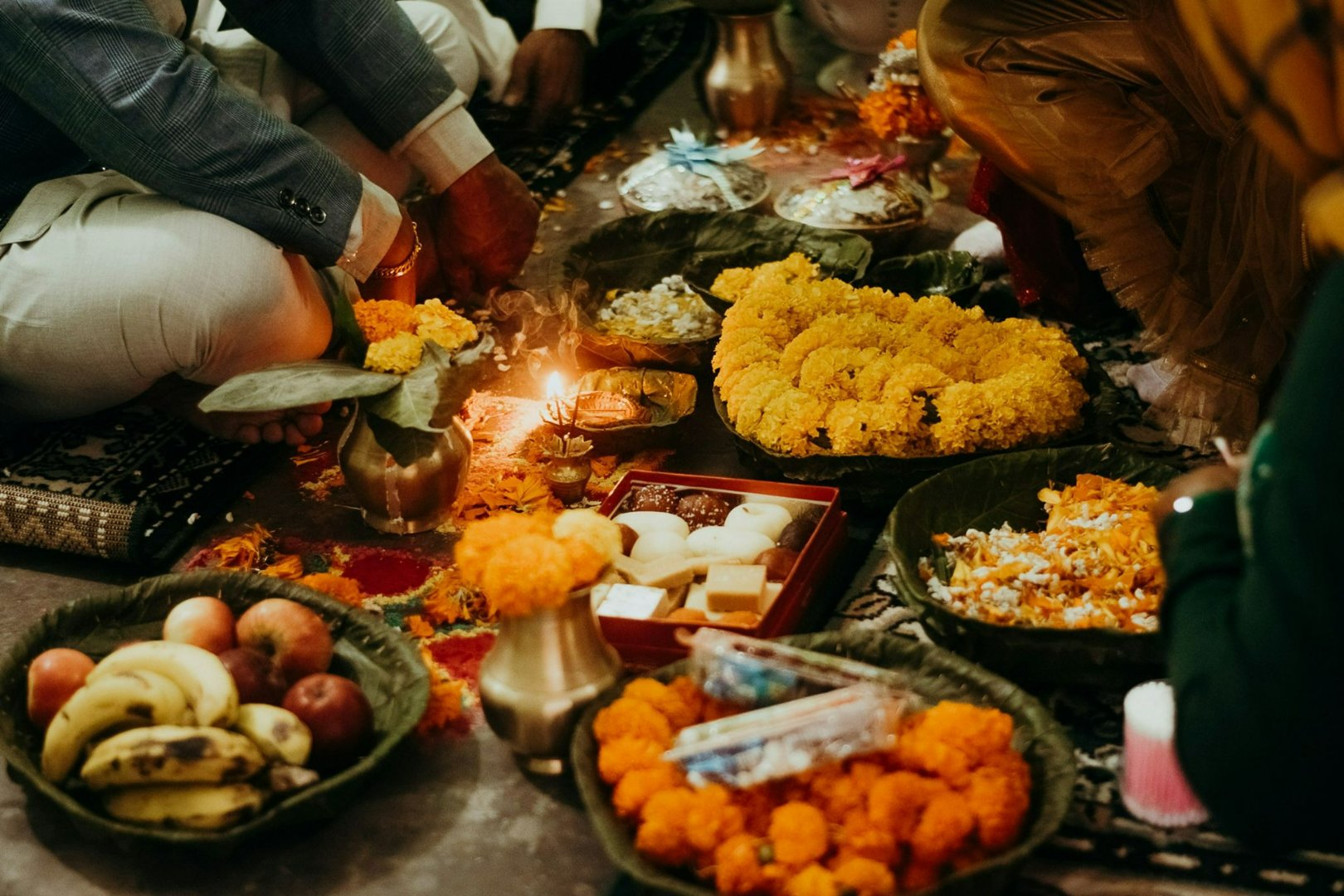
The third day, Laxmi Puja, is when families light up their homes to welcome the goddess of wealth. In Newari communities, Tihar also includes a festival called Mha Puja, a celebration of the self and the Newari New Year. During Tihar, your homestay host may invite you to help prepare flower patterns on the ground or string lights along the family rooftop.
Indra Jatra (August to September, Kathmandu Valley)
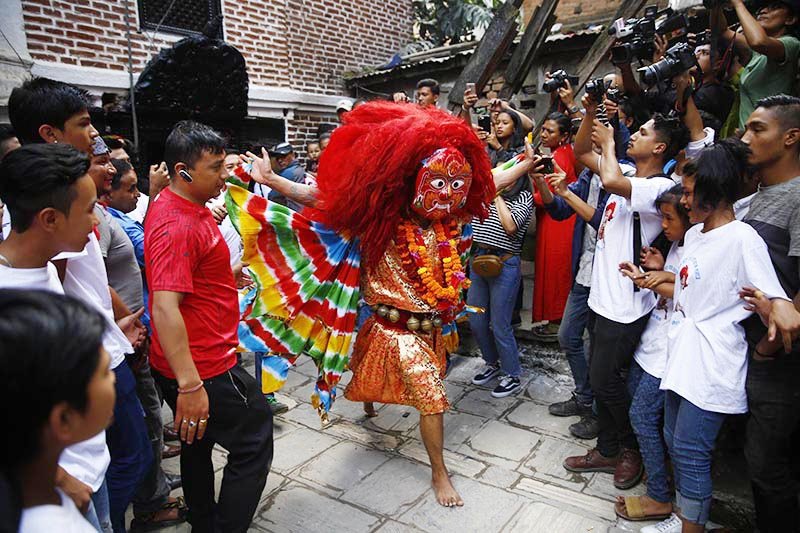
Indra Jatra is an 8-day festival held in Kathmandu's Durbar Square. It celebrates the god Indra and marks the public appearance of the Kumari, the living goddess of Kathmandu. Giant chariot events fill the streets, and traditional masked dances are performed each evening. A Newari homestay in Kathmandu during this time puts you right in the middle of it all.
Maghe Sankranti and Magh Mela (January)
This festival marks the end of the winter month. It is a time for ritual bathing in sacred rivers and eating special winter foods like sesame seeds, ghee, and sweet potatoes. Panauti and Devghat are especially important locations for this festival, and the riverside gatherings are a deeply moving sight.
Holi (February to March)
Holi is the colorful spring festival where people throw colored powder and water at each other in celebration. Homestay families in Terai and Kathmandu often celebrate Holi on different days, giving you a rare chance to experience this festival twice in a single trip.
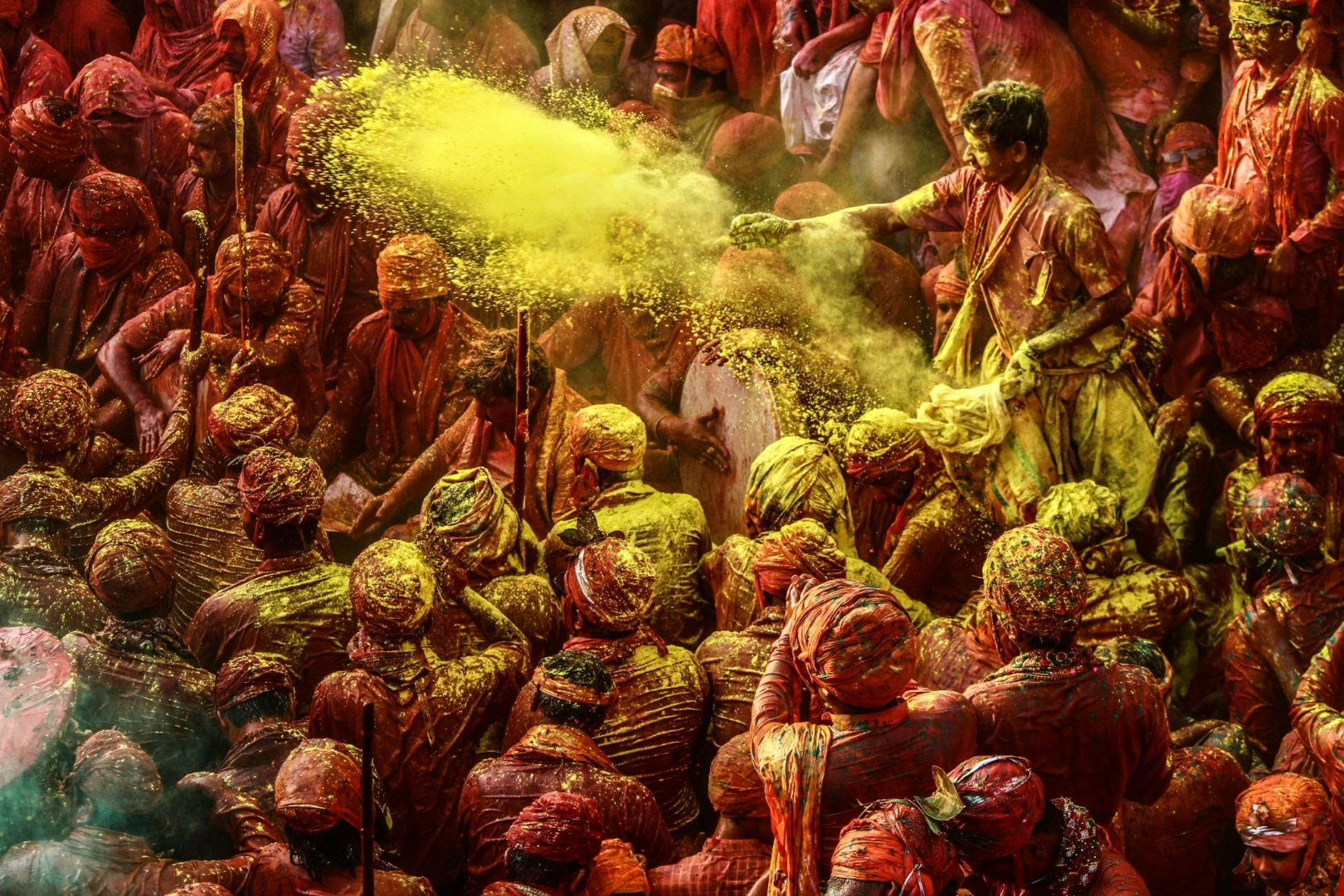
Planning tip: Nepal's festivals follow the lunar calendar, so dates shift each year. Always check the exact dates before booking your homestay, and try to arrive a day or two early to experience the family preparations.
Best Season for Nepal Homestays by Region
Choosing when to visit is just as important as choosing where.
Traditional Crafts You Can Learn During a Nepal Homestay
One of the best parts of a cultural homestay in Nepal is the chance to learn traditional crafts from the people who have been making them for generations. These are not tourist classes. They are real skills passed down through families. Nepal's crafts are deeply connected to religion, daily life, and community identity. When you learn a craft here, you are also learning history.
Thangka Painting
Thangka is a style of Buddhist painting on cloth or paper that has been practiced in Nepal and Tibet for over a thousand years. These paintings show Buddhist gods, mandalas, or stories from Buddhist teachings.
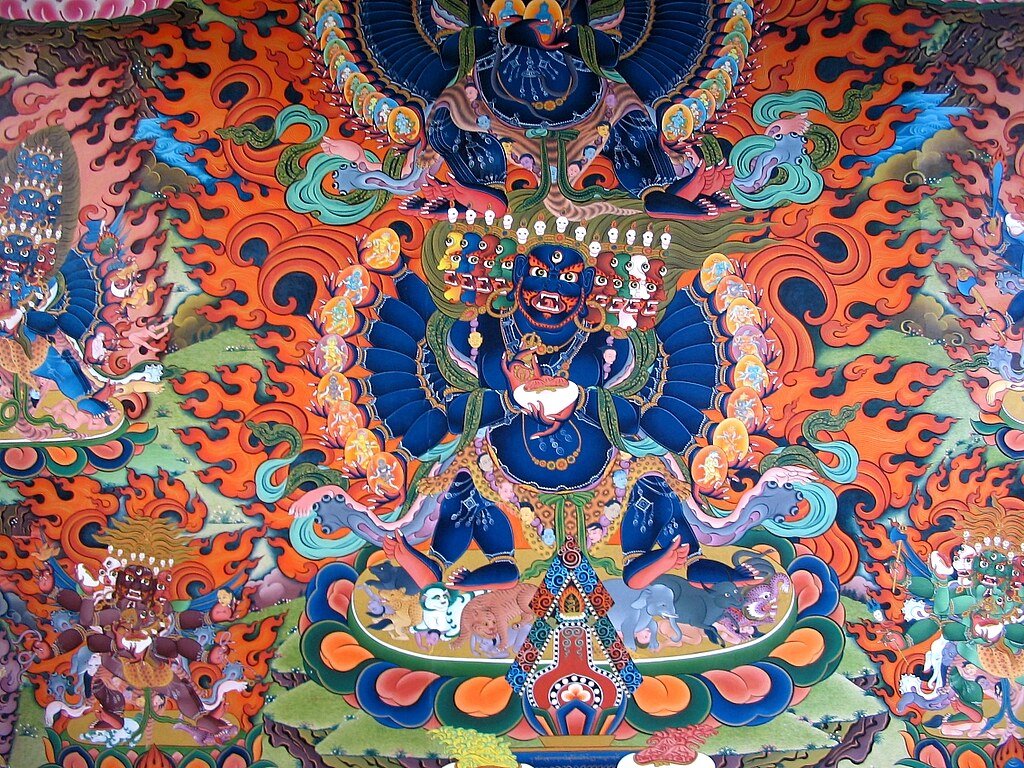
You can find thangka painting schools and workshops in Bhaktapur and Patan. A basic lesson will teach you how to prepare the canvas, use natural colors, and understand the meaning behind each figure. Serious students sometimes spend weeks learning the detailed geometry behind a single painting.
Dhaka Weaving
Dhaka is a colorful hand-woven fabric made on traditional looms. It is used to make topis (the traditional Nepali hat), scarves, and clothing. The Dhaka weaving tradition is especially strong in Terhathum in eastern Nepal and in parts of the Kathmandu Valley.
Many homestay families in weaving villages will let you sit at the loom and try the basic patterns yourself. Buying Dhaka fabric directly from a weaving family ensures the money goes straight to the maker, a simple act of responsible travel.
Newari Wood Carving
The detailed wood carvings on temples and palaces across the Kathmandu Valley were made by Newari craftspeople over many generations. Windows, doorways, and roof beams are all carved with religious symbols, animals, and gods.
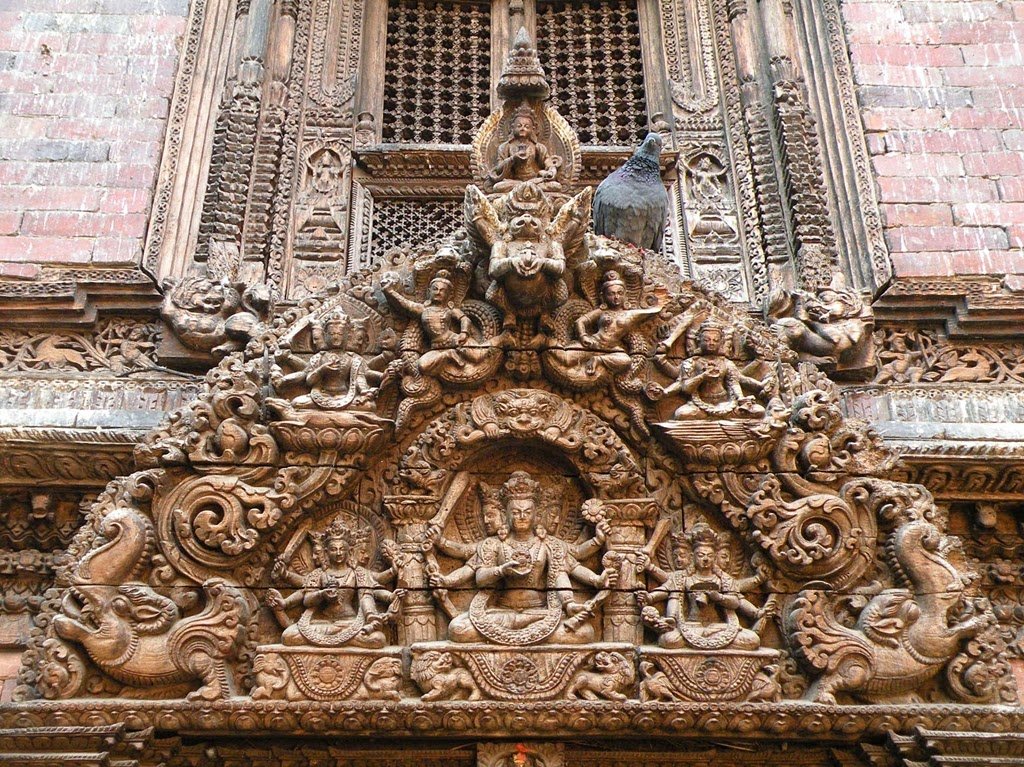
Some families in Bhaktapur and Patan still practice wood carving as their main work. You can visit workshops, watch the process, and some places offer short beginner lessons that give you a real feel for the skill involved.
Pottery in Bhaktapur
Bhaktapur's Pottery Square is one of the most famous open-air pottery areas in all of Asia. Local potters work on traditional foot-powered wheels right in the public square, drying and decorating pots in the open air.
Staying in a Bhaktapur homestay gives you easy access to watch and learn from working potters whose families have practiced this craft for centuries. Traditional pottery here is used for water storage, cooking, and religious offerings.
Tharu Art and Mithila Painting
In the Terai, the Tharu people decorate the walls of their homes with geometric patterns and animal figures. The Mithila painting tradition, found in the far eastern Terai near Janakpur, uses bright colors and fine lines to tell stories from Hindu epics.
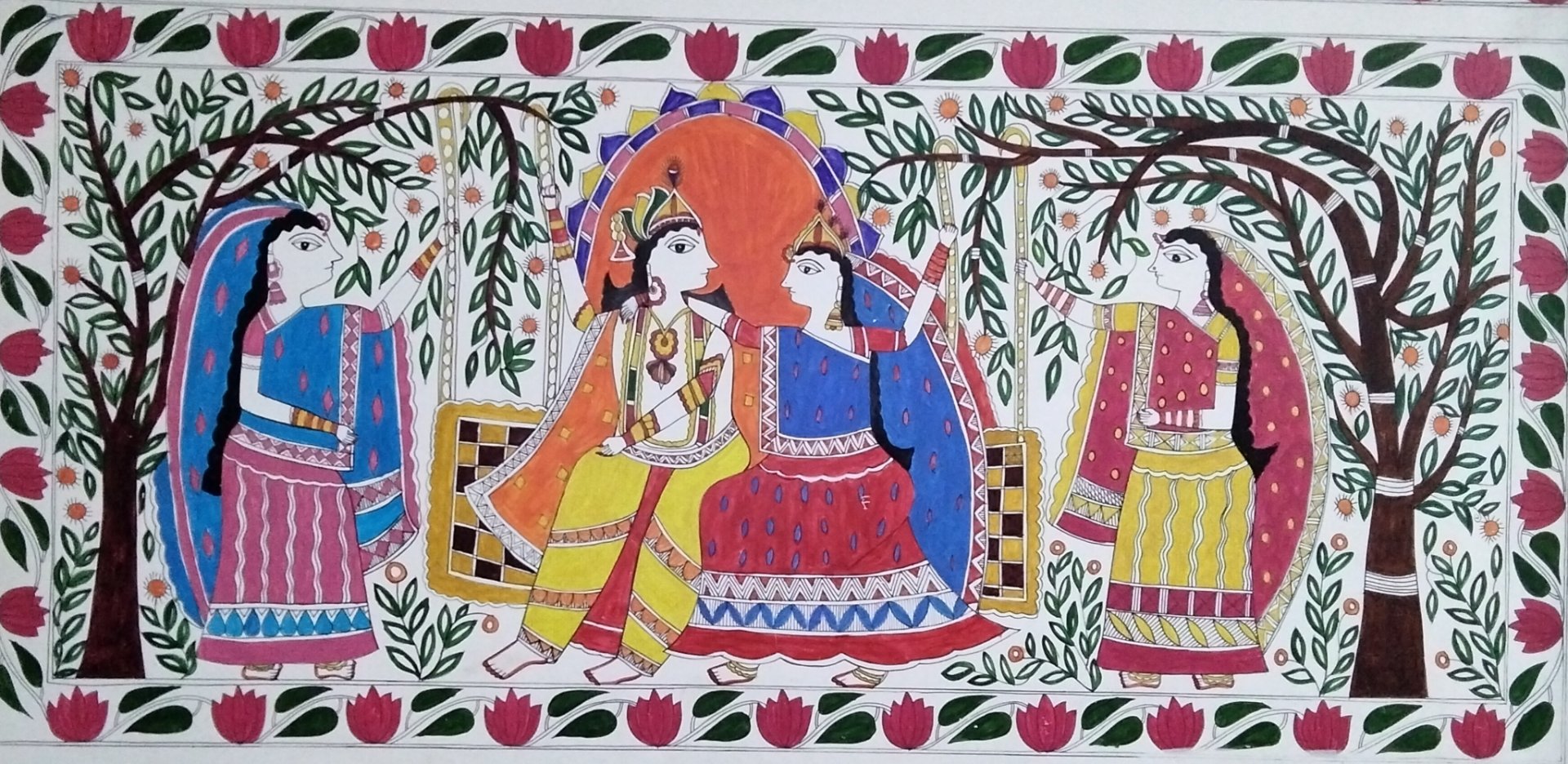
Several community programs in Janakpur teach Mithila painting to visitors, and female artists from the community often lead these workshops. Mithila painting has been recognized by UNESCO as an important living tradition worth protecting.
7-Day Cultural Homestay Itinerary in Nepal
This sample plan is designed for a traveler who wants maximum cultural connection across multiple regions. Adjust based on your festival timing and interests.
Day 1 to 2: Kathmandu Newari Homestay Arrive in Kathmandu and settle into a Newari homestay in Patan or the old city. Spend your first morning walking Durbar Square with your host as a guide. In the evening, eat together and ask your host family about the neighborhood's history. Visit a thangka painting workshop on Day 2.
Day 3 to 4: Bhaktapur Pottery and Wood Carving Take a local bus to Bhaktapur (45 minutes from Patan). Check into a homestay near Pottery Square. Spend Day 3 watching and trying pottery. On Day 4, visit a wood carving workshop and explore the 55-window palace with your host family.
Day 5 to 6: Bandipur Village Homestay Travel to Bandipur by bus via Dumre (around 4 to 5 hours). Check into a community homestay on the main Newari street. Hike to Siddha Cave on Day 5. On Day 6, join your host family for a cooking lesson and an evening walk through the village at dusk.
Day 7: Panauti Day Trip or Departure If your schedule allows, take a morning trip to Panauti (roughly 2 hours from Kathmandu) to see the river and heritage temples before your departure. You can also use your final morning for shopping directly from craft families in Bhaktapur or Patan.
Nepal Homestay Cost Breakdown by Region
A typical community homestay in Nepal costs between 1,500 and 3,500 Nepali rupees per night (roughly 11 to 26 US dollars), usually including meals.
Prices vary depending on whether cultural activities, craft workshops, or festival participation are included. Always confirm what is covered before you book.
How to Book an Authentic Nepal Homestay
Booking the right homestay makes a huge difference between a genuine experience and a disappointing one. Some places use the word "homestay" but are really just small guesthouses with no real connection to local families or culture.
Community-based tourism programs are your best option. They are run by local villages rather than outside companies. The money stays in the community, the families are prepared to host guests, and the experience is designed to be genuinely cultural.
Nepal Homestays is a trusted platform that connects travelers directly with verified host families across Nepal's top cultural regions. You can browse options, check what activities are included, and book with confidence knowing your money goes where it should.
The Nepal Tourism Board also maintains a list of registered community homestays. ACAP (Annapurna Conservation Area Project) supports authentic homestay programs in various trekking regions as well.
Here are some good questions to ask before you book:
Will you eat meals with the family or separately?
Are there cultural activities included, like cooking lessons, craft workshops, or festival participation?
Does the program directly benefit the host family, or does most of the money go to a middleman?
What language does the host family speak, and will there be someone to help translate if needed?
How to Avoid Fake Homestays in Nepal
Book through the Nepal Homestays platform, which only lists real and trusted host families.
Watch out for listings with unclear descriptions and stock photos, and always ask the booking agent for the name of the family you will stay with before paying.
Make sure the homestay is connected to a village group or a known program like ACAP, and read reviews that mention specific family names and real experiences.
Common Mistakes Travelers Make in Nepal Homestays
Do not expect a hotel experience because simple bathrooms, basic hot water, and slow wifi are completely normal in a village homestay in Nepal.
Always accept food and tea with a smile, and if you cannot eat something, let the family know before your visit and not when the food is already on the table.
Put your phone away at night, ask before taking photos of anyone in the family, and if you want to give a cash tip, do it quietly and kindly at the end of your stay.
Region vs Festival vs Crafts: Quick Comparison
What to Expect and How to Be a Respectful Guest
A homestay is a guest-host relationship built on respect. Your host family is opening their home to you, and a little awareness goes a long way.
Dress modestly, especially in religious areas and smaller villages
Remove your shoes when entering a home
Ask before taking photos of family members or religious items
Accept food and tea when offered, as refusing can feel rude in Nepali culture
Try to learn a few words of Nepali before you arrive. Even "Namaste" and "Dhanyabad" (thank you) will be warmly welcomed
Be flexible with schedules. Rural life runs on its own time, and that is part of the experience. And do not expect the same facilities as a hotel. That is not a flaw in the program. That is the whole point.
Final Thoughts
Nepal is one of the most culturally rich countries on Earth, and a homestay is the most direct way to experience that culture from the inside. You will not just see festivals. You will participate in them. You will not just admire crafts. You will try to make them yourself. You will not just visit heritage villages. You will wake up inside one.
The best Nepal homestays for culture lovers are the ones that connect you to a real family, a real community, and a tradition that has been alive for generations. Whether you sit in a Newari courtyard in Bhaktapur, watch a Tharu stick dance in Chitwan, or help prepare Dashain offerings with your host family in Bandipur, these are the kinds of memories that stay with you long after you come home.
Visit Nepal Homestays to browse verified host families across the country, check which festivals align with your travel dates, and choose the region whose crafts and culture call to you the most. Your most meaningful trip to Nepal starts with a family's front door.
FAQ
What is the best time of year to do a cultural homestay in Nepal?
The best time is October to November, when the weather is clear and both Dashain and Tihar take place. March and April are also excellent for spring festivals, comfortable temperatures, and fewer crowds than the peak autumn season.
How much does a Nepal homestay cost?
A typical community homestay costs between 1,500 and 3,500 Nepali rupees per night (roughly $11 to $26 USD), usually including meals. Prices vary by region and the cultural activities included. See the cost breakdown table above for a full regional comparison.
Do I need to speak Nepali to stay in a homestay?
You do not need to speak Nepali, but knowing a few basic phrases helps a lot. Many homestay hosts in popular areas speak some English. Community programs often include a local guide or translator as part of the package.
Is a Nepal homestay safe for solo female travelers?
Yes. Many solo female travelers choose Nepal homestays and report very positive experiences. Book through a registered platform like Nepal Homestays rather than an unknown individual listing. Community-based programs check their host families and provide more safety and structure than informal arrangements.
Can I do a homestay and trekking together?
Absolutely. Many trekking routes, including the Annapurna and Langtang circuits, pass through villages with community homestays. You can combine hiking during the day with a genuine Nepal cultural experience each evening.
What should I pack for a Nepal homestay?
Pack modest clothing that covers your shoulders and knees, comfortable walking shoes, a small gift for the host family (fruit or local sweets work well), a reusable water bottle, and a basic first aid kit. A notebook is great for writing down recipes or craft techniques you pick up along the way.
How do I know if a homestay is legitimate?
Book through Nepal Homestays or check the Nepal Tourism Board's registry at welcomenepal.com. Legitimate programs can name your host family, describe specific cultural activities, and explain exactly how your payment reaches the community.
Company Admin
Travel writer sharing authentic stories and experiences from Nepal's beautiful homestays.