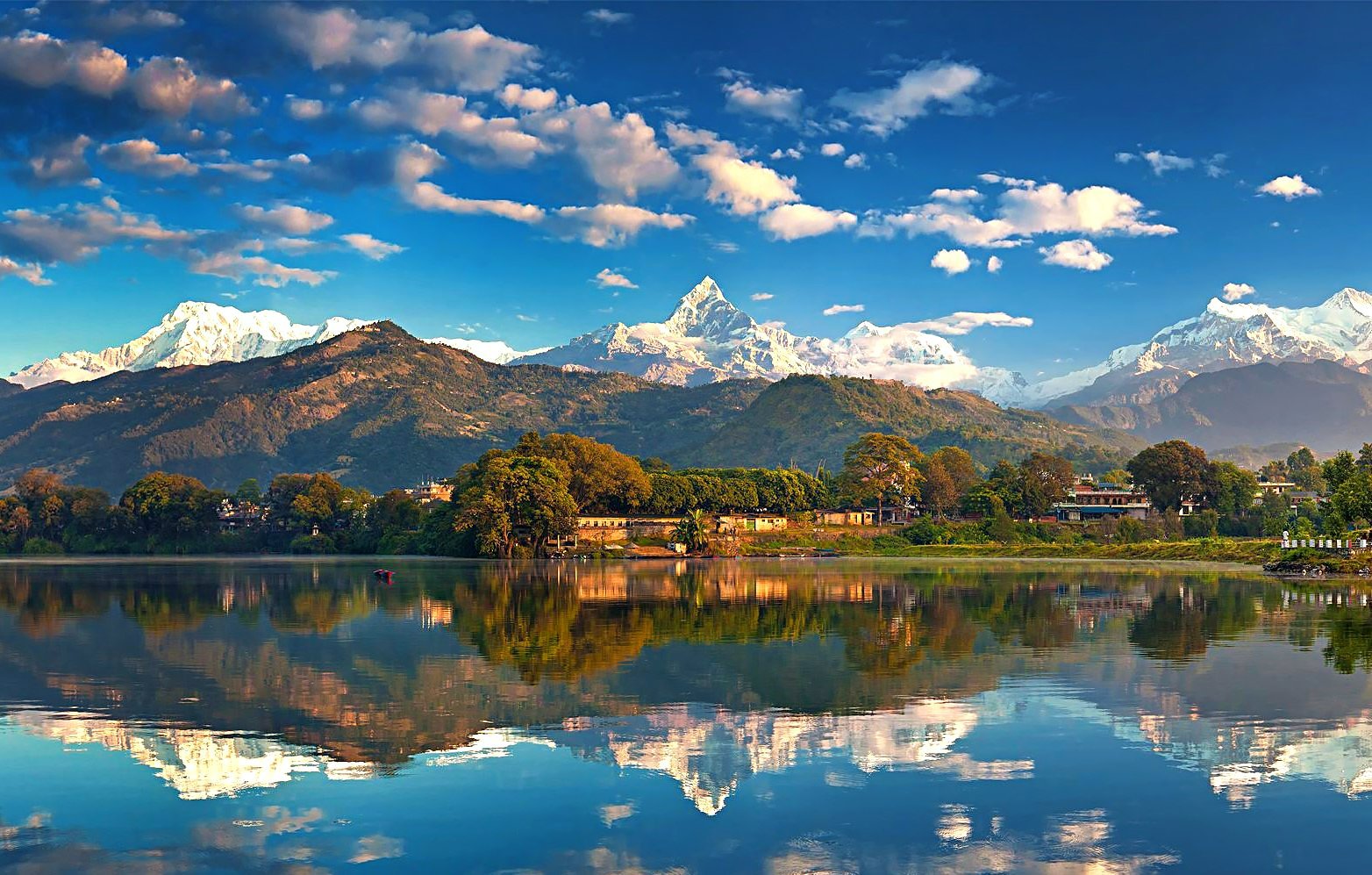
Pokhara sits beside Phewa Lake with 8,000-meter peaks on the horizon and more to do than most visitors expect. This guide covers the best things to do, where to eat, where to stay, how to get there, and what to watch out for on your first trip in 2026.
Most people come to Nepal for the mountains. Pokhara is where they end up staying longer than they planned.
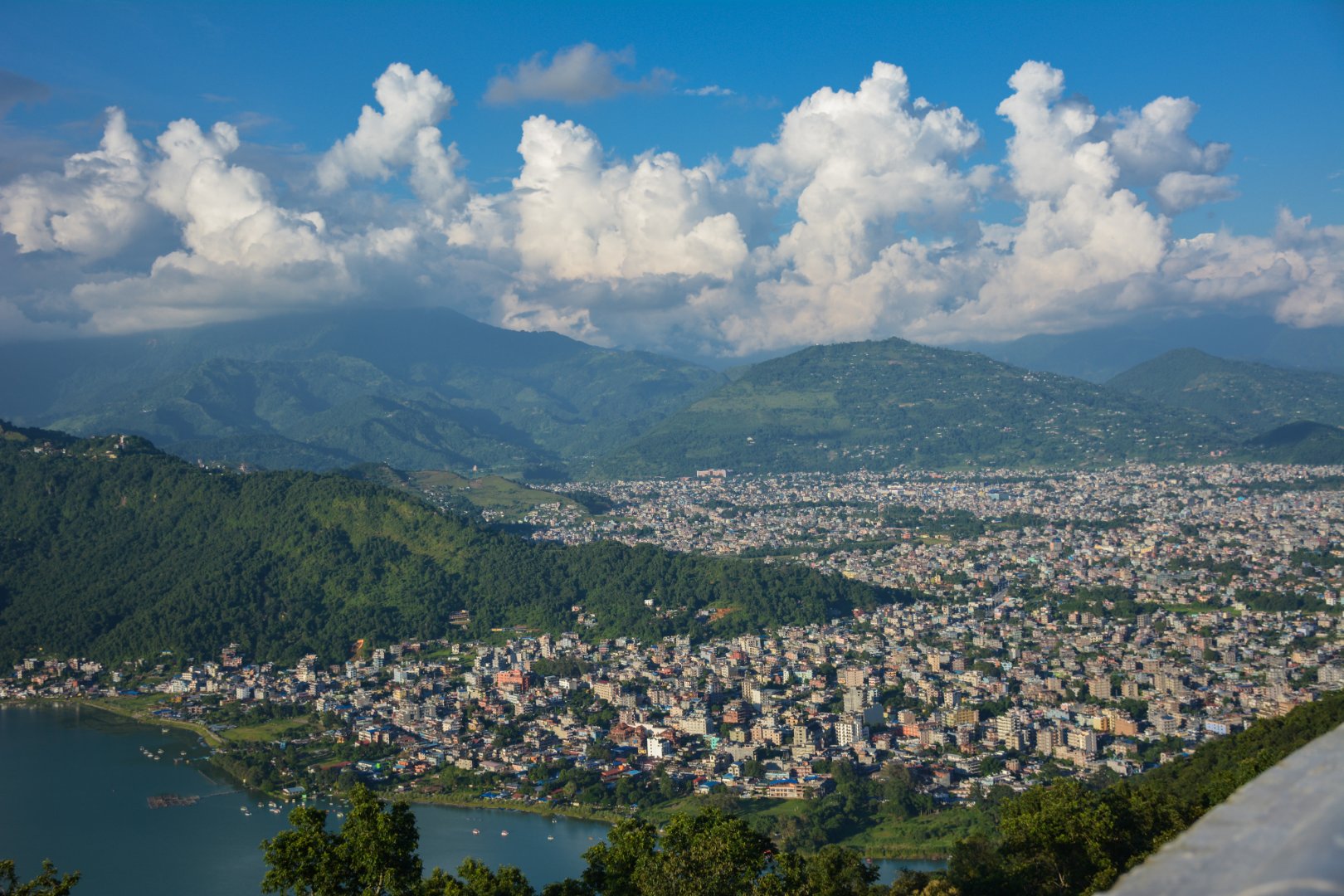
It sits beside a wide lake in the foothills of the Annapurna range, about 200 km west of Kathmandu. The pace is slower, the air is cleaner, and on a clear morning you can see snow-covered peaks above 8,000 meters from a cafe table at the water's edge. It is the kind of place that is easy to underestimate on a map and hard to leave once you are there.
This guide covers everything you need for a real trip to Pokhara in 2026. It is written for first-time visitors who want honest, up-to-date information.
Here is what you will find inside:
The best things to do in Pokhara, with current 2026 prices
A detailed 3-day itinerary with specific timing and named places
Where to eat, with actual restaurant names and what to order
Where to stay at every budget level, with specific verified options
Scams and problems to watch out for so you do not lose money
When to go, how to get there, and practical tips before you travel
Quick Facts About Pokhara
Why Pokhara Is Worth the Trip
Pokhara sits at only 827 meters above sea level. That means you stay warm, breathe easily, and still have mountains above 8,000 meters on the horizon on a clear day. Very few places in the world offer this combination.
The city works for almost every kind of traveler, which is why most people end up staying longer than they planned.
Adventure seekers can go paragliding, trekking, white water rafting, zip-lining, and bungee jumping, all within a short distance from the city center.
Travelers who want to learn about local culture can explore Hindu temples, Tibetan communities, Gurung villages, and traditional festivals that take place throughout the year.
Travelers who want a complete break will find the lakeside cafes perfect for sitting still and watching the mountains change color as the light shifts across the peaks.
Best Things to Do in Pokhara
Pokhara has far more to offer than most visitors expect before they arrive. Below are the top activities with honest details so you can decide what fits your trip.
1. Boat on Phewa Lake
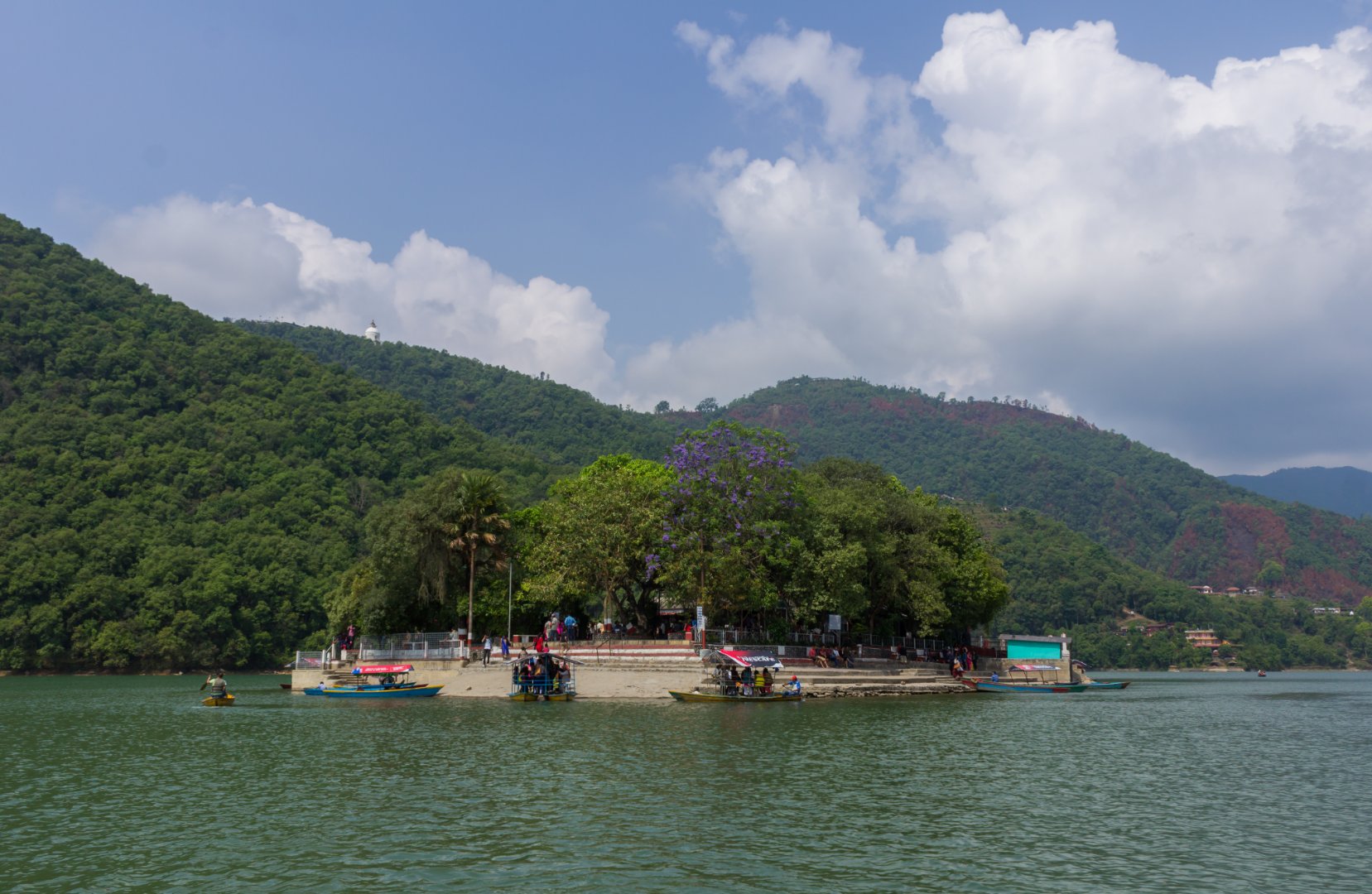
Phewa Lake is the center of life in Pokhara and the second largest lake in Nepal. Renting a wooden rowboat and paddling out on the still water in the early morning is one of those simple experiences that people talk about long after they leave.
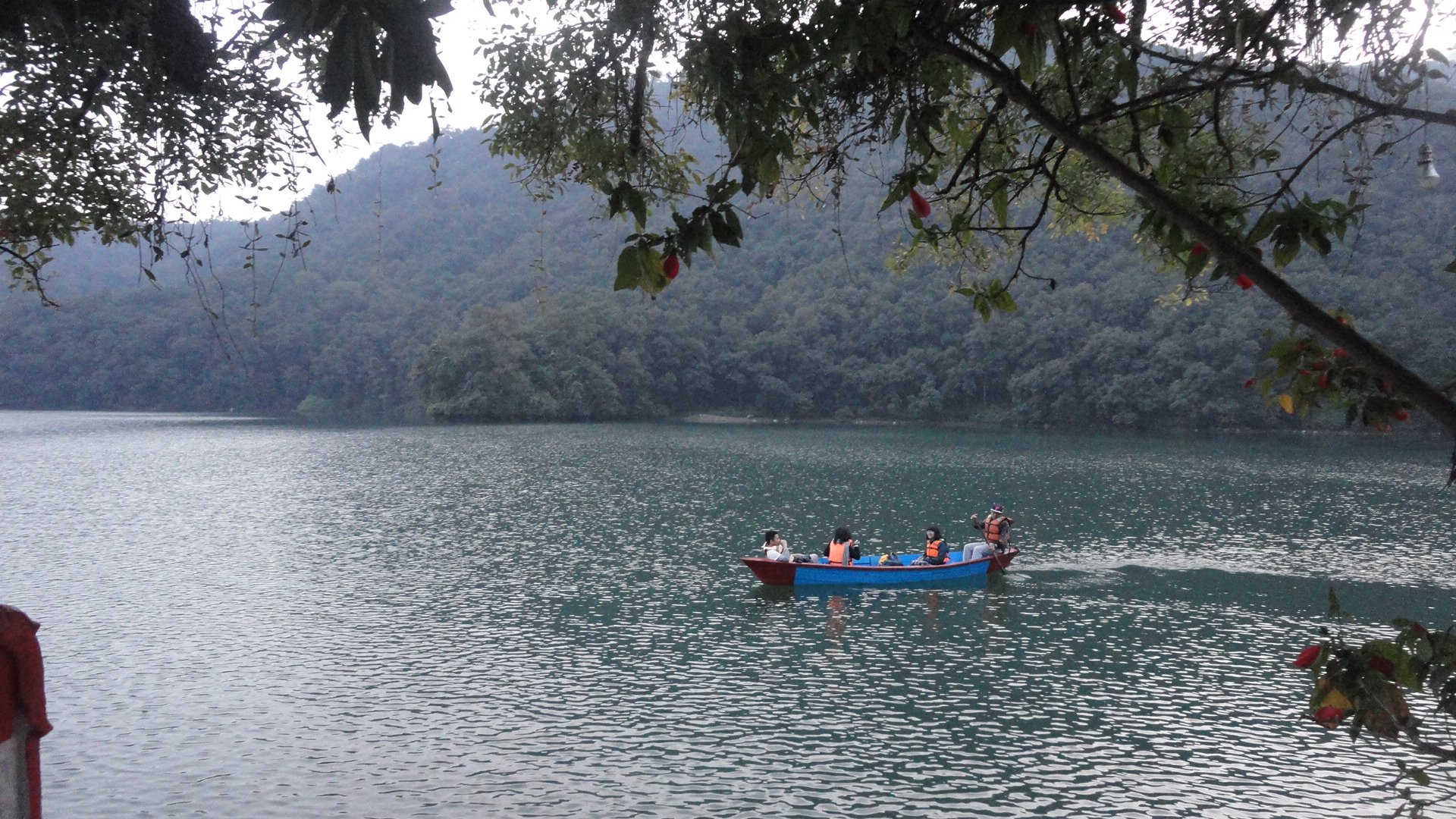
Boats cost NPR 300 to 500 per hour from the Baidam ghat on the east shore of the lake.
The small island temple of Tal Barahi sits in the middle of the water and can only be reached by boat, so row across and take a look around before heading back.
Morning trips between 6 and 8 am are the best because the water is perfectly still, the mountains are clearest, and most of the tourist crowds have not yet arrived.
Life jackets are required on the lake and the dock hands them out when you pay for the boat.
2. Watch the Sunrise from Sarangkot
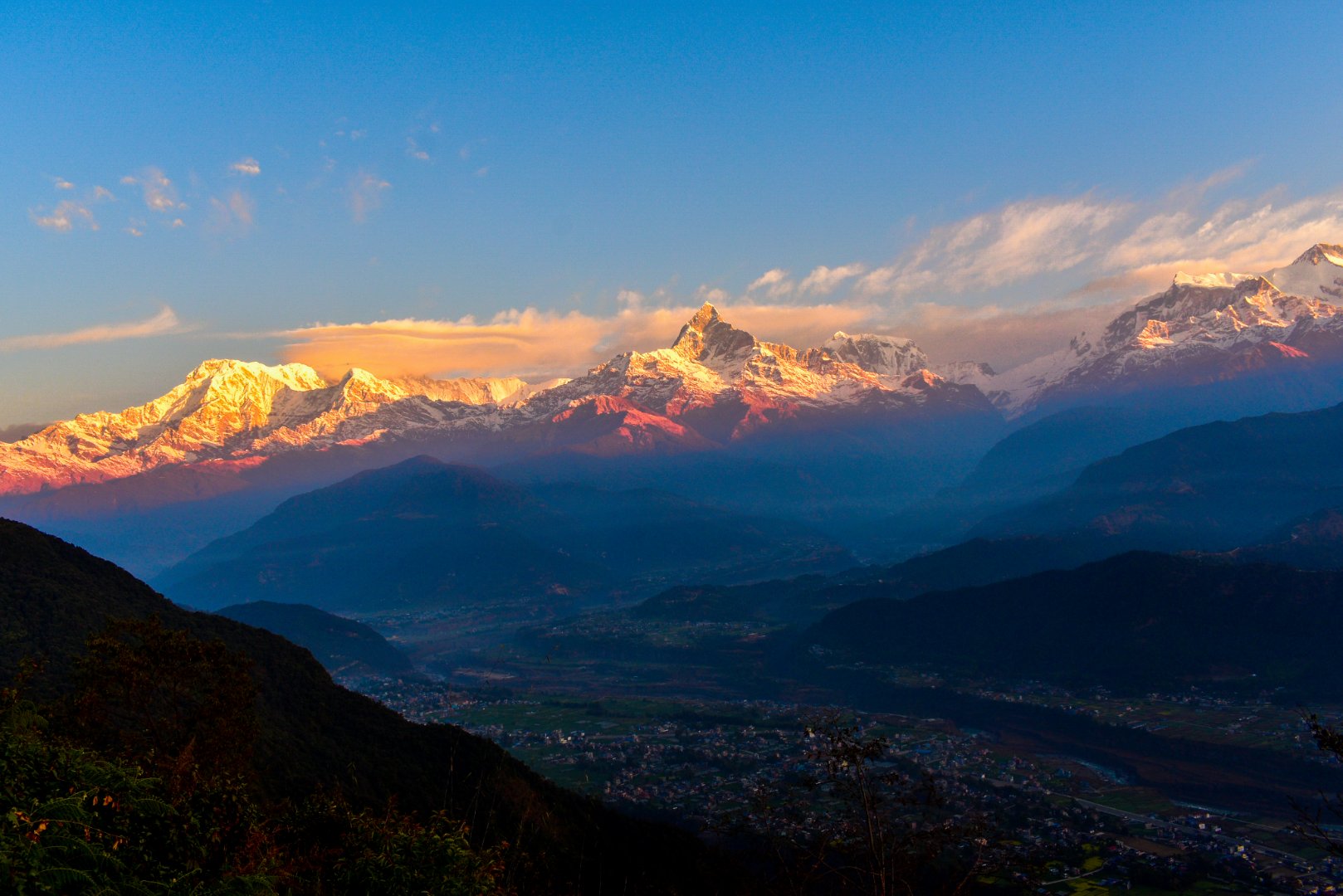
Sarangkot is a viewpoint hill above Pokhara with one of the most famous sunrises in all of Nepal. On a clear morning, the peaks of Annapurna I, Annapurna South, and Machhapuchhre, also called Fishtail Mountain, go from dark grey to bright orange in about twenty minutes as the sun comes up.
Most people take a taxi from Lakeside to the hilltop parking area, which takes about 30 minutes and costs NPR 500 to 700 one way. Agree on a price before getting in.
Hikers can walk up from the Sarangkot trailhead in about 1.5 to 2 hours, but starting before 4 am is necessary to reach the top before sunrise.
A warm jacket is essential no matter what month you visit because the viewpoint gets very cold before the sun clears the horizon.
Most visitors arrive before 5:30 am, watch the full sunrise, and head back down in time for breakfast by 8 am.
3. Go Paragliding
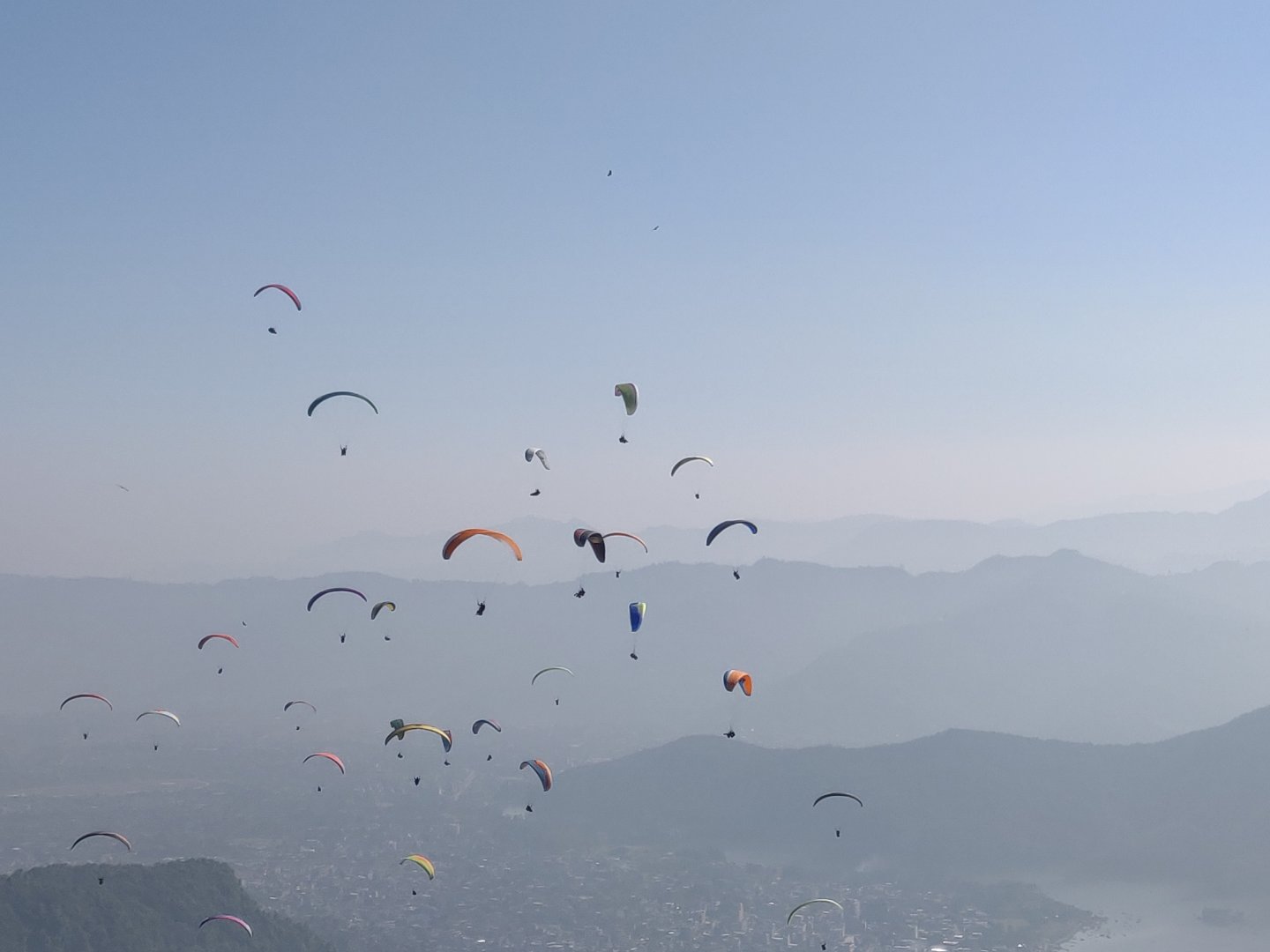
Pokhara is widely recognized as one of the best paragliding places in the world. Flights launch from Sarangkot Hill and land near the Lakeside area after about 30 minutes of gliding over the lake and the city.
Tandem flights with a certified pilot last 25 to 40 minutes and cost between NPR 6,500 and 9,500 depending on the company and season.
No experience is needed at all. The pilot controls everything and you watch the Annapurna range from above.
October through May are the best flying months. The monsoon season from June to September brings low clouds and rain that make flights unsafe.
Book at a registered travel agent on Lakeside Road, not from anyone who approaches you on the street. Licensed operators carry safety equipment and hold valid certifications.
4. Trek to Ghandruk Village
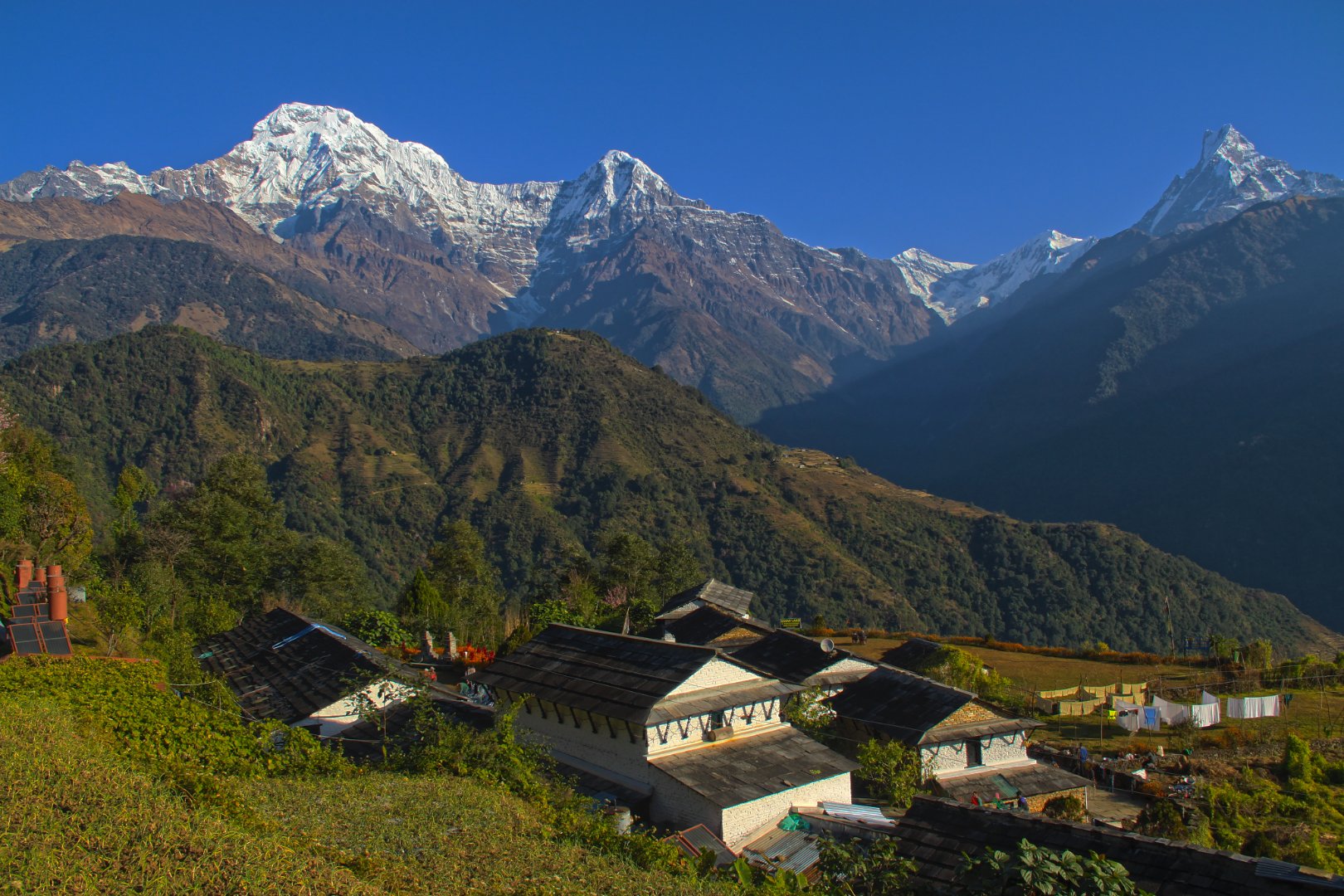
Ghandruk is a traditional Gurung village about 3 to 4 trekking hours from the nearest road outside Pokhara. It sits at 1,940 meters and gives you close-up views of Annapurna South and Fishtail Mountain. The trail passes through rice terraces, dense forest, and small villages that most day-tour visitors never reach.
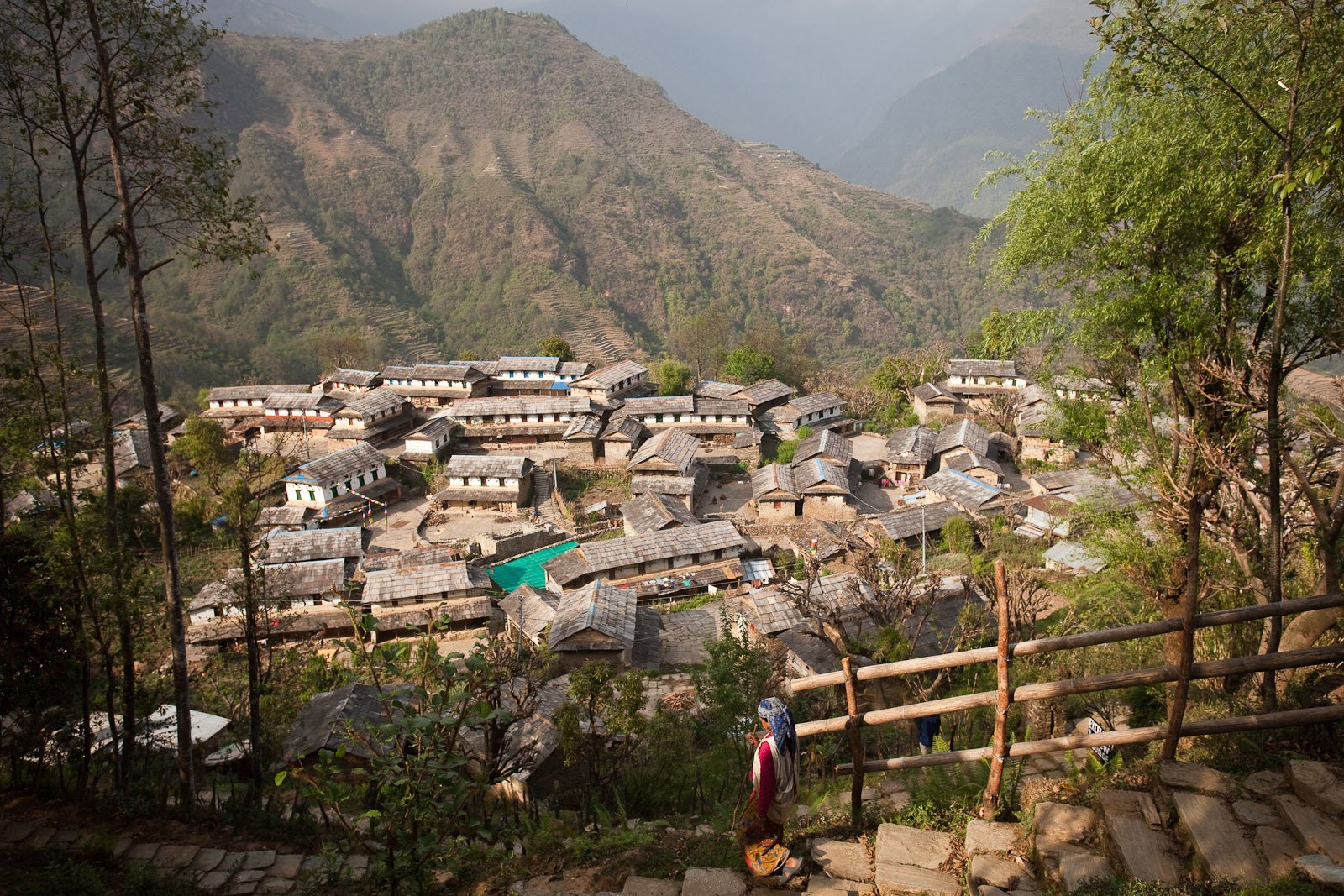
This is the best day trek or overnight option from Pokhara for travelers who want real mountain scenery without a multi-day commitment.
A TIMS card (NPR 2,000) and an Annapurna Conservation Area permit (NPR 3,000) are both required before starting the trail. Pick these up at the trekking permit office in Lakeside.
Staying overnight in a local homestay in Ghandruk gives you home-cooked food and mornings with mountain views that no hotel in the city can match. Nepal Homestays has vetted family stays in Ghandruk starting from NPR 1,500 per night with meals included.
The full Ghandruk trek guide covers step-by-step directions, timing, and what to pack.
5. Visit the World Peace Pagoda
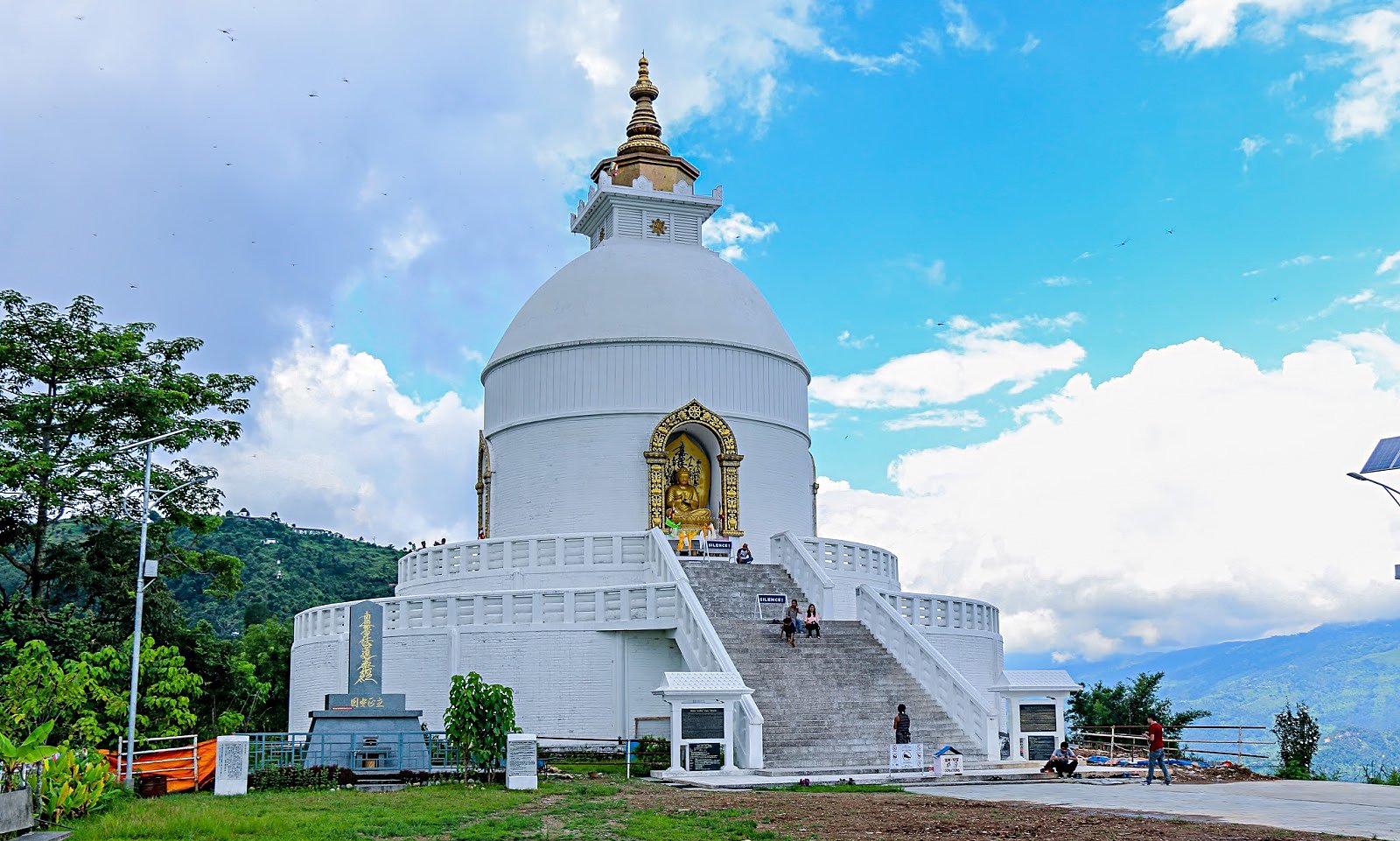
The World Peace Pagoda is a large white Buddhist structure on a hill above the south shore of Phewa Lake. Built after World War II as a symbol of peace, it offers some of the best combined views of the lake and the Annapurna range anywhere in Pokhara.
Getting there is either a boat ride across the lake followed by a 45-minute hike up the hill, or a taxi around the lake road for NPR 400 to 600.
Entry is completely free. Shoes come off before entering the main stupa area, and modest clothing is expected as a sign of respect.
Late afternoon visits are the best for photos because golden hour light hits the mountains from the west and the colors are worth waiting for.
6. Try White Water Rafting
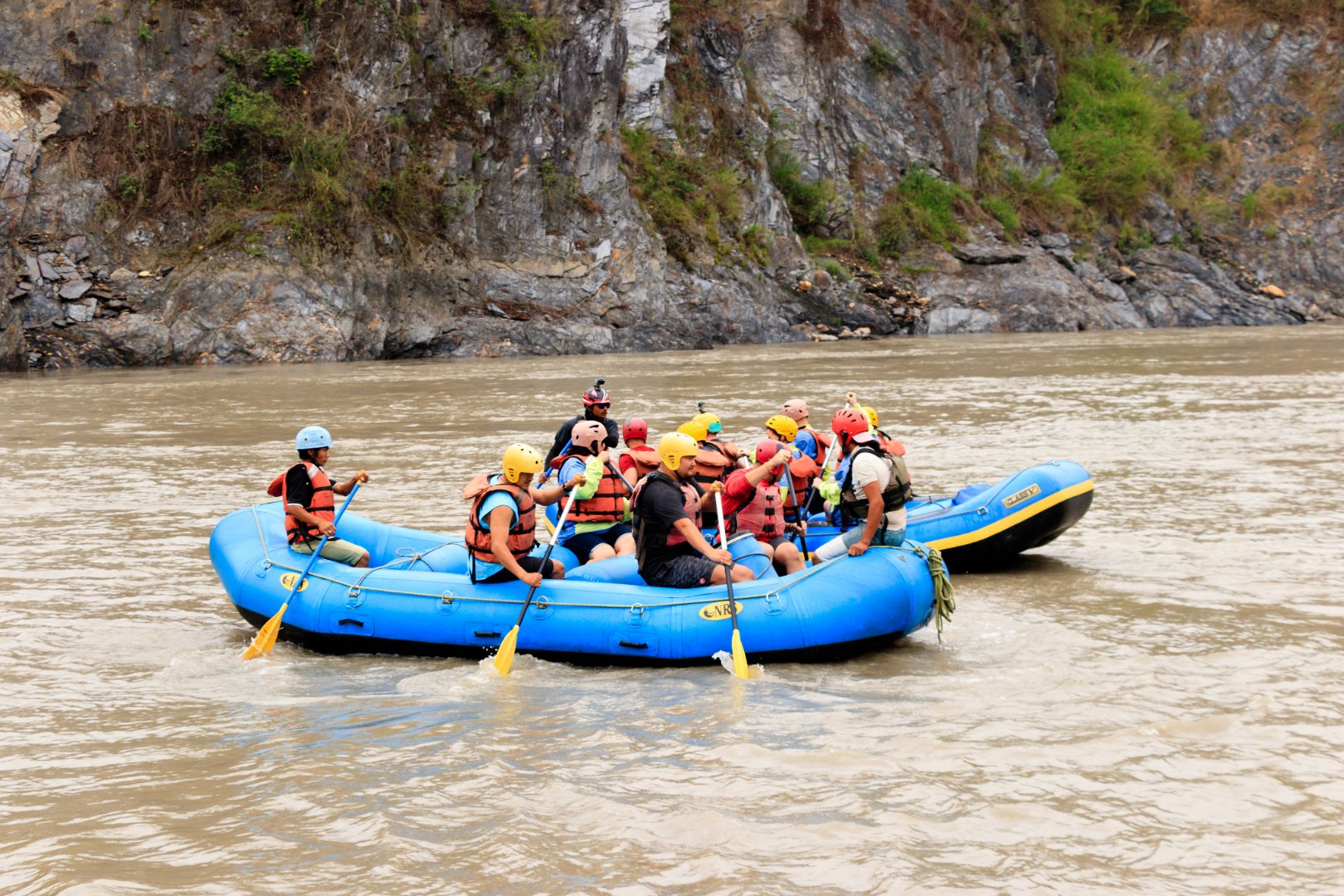
The rivers around Pokhara run Grade 3 rapids, exciting enough for a genuine adventure but safe for people who have never rafted before. The Seti River and the Kali Gandaki River are both popular and easy to reach from the city. For more on rafting and kayaking in Nepal, see the Nepal Tourism Board guide.
A half-day trip on the Seti River costs NPR 4,500 to 6,000 and includes transport, a safety briefing, and all equipment.
A full-day trip costs NPR 7,500 to 10,000 and adds a lunch stop on the riverbank in the middle of the trip.
Rafting season runs October to June. Water levels during the monsoon months make trips too dangerous to run.
7. Explore Mahendra Cave and Bat Cave
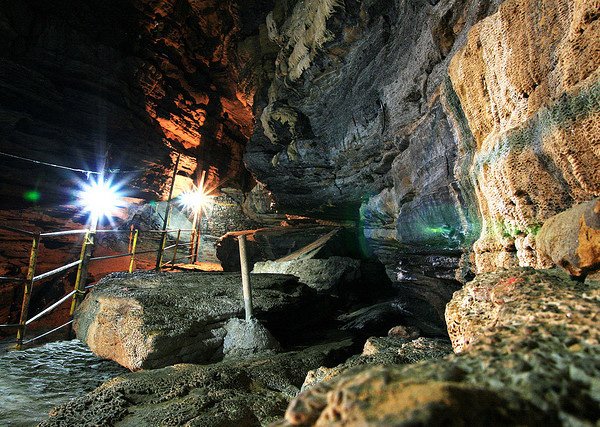
Two underground caves near the north edge of Pokhara make for an easy half-day trip from Lakeside. Mahendra Cave is the larger of the two, with natural rock formations that have built up over thousands of years. Bat Cave sits right next door and is a narrow tunnel you crawl through in near darkness.
Both caves are in the Batsechaur area about 20 minutes north of Lakeside by taxi.
Entry costs NPR 100 for each cave. Visiting both takes about 1.5 hours.
Closed shoes and clothes you do not mind getting muddy are worth wearing, especially inside Bat Cave where the ground is wet and tight.
8. Walk to Devi's Falls and Gupteshwor Cave
Devi's Falls is a waterfall on the south side of the city that pours into a deep crack in the rock and disappears underground. The name comes from a local legend about a traveler swept away by the current. Right across the road, Gupteshwor Cave runs underground and connects directly to the falls from below.
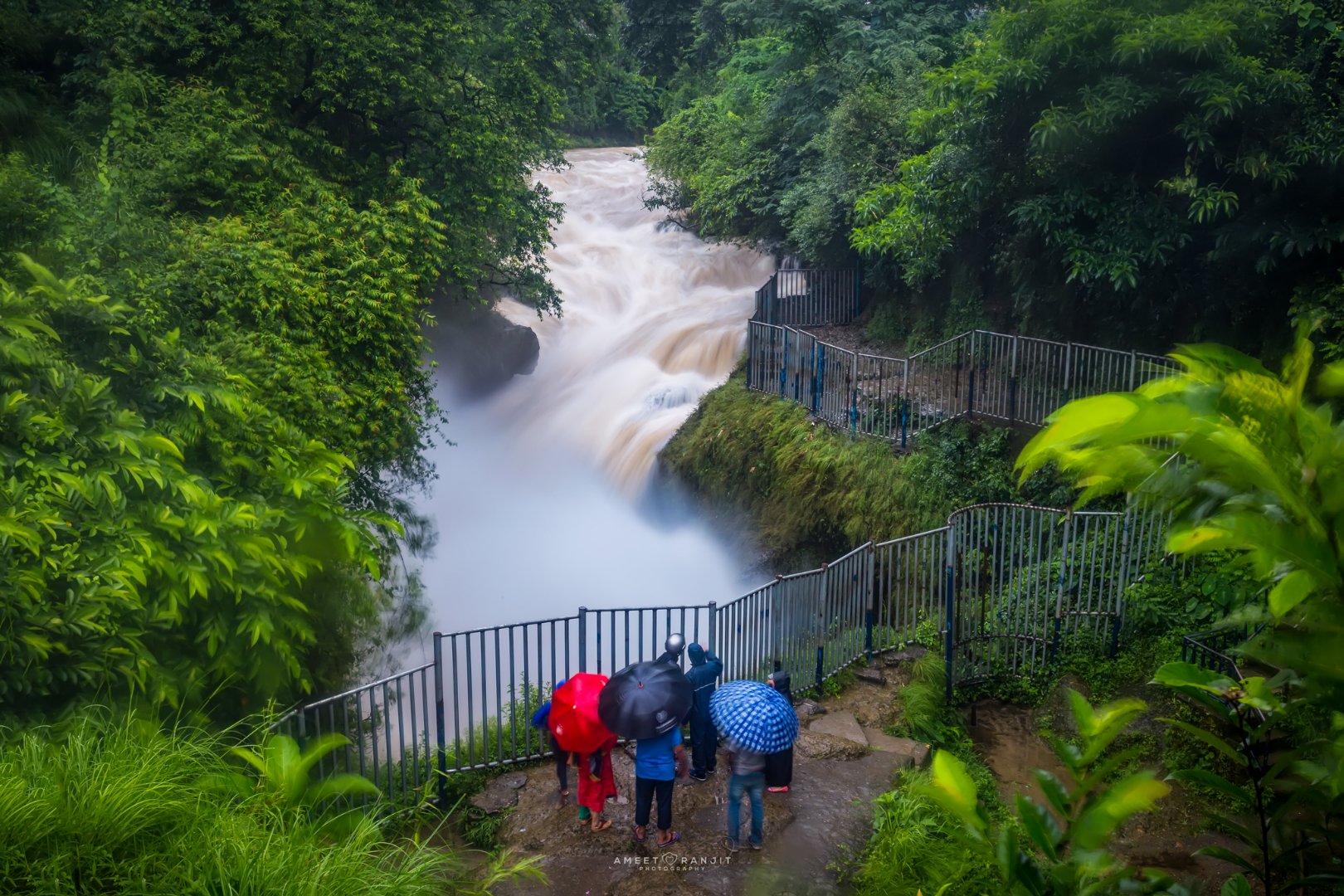
Entry to Devi's Falls costs NPR 50 and entry to Gupteshwor Cave costs NPR 100. Both together take about one hour.
The falls are most powerful in August and September when the monsoon rains have filled the river.
A taxi from Lakeside costs NPR 300 to 400 one way.
9. Spend Time at the International Mountain Museum
The International Mountain Museum is one of the best museums in Nepal and worth visiting even if you are not a serious trekker or climber. It walks through the history of Himalayan exploration with real equipment, photographs, and detailed displays about the world's fourteen highest mountains.
Entry costs NPR 400 for foreign visitors and the museum is about 15 minutes from Lakeside by taxi.
Spending at least 2 hours inside is worthwhile because the building is larger than it looks from outside.
The museum stays open every day except national public holidays.
10. Watch a Movie at Pokhara Movie Garden
Pokhara Movie Garden is an open-air cinema near Lakeside that shows a different film every night under string lights in a garden setting. It is one of the most enjoyable and affordable evenings you can have in Pokhara.
Tickets cost around NPR 400 to 500 including a snack. Check their current film schedule on Instagram at @moviegardenpokhara before going.
Arriving at least 30 minutes early is a good idea on busy nights because seating fills up fast.
This works well as the evening activity on the day you do Sarangkot sunrise, when an early night makes sense anyway.
Detailed 3-Day Pokhara Itinerary
Three days in Pokhara covers the main highlights without rushing. This itinerary is designed for first-time visitors and includes specific places, timing, and transport so you can follow it without extra research.
Day 1: Phewa Lake, Lakeside, and the World Peace Pagoda
Wake up at 6 am and walk down to the Baidam ghat on the east side of Phewa Lake. Hire a rowboat for NPR 500 and paddle out to Tal Barahi Temple and back. The morning light on the Annapurna peaks is clearest at this hour and the lake is quiet before the tourist crowds arrive. The round trip takes about 1.5 hours.
After the lake, walk north along Lakeside Road to find breakfast. Busy Bee Cafe has good coffee and egg dishes in the NPR 400 to 600 range and a calm courtyard to sit in. German Bakery nearby is another reliable option for fresh bread and light breakfasts at similar prices.
In the afternoon, take a taxi to the World Peace Pagoda for NPR 400 to 600 return. Walk around the stupa, take in the view of the lake and mountains from the hill, and head back before dark. Spend the evening browsing Lakeside Road shops and have dinner at Moondance Restaurant at Barahi Chowk, which has been open since 1991 and is one of the most reliable kitchens on the strip. Their trout and tenderloin sizzler are both worth ordering. Expect to pay NPR 500 to 1,300 per dish.
Day 2: Sarangkot Sunrise, Paragliding, and Caves
Set an alarm for 4:30 am. Take a taxi to the Sarangkot viewpoint for NPR 600 to 700 one way and arrive before 5:30 am. Find a spot along the viewpoint wall and watch the full sunrise. Most people stay for about 45 minutes before coming back down.
Back at Lakeside, have breakfast and then head to a travel agent on Lakeside Road to book your paragliding flight if you have not already done so. Flights in the late morning between 9 and 11 am tend to have the smoothest air and best visibility. Budget NPR 7,000 to 9,000 for a standard tandem flight.
After paragliding, take a taxi to Mahendra Cave and Bat Cave in the north of the city (NPR 300 to 400 one way) and spend about 1.5 hours exploring both. Ask the driver to stop at Devi's Falls and Gupteshwor Cave on the way back for another hour of sightseeing. For dinner, try OR2K on Baidam Road, a Mediterranean and vegetarian restaurant with low cushion seating, lake views, and a relaxed atmosphere that works well for a quieter evening. The hummus platter, mushroom paneer, and mint lemonade are all popular orders. Expect to pay NPR 600 to 1,000 per person.
Day 3: Ghandruk Village Trek or Begnas Lake
For a full day outdoors: Take an early shared jeep from the Pokhara bus park to Kimche, which takes about 1.5 hours and costs NPR 400 to 500 per person. Start the Ghandruk trail from Kimche, which is the shorter and more scenic entry route. The hike takes about 2 hours through rice terraces and forest. Walk through the village, eat lunch at one of the tea houses for NPR 300 to 500, and hike back down before 4 pm. For an overnight stay, book in advance through Nepal Homestays.
For a relaxed day: Take a taxi east to Begnas Lake, about 20 km from Pokhara (NPR 800 to 1,000 one way). Rent a boat for NPR 300 to 400 per hour, walk the trail around the lake edge, and have lunch at one of the small lakeside restaurants. Begnas is much quieter than Phewa and gives you a completely different pace from Lakeside.
Have more time? The Poon Hill trek takes 2 days and is one of the most-searched short treks in Nepal. Annapurna Base Camp is a 7 to 10-day trek for more experienced hikers.
Best Time to Visit Pokhara
Pokhara can be visited all year, but the season changes what you can see and do considerably. Here is a simple breakdown to help you pick the right time.
October, November, and March are the best months overall. The skies are clear, temperatures are comfortable during the day, and the mountain views from Sarangkot and Phewa Lake are at their sharpest.
Monsoon season from June to September is the least popular period but has real advantages for budget travelers. Accommodation prices drop by 20 to 30%, the valley turns deeply green, and Devi's Falls and other waterfalls are at their most powerful. The trade-off is heavy afternoon rain almost every day and slippery trekking trails.
For a full month-by-month breakdown with weather notes and activity guidance, read our best time to visit Pokhara guide.
How to Get to Pokhara from Kathmandu
Getting from Kathmandu to Pokhara is one of the most common journeys in Nepal, and three options cover most situations. The right choice depends on your budget and how much time you have.
By Bus (Most Popular and Most Affordable)
The tourist bus is how most budget travelers make the trip and is easy to book at almost any guesthouse or travel shop in Thamel. The journey takes 6 to 9 hours depending on traffic and road conditions along the Prithvi Highway.
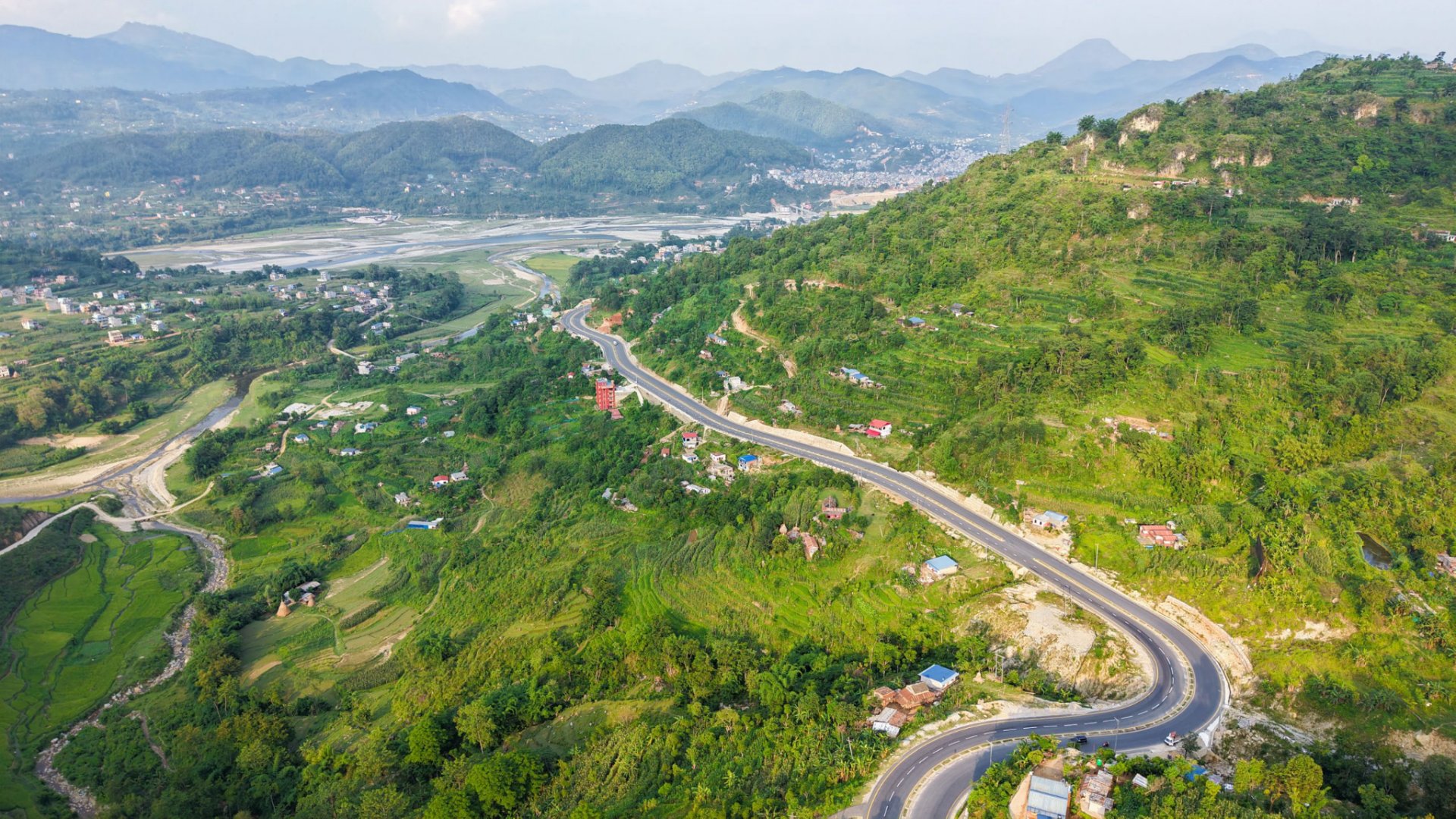
Standard tourist buses cost NPR 1,200 to 1,600 and depart from Kantipath Road near Thamel at around 7 am.
Greenline Bus is a comfortable air-conditioned option that costs around USD 25 and includes a stop for a buffet lunch along the way.
Booking a seat at least one day ahead during October and November is important because buses fill up fast during peak trekking season.
Sitting on the left side of the bus gives you better mountain views on the way to Pokhara.
By Flight (Fastest Option)
The flight from Kathmandu to Pokhara takes 25 minutes and delivers good views of the Himalayan range from the window on clear days. This is the right option if your time in Nepal is short.
Flights cost USD 80 to 120 one way on Buddha Air and Yeti Airlines. Book through their websites or at a travel agent in Thamel.
Pokhara International Airport is about 10 minutes from Lakeside by taxi for NPR 800 to 1,000.
Booking 3 to 4 days ahead during peak season is recommended because morning flights especially sell out quickly.
By Private Car or Jeep
Hiring a private car makes sense for groups of 3 or more who want to travel on their own schedule and stop at scenic spots along the Prithvi Highway.
A private car from Kathmandu costs NPR 8,000 to 12,000 depending on the vehicle. Guesthouses can arrange this the evening before you travel.
Travel time is about the same as the bus, roughly 6 to 8 hours, but with the freedom to stop when you want.
Where to Stay in Pokhara
Pokhara has hotels at every price level, and you will find no shortage of options near Lakeside. But if you want an honest recommendation: a local homestay gives you more than any hotel at the same price or lower.
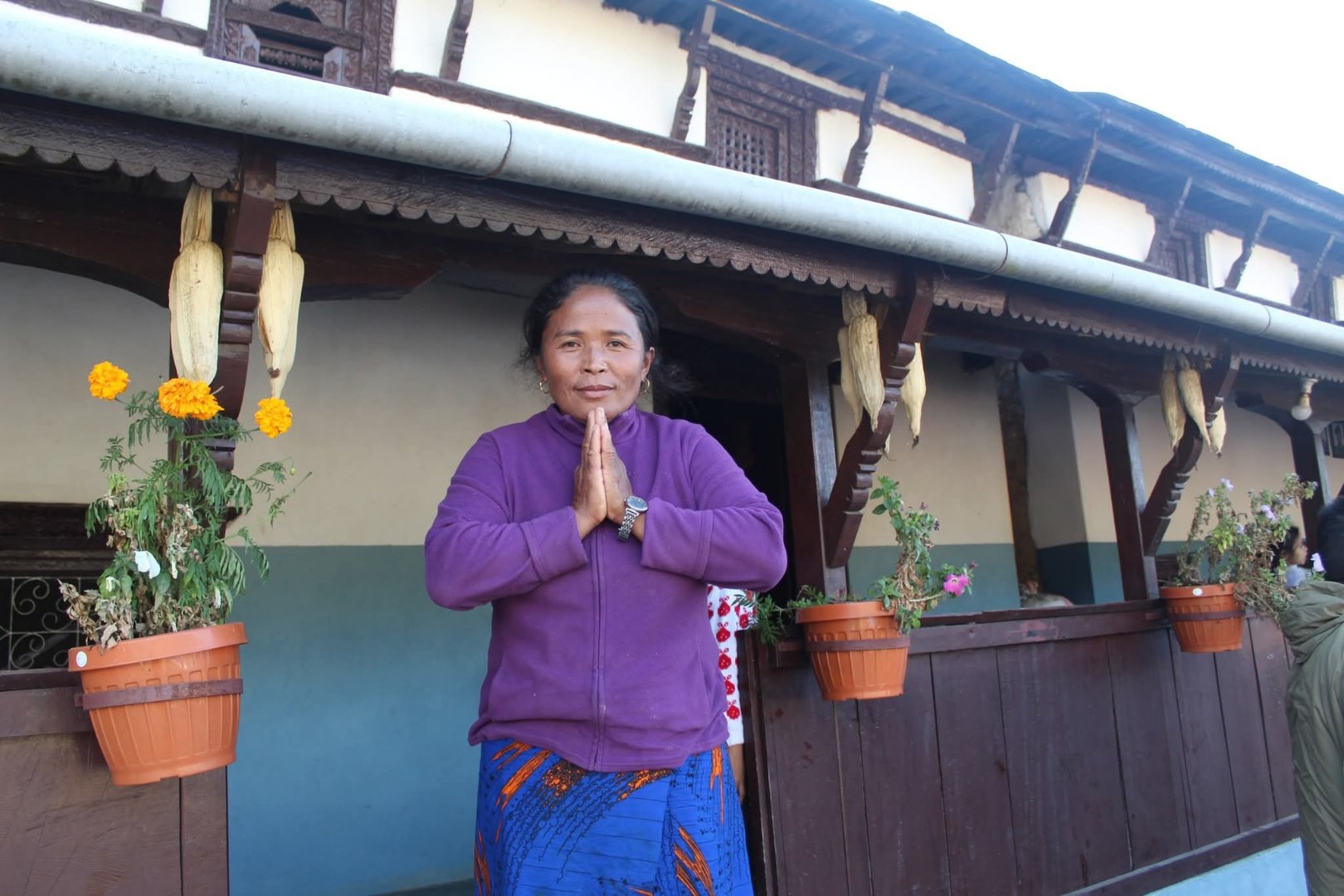
A homestay in Pokhara or the surrounding villages means a clean room, home-cooked meals included, and a genuine connection to the place you came to see. Budget stays start from NPR 1,500 per night with breakfast and dinner included, which is the same price as a basic guesthouse room with no food. Mid-range village stays in Ghandruk or Dhampus run NPR 2,000 to 3,500 per night with all meals and mountain views that no Lakeside hotel can match.
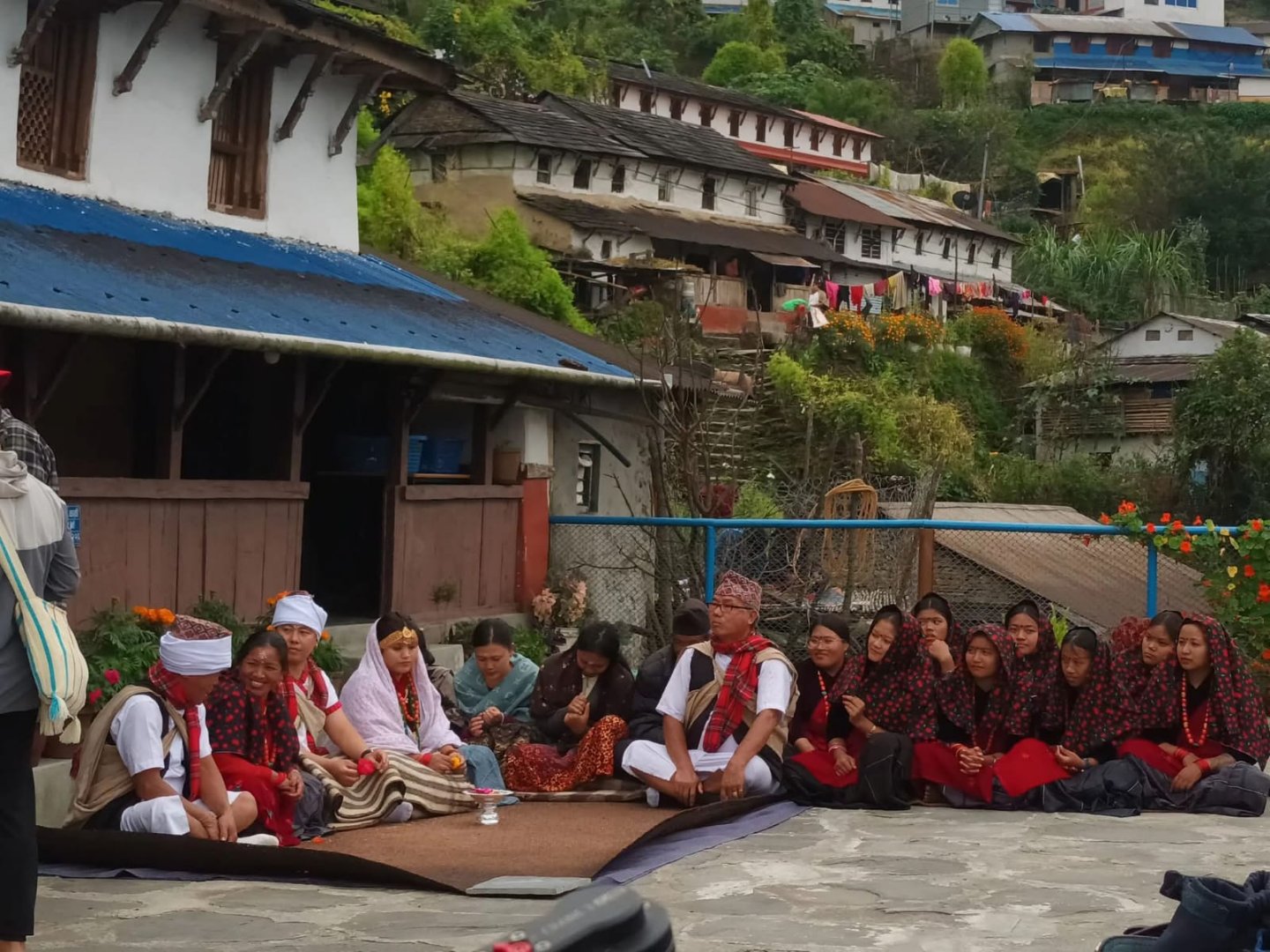
Nepal Homestays has verified family stays across four types of location, each with a different experience:
Lakeside Pokhara: Convenient base, close to everything, still the warmth of a family home over an anonymous hotel room.
Ghandruk village: Hike up in the afternoon, wake up to Annapurna South out the window, eat a home-cooked breakfast before hiking back. Nothing in Pokhara compares for the price.
Dhampus: Just 1.5 hours from the city, easy for families and older travelers who want mountain views without a long trek.
Begnas Lake: The quietest option, 20 km east of Pokhara, perfect for slow travelers who want calm over convenience.
Browse all homestay options near Pokhara here.
Where to Eat in Pokhara
Pokhara's food scene covers everything from traditional Nepali home cooking to pizza, pasta, falafel, and Japanese food. The most honest and affordable meals are almost always found a few streets back from the main Lakeside strip.
One important note before ordering anywhere near the lake: most restaurants add 13% VAT and a 10% service charge on top of the menu price. This adds nearly a quarter to your total bill, so checking before paying is worth the 10 seconds it takes.
Local Foods to Try in Pokhara
Eating Nepali food every day in Pokhara is one of the simplest ways to get more out of the trip. These are the dishes that locals actually eat and that show up at almost every small restaurant in the city.
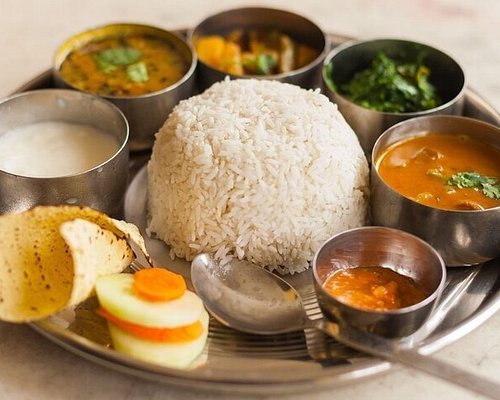
Dal Bhat is the national dish of Nepal. A plate comes with lentil soup, steamed rice, cooked vegetables, and pickles, and most places give unlimited rice and lentil refills for NPR 300 to 500. It is the best-value meal in the city and provides enough energy for a full day of walking or trekking.
Momos are small dumplings filled with vegetables or meat and served either steamed or fried with a spicy tomato dipping sauce. They cost NPR 100 to 200 per plate and are sold everywhere from street stalls to sit-down restaurants.
Thukpa is a warm noodle soup from Tibetan cooking, filling and comforting on cool evenings after a day outdoors.
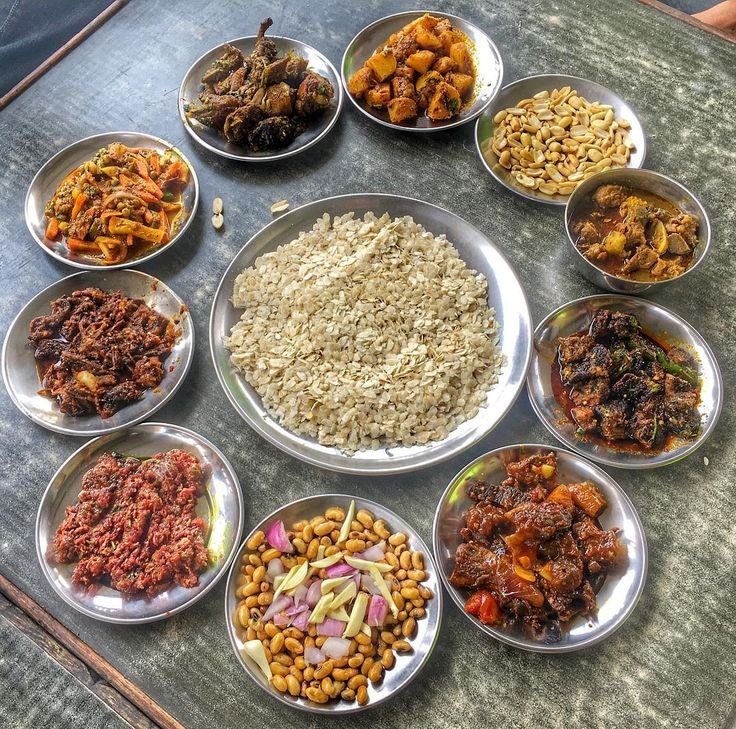
Newari Khaja is a traditional snack plate with beaten rice, boiled egg, spiced potato, and meat. Trying it at least once gives you a taste of older Nepali food culture that most tourists never come across.
Scams and Problems to Watch Out For in Pokhara
Pokhara is a safe and welcoming city, but a few well-known situations catch first-time visitors every year. Knowing about these before you arrive costs nothing and can save real money.
Taxi Overcharging
Taxis in Pokhara do not use meters, so the price depends on what the driver can get you to agree to before you get in. The going rate from Lakeside to Sarangkot is NPR 500 to 700 one way. A quote of NPR 1,500 or higher for the same trip is overcharging. Always agree on the full price before getting into the taxi, not after.
Fake Trekking Permit Offices
Some shops near Lakeside look like official government permit offices but are not. The paperwork they issue looks convincing but gets rejected at real trail checkpoints. The genuine TIMS card and Annapurna Conservation Area permit are only issued at the Nepal Tourism Board office and the ACAP office, both located near Damside in Pokhara. If anyone on the street offers to handle your permits for a small extra fee, skip it and go directly to the official offices.
Street Paragliding Sellers
Operators who approach you near the lake or on the street are often unlicensed or working for companies that cut corners on safety gear. Always book paragliding through a registered travel agent on Lakeside Road who can show their operator license and pilot certification documents.
Currency Exchange Outside Banks
Some small exchange counters use rates that look attractive but use bad math to give you less money in the end. Use ATMs or licensed bank exchange counters on Lakeside Road to avoid this.
Bill Padding at Restaurants
A small number of restaurants near the main tourist strip add items to the bill that were not ordered. Reading through every line before paying takes less than a minute and is a habit worth having at any busy lakeside spot.
Shopping in Pokhara
Lakeside Road is lined with shops selling trekking gear, pashmina scarves, handmade jewelry, singing bowls, and Tibetan crafts. Prices in most shops are open to negotiation, so asking for a lower price is expected and normal.
Here are the things most worth buying and where to find the best versions.
Tibetan handicrafts like singing bowls, prayer flags, hand-knotted rugs, and silver jewelry are sold along Lakeside, but the most genuine selection is at Tashi Palkhel Tibetan settlement about 4 km west of Pokhara. Items there are made directly by the community and the prices reflect that.
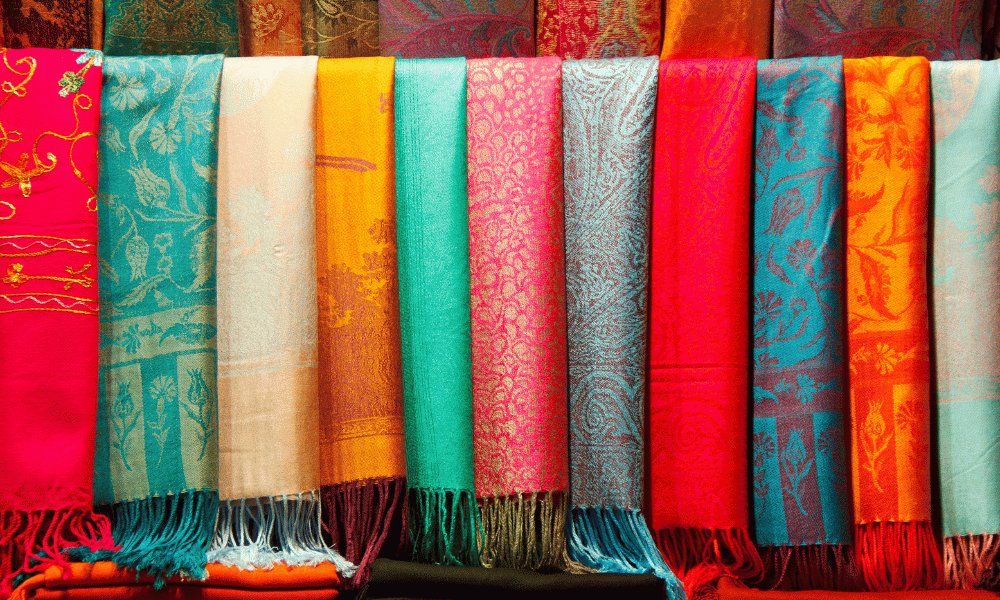
Pashmina scarves and shawls are widely sold in Lakeside shops. A genuine pashmina costs between NPR 1,500 and 4,000 depending on size and quality. Anything offered for NPR 300 to 500 is almost certainly acrylic, not real pashmina.
Trekking gear including boots, rain jackets, poles, and backpacks is available at lower prices than in Western countries, but quality varies significantly between shops. Checking stitching, zippers, and sole attachment carefully before buying saves trouble on the trail.
Walking the full length of Lakeside Road before buying anything at the first shop you see is worth doing. Prices for the same item can differ by 30 to 50% between shops at opposite ends of the strip.
Getting Around Pokhara
Pokhara is easy to navigate because the Lakeside area is flat and compact. Most places worth visiting are within 30 minutes of each other by any form of transport.
Walking covers everything in the main Lakeside strip. The road runs about 2 km and most guesthouses, cafes, and booking offices sit directly on it or just off it.
Taxis wait on every main corner. Standard fares run NPR 200 to 500 for short city trips. Agreeing on the price before getting in is essential, not optional.
Motorbike rental at NPR 800 to 1,200 per day opens up places outside the city like Begnas Lake, the Tibetan settlements, and the cave area. A valid driving license is required to rent.
E-bikes and bicycles rent for NPR 400 to 800 per day from shops near the main Lakeside ghat. An early morning ride along the lake road before the city wakes up is one of the best low-cost activities in Pokhara.
Practical Tips Before You Go
These are the details that are easy to miss when planning a first trip to Pokhara. Sorting them out before travel removes small but avoidable problems.
Visa on arrival is available for most nationalities at Tribhuvan International Airport in Kathmandu. It costs USD 30 for 15 days and USD 50 for 30 days. Indian citizens do not need a visa to enter Nepal.
Cash before trekking matters because ATMs are available in Lakeside but not on any trekking trail. Carrying more than you think you will need for anything outside the city is a good habit.
SIM cards from Ncell or NTC are available at the airport and at phone shops in Lakeside for around NPR 500 to 700 including data. Local data is significantly cheaper than international roaming.
Drinking water should always be bottled or filtered. Most guesthouses and homestays offer filtered refills free of charge or for a small fee. Using refill stations reduces plastic waste and keeps costs down.
Trekking permits for the Annapurna Conservation Area cost NPR 2,000 for a TIMS card and NPR 3,000 for an Annapurna Conservation Area permit. Both are available at the official offices near Damside in Pokhara before you head to the trailhead.
Power banks are worth carrying because budget guesthouses occasionally have short power cuts in the evening, which is inconvenient if your phone is your map and camera.
Bargaining is normal and expected at taxi stands, souvenir shops, and trekking gear stores. Bargaining for food at restaurants or at any religious site is not appropriate.
Final Thoughts
Pokhara is one of those places where most travelers arrive planning two days and staying for five. The mountains are close, the lake is calm, and the city has a way of slowing everything down without you noticing.
The most useful thing to know about getting the most out of Pokhara is simple: get away from Lakeside Road at least once each day. The best meals, the clearest views, and the most memorable moments all happen a few streets back or a few hours up the trail.
Go early to the lake. Book the paragliding. Sleep in a village. Eat what the family cooks. That is the version of Pokhara worth telling people about.
Frequently Asked Questions About Pokhara
How many days do you need in Pokhara?
Three to five days covers the main sights comfortably without feeling rushed. Three full days gives you the lake, Sarangkot sunrise, paragliding, and one day trek. Adding the Poon Hill trek requires two extra days on top of that.
Is Pokhara safe for solo travelers?
Yes. Pokhara is one of the safest cities in Nepal for solo travelers, including solo women. Lakeside is well-lit and always busy with other visitors and locals. Using normal caution at night, avoiding unlit back lanes, and not accepting rides from unmarked vehicles covers most situations.
Can I trek from Pokhara without a guide?
Yes. Short routes like Ghandruk and Australian Camp are suitable for independent trekkers who are comfortable reading a trail map. The required permits still need to be bought at official offices before starting. For longer or high-altitude routes, a local guide improves safety and adds real value to the experience.
What is the best homestay area near Pokhara?
Ghandruk, Dhampus, and Begnas Lake each offer something different. Ghandruk gives you traditional Gurung village life with strong Annapurna views. Dhampus is a closer and easier overnight option about 1.5 hours from the city. Begnas Lake is flat, quiet, and good for travelers who want a peaceful stay without a mountain climb.
Is Pokhara expensive?
No. Budget travelers manage on USD 20 to 30 per day covering a guesthouse bed, three meals, and an activity or two. Mid-range travelers who want a private hotel room and sit-down restaurants spend about USD 40 to 60 per day.
What food should I eat in Pokhara?
Dal Bhat is the best daily meal for the price and gives you enough energy for a full day outdoors. Momos are the most widely available snack. For evenings, Moondance is reliable for Nepali and Western food, OR2K is the best option for vegetarians and Mediterranean dishes, and the small Nepali restaurants in the Bagar neighborhood give you the most food for the least money.
How do I get from Kathmandu to Pokhara?
The tourist bus costs NPR 1,200 to 1,600 and takes 6 to 9 hours. A domestic flight costs USD 80 to 120 and takes 25 minutes. Most budget travelers take the bus. Most people with limited time take the flight. A private car at NPR 8,000 to 12,000 works best for groups of three or more.
Company Admin
Travel writer sharing authentic stories and experiences from Nepal's beautiful homestays.