.jpg)
When you choose where to stay in Nepal, you're making more than a travel decision. You're choosing between two fundamentally different development models. Nepal homestays keep 85-95% of revenue local compared to just 20-55% for hotels, creating a 4.26x economic multiplier effect.
TL;DR
Nepal homestays keep 85–95% of revenue in local communities, compared to just 20–55% for hotels
Every $100 spent at a homestay generates $400+ in total local economic activity through the multiplier effect
Homestays create 25–35 jobs per $100k revenue, six times more employment impact than hotels
Women running homestays score 12x higher on economic empowerment indices than women in any other sector in Nepal
Homestays produce just 2–5 kg of CO₂ per guest night versus 30–50 kg for international hotels
A successful homestay earns $2,000–5,000 annually, competitive with Gulf wages without family separation
Nepal has around 5,000 registered homestays today; scaling to 75,000 could generate 2 million jobs and $1.5 billion in annual rural revenue
When you choose where to stay in Nepal, you're making more than a travel decision. You're choosing between two fundamentally different development models.
One model concentrates wealth in urban centers and foreign bank accounts. The other distributes opportunities across mountain villages where traditional industries can't reach.
This isn't an abstract development theory. It's about measurable economic impact: where money goes, how many jobs get created, whether families can stay together, and how communities preserve their culture while building prosperity.
Nepal homestays represent a rare alignment: what's best for travelers (authentic experiences, lower costs, meaningful connections) is also what's best for development (local income, job creation, cultural preservation, environmental protection).
The Development Challenge Nepal Faces
Nepal faces a critical question: how do you create prosperity in mountain villages where traditional industries can't work?
The current reality shows that 4 million Nepalis work abroad, sending home $11 billion annually in remittances. These workers leave because they can't earn decent incomes at home. Hydropower projects take decades to complete and send profits abroad, while manufacturing can't compete with coastal neighbors who have better infrastructure.
Homestays solve this differently. They turn what Nepal already has into economic engines: mountains, culture, and hospitality.
Economic Impact: The Numbers That Matter
Money Stays Local
The financial impact of choosing homestays over hotels creates a dramatic difference in local economic development. Here's how your accommodation choice affects the community:
What this means for you: If you spend $100 at a homestay, $90 goes directly to the local family. They spend it at village shops, hire neighbors, and buy from local farmers. That $90 generates another $290 in local economic activity.
The same $100 at a hotel? Only $20-40 stays local. The rest goes to urban suppliers, international chains, and foreign owners.
Job Creation That Actually Works
A single homestay operating 60 nights per year at $15/night generates $900 in direct income, which is enough to lift a family above Nepal's extreme poverty line. This income provides employment for extended family members in cooking, guiding, and cleaning roles, while creating market demand for local farmers and artisans.
At 150 nights per year and $18/night, a homestay generates $2,700 in annual income. This represents middle-class income by Nepali standards, requires no migration, and allows the family to stay together.
Investment Comparison:
When $10 million is invested in homestay development, it creates 5,000 new homestay operations, generates 150,000+ direct and indirect jobs, produces $600+ million in annual rural economic activity within 10 years, and delivers a 60x return on investment.
The same $10 million invested in hydropower requires 7-12 years of construction, generates only $1-2 million in annual revenue, exports profits abroad, and delivers a 6x return at best.
Key takeaway:
If you're choosing accommodation in Nepal, homestays create 6x more employment impact per dollar spent than hotels.
Why Geography Makes Homestays Unbeatable
Everything that makes Nepal "difficult" for industry makes it perfect for homestays.
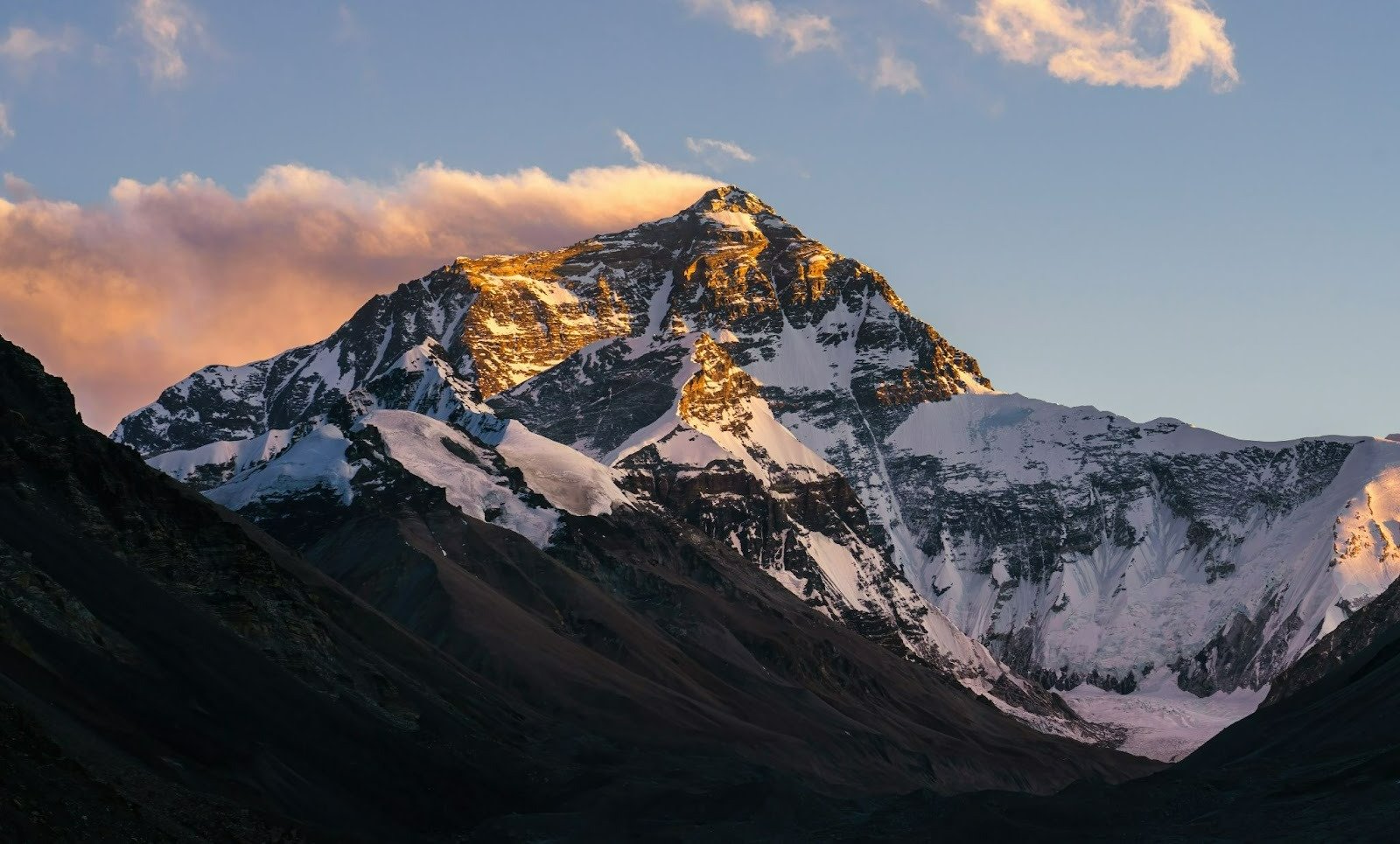
Eight of the world's ten highest peaks are in Nepal, including Everest. This natural asset cannot be built with money, cannot be replicated by competitors, exists in every mountain village, and requires zero investment to create.
Vietnam can build cheaper factories. Bangladesh can train garment workers for less. But no country can manufacture the Himalayas.
For travelers: This is why homestays in Annapurna, Langtang, or Everest regions offer experiences literally unavailable anywhere else on Earth.
How Homestays Transform Women's Economic Power
The Transformation Process
In traditional situations, women perform unpaid domestic labor with no independent income, no economic decision-making power, and remain trapped in the subsistence economy. With homestay tourism, cooking for families becomes revenue-generating food service, cleaning transforms into hospitality management, hosting relatives becomes commercial accommodation, and handicrafts turn into products sold to visitors.
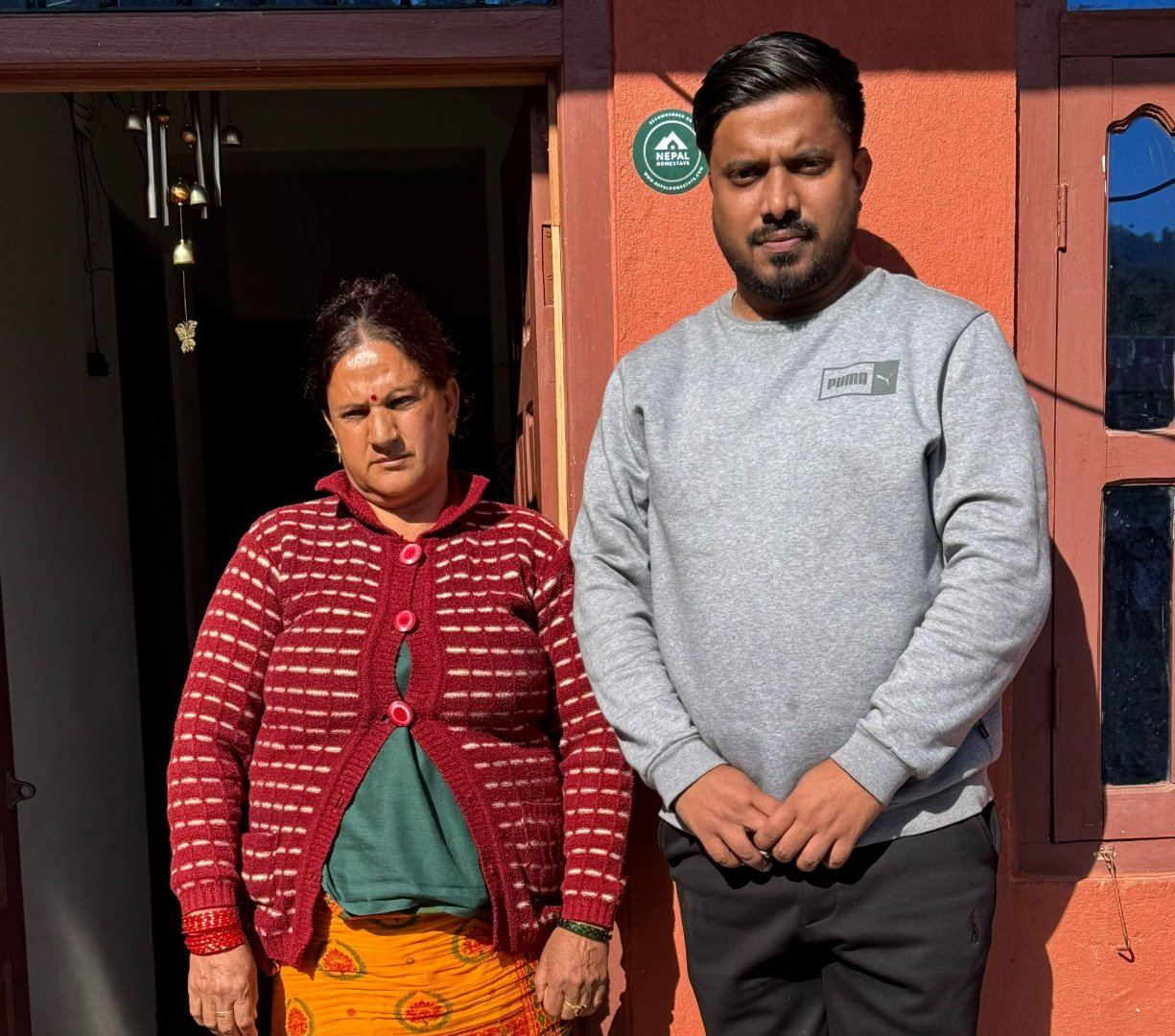
Women operating homestays score 12x higher on economic empowerment indices than women in any other sector in Nepal. Specifically, homestay women operators control income directly (not through male family members), make business decisions independently, model entrepreneurship for daughters, and achieve economic power without leaving home.
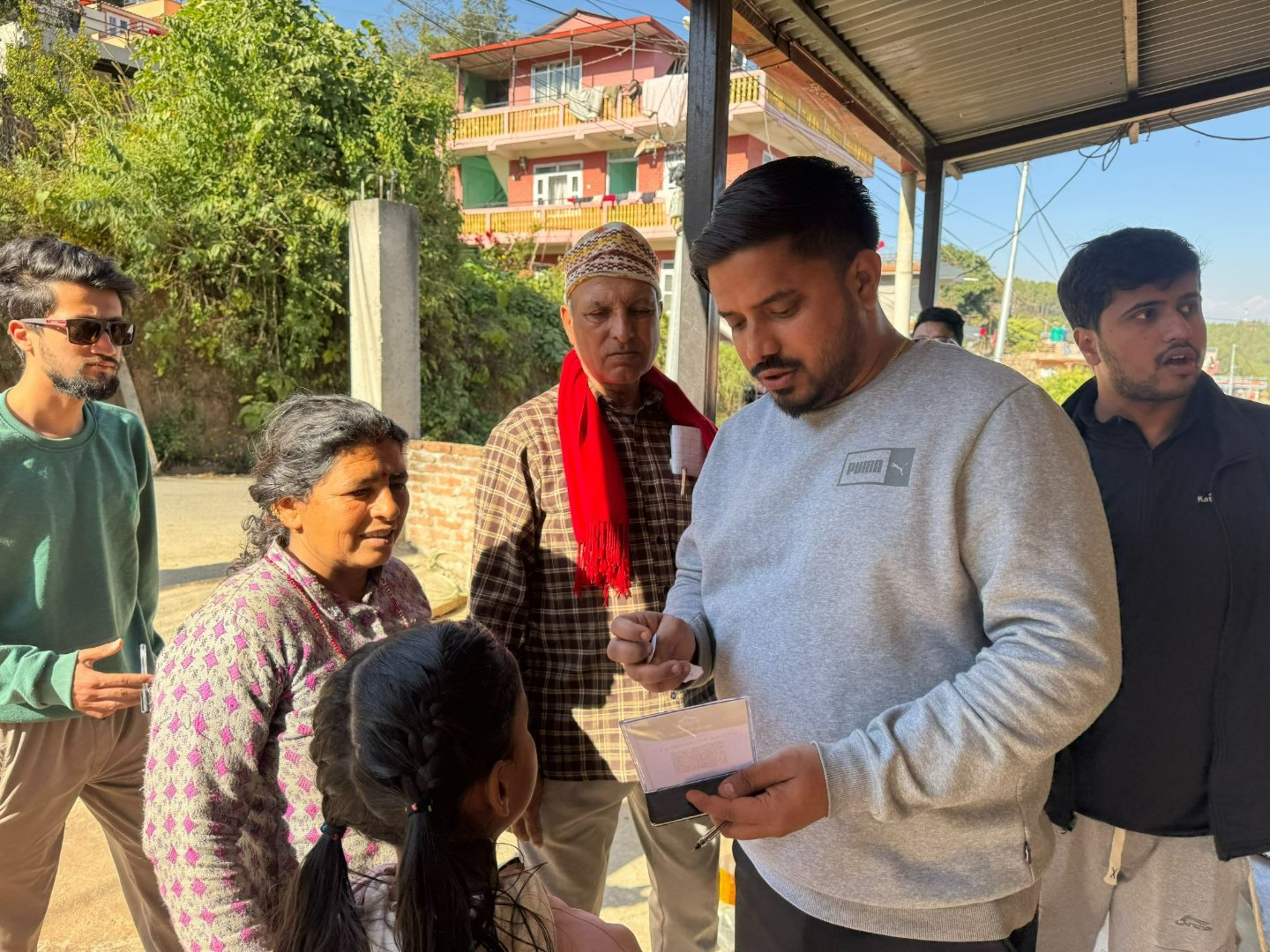
Safety advantage: This transformation happens in their own homes, surrounded by family and community. There's no factory harassment, no migration vulnerability, and no separation from children.
Environmental Benefits: Tourism That Protects
Most development forces a choice: economic growth OR environmental protection. Homestays dissolve this tradeoff.
Conservation Through Economics
When a family operates a homestay, they gain direct financial incentive to keep forests intact because tourists come specifically for pristine Himalayan landscapes. They maintain clean water sources because guest health depends on it. They protect wildlife because red pandas and snow leopards are selling points, and they preserve organic agriculture because authentic food is what guests want. Conservation becomes a business strategy, not government regulation.

Carbon Footprint Comparison
Traditional Nepal homestays produce only 2-5 kg of CO₂ per guest night, while international hotels generate 30-50 kg. This means hotels have a carbon footprint up to 10 times higher than homestays.
The difference comes from several sustainable practices. Homestays don't use air conditioning because mountain environments don't need it. They source food locally, eliminating transport emissions. They use existing structures rather than requiring new construction, and they utilize shared spaces for efficient resource use.
Practical impact: If Nepal shifted just 1 million tourist-nights annually from hotels to homestays, carbon savings would equal removing 4,500 cars from the road permanently.
Cultural Preservation That Pays
Every year in Nepal, traditional knowledge dies with elders. Songs, recipes, crafts, ceremonies, and architectural techniques disappear forever. Conventional development accelerates this by pulling young people to cities.

How Homestays Reverse This
Tourists pay specifically for traditional Newari or Gurung architecture, authentic dal bhat and regional cuisine, handwoven dhaka textiles, folk songs and cultural performances, and indigenous languages and local dialects.
Economic mechanism: When tradition becomes profitable, young people pay attention. The weaving technique becomes a business asset. The folk song earns income. The traditional recipe is a competitive advantage.
Measured Success
Sherpa communities in the Everest region have maintained Tibetan Buddhist customs precisely because trekking provides a platform to showcase them. Homestays extend this pattern across all 77 districts of Nepal.
The results demonstrate clear cultural preservation. Tourism has funded documentation of 50+ endangered languages, traditional festivals have been revived with economic viability, and intergenerational knowledge transfer continues when migration would have destroyed it.
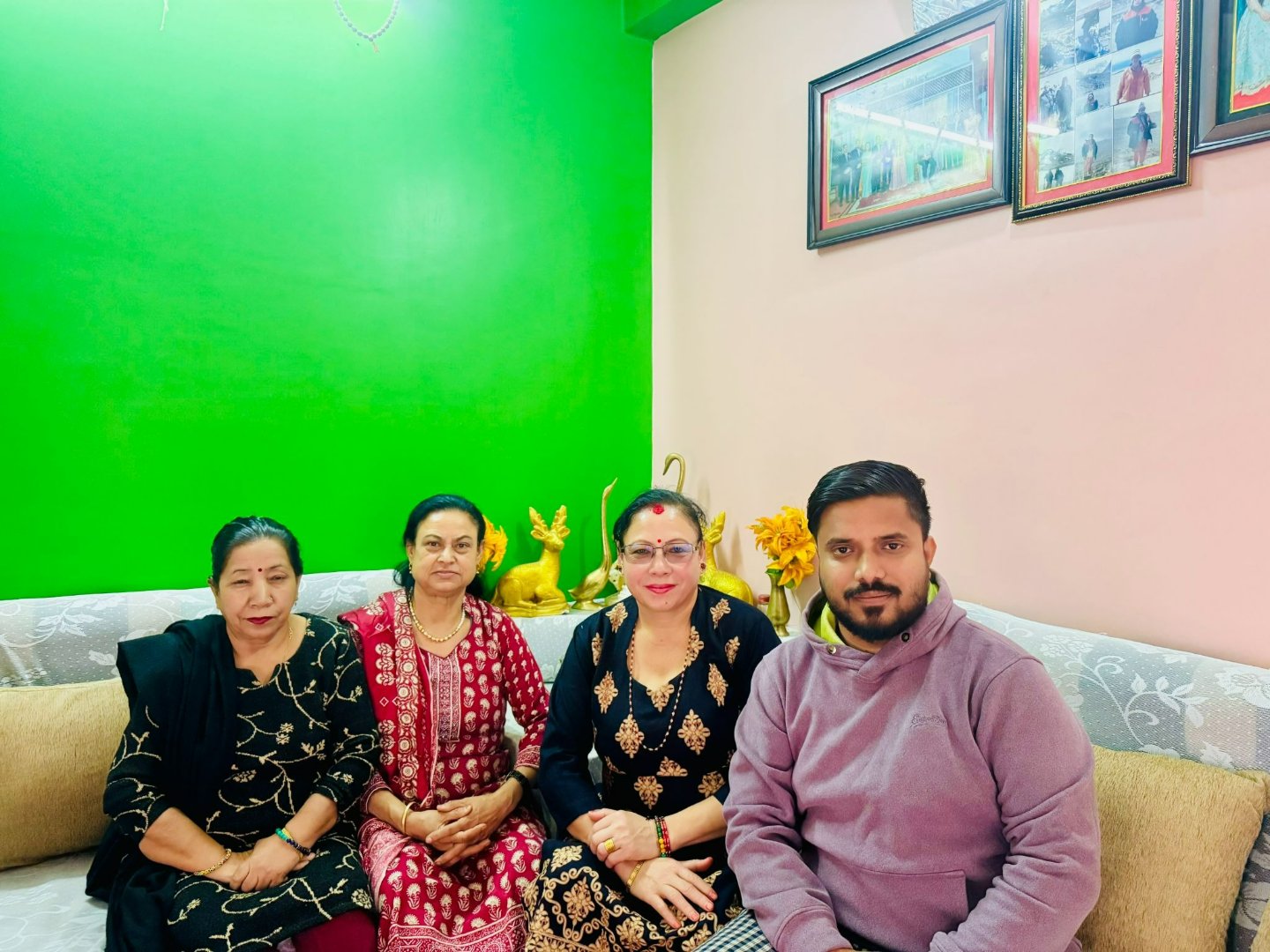
Practical value for visitors: You're not just observing culture, you're funding its preservation. Your accommodation choice has a direct cultural impact.
Solving the Migration Crisis
Here's Nepal's biggest development failure: 4 million workers abroad building other countries' infrastructure.
The Human Cost
The current situation in many villages reveals devastating social costs. In numerous communities, 70-90% of working-age men have left, children are growing up without fathers, and elderly parents are living alone without family support. Nepal's most productive workers are building Dubai, Qatar, and Malaysia instead of their own country.
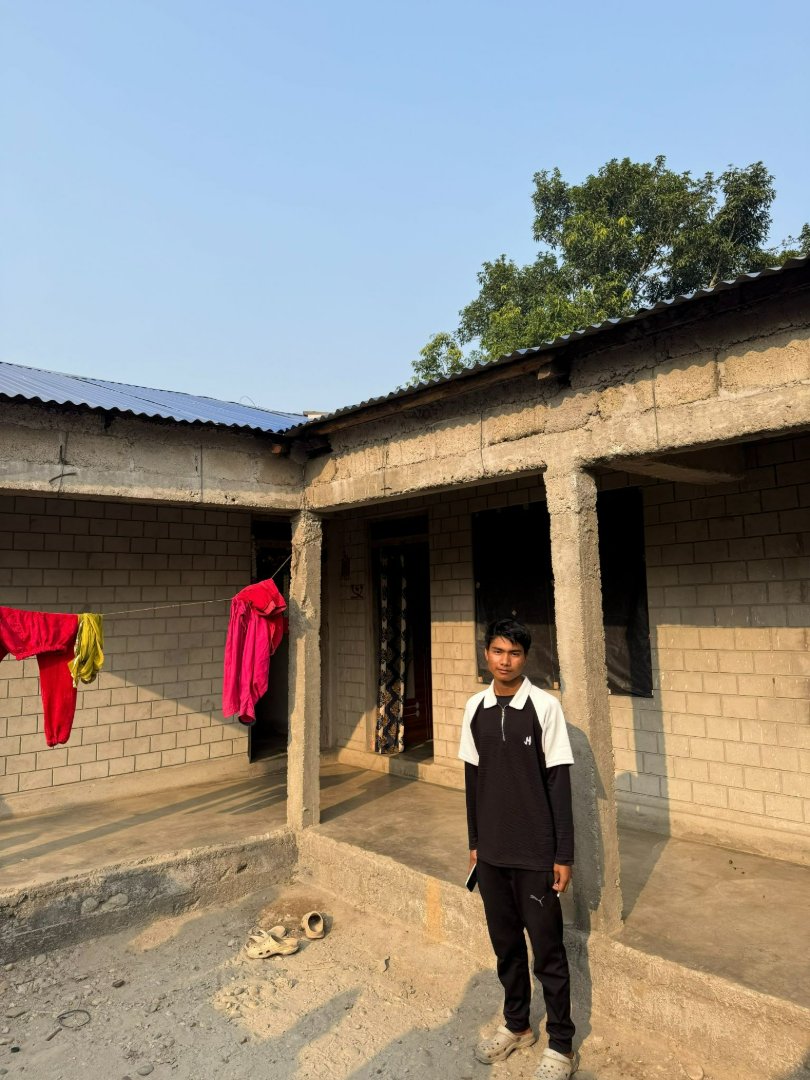
The economic paradox: They earn money but Nepal loses human capital, family structure, and community cohesion.
How Homestays Create Local Opportunity
A successful homestay earns $2,000-5,000 annually, which is competitive with Gulf wages when adjusted for cost of living. Families avoid the pain of separation, workers escape the exploitation common in foreign labor markets, and communities avoid the social costs of absent fathers and husbands.
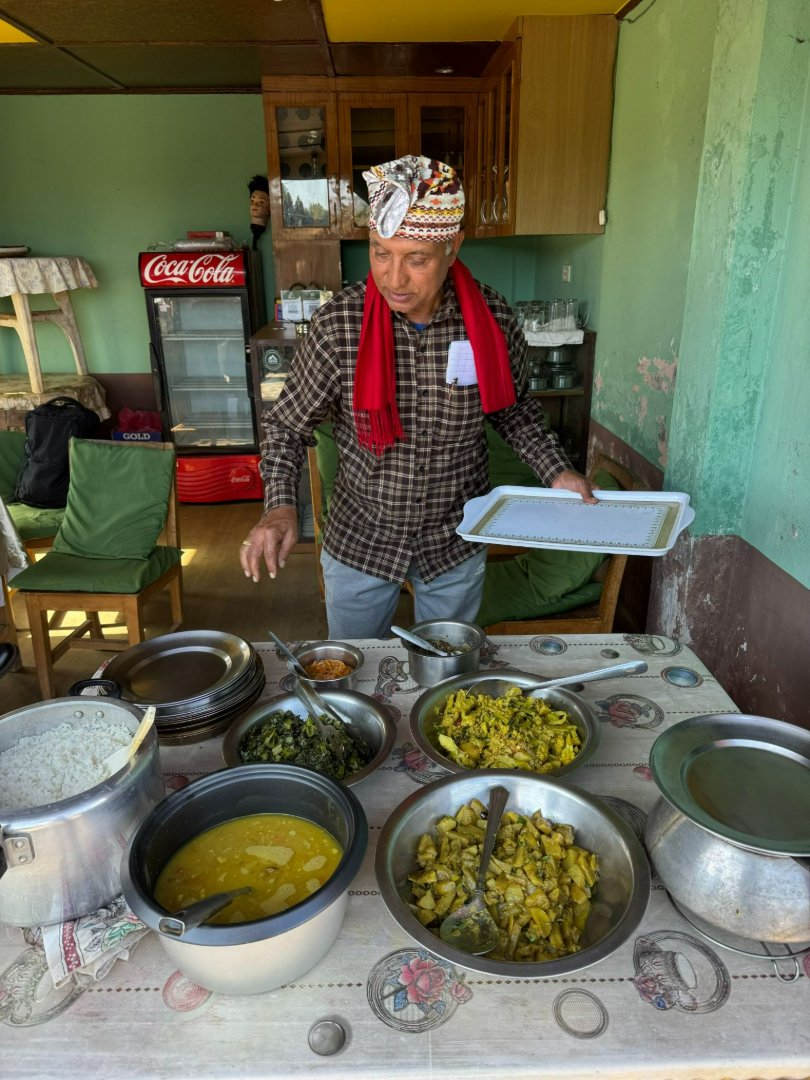
Real impact: When young people see economic possibilities at home, they stay. This maintains rural schools that need students, local markets that need customers, family support systems that need young adults, and knowledge transfer that requires elders and youth together.
Economic Sovereignty: Who Controls Development?
Different development strategies give Nepal different degrees of control.
Why this matters: The means of production is literally the family's house. No foreign board can close it. No multinational can relocate it. No trade agreement can undermine it.
This is economic sovereignty at the most fundamental level: development that cannot be extracted or taken away.
What National Scale Could Look Like
If Nepal committed to homestay-centered development, here's the realistic 10-year projection.
Vision 2035: Achievable Targets
Scale: The country develops 75,000 registered homestays (versus approximately 5,000 today), creating 500,000 direct jobs, 1.5 million indirect jobs, and keeping $1.5 billion in annual revenue in rural Nepal.
Environmental Leadership: Establishing 10,000 model eco-homestays enables 150,000+ tonnes of CO₂ sequestration annually, positioning Nepal as the world's first carbon-negative tourism destination.
Social Transformation: With 50,000 women as primary operators, Nepal achieves a 40% reduction in youth out-migration, makes 100+ endangered cultural traditions economically viable, and supports 50 indigenous languages with tourism-funded preservation programs.
Global Influence: The "Nepal Model" becomes studied in 20+ countries, green homestay certification becomes an international standard, and Nepali operators are recognized as global experts.
Why this is achievable: The homes exist. The hospitality culture exists. The scenic assets exist. The tourism demand exists. What's missing is coordination, digital infrastructure, and political commitment.
The Barriers (And How to Overcome Them)
1. Awareness Gap
Problem: Many potential hosts don't know homestay tourism is an option for their village.
Solution: Marketing and community outreach through Nepal Tourism Board, trekking associations, and local NGOs can spread awareness about homestay opportunities.
What you can do: Share information about successful homestays with communities you visit.
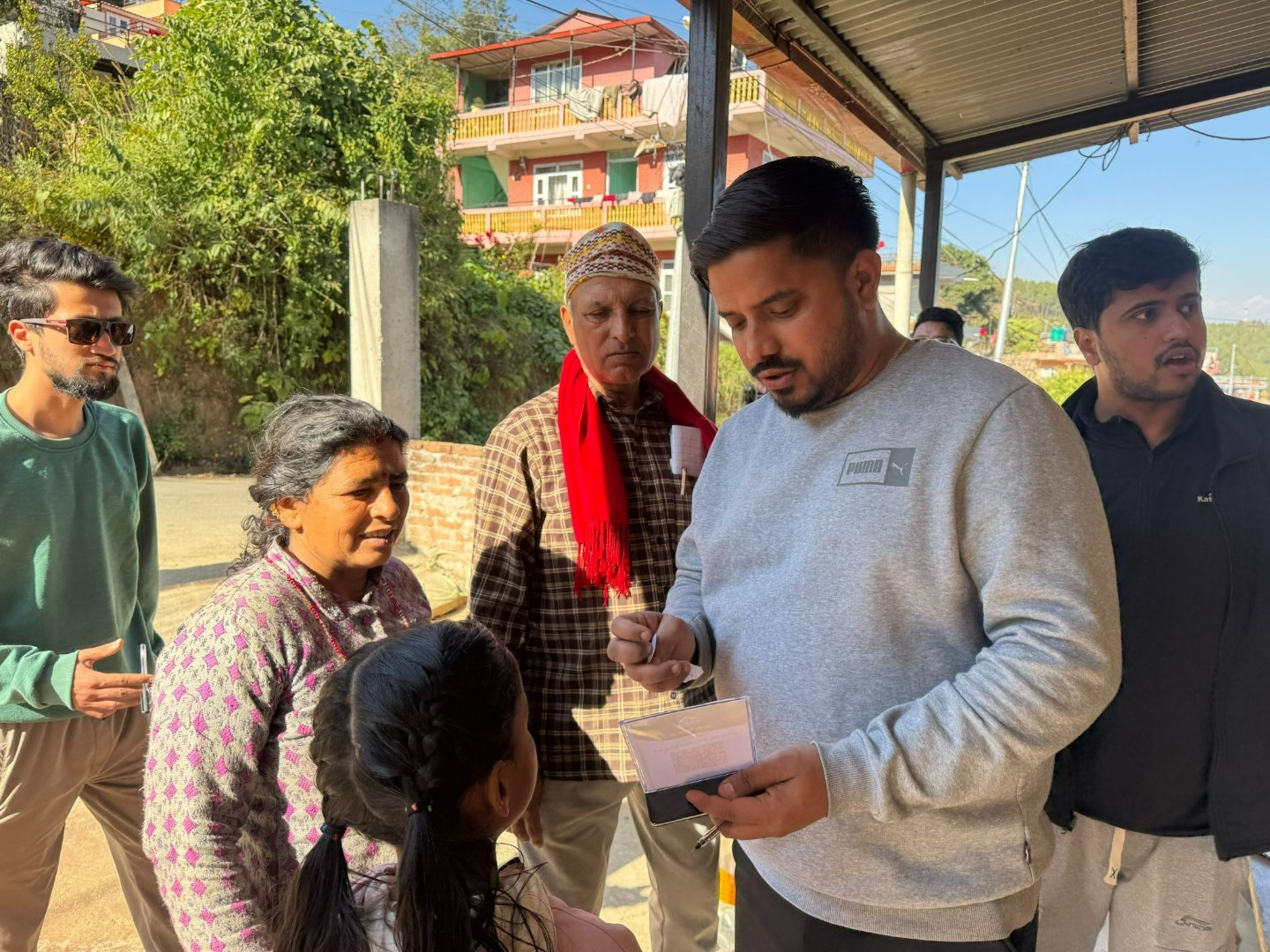
2. Quality Inconsistency
Problem: Without standards, bad experiences damage Nepal's reputation.
Solution: A national certification system and hospitality training programs can ensure consistent quality across all homestays.
What you can do: Leave detailed reviews to help establish quality standards.
3. Digital Access Gap
Problem: Rural families lack booking platform access and digital marketing skills.
Solution: Platform development specifically for Nepal homestays combined with digital literacy programs can bridge this gap.
What you can do: Book directly when possible and share homestay contacts to increase visibility.
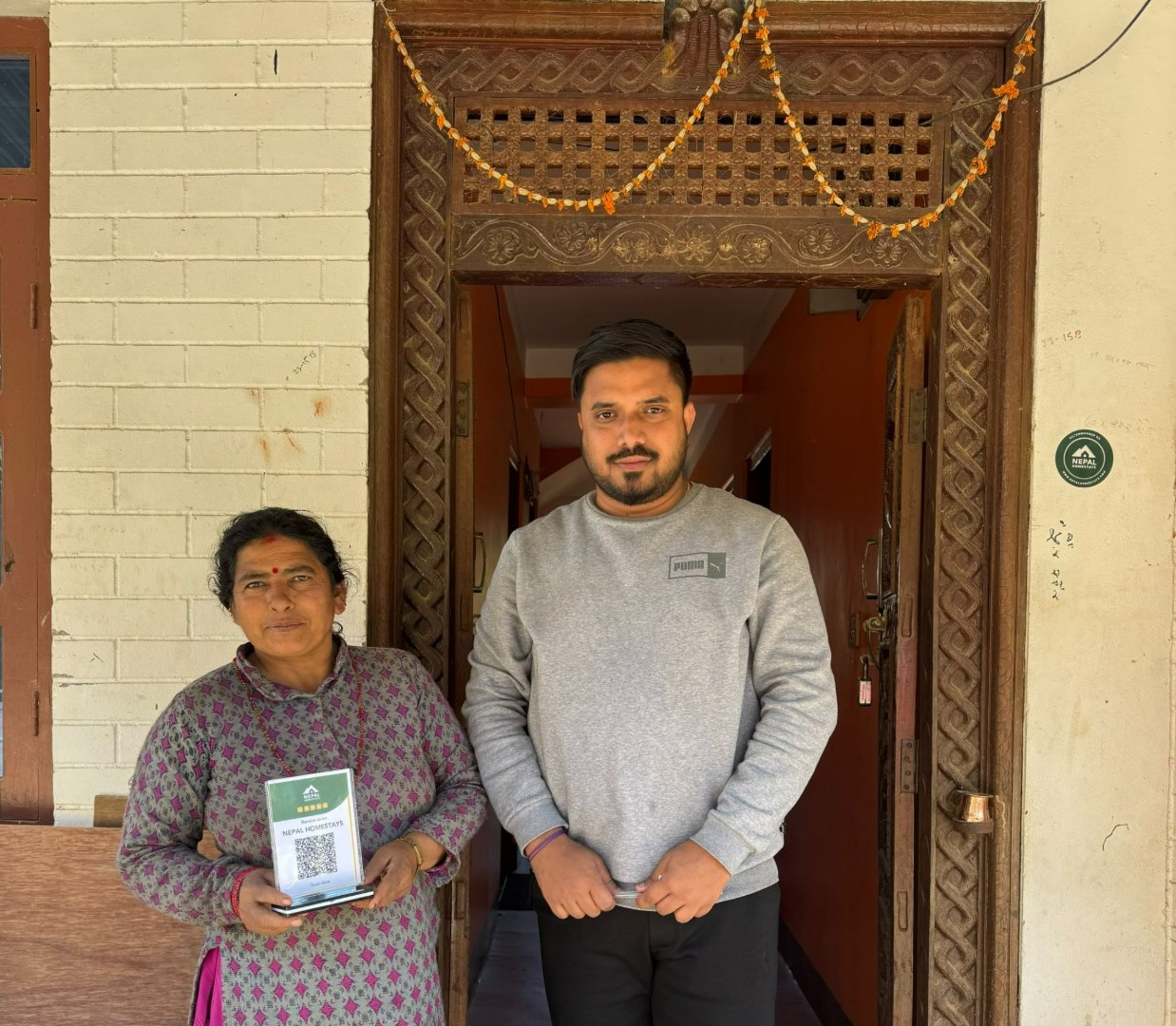
4. Startup Capital Needs
Problem: Some homes need modest improvements to host guests safely, including bathroom facilities, clean water systems, and quality bedding.
Solution: Microfinance programs and community lending cooperatives targeted at homestay development can provide the necessary capital.
Investment opportunity: Just $500-2,000 per homestay enables operation and returns 100-200% annually through income generation.
5. Marketing Coordination
Problem: Individual homestays cannot effectively reach international tourists on their own.
Solution: Regional homestay associations and coordinated marketing networks can amplify reach and visibility.
What you can do: Use and promote platforms that aggregate homestays (like Nepal Homestays).
None of these barriers require massive capital, foreign expertise, or years of construction. They require organization and commitment.
Practical Actions You Can Take
Your involvement can accelerate homestay development in Nepal, regardless of whether you're a traveler, investor, or policy maker.
As a Traveler
Your choices as a traveler create immediate impact on Nepal's rural communities:
Choose homestays over hotels because your accommodation choice creates 6x more jobs.
Book directly when possible to eliminate platform commissions and maximize money to hosts.
Stay longer in one place to build deeper community relationships.
Participate in local activities such as cooking classes, farm work, and craft workshops to generate additional income for families.
Share your experience through reviews and social media to help homestays compete with established hotels.
As an Investor or Donor
Financial support can scale homestay impact significantly across Nepal:
Support homestay training programs where $5,000-10,000 can train 50-100 hosts.
Fund digital infrastructure including booking platforms and digital literacy programs that scale at low cost.
Finance quality improvements where $500-2,000 per homestay enables basic improvements.
Support homestay associations that provide collective marketing to reach tourists individual families cannot.
As a Policy Maker
Government support can accelerate homestay development nationwide:
Simplify homestay registration by reducing bureaucracy for rural operators.
Create certification standards that build Nepal's reputation through quality assurance.
Invest in digital infrastructure to enable internet access for bookings.
Provide micro-finance access through low-interest loans for homestay improvements.
Market Nepal as the homestay capital through national tourism branding around community tourism.
Bridging the Digital Gap
The biggest challenge facing Nepal's homestays isn't quality or hospitality. It's visibility.
A family in Ghandruk can offer extraordinary experiences, but without digital presence, international travelers simply don't know they exist. The village that could host 100 guests annually hosts 10, not because demand doesn't exist, but because the connection was never made.
Why Nepal Homestays Exists
We connect rural families directly with travelers seeking authentic experiences. By aggregating verified homestays across all 77 districts, we remove the barrier between supply and demand.
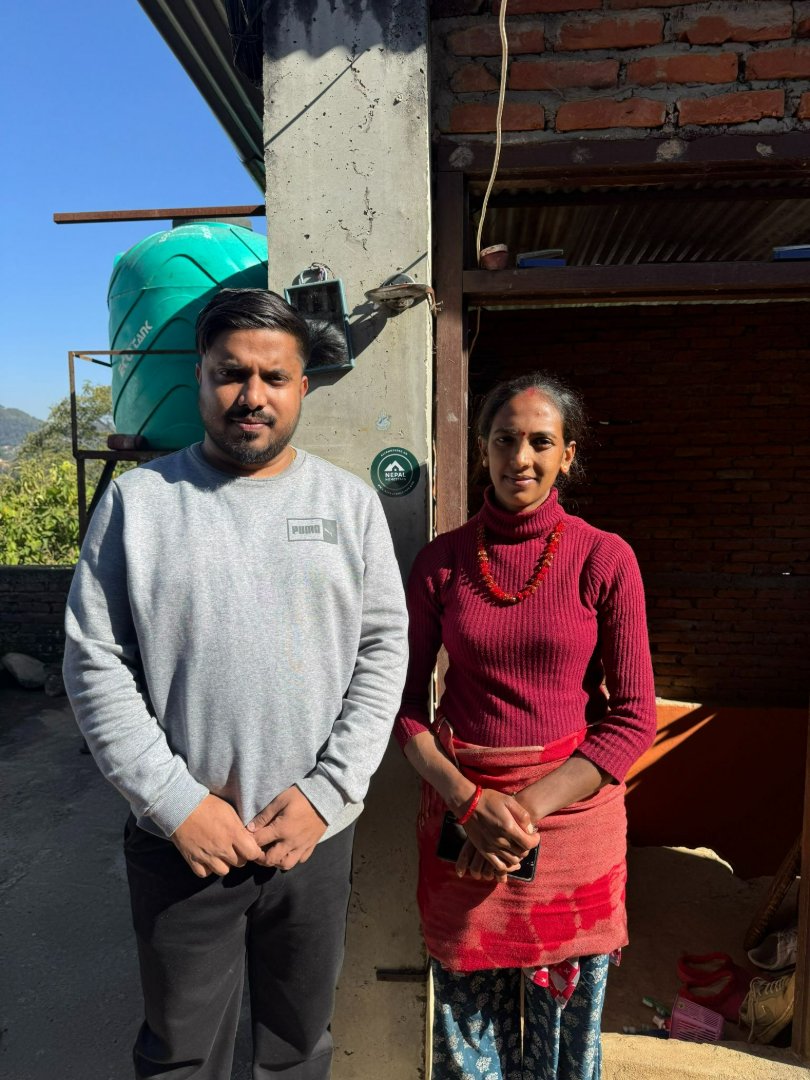
When homestays gain online visibility, families earn predictable income throughout the year, villages replicate successful models from neighboring communities, travelers discover authentic experiences they couldn't find elsewhere, and tourism revenue distributes evenly across Nepal rather than concentrating in cities.
Every homestay listed is a family gaining economic opportunity. Every booking made is development dollars flowing directly to rural communities.
Ready to experience authentic Nepal while supporting local communities? Browse verified homestays at Nepal Homestays and be part of the solution.
Key Takeaways
Understanding the impact of homestays helps travelers make informed decisions that benefit Nepal's development:
Economic Impact: Homestays keep 85-95% of revenue local versus 20-55% for hotels, creating 3x the economic multiplier effect.
Job Creation: Homestays generate 25-35 jobs per $100k revenue versus 5-15 for hotels, delivering six times more employment impact.
Investment Efficiency: $10M in homestay development generates $600M+ in rural economic activity within a decade, achieving a 60x return on investment.
Women's Empowerment: Female homestay operators score 12x higher on economic empowerment measures than women in any other sector in Nepal.
Environmental Benefits: Homestays produce 2-5kg CO₂ per guest-night versus 30-50kg for hotels, with built-in conservation incentives.
Cultural Preservation: Tourism revenue makes traditional practices economically viable, reversing cultural loss and preserving endangered languages.
Migration Alternative: Homestays provide $2,000-5,000 annual income competitive with Gulf wages without family separation.
Economic Sovereignty: Homestays cannot be outsourced, relocated, or controlled by foreign interests, ensuring development stays in Nepali hands.
Conclusion
Choosing a homestay in Nepal is more than an accommodation decision, it's a vote for sustainable development that works with the country's geography rather than against it. The evidence is compelling: homestays create six times more jobs per dollar spent, keep 85-95% of revenue in local communities, and transform entire villages through economic multipliers.
Every night spent in a homestay funds cultural preservation, supports environmental conservation, provides women with economic independence, and creates alternatives to migration. Nepal doesn't need to choose between economic growth and cultural preservation or between environmental protection and prosperity. Homestays prove these goals align perfectly when development is designed correctly.
Your next accommodation choice in Nepal can be part of this transformation. Choose homestays, support local communities, and experience the country through the warmth of Nepali hospitality in the heart of mountain villages where prosperity stays where it belongs.
Frequently Asked Questions
How do I know a homestay is legitimate and safe?
Look for homestays registered with Nepal Tourism Board or listed on verified platforms. Registered homestays follow safety and quality standards. Read recent reviews from other travelers.
What's the typical cost of a Nepal homestay?
Homestays typically cost $15-25 per night including meals. This is 50-80% less than hotels while providing more cultural immersion and greater local economic impact.
Do homestay families speak English?
Basic English is common in tourist regions like Annapurna, Langtang, and Everest. In remote areas, families often have a family member who translates, or communication happens through gestures and universal hospitality.
What facilities can I expect?
Most homestays offer private or shared rooms, shared bathrooms (often Western-style in tourist regions), home-cooked meals, and basic amenities. Expectations should match rural conditions. This is authentic village life, not a hotel.
How does my homestay choice actually help development?
Your payment goes directly to the family. They spend it locally on food from neighbors, hiring village guides, and buying supplies from local shops. This creates a multiplier effect where your $100 generates $400+ in total local economic activity.
Can homestays really replace Nepal's need for other development?
Not entirely, but they can provide economic opportunity in rural areas where other development strategies fail. Mountains make manufacturing and industrial development impractical, but those same mountains make homestay tourism highly valuable.
How do I book a homestay in Nepal?
Online platforms like Nepal Homestays aggregate verified homestays. Trekking agencies also connect travelers with homestays along popular routes. Some homestays can be booked directly if you have contact information from previous travelers.
What's the best region for homestays?
Every region offers different experiences. Annapurna and Langtang provide mountain culture and trekking opportunities. Chitwan offers Tharu culture and wildlife experiences. Kathmandu Valley showcases Newari heritage and temples. Pokhara region features lake views and adventure activities. Choose based on your interests, as all regions provide authentic local experiences and create positive economic impact.
Company Admin
Travel writer sharing authentic stories and experiences from Nepal's beautiful homestays.