.jpg)
Nepal didn’t invent sustainable tourism recently, it has lived it for generations through homestays, community forests, and conservation areas. This 2026 guide explains why certification matters now, how it makes genuine practices visible to travelers, and how Nepal can lead sustainable tourism.
Nepal has been doing sustainable tourism before it even had a name. Village homestays that keep money in local communities, forests managed by villages for generations, and conservation areas that protect nature while welcoming tourists - these aren't new ideas copied from other countries. They're traditions that certification programs are now learning to recognize.
The real change is making it easier for travelers to find these authentic experiences. Certification creates a bridge between Nepal's real sustainable practices and international travelers looking for them.
What Nepal Already Does Well
Before we talk about certification, let's look at what Nepal naturally does right. Nepal didn't need anyone to teach it about sustainability. Many practices that certification programs check for have been part of Nepali life for decades.
Community-Based Tourism
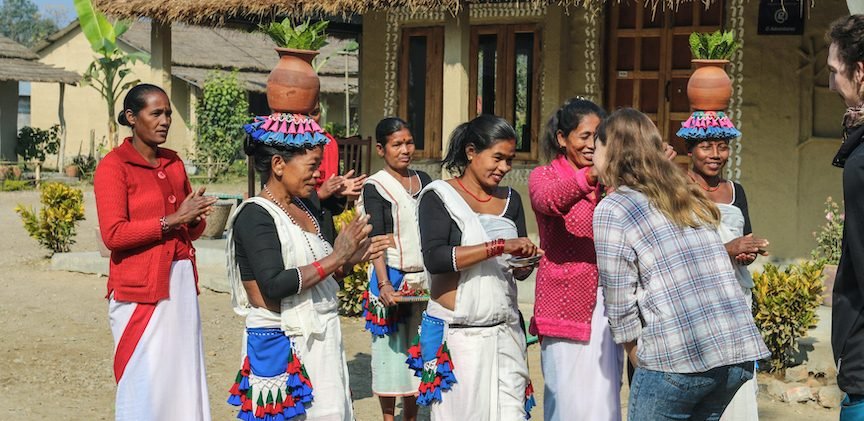
Nepal's homestay culture started before "ecotourism" became popular. Families have welcomed travelers for decades, cooking local food, hiring family members, and keeping money in their villages. This isn't a business model created by international groups - it's just how rural hospitality has always worked in Nepal.
Conservation Areas That Work
The Annapurna Conservation Area Project (ACAP) started in 1986 as one of the world's first community-managed conservation areas. This groundbreaking project created a template that countries around the world now follow for balancing conservation with tourism.
The model uses local management teams to make decisions about conservation and tourism activities.
Tourism money is used to pay for conservation efforts and protect the natural environment.
Systems are designed to help communities benefit directly from protection of their natural resources.
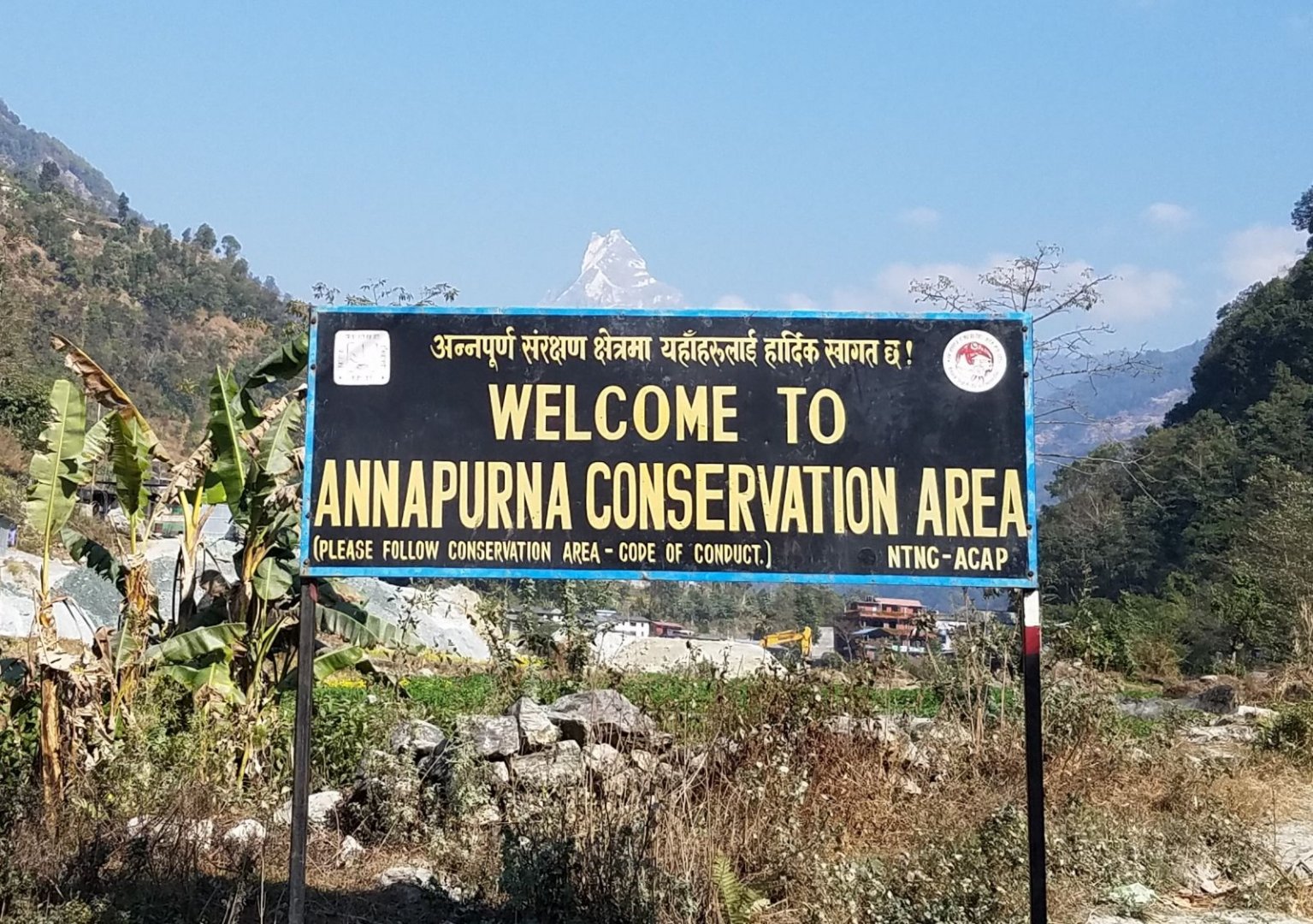
This project has been studied and copied worldwide. Nepal built this before "community-based conservation" became a trend.
Fair Treatment of Porters
While there's still room to grow, Nepal has done more for porter welfare than other trekking destinations. The country has led important conversations about fair wages, proper equipment, and dignified working conditions for the people who make trekking possible.
Groups like Porters' Progress and KEEP (Kathmandu Environmental Education Project) have worked for decades on establishing weight limits for porter loads.
These organizations ensure porters have proper equipment and clothing to stay safe in mountain conditions.
They advocate for fair pay and treatment that respects the essential role porters play in Nepal's trekking industry.
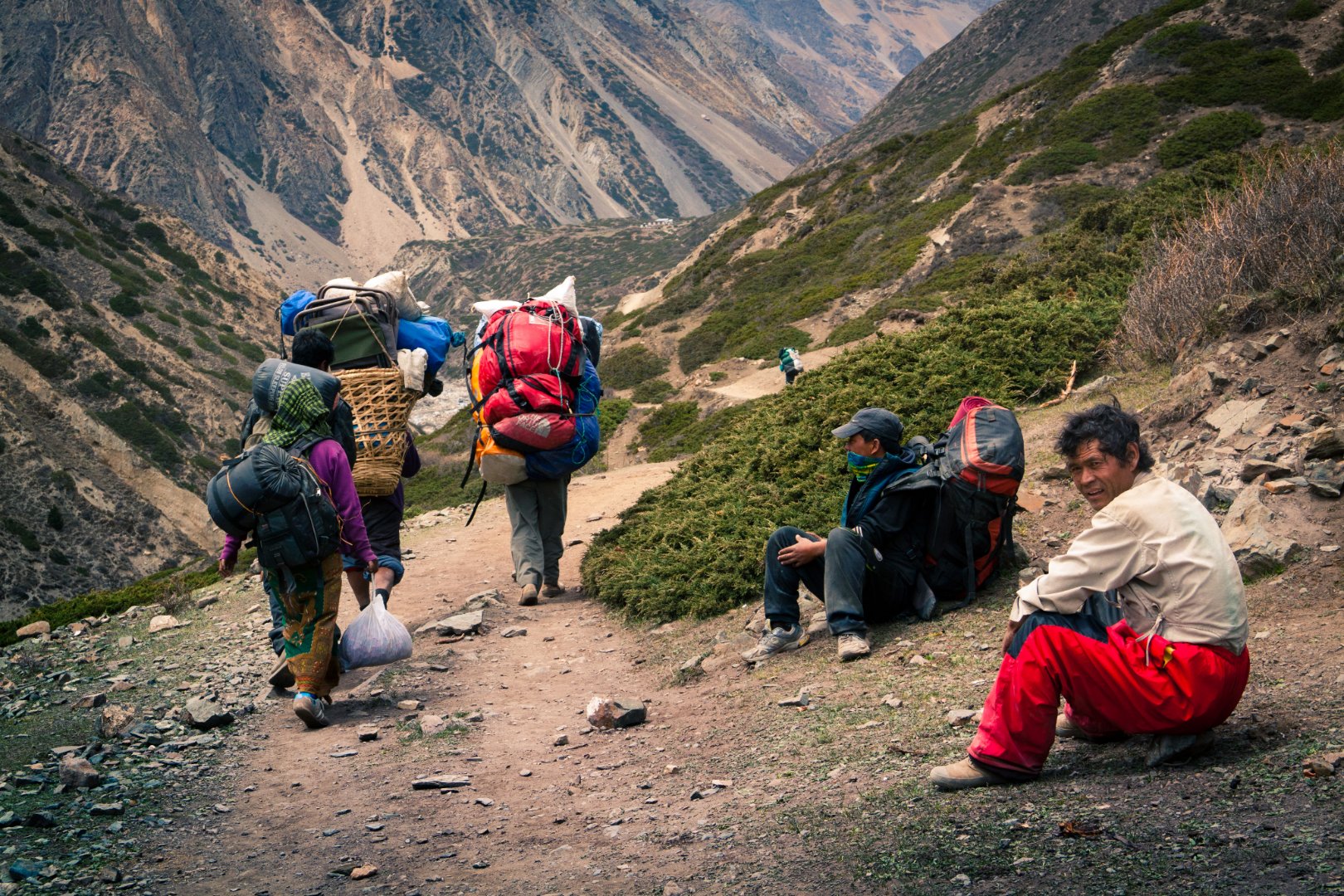
The discussion about porter rights is more advanced here than in most mountain regions.
Local Ownership
Nepal's tourism stays in local hands more than many competing destinations. You'll find family-run lodges, community homestays, and Nepali-owned trekking companies everywhere. Big international hotel chains haven't taken over like in other countries. This structure naturally keeps more money in local communities.
The bottom line: Certification doesn't create sustainability in Nepal. It documents and proves what already exists, making it visible to travelers who otherwise can't tell real operators from fake ones.
What Certification Actually Does
If Nepal already practices sustainability, why does certification matter? Certification serves four key purposes that help both travelers and local businesses.
1. Makes Good Operators Visible
A homestay in Ghandruk might keep 90% of guest money local, buy food from village farms, and hire community members as guides. That's genuinely sustainable. But when a traveler searches online, they can't tell this apart from an operator just making claims without proof. Certification creates trusted signals that travelers can rely on.
2. Opens Market Doors
Many international buyers and booking platforms now require proof of sustainable practices before they'll work with tourism operators. Without certification, even genuinely sustainable Nepali businesses miss out on valuable partnerships and customers.
European tour companies increasingly require certified partners before adding them to their offerings.
Corporate travel policies demand sustainability proof when booking accommodations and experiences for business travelers.
Booking websites highlight certified properties in search results, giving them better visibility to potential guests.
Certification translates local practices into internationally recognized credentials that open doors.
3. Drives Continuous Improvement
Certification isn't a one-time badge. It requires ongoing measurement, documentation, and improvement. The process itself makes businesses better even beyond what's being measured.
This process helps operators find inefficiencies in their operations that waste money or resources.
Operators can track progress over time and see concrete evidence of their improvements.
The certification framework helps businesses build on existing strengths and identify new opportunities.
The discipline of certification improves operations beyond just the specific things being measured.
4. Creates Industry Standards
As more operators get certified, Nepal builds data on what sustainable tourism looks like in mountain areas.
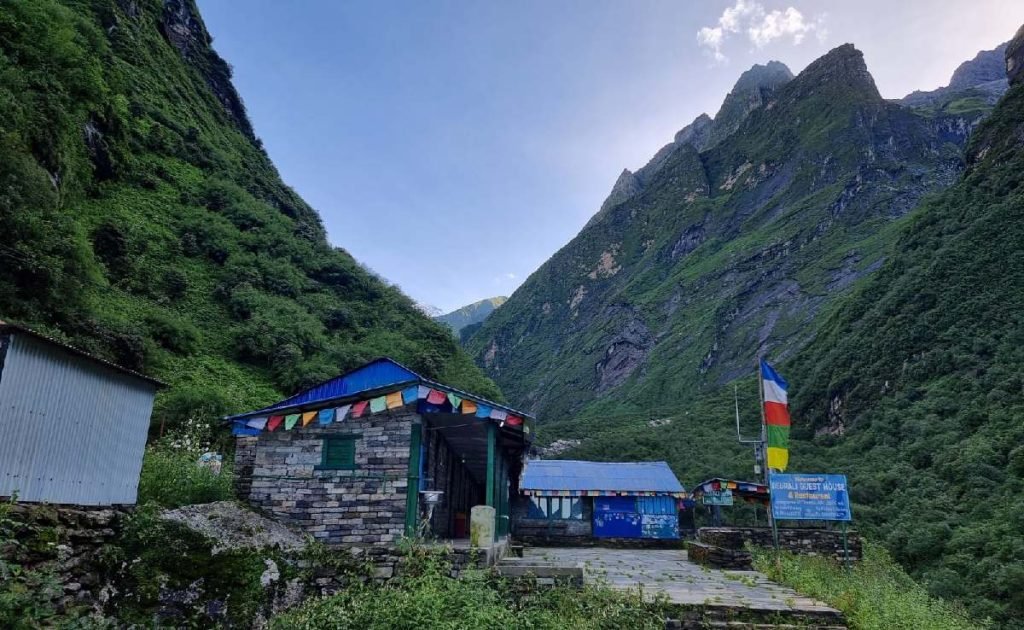
This information helps create better policies, helps new operators learn from successful ones, and creates standards designed for local conditions rather than copied from European hotels.
Main Certification Programs for Nepal
Several organizations offer frameworks that work for Nepal. Each focuses on different aspects of sustainable tourism and serves different markets.
Global Sustainable Tourism Council (GSTC)
GSTC sets international baseline criteria covering environmental, social, economic, and cultural sustainability. GSTC doesn't certify directly but approves certification bodies that meet their standards.
Travelife
Travelife certifies tour operators and hotels, with particular strength in European markets. Their process checks sustainability management, verifies staff training, and reviews supply chains. Travelife certification is especially useful for Nepali operators wanting to work with European tour companies.
The International Ecotourism Society (TIES)
TIES focuses on ecotourism operations, emphasizing conservation contribution, community benefit, and environmental interpretation. TIES membership signals alignment with ecotourism principles and connects operators to a global network. This works well for operators focused specifically on nature-based tourism.
Sustainable Travel International
This organization offers carbon measurement and offset programs alongside certification services. This helps operators quantify and address the climate impact of international flights to Nepal. They help calculate the carbon footprint of travel and provide verified offset programs.
Choosing the right certification depends on your target markets, what kind of tourism you offer, and resources available for the certification process.
What Nepal Homestays Is Building
We're working toward alignment with international sustainability standards while making sure they reflect Nepal's specific situation. Certification matters, but the real work is building systems that deliver actual sustainability results.
Economic Transparency
Understanding where money goes is fundamental to sustainable tourism. We believe travelers have a right to know how their spending impacts local communities, which is why we track and publicly share our financial flows.
We track and share how guest spending flows through our network, showing what percentage reaches host families.
We document what stays in local communities through wages, supplies, and services purchased locally.
We clearly explain what covers our operational costs so travelers understand the full picture.
This isn't required for certification, but it's the transparency that makes sustainability claims meaningful. Travelers deserve to know where their money goes.
Host Family Standards
We work with families on guest preparation, food safety, and facility maintenance. The goal isn't to make every homestay feel the same. It's to make sure hosting works well for both guests and families. Sustainable tourism requires that hosts genuinely benefit, not just financially. Families need to feel good about hosting, not burdened by it.
Porter and Guide Welfare
For treks connected to homestay visits, we follow Nepal's well-established frameworks for porter welfare. These standards were developed over decades by local organizations and represent best practices for mountain regions.
We verify that all porters receive fair wages that reflect the difficult nature of their work.
We ensure appropriate load weights that don't exceed recommended limits for porter safety.
We check that porters have proper equipment and clothing to stay safe and comfortable in mountain conditions.
Nepal has frameworks for porter welfare developed over decades. We make sure our partners follow them.
Local Sourcing Tracking
We document where food and supplies come from, choosing village-level sourcing that keeps spending local. When a homestay buys vegetables from a neighbor's farm instead of importing from Kathmandu, that money multiplies in the local economy.
Carbon Awareness
International flights to Nepal create significant emissions, and we believe travelers should understand and have options to address this impact. We provide tools and information to help guests make informed decisions about their environmental footprint.
We provide guests with carbon footprint estimates based on their travel distance and duration.
We offer offset options through verified programs that support environmental projects.
We share information on how longer stays reduce per-day impact since flight emissions stay the same.
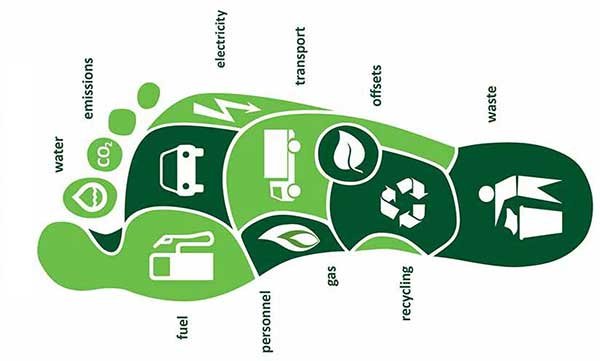
A traveler who stays two weeks instead of one doesn't double their flight emissions, so their daily environmental cost goes down.
Fair Community Distribution
We monitor how tourism benefits spread across communities, not just to hosting families. Sustainable tourism can't create inequality within villages. We work with communities on fair distribution of hosting opportunities.
This foundation positions us for formal certification as we grow. More importantly, it ensures we're actually delivering sustainability results, not just checking boxes.
How Travelers Can Spot Real Sustainable Tourism
Certification helps, but travelers can also judge sustainability directly. Here are practical ways to tell if an operator is genuinely sustainable or just using buzzwords.
Questions to Ask
About Money: "Where does my payment go? What percentage stays with the host family?"
Sustainable operators can explain this clearly. Vague answers suggest they haven't thought about it or don't want to share.
About Ownership: "Who owns this company?"
Locally owned operators keep more money in Nepal than foreign-owned chains or international platforms taking large commissions.
About Practices: "Can you give specific examples of your sustainability practices?"
"Eco-friendly" means nothing without details. "We source 80% of food from village farms within 5km" means something because it can be checked.
Things to Observe
Porter Treatment (on treks):
Watch how porters are treated during your trek, as this reveals a lot about an operator's values. Look for these signs of responsible practices:
Sustainable operators ensure porters are carrying reasonable weights that don't exceed safety guidelines.
Porters should have proper shoes and warm jackets provided by the trekking company, not their own worn-out gear.
Porters should sleep in decent conditions with proper shelter, not outside while clients get rooms.
Community Relationships:
Long-term partnerships indicate genuine commitment rather than exploitative quick transactions. Pay attention to these details:
Staff members should seem to know local people personally and greet them by name.
The operator should have long-term presence in communities, not just showing up seasonally.
Sustainable tourism builds relationships over years, not quick transactions.
Specificity vs. Vague Claims:
"We're eco-friendly and support local communities"
"80% of our food comes from farms within 5km, and host families receive 65% of the booking price"
Certification verifies these factors through independent audits. But informed travelers can assess much of this directly by asking questions and watching how operations actually work.
Nepal's Leadership Opportunity
Nepal is positioned to lead sustainable tourism in the Himalayan region. The country has natural advantages that other destinations are trying to create from scratch.
The foundations already exist through community tourism traditions that go back generations.
Conservation area systems have been refined over decades and serve as models for other countries.
Local ownership patterns keep tourism benefits in Nepali hands rather than flowing to foreign corporations.
What's needed now is documentation, verification, and communication that helps international travelers find what Nepal already offers.
The Path Forward
Each operator pursuing GSTC alignment, Travelife certification, or TIES membership helps build the infrastructure that makes Nepal's sustainable tourism visible globally. Every certification makes a difference:
Each certified operator demonstrates what's possible and shows other businesses the benefits of verification.
Certified operators raise expectations across the industry and encourage competitors to improve their practices.
Success stories create momentum for others to follow and build Nepal's reputation as a sustainable destination.
Why This Matters
We see certification not as external validation we need to prove ourselves, but as a bridge connecting Nepal's existing strengths to travelers seeking them. The sustainable practices came first, developed over decades. The verification helps them reach travelers around the world looking for exactly these kinds of authentic, community-based experiences.
Conclusion
Nepal didn't invent sustainable tourism yesterday. It's been practiced for generations. Certification just helps the world recognize what was already here.
Whether you're a traveler looking for authentic experiences or an operator considering certification, remember this: sustainability in Nepal isn't something new being added on. It's something old being recognized, verified, and shared with the world.
Ready to experience authentic sustainable tourism in Nepal? Nepal Homestays supports Global Sustainable Tourism Council (GSTC), Travellife, The International Ecotourism Society (TIES), and Sustainable Travel International as we work toward formal certification alignment.
Frequently Asked Questions (FAQs)
What is sustainable tourism certification?
Sustainable tourism certification is independent verification that a tourism operator meets specific environmental, social, and economic standards. It helps travelers identify genuinely sustainable businesses.
Which certification is best for Nepal tourism operators?
GSTC is the international gold standard. Travelife works well for European markets. TIES suits nature-based operators. The best choice depends on your target market and operation type.
How can I verify if a Nepal homestay is truly sustainable?
Ask specific questions about where money goes, check for local ownership, observe porter treatment on treks, and look for detailed practices rather than vague claims like "eco-friendly."
Does certification guarantee sustainable practices?
Certification from recognized bodies like GSTC or Travelife involves independent audits and ongoing verification, making it much more reliable than self-declared sustainability claims.
What percentage of tourism money should stay in local communities?
While this varies, genuinely sustainable operators in Nepal often keep 60-80% of guest payments within local communities through host family payments, local guide wages, and village-sourced supplies.
Company Admin
Travel writer sharing authentic stories and experiences from Nepal's beautiful homestays.